
High-Efficiency Dehumidification & Recovery Solutions
Explore our core industrial product architectures designed to eliminate latent moisture loads, capture volatile organics, and achieve uninterrupted low dew point control.
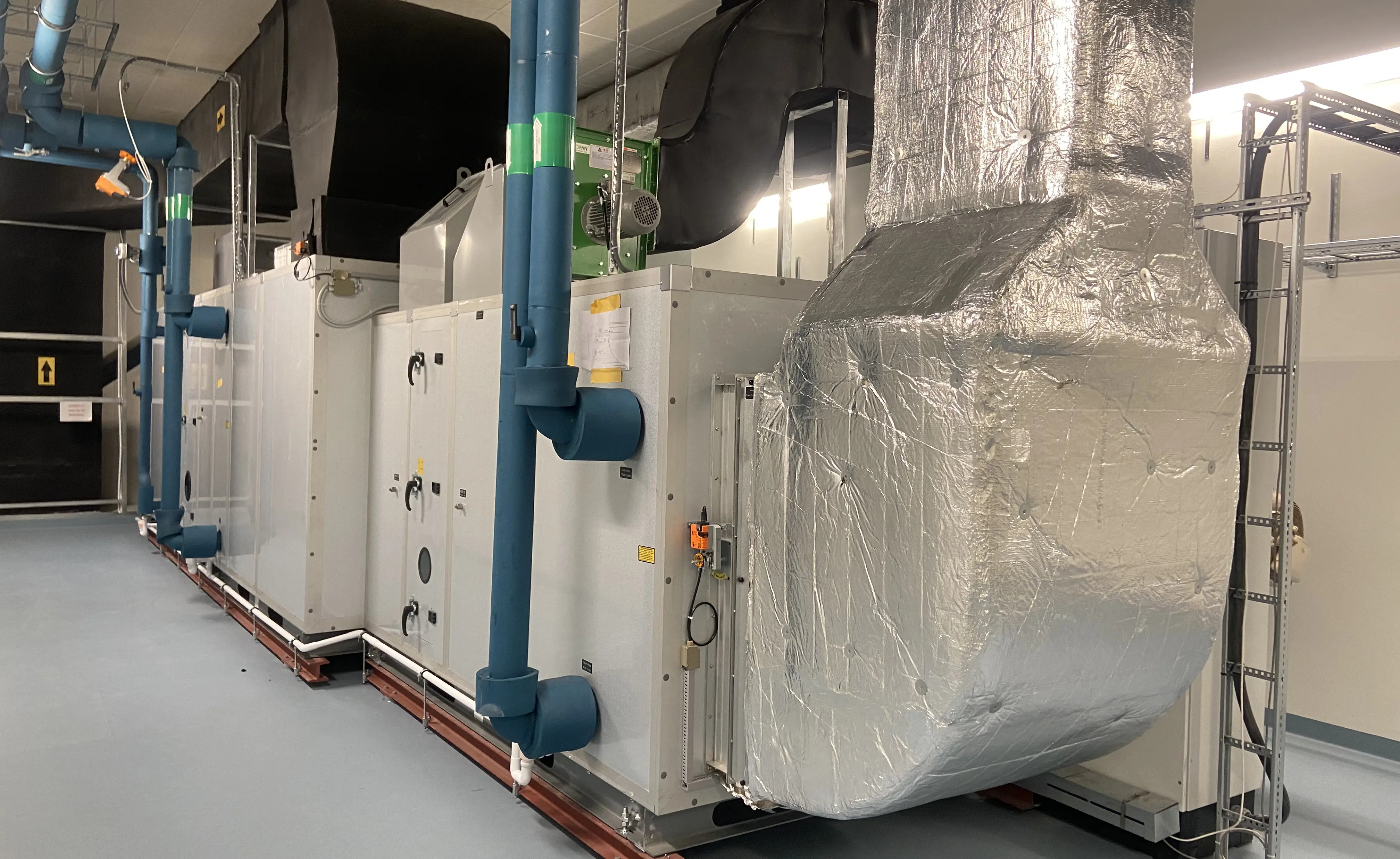 -70°C Dew Point
DHU Rotary Desiccant Dehumidifier
Active silica gel rotor system tailored for ultra-low humidity tolerances in precision manufacturing and lithium-ion processing.
View Specifications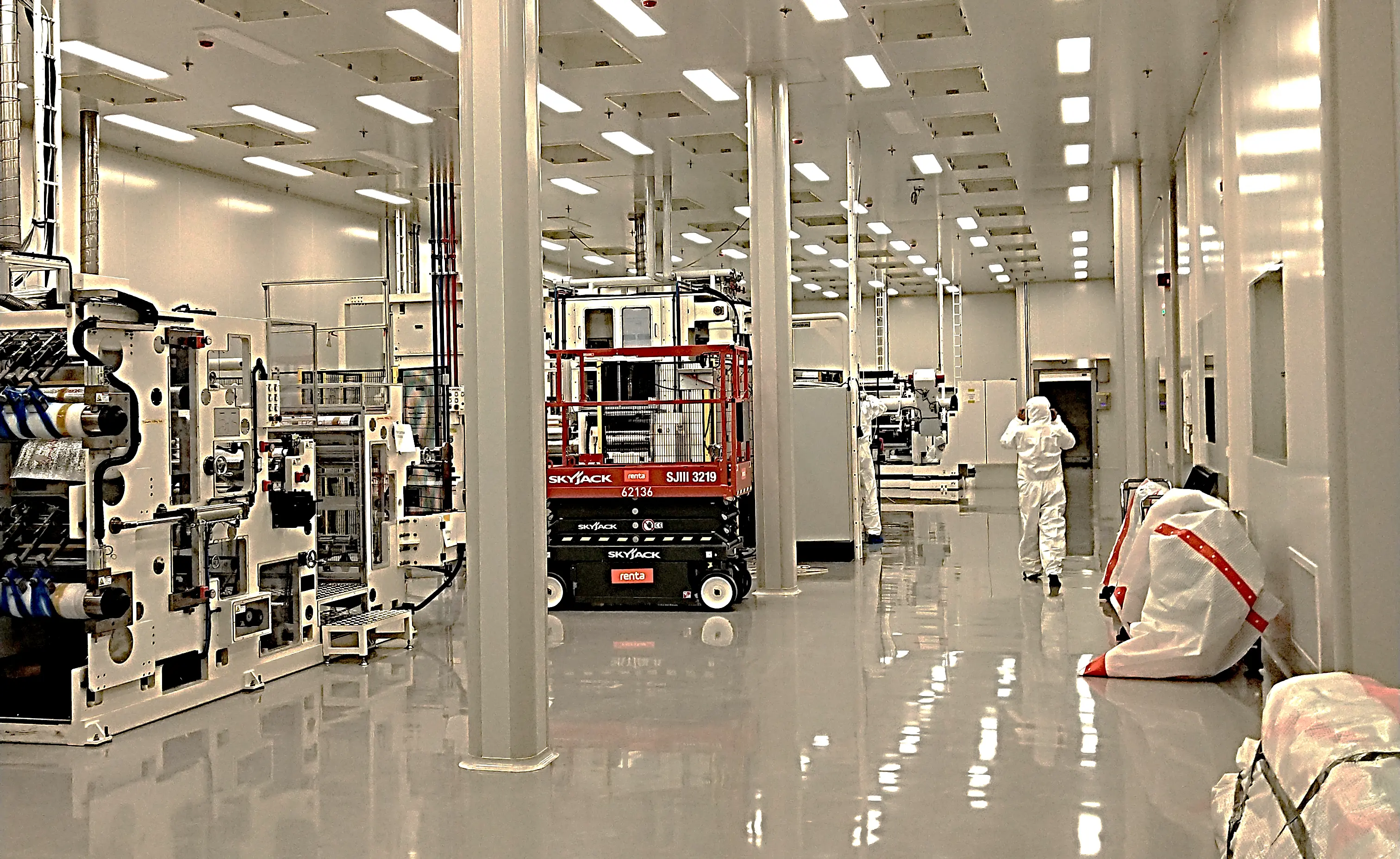 Turnkey EPC
Turn-key Dry Room System
Integrated envelope architecture encompassing HVAC, hermetic ducting, and dynamic dew point automation for battery gigafactories.
Explore Dry Rooms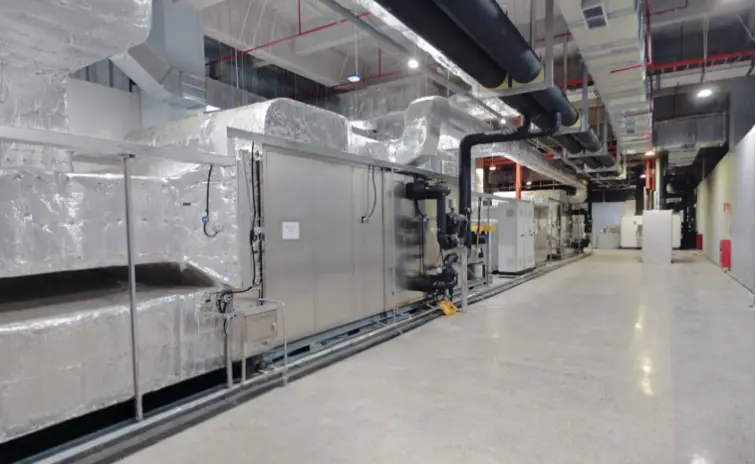 Recovery ≥99%
ZJRH NMP Solvent Recovery
Closed-loop condenser and absorption technology capturing solvent fumes from cathode coating drying tunnels with minimal energy.
Learn Recovery Tech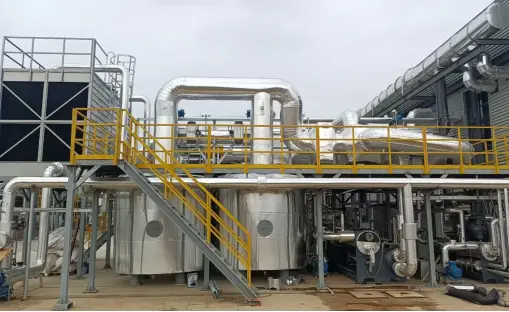 Cooling + RTO
JEN VOC Abatement System
Combined deep-cooling condensation and regenerative thermal oxidation to neutralize chemical process exhaust streams.
Explore Abatement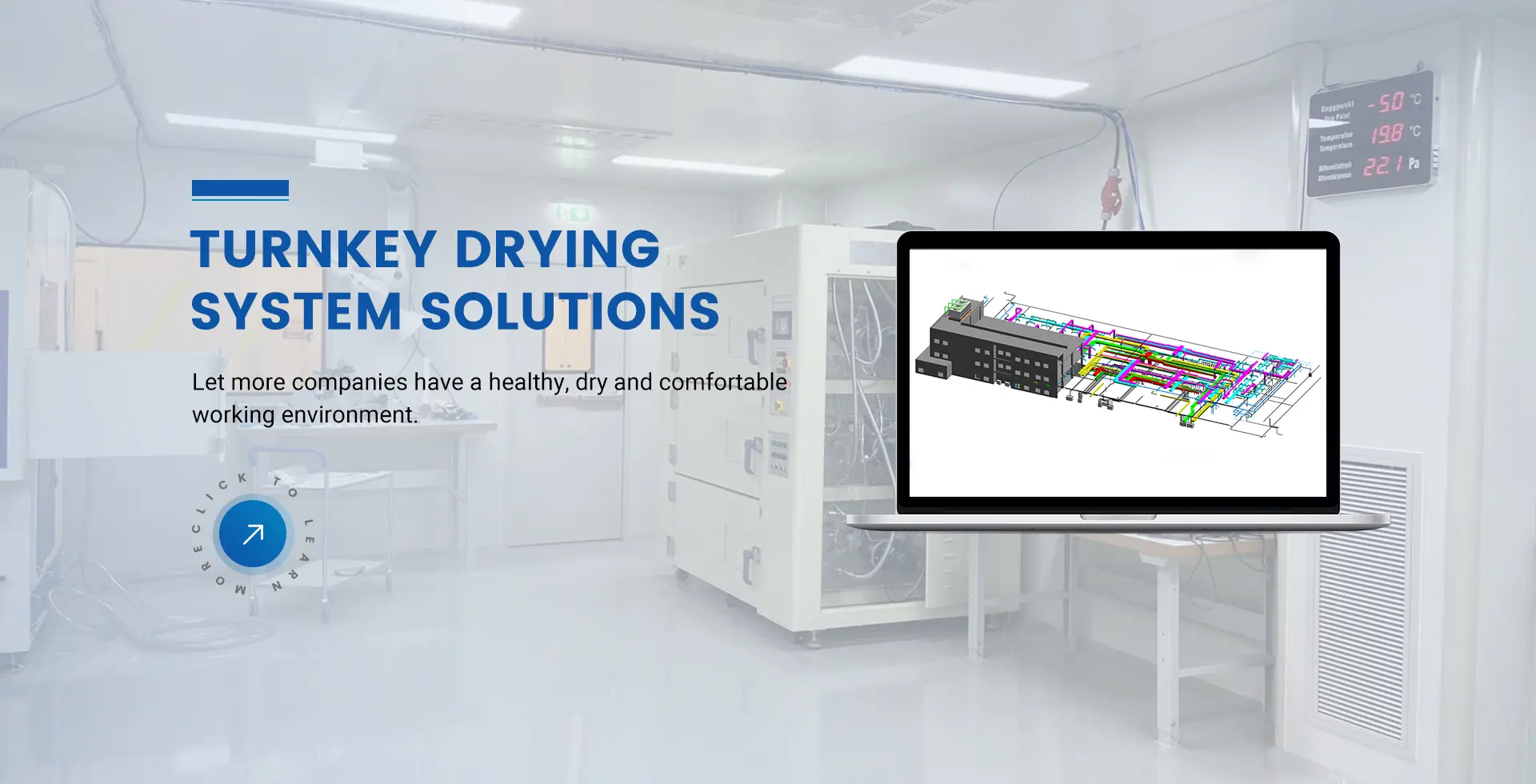 High COP
Refrigerative Dehumidifier
Primary condensing stage extracting bulk moisture upstream from desiccant wheels to optimize thermal regeneration cycles.
View Refrigerative Units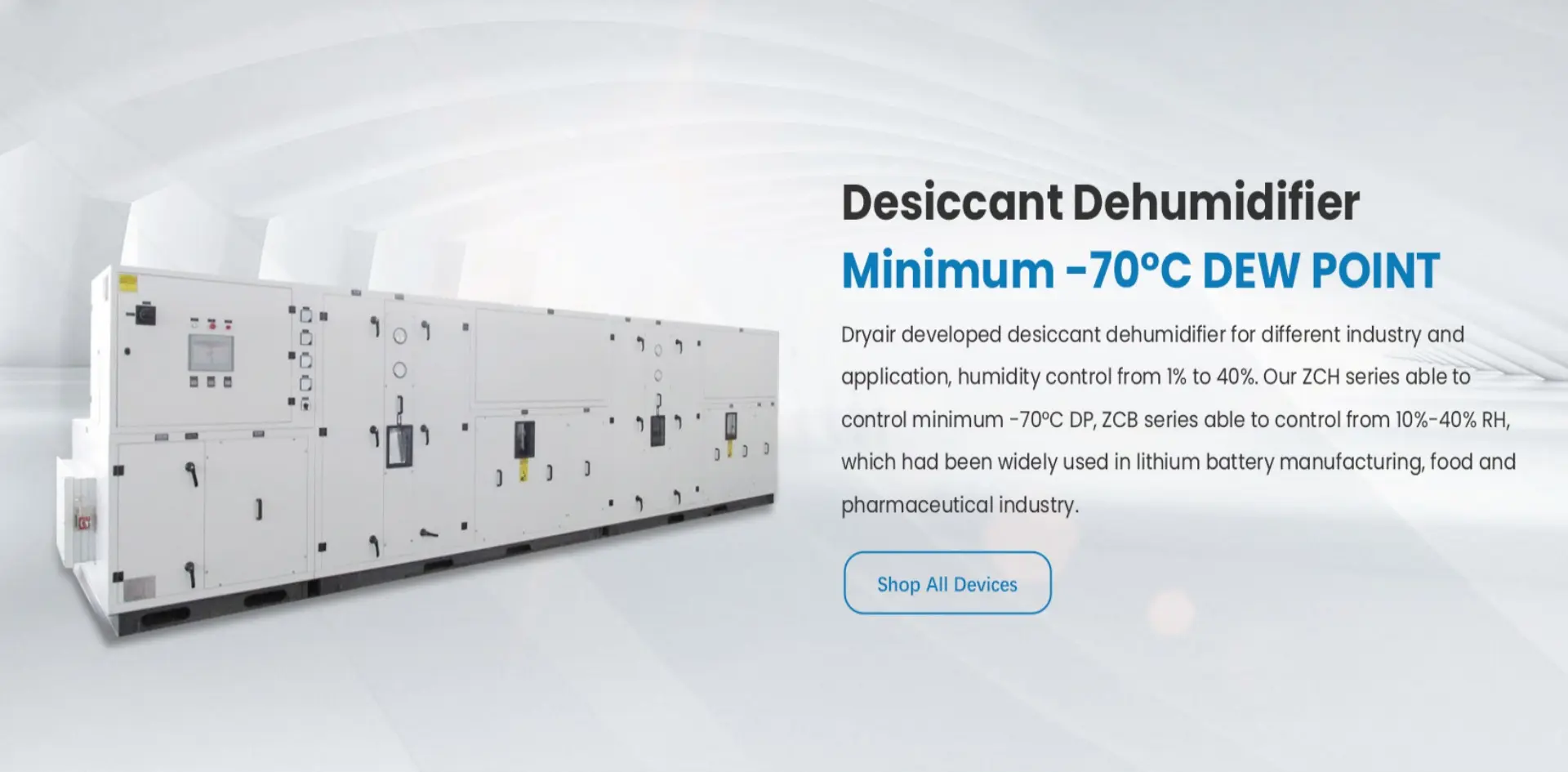 ISO Cleanroom
Modular Battery Dry Room
Scalable, pre-engineered enclosures integrated with continuous air purging to prevent ambient vapor infiltration in pouch cell assembly.
Discover Systems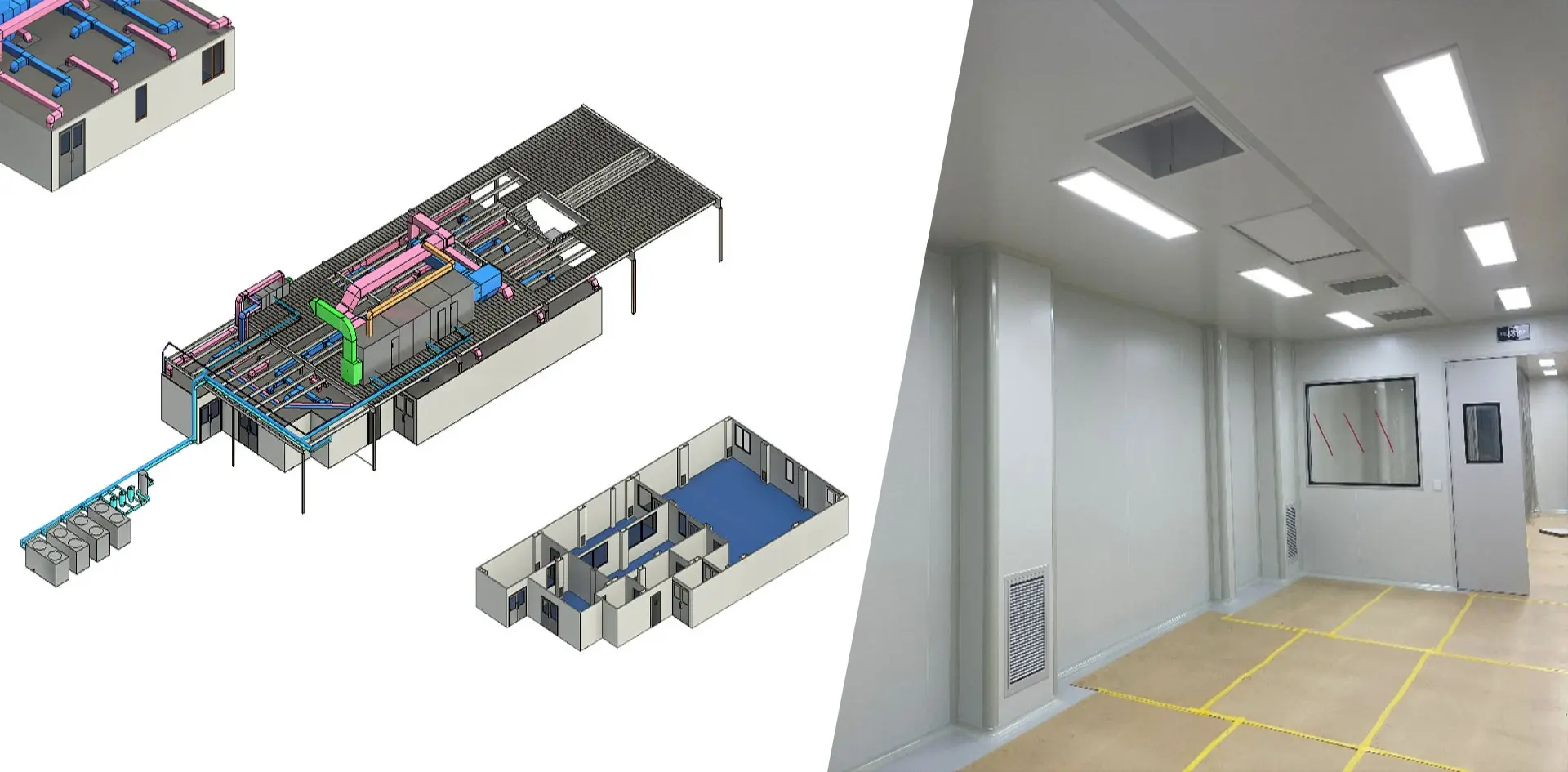 Silica Gel Matrix
Industrial Rotor Dehumidifier
Equipped with high-density synthesized silica gel honeycombs to maintain continuous adsorption under aggressive ambient moisture.
Review Engineering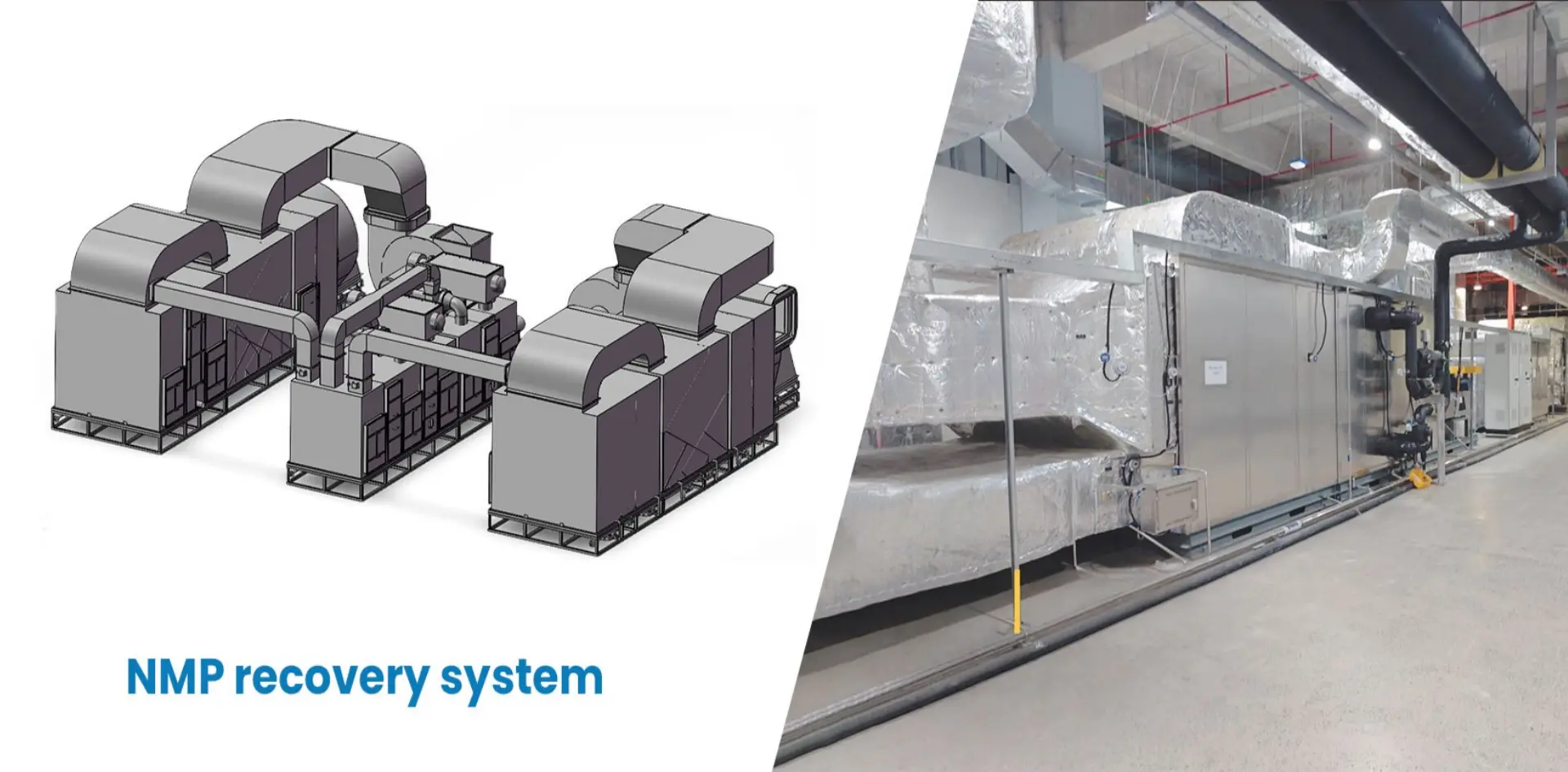 Zero Emissions
VOC Condensation Unit
Multi-stage cryogenic cooling and adsorption arrays engineered for solvent stripping and clean hydrocarbon vapor processing.
View Industrial SystemsEvolution of Silica Gel Dehumidification Technology in China
A comprehensive examination of adsorption thermodynamics, synthesized honeycomb rotors, and how Chinese manufacturing transitioned from component assembly to leading global low-dew-point standards.
Active Silica Gel Rotor Thermodynamics
At the center of contemporary industrial dehumidification lies the rotary desiccant wheel. Unlike passive chemical desiccants, industrial silica gel wheels utilize a corrugated inorganic fiber matrix chemically bonded with active macroscopic pore silica gel. With internal pore surface areas reaching over 800 square meters per gram, water molecules in incoming process air are captured via vapor pressure differentials without structural deliquescence or chemical migration.
Modern Chinese rotors feature proprietary synthesized metal silicates and high-purity molecular sieves (13X zeolite) that resist thermal degradation during 120°C to 140°C reactivation cycles, assuring stable mass transfer across continuous decades of round-the-clock plant operation.
Breaking the Ultra-Low -70°C Dew Point Barrier
Achieving supply air dew points below -40°C represents an engineering hurdle where traditional refrigeration completely fails due to freezing coils. Reaching -70°C dew point (equivalent to an absolute moisture content under 0.0033 grams of vapor per kilogram of dry air) demands sophisticated psychrometric staging.
Hangzhou DryAir pioneers dual-rotor cascade dehumidification combined with intermediate surface chilling and patented thermal heat-recovery purge loops. By sealing perimeter leakage down to less than 0.05% with spring-loaded Viton and PTFE seals, our desiccant arrays guarantee zero ambient humidity bypass into critical dry room supply streams.
Thermal Regeneration Energy Optimization
Operating an industrial desiccant dehumidifier represents significant long-term thermal energy expenditure. China's new generation of rotary dehumidifiers integrates dynamic variable-frequency regeneration fans, waste steam heat exchange, and exhaust air heat recirculation loops.
By extracting sensible heat from the cooling sector of the rotor and redirecting it into the incoming reactivation stream, overall plant thermal consumption drops by 25% to 40% compared to legacy systems. This enables multinational industrial operators to reach aggressive carbon neutrality milestones without sacrificing process safety margins.
Global Enterprise Procurement Demands & Technical Evaluation
When engineering directors and supply chain managers specify heavy industrial dehumidifiers, failure to account for latent moisture load or casing deflection leads to catastrophic production halts.
Psychrometric Latent Load Verification
International tenders require rigorous psychrometric audits. Beyond sensible heat, the engineering team must calculate door cycling frequency, personnel moisture perspiration (typically 50-90 g/h per technician), and positive air pressurization requirements (15 to 30 Pa above ambient) to prevent unconditioned atmospheric infiltration.
International Compliance & Codes
Procuring from China necessitates pre-validated international certifications. Hangzhou DryAir systems are engineered to comply with European CE Machinery Directive 2006/42/EC, North American UL 1995/UL 60335 electrical codes, CSA C22.2, ASME pressure vessel standards, and Eurasian EAC certifications, ensuring seamless local grid commissioning.
Structural Rigidity & Thermal Bridging
Sub-zero dew point operation induces extreme vapor pressure and temperature differentials across unit casings. Double-skin polyurethane injected panels (50mm to 100mm thickness) with thermal break profiles prevent outer condensation sweat, air leakage class L1/L2 (EN 1886), and mechanical deflection class D1 under high static fan pressure.
Total Cost of Ownership (TCO) Model
Capital equipment expenditure (CAPEX) represents merely 15% to 20% of an industrial dehumidifier's lifecycle expense over 10 years. Operational expenditure (OPEX) in the form of electricity, steam, and rotor service dominates. DryAir designs prioritize high-coefficient heat exchangers, lowering overall TCO by up to 35%.
China Factory 4.0: Supply Chain Resilience & Production Scale
Inside Hangzhou DryAir Treatment Co., Ltd.: Leveraging automated sheet-metal laser manufacturing, full-scale psychrometric testing chambers, and an agile tier-one domestic component supply chain.
End-to-End Vertical Manufacturing
Operating from our modern facility at No. 2088 Keji Road, Qingshan Industrial Park, Hangzhou, we command complete in-house fabrication: CNC laser cutting, structural frame welding, anti-corrosion powder coating, rotor cassette integration, and control panel wiring under strict ISO 9001 and GJB national military quality standards.
This vertical depth eliminates dependency on fragmented third-party subcontractors, allowing our production lines to output over 200 high-capacity industrial units per month.
In-House Certified Test Laboratories
Every industrial desiccant dehumidifier undergoes rigorous validation within our calibrated full-scale enthalpy testing chambers prior to factory release. We test air volumetric output, external static fan pressure, reactivation heater modulation, and continuous dew point depression down to -70°C under simulated extreme tropical and sub-arctic ambient conditions.
International clients receive comprehensive FAT (Factory Acceptance Test) dossiers featuring multi-point sensor logs and third-party verified power draw readings.
Agile Supply Chain for Accelerated Lead Times
While Western machinery manufacturers frequently quote lead times exceeding 40 to 60 weeks for multi-megawatt custom desiccant dry room plants, China's mature domestic supply chain ecosystem allows DryAir to fulfill complete engineered systems within 12 to 18 weeks.
Tier-one strategic alliances with global component suppliers (Siemens PLC controls, ABB variable speed drives, FläktGroup fans) ensure global spare parts compatibility without custom hardware lock-in.
Mission-Critical Applications Where Moisture Means Failure
Across high-tech electronics, pharmaceutical tableting, defense reserves, and advanced battery chemistry, precise relative humidity control serves as the frontline protector of yield and safety.
Lithium-ion Battery Gigafactories
Moisture is the primary enemy of lithium battery electrolyte integrity. Ambient water vapor reacts with LiPF6 to form hazardous hydrofluoric acid (HF), triggering rapid cell swelling, internal short-circuits, and severe capacity fade.
- Cathode/Anode Coating & Slurry: ≤ -20°C to -30°C DP
- Electrode Winding & Stacking: ≤ -40°C to -50°C DP
- Electrolyte Injection & Sealing: ≤ -60°C to -70°C DP
DryAir powers gigafactory production for CATL, BYD, EVE Energy, SVOLT, Northvolt, and Tesla.
Pharmaceutical & Biologics Cleanrooms
Hygroscopic powders, effervescent tablets, soft gelatin capsules, and antibiotic vials clink, lump, or chemically degrade in humidity over 20-30% RH. Microbial proliferation also accelerates rapidly in damp duct systems.
- Effervescent Tableting: 15% to 20% RH at 22°C
- Capsule Drying Tunnels: 20% to 25% RH with continuous lamina flow
- Sterile Powder Packaging: GMP Grade A/B compliance with sanitary stainless steel casings
Aerospace & National Defense
Preservation of tactical avionics, guided missiles, radar apparatus, and ammunition bunkers demands strictly maintained environments under 35-40% RH to arrest electrochemical galvanic corrosion and propellant degradation.
Engineered under the stringent GJB national military standard, DryAir systems deliver unassisted, fail-safe humidity moderation across extreme maritime coastal installations and subterranean strategic depots.
Semiconductors & Optoelectronics
During wafer fabrication, photolithography photoresists require exact, vibration-isolated relative humidity tolerances to avoid optical diffraction errors. Moisture condensation on high-density circuits causes irreversible pin-hole micro-shorting.
Our desiccant systems feature high-efficiency EC plug fans with low vibration signatures and sub-micron chemical filtration options.
Turnkey Solutions: From Air Dehumidification to VOC Abatement
Advanced battery and chemical facilities require seamless convergence between incoming clean dry air handling and outgoing toxic process exhaust solvent abatement.
Complete Turnkey Dry Room EPC
Hangzhou DryAir does not merely deliver stand-alone dehumidifier units; we construct the entire controlled space. Our turnkey contracts encompass engineering thermal calculations, insulated rock-wool fire-rated panel installation, hermetic airlocks, secondary interlock pass-throughs, and balance air pressure systems.
One unified engineering team owns the SLA from project conception through to on-site commissioning and final dew point validation at 100% full plant capacity.
Explore EPC CapabilitiesClosed-Loop NMP Solvent Recovery (≥99%)
N-Methyl-2-pyrrolidone (NMP) represents one of the costliest raw chemical inputs in lithium-ion battery cathode slurry deposition. Our ZJRH recovery systems integrate multi-stage chilled water condensation coils, active carbon zeolite adsorption wheels, and fractional distillation columns.
Achieving recovery purities exceeding 99% alongside exhaust solvent concentrations well below 5 mg/m³, plants recover their entire equipment capital investment in less than 14 months of steady output.
Review NMP RecoveryRegenerative Thermal Oxidation (RTO) VOC Abatement
For chemical and fuel storage terminals, industrial volatile organic compounds (VOCs) and oil vapors present critical fire hazards and strict environmental compliance liabilities. The DryAir JEN system utilizes cryogenic pre-condensation to capture high-density vapors, followed by multi-bed RTO destructors operating above 850°C.
Destruction and removal efficiency (DRE) consistently exceeds 99.5%, safely meeting the most rigorous EPA (USA) and Industrial Emissions Directive (EU) mandates.
Discover VOC AbatementDew Point Selection Matrix by Industry Process
Specifying precise moisture thresholds avoids both dangerous quality failures and excessive thermal energy consumption. Reference this baseline engineering matrix during technical project sizing.
| Industrial Application | Critical Environmental Target | Dominant Failure Mode | Recommended Primary Architecture |
|---|---|---|---|
| Lithium-ion Cell Assembly & Electrolyte Filling | -40°C to -60°C Dew Point | Hydrofluoric acid (HF) generation; cell swelling & explosion | Turn-Key Low Dew Point Dry Room |
| Solid-State & Lithium Metal Battery Labs | -65°C to -70°C Dew Point | Rapid lithium oxidation; severe electrolyte decomposition | Dual-Rotor Cascade Desiccant Dehumidifier |
| Cathode Slurry Drying Exhaust | ≥99% Solvent Mass Recovery | Excessive solvent procurement cost & toxic stack violations | ZJRH Series Closed-Loop NMP Recovery System |
| Effervescent Tablet Pressing & Packaging | 15% to 25% Relative Humidity | Premature carbon dioxide effervescence; tool sticking | Hygienic Desiccant Dehumidifier Unit |
| Missile & Munitions Long-Term Depots | ≤35% to 40% Relative Humidity | Propellant moisture contamination; galvanic rust on primers | Military-Spec GJB Desiccant Dehumidifier |
| Raw Material Bulk Warehousing & Cold Stores | 45% to 60% Relative Humidity | Cardboard collapse; mold spores; floor condensation slick | Industrial Refrigerative Dehumidifier |
| Petrochemical Bulk Loading & Tank Vapor Extraction | <20 mg/Nm³ Hydrocarbon Stack | Fugitive VOC emissions; combustible vapor ignition risks | Cryogenic Condenser + Regenerative Thermal Oxidizer |
Audited Manufacturing Authority & Enterprise Deployments
Since our founding in 2010, Hangzhou DryAir has established itself among China's top three desiccant dehumidification manufacturers, holding over 30% domestic market share and executing major projects worldwide.
Validated Tier-One OEM Deployments
DryAir rotary dehumidification arrays and turnkey dry rooms operate continuously inside battery manufacturing plants for CATL, ATL, BYD, EVE Energy, Farasis Energy, Envision AESC, and SVOLT. Overseas, our equipment maintains low dew point envelopes for international manufacturers such as Tesla, Northvolt, and TTI.
Deep Engineering & Academic Leadership
Our engineering division employs 74 highly qualified specialists, including 6 holding doctoral or master's degrees in HVAC and chemical engineering, 2 national registered HVAC engineers, 8 senior HVAC design engineers, and 58 certified industrial technicians. This in-house multidisciplinary depth allows custom air handling CFD simulations before cutting steel.
Comprehensive Global Service Model
International clients can secure our optional 2-year on-site comprehensive warranty agreement. Backed by remote IoT PLC tele-diagnostics, regional spare parts warehousing, and dedicated commissioning engineers dispatched directly to North America, Europe, and Southeast Asia, we maintain continuous uninterrupted uptime.
Frequently Asked Questions on Desiccant Dehumidifiers & Dry Rooms
Direct technical answers addressing rotor chemistry, casing air-leakage rates, energy consumption, and international shipping protocols.
What is the lowest achievable dew point with a DryAir silica gel desiccant dehumidifier?
How does a silica gel rotor compare to molecular sieve or lithium chloride desiccant wheels?
Do you execute complete turnkey battery dry room contracts internationally?
Which international electrical and pressure vessel certifications do your systems carry?
What recovery efficiency and purity does your NMP recovery system deliver?
What thermal energy sources can be used for desiccant wheel reactivation?
What warranty and after-sales support protocols do you offer overseas clients?
Advanced Industrial Systems & Hardware Platforms
Shortlist your system configuration or contact our senior engineering team to request detailed psychrometric calculations, CAD layouts, and equipment schedules.
DHU Model
Rotary Desiccant Dehumidifier
Heavy-duty industrial dehumidifier unit with dual-wheel cascading and heat recovery for battery dry rooms.
View Specifications
Cleanroom ISO
Turn-key Dry Room System
Complete clean dry room project execution including fire-rated panel enclosure, hermetic doors, and ducting.
Explore Dry Rooms
Efficiency ≥99%
NMP Recovery System
Continuous solvent vapor condensation and adsorption unit engineered for cathode coater lines.
Learn Recovery Tech
Thermal RTO
VOC Abatement System
Deep chilling condensation paired with high-temperature regenerative thermal oxidizers to strip plant VOCs.
Explore Abatement Factory Tested
Custom Industrial AHU
Configured air handling units with integrated filtration, sensible cooling coils, and PLC logic controls.
Review Engineering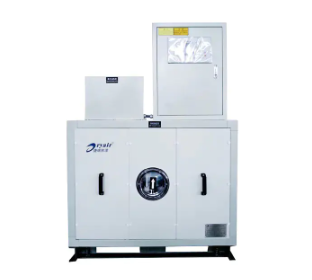 GMP Compliant
Hygienic Pharma Dehumidifier
Sanitary double-walled casing with antibacterial filters designed for solid oral dosage and capsule filling suites.
View Pharma Units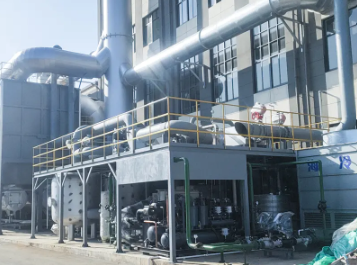 Petrochemical
Oil Gas Condensation Unit
Refrigerated condensation recovery system tailored for hydrocarbon storage tank filling and marine transport terminals.
Discover VOC Solutions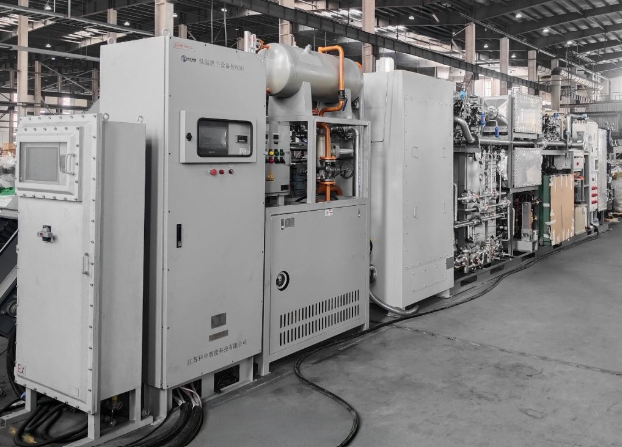 Solvent Reuse
Refrigerative Dehumidifier
Pre-cooling refrigerated dehumidifier arrays designed to remove bulk water upstream from rotary desiccant systems.
View Refrigerative UnitsDownload Complete Engineering Catalog & Technical Curves
Access detailed airflow sizing sheets, psychrometric curves down to -70°C, BIM models, and reference project specs directly from our senior engineering team.