Featured Industrial Air Treatment & Recovery Systems
Explore Hangzhou DryAir’s comprehensive lineup engineered for energy efficiency, stringent emission compliance, and process stability.
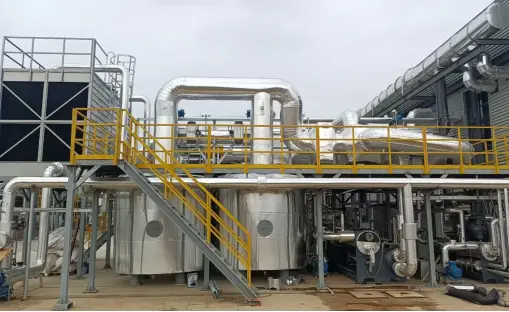
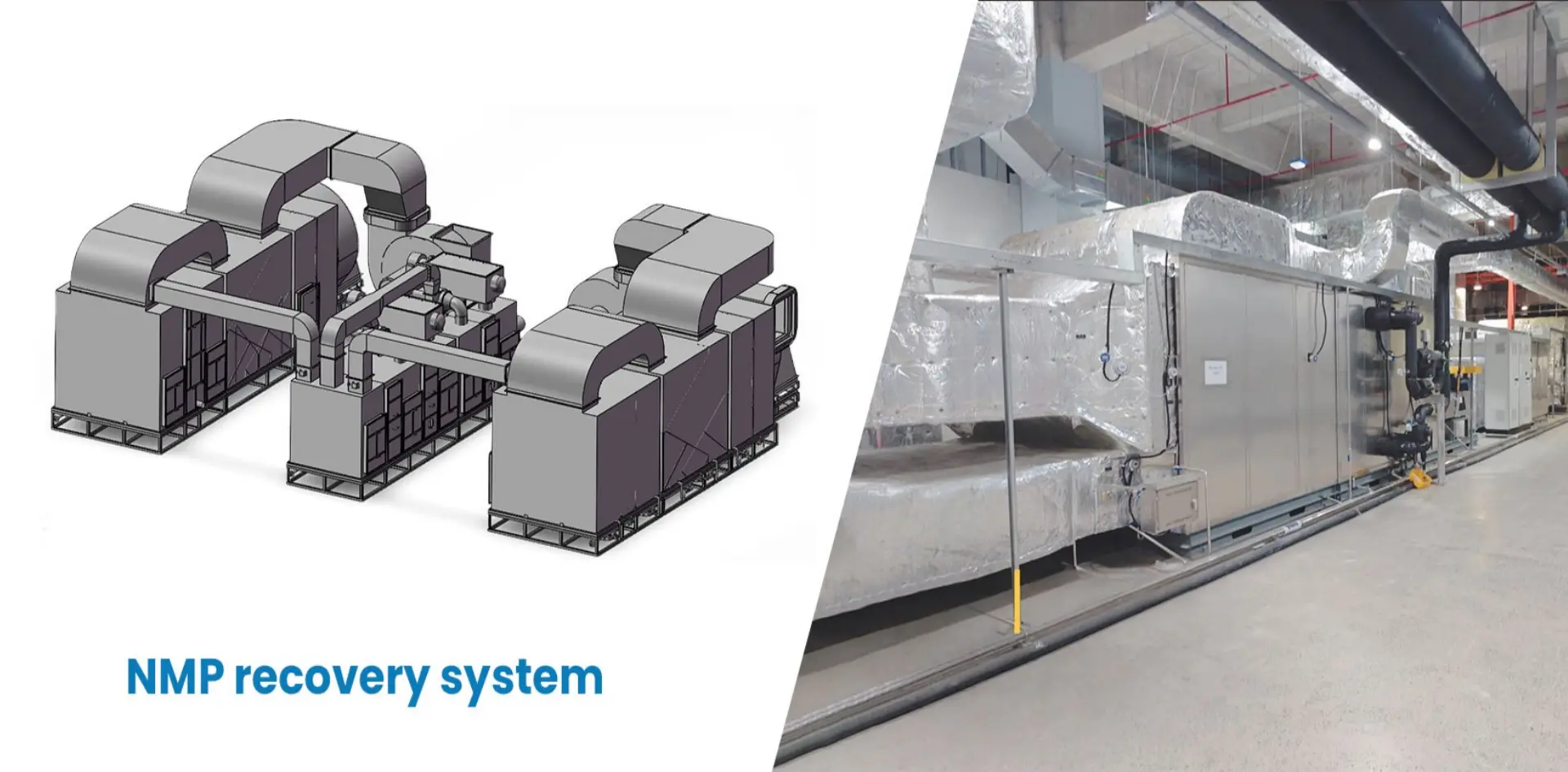
Advanced NMP Recovery Systems: Factory Excellence from China
An in-depth analysis of chemical thermodynamic recovery, process optimization, energy integration, and global environmental compliance in lithium battery manufacturing.
The Role of N-Methyl-2-pyrrolidone (NMP) in Battery Production
In modern lithium-ion battery manufacturing, N-Methyl-2-pyrrolidone (NMP) serves as the vital organic solvent used to dissolve Polyvinylidene Fluoride (PVDF) binder when preparing cathode slurries (e.g., NCM, LFP, NCA). During the high-temperature drying phase on electrode coating lines, massive volumes of gaseous NMP are evaporated into the exhaust airstream.
Because NMP is both costly and toxic—classified as a Substance of Very High Concern (SVHC) under EU REACH regulations—releasing it untreated is legally prohibited and economically wasteful. A high-performance NMP recovery system manufactured by a specialized China factory like Hangzhou DryAir achieves dual objectives: recovering purified liquid NMP for reuse at efficiencies exceeding 99%, while dramatically dropping stack gas VOC emissions to meet global environmental mandates.
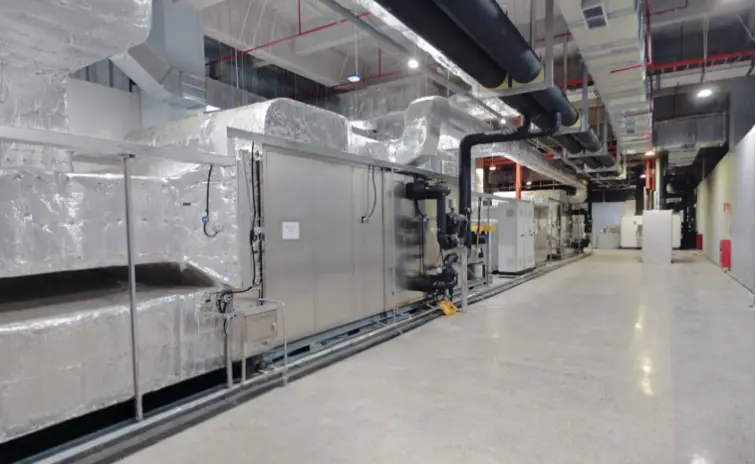
System Architecture & Thermodynamic Recovery Process
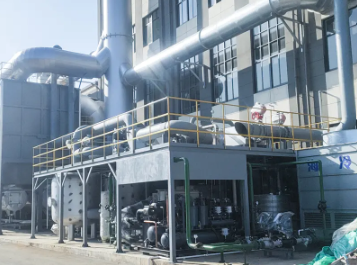
Hangzhou DryAir’s state-of-the-art ZJRH series NMP recovery systems employ a multi-stage process combining sensible heat exchange, chilled liquid condensation, runner concentration absorption, and waste heat recovery. The exact mechanical sequence operates as follows:
1. Heat Exchange & Pre-Cooling
Hot, NMP-laden exhaust air (typically 100°C–140°C) leaving the coater oven enters a high-efficiency stainless steel plate air-to-air heat exchanger. Incoming cool dry return air extracts latent heat, lowering exhaust temperature while reducing cooling energy demand.
2. Condensation & Scrubber Cooling
The pre-cooled gas enters a dual-stage chilling tower. Using chilled water loops (7°C–12°C), the air temperature drops below the dew point of NMP vapor. Over 85% to 90% of gaseous NMP rapidly condenses into high-purity liquid solvent collected in sumps.
3. Rotor Polishing & Exhaust Cleaning
To capture remaining low-concentration NMP traces, air passes through a specialized zeolite rotor or VOC absorption wheel. Residual NMP is absorbed and concentrated, releasing clean air (<10ppm VOC) into the atmosphere or sending it back to dry room air handlers.
Energy Integration with Gigafactory HVAC & Dry Rooms
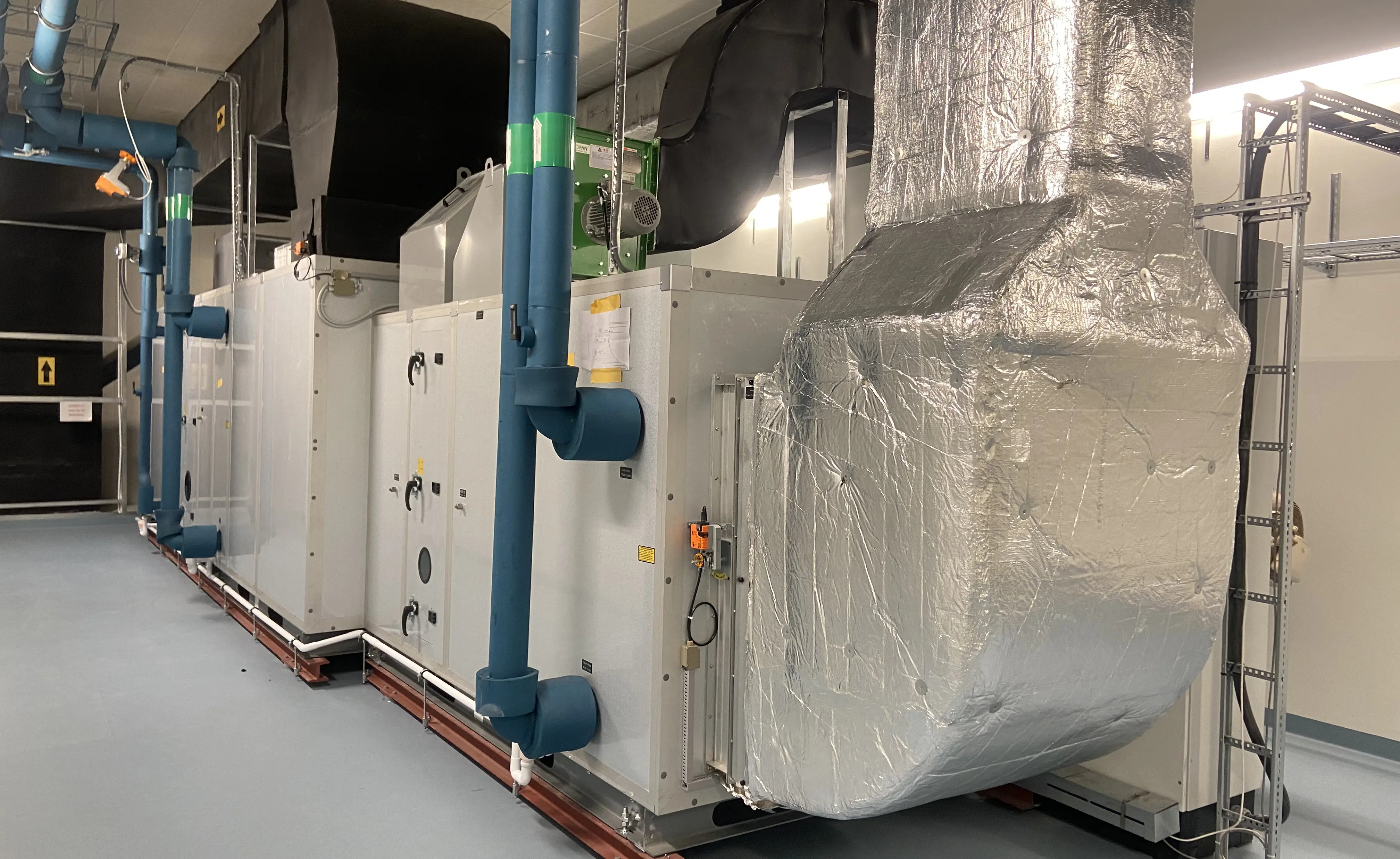
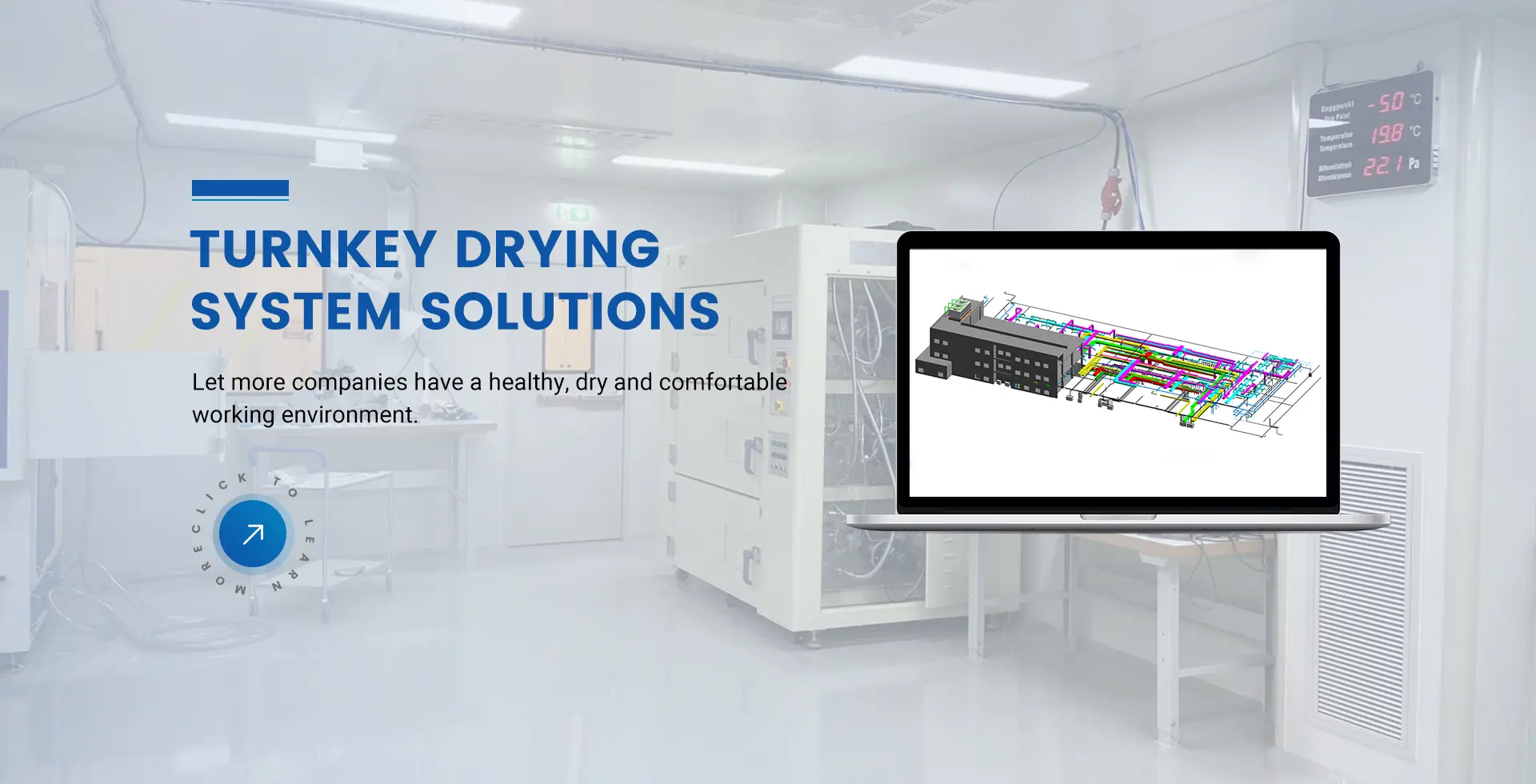
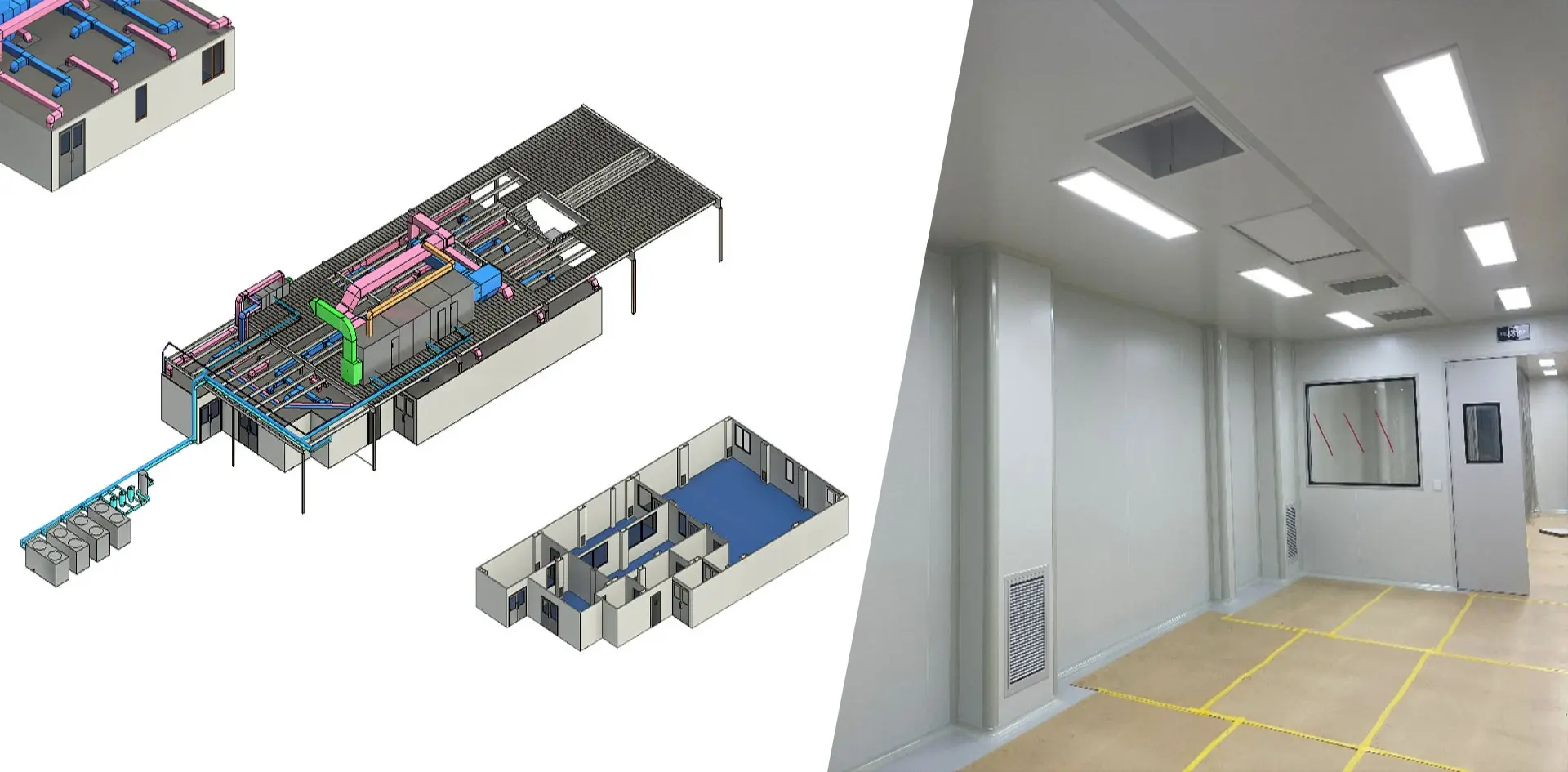
A major breakthrough engineered by Hangzhou DryAir is the cross-functional integration of the NMP Recovery System with the facility's Turn-key Dry Room System. By recycling the hot dry air output from the solvent recovery unit back into the coating oven intake or HVAC pre-heating circuits, battery manufacturers achieve total facility energy savings up to 35% to 50%.
China Factory Engineering Capabilities
Hangzhou DryAir Treatment Co., Ltd. delivers measurable performance guaranteed by rigorous factory testing protocols and internal R&D test chambers.
Why Global Manufacturers Choose NMP Systems from China
Capitalizing on mature industrial clusters, rapid engineering iteration, and unparalleled manufacturing scale.
Complete Ecosystem Synergy
China produces over 70% of the world's lithium-ion batteries. Factory suppliers like Hangzhou DryAir operate within tight physical proximity to leading coater OEMs, rotor material fabricators, and chemical process suppliers, speeding up component sourcing and custom engineering.
- Rapid custom fabrication cycles
- Cost-efficient high-grade stainless steel fabrication
Proven Gigafactory Scale Reliability
Having supplied top-tier domestic and global cell manufacturers (including CATL, BYD, EVE Energy, SVOLT, Tesla, and Northvolt), Chinese factories have validated system performance under continuous 24/7/365 heavy duty industrial conditions.
- Zero unplanned downtime design
- Built for high-volume high-speed coating lines
Competitive CAPEX & Superior ROI
Lower engineering and assembly costs in China allow enterprise buyers to purchase turnkey, fully automated recovery and distillation setups at a fraction of Western equipment cost—delivering full CAPEX payback within 6 to 12 months through solvent savings.
- Fast ROI driven by liquid NMP resale/reuse
- In-house assembly and factory FAT acceptance
Meeting Global Regulatory & ESG Benchmarks
Global battery manufacturers and automotive OEMs face stringent regulatory pressure to eliminate VOC emissions and minimize Scope 1 and Scope 2 carbon footprints. Sourcing an NMP recovery system requires meeting strict international certifications and engineering criteria:
- Explosion-Proof Compliance (ATEX / Ex-d IIB T4): NMP vapor mixed with air at high temperatures carries explosive risks. Systems incorporate explosion relief panels, oxygen sensors, nitrogen purging, and intrinsically safe controls.
- Solvent Purity Standards (≥99.5% Liquid Purity): Recovered NMP liquid must undergo secondary distillation to remove water moisture (<100ppm) and impurities, allowing direct re-injection into electrode slurry mixers.
- Global Certifications: Fully certified to CE, UL, CSA, ASME, and EAC codes, enabling smooth installation across European, North American, and Asian jurisdictions.
- Turnkey EPC Service: International buyers require end-to-end execution—from pre-sales psychrometric calculation to modular shipping, local installation, and 2-year service guarantees.

Tailored Recovery & Environmental Solutions
Beyond lithium-ion battery cathode coating, Hangzhou DryAir's systems support specialized chemical separation and environmental purification across high-tech industries.
Lithium Battery Electrode Coating
Captures hot NMP solvent vapor from high-speed coating ovens, recovering raw liquid solvent while delivering purified air back into dry room environments or stack exhausts.
Pharmaceutical Synthesis
Controls hygroscopic moisture and recovers complex organic solvent vapors during API chemical synthesis, tablet film coating, and cleanroom conditioning.
Microelectronics & Semiconductor
Provides ultraclean solvent vapor stripping and sub-zero dew point air management during semiconductor photoresist processing and wafer drying.
Defense & Aerospace Storage
Engineered to GJB national military standards to provide ultra-low dew point anti-corrosion environmental control for precision munitions and avionics.
Future Development Trends in NMP Recovery (2025–2030)
Stay ahead of technological shifts reshaping battery solvent recovery and energy optimization.
1. Zero Liquid Discharge (ZLD) Integration
Future gigafactories are adopting integrated recovery-distillation-purification loops where recovered NMP liquid is continuously purified on-site to 99.9% battery-grade purity, eliminating off-site chemical disposal entirely.
2. AI-Driven Smart Psychrometric Controls
Incorporating real-time VOC gas sensors, cloud IoT monitoring, and machine-learning predictive maintenance to dynamically adjust fan speeds and chilled water flows according to coater speed changes, maximizing energy savings.
3. Dry Battery Electrode (DBE) Transition Readiness
While solvent-free dry coating technology evolves, hybrid systems combining low-dew-point desiccant air handlers with flexible VOC concentrators ensure factory adaptability for next-generation solid-state and sodium-ion cell lines.
Application Dew Point & System Selection Matrix
Recommended environmental targets based on industrial process requirements.
| Industrial Process Application | Target Humidity / Dew Point | Recommended Machinery System | Key Benefit |
|---|---|---|---|
| Li-Ion Cell Assembly & Filling | -40°C to -60°C DP | Turn-key Dry Room System | Prevents HF reaction and moisture contamination |
| Electrode Coater Oven Exhaust | ≥99% Recovery Efficiency | NMP Recovery System | Cuts solvent procurement spend & meets VOC laws |
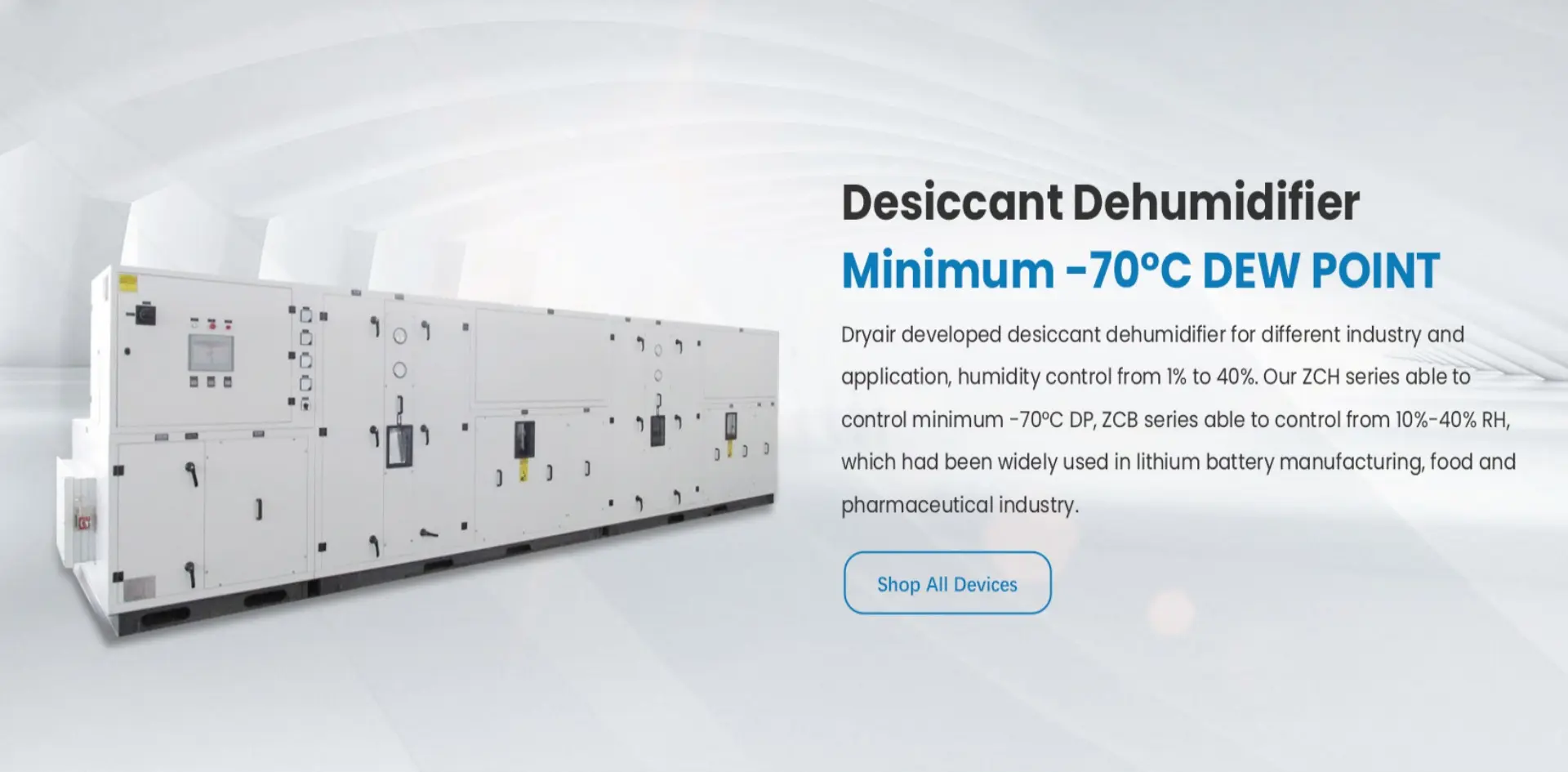
| Solid-State / Lithium Metal Cells | Down to -70°C DP | Desiccant Dehumidifier | Ultra-dry environment for highly reactive lithium |
| Petrochemical VOC Treatment | Emission Limits Compliance | VOC Abatement System (RTO) | Destroys volatile organic compounds efficiently |
| General Warehouse & Workshop | 45% to 60% RH | Refrigerative Dehumidifier | Energy-efficient bulk moisture control |
Procurement & Engineering Q&A
Direct technical answers for international plant managers, HVAC engineers, and procurement directors.
What solvent recovery rate can a Hangzhou DryAir NMP recovery system achieve?
How does Hangzhou DryAir ensure the safety of NMP recovery equipment in explosive environments?
Can Hangzhou DryAir integrate the NMP recovery system with our dry room HVAC?
What certifications do Hangzhou DryAir products hold for export to Western markets?
What after-sales maintenance and support services are provided for global buyers?
Explore High-Performance Industrial Machinery
Click below to inspect full specifications, airflow capacities, and psychrometric performance data.