
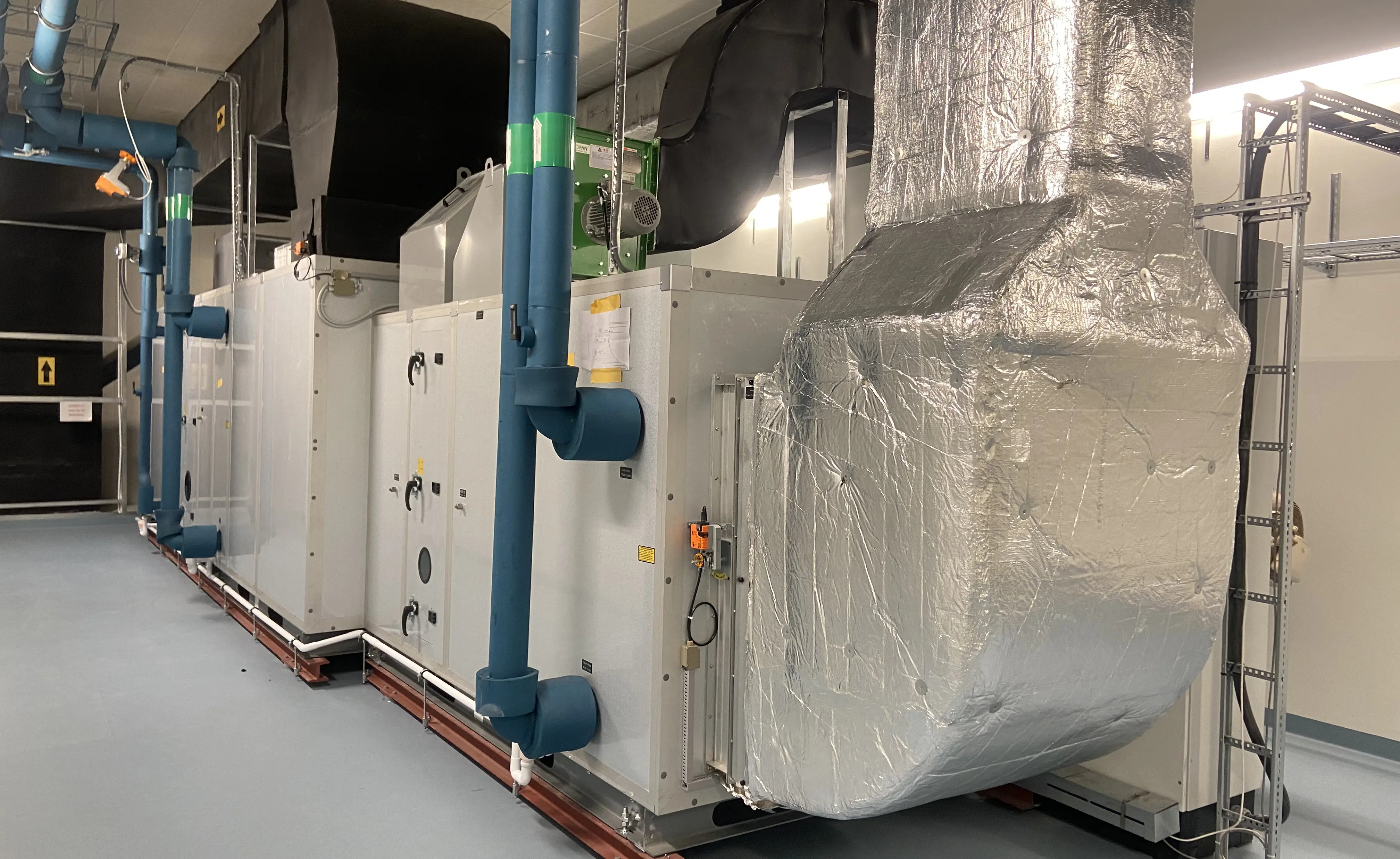
 DP -70°C
Rotary Desiccant Dehumidifier
DHU series engineered for extreme ultra-low dew point control where conventional mechanical refrigeration reaches physical limits.
Explore SpecificationsEngineered systems providing psychrometric precision, latent load stabilization, and VOC emission abatement for gigafactories and advanced chemical processing.
DP -70°C
DHU series engineered for extreme ultra-low dew point control where conventional mechanical refrigeration reaches physical limits.
Explore Specifications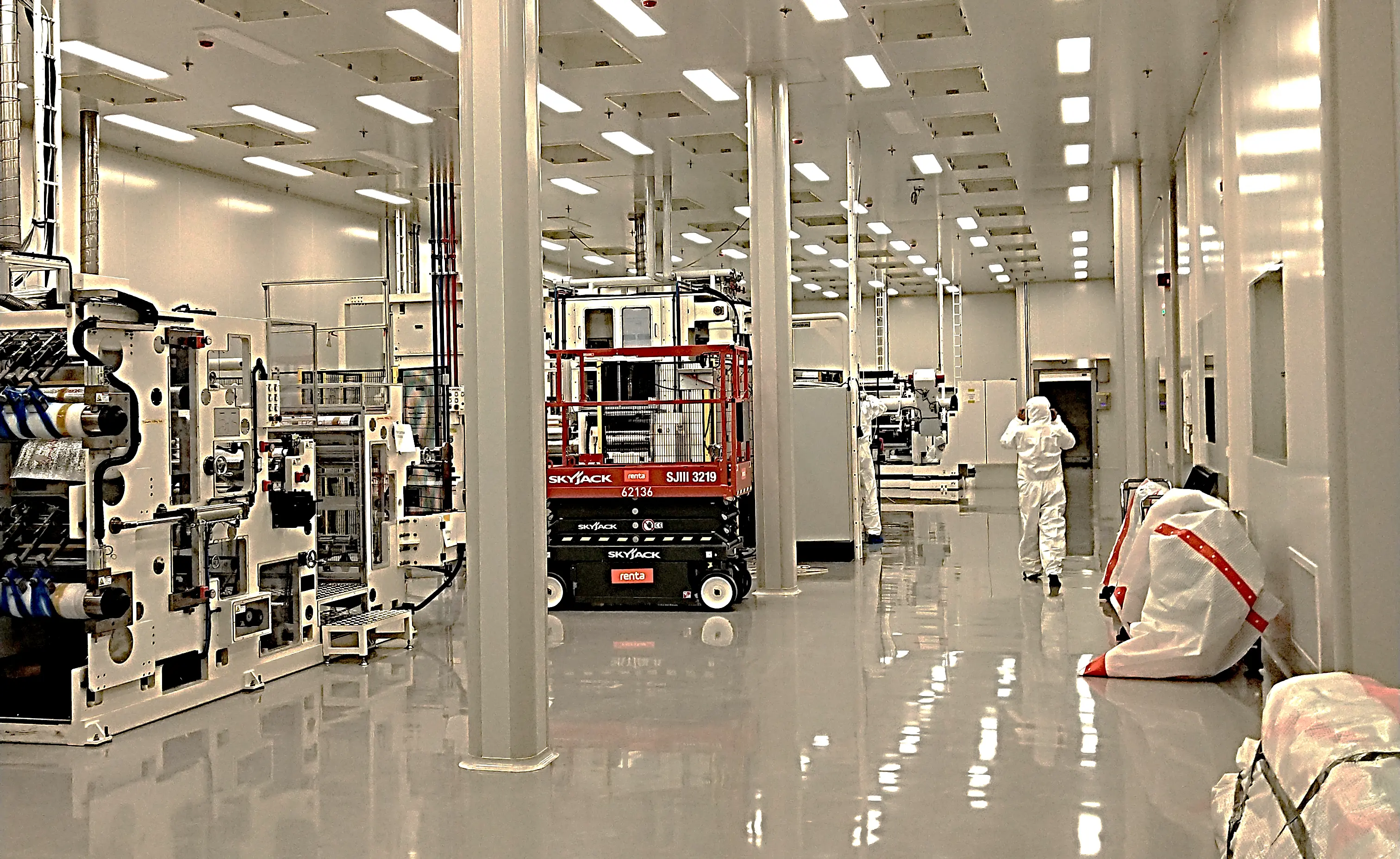 EPC Turnkey
Complete modular dry room enclosure, desiccant air handling units, micro-channel air diffusion, and real-time environmental validation.
View Dry Rooms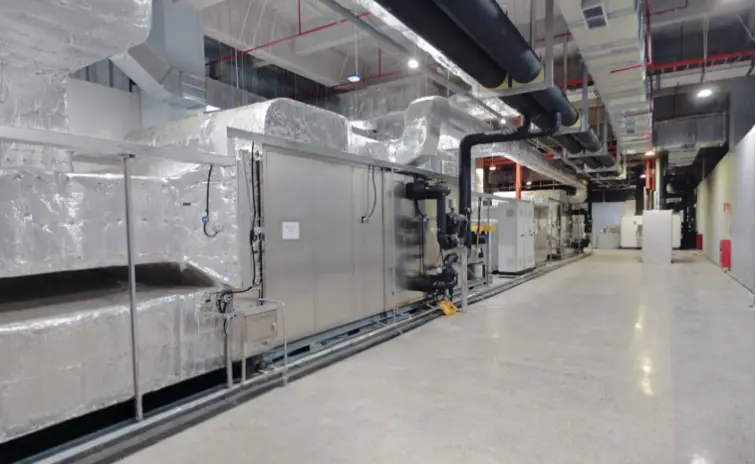 Recovery ≥99%
ZJRH continuous condensation array reclaiming N-Methyl-2-pyrrolidone from battery cathode coating lines to reduce chemical operating costs.
Analyze Recovery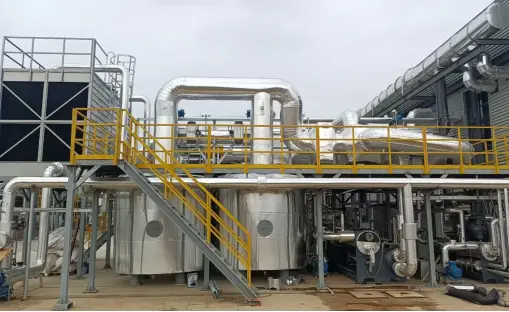 Deep Cooling + RTO
JEN multi-stage condensing modules paired with regenerative thermal oxidizers (RTO) for extreme emission regulation compliance.
Explore Systems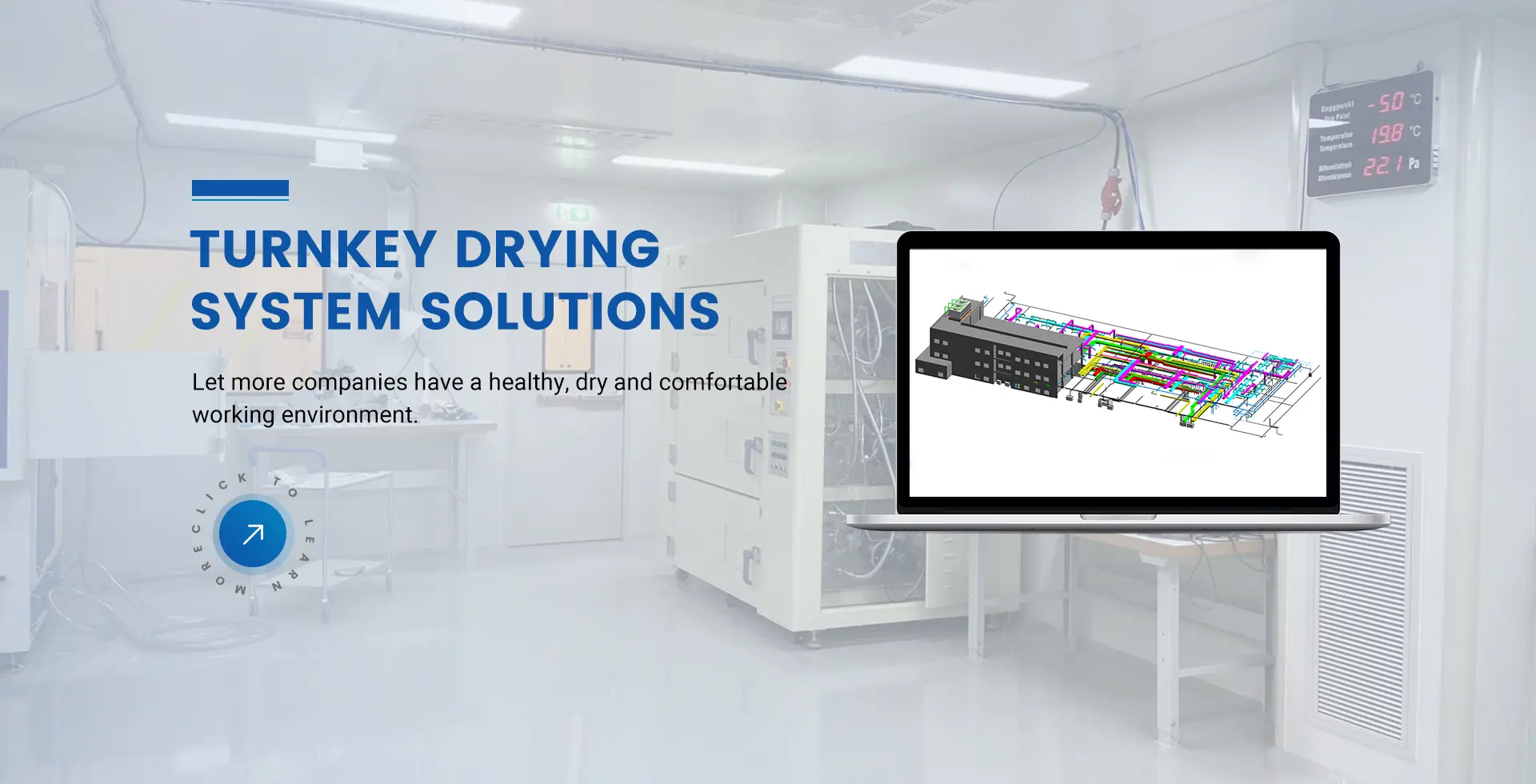 High Efficiency
Direct expansion moisture extraction machinery serving warehouses, production pre-cooling lines, and pharmaceutical baseline packaging zones.
Examine Units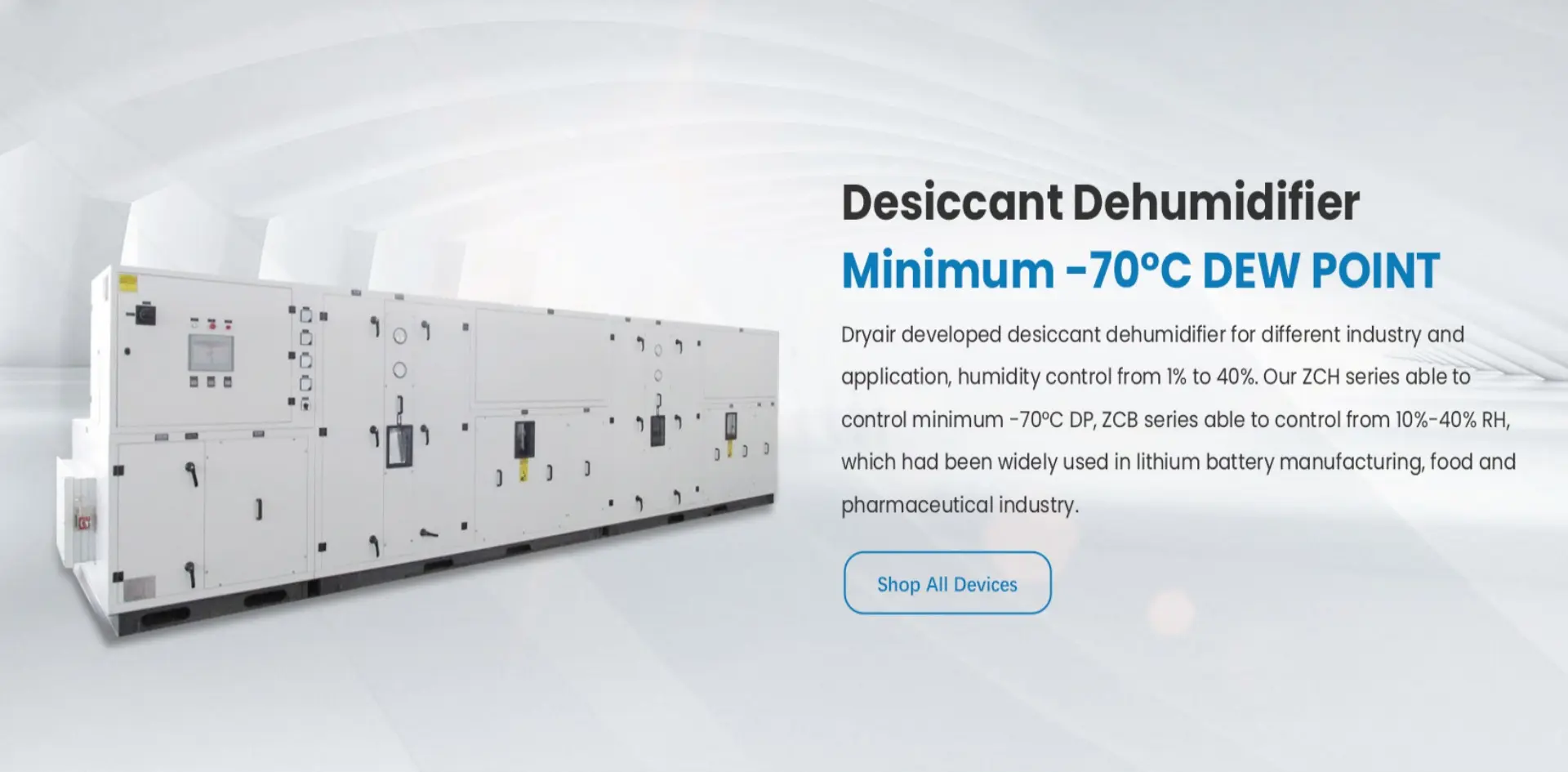 ISO Class 5-7
Airtight sandwich panels, negative leakage plenum engineering, and rapid airlocks eliminating trace atmospheric moisture penetration.
Cleanroom Details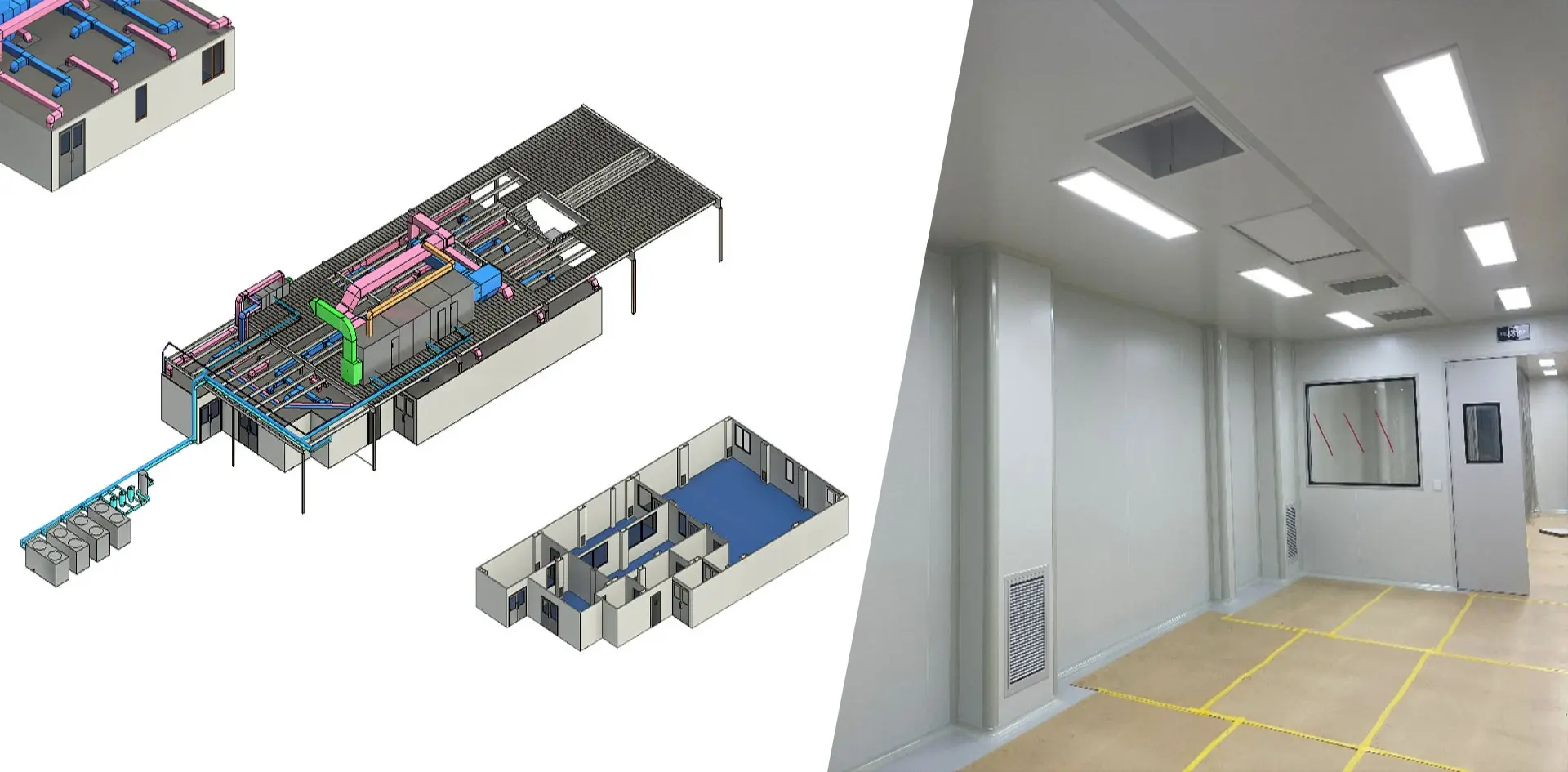 Waste Heat Sync
Honeycomb silica gel and molecular sieve media with integrated thermal wheel interfaces to slash industrial reactivation boiler loads.
Thermal Tech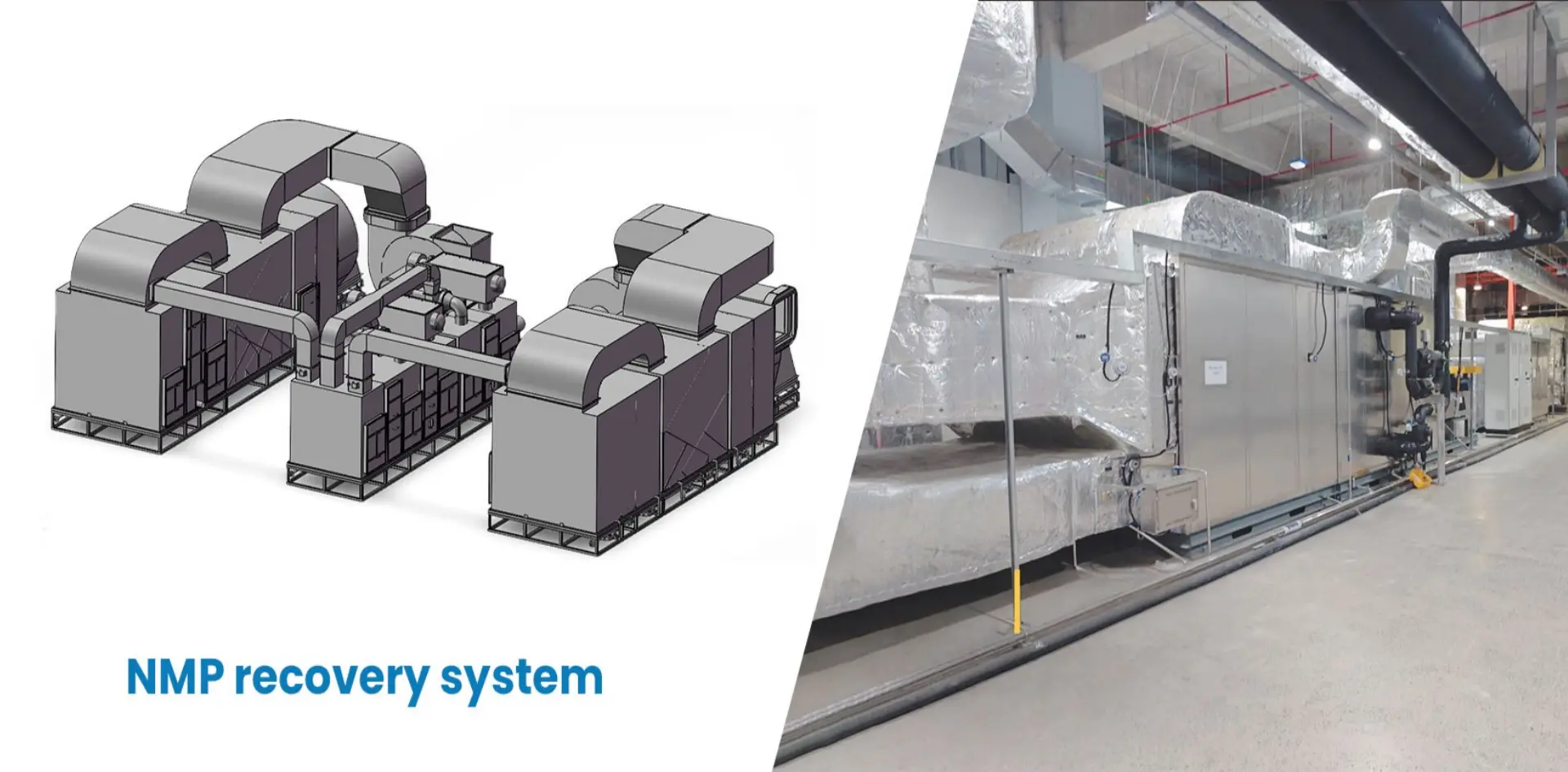 Hazardous Zone
Specialized condensation assemblies capturing hydrocarbon emissions across hazardous tank farms, bulk loading docks, and fuel transfers.
Vapor SkidsThe global transition toward high-nickel cathodes, solid-state electrolytes, and energy-dense lithium cells has permanently shifted atmospheric control specifications from basic comfort cooling to mission-critical psychrometric containment.
China produces over 75% of global lithium-ion battery cells. Hangzhou DryAir Treatment Co., Ltd. has developed parallel manufacturing capabilities since 2010 to scale dehumidification equipment synchronously with gigawatt-scale production plants.
Export deployments to Tier-1 manufacturers such as Tesla, Northvolt, and TTI have cemented Chinese technical validation abroad. Full engineering compliance spans CE, UL, CSA, ASME, and EAC standards.
Industrial desiccant regeneration consumes significant thermal energy. Hangzhou DryAir integrates proprietary closed-loop heat pipes and multi-stage cascade heat recovery, reducing client OPEX by up to 35% compared to legacy architectures.
Headquartered in Lin'an, Hangzhou, Hangzhou DryAir Treatment Co., Ltd. represents the technological core of modern desiccant drying. Operating within the strict framework of ISO 9001 quality systems and China's GJB national military standard system, DryAir engineers build systems where air purity and moisture elimination are mission-critical.
Our in-house enthalpy performance test rooms subject every rotor drive, blower module, and condenser coil to harsh environmental simulations before export packaging. From CATL, BYD, ATL, EVE Energy, SVOLT, and Farasis to overseas installations, DryAir eliminates air infiltration and human moisture loads from day one.

System under-specification causes rapid electrode decomposition and chemical corrosion; over-specification inflates factory capital and utility overhead. Use this empirical engineering chart to guide procurement.
| Application Sector | Critical Moisture Constraint | Primary Destruction Vector | DryAir System Solution |
|---|---|---|---|
| Lithium-ion Battery Manufacturing | -40°C to -60°C Dew Point | Moisture combines with LiPF6 electrolyte to generate corrosive hydrofluoric acid (HF). | Turn-key Dry Room System |
| Next-Gen Solid State & Lithium Metal | -65°C to -70°C Dew Point | Pure metallic lithium undergoes spontaneous surface passivization and violent reactions with airborne H2O. | DHU Low Dew Point Desiccant |
| Electrode Drying Lines (Cathode Coating) | Solvent Concentration Abatement | Airborne NMP toxic exhaust release and extensive virgin solvent procurement costs. | ZJRH NMP Recovery System (≥99%) |
| Pharmaceuticals, Powders & Softgels | 10% to 30% Relative Humidity | Hygroscopic powder caking, compromised active pharmaceutical ingredient (API) stability. | Hygienic Desiccant Dehumidifier |
| Defense, Avionics & Ordnance Depots | ≤ 40% Relative Humidity | Electrochemical surface corrosion, propellant dampening, optical fogging. | GJB Military-Standard Dehumidifier |
| Bulk Fuel Storage & Petrochemical Tanks | Emission Baseline Limits | Fugitive hydrocarbon vapors released during ambient diurnal expansion and tank transfers. | Cryogenic Condensation + RTO |
| General Warehouse Pre-Cooling | 45% to 60% Relative Humidity | Surface mold growth, carton softening, and baseline condensation risks. | Direct Refrigerative Dehumidifier |
Atmospheric humidity loads vary radically across global regions. DryAir configures psychrometric regeneration trains tailored specifically to ambient climatic stressors.
Extreme baseline outdoor enthalpy with ambient moisture loads exceeding 22 g/kg. DryAir integrates chilled-water pre-cooling modules before the desiccant rotor to strip bulk moisture, reducing thermal regeneration requirements by over 40%.
Drastic seasonal swings from humid summers to sub-zero winters. DryAir systems utilize dual variable-frequency drives (VFD) and self-adjusting bypass loops to prevent seasonal coil freezing while maintaining a constant supply dew point of -50°C.
Strict EU carbon emission quotas demand maximized energy savings. In gigafactories across Sweden, Germany, and Hungary, DryAir pairs NMP recovery condensation exhaust with district heating networks and heat pump regeneration loops.
High ambient particulate counts can quickly plug honeycomb desiccant pores. DryAir applies multi-stage bag filtration alongside pulse-jet pre-treatment assemblies to prevent rotor clogging and extend wheel life beyond 10 operational years.
Eliminating contractor disputes through unified turnkey delivery: One engineering team designs, manufactures, installs, and validates your clean, dry production environment.
Psychrometric load modeling, cleanroom boundary definition, and target dew point specification based on active chemical sensitivity.
3D CAD layout, CFD air diffusion analysis, ductwork sizing, and regeneration waste-heat sync optimization.
Heavy structural framing, rotor integration, GJB military-grade wiring, and factory acceptance test (FAT) chamber validation.
On-site assembly, air distribution balancing, enclosure hermetic sealing, and deep dew point calibration (-70°C validation).
2-year overseas warranty options, remote telemetry diagnostics, on-demand rotor refurbishment, and scheduled spare delivery.
Practical psychrometric and solvent recovery insights compiled by Hangzhou DryAir senior mechanical engineers.
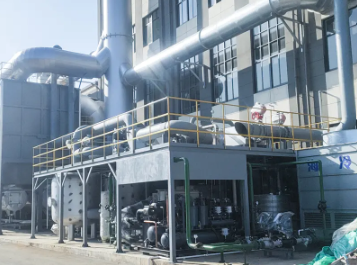 VOC White Paper
An analysis of mechanical vapor recompression and multi-stage cascade refrigeration loops used to condense volatile hydrocarbon fractions before venting.
Download Paper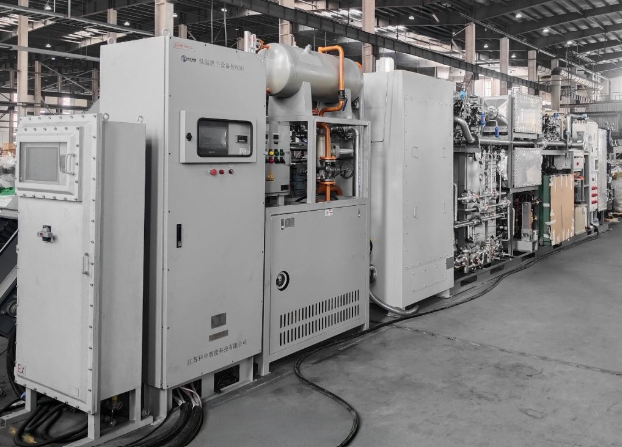 Electrode Engineering
Engineering methodologies to stabilize chilled-water dew points, prevent cooling coil fouling, and maintain recovery rates above 99% during high-speed cathode coating runs.
Read Full Report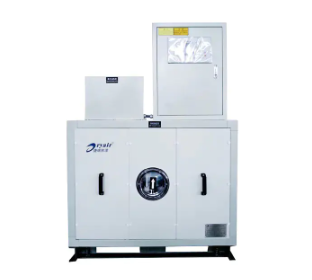 Pharma Protocols
Psychrometric methods to prevent effervescent tablet degradation, capsule embrittlement, and pneumatic conveyor blockages in pharmaceutical facilities.
Access GuideDirect technical answers for system designers, cleanroom builders, and procurement officers.
Select equipment from our tested configurations, each backed by factory test data and operational warranties.
Rotary Core
Skid-mounted industrial rotor station with built-in regeneration heating, process fan arrays, and pre-cooling coils.
View Skid Specs
Zero-Leakage
Hermetic buffer chambers and rapid-purge air showers designed to isolate ultra-low dew point dry rooms from external personnel transit.
Explore Airlocks
Solvent Skid
Cascade fluid cooling system coupled to molecular sieves to recover low-concentration solvent residues from process exhaust.
Examine Polishing
VOC Abatement
High-temperature regenerative thermal oxidizer utilizing ceramic heat sinks for destruction efficiencies exceeding 99.2%.
Review RTO Data
Water Condensation
High-efficiency scroll compressor systems designed for workshop relative humidity control and dry room intake pre-treatment.
Inspect Machinery
Ultra Low DP
Turnkey modular enclosures engineered to maintain continuous -65°C dew point atmospheres for advanced sulfide-electrolyte battery research.
Explore Suites
Desiccant Rotor
Inorganic silicate-bonded desiccant rotors offering fire-resistant performance and long service life in deep chemical dehumidification cycles.
Rotor Profiles
ATEX / Explosion-Proof
ATEX-compliant condensing units built for hazardous chemical handling and bulk petroleum loading platforms.
Safety SkidsSubmit your cleanroom volume, target dew point requirements, personnel headcount, and ambient coordinates. Our senior HVAC registered engineers will respond with complete airflow layouts, mass balance calculations, and budgetary estimates within 24 hours.