
Primary Industrial Equipment Portfolio
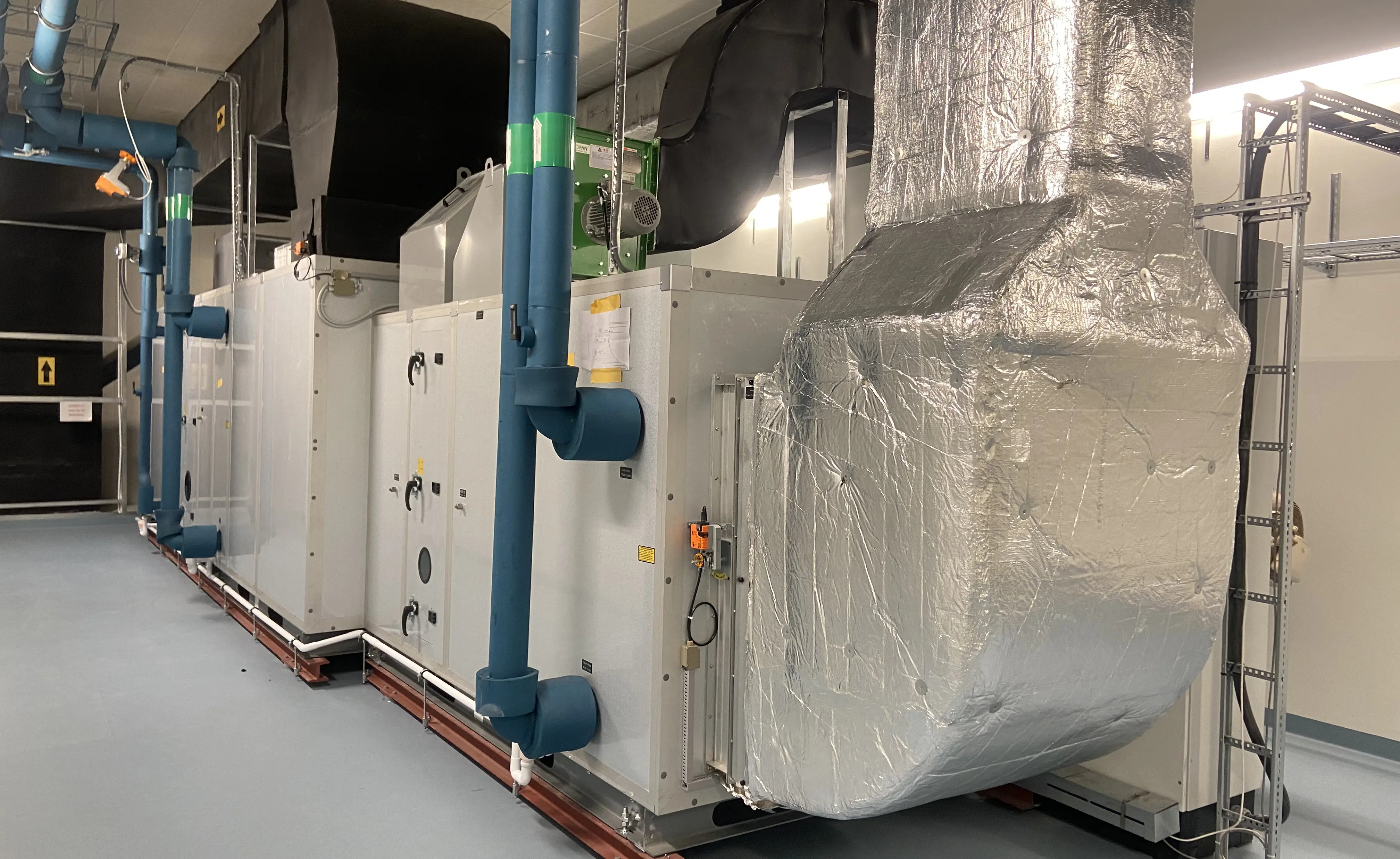 -70°C Dew Point
Rotary Desiccant Dehumidifier
DHU series engineered for deep dehumidification down to -70°C supply dew point for lithium battery assembly.
View Specifications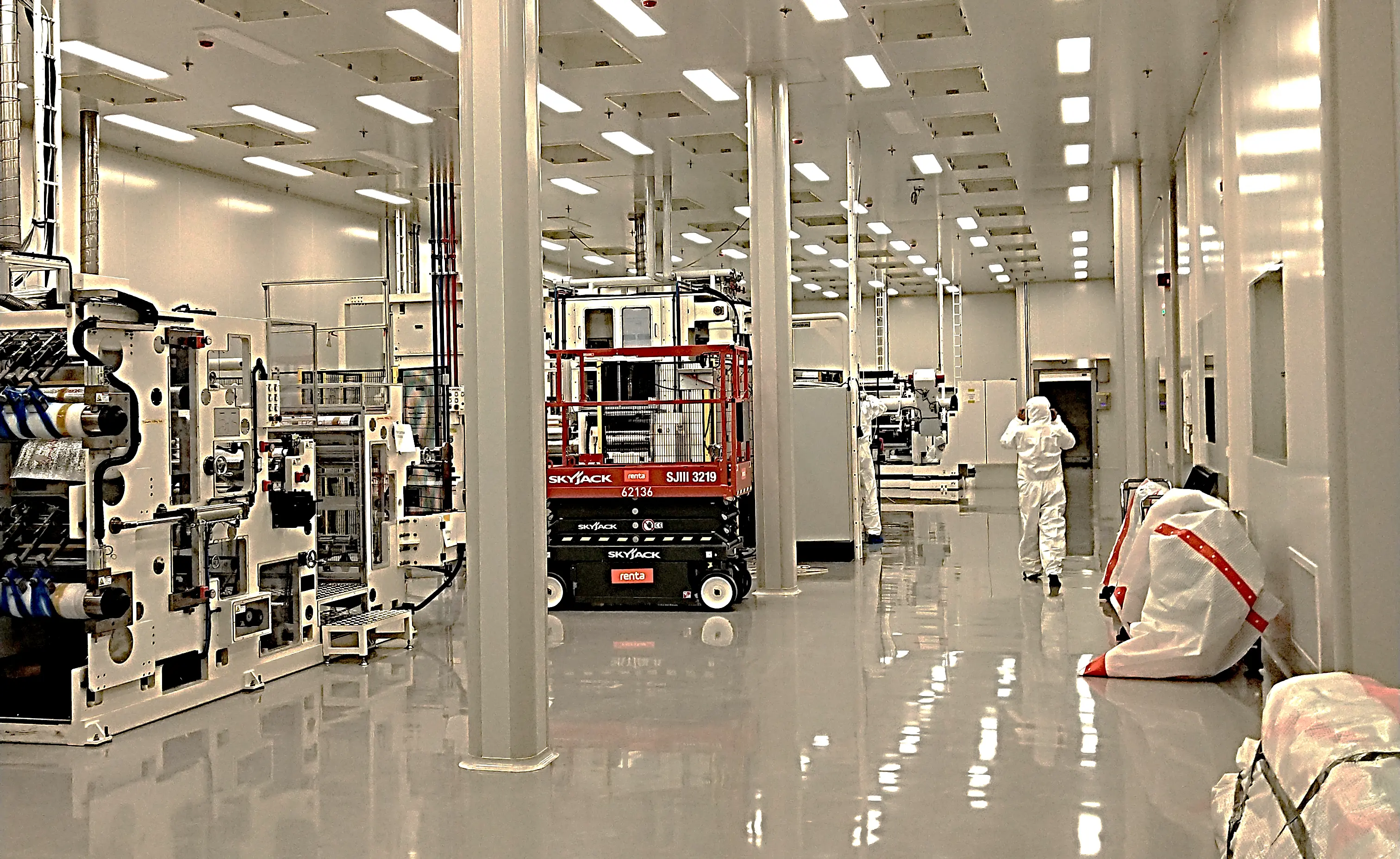 Turnkey EPC
Turn-key Dry Room System
Complete modular dry enclosure with HVAC air handling, double-sealed wall panels, and airlock controls.
Explore Dry Rooms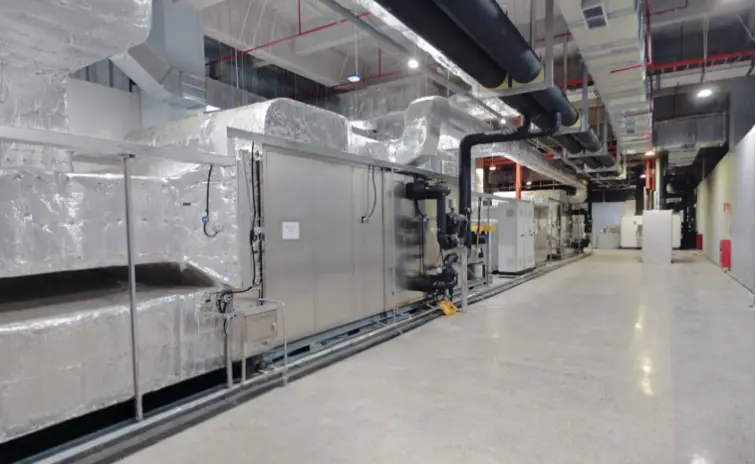 ≥99% Recovery
NMP Recovery System
ZJRH series solvent recovery system capturing N-Methyl-2-pyrrolidone from electrode coating lines.
Learn More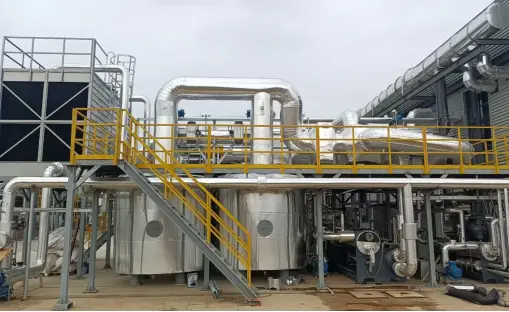 RTO + Cooling
VOC Abatement System
Deep condensation recovery combined with Regenerative Thermal Oxidation (RTO) for emissions compliance.
Learn More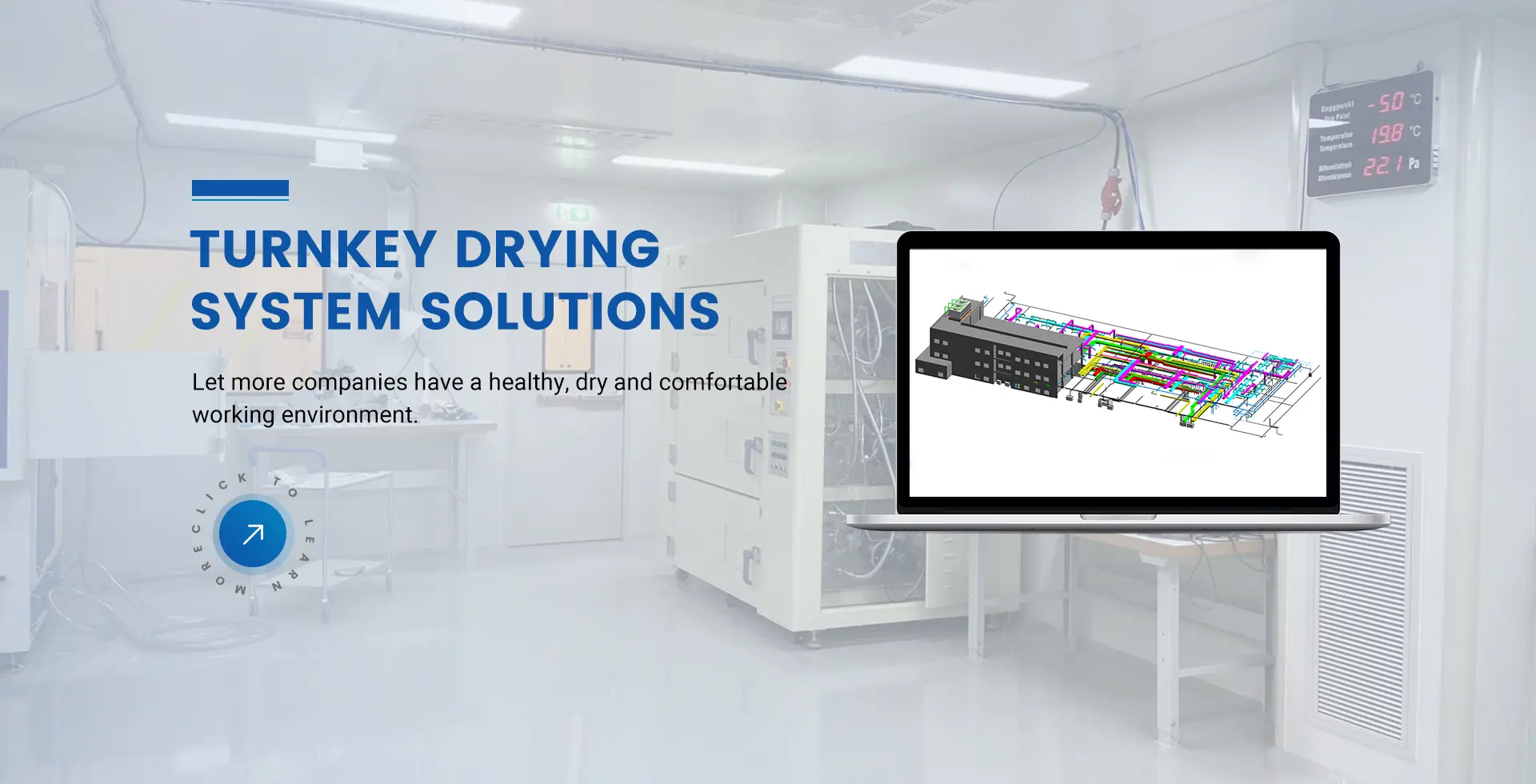 Pre-Cooling Unit
Refrigerative Dehumidifier
Primary moisture removal stage designed for factory workshops, pre-cooling, and warehouse humidity control.
Learn More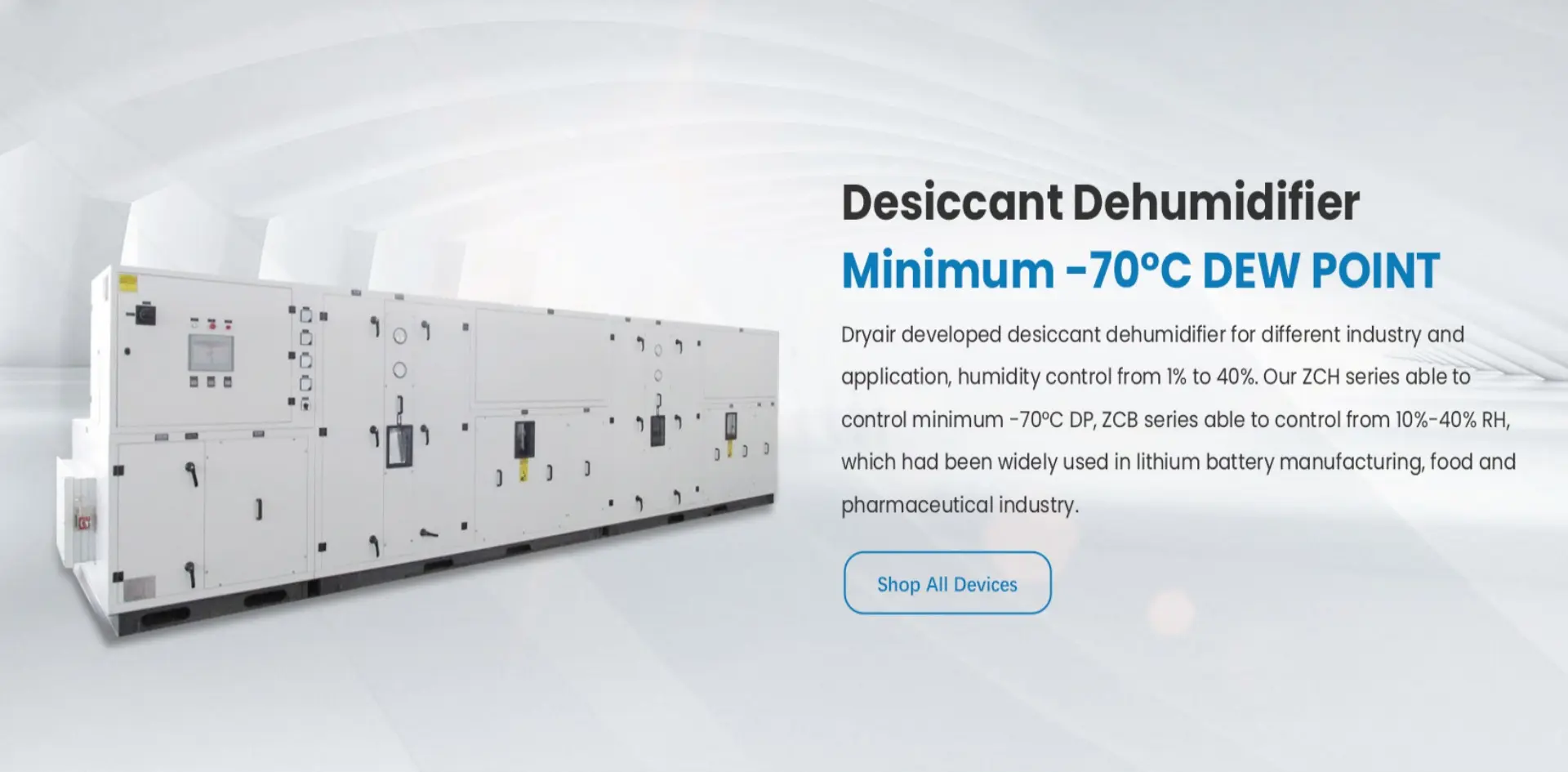 Dual Rotor Tech
Low Dew Point Rotor System
Dual-stage silica gel rotor configuration offering energy-efficient deep desiccant drying for extreme specs.
View Specifications Vapor Sealed
Modular Cleanroom Enclosure
Custom insulated wall panels engineered for ultra-low vapor permeability and thermal bridging protection.
Explore Dry Rooms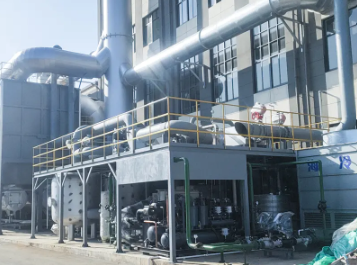 Vapor Recovery
Condensation Vapor Recovery
Petrochemical solvent and oil gas condensation recovery modules for industrial storage loading terminals.
Learn MoreGlobal Commercial Status & Industrial Cleanroom Evolution
The global demand for high-performance dry room construction has accelerated due to the expansion of lithium-ion gigafactories, next-generation solid-state battery R&D, advanced semiconductor packaging, and stringent biopharmaceutical production environments. In lithium battery cell manufacturing—specifically cell assembly, electrolyte filling, and sealing—ambient moisture acts as a destructive contaminant. When exposed to trace water vapor ($H_2O$), lithium hexafluorophosphate ($LiPF_6$) in the electrolyte undergoes rapid hydrolysis, forming hydrofluoric acid ($HF$). This corrosive byproduct degrades cell cathode structures, induces gas formation, triggers micro-short circuits, and compromises overall battery safety and cycle life.
Consequently, battery OEMs require cleanroom environments operating at supply dew points ranging from -40°C to -70°C (equivalent to relative humidity levels well under 0.5% RH at 22°C). Achieving and sustaining these hyper-dry atmospheric conditions across spaces spanning tens of thousands of square meters demands specialized engineering capability, airtight architectural sealing, and optimized thermodynamic HVAC design.
Key Engineering Reality: Moisture Load Components in Gigafactories
Total room moisture infiltration ($W_{total}$) is governed by four primary variables: structural vapor permeation through walls/ceilings ($W_{perm}$), duct work leakage and airlock opening ingress ($W_{ingress}$), residual moisture bound within raw materials ($W_{mat}$), and human latent heat emission ($W_{pers}$). A single operator emits approximately 40 to 80 grams of moisture per hour even in specialized cleanroom suits, requiring precise positive-pressure management and localized exhaust balancing.
Gigafactory Expansion
Multi-gigawatt manufacturing facilities in North America, Europe, and Asia-Pacific require scalable dry rooms with airflows exceeding 100,000 m³/h per desiccant unit, demanding redundant HVAC architecture to maintain zero downtime during 24/7 continuous cell production.
Solid-State Battery R&D
Sulfide-based solid electrolytes (e.g., $Li_{10}GeP_2S_{12}$) exhibit extreme moisture reactivity, liberating toxic hydrogen sulfide ($H_2S$) gas upon contact with air moisture. This shifts production requirements toward strict -60°C to -70°C dew point environments across all processing zones.
Hygroscopic Processing
Effervescent tablet compression, powdered biopharmaceuticals, and military ordnance storage require controlled dry atmospheres (10–25% RH) to eliminate caking, loss of active pharmaceutical ingredients (API), and propellant oxidation.
Hangzhou DryAir Global Engineering Metrics
Quantifiable operational advantages derived from over 15 years of rotary desiccant manufacturing and turnkey cleanroom construction.
Desiccant Dehumidification Dynamics & Rotor Science
Refrigeration-based dehumidification is physically limited by the freezing point of water; as cooling coils drop below 0°C, frost accumulates on heat exchangers, stalling moisture extraction. To reach deep dew points like -40°C or -70°C (where absolute humidity drops below 0.002 grams of water per kilogram of dry air), rotary desiccant technology is required.
At the core of Hangzhou DryAir’s system is a synthesized honeycomb runner composed of specialized active silica gel or molecular sieve matrix chemically bonded to inorganic fiber substrates. As process air passes through the adsorption sector (75% of rotor area), water vapor molecules are trapped within microscopic pores via surface tension and Van der Waals forces. Simultaneously, a counter-flowing heated air stream (100°C–140°C) passes through the reactivation/regeneration sector (25% of rotor area), desorbing the bound moisture and exhausting it to the atmosphere.
Comparative Dew Point & Energy Efficiency Matrix
| Technology Type | Min Supply Dew Point | Regeneration Temp | Typical Industrial Application | Energy Efficiency Ratio |
|---|---|---|---|---|
| Single-Rotor Silica Gel | -20°C to -40°C DP | 100°C – 120°C | General pharmaceutical packaging, hygroscopic powder processing | Standard COP (1.8 - 2.2) |
| Dual-Rotor Molecular Sieve (DHU) | -50°C to -70°C DP | 120°C – 140°C | Lithium cell assembly, electrolyte filling, solid-state battery R&D | High COP (2.8 - 3.4 w/ Heat Recovery) |
| Chilled Water Pre-Cooling + Rotor | -30°C to -50°C DP | 90°C – 110°C | Gigafactory electrode winding & pouch packaging suites | Optimized hybrid CAPEX/OPEX |
Sensible & Latent Heat Balance Optimization
Dehumidification is inherently an exothermic process: as water vapor transitions from gas to liquid/adsorbed phase, latent heat of condensation is released into the supply air stream. DryAir’s system incorporates closed-loop intercooling stages using chilled water coils (7°C/12°C or 15°C/20°C) downstream of the desiccant rotor to suppress supply temperatures back to the required 20°C ± 2°C baseline before entering the cleanroom enclosure.
Heat-Recovery Regeneration Cycles
Thermal regeneration accounts for over 60% of total dry room operating cost. Hangzhou DryAir integrates proprietary waste heat recovery exchangers that capture thermal energy from the high-temperature regeneration exhaust air to pre-heat incoming ambient reactivation air. This technical innovation reduces total heating kW demand by up to 30–35%, delivering multi-million dollar lifetime OPEX savings for large battery plants.
Airtight Enclosure Architecture & Vapor Barrier Systems
Building an industrial dry room requires treating the entire room envelope as a high-pressure, vacuum-sealed vessel. Standard cleanroom panels suited for ISO 7 or ISO 8 pharmaceutical areas are insufficient for low dew point applications due to micro-gaps in panel joints, micro-porosity of seals, and thermal bridging, which allow water vapor pressure differentials ($\Delta P_{vapor}$) to force moisture back into the room.
Double Tongue-and-Groove Panels
DryAir utilizes high-density rockwool or PIR insulated panels encased in pre-painted galvanized steel with continuous dual tongue-and-groove locking channels. Joints are injected with non-curing butyl sealant and finished with medical-grade silicone seals to prevent vapor migration.
Airtight Pass-Through Locks
Personnel and material movement represent major risk points for moisture ingress. Our turnkey dry rooms integrate dual-door inflatable gasket airlocks with automated purging cycles that flush ambient air with dry purge air (-40°C DP) before inner doors release.
Epoxy / Polyurethane Floor Systems
Concrete slabs naturally transmit ground moisture vapor. DryAir applies multi-layer anti-static epoxy or polyurethane resin flooring systems over aluminum vapor barriers integrated under the slab, resisting both chemical exposure (solvents, electrolytes) and water vapor transmission.
Positive Pressure Cascade Design
To safeguard ultra-dry zones (such as Electrolyte Injection Rooms running at -60°C DP), DryAir designs a differential pressure cascade: Ultra-Dry Core Zone (+25 Pa) > Primary Assembly Zone (+15 Pa) > Airlock Transition Buffer (+10 Pa) > Ambient Factory (0 Pa). This pressure dynamic guarantees that any structural joint leakage results in dry air escaping outward rather than humid air infiltrating inward.
Turnkey Dry Room Delivery Roadmap "In the Field"
From preliminary load modeling to final ISO 14644 & GJB validation, our five-stage EPC model ensures seamless project execution.
Psychrometric Audit
Evaluation of ambient seasonal weather, staff count, process heat loads, and target dew point boundaries.
HVAC Airflow Modeling
CFD calculation of room air velocity, laminar flow distribution, duct layout, and energy balance simulations.
Factory Fabrication
In-house assembly of desiccant dehumidifiers, AHUs, and panel fabrication under ISO 9001 and GJB standards.
Field Installation
On-site cleanroom enclosure erection, sealed ducting assembly, electrical hookup, and air balance setup.
Validation & SAT
Helium/trace gas leak testing, pressure decay validation, and continuous 72-hour dew point stability trials.
Macro Industry Solutions: NMP Solvent Recovery & VOC Abatement
Dry room engineering extends beyond room air dehumidification to include process exhaust purification. In lithium-ion battery electrode production, N-Methyl-2-pyrrolidone (NMP) solvent is evaporated in large quantities during cathode slurry drying. Discharging untreated NMP exhaust damages the environment and wastes expensive raw chemical resources.
NMP Recovery Efficiency ≥99%
DryAir’s multi-stage condensation and rotor absorption recovery systems capture NMP solvent from coater hot air exhaust. By utilizing cold-water condensation combined with desiccant wheel concentration, the system achieves a solvent recovery rate above 99%, producing high-purity recycled NMP ready for redistillation while keeping stack emissions far below local environmental thresholds.
Explore NMP SolutionsVOC Deep Condensation & RTO
For complex industrial exhaust containing diverse Volatile Organic Compounds (VOCs), oil gas vapors, or chemical fumes, Hangzhou DryAir delivers combined deep-cooling refrigeration condensation systems and Regenerative Thermal Oxidizers (RTO). The thermal efficiency of our RTO systems exceeds 95%, destroying hydrocarbons at 800°C while converting waste heat into plant steam or hot water.
Explore VOC SystemsWhy Industry Leaders Trust Hangzhou DryAir
Since 2010, Hangzhou DryAir Treatment Co., Ltd. has operated at the forefront of industrial air treatment engineering. Operating out of the Qingshan Industrial Park in Hangzhou, China, our team includes 6 PhD and Master's degreed engineers, 2 nationally registered HVAC engineers, 8 senior industrial designers, and 58 certified field technicians.
Our quality management system is doubly certified under ISO 9001 and the national GJB military standard system. For global expansion projects across Europe, North America, and Central Asia, DryAir systems are engineered to comply with CE, UL, CSA, ASME, and EAC certifications.
Frequently Asked Questions (FAQ)
Detailed answers to technical, operational, and procurement queries regarding dry room engineering.
What is the lowest dew point a DryAir desiccant dehumidifier can reliably sustain?
How does Hangzhou DryAir manage turnkey dry room installation outside China?
What certifications are supplied for European and North American projects?
What solvent recovery performance can be guaranteed for NMP coater lines?
How do you calculate energy consumption for a custom dry room system?
Explore Hangzhou DryAir Solutions
Desiccant Dehumidifier
Ultra-low dew point air treatment for battery cleanrooms and specialized industrial spaces.
View Specifications
Turn-key Dry Room System
Fully integrated EPC cleanroom solutions from architectural panels to HVAC commissioning.
Explore Dry Rooms
NMP Recovery System
High-efficiency organic solvent recovery tailored for battery coater exhaust streams.
Learn More
VOC Abatement System
Regenerative Thermal Oxidation and condensation technologies for emission compliance.
Learn More
Refrigerative Dehumidifier
Heavy-duty refrigeration dehumidification for industrial workshops and warehousing.
Learn More
Low Dew Point Systems
Specialized dual-rotor units optimized for extreme low moisture cleanroom requirements.
View Specifications
Cleanroom Panel Enclosures
Vapor-tight wall and ceiling systems designed specifically for controlled dry environments.
Explore Dry Rooms
Oil Gas Condensation Recovery
Vapor capture systems engineered for petrochemical and industrial loading terminals.
Learn MoreRequest a Custom Dry Room Psychrometric Calculation
Provide your facility floor plan, targeted dew point (-40°C to -70°C), ambient conditions, and estimated personnel occupancy. Our technical design office will return a comprehensive HVAC air balance calculation and equipment specification proposal within 24 hours.
Direct Engineering Contact
Hangzhou DryAir Treatment Co., Ltd.
No. 2088 Keji Road, Qingshan Industrial Park, Lin'an, Hangzhou, Zhejiang, China
Email: [email protected]
Phone: +86 571 8990 5557
Consult an Engineer Now