
 DP -70°C
Desiccant Dehumidifier
DHU series overhead and central rotary systems achieving non-condensing ultra-low dew points for lithium dry rooms.
View SpecificationsEngineered to deliver continuous, space-saving latent moisture control. Designed with modular overhead mounting capabilities to preserve valuable manufacturing cleanroom floorspace.
DP -70°C
DHU series overhead and central rotary systems achieving non-condensing ultra-low dew points for lithium dry rooms.
View Specifications Turnkey EPC
Airtight modular dry rooms integrating ceiling supply ducting, desiccant air handlers, and certified building envelopes.
Explore Dry Rooms Recovery ≥99%
Closed-loop volatile solvent capture on electrode coating lines reducing VOC emissions while recycling raw materials.
Learn More Cooling + RTO
Advanced deep-cooling condensation combined with regenerative thermal oxidizer systems for industrial gas emission compliance.
Learn More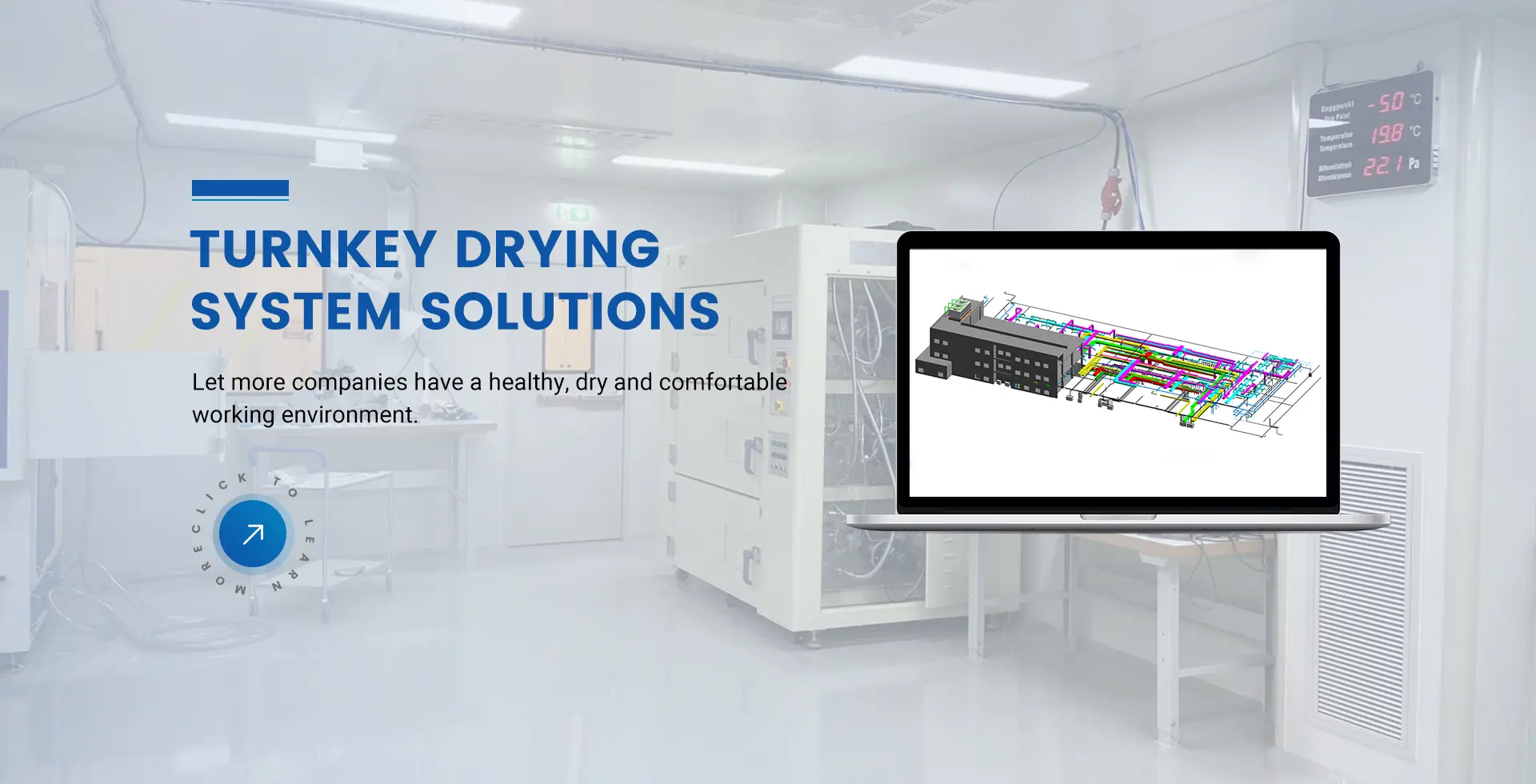 Condensing Unit
Ceiling mounted refrigeration cycles engineered for warehouses, clean basements, and general production humidity trimming.
Learn More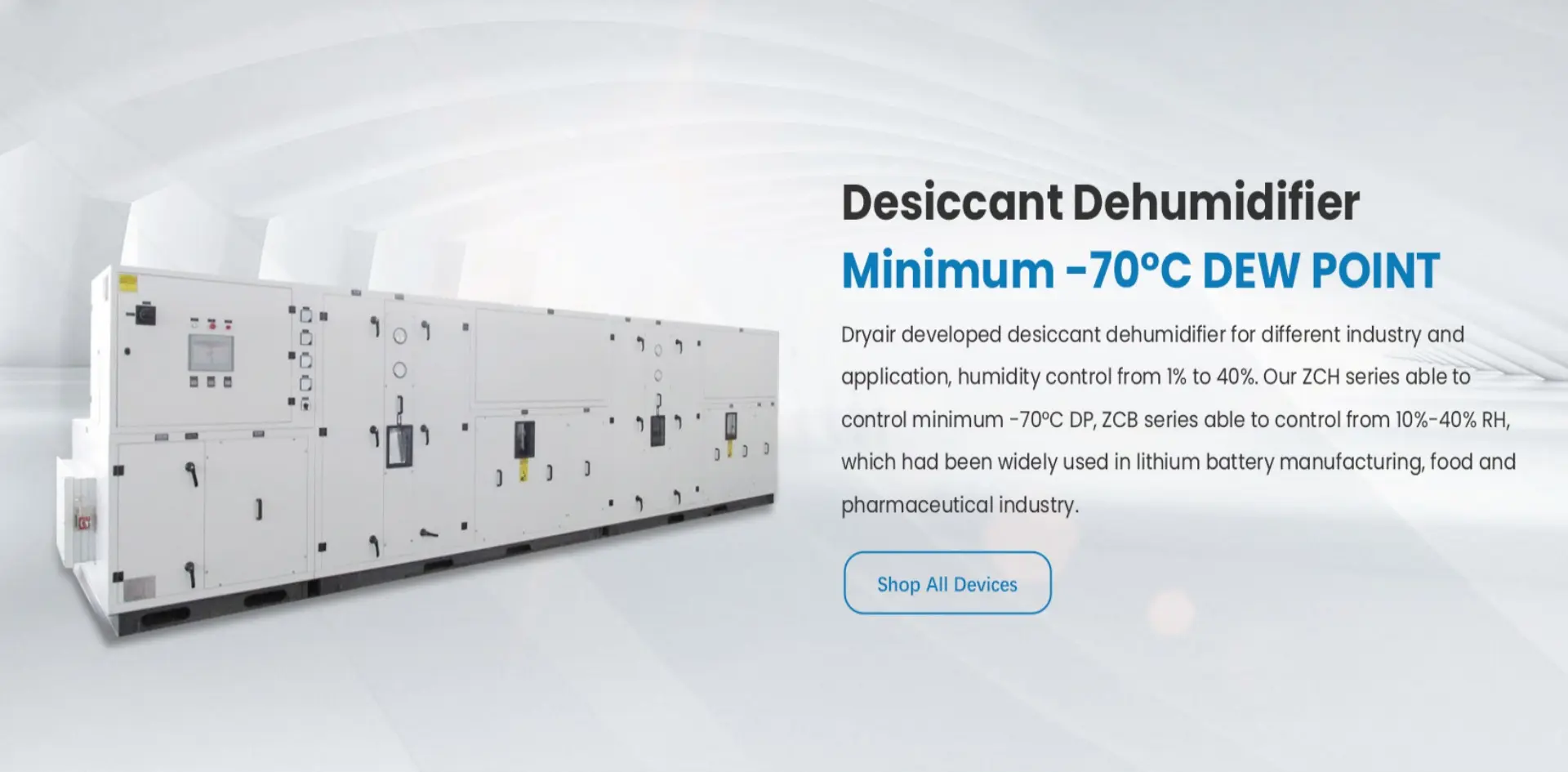 Low DP
Overhead modular air supply systems specialized for gigafactory pouch and prismatic electrolyte filling zones.
Explore Systems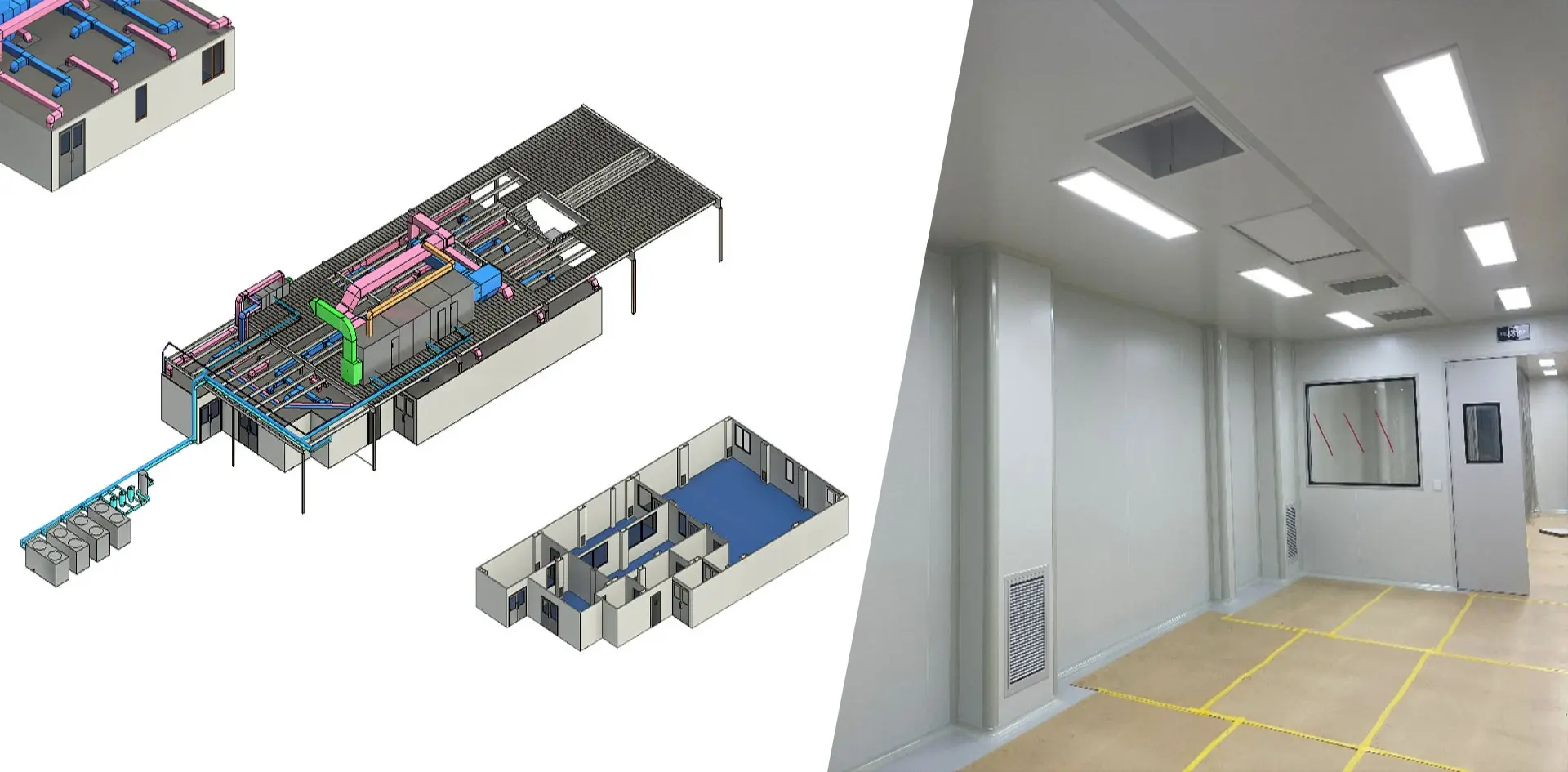 Energy Efficient
Modular condensing integration with exhaust ceiling collectors for high-density chemical workshops.
Learn More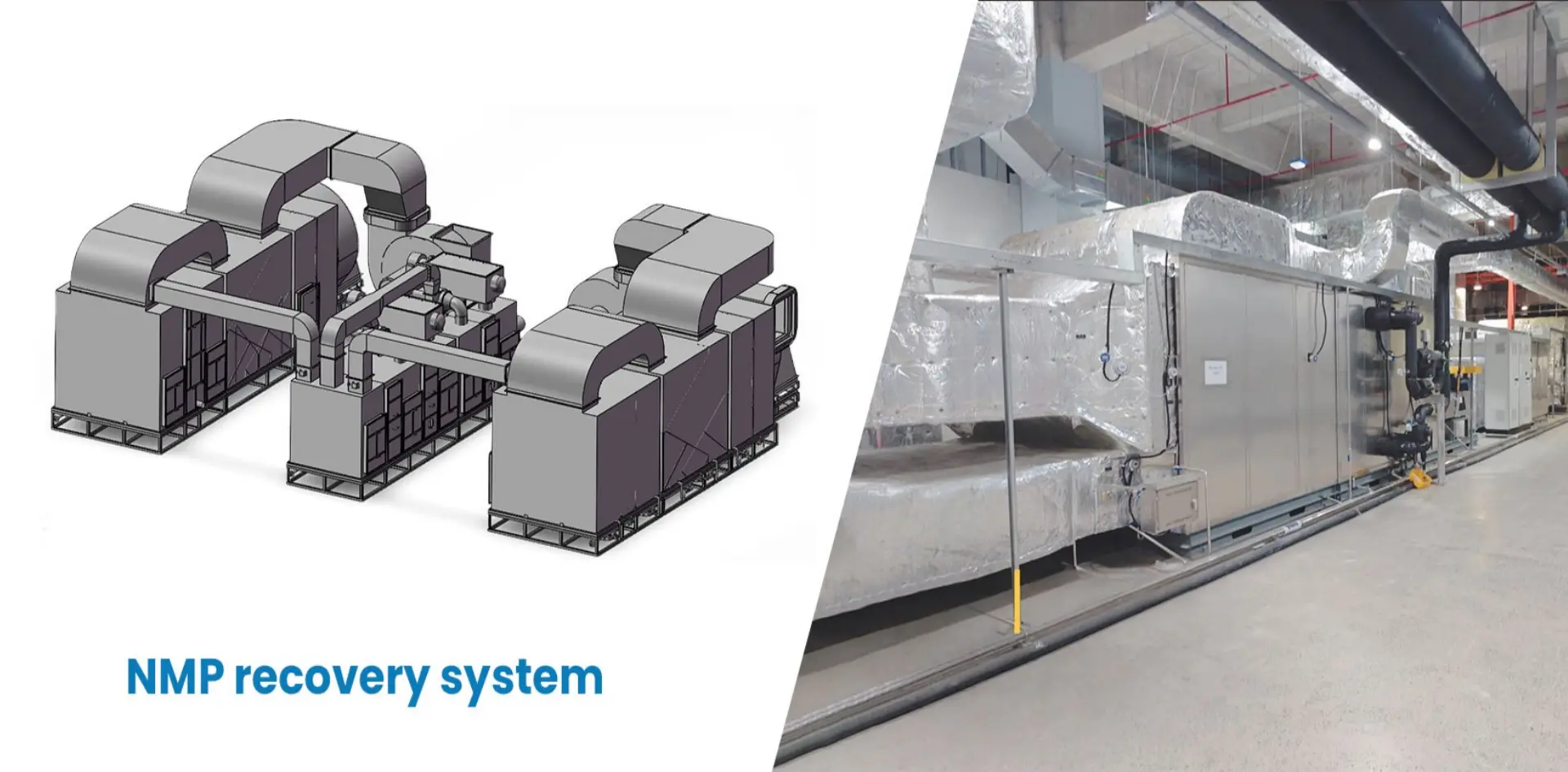 Compliant
Industrial scale deep cooling and adsorption packages providing continuous environmental compliance across plants.
Learn MoreAnalyzing international regulatory compliance, structural overhead integration, and thermodynamic differentiation across key industrial sectors.
Modern semiconductor fabrication plants, lithium-ion gigafactories, and biopharmaceutical clean suites operate at floor real estate costs exceeding $5,000 per square meter. Floor-standing air handling units consume precious aisle clearance and interfere with automated guided vehicles (AGVs). Suspended ceiling mounted dehumidifiers utilize interstitial ceiling voids and mechanical plenums, unlocking maximum floor footprint efficiency while isolating rotating machinery vibration from sensitive processes.
International procurement requires compliance with stringent regional standards. Dehumidification units must carry CE, UL, CSA, ASME, and EAC certifications. In North American and European industrial operations, compliance with NFPA 70 (NEC) standards, AHRI performance validation, and low-GWP refrigerant directives (F-Gas Regulation EU 517/2014) dictates equipment viability. Certified ceiling mounted units ensure seismic bracing stability and mechanical ceiling structural integrity under dynamic airflow pressure.
Ceiling dehumidifier selection depends strictly on psychrometric thresholds. Mechanical refrigerative condensation is thermodynamically optimized for environments demanding 40% to 60% Relative Humidity (RH) above 15°C. However, when processes require absolute moisture removal beneath a 5°C dew point—or down to an extreme -70°C dew point for next-gen lithium metal production—solid desiccant silica-gel or zeolite rotors are required to prevent evaporator coil freezing.
Combining world-class engineering scalability, vertically integrated supply chains, and stringent military-grade quality management systems.
Hangzhou DryAir Treatment Co., Ltd. (established in 2010) ranks among the top three desiccant and engineered dehumidification manufacturers in China. Our engineering teams have deployed critical humidity and low-dew-point environmental systems across gigawatt-scale production facilities for industry pioneers including CATL, BYD, ATL, EVE Energy, SVOLT, Envision, and Farasis. Internationally, systems are audited and operated by Tesla, Northvolt, and TTI.
Beyond commercial ISO 9001 compliance, Hangzhou DryAir operates an in-house performance testing laboratory certified under the GJB national military standard quality management system. Structural framing, high-pressure centrifugal fans, acoustic dampening linings, and desiccant drive mechanisms undergo thermal stress testing, vibration analysis, and air-tightness integrity inspections prior to global export shipping.
With an active monthly output exceeding 200 high-capacity industrial units, Chinese manufacturing infrastructure offers lead times up to 40% shorter than traditional European or American OEMs. Integrated localized manufacturing of air dampers, desiccant synthesized rotors, brazed copper coils, and programmable logic controller (PLC) cabinets allows fast track retrofitting and turnkey EPC execution without operational delays.
Tailoring ceiling mounted air handling and dehumidification hardware to localized environmental moisture loads and process safety requirements.
Water vapor reacts catastrophically with LiPF6 electrolyte to generate corrosive hydrofluoric acid (HF). Suspended low-dew-point systems maintain supply air at -40°C to -70°C DP, protecting cell winding and electrolyte injection processes.
View Dry Rooms →Hygroscopic pharmaceutical compounds, gelatin capsules, and effervescent formulations cake, lose bio-stability, or burst in humid air. Overhead ducted systems control suites at 10% to 30% RH while fulfilling strict cGMP cleanliness guidelines.
Desiccant Units →Aerospace hardware, munitions storage, and naval avionics require long-term environmental stabilization at ≤40% RH under GJB standards, preventing electrolytic surface corrosion and ordnance propellant degradation over decades.
Defense Systems →Deep-cooling condensation coupled with ceiling extraction hoods captures hazardous VOC vapors and volatile hydrocarbons during chemical plant loading/unloading, lowering emissions below environmental stack limits.
VOC Abatement →Microchip assembly lines, precision surface-mount technology (SMT), and optical device coatings require constant non-fluctuating relative humidity to mitigate electrostatic discharge (ESD) and prevent component corrosion.
Clean Cooling →A systematic technical overview mapping manufacturing applications directly to psychrometric dew point criteria and equipment configurations.
| Industrial Application | Required Humidity / Dew Point | Predominant Moisture Risk | Recommended System Configuration | Operational Resource Link |
|---|---|---|---|---|
| Lithium Battery Cell Assembly & Electrolyte Filling | -40°C to -60°C DP | Formation of toxic hydrofluoric acid (HF); cell swelling | Double-rotor desiccant air handler with overhead ceiling duct distribution | Turn-key Dry Room |
| Solid-State & Next-Gen Lithium Metal Lines | Down to -70°C DP | Extreme atmospheric reactivity of pure metallic lithium anodes | Ultra-low dew point desiccant dehumidifier with secondary refrigeration trim | Desiccant Dehumidifier |
| Electrode Slurry Coating & Drying Exhaust | ≥99% Solvent Recovery | Atmospheric VOC emissions; loss of high-value solvent feedstocks | Multi-stage condensation chiller with overhead exhaust duct recovery | NMP Recovery System |
| Hygroscopic Pharma Formulation & Capsule Filling | 10% – 30% RH (DP < 2°C) | Powder agglomeration, tablet capping, packaging seal breach | Ceiling-mounted modular desiccant unit with HEPA terminal filters | Pharma Desiccant |
| Military Equipment, Optics & Ordnance Depots | ≤40% RH | Surface oxidation, mold spore growth, electronic degradation | GJB-compliant ducted ceiling dehumidifier with automatic reactivation | Defense Systems |
| Bulk Raw Material Warehouses & Pre-Cooling | 45% – 60% RH | Cardboard softening, mold formation, packaging condensation | Commercial overhead refrigerative condensing dehumidifier | Refrigerative Dehumidifier |
| Fuel Loading Terminals & Petrochemical Tanks | VOC Stack Compliance | Explosive vapor accumulation and non-compliant stack releases | Explosion-proof deep-cooling condensation with RTO thermal abatement | VOC Abatement |
Key design revolutions: Industrial IoT monitoring, heat wheel energy recuperation, low-GWP refrigerants, and seismic-rated overhead engineering.
Transition from static humidistats to predictive dynamic load calculation algorithms. Edge-computing controllers modulate fan RPM, chilled water valve positions, and reactivation heater banks using real-time enthalpy sensors, reducing annual electricity consumption by 22% to 35%.
Desiccant rotor regeneration consumes high thermal energy. Next-generation ceiling mounted systems integrate closed-loop heat pipe heat exchangers and factory steam scavenging coils, recycling up to 40% of thermal waste from air compressor networks back into rotor regeneration.
Accelerating compliance with European F-Gas phase-downs and the Kigali Amendment. Modern condensing ceiling units migrate toward ultra-low GWP refrigerants such as R454C, R513A, and R290 (propane) with hermetically sealed refrigeration circuits and active leak-detection cutoffs.
Suspended overhead ceiling units transmit mechanical vibrations into factory roof trusses if not engineered correctly. Innovations include double-skinned acoustic polyurethane sandwich panels (50mm), internal spring vibro-isolators, and forward-curved backward-inclined EC plug fans operating below 58 dBA.
A disciplined 5-stage engineering pipeline eliminating design mismatch, construction delays, and unexpected psychrometric operating deficits.
Comprehensive baseline site auditing, moisture generation load accounting (personnel latent heat, door infiltration, packaging moisture), and target dew point design.
Detailed psychrometric airflow modeling, CFD ventilation simulation, structural overhead beam stress analysis, and seismic ceiling hanger calculation.
In-house CNC sheet fabrication, rotor housing sealing, coil leak pressure testing under dry nitrogen, and complete GJB/ISO 9001 factory witness testing.
On-site mechanical hoisting, ceiling suspension, high-integrity duct sealing, chiller tie-in, sensor integration, and dew-point commissioning validation.
Continuous international after-sales lifecycle support, remote PLC diagnostics, global spare parts dispatch, and optional comprehensive 2-year overseas warranty.
Field data, operational troubleshooting, and thermodynamic principles contributed directly by Hangzhou DryAir senior HVAC specialists.
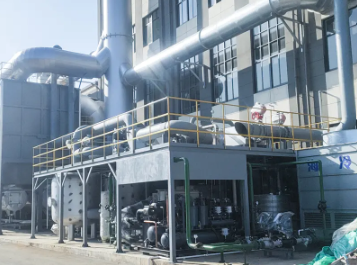
An in-depth thermodynamic review of how high-efficiency condensation and multi-stage cooling circuits scrub hydrocarbon oil vapors during transport loading and chemical tank storage.
Read Full Paper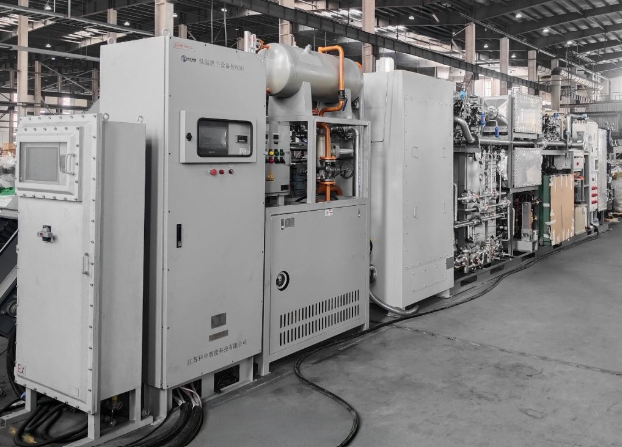
Key parameters for continuous solvent extraction from cathode coating drying lines. Balancing condensation temperatures and runner absorption to maintain ≥99% recovery.
Read Full Paper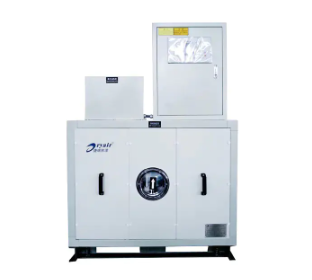
Analyzing powder fluidization, tableting friction, and blister packaging integrity deficits caused by ambient moisture shifts, and how ceiling ducted desiccant air guarantees quality.
Read Full PaperDirect technical answers addressing structural integration, certifications, dew point capabilities, and international commissioning support.
Shortlist engineered hardware matching your facility's psychrometric dew point, solvent handling, and cleanroom air volume requirements.
Desiccant
Silica gel rotor unit with overhead duct integration for sub-zero dew point operations.
View Specifications
Cleanroom EPC
Sealed cleanroom building envelopes engineered for continuous negative pressure humidity control.
Explore Dry Rooms
ZJRH Series
Industrial condensing runner engineered to capture volatile organic solvents from continuous exhaust.
Learn More
JEN Series
Integrated deep-cooling condensation and RTO thermal incinerator for chemical safety.
Learn More
High Efficiency
Refrigerative condensing dehumidifier with integrated condensate pump and multi-speed fans.
Learn More
Ducted AHU
Ceiling plenum distribution units supplying ultra-clean, moisture-stripped air to battery lines.
Explore Systems
Solvent Capture
Custom condenser manifolds designed for ceiling suspension over chemical preparation lines.
Learn More
VOC Certified
Large-scale thermal purification system treating industrial exhaust with high heat recovery.
Learn MoreConnect directly with Hangzhou DryAir technical application specialists. Receive psychrometric load calculations, dimensioned BIM models, acoustic transmission specifications, and complete turnkey quotes within one business day.