
-70°C Dew Point
DHU Rotary Dehumidifier
Engineered for extreme dry room applications down to -70°C dew point featuring advanced honeycomb silica gel rotors.
View SpecificationsPrecision air handling systems specifically configured for lithium-ion cell production, bio-pharmaceutical GMP facilities, and low dew-point industrial processing.
Engineered for extreme dry room applications down to -70°C dew point featuring advanced honeycomb silica gel rotors.
View Specifications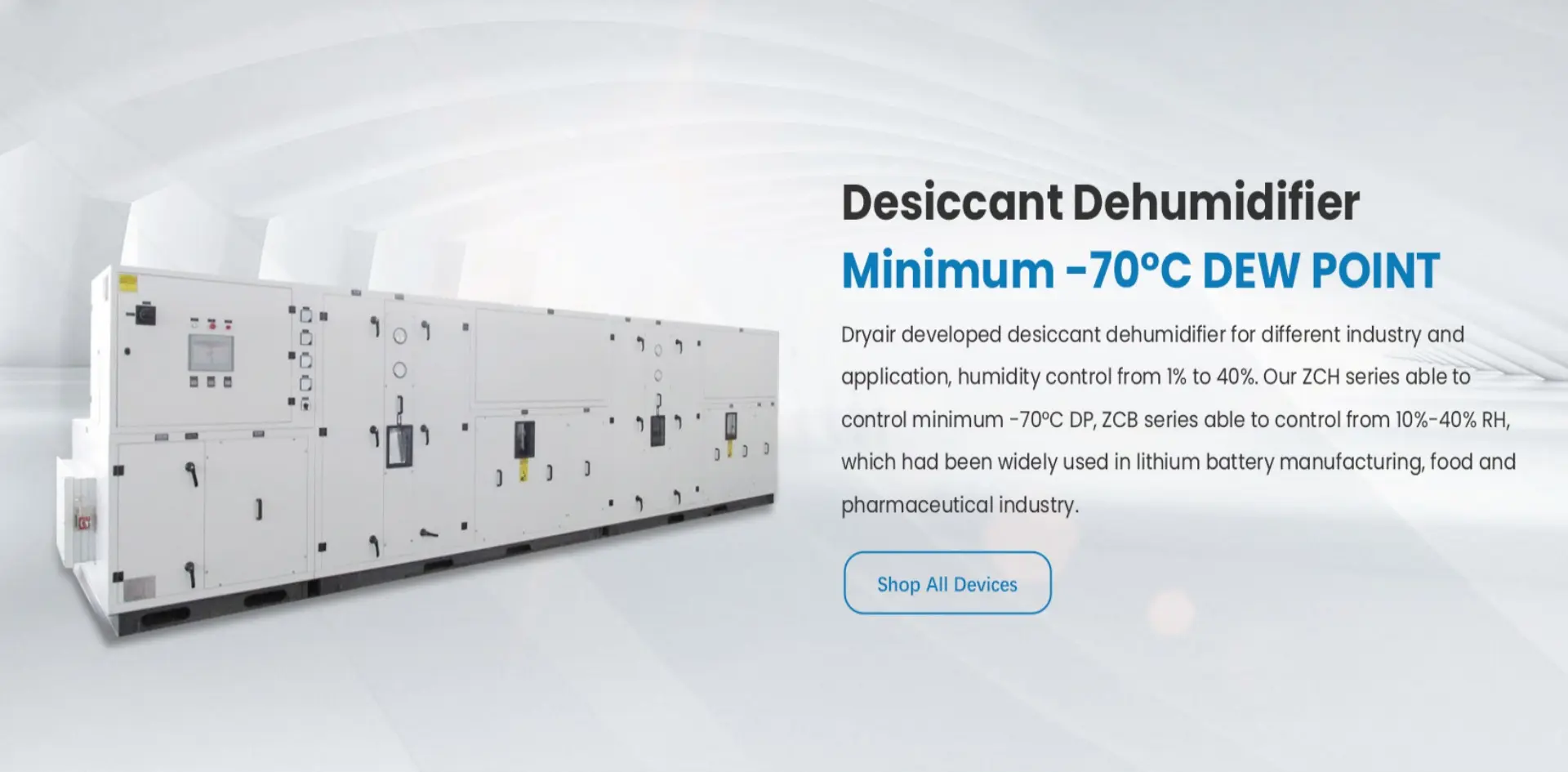
Complete structural enclosure, hermetic air handling, ultra-low dew point ducting, and automated environmental loop controls.
Explore Dry Rooms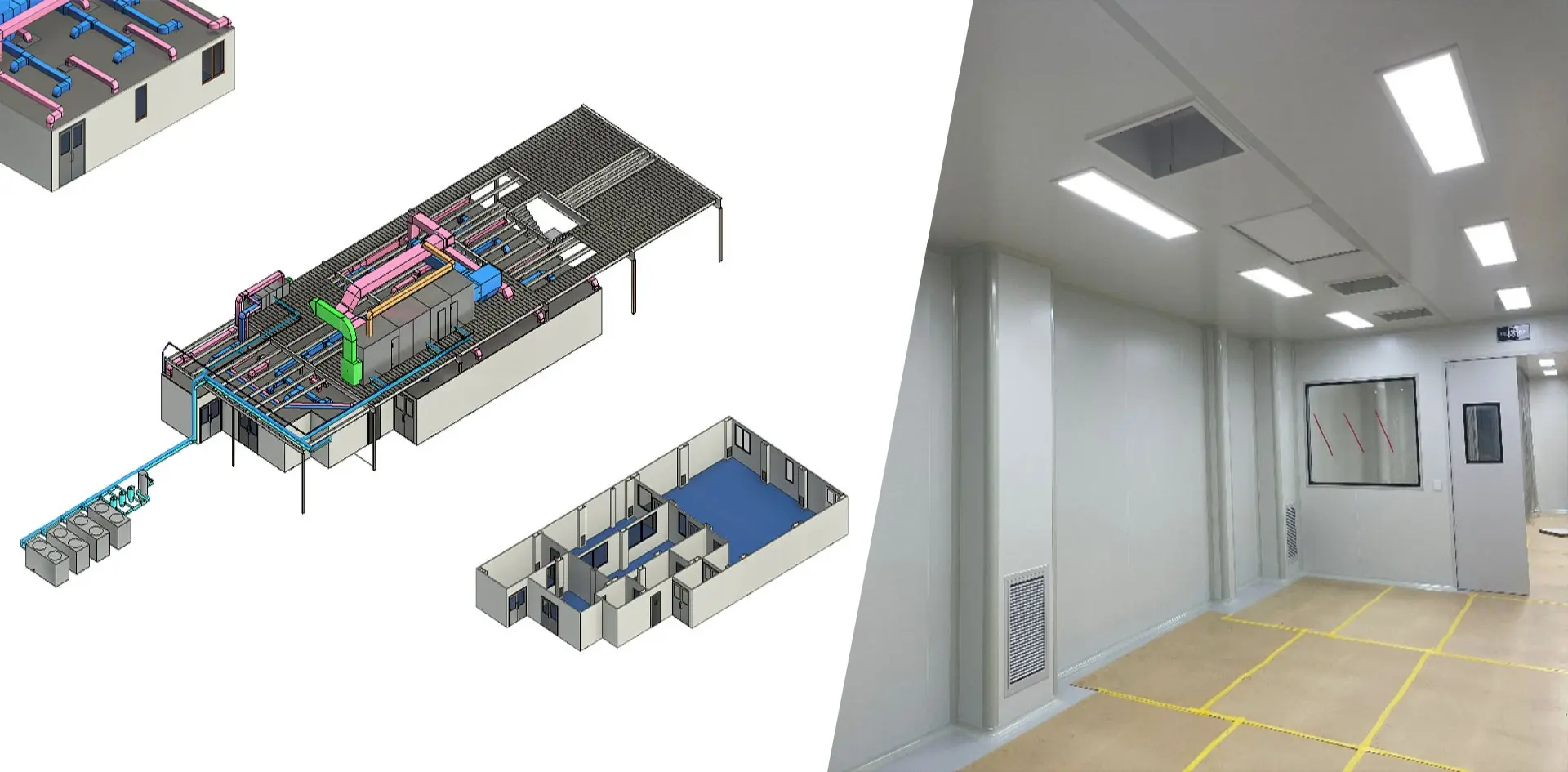
High-efficiency closed-cycle recovery units capturing vaporized N-Methyl-2-pyrrolidone from battery electrode drying lines.
View NMP Recovery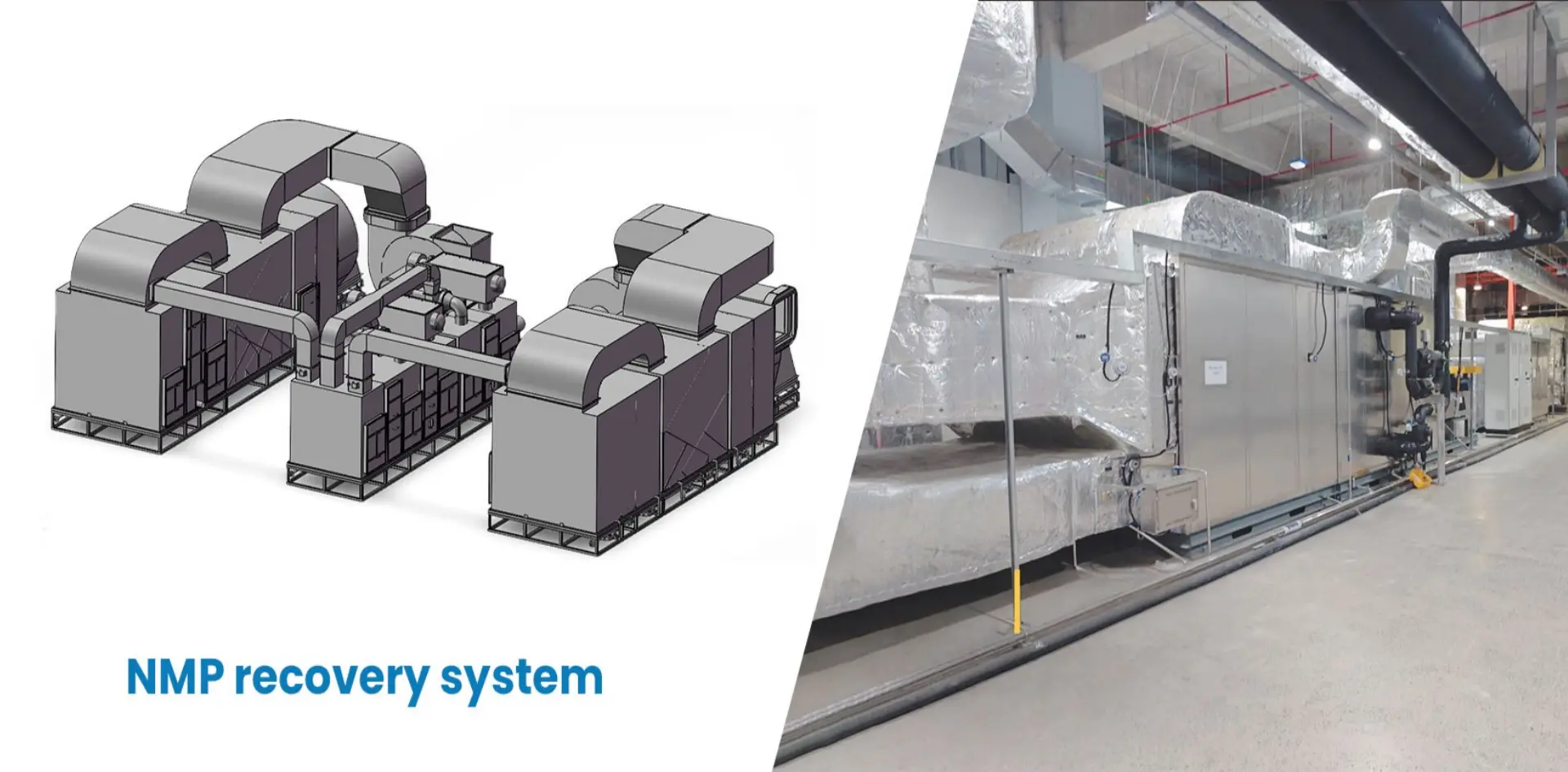
Dual-stage cryogenic condensation and regenerative thermal oxidizers (RTO) for extreme emissions compliance.
View VOC Systems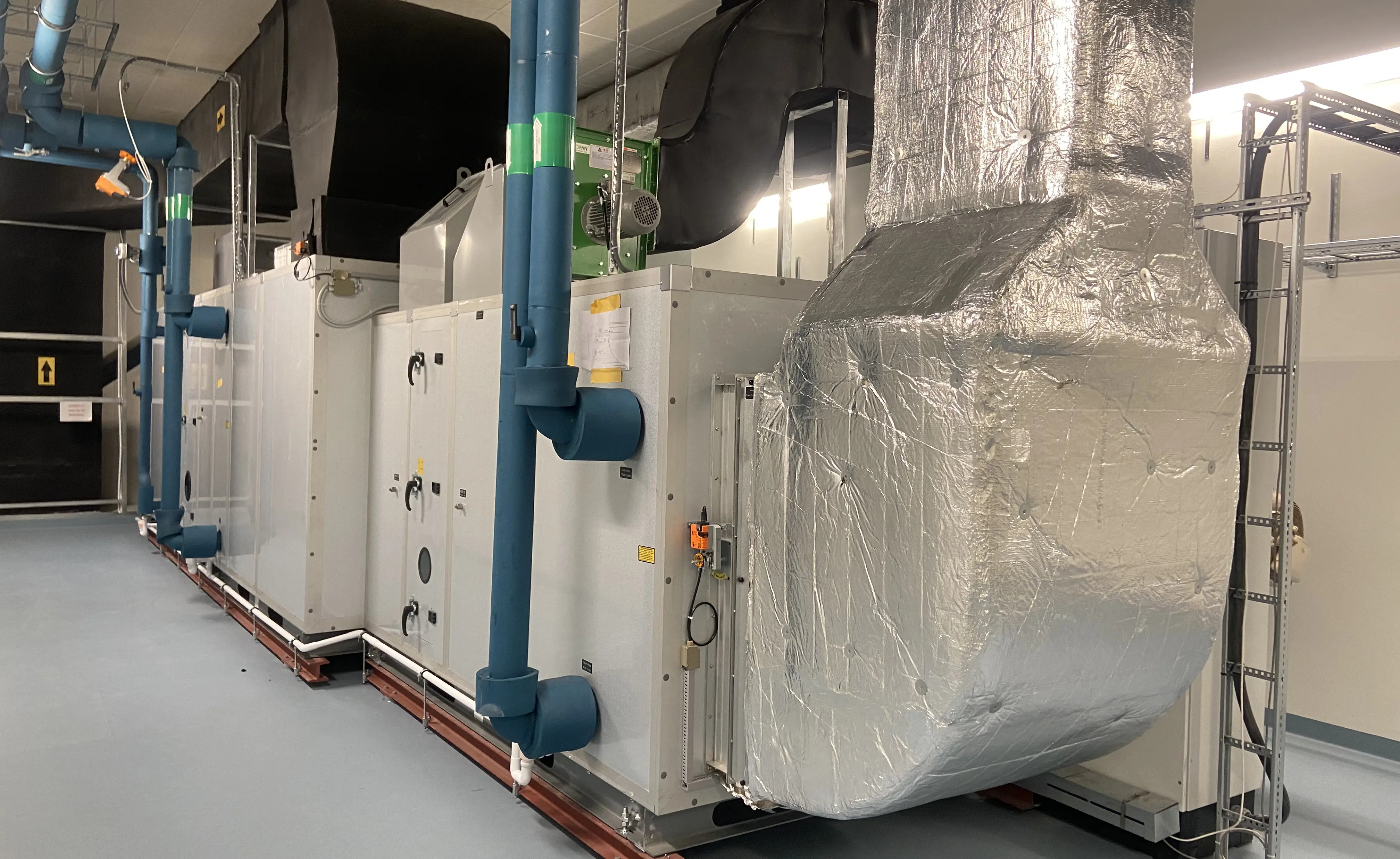
High-capacity volumetric supply units offering scalable moisture adsorption for large-scale production facilities.
Learn More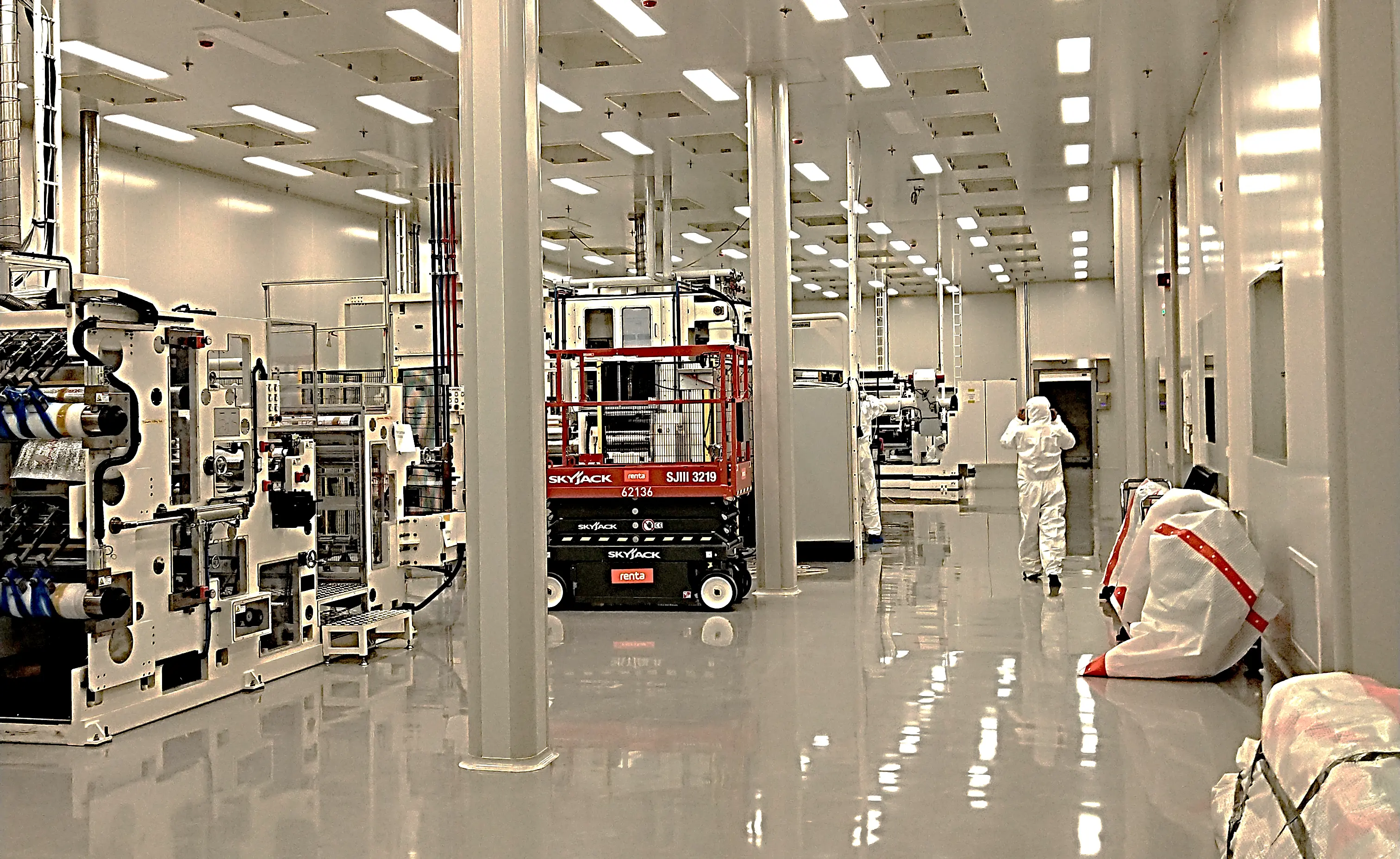
Industrial cleanroom grade panels featuring zero-leak seal paths configured for automated roll-to-roll electrode handling.
Learn More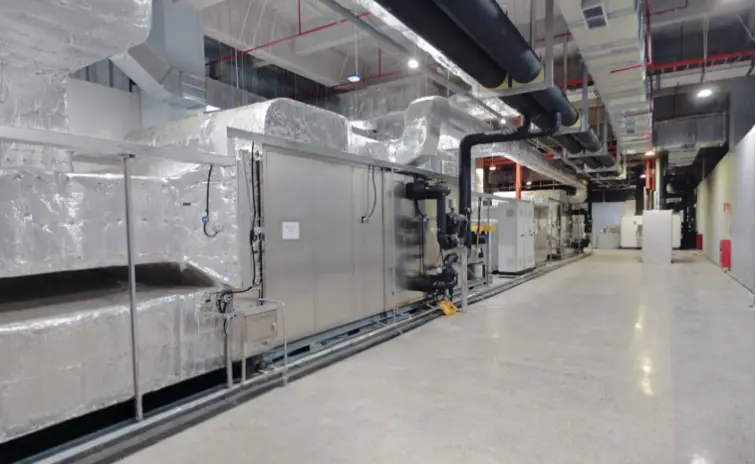
Integrated condenser coils and purification stages reducing process operating cost while meeting VOC thresholds.
Learn More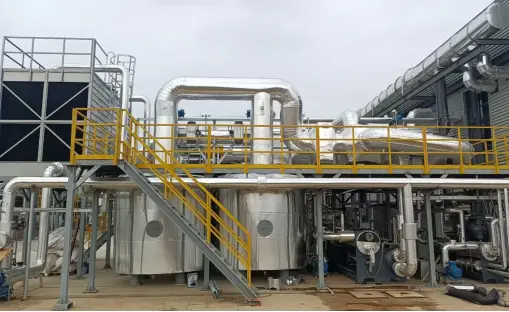
High-thermal efficiency abatement for dangerous industrial emissions with low supplementary fuel requirements.
Learn MoreEvaluating commercial realities, critical supply chain integration, and the distinct manufacturing engineering dividends driving China's market leadership.
The global transition to electrification has driven unprecedented demand for industrial-scale lithium battery cells, solid-state electrolytes, and advanced microchips. Each of these critical sectors requires continuous dew point conditions ranging from -40°C down to -70°C. Standard HVAC refrigeration systems reach their physical barrier at condensation freezing points; only rotary desiccant dehumidification systems utilizing continuous molecular sieve wheels can prevent hydrolytic degradation during mass production.
Hangzhou DryAir capitalizes on China's fully integrated supply chain for precision air conditioning, composite desiccant rotor manufacturing, and precision sheet metal fabrication. By keeping thermal wheel processing, internal fan fabrication, and automated PLC control programming directly in-house, production lead times are shortened by 45% compared to Western competitors, with comprehensive vertical testing verified inside certified climatic test chambers.
With an active monthly output exceeding 200 units, China’s industrial footprint enables tier-one battery gigafactories to scale modular assembly halls in parallel phases. The convergence of domestic military-grade reliability metrics (GJB standards) with global CE, UL, and CSA engineering criteria ensures delivered units operate seamlessly under complex field voltages, varying regional climates, and strict international worker safety standards.
Examining dew point sensitivity, chemical volatility, and risk exposure profiles across modern manufacturing landscapes.
In modern lithium-ion cell production, lithium hexafluorophosphate (LiPF6) in the liquid electrolyte rapidly reacts with ambient water vapor to produce highly corrosive and toxic hydrogen fluoride (HF) gas. This chemical decay permanently reduces battery cycle life, increases internal resistance, and poses catastrophic thermal runaway risks. Our modular desiccant rotors supply air down to -70°C dew point (less than 0.002 g/kg moisture content) into winding, assembly, and filling rooms, safeguarding cell chemistry from raw material mixing to hermetic terminal crimping.
Hygroscopic active pharmaceutical ingredients (APIs), effervescent formulations, and soft gelatin capsules lose active potency, agglomerate, or deteriorate when exposed to relative humidity fluctuations above 20% RH. Hangzhou DryAir systems are engineered with full cleanroom sanitization standards in mind, featuring non-shedding synthetic rotor matrix surfaces, anti-microbial thermal breaks, and wash-down stainless steel drain pans that strictly fulfill FDA and European GMP cleanliness regulations.
Corrosion on precision guided munitions, propellant degradation in tactical solid rocket motors, and moisture entrapment inside advanced radar avionics lead to catastrophic equipment failure. Certified under China's GJB national military standard framework, our rotary dehumidifiers provide hardened long-term storage conditioning, moisture extraction during fuselage composite curing, and climate control inside naval radar enclosures.
Industrial processing plants face stringent environmental regulations governing solvent emissions. Our ZJRH and JEN series combine mechanical refrigeration condensation with high-temperature regenerative thermal oxidation to recover expensive solvents like N-Methyl-2-pyrrolidone (NMP) at rates above 99%, while eliminating VOC emissions from storage tank venting and coil coating lines, drastically reducing operational risk and footprint.
What corporate procurement directors and HVAC engineering consultants evaluate when sourcing mission-critical dry room infrastructure.
Desiccant regeneration consumes significant thermal energy. Modern procurement frameworks focus heavily on Life Cycle Cost (LCC). Hangzhou DryAir integrates dual-condenser heat loops, waste steam regeneration interfaces, and heat exchangers that reuse thermal exhaust from the reactivation zone to preheat incoming process air, slashing overall electrical operating expenditure by up to 35%.
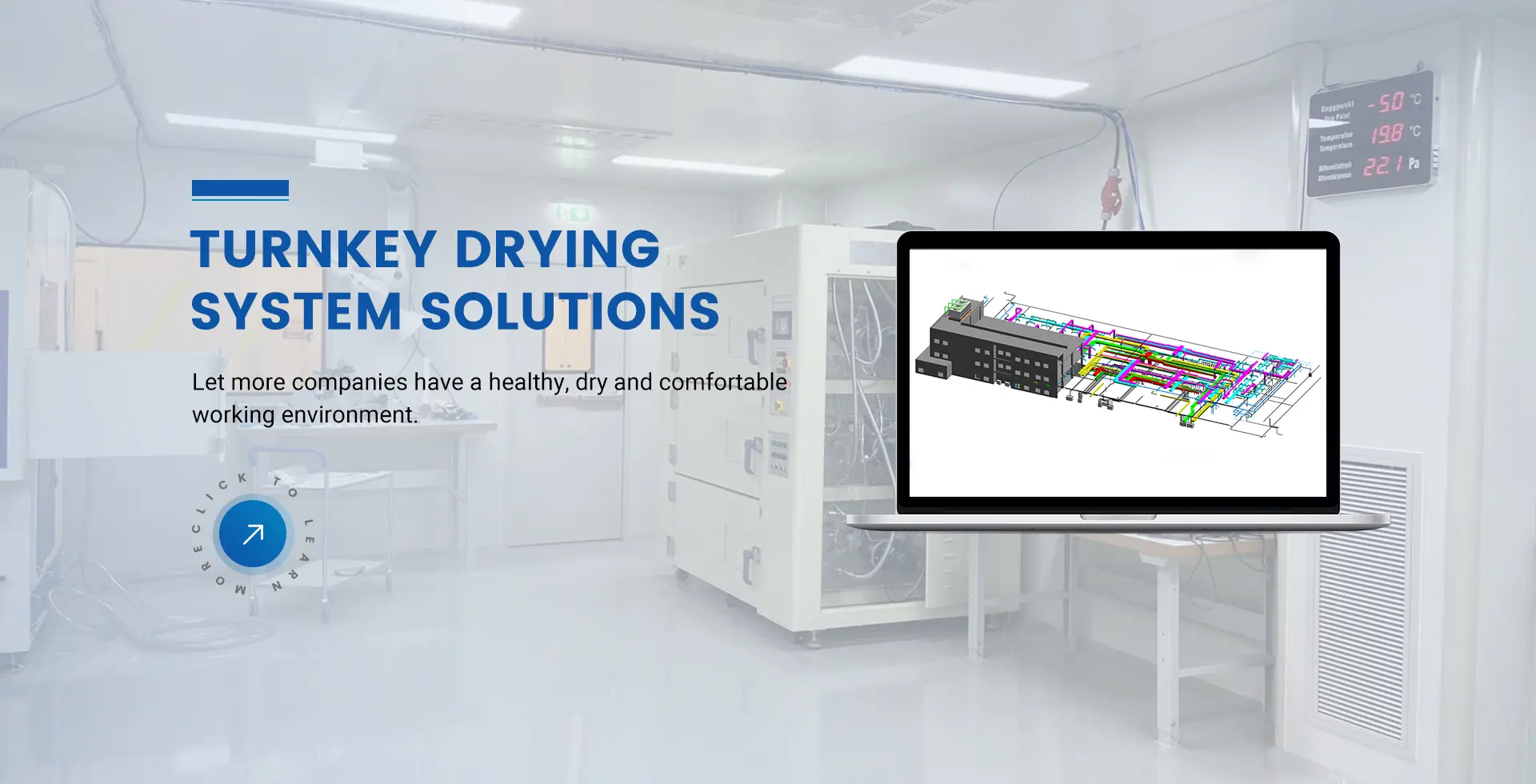
Procuring equipment piecemeal across enclosure suppliers, chiller vendors, and rotor manufacturers introduces complex design interface risks and dew point disputes. Tier-one manufacturers prioritize full turnkey delivery models where the contractor is directly responsible for computational fluid dynamics (CFD) modeling, air-lock vestibule balance, cleanroom ceiling integration, and final dew point validation.
Unplanned downtime in gigafactories causes massive batch wastage. Next-generation systems feature integrated sensor arrays measuring seal wear, rotor differential pressure, and thermodynamic dew point drift in real time. Remote diagnostic interfaces feed live telemetry directly to maintenance operators, enabling predictive maintenance schedules and uninterrupted 24/7 continuous runs.
Evaluating typical operating dew point requirements and certified system allocations across manufacturing sectors.
| Manufacturing Sector | Process Zone / Application | Moisture / Metric Threshold | Recommended System Configuration | Primary Technical Driver |
|---|---|---|---|---|
| Lithium-ion Battery | Electrode Assembly & Electrolyte Filling | -40°C to -60°C Dew Point | Turnkey Dry Room System | Elimination of HF formation from electrolyte hydration |
| Next-Gen / Solid State | Lithium Anode Handling & Stacking | -60°C to -70°C Dew Point | DHU Rotary Desiccant Dehumidifier | Prevention of pure metallic lithium oxidation |
| Electrode Coating Lines | N-Methyl-2-pyrrolidone Exhaust Recovery | ≥99% Solvent Recovery | ZJRH NMP Recovery System | Solvent cost reduction and toxic emission abatement |
| Bio-Pharmaceuticals | Effervescent Tablets & Capsule Packaging | 10% to 25% Relative Humidity | Industrial Desiccant Dehumidifier | Prevention of API caking and degradation in GMP cleanrooms |
| Defense & Aerospace | Ammunition & Precision Radar Storage | ≤40% Relative Humidity | DHU Military Grade Rotor System | Long-term anti-corrosion compliant with GJB standards |
| Bulk Warehousing | Raw Material Staging & Buffer Storage | 45% to 60% Relative Humidity | Refrigerative Dehumidifier | Condensation prevention and energy-efficient ambient balance |
| Petrochemical / Vapors | Fuel Storage Terminals & Exhaust Vents | Strict Regional VOC Limits | VOC Deep Condensation / RTO Unit | Environmental emissions compliance and safety protection |
From preliminary load calculations to long-term site support, our end-to-end framework eliminates supply chain bottlenecks and ensures operational reliability.
We analyze process exhaust volumes, internal latent loads generated by operators, air infiltration vectors, and product dwell times to formulate accurate moisture balance equations for optimal equipment sizing.
Our senior HVAC engineers specify custom rotor diameters, regeneration heat exchanger configurations, air filtration pathways (G4 up to H14 HEPA), and cleanroom ducting routes using detailed 3D CAD modeling.
All framing, double-wall insulated polyurethane panels, drive motors, and composite desiccant wheels undergo rigorous ISO 9001 and GJB quality inspection inside our specialized climatic test facilities prior to shipping.
Our field technicians supervise site panel erection, laser-aligned duct joins, chilled water connection, and electrical tie-ins, followed by multi-point dew point validation protocols under actual live production loads.
Hangzhou DryAir supports overseas projects with complete spare parts inventories, remote cloud diagnostics, and optional 2-year service maintenance agreements backed by trained on-site field engineers.
Clear answers to technical inquiries, certification questions, and project execution protocols for international industrial buyers.
Hangzhou DryAir rotary desiccant dehumidifiers routinely deliver continuous supply air down to a stable -70°C dew point. This ultra-dry capability is essential for next-generation lithium metal battery lines, high-nickel cathode winding, and solid-state electrolyte processing where residual atmospheric moisture must remain under 0.002 grams per kilogram of dry air.
Yes. Hangzhou DryAir delivers complete overseas turnkey installations encompassing initial HVAC consulting, thermodynamic sizing, cleanroom wall/ceiling panels, ducting fabrication, on-site commissioning, and dew point verification. Our engineers have successfully delivered dry room projects worldwide for tier-one manufacturers including Tesla, Northvolt, and TTI.
Depending on project requirements and the destination market, systems are fully certified under CE (Machinery & Low Voltage Directives), UL (Underwriters Laboratories), CSA (Canadian Standards Association), ASME (pressure vessels), and EAC (Eurasian Economic Union). Production lines operate under strict ISO 9001 and GJB national military quality standards.
DryAir ZJRH series NMP recovery plants achieve a continuous solvent recovery rate of 99% or higher from electrode coater drying exhaust. Recovered NMP can be re-purified for reuse in slurry preparation, saving substantial raw material costs while fully complying with international VOC environmental abatement standards.
Reactivation heat is the primary operating cost of desiccant wheels. We utilize proprietary waste-heat recovery loops that draw heat from upstream chiller condensation, factory steam lines, or direct counter-flow exhaust exchangers to preheat the reactivation air stream, cutting net electrical consumption by 25% to 35% compared to conventional single-pass designs.
International clients benefit from 24/7 remote IoT telemetry support, factory-direct spare parts distribution hubs, and on-site engineering dispatch for installation and calibration. Overseas projects can also include an optional extended two-year comprehensive service agreement for scheduled preventive maintenance and performance guarantees.
Explore our full line of rotary desiccant dehumidifiers, refrigeration air dryers, solvent recovery plants, and VOC emission control systems.
High-efficiency honeycomb rotor system delivering continuous -70°C dew point air for dry room manufacturing.
View Specifications
Custom-designed cleanroom enclosures with balanced pressure zones for lithium battery and solid-state lines.
Explore Dry Rooms
Captures volatile NMP vapors with recovery efficiency above 99%, lowering net solvent consumption and operating costs.
View NMP Recovery
Cryogenic deep cooling paired with high-temperature regenerative thermal oxidation for complete compliance.
View VOC Systems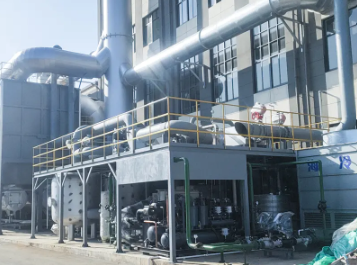
Multi-stage condensation systems designed to capture volatile petrochemical vapors during tanker fuel transfers.
Learn More
Cost-effective initial-stage moisture extraction for warehouses, preparation rooms, and cleanroom air handling.
Learn More
Integrated air handling units matching bespoke client footprint, filtration, and external static pressure needs.
Learn More
High-integrity cleanroom envelopes featuring airtight tongue-and-groove joints to eliminate moisture ingress.
Explore Dry RoomsContact our senior HVAC engineers to review your battery dry room or low-dew-point humidity control requirements. Receive a comprehensive airflow schematic, psychrometric calculation, and budgetary proposal within 24 hours.