
Engineered Food Grade & Industrial Humidity Control Systems
Explore DryAir's primary rotor series engineered for spray-dry towers, confectionery packaging, powder conveying silos, cold rooms, and ultra-dry processing environments across China and global destinations.
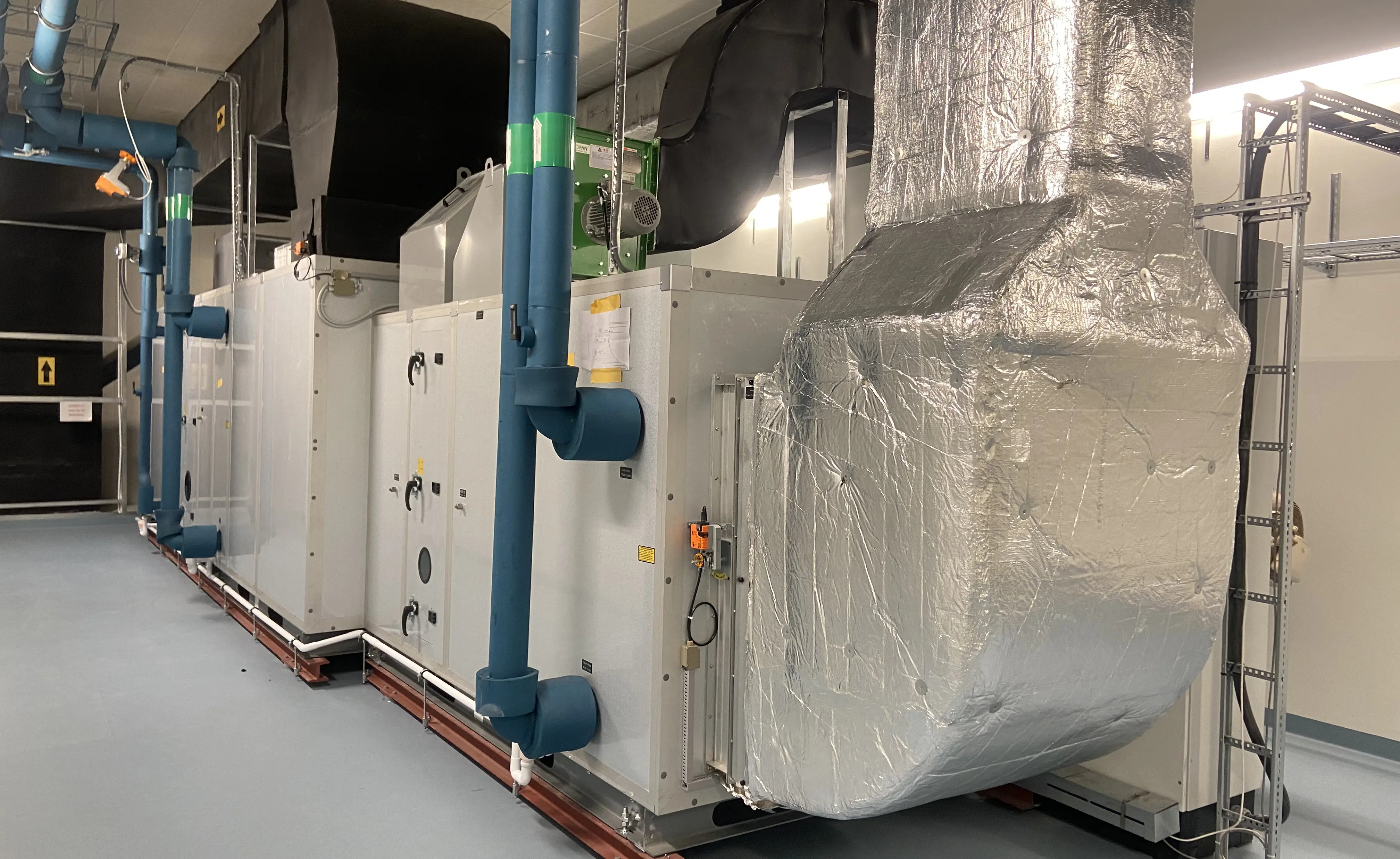
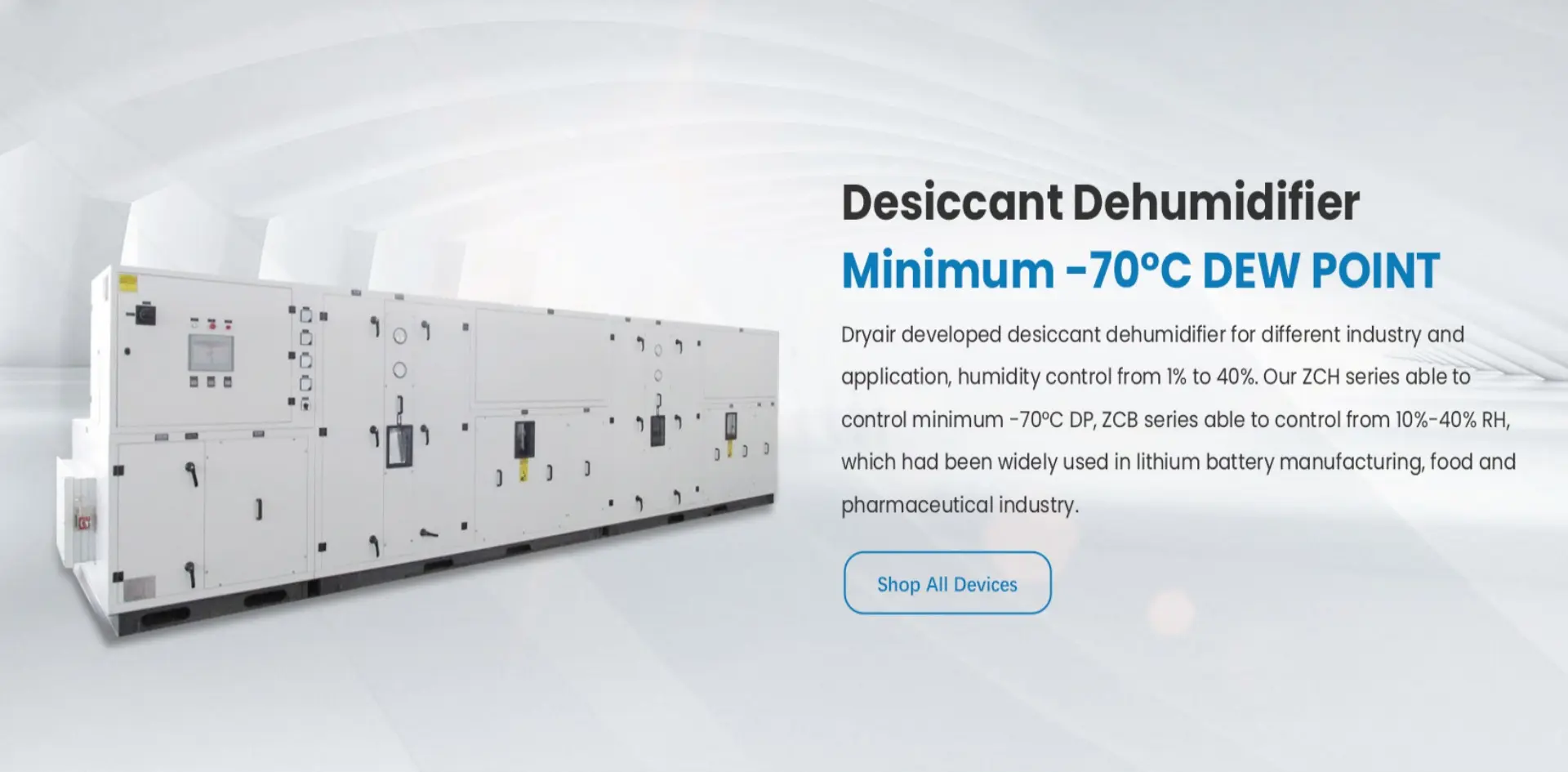
Rotary Desiccant Dehumidifier
High-efficiency silica gel and molecular sieve rotors eliminating moisture caking in food powders and spray drying operations.
- Dew point down to -70°C
- Heat recovery regeneration
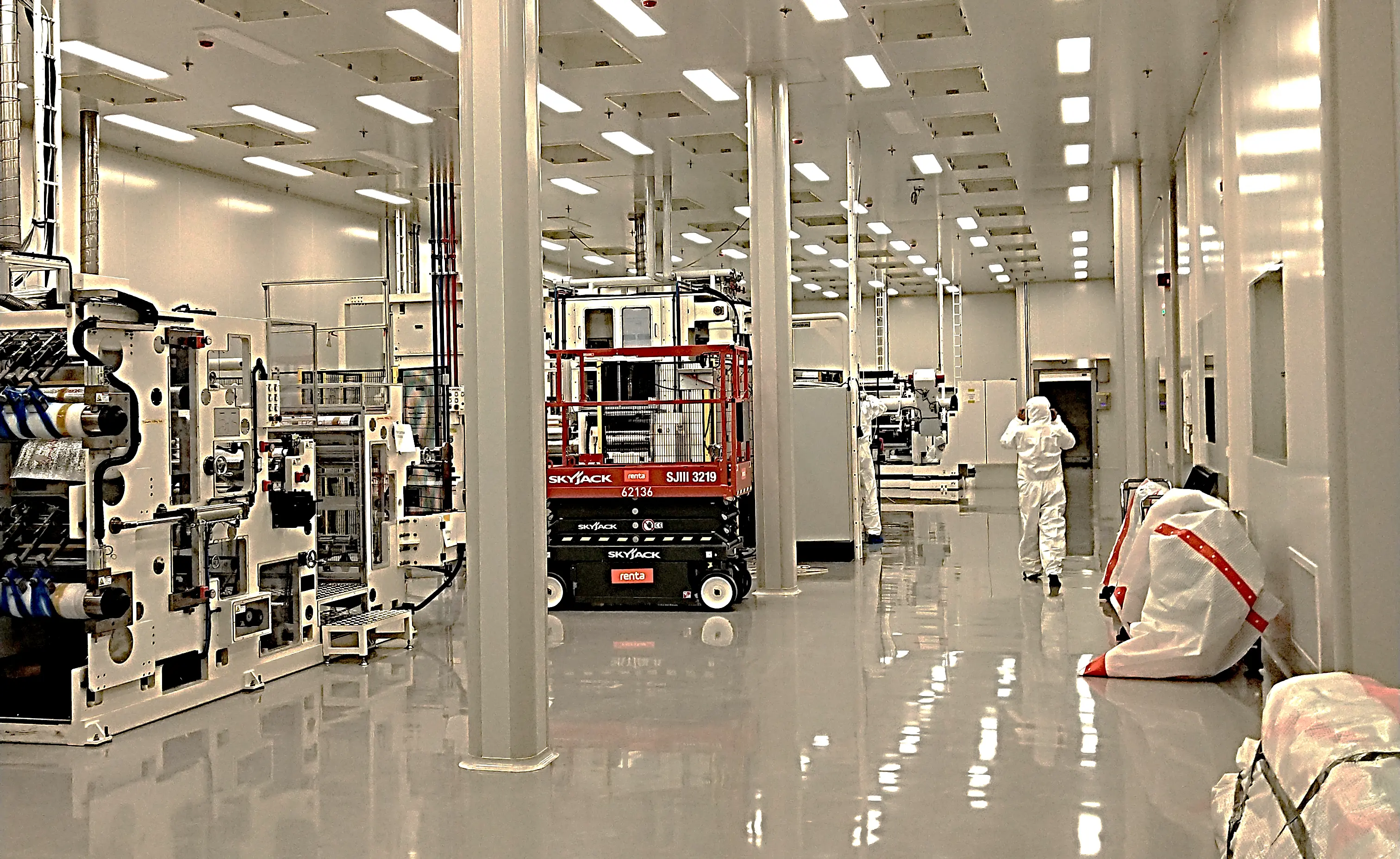
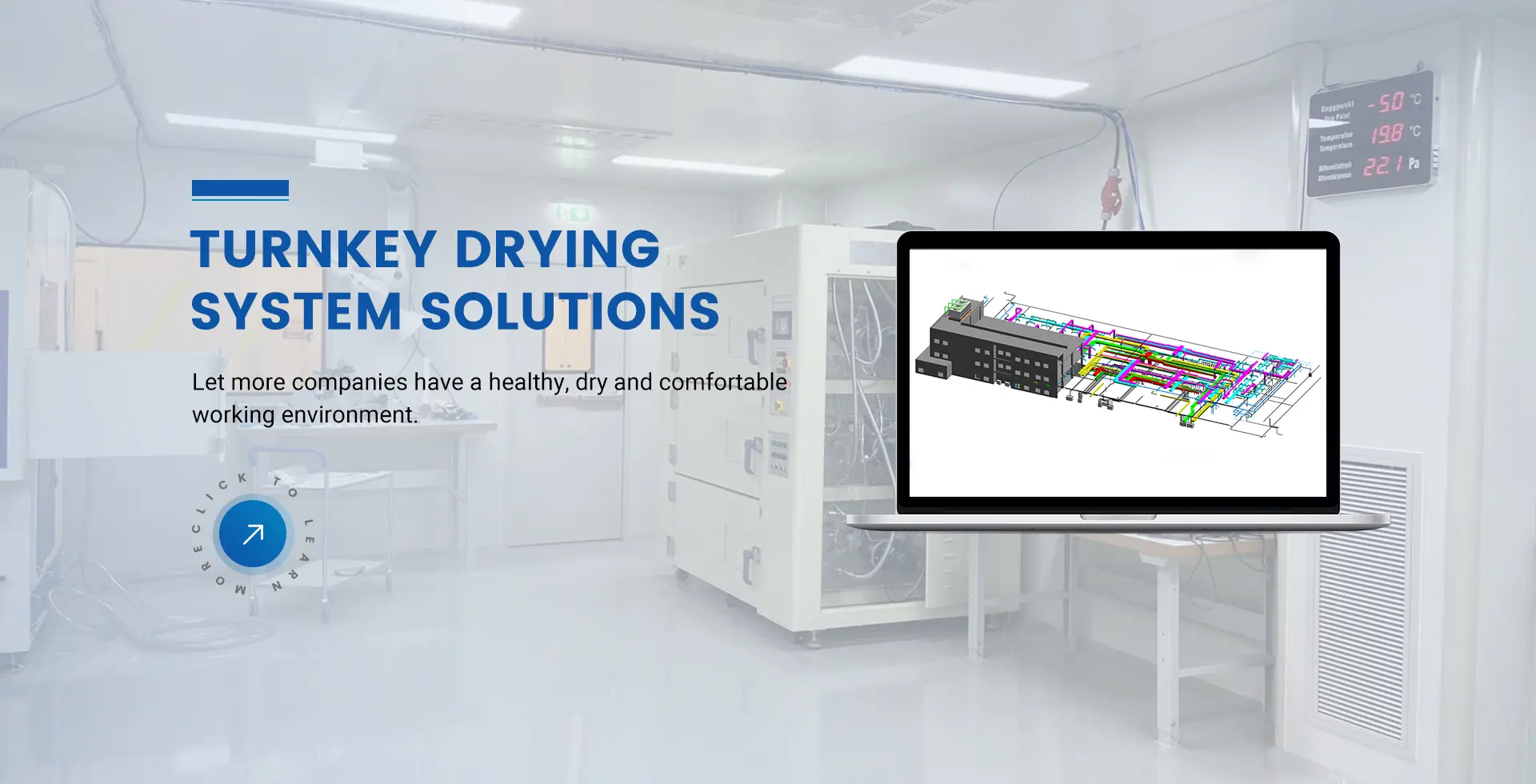
Turnkey Dry Room System
Airtight modular clean enclosures designed for hygienic food ingredients packaging, nutraceutical encapsulation, and battery cells.
- End-to-end design & EPC
- Strict microbial suppression
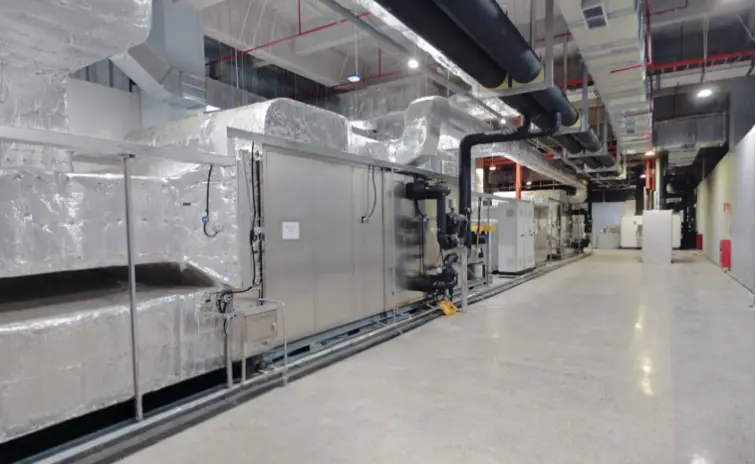
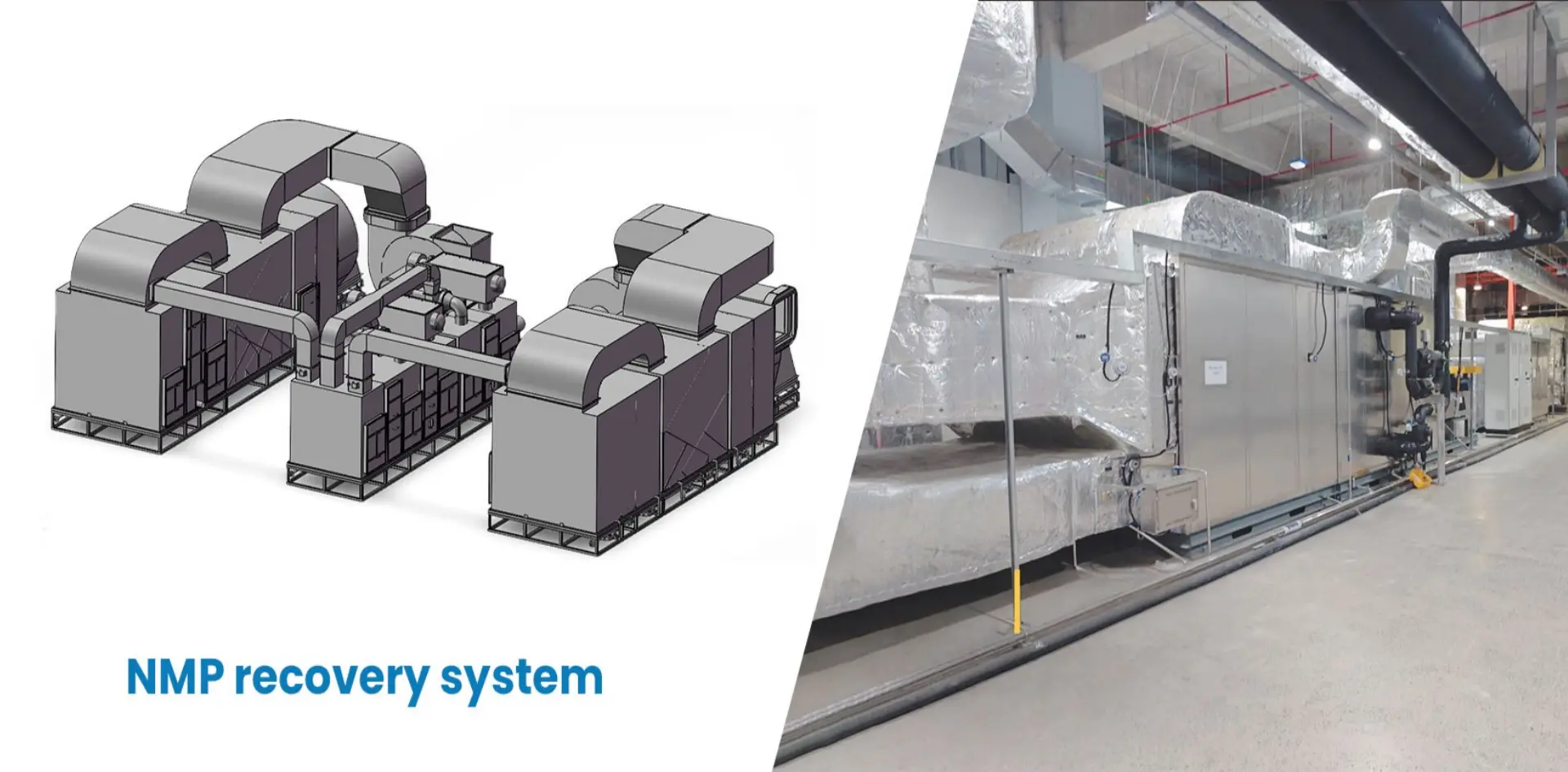
NMP Solvent Recovery System
ZJRH series high-efficiency solvent condensation and closed-cycle recovery with proven environmental emission mitigation.
- ≥99% solvent capture rate
- Dual-stage deep chiller
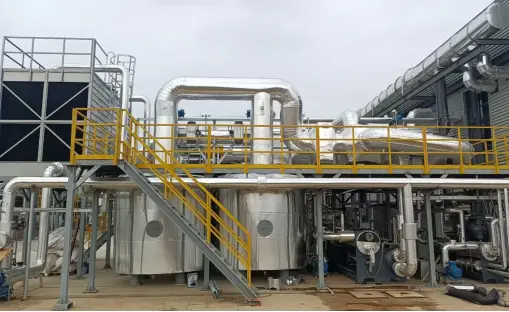
VOC Abatement System
Deep condensation cooling combined with regenerative thermal oxidizers (RTO) for chemical, coating, and food odor abatement.
- Exhaust compliance to EPA/EU
- Integrated heat exchanger
Refrigerative Dehumidifier
High-efficiency mechanical condensation dehumidification tailored for food raw material silos, grain warehouses, and pre-cooling.
- Economical bulk water removal
- Eco-friendly R410A/R134a loops
Sanitary Food Desiccant Air Handler
Stainless steel double-skin casing with thermal break construction, HEPA terminal filtration, and microbial-resistant washable rotor.
- 304/316L mirror polish available
- Zero standing condensate design

Cold Store Air Curtain & Dryer
Continuous low-temperature moisture adsorption preventing frost formation on evaporator coils, cold doors, and conveyor entries.
- Prevents icy floor hazards
- Cuts defrost energy cycles by 70%
Bio-Food Exhaust Odor Abatement
Engineered zeolite concentration wheels and secondary catalytic systems neutralizing organic aromas from food roasting and fermentation.
- Clean exhaust air compliance
- Continuous zeolite purge
Engineering Precision Humidity Control for Modern Food Processing
From moisture-sensitive infant formulations and confectionery glazing to high-speed pneumatic conveying and cleanroom packaging, unregulated ambient humidity is the premier vector of microbiological spoilage, product caking, and packaging downtime.
From Gigafactory Rigor to Food Safety Sanitization
Founded in 2010 in Hangzhou, China, Hangzhou DryAir Treatment Co., Ltd. holds an established 30%+ share in China's ultra-low dew point desiccant dehumidification landscape. While recognized globally for powering gigawatt battery dry rooms for Tesla, Northvolt, and CATL at extreme -70°C dew point thresholds, DryAir has seamlessly transferred these ultra-exacting psychrometric control methodologies into global food processing plants.
Food manufacturing demands zero biological proliferation. In humid processing environments, water activity ($a_w$) above 0.60 creates breeding grounds for Salmonella, Listeria monocytogenes, and mold spores. DryAir desiccant air handlers incorporate bacteriostatic PPS/fiberglass silica rotors cured with non-migrating desiccants that continuously sanitize ambient intake air through high-temperature thermal reactivation (+120°C to +140°C), killing airborne pathogens during moisture desorption.
The Thermodynamic Paradox: Refrigeration vs. Desiccant Adsorption
Conventional refrigeration-based dehumidifiers rely on cooling air below its dew point to precipitate moisture. However, when target process temperatures drop below 10°C, or when target Relative Humidity falls below 40% RH (equivalent to dew points under 4°C), conventional evaporator coils inevitably accumulate ice, triggering periodic defrost cycles that fluctuate room humidity and consume exorbitant energy.
Rotary desiccant systems provide isothermal continuous moisture vapor extraction independent of air temperature. By utilizing dense honeycomb rotors impregnated with synthesized porous silica gel or 4A molecular sieves, moisture vapor is adsorbed directly at the molecular level through capillary condensation and dipole attraction. This ensures steady-state dry air supply down to sub-zero dew points (-20°C to -70°C DP) without freezing risks or seasonal performance drift.
Critical Food Processing Environments Governed by DryAir Solutions
Hygroscopic ingredients change physical states upon absorbing ambient water vapor. DryAir engineers design bespoke airflow and dew point matrices addressing the distinctive biochemical challenges of eight major food production sectors.
Confectionery, Candy & Chocolate Cooling
High-sugar candies, gummies, and chocolates are intensely hygroscopic. Moisture absorption leads to sugar bloom, surface stickiness, and automated wrapping machine jamming. DryAir provides continuous air conditioning at 15°C–20°C and 30%–35% RH, ensuring crystal-clean shell formation and unhindered packaging lines.
Spray Drying & Dairy Powder Fluid Beds
Infant formula, whey isolate, and maltodextrin powder exiting spray dryer cyclones must be cooled in fluid bed dryers. If ambient inlet air is humid, powder instantly agglomerates, clogging cyclones and ductwork. DryAir DHU systems dry intake air down to sub-zero dew points (-10°C DP) to guarantee uniform free-flowing bulk powders.
Pneumatic Conveying & Silo Storage
Conveying starch, flour, powdered sugar, or cocoa beans via pressurized air lines requires bone-dry compressed or booster air. Temperature differentials between outdoors and silo walls cause internal condensation dripping. DryAir dry air pads sustain dry positive pressure within silos, preventing crusting and microbiological bridging.
Meat Curing, Fermentation & Sausage Drying
Salami, dry-cured hams, and artisanal biltong require non-turbulent, strictly modulated psychrometric environments. Overly dry air creates "case hardening" (trapping inner dampness), while excess humidity breeds uncontrolled toxic molds. DryAir systems deliver precision dew point air tailored across multi-phase 30-day curing programs.
Freezer Entrances & Cold Storage Logistics
Warm ambient moisture entering cold storage doors immediately turns into fog, frost on ceilings, and black ice on forklift floors. DryAir's dry air curtain systems inject negative dew point air directly into dock vestibules, completely eliminating defrost outages, sensor fogging, and ice-related worker accidents.
Nutraceuticals & Gelatin Capsule Encapsulation
Softgel and hard gelatin capsules, effervescent vitamin tablets, and probiotic powders degrade rapidly when exposed to humidity. Gelatin ribbons fail to seal if air is moist, while effervescents initiate premature foaming. DryAir cleanroom AHUs integrate ISO Class 5/7 filtration with sub-15% RH precision control.
Brewing Malting & Grain Seed Storage
Barley germination and grain storage require strict moisture equilibrium to prevent mycotoxin growth and premature sprouting. DryAir refrigerative-desiccant hybrid units maintain dry, low-temperature ventilation air, extending seed viability and malting yields without chemical preservatives.
Sanitary Cleanroom Packaging & Sealing
Packaging aseptic foods, dehydrated soup mixes, and instant coffees demands positive air pressure with strict dry limits. Humidity trapped inside modern multilayer pouches ruins seal integrity and causes package ballooning. DryAir ensures nitrogen and packaging air streams hold zero condensable vapor.
| Food Production Sector | Critical Risk Under Excess Moisture | Optimal Process Temp | Target Dew Point / RH | Recommended DryAir Solution |
|---|---|---|---|---|
| Infant Formula & Dairy Powders | Agglomeration in fluid bed, microbial growth, clogged nozzles | 18°C – 24°C | -10°C to -20°C DP | DHU Series Rotary Desiccant Dehumidifier |
| Candy Glazing & Chewing Gum | Surface stickiness, deformation, sugar inversion, wrapping friction | 18°C – 22°C | 25% – 35% RH | DHU Low-Dew-Point Rotor Air Handler |
| Pneumatic Sugar & Starch Silos | Material bridging, cake formation, explosion hazard from dust clumps | Ambient (10°C–35°C) | ≤ 20% RH | Refrigerative Pre-Cooler + Desiccant Booster |
| Effervescent Tablets & Nutraceuticals | Premature reaction, blister pack seal failure, active potency loss | 20°C – 22°C | -40°C to -60°C DP | Turn-key Dry Room Cleanroom Modular System |
| Cold Storage & Blast Freezer Docks | Ceiling hoarfrost, floor ice sheets, blind barcode scanner cameras | -25°C to +4°C | -25°C to -35°C DP | DryAir Cold Store Low Dew Point Unit |
| Artisanal Salami & Cured Meats | Case hardening, surface slime, toxic green mold contamination | 12°C – 16°C | 65% – 75% RH ±1% | High-Precision Modulating Desiccant AHU |
| Food Roasting & Fermentation Exhaust | Noxious organic volatile odors, EPA/EU stack emission breaches | Up to 150°C | ≥ 99% Destruction | VOC Abatement & RTO Catalytic Oxidizer |
China Factory Scalability: Precision Manufacturing & Global Delivery
Operating from Qingshan Industrial Park, Lin'an, Hangzhou, DryAir leverages China's advanced precision mechanical and electrical industrial clusters to deliver uncompromised quality, compressed project lead times, and superior total cost of ownership.
Vertically Integrated Manufacturing
DryAir controls the entire manufacturing chain internally—from laser sheet cutting, robotic CNC press-brake punching, and argon-arc sanitary frame welding, to rotor drive assembly, coil fabrication, and custom PLC wiring. This vertical capability shields global clients from third-party supply chain bottlenecks.
Lin'an HVAC Industrial Cluster Proximity
Located in the heart of Zhejiang's world-class advanced HVAC cluster, DryAir enjoys same-day access to Tier-1 components: high-efficiency centrifugal fans, variable frequency drives, stainless coils, and specialized gaskets. This geographic synergy slashes fabrication lead times by 35% compared to Western competitors.
Full-Load National Military Standard (GJB) Auditing
Every commercial and food-grade dehumidifier undergoes dynamic performance testing in DryAir's in-house psychrometric simulation test chamber. Operating under ISO 9001 and GJB national military quality standards, airflow, sensible heat ratio, rotor leakage, and target dew points are empirically verified before ocean crating.
"DryAir's ability to maintain high throughput of over 200 industrial desiccant air handling units per month provides international food conglomerates and EPC contractors with unprecedented procurement elasticity—scaling from pilot test suites to multi-tower spray drying complexes without lead time escalation."
Technology Roadmap: The Future of Energy-Efficient Adsorption
Desiccant rotor regeneration represents the predominant energy expenditure in industrial dehumidification. DryAir's engineering team is pioneering thermodynamic breakthroughs to drastically curb operational carbon footprints.
AI Psychrometric Enthalpy Modulation
Integrating neural network microcontrollers that monitor real-time weather fluctuations, indoor worker density, and moisture latent load. The system dynamically modulates reactivation burner temperature and rotor RPM in real time rather than running static max cycles.
Waste Heat & Steam Condensate Harvesting
Food facilities utilize extensive steam, boiler networks, and baking ovens. DryAir systems integrate specialized plate or heat-pipe heat recovery exchangers, utilizing boiler flue gas or waste steam to power reactivation coils, slashing electric heater dependency.
Low-Temperature Desiccant Chemistry
Developing hybrid metal-organic framework (MOF) and composite polymer desiccant rotors capable of total moisture desorption at temperatures as low as +65°C to +80°C. This allows integration with industrial water-source heat pumps.
IoT Telemetry & Predictive Maintenance
Cloud-linked Modbus/BACnet telemetric modules stream continuous psychrometric data, differential pressure drops across HEPA filters, and rotor drive belt tension to plant management consoles and DryAir's 24/7 global service center.
Worldwide Engineering Presence & Regulatory Compliance
Exporting to European, North American, Southeast Asian, and Middle Eastern markets requires navigating stringent electrical codes, pressure vessel directives, and food safety sanitation guidelines.
International Statutory Certifications
Depending on destination project mandates, DryAir equipment is fully engineered, manufactured, and labeled to comply with CE (LVD/EMC), UL 1995/UL 60335 (North America), CSA (Canada), ASME Section VIII for pressure coils, and EAC (Eurasian Customs Union). Electrical cabinets conform to NFPA 79 and EN 60204-1.
Food Safety Sanitation Compliance
Units destined for food plants adhere to FDA FSMA (Food Safety Modernization Act), EHEDG hygienic design concepts, and 3-A Sanitary Standards. Internal casings boast slope drainage pans with zero standing water, anti-microbial thermal insulation, and fully accessible wash-down construction.
Global Field Engineering & Warranty
DryAir backs international deployments through factory-trained dispatched commissioning teams, remote AR diagnostic support, regional distributor spares hubs, and an optional comprehensive 2-year overseas warranty and maintenance agreement covering parts, telemetry, and onsite technical validation.
Turnkey Engineering Project Execution Architecture
Psychrometric Audit
Moisture load modeling calculating envelope leakage, internal process steam, and worker latent loads.
Custom HVAC Design
3D BIM airflow layouts, heat recovery coil optimization, and hygienic filtration selection.
Fabrication & FAT
Robotic factory manufacturing followed by dynamic psychrometric test room verification before export.
Onsite SAT & Hookup
Supervised mechanical rigging, duct interface, control loop tuning, and SAT validation.
SLA Lifecycle Care
24/7 telemetric monitoring, rapid spare dispatch, filter replacement, and annual dew point calibration.
Frequently Answered Engineering & Procurement Inquiries
In-depth responses to semantic search queries regarding China food industry dehumidifiers, sanitary compliance, psychrometric performance, and international turnkey execution.
What makes DryAir desiccant dehumidifiers compliant with food industry sanitary regulations (FDA, HACCP, EHEDG)?
How does a rotary desiccant dehumidifier compare to standard mechanical refrigeration for food drying?
What is the minimum controllable dew point DryAir systems can maintain in high-volume food packaging?
Can DryAir supply complete turnkey dry rooms and air distribution ducting outside China?
What certifications are provided for North American, European, and Eurasian food manufacturing plants?
How does DryAir's monthly production capacity of 200+ units benefit fast-track plant construction?
What warranty, spare parts, and after-sales support are provided to overseas customers?
Select Your Food & Industrial Humidity Control Configuration
Shortlist DryAir's field-proven product families below to initiate an engineering load calculation, psychrometric assessment, or tailored quotation with our technical team.
DHU Desiccant Dehumidifier
Continuous low-dew-point air delivery down to -70°C for lithium dry rooms, candy manufacturing, and powder fluid beds.
- Heat recovery regeneration
- Washable silica rotor matrix
Turnkey Clean Dry Room
Comprehensive airtight room envelope, HVAC ducting, desiccant air handling, and SCADA monitoring delivered turnkey.
- Gigafactory scale engineering
- Low infiltration door interlocks
ZJRH NMP Recovery Plant
Engineered solvent condensation system for electrode coater lines, reducing chemical purchase costs and plant emissions.
- ≥99% solvent recovery yield
- Integrated condensation coils
JEN VOC Abatement System
Deep-cooling condensation coupled with regenerative thermal oxidation for volatile solvents, aromas, and oil vapor treatment.
- High VOC destruction efficacy
- Clean exhaust stack guarantee
Industrial Chilled Dehumidifier
Economical mechanical moisture removal tailored for grain warehousing, flour silos, and ambient humidity trimming.
- Heavy-duty Copeland/Danfoss loops
- Rapid sensible cooling capacity
Hygienic Food Packaging Dryer
Engineered for baby food formula, functional sugars, and instant coffee packaging under strict GMP conditions.
- Smooth internal wash-down walls
- Antimicrobial panel construction
Cold Store Air Lock Dehumidifier
Prevents fog, structural ice buildup, and coil icing at fast-freeze loading bays and cold warehouse doorways.
- Negative dew point dry curtain
- Significant refrigeration savings
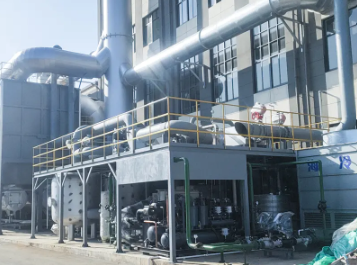
Zeolite Odor Abatement Wheel
Concentrates low-concentration, high-volume exhaust streams from roasting, frying, and biological food processing.
- Non-flammable zeolite matrix
- High concentration factor (10:1–30:1)