
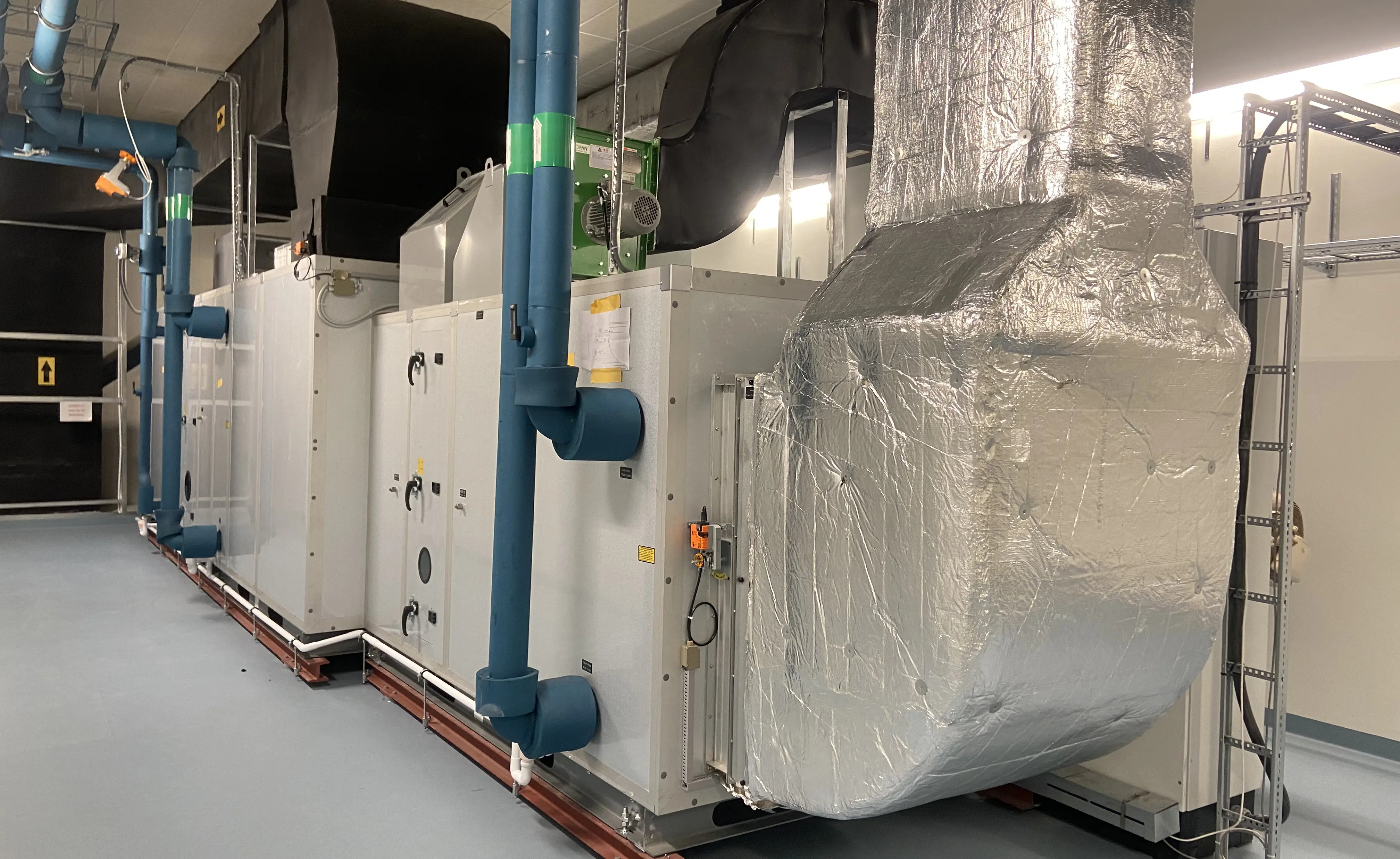
 -70°C Dew Point
Rotary Desiccant Dehumidifier
DHU Series desiccant dehumidification systems operating down to -70°C dew point with advanced heat recovery integration.
View SpecificationsEngineered turnkey architectures providing ultra-precise relative humidity control, high-efficiency solvent recapture, and emission compliance across high-volume production facilities.
-70°C Dew Point
DHU Series desiccant dehumidification systems operating down to -70°C dew point with advanced heat recovery integration.
View Specifications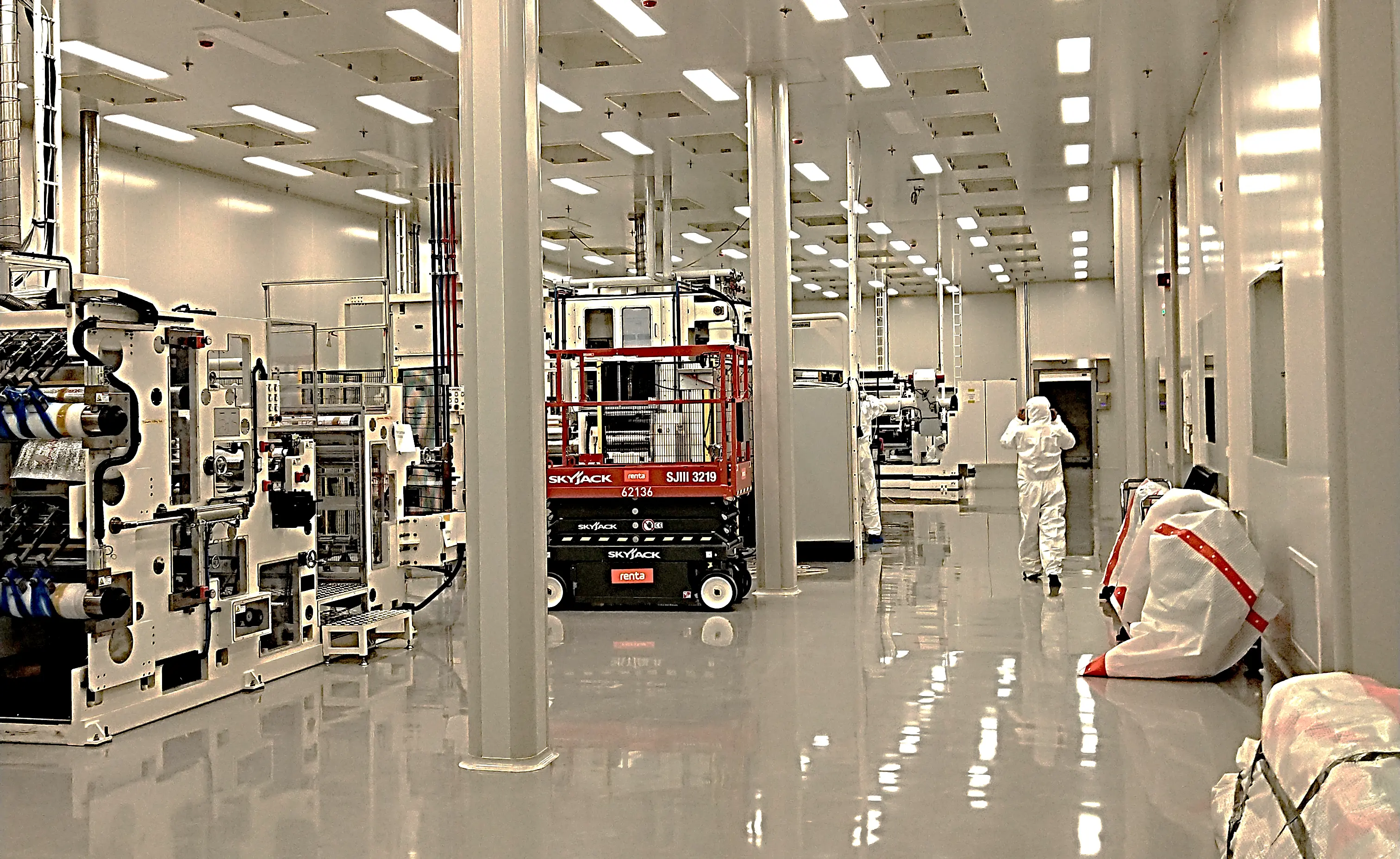 Turnkey EPC
End-to-end dry room environments including modular enclosure panels, air lock systems, and precision HVAC integration.
Explore Dry Rooms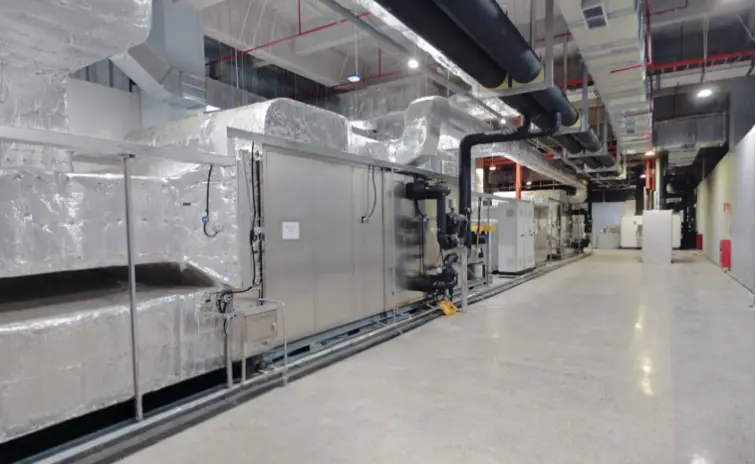 ≥99% Recovery Rate
ZJRH series NMP solvent recovery units capturing electrode coater emissions to minimize raw material expenses.
Learn More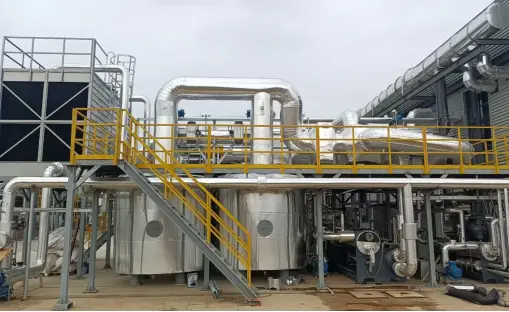 RTO & Condensation
JEN series thermal oxidation and deep cooling condensation units ensuring total environmental regulatory compliance.
Learn More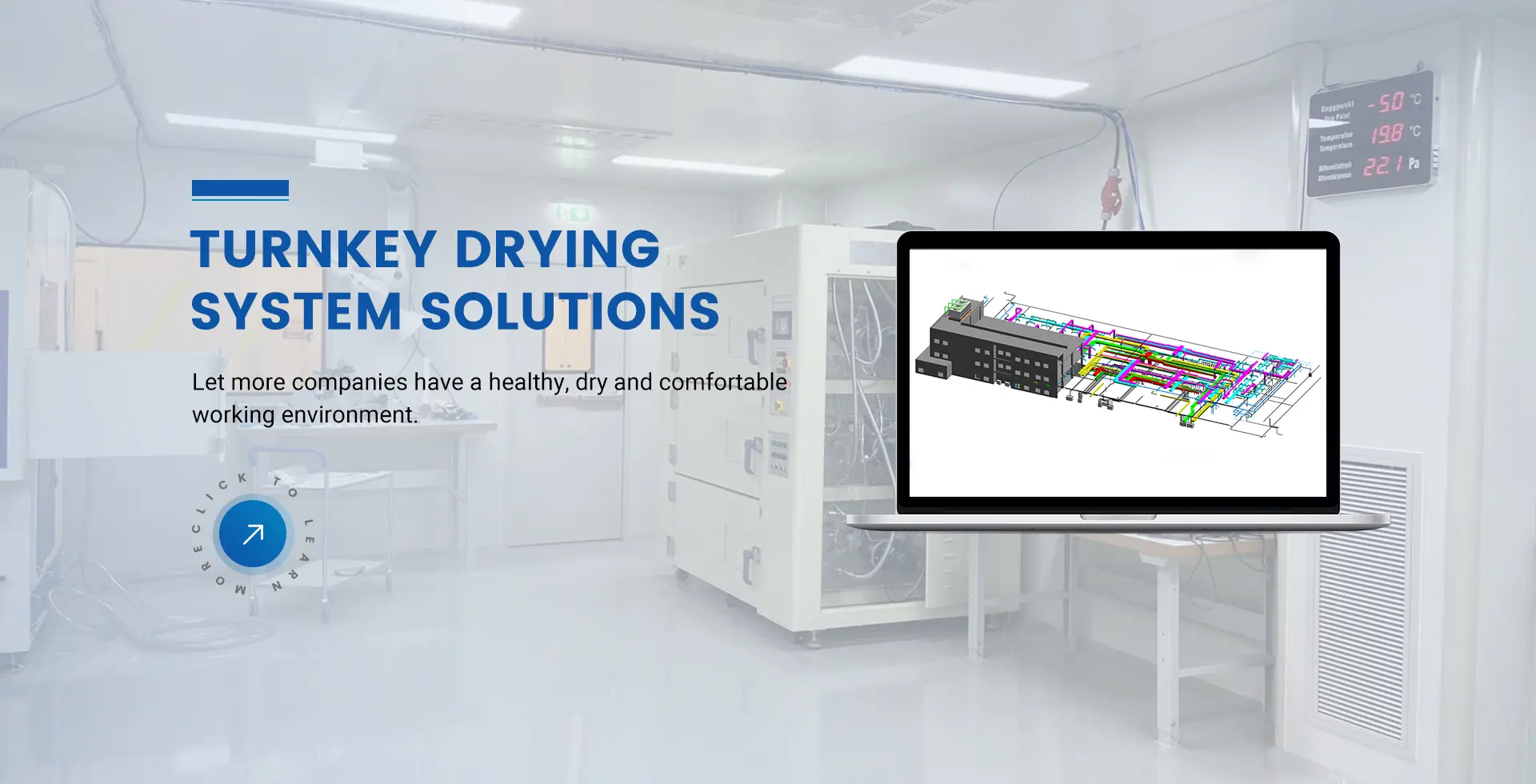 High Efficiency
Commercial pre-cooling and primary moisture reduction systems engineered for industrial workshops and warehouses.
Learn More Air-Tight Design
High-density insulated rockwool and honeycomb sandwich panels designed for minimal thermal bridging and low air leakage.
Request Catalog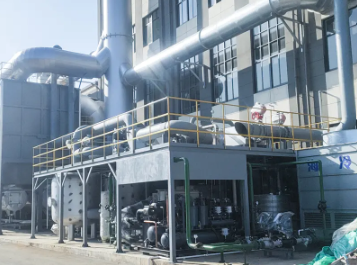 Vapor Recovery
Deep condensation recovery solutions designed specifically for hazardous chemical and fuel handling operations.
Explore Tech Solutions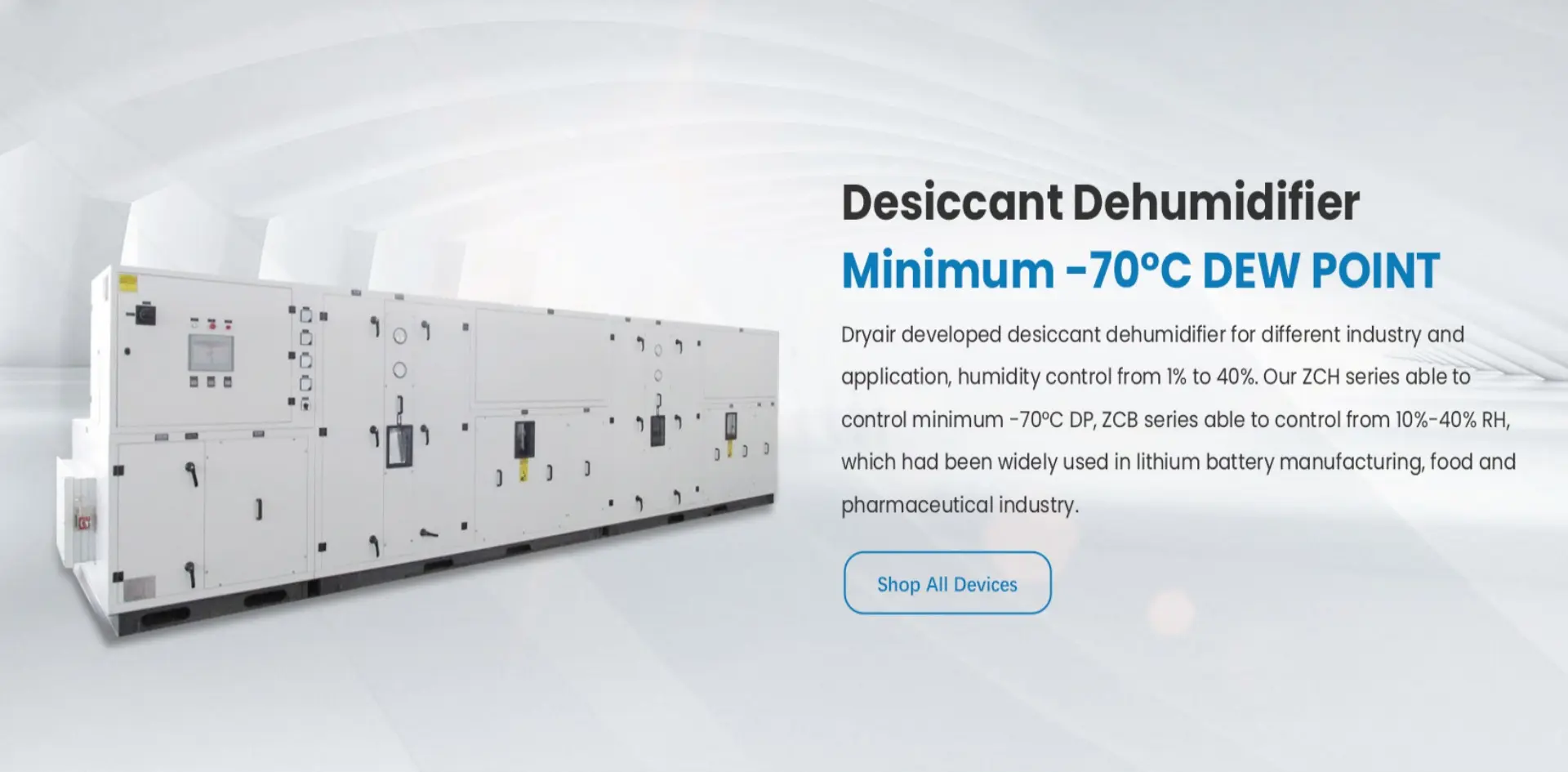 Global Support
On-site mechanical erection, PLC programming, validation commissioning, and 2-year extended warranty coverage.
Global Service PlanAn in-depth evaluation of ultra-low dew point requirements across battery gigafactories, next-generation solid-state chemistry lines, biopharmaceuticals, and advanced aerospace storage.
The global energy transition has triggered an unprecedented expansion in lithium-ion battery gigafactories, electric vehicle (EV) supply chains, and grid-scale energy storage system (ESS) manufacturing. In modern high-energy-density cell fabrication—spanning nickel-manganese-cobalt (NMC), lithium iron phosphate (LFP), and emerging solid-state sodium-ion architectures—the presence of airborne ambient moisture represents a severe risk factor to chemical stability, safety, and cycle life. Consequently, international procurement teams are elevating ultra-low dew point environmental control from a standard HVAC facility line item to a critical core process variable.
In lithium-ion cell assembly, particularly during electrode winding, stacking, electrolyte injection, and seal welding phases, trace ambient moisture undergoes hydrolysis with lithium hexafluorophosphate ($\text{LiPF}_6$) salts present in the electrolyte. This reaction generates hydrofluoric acid ($\text{HF}$), an aggressively corrosive byproduct that dissolves cathode active materials, degrades the solid electrolyte interphase (SEI) layer, causes internal cell swelling, and increases the likelihood of catastrophic thermal runaway.
As battery manufacturers push energy densities past 300 Wh/kg and transition toward moisture-sensitive chemistries such as silicon-carbon anodes and sulfide-based solid electrolytes, the acceptable room moisture threshold has dropped dramatically. Production zones that previously operated at a pressure dew point (PDP) of -40°C now require stable -50°C, -60°C, or even -70°C dew point air delivery continuously under maximum human occupancy and process heat load.
Operating a dry room system capable of supplying thousands of cubic meters per hour of ultra-dry air requires substantial energy input, primarily dedicated to desiccant wheel reactivation. In a typical 10 GWh lithium-ion battery plant, environmental control systems can account for up to 25% to 35% of total facility energy consumption. Modern enterprise procurement teams no longer evaluate systems on Capital Expenditure (CAPEX) alone; Operational Expenditure (OPEX) over a 10-to-15-year operational lifecycle now dictates vendor selection.
Hangzhou DryAir Treatment Co., Ltd. addresses this imperative by integrating waste heat recovery systems, multi-stage purge circuits, and dynamic, load-following PLC automation into its DHU series rotary desiccant dehumidifiers. By utilizing waste heat from process chillers, coater exhaust, or thermal oxidizers for reactivation air preheating, DryAir clients realize annual electrical utility savings ranging between 20% and 40%.
A technical deep-dive into multi-stage desiccant rotor matrices, latent load sizing equations, and solvent abatement chemistry.
Standard single-rotor dehumidifiers hit a physical limit around -30°C to -40°C dew point due to vapor pressure equilibrium across the desiccant media. Hangzhou DryAir utilizes a proprietary dual-rotor cascade process combined with active molecular sieve rotor coatings. Air passes through a primary silica gel rotor for main moisture extraction, followed by a secondary synthetic molecular sieve rotor operating under low-temperature pre-cooling, reliably driving moisture content down to 0.002 g/kg (equivalent to -70°C PDP).
A dry room system is only as efficient as its envelope seal integrity. Moisture infiltration through panel joints, service penetrations, and personnel airlocks can quickly overwhelm low dew point air handlers. DryAir integrates double-tongue-and-groove sealed rockwool wall panels, pressurized airlocks, and negative-leakage buffer zones. Structural joints undergo helium mass spectrometer leak detection testing during FAT/SAT commissioning to verify complete moisture seal integrity.
During cathode slurry coating, N-Methyl-2-pyrrolidone (NMP) solvent is evaporated in drying ovens. DryAir's ZJRH series NMP recovery system utilizes a multi-stage process involving gas-to-gas heat exchangers, chilled-water deep condensation coils, and dynamic zeolite rotor concentration. This process captures liquid NMP with purity suitable for distillation and recycling, while reducing stack VOC exhaust concentrations well below strict international regulatory limits.
| Application Sector | Target Dew Point / RH | Primary Environmental Risk | Recommended System Architecture |
|---|---|---|---|
| Lithium Cell Assembly & Electrolyte Filling | -40°C to -60°C PDP | HF Acid Generation, SEI Layer Degradation | Turn-key Dry Room System |
| Solid-State & Lithium Metal Battery | -60°C to -70°C PDP | Rapid Oxidation of Metallic Lithium, Electrolyte Breakdown | Custom Dual-Rotor Desiccant System |
| Electrode Coating Exhaust Processing | ≥99% Solvent Recapture | NMP Solvent Loss, VOC Emissions Non-Compliance | ZJRH Series NMP Recovery System |
| Hygroscopic Pharmaceutical Powders & Packaging | 10% to 30% RH (DP -10°C to -20°C) | Powder Caking, Loss of Active Ingredient Potency | Standard DHU Desiccant Dehumidifier |
| Defense, Avionics & Munitions Storage | ≤40% RH (Prevent Corrosion) | Metal Corrosion, Electronic Circuit Degradation | GJB-Compliant Dehumidifier System |
| Industrial Petrochemical & Tank Vapor Recovery | Emission Compliant | Volatile Hydrocarbon Loss, Environmental Fines | JEN Series VOC Abatement System |
Discover how Hangzhou DryAir's engineering team adapts HVAC and desiccant matrix parameters to solve sector-specific moisture risks.
Serving world-leading battery manufacturers including Tesla, Northvolt, CATL, BYD, ATL, EVE Energy, Farasis, Envision, SVOLT, and TTI. DryAir supplies complete turnkey clean-dry rooms engineered to withstand continuous 24/7/365 production schedules with fail-safe operational redundancy and intelligent Dew Point Monitoring alarms.
Hygroscopic active pharmaceutical ingredients (APIs), gelatin capsules, and effervescent tablets attract moisture from surrounding air, leading to product clumping and reduced shelf life. DryAir provides cGMP-compliant stainless steel air handling units integrated with high-efficiency particulate air (HEPA) filtration to preserve sterile, low-humidity environments.
Operating under the GJB national military quality standard system, Hangzhou DryAir designs heavy-duty dehumidification equipment for munitions depots, radar housing, and missile guidance assembly facilities, effectively eliminating microbial growth and structural oxidation caused by ambient humidity.
How Hangzhou DryAir guarantees Seamless Commissioning, Regulatory Approval, and Lifecycle Operational Security for Overseas Facilities.
Comprehensive analysis of process moisture loads, personnel occupancy heat gains, enclosure infiltration risks, and target supply air psychrometrics.
Building Information Modeling (BIM) duct routing, airflow vector modeling, heat wheel optimization, and electrical control schematic design.
In-house production operating under ISO 9001 and GJB quality standards, featuring rigorous pre-shipment FAT performance testing in our factory test chamber.
Deployment of senior engineering teams for on-site structural erection, ductwork balancing, PLC integration, and dew point validation.
To support international expansion across Europe, North America, Eurasia, and Asia-Pacific regions, DryAir equipment meets all mandatory destination market safety codes:
Detailed answers regarding technical specifications, dew point limits, heat recovery options, and global project delivery protocols.
Select a product line below to view technical specification sheets, CAD layouts, and performance curves.
DP -70°C
Ultra-low dew point rotary desiccant dehumidifiers engineered for ultra-dry battery assembly zones.
View Specifications
Complete EPC
Full engineering, panel enclosures, air distribution, and automated environmental validation under one contract.
Explore Dry Rooms
Solvent Recapture
High-yield recovery systems reaching solvent capture efficiency above 99% on electrode drying lines.
Learn More
RTO Technology
Regenerative thermal oxidizers combined with pre-cooling condensation units for industrial VOC purification.
Learn More
Primary Cooling
High-capacity condensing units providing cost-effective moisture extraction for warehouses and pre-cooling loops.
Learn More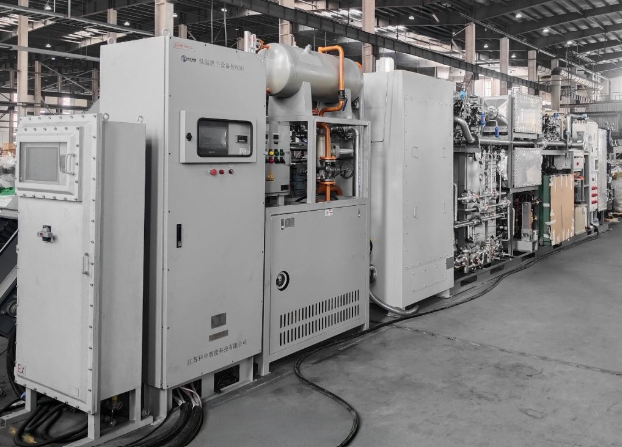 Technical Catalog
Download full engineering datasheets, psychrometric curves, and mechanical dimensions for RFQ preparation.
Download Catalog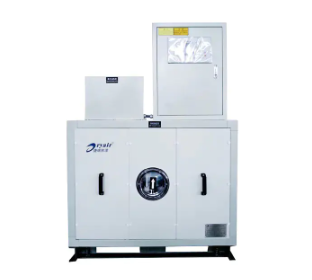 cGMP Design
Stainless steel desiccant air handlers designed to meet cleanroom standard air purity and low humidity limits.
Read Technical Articles Direct Support
Submit your project details to receive a customized psychrometric heat load calculation and vendor bid response.
Contact Engineering