
Primary Engineered Product Portfolio (Phase I)
Continuous-duty adsorption rotor architectures designed to hold rigorous dew point stability under dynamic outdoor psychrometric loads across battery gigafactories, cleanrooms, and chemical facilities.
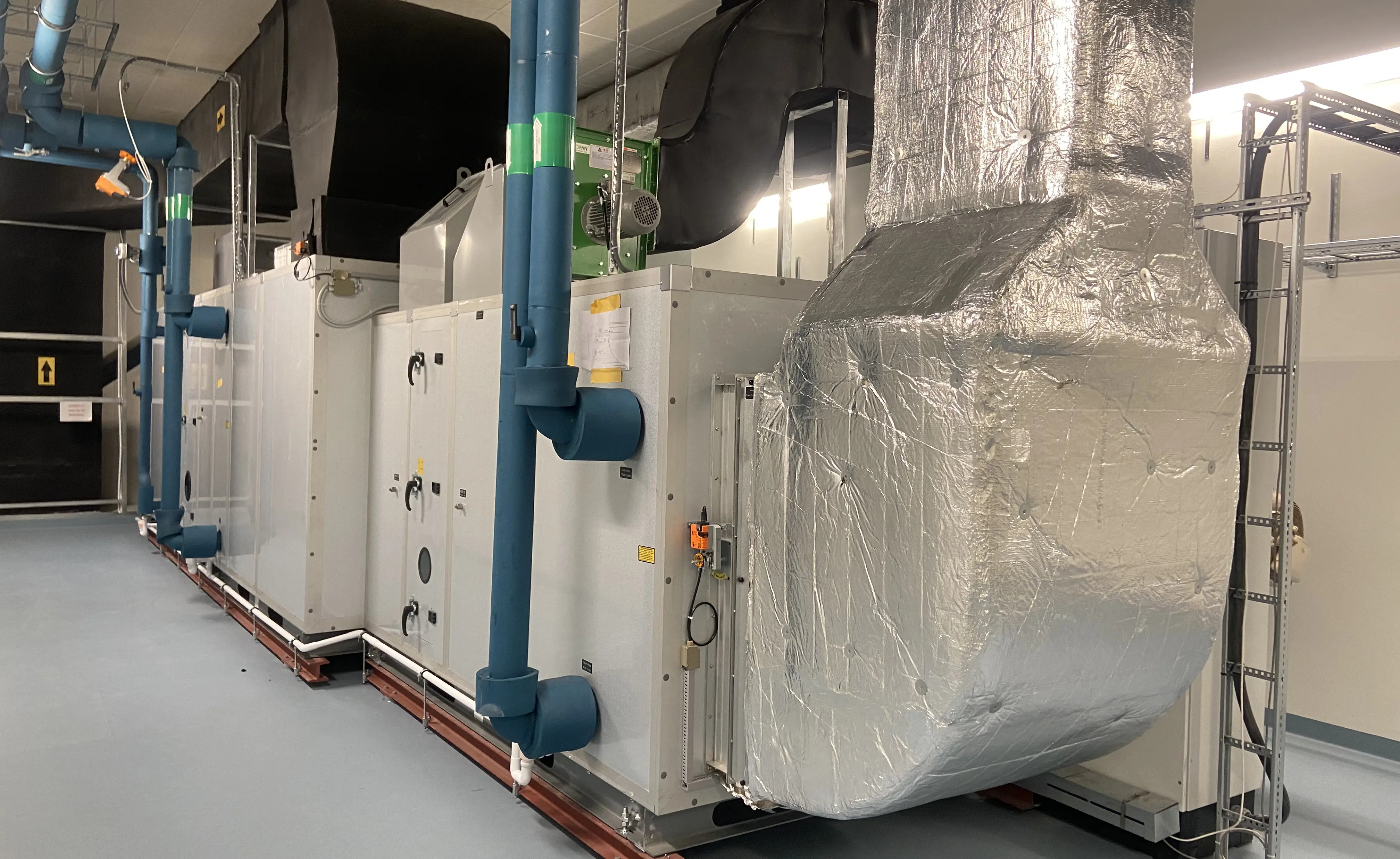 DP to -70°C
DHU Desiccant Dehumidifier
Industrial rotary honeycomb adsorption system delivering stable, moisture-depleted process air where mechanical chillers fail.
- Zeolite & silica gel composite rotor
- Steam, gas or electric reactivation
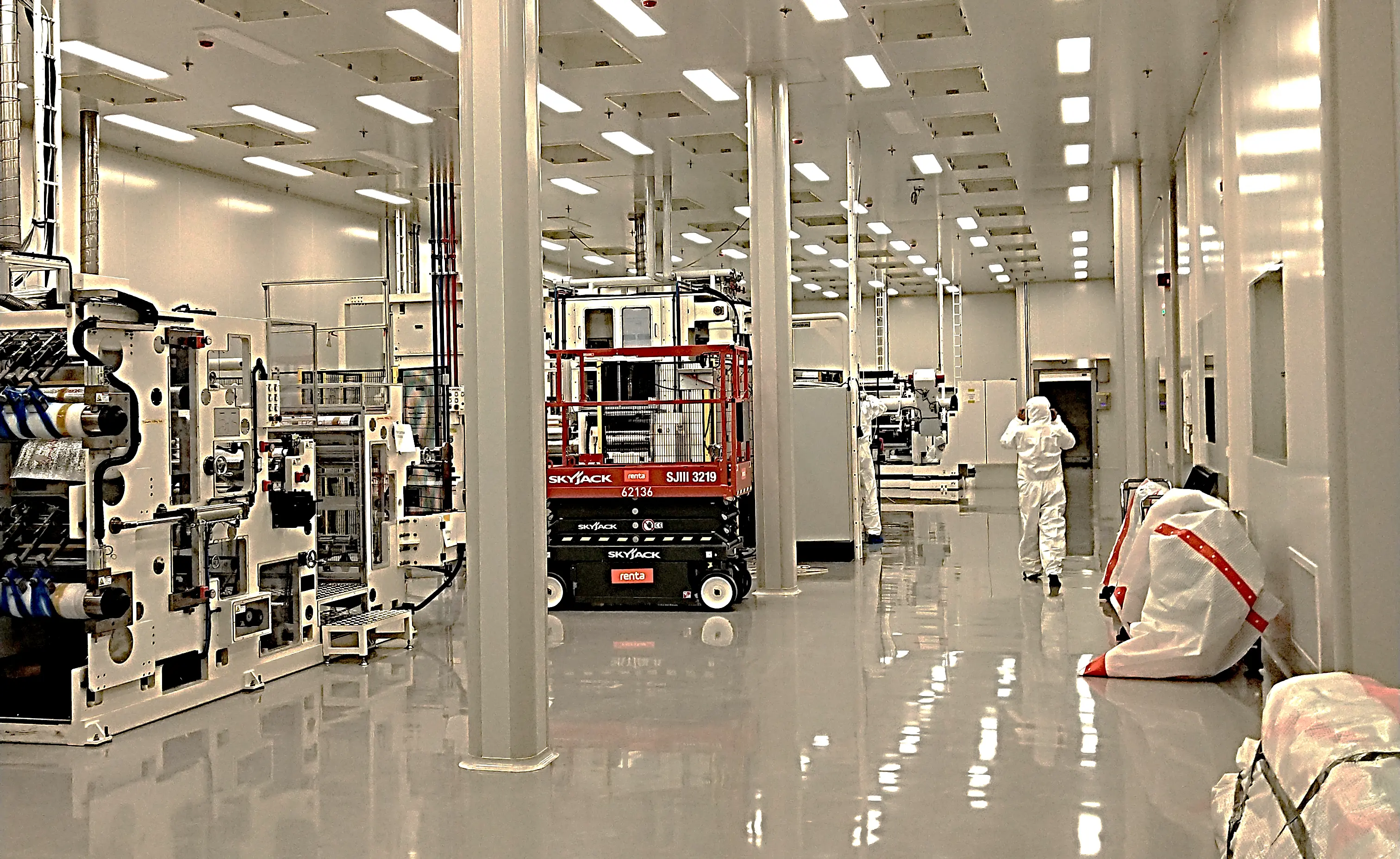 Turnkey EPC
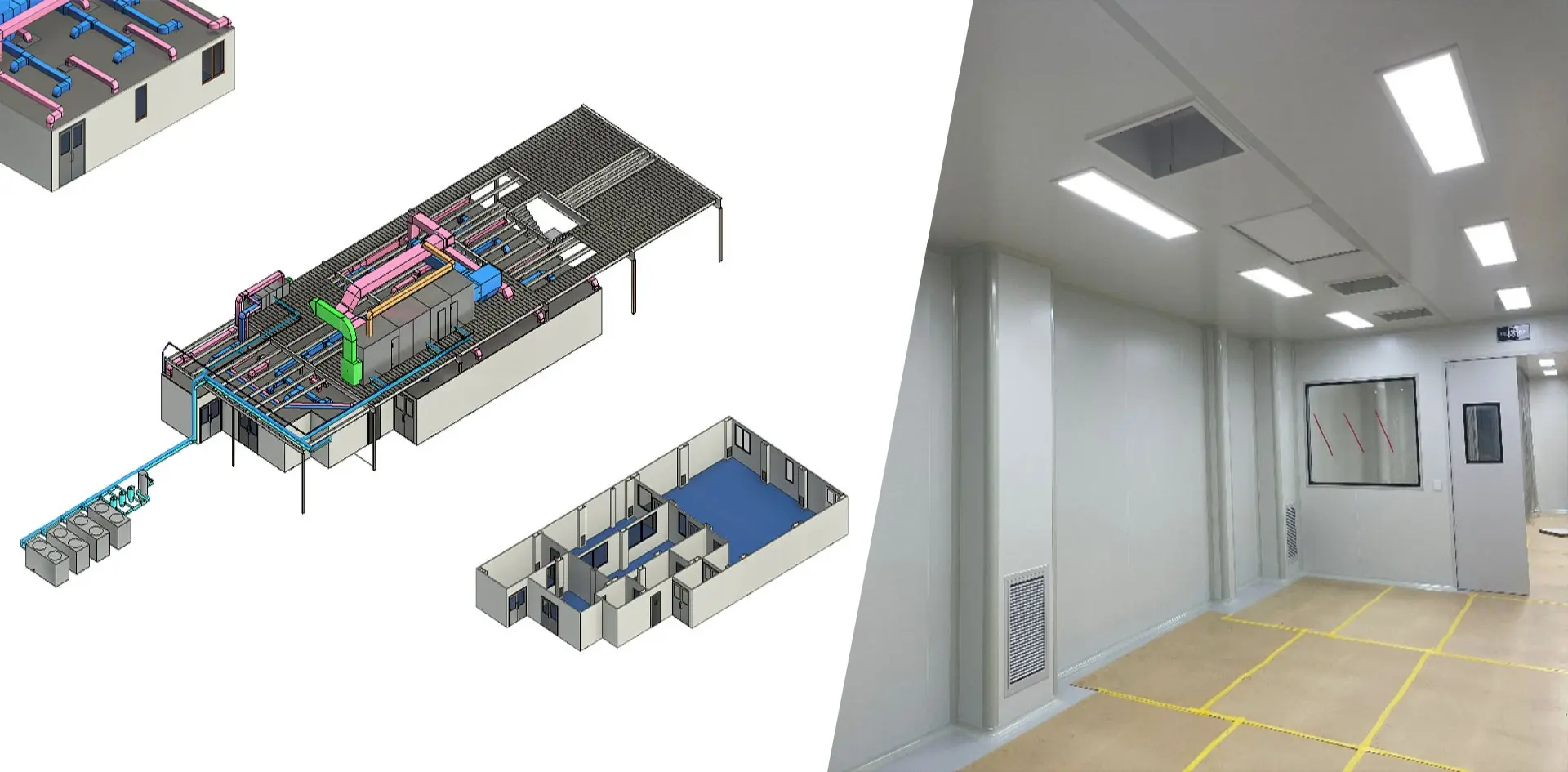
Turn-key Dry Room System
End-to-end hermetic dry enclosures engineered for lithium cell winding, assembly, and electrolyte injection environments.
- Zero-leakage enclosure interlocking
- Tight ISO 14644 cleanroom compliance
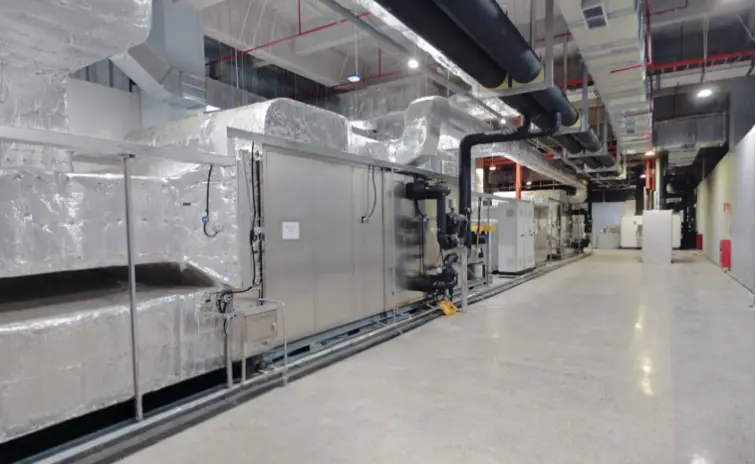 Recovery ≥99%
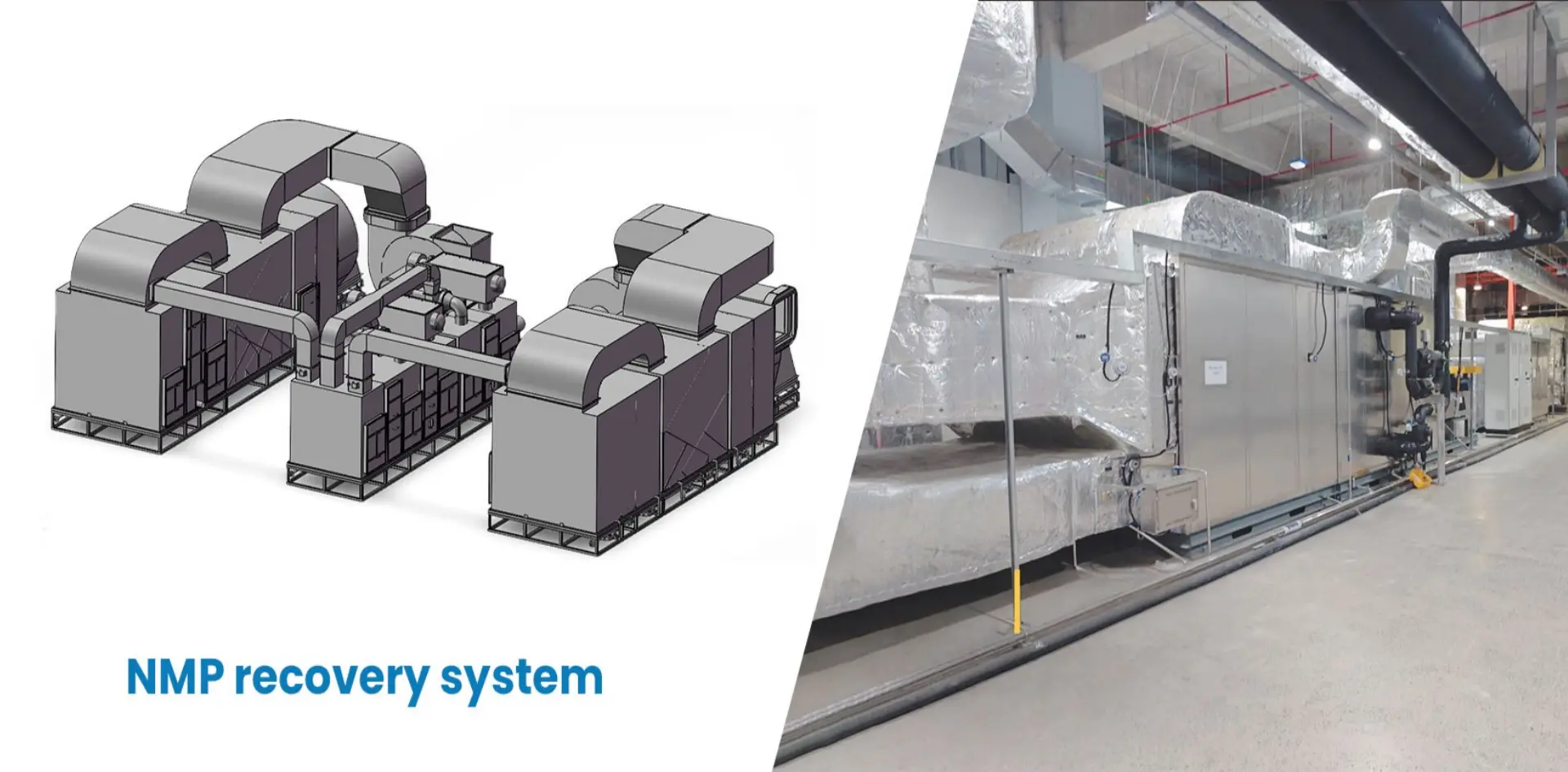
ZJRH NMP Recovery System
Closed-loop organic solvent vapor condensation and multi-stage zeolite wheel recovery for electrode coating lines.
- Low residual exhaust (<5 mg/m³)
- Automated thermal heat integration
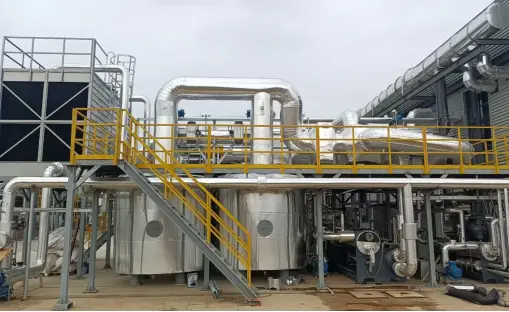 Hybrid Condensation
VOC Abatement System
Deep-cooling chillers integrated with Regenerative Thermal Oxidizers (RTO) for comprehensive industrial emission control.
- Thermal efficiency exceeding 95%
- ATEX & NFPA compliant design
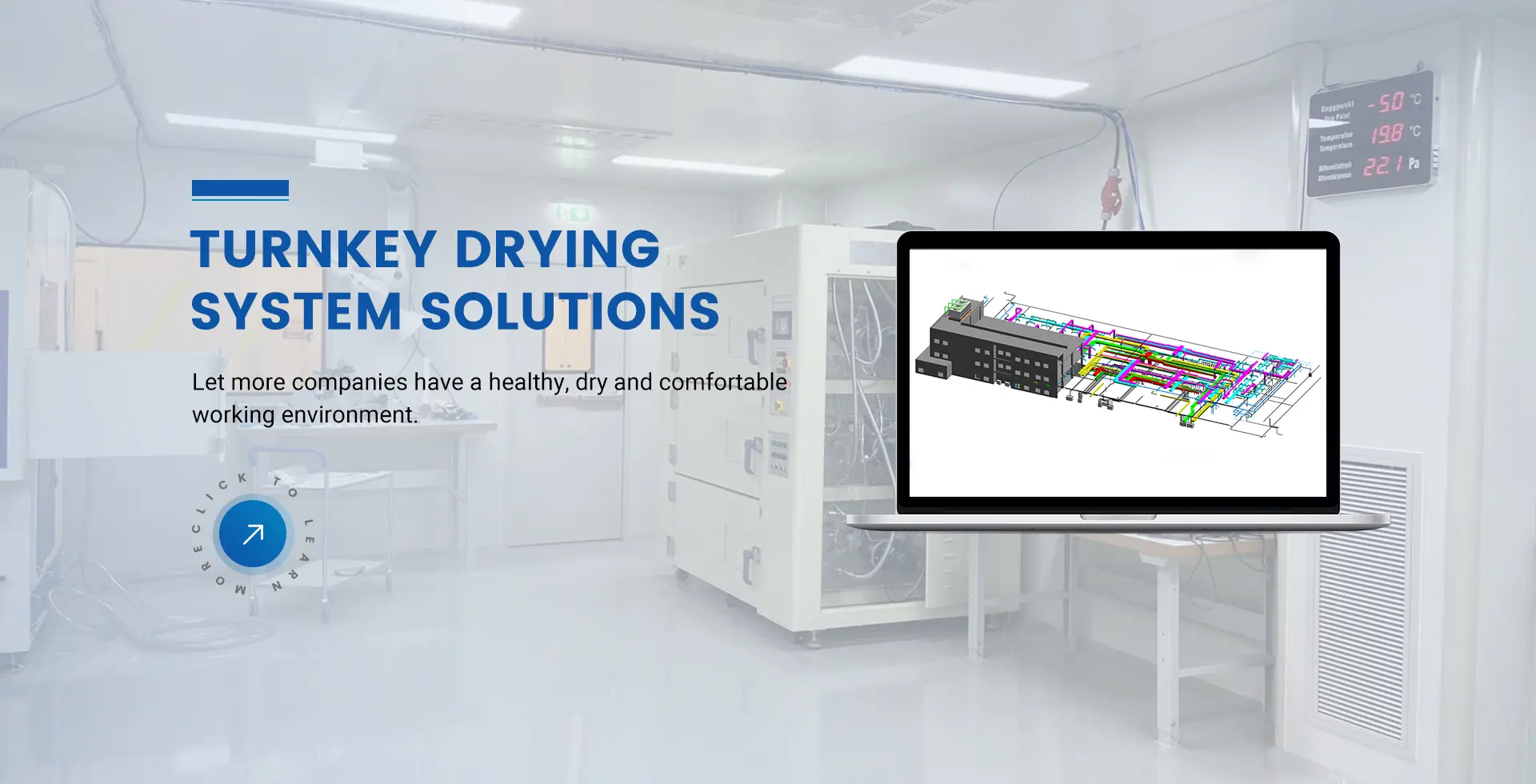 Direct Condensing
Refrigerative Dehumidifier
Heavy-duty compressor refrigeration units designed for baseline humidity moderation in raw storage and workshops.
- Environmentally safe R410A refrigerant
- Pre-cooling modules for desiccant skids
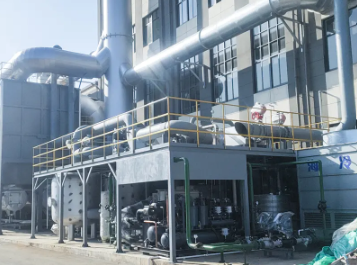 Petrochem Grade
Oil Gas Vapor Condensation Unit
Engineered cryo-condensation skids capturing valuable hydrocarbon vapors during petrochemical loading and terminal operations.
- Multi-stage deep chill cascade
- Zero ignition hazard architecture
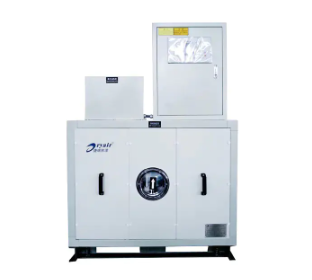 GMP Sanitary
GMP Cleanroom Wheel Dehumidifier
Designed for hygroscopic solid dosage, effervescent tableting, softgel encapsulation, and sterile aseptic packaging suites.
- 304/316L stainless steel interior
- Microbial-resistant washable rotor
 GJB Military Spec
Defense Materiel Dry Air Unit
Hermetic preservation environmental systems engineered to military specifications preventing ordnance and radar corrosion.
- Heavy-duty anti-shock structure
- Automated low RH maintenance (≤35%)
Global Desiccant Wheel Dehumidifier Evolution
Advanced manufacturing sectors are shifting toward hyper-dry tolerances. Where legacy plants operated at -20°C to -40°C dew point, next-generation lithium metal and solid-state chemistries mandate constant -60°C to -70°C dew point air delivery.
Gigafactory Scaling & Energy Optimization
EV gigafactories consume tens of megawatts in thermal energy solely for rotary dehumidification reactivation. Industry demand has evolved from basic dehumidification machinery to total lifecycle thermal integration, including heat-pump assistance, low-grade flue-gas heat recovery, and dual-purge energy recirculation.
Transition to Molecular Sieve Matrices
Traditional silica gel rotors lose moisture adsorption capacity exponentially below -30°C dew point. Advanced Chinese manufacturing now leverages synthetic 3A and 4A zeolite ceramic honeycombs, offering steep adsorption isotherms that capture trace ppmv water vapor without dusting, shedding, or thermal breakdown.
Strict VOC Zero-Leakage Regulations
In lithium cell manufacturing, volatile N-Methyl-2-pyrrolidone (NMP) vapor represents both an occupational hazard and significant material cost. Modern industrial buyers now require integrated NMP recovery skids coupled with rotor dehumidifiers, ensuring closed-loop solvent reclamation ≥99% alongside ultra-dry air feed.
China Factory 4.0: Supply Chain Resilience & Cost Parity
Why leading global battery makers and multinational engineering EPCs partner with Hangzhou DryAir Treatment Co., Ltd. for mission-critical air treatment infrastructure.
Vertical Supply Chain Integration
From precision CNC sheet metal laser cutting and hermetic structural double-wall foaming to automated rotor cassette assembly, DryAir controls 100% of critical manufacturing processes in Hangzhou, preventing subcontracting delays.
Modular Skid Pre-Commissioning
Dehumidifier units, reactivation loops, pre-cooling coils, and integrated electrical PLC panels are fully skid-mounted and factory-tested under real psychrometric conditions prior to export, reducing field commissioning by 40%.
Stringent Dual Military-Civilian QC
Operating under both ISO 9001 and the Chinese GJB National Military Quality Management Standard, our QA procedures enforce helium mass spectrometer leak detection and thermal imaging on all structural seams.
Worldwide Certified Engineering
Our desiccant dehumidifiers and dry room systems carry complete export certifications including CE (Machinery & Low Voltage Directives), UL 1995, CSA 22.2, ASME pressure vessel stamps, and EAC regulatory markings.
Technical Application & Target Dew Point Selection Guide
Accurate psychrometric specification prevents both premature product deterioration and oversized thermal energy waste. Consult this verified industrial application baseline for system shortlisting.
| Target Industrial Application | Operating Moisture Threshold | Primary Destruction / Degradation Risk | Recommended System Design |
|---|---|---|---|
| Lithium-Ion Cell Assembly & Filling | -40°C to -60°C Dew Point | Moisture reacts with LiPF6 electrolyte to generate hydrofluoric acid (HF) | DHU Dual-Rotor Low-Dew-Point Dehumidification Unit |
| Solid-State & Lithium Metal R&D | -60°C to -70°C Dew Point | Instant oxidation of metallic lithium anode foils; electrolyte degradation | Turn-key Modular Hermetic Dry Room System |
| Electrode Slurry Coating & Drying | ≥99% NMP Recovery | Solvent emissions violate stack limits; excessive solvent purchase costs | ZJRH Multistage Zeolite Concentrator & Chilled Condensation |
| Hygroscopic Pharma (Effervescent & Powder) | 10% to 25% RH @ 20°C | Powder caking, erratic die filling, blister seal delamination, fungal growth | Sanitary Cleanroom Composite Desiccant Dehumidifier |
| Military Ordnance & Avionics Storage | ≤35% to 40% RH | Electrochemical corrosion, propellent moisture uptake, optical clouding | GJB-Compliant Hermetic Packaging Desiccant Skid |
| Semiconductor Photolithography | 30% to 45% RH (±1% RH) | Electrostatic discharge (ESD), photoresist adhesion failure | Ultra-Precision Dehumidifier with Integrated Trim Chillers |
| Bulk Raw Material Warehouse Storage | 45% to 60% RH | Condensation sweating, mold, packaging cardboard collapse | Industrial Refrigerative Condensation Dehumidifier |
Turnkey EPC Dry Room Engineering Execution Protocol
A rigorous, milestone-driven delivery system trusted by international tier-one clients like Tesla, Northvolt, CATL, and TTI to ensure operational reliability from initial RFP to mass production.
Psychrometric Audit
Comprehensive load analysis calculating fresh air volume, envelope vapor transmission, personnel moisture infiltration, and process exhaust requirements to establish exact rotor sizing.
CFD Thermodynamics
Computational Fluid Dynamics airflow simulation inside the clean dry enclosure to eliminate stagnant moisture zones, optimize supply duct velocity, and balance positive room pressure cascades.
In-House Fabrication
Full manufacturing at Hangzhou DryAir’s factory: rotor cassette assembly, coil brazing, electrical cabinet wiring according to IEC/UL, and 72-hour continuous test runs in our climate audit room.
Field Site Erection
On-site installation overseen by bilingual DryAir HVAC commissioning engineers, executing rockwool sandwich panel interlocking, HEPA terminal sealing, and dew point sensor calibration.
Lifecycle SLA Support
Guaranteed supply of genuine desiccant wheels, motor drives, and filter media, backed by remote IoT telemetry monitoring and optional 2-year full-coverage overseas engineering service contracts.
Secondary Engineered Product Portfolio (Phase II)
Comprehensive custom skids, heavy industrial VOC recovery modules, and modular environmental environmental enclosures ready for global deployment.
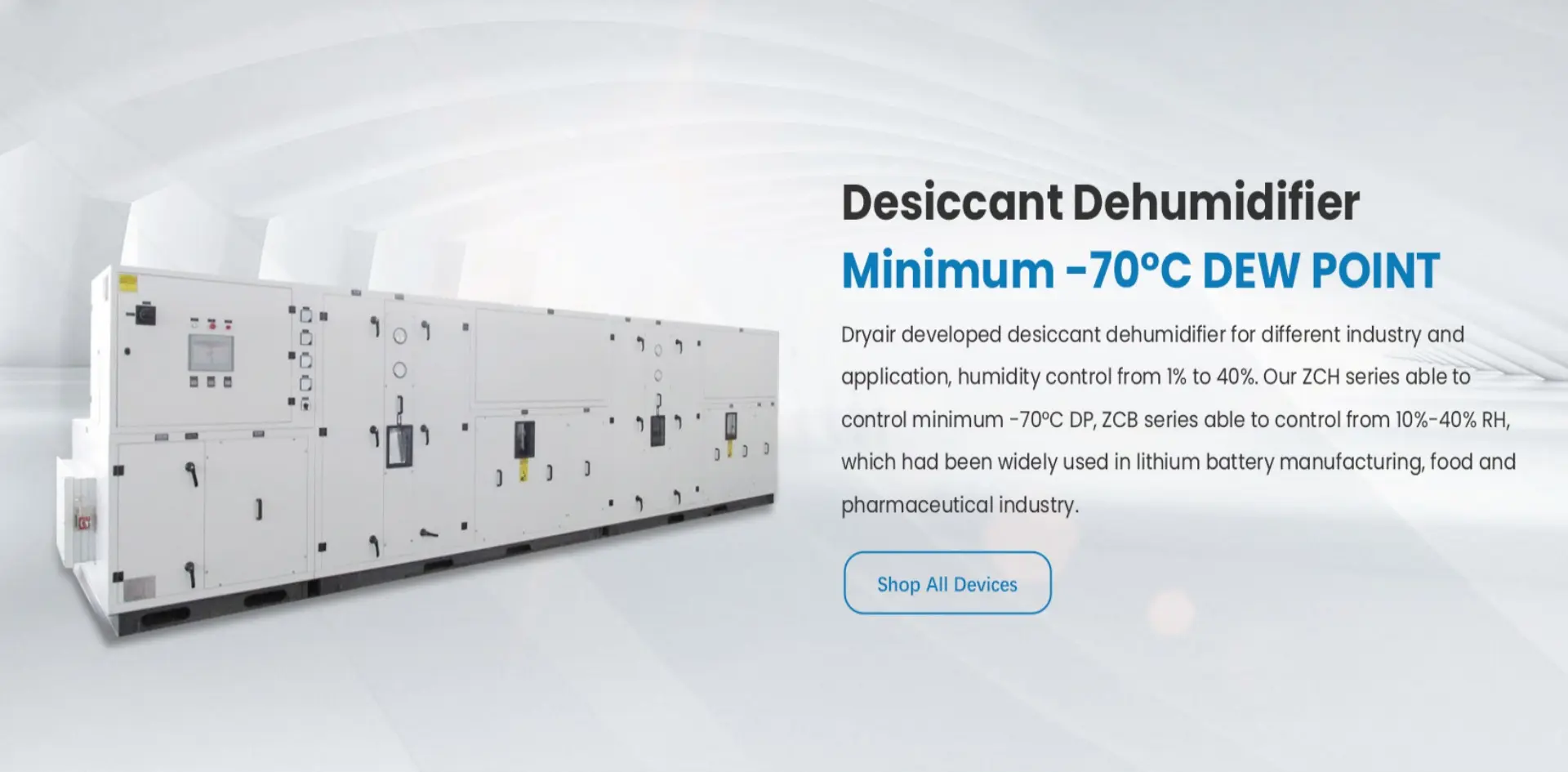 Custom Built
Modular Dry Room Enclosure
Prefabricated interlocking cleanroom wall panels and insulated roof decks certified for ultra-dry differential pressure containment.
- Air leakage rate ≤0.05 ACH
- Flush anti-static ESD flooring
 High Efficiency
Electrode Coater Exhaust Unit
Dedicated air handler equipped with sensible heat exchangers reclaiming dry air from coater ovens to slash thermal energy costs.
- Direct oven exhaust interface
- Integrated explosion venting
 RTO Integrated
Deep-Cooling VOC Condenser
Industrial cryogenic refrigeration condensation system pre-treating high-concentration organic streams before RTO combustion.
- -30°C cascade refrigeration
- Substantial fuel gas reduction
 24/7 Run Rate
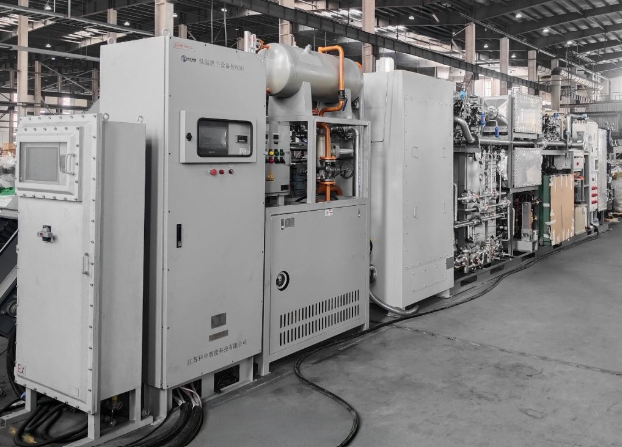
Continuous NMP Recycling Station
Heavy automated distillation skid that purifies recovered NMP liquid back to electronic-grade solvent (>99.5% purity) for re-slurrying.
- Automatic vacuum fractionation
- Real-time refractive index QA
 Micro-Lithography
Electronics Assembly Dehumidifier
Engineered for high-density semiconductor assembly, SMD surface mounting, PCB dry storage, and laser calibration chambers.
- Non-dusting silicate structure
- Modbus / BACnet BMS integration
 Plant Tested
Central Dry Air Handling Skid
Custom combined AHU integrating coarse filtration, deep-chilled pre-cooling, dual desiccant wheels, and post-trim refrigeration.
- Airflow 2,000 to 150,000 CMH
- Direct drive EC fan arrays
 Lab Validated
Pilot-Line Research Dehumidifier
Compact, mobile rotary desiccant systems for pilot pouch-cell R&D laboratories, university cleanrooms, and testing facilities.
- Plug-and-play flexible ducting
- Integrated dew point display
Custom Engineered
Dual-Wheel Molecular Sieve AHU
Engineered for extreme sub-zero supply dew points down to -70°C, isolating the final adsorption zone via cold air purging.
- Low-temperature thermal reactivation
- Heavy duty chain-drive mechanism
Technical FAQ: Desiccant Wheel Dehumidifier Engineering
Comprehensive engineering analysis addressing procurement criteria, psychrometric selection, energy conservation, and system reliability.
What is the lowest dew point a DryAir desiccant dehumidifier can stably maintain?
Why is desiccant wheel dehumidification mandatory instead of refrigerative chilling?
How does DryAir reduce the operating cost (OPEX) of regeneration heating?
Does Hangzhou DryAir provide complete overseas turnkey dry room delivery?
Which international regulatory standards and certifications are supported?
How does the ZJRH NMP Recovery System achieve ≥99% solvent reclamation?
What after-sales service and spare parts availability exist for foreign facilities?
What is the expected operating lifespan of a DryAir desiccant rotor matrix?
Initiate Your Low Dew Point Cleanroom Specification
Submit your process airflow requirements, target dew point thresholds, and building architectural layouts. Hangzhou DryAir’s registered HVAC engineers will return a complete psychrometric mass-balance model and system quote within 24 business hours.