Primary Industrial Metal Case Dehumidification Portfolio
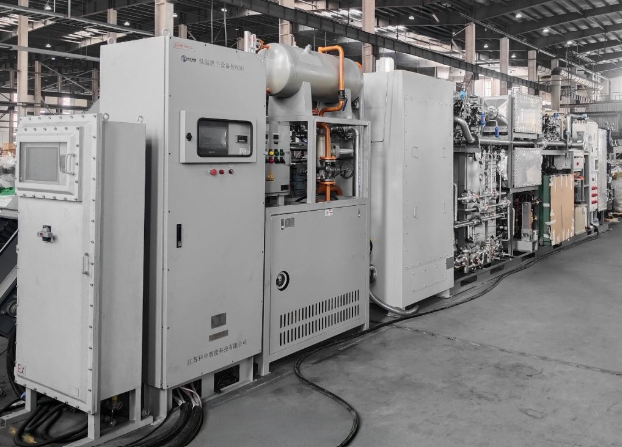
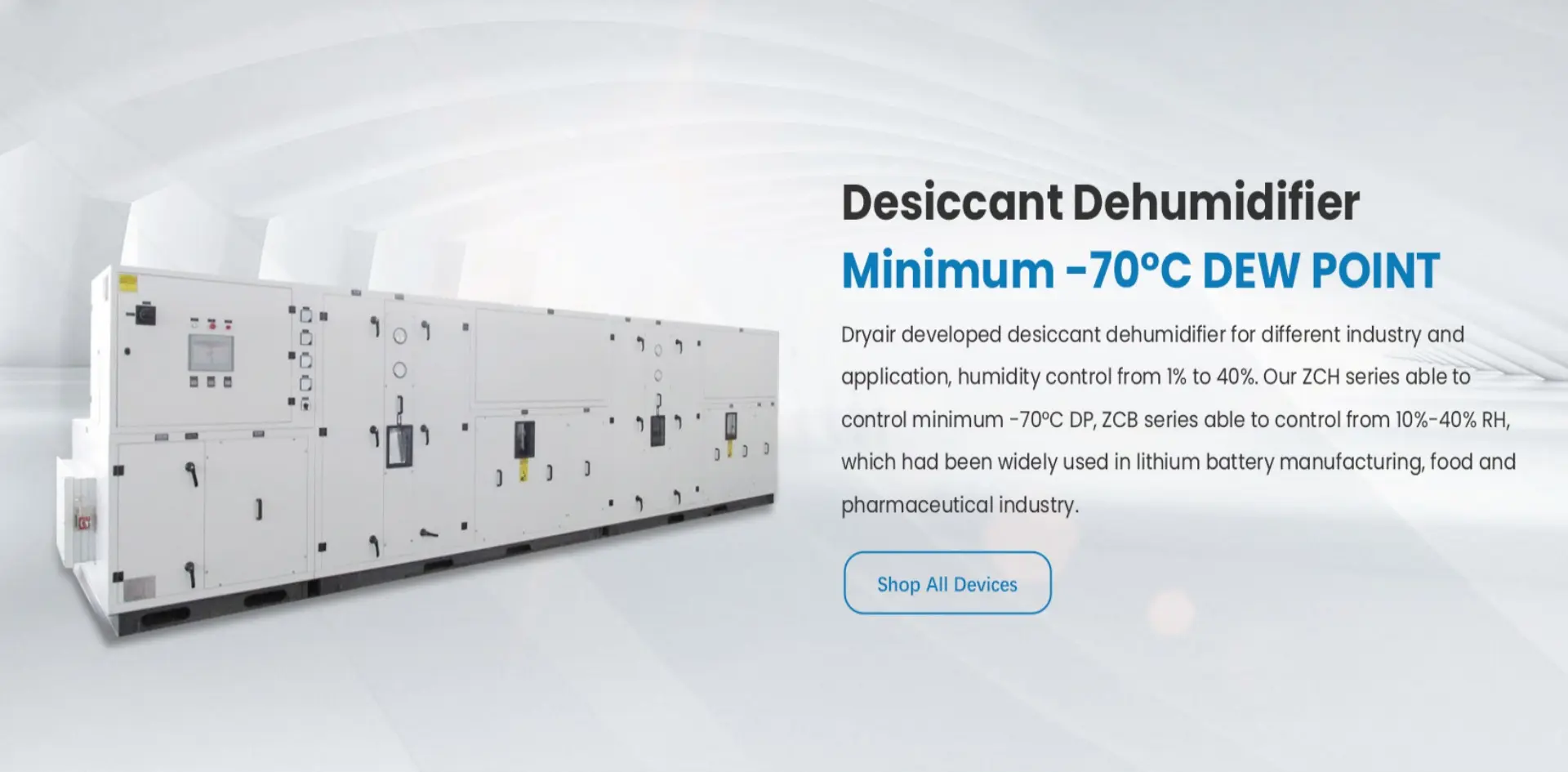
Engineered with high-tensile galvanized and 304/316L stainless steel enclosures, these eight heavy-duty configurations meet the extreme psychrometric demands of gigafactories, cleanrooms, and hazardous facilities.





Why Chinese Metal Case Dehumidifiers Lead Global Industrial Procurement
Evaluating structural casing integrity, EN 1886 mechanical performance, thermal break isolation, and chemical rotor sorption dynamics in multi-megawatt mission-critical projects.
Double-Skin Casing Metallurgy & Thermal Bridging
Plastic and lightweight aluminum casings fail in harsh industrial ambient air under continuous 2,000 to 5,000 Pa static pressure drops. Hangzhou DryAir systems incorporate heavy-duty double-skin sheet metal panels (1.0mm to 2.0mm thickness) fabricated from hot-dip galvanized steel or surgical-grade 304/316L stainless steel. Sandwiched between these skins is high-density, non-combustible rock wool or closed-cell polyurethane foam (40–50 kg/m³), achieving a thermal bridging class of TB1/TB2 and eliminating external sweat formation even when handling supply air at -70°C dew point inside humid equatorial environments.
Hermetic Air Leakage Classification (Class L1 Integrity)
Air leakage in a dry room system is catastrophic: a mere 1% outdoor air infiltration bypass can destroy a -50°C dew point equilibrium in a cell packaging facility. DryAir’s precision CNC-punched casework, automotive-grade continuous EPDM rubber compression seals, and patented mechanical thermal-break profiles guarantee compliance with EN 1886 Class L1 leakage standards (≤0.22 L·s¹·m² under 400 Pa). This hermetic isolation ensures every cubic meter of processed airflow passes directly through the desiccant matrix without untreated atmospheric bypass.
Synthesized Desiccant Rotors & Sorption Dynamics
At the center of our metal casework sits a composite honeycomb rotor synthesized with active silica gel or ultra-pure 3A/4A zeolite molecular sieves, bonded inorganic fiber matrices, and titanium perimeter rings. Capable of handling high-temperature thermal reactivation (up to 140°C–180°C), DryAir rotors maintain structural rigidity over a 10-year lifespan without desiccant dusting or binder degradation, enabling supply air humidity ratios below 0.002 g/kg dry air across continuous 8,760-hour annual production runs.
Macro Industry Solutions: Mission-Critical Moisture Control
Across high-tech manufacturing, pharmaceuticals, defense assets, and chemical refineries, specific process chemistry dictates distinct psychrometric envelopes.
1. Lithium & Solid-State Battery Gigafactories
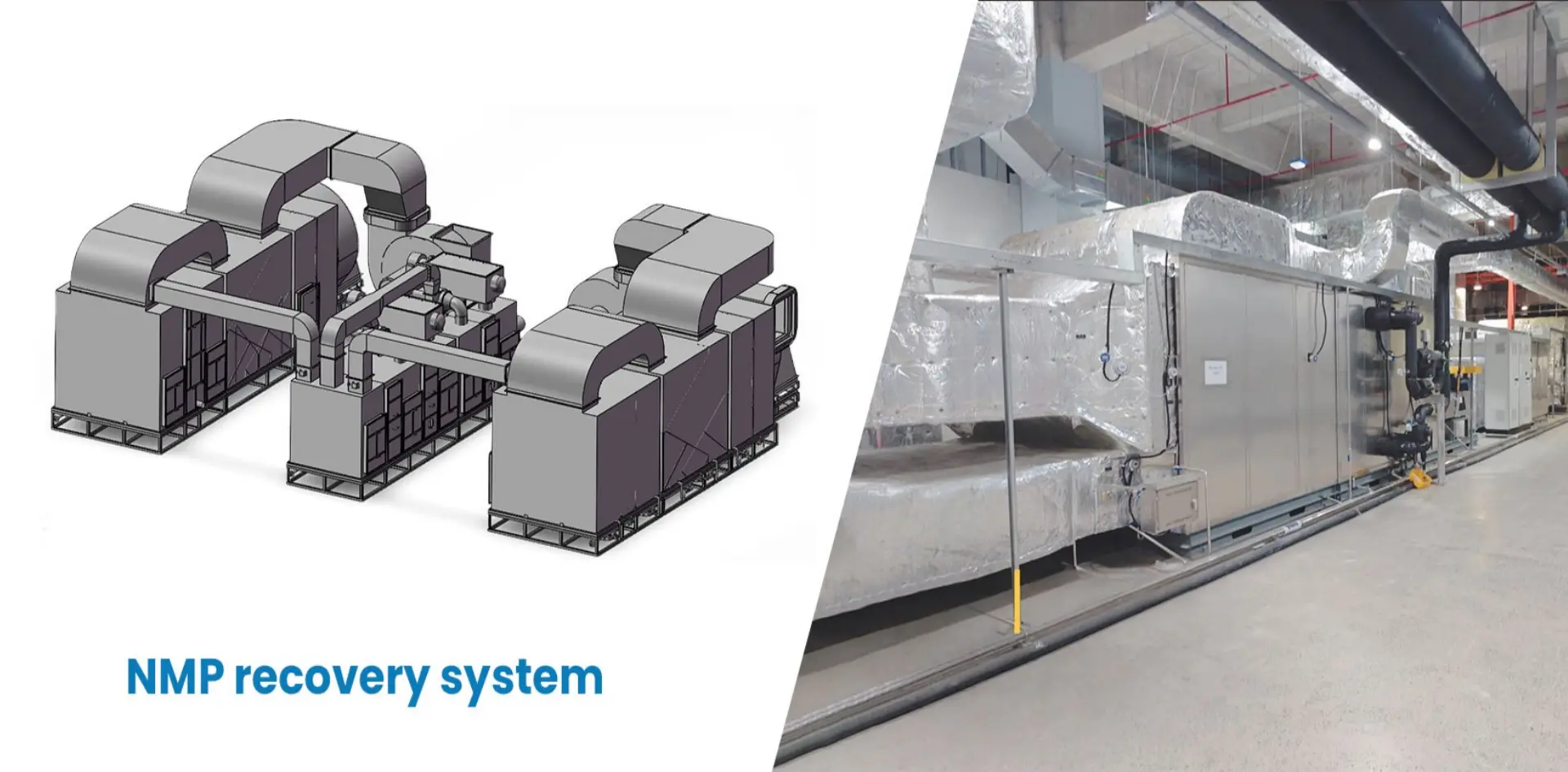
Lithium hexafluorophosphate (LiPF6) in battery electrolyte spontaneously hydrolyzes in the presence of trace moisture, yielding corrosive hydrofluoric acid (HF) that compromises cathode materials and causes thermal runway hazards. DryAir turnkey dry room systems guarantee supply air at -50°C to -70°C dew point across the winding, assembly, and electrolyte injection bays. Featuring automated multi-stage reactivation heat loops and integration with NMP solvent exhaust systems, our metal casing architectures protect cell capacity, prolong cycle life, and maintain zero HF threshold incidents.
2. Pharmaceutical Processing & GMP Cleanrooms
Hygroscopic pharmaceutical compounds, soft gelatin capsules, effervescent tablets, and dry powder inhalers (DPI) suffer from powder caking, mold growth, enzymatic breakdown, and clumping when relative humidity rises above 20% RH. DryAir’s all-stainless steel double-skin casing dehumidifiers offer internal sanitization washdown compliance, HEPA H14 filtration docks, and antimicrobial smooth internal walls, keeping cleanrooms strictly within 10% to 25% RH at 20°C without microbial colonization.
3. Aerospace, Naval Defense & GJB Asset Preservation
Uncontrolled ambient atmospheric humidity triggers rapid galvanic corrosion, avionics oxidation, and propellant degradation in military defense infrastructure. Built strictly in compliance with China's GJB national military standard, DryAir metal case dehumidification skids are treated with marine-grade C5-M polyepoxy coatings, seismic-rated structural steel frames, and mil-spec electrical isolation. They provide 35%–40% RH protective air envelopes for ammunition depots, missile silos, radar domes, and naval reserve hangars.
4. Petrochemical Terminal Oil & Gas Condensation
Volatile organic vapors and oil hydrocarbons released during tanker barge discharge and bulk tank storage present severe flashfire hazards and environmental liabilities. DryAir’s heavy explosion-proof metal housing condensation units utilize cascade deep-cooling refrigeration down to -40°C, precipitating dense hydrocarbons back to liquid phase before passing exhaust gases to downstream RTO systems, recovering 99%+ of volatile streams while adhering to stringent global emission standards.
5. Semiconductor Photolithography & Precision Optics
Nanometer-scale semiconductor fabrication and wafer stepper rooms require environmental control with dew point fluctuations suppressed within ±0.2°C. DryAir precision metal casing dehumidifiers incorporate inverter-driven variable speed fans, proportional SCR reactivation heater banks, and microcomputer PID dynamic feedback loops, preventing airborne molecular contamination (AMC) and condensation moisture on high-precision optical mirrors.
Engineering Verification You Can Audit On-Site
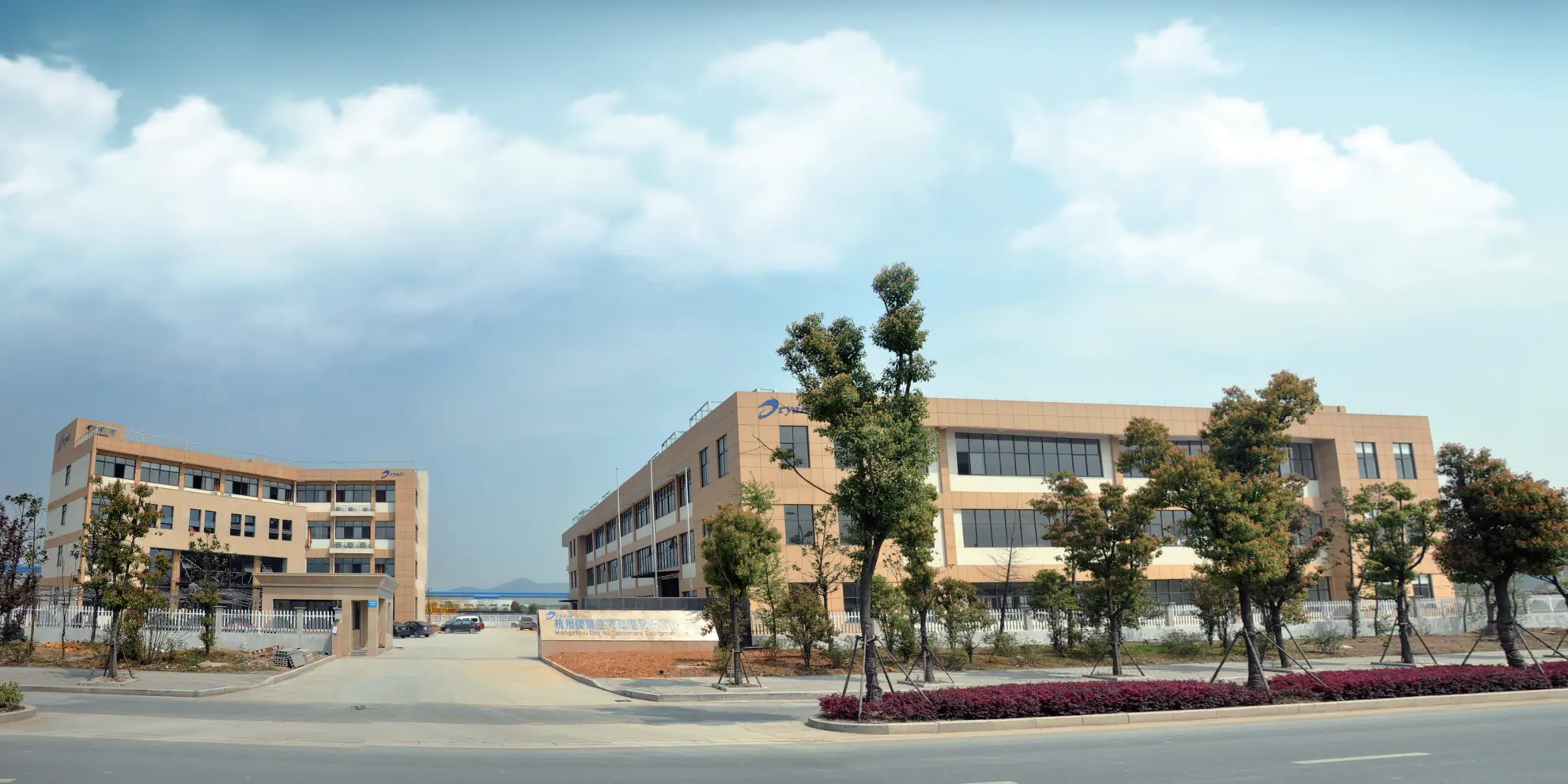
Hangzhou DryAir Treatment Co., Ltd. operates state-of-the-art sheet metal CNC laser machining, automated desiccant rotor assembly lines, and calibrated psychrometric test laboratories in Lin'an, Hangzhou.
Tier-One Gigafactory Validation
Our metal casing dehumidification systems are specified and continuously operated by tier-one global energy leaders including CATL, ATL, BYD, EVE Energy, Farasis, Envision, SVOLT, as well as Western manufacturing giants such as Tesla, Northvolt, and TTI. We understand the stringent FAT/SAT validation protocols and zero-downtime requirements of high-volume manufacturing.
Export Certification Compliance
Every industrial unit manufactured for export is fully engineered to conform to the relevant international standards: CE Machinery and Low Voltage Directives for Europe, UL 1995/UL 60335 electrical safety for North America, CSA 22.2 for Canada, ASME boiler and pressure vessel code for heat exchangers, and EAC customs certification for the Eurasian Economic Union.
Proprietary Calibrated Testing Cells
DryAir operates in-house climatic psychrometric test chambers capable of simulating outdoor ambient extremes from -30°C to +50°C dry bulb and up to 98% relative humidity. Every single metal casing air handler undergoes comprehensive air leakage testing, motor vibration balancing, and dew point verification before leaving the manufacturing floor.
Industrial Metal Casing vs. Commercial Light Dehumidifiers
Understand the metallurgical, thermodynamic, and operational differences between cheap commercial-grade units and DryAir's heavy-duty industrial systems.
| Performance Parameter | Commercial Grade Units | DryAir Heavy Industrial Metal Case Series | Engineering Benefit |
|---|---|---|---|
| Casing Construction | Single-skin 0.6mm sheet metal or ABS plastic | Double-skin 1.5–2.0mm steel (SS304/Galv) | Zero casing oil-canning, high static pressure resistance |
| Thermal Break Profile | None / Basic rubber strip (TB4/TB5) | High-density Polyurethane / TB1 Class | Zero external condensation in tropical climates |
| Air Leakage Rating (EN 1886) | Class L3 or unrated (>1.32 L·s¹·m²) | Class L1 Certified (≤0.22 L·s¹·m²) | Prevents ambient moisture ingress into dry room envelope |
| Dew Point Limit | +2°C to -10°C (Limited by freeze-up) | -40°C to -70°C Continuous DP | Direct compliance with lithium cell electrolyte chemistry |
| Reactivation Heating Source | Standard electric open coils | Steam / Gas / Thermal Oil / Waste Heat Recovery | Cuts operational energy consumption (OPEX) by 35%–55% |
| Design Service Lifespan | 3 to 5 years intermittent use | 15+ Years 24/7/365 Continuous Duty | Protects gigafactory asset payback and reduces amortization |
Technology Roadmap: Next-Gen Psychrometric Innovation
As lithium manufacturing shifts toward all-solid-state chemistries and carbon-neutral gigafactories, DryAir is pioneering dynamic, waste-heat-driven sorption architectures.
Solid-State Electrolyte Demand (-80°C Dew Point)
Sulfide-based solid electrolytes for all-solid-state batteries react violently with moisture, liberating highly hazardous hydrogen sulfide (H2S) gas even at -50°C dew point. DryAir's R&D team has prototyped dual-rotor cascade molecular sieve systems housed in reinforced anti-permeation welded stainless steel enclosures, achieving stable process supply air at -80°C dew point (<0.0005 g/kg moisture ratio).
Zero-Carbon Waste Heat Harvesting
Desiccant rotor regeneration typically accounts for 60%–75% of an industrial dehumidifier’s energy budget. Our next-generation metal casing air handlers incorporate high-efficiency heat-pipe economizers, hot water heat recovery coils capturing waste heat from air compressor cooling jackets, and direct integration with NMP burner exhaust gases, slashing total electrical regeneration input by over 45%.
AI-Powered Dynamic Psychrometric Tuning
Standard dehumidifiers operate at static peak design points year-round, wasting millions of kilowatt-hours during cool, dry seasons. DryAir is deploying industrial IoT edge controllers running predictive AI models that continuously ingest ambient atmospheric weather data, cleanroom occupancy schedules, and live door-cycling sensors. The controller modulates rotor RPM, face-and-bypass dampers, and reactivation heater output dynamically, maintaining exact dew points while eliminating over-drying energy waste.
Worldwide Engineering Support & Turnkey Compliance
Cross-border equipment procurement demands absolute predictability in installation, commissioning, local compliance, and lifetime spare parts availability.
Full Turnkey EPC Capability
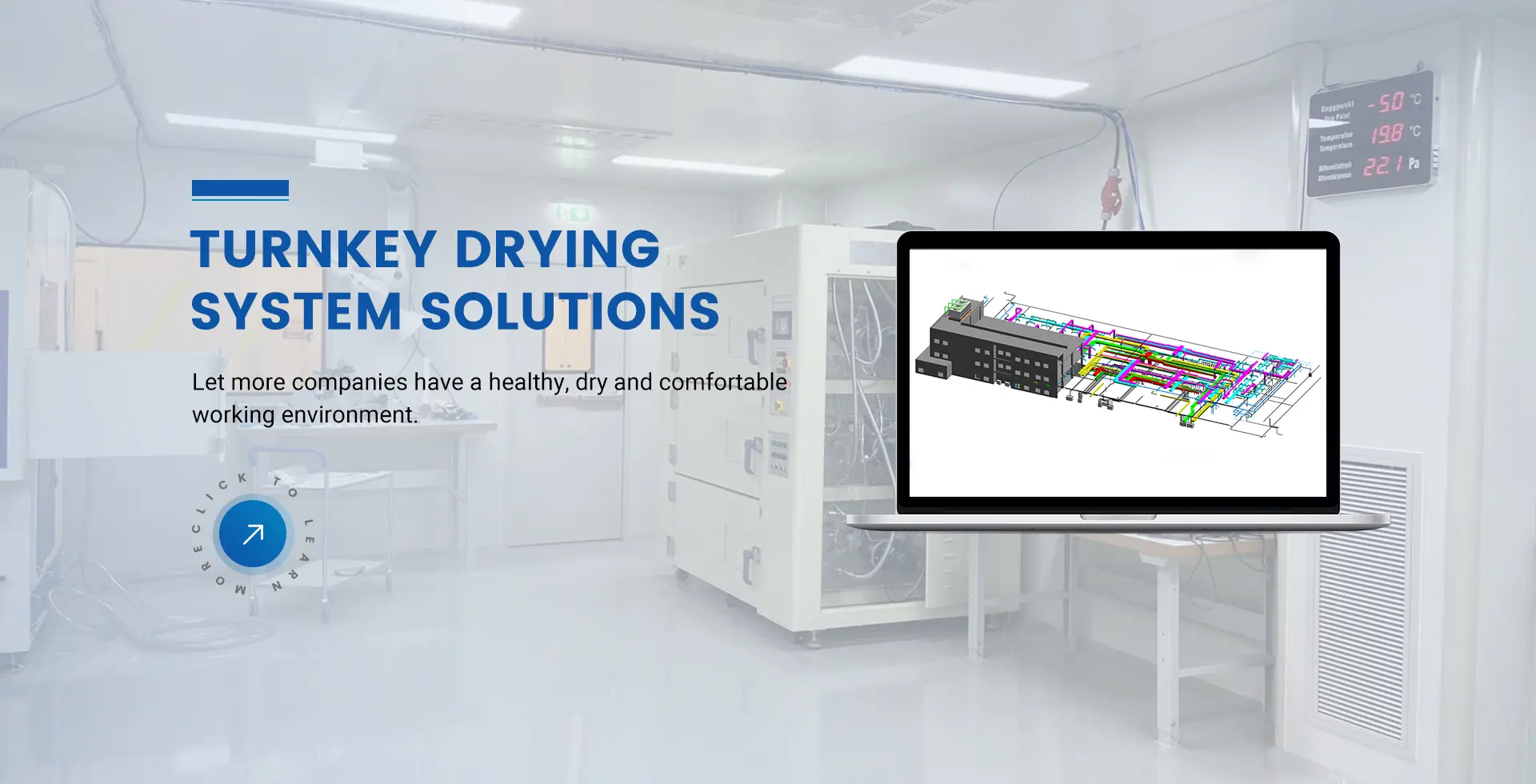
DryAir eliminates the friction between equipment manufacturers and cleanroom building contractors. Our field engineering division executes full engineering, procurement, and construction (EPC) dry room packages: from psychrometric load sizing and modular wall panel erection to chilled water piping, duct balancing, electrical hookup, and third-party dew point commissioning validation.
Optional 2-Year International Service Agreements
International industrial buyers can opt for our comprehensive 2-year extended warranty and overseas service contracts. This includes quarterly remote SCADA diagnostic audits, scheduled desiccant rotor health evaluations, spare parts replenishment depots in Europe and Southeast Asia, and emergency on-site dispatch of certified DryAir HVAC engineers.
Strict Quality Certifications: CE, UL, CSA, ASME, EAC
We build our metal casing dehumidifiers in accordance with ISO 9001 quality management procedures and China's GJB national military standard system. Pressure vessels, steam heat exchangers, and cooling coils comply with ASME Section VIII and PED guidelines. Electrical panels are engineered to UL 508A and CE EN 60204-1 specifications for seamless safety passoff in any jurisdiction.
Technical & Procurement FAQ for Plant Engineers
Straight answers on metallurgy, psychrometric dew point limits, electrical integration, and overseas delivery timelines from DryAir’s senior technical directors.
What is the minimum controllable dew point a DryAir metal case dehumidifier can guarantee?
How does DryAir's double-skin sheet metal casing prevent external condensation?
Can DryAir supply complete turnkey battery dry rooms outside of China?
What international safety and equipment certifications do your dehumidifiers hold?
How does the NMP recovery system achieve ≥99% recovery efficiency?
What reactivation energy sources can be used with DryAir desiccant systems?
What after-sales and warranty coverage is available for overseas facilities?
What is the standard manufacturing lead time for custom industrial metal casing units?
Select Your Metal Case Moisture Control System
Explore our full line of industrial equipment manufactured at our Lin'an facility, ready for integration into your next capital project.