
Top 8 Laboratory & Industrial Climate Solutions
Verified, certified desiccant rotors, VOC recovery units, and turnkey dry room suites built for battery gigafactories, sterile labs, and aerospace facilities worldwide.
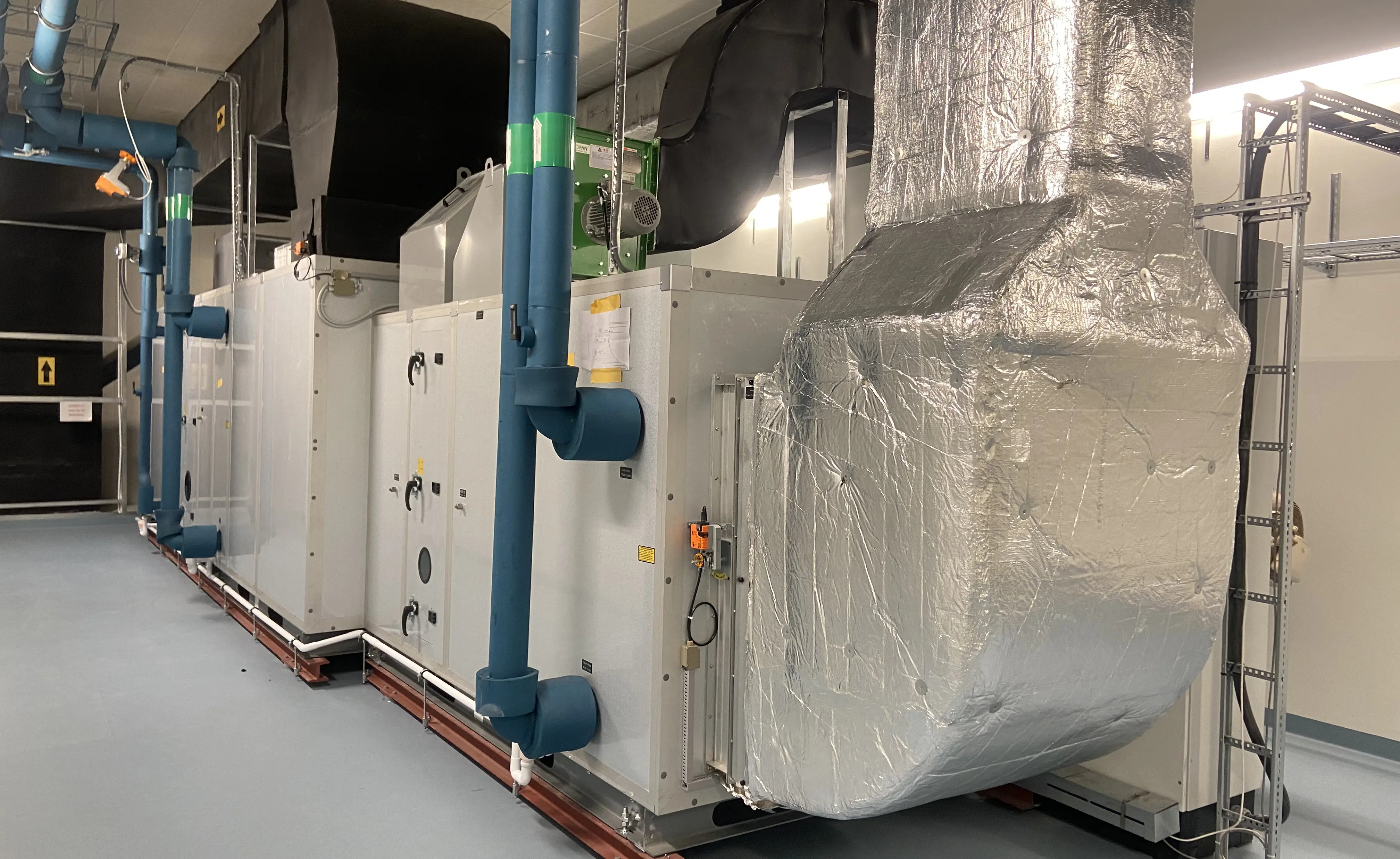 DP -70°C Stable
DHU Desiccant Dehumidifier
High-capacity double-rotor system delivering ultra-dry clean air for critical cell assembly, sterile pharmaceutical compounding, and defense storage.
View Specifications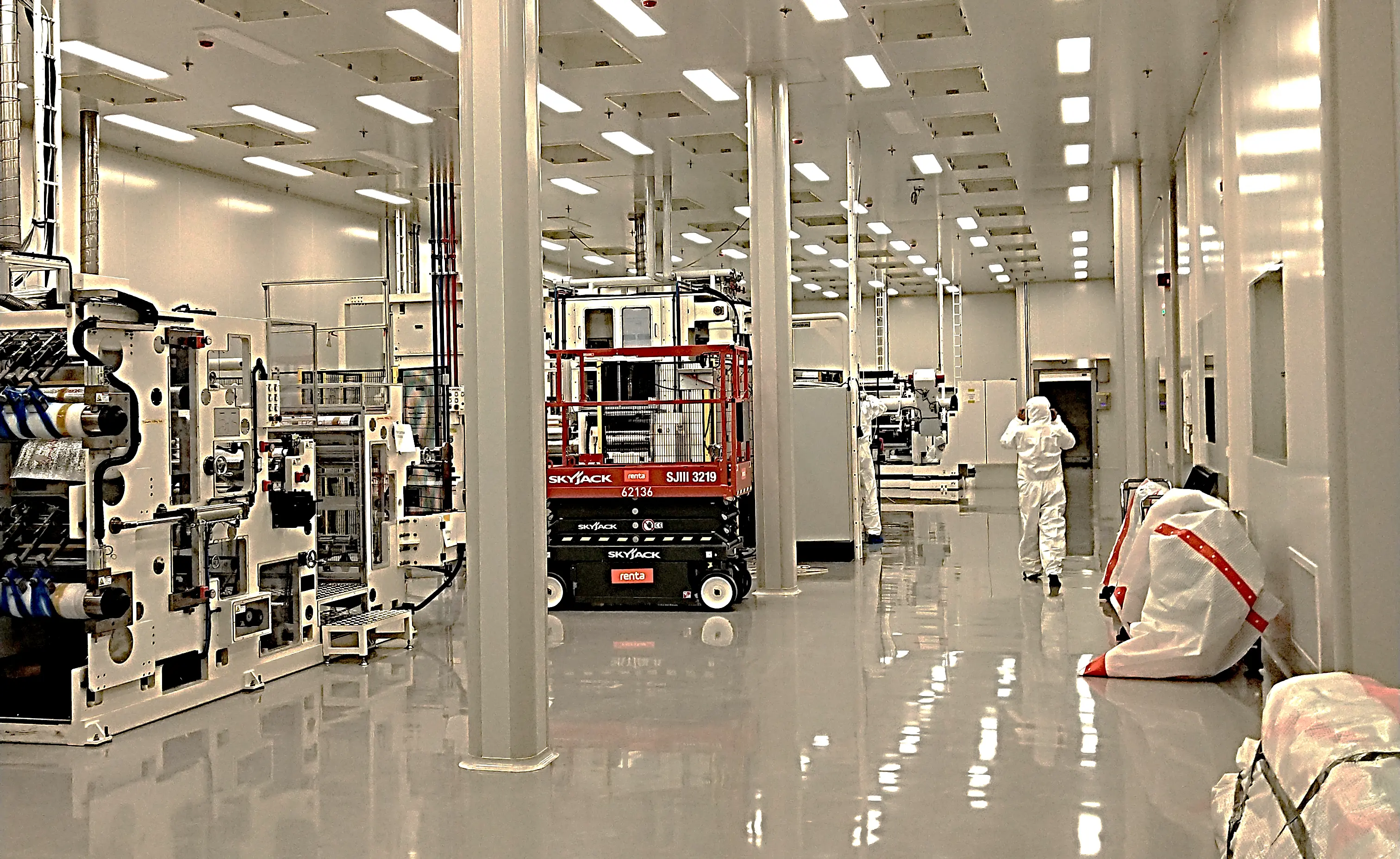 Turnkey EPC
Turnkey Dry Room System
Complete modular environmental enclosures including air handling, envelope seals, continuous psychrometric PLC monitoring, and commissioning.
Explore Dry Rooms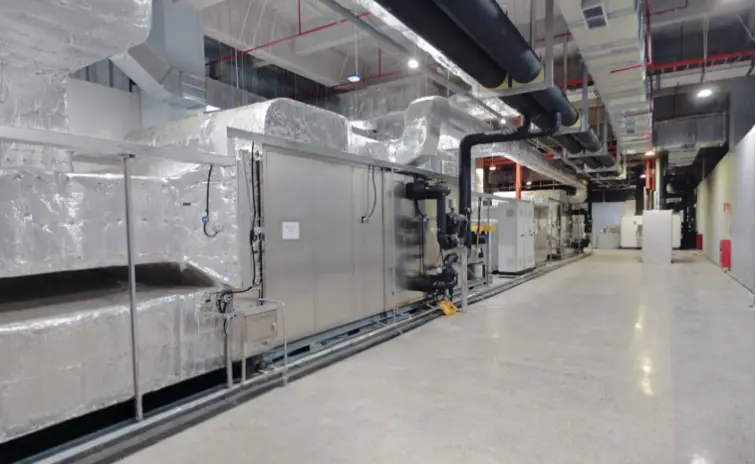 ≥99% Efficiency
NMP Solvent Recovery System
ZJRH series capturing N-Methyl-2-pyrrolidone from electrode coating lines, combining latent condensation with multi-stage waste heat recovery.
Examine NMP Unit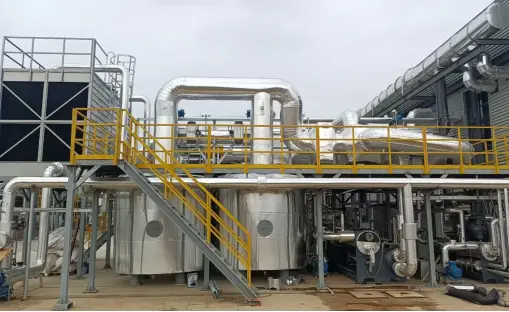 RTO + Deep Chilling
VOC Abatement System
Engineered deep-cooling condensation and regenerative thermal oxidizers (RTO) meeting strict EPA and European clean exhaust compliance limits.
Inspect Abatement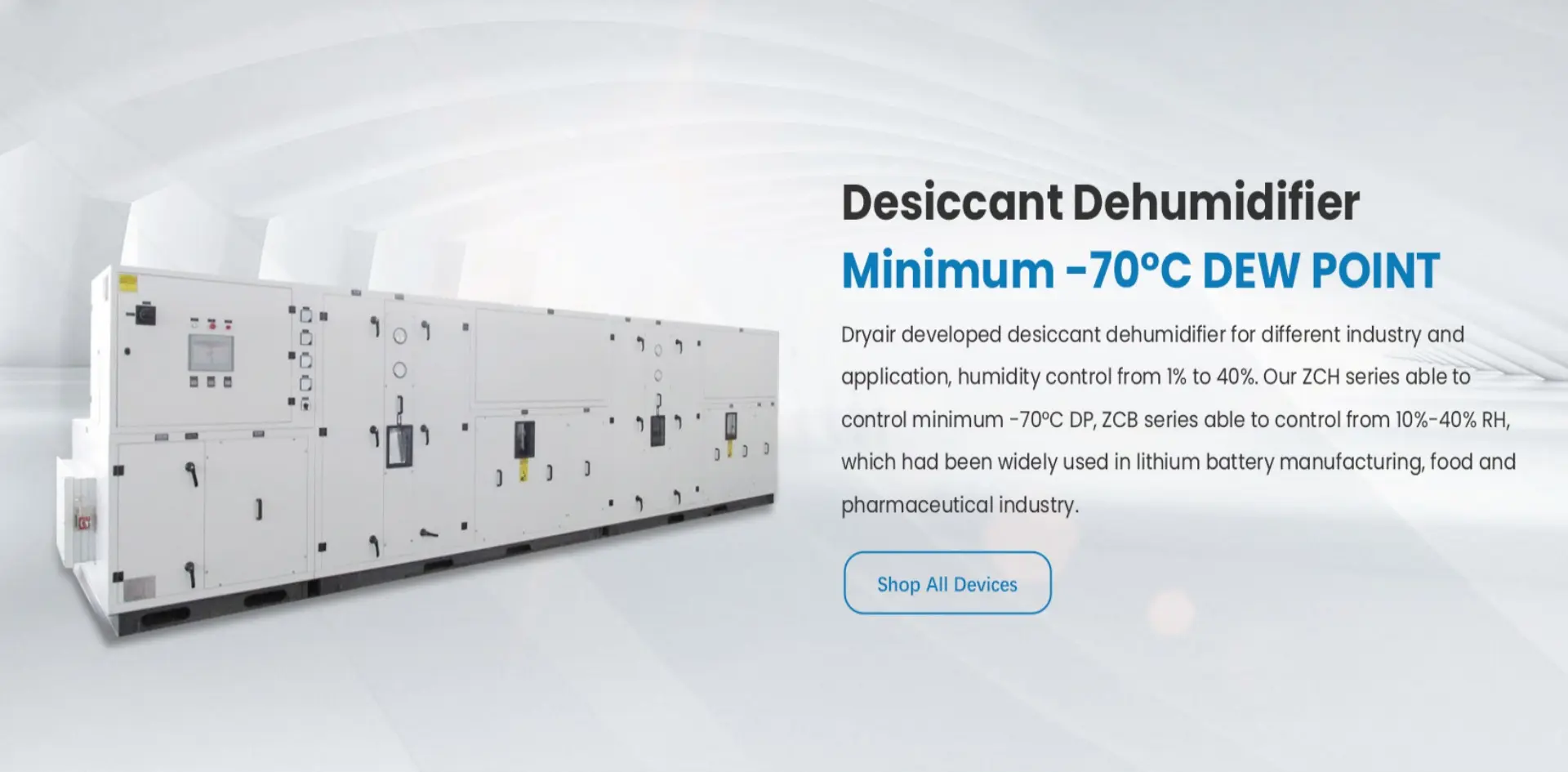 Lithium Pilot Line
Pilot Lab Dry Air Enclosure
Compact, skid-mounted desiccant dehumidifiers dedicated to research laboratories testing pouch cells, solid-state chemistries, and electrolyte fills.
Pilot Solutions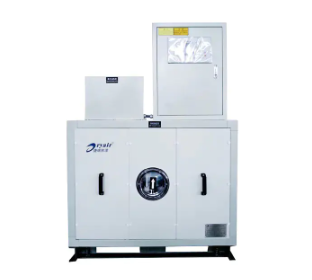 GMP Grade A/B
Pharma Desiccant Air Handler
Sanitary stainless casing and antimicrobial rotor matrices ensuring continuous 1% to 10% RH for hygroscopic pill packaging and capsule filling.
Pharma Spec Sheet GJB Military Standard
Aerospace Preservation Unit
GJB-certified heavy-duty dehumidifiers engineered to protect radar housings, rocket propulsion storage, avionics, and high-spec munitions.
Aerospace Systems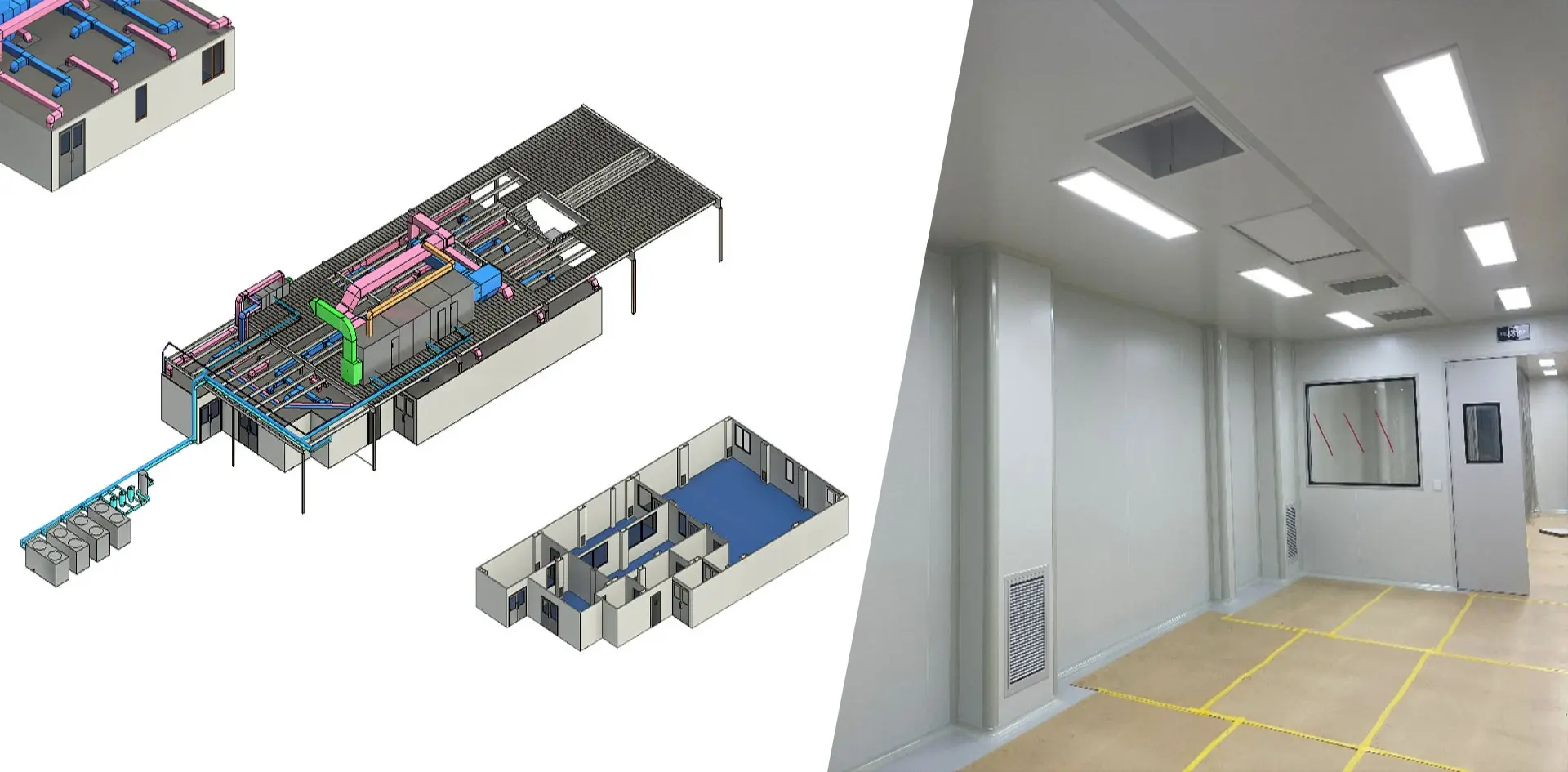 Pre-Cooling Hybrid
Refrigerative Hybrid Dehumidifier
High-COP mechanical condensing units designed for bulk moisture stripping prior to tertiary desiccant adsorption stages, slashing energy OPEX.
Hybrid ParametersWhy Laboratory Dehumidification Demands -70°C Dew Point Control
A rigorous examination of latent moisture kinetics, chemical degradation pathways, and thermodynamics in modern scientific research and clean manufacturing.
Moisture Reactivity in Advanced Chemistry
In modern lithium-ion and solid-state battery laboratories, airborne moisture molecules (H2O) act as destructive contaminants. When ambient moisture penetrates electrolyte handling chambers, it instantly reacts with lithium hexafluorophosphate (LiPF6), precipitating hydrofluoric acid (HF). HF corrodes cathode current collectors, accelerates transition metal dissolution, and triggers runaway degradation.
Hangzhou DryAir's rotary desiccant systems suppress moisture concentration down to ≤0.005 g/kg dry air, preserving sensitive chemistry during micro-pilot synthesis.
Psychrometric Limits of Mechanical Chilling
Conventional DX (Direct Expansion) cooling coils condense water vapor effectively down to approximately 4°C to 6°C dew point. Below this threshold, ice forms on coil fins, demanding energy-intensive defrost cycles while failing to deliver the relative humidity required by high-potency API synthesis or pouch cell packaging.
DryAir integrates honeycomb-structured molecular sieve silica gel rotors capable of chemisorbing vapor from air streams without freezing, maintaining a persistent -40°C to -70°C dew point across continuous multi-shift cycles.
Hermetic Room Pressurization & Envelope Seals
A precision laboratory dehumidifier is only as reliable as the boundary containment it services. Ambient vapor diffusion pressure can exceed 2,000 Pascals across a cleanroom wall. Without positive pressure management and sealed airlock entries, moisture infiltrates through joints, micro-cracks, and personnel ingress points.
DryAir's turnkey dry room engineering incorporates multi-zone differential pressure balancing, insulated thermal-break panels, and double-gasketed air distribution to guarantee microclimate integrity.
Key Engineering Insight: Dew Point vs. Relative Humidity
Relative humidity (% RH) is temperature-dependent and misleads laboratory instrumentation when temperatures fluctuate. Dew point temperature (°C DP) is an absolute thermodynamic measure of vapor pressure. In battery assembly, a target of -40°C DP corresponds to ~0.5% RH at 20°C, while -70°C DP reduces ambient moisture to fewer than 2.5 parts per million (ppm by volume). Specifying systems by absolute dew point eliminates process variance.
Emerging Trends & Enterprise Procurement Dynamics
How the green energy transition, semiconductor reshoring, and biologic pharmaceuticals are reshaping industrial humidity control standards across North America, Europe, and Asia-Pacific.
Solid-State Battery R&D Acceleration
Sulfide-based solid electrolytes (such as Li10GeP2S12 and Argyrodites) react violently with trace moisture to produce toxic, flammable hydrogen sulfide (H2S) gas while destroying ionic conductivity. Next-generation pilot plants demand stable, fail-safe supply air at -65°C to -75°C dew point throughout dry box gloves and automated continuous web coaters.
Net-Zero Energy & Heat Recovery Mandates
Desiccant regeneration consumes significant thermal energy (typically 120°C to 140°C air). Global engineering firms prioritize systems with closed-loop waste heat integration. DryAir's patented internal heat exchangers repurpose condenser rejection heat and rotor purge air, lowering total operational energy expenditures (OPEX) by up to 32% relative to legacy installations.
Stringent Solvent VOC Containment (NMP)
Global environmental bodies enforce strict caps on volatile organic compounds. Lithium battery cathode fabrication relies heavily on N-Methyl-2-pyrrolidone. Modern procurement criteria require combined environmental conditioning: moisture stripping paired with ≥99% solvent recovery to comply with REACH and EPA regulations while reducing raw material spend.
Validated Across Global Industrial Tier-1 Supply Chains
China Factory 4.0: Supply Chain Resilience & Manufacturing Depth
How Hangzhou DryAir’s vertically integrated campus in Qingshan Industrial Park provides cost advantages, delivery speed, and strict quality governance.
Production Scale: 200+ Systems Monthly
Deploying large-scale cleanrooms and multi-bay dry rooms demands rapid equipment lead times. DryAir operates dedicated automated sheet-metal laser cells, CNC brake presses, and rotor assembly stations capable of shipping over 200 high-spec desiccant units each month.
- Eliminates multi-month delivery bottlenecks
- Modular skid pre-assembly reduces on-site erection time
- In-house inventory of critical blowers, drives, and PLC components
Elite Engineering Taskforce (74 Specialists)
Real-world psychrometric execution demands engineering depth. Our in-house research and application engineering group consists of 74 credentialed experts who model complex thermal fluid dynamics prior to metal fabrication.
- 6 PhD and Master's graduates in fluid dynamics and thermodynamics
- 2 National Registered HVAC Certified Engineers
- 8 Senior Level Industrial Heating & Dehumidification Specialists
- 58 field-tested commissioning and instrumentation technicians
Certified Global Compliance
Exporting to European, North American, and Central Asian markets requires verifiable safety and manufacturing compliance. DryAir systems are engineered and documented to meet the world’s strictest mechanical and pressure safety standards.
- CE Mark (Machinery & Low Voltage Directives)
- UL 1995 / UL 60335-2-40 electrical standards
- CSA Certified for Canada & ASME stamped vessels
- EAC Certification for Eurasian customs unions
- GJB Military Standard & ISO 9001:2015 quality management
Selecting the Correct Dehumidification Architecture
A side-by-side engineering comparison of mechanical refrigeration, single-rotor desiccant, and DryAir dual-rotor cascade systems across mission-critical parameters.
| Technology System | Achievable Dew Point | Target Relative Humidity | Typical Laboratory Application | Energy Efficiency (COP) | Procurement Link |
|---|---|---|---|---|---|
| Mechanical Refrigerative Chilling | +4°C to +8°C DP | 40% to 60% RH | Bulk sample storage, pre-treatment air handling, raw warehouse | High COP (2.8 – 4.2) at elevated ambient moisture | Refrigerative Units |
| Single-Stage Rotary Desiccant | -15°C to -30°C DP | 10% to 25% RH | Capsule filling, effervescent tablets, precision optics, archives | Moderate (Demands thermal reactivation at 110°C–130°C) | Desiccant Series |
| DryAir Dual-Stage Cascade Rotor | -50°C to -70°C DP | <0.5% to 1% RH | Lithium-ion cell dry rooms, solid-state R&D, electrolyte injection | Optimized through secondary rotor pre-cooling & internal purge | Turnkey Dry Rooms |
| Integrated NMP Condensation System | VOC Capture | Stack VOC <20 mg/m³ | Electrode slurry drying line, cathode active material coating | High recovery credit: recovers valuable solvent for re-purification | NMP Systems |
| Deep-Chilling VOC + RTO Abatement | Emission Compliant | EPA / EU Clean Exhaust | Petrochemical testing labs, solvent storage tanks, oil transfer | Thermal regenerative recuperation exceeds 95% heat recovery | VOC Abatement |
Engineered Deployment Scenarios Across High-Spec Industries
How Hangzhou DryAir’s bespoke systems eliminate process deviations, protect personnel safety, and maintain strict environmental compliance.
1. Lithium Battery Gigafactory & Pilot Dry Rooms
In gigawatt-hour battery plants and pilot testing centers, moisture control must handle dynamic operational loads: opening automated roll-up doors, high personnel activity, and latent moisture desorbed from incoming separator and aluminum foil coils.
DryAir designs systems with localized micro-environment supply laminar hoods over electrolyte filling nozzles, ensuring air at -60°C to -70°C DP continuously covers open cells while the broader room maintains a steady -45°C DP, minimizing overall fan power and heating loads.
2. Pharmaceutical GMP Cleanrooms & Softgel Synthesis
Hygroscopic pharmaceutical compounds rapidly cake and lose bioavailability if exposed to relative humidity exceeding 20% RH. During gelatin capsule drying and effervescent powder blending, airborne moisture ruins product consistency and clogs high-speed tooling.
DryAir DHU series systems deliver sterile air filtered via HEPA H14 media with constant psychrometric balancing, operating within full compliance of FDA cGMP and EU Annex 1 cleanroom standards.
3. Aerospace, Radar & Defense Material Preservation
Under China's GJB national military standards, long-term storage facilities for guided missile electronics, radar transceivers, and propellant charges must prevent atmospheric galvanic corrosion without relying on heavy grease or oil coatings.
DryAir custom skid units maintain static storage vaults at ≤35% RH year-round, completely arresting galvanic rust kinetics on magnesium, titanium, and high-strength alloy components.
Turnkey Project Execution: From Inception to Commissioning
A unified delivery workflow engineered to minimize risks for international plant operators, engineering procurement executives, and site contractors.
Psychrometric Modeling
Exhaustive evaluation of process heat release, sensible and latent human loads, air infiltration rates, and geographical weather data.
Detailed CAD / CFD Design
Airflow simulation, duct sizing, cooling coil circuiting, desiccant wheel velocity optimization, and PLC electrical schematics.
In-House Precision Fabrication
CNC laser fabrication, double-wall insulated polyurethane/rockwool casing construction, and certified FAT testing in Hangzhou.
On-Site Erection & Integration
Turnkey mechanical ductwork installation, air-tight enclosure assembly, sensor calibration, and SAT validation down to -70°C dew point.
Lifecycle Maintenance & SLA
Remote telemetry diagnostics, scheduled desiccant wheel inspection, consumable filter supply, and overseas 2-year service plans.
Frequently Asked Questions by Global Engineering Buyers
Comprehensive answers regarding rotary desiccant performance, international shipping, overseas commissioning, and solvent recovery.
What makes Hangzhou DryAir desiccant dehumidifiers the "Best in China & in the Field"?
How does the desiccant rotor achieve a -70°C dew point without freezing?
Can DryAir deliver complete turnkey dry room projects outside of mainland China?
What international electrical and safety certifications are available for exported units?
- Europe: CE mark compliance under Machinery Directive 2006/42/EC, EMC Directive, and Low Voltage Directive.
- North America: UL 1995 / UL 60335-2-40 electrical certification and CSA compliance for Canada.
- Pressure Components: Pressure vessels and coils can be manufactured to ASME standards.
- Eurasia: EAC conformity for Eurasian Economic Union member nations.
How does an NMP recovery system integrate with battery electrode coating lines?
What is the typical lifespan of the desiccant rotor, and what maintenance is required?
What after-sales service and spare parts support are provided for international buyers?
Engineered Systems Ready for Specification
Shortlist DryAir's validated low-dew-point dehumidifiers, environmental enclosures, and solvent recovery systems for your next laboratory or production facility tender.
 Gigafactory Scale
Industrial Desiccant System
Custom multi-stage desiccant air handler delivering 10,000 to 120,000 CMH of ultra-low dew point air for large-scale production facilities.
System Details ISO & GJB Certified
Custom Skid Air Handler
Modular, pre-piped and pre-wired climate skids with built-in chilling, reheat, and multi-rotor stages for rapid on-site drop-in installation.
Explore Skids Turnkey Dry Enclosure
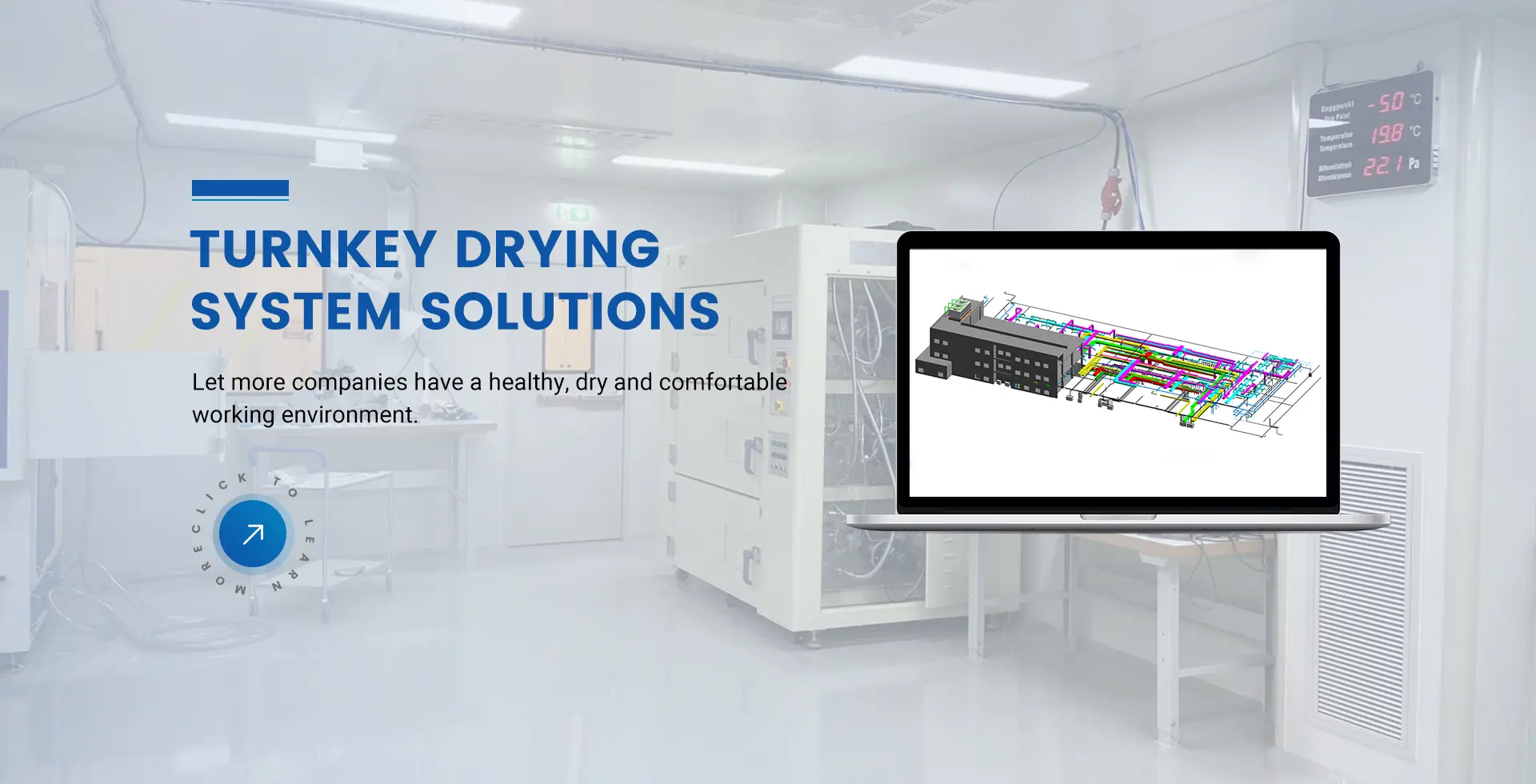
Battery Assembly Dry Room
Complete insulated cleanroom with air-locks, automated interlock pass-throughs, and return air ducts balanced for -50°C to -60°C DP.
View Dry Rooms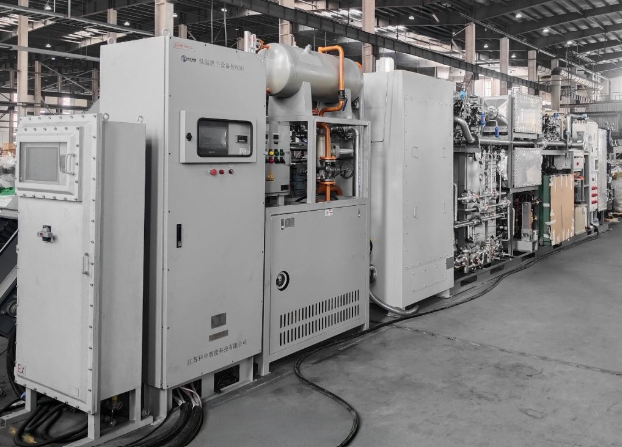 ≥99% Solvent Yield
Electrode Coater NMP Unit
Direct integration with continuous coating ovens, combining heat recovery exchangers with chilled condensing loops to recycle solvent.
Inspect NMP Line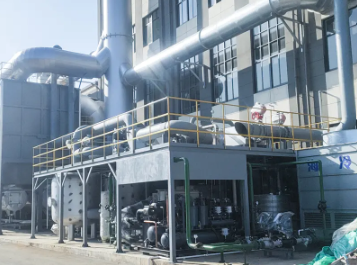 VOC Abatement
VOC Condensation Unit
Engineered for petrochemical test labs and tank farms, condensing volatile hydrocarbons from vapor exhausts prior to atmospheric release.
VOC Parameters Semiconductor Lab
Electronics Precision Dehumidifier
Maintains sub-1% relative humidity in photolithography, wafer probing, and optical coating laboratories to avoid electrostatic and oxidation defects.
Cleanroom Models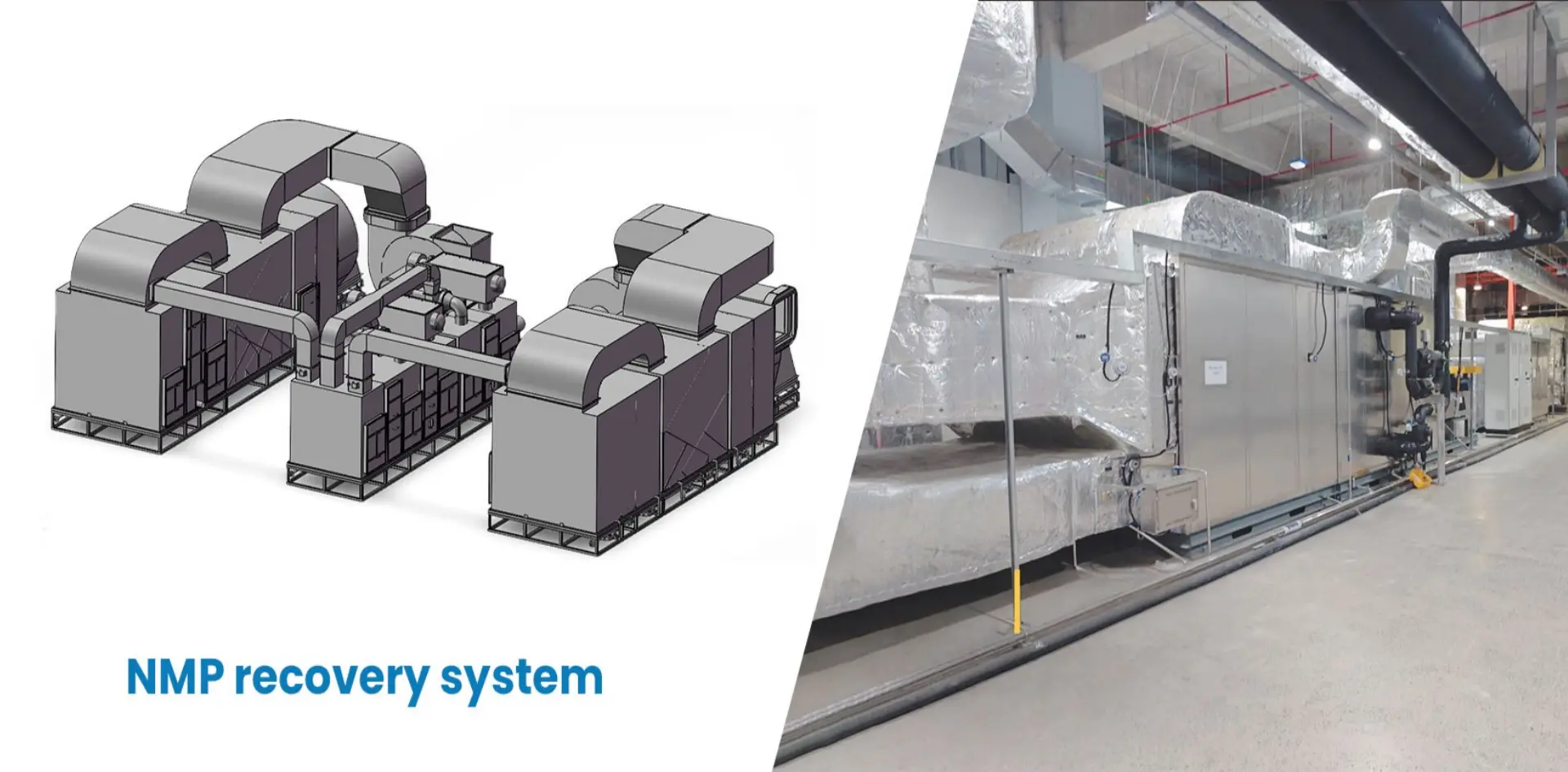 RTO System
Regenerative Thermal Oxidizer
Destroys volatile organic compounds with over 99% destruction efficiency and up to 95% thermal heat recovery in high-emission environments.
RTO Specifications
32% Energy Saving
Eco-Regen Desiccant Unit
Patented heat-pipe energy recovery desiccant air handler lowering regeneration heating power for sustainable green building accreditation.
Eco-Regen SpecsInitiate Your Laboratory Environmental Engineering Review
Connect directly with Hangzhou DryAir’s senior psychrometric engineering team. We review room footprints, process latent heat loads, and target dew points to deliver complete load calculations and budgetary proposals within 24 business hours.