
Dew Point -70°C
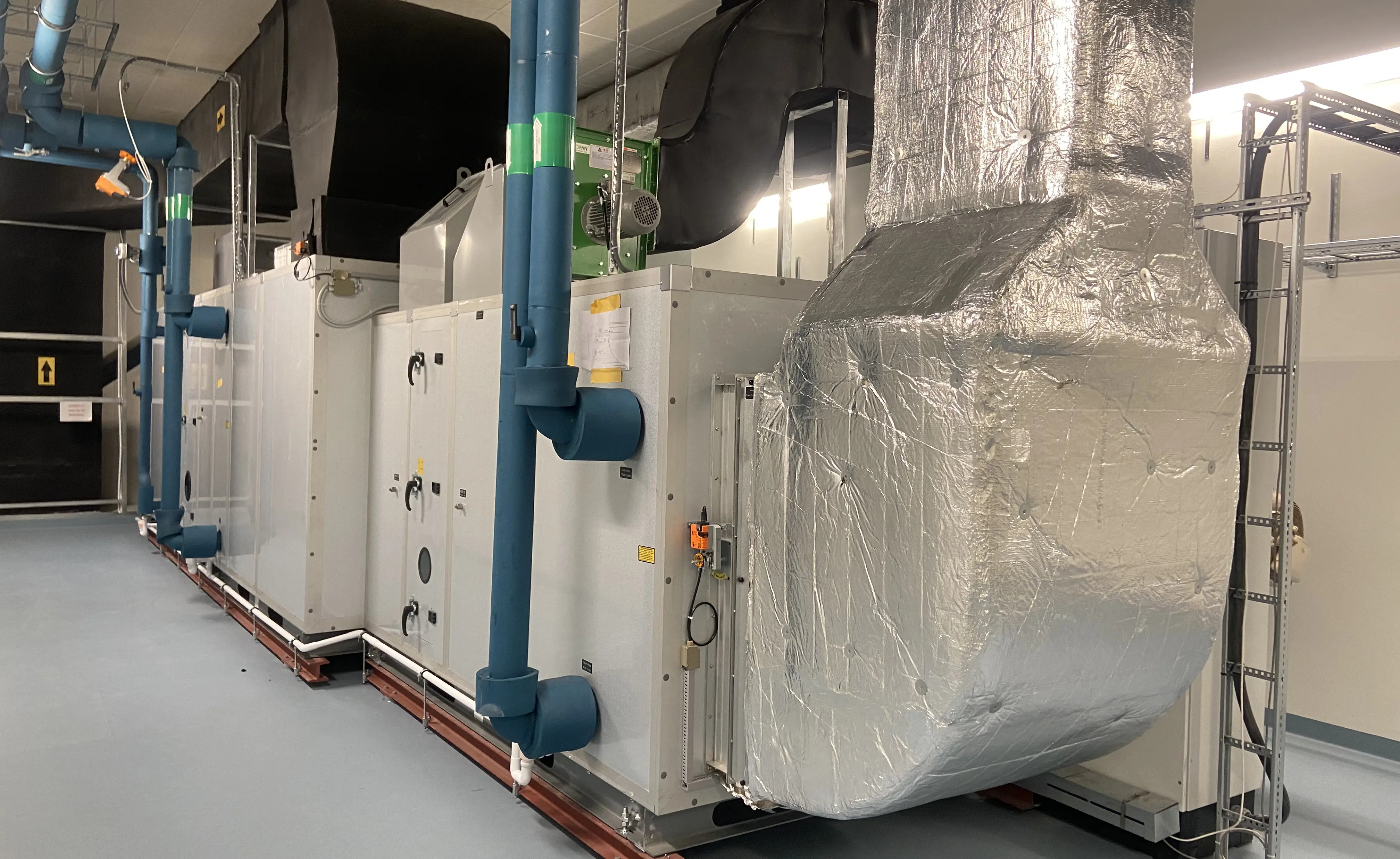
DHU Desiccant Dehumidifier
Engineered for high-volume moisture extraction and stable low-dew-point operation in continuous hygiene processing workshops.
Explore SpecificationsExplore our certified rotary desiccant systems, refrigerant dehumidification skids, and turnkey air treatment plants optimized for high-hygiene food processing facilities.
Engineered for high-volume moisture extraction and stable low-dew-point operation in continuous hygiene processing workshops.
Explore Specifications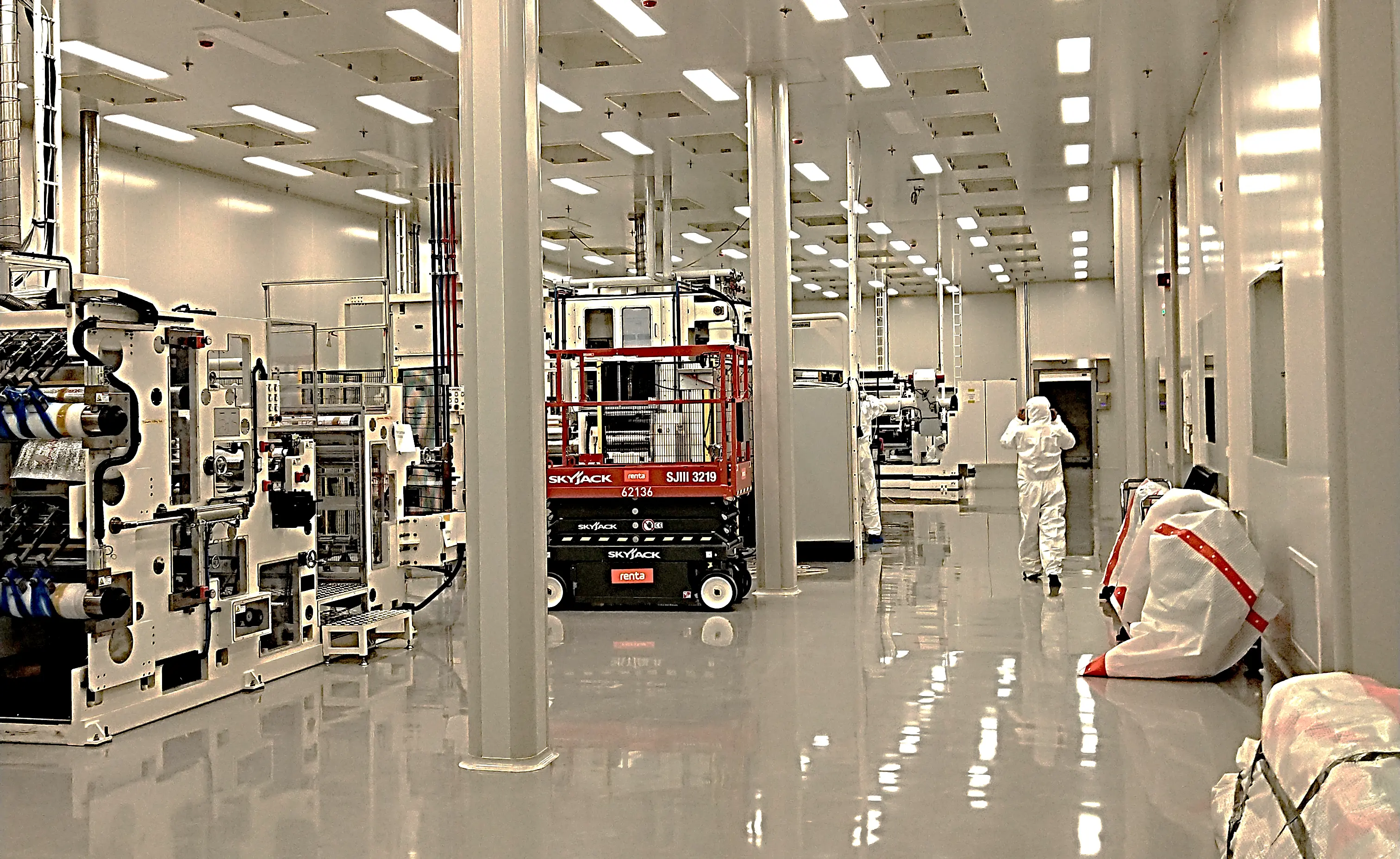
Complete insulated enclosure packages, sanitary duct distribution, and automated PLC multi-stage air conditioning systems.
Inspect Turnkey Design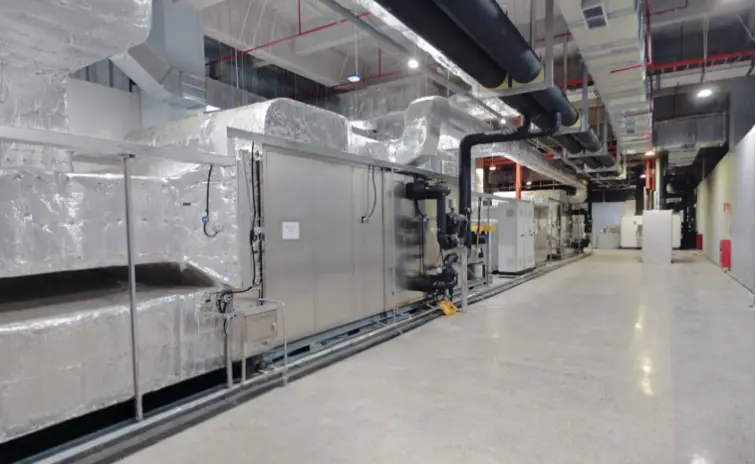
High-efficiency closed-loop condensation engineered for VOC capturing, process gas scrubbers, and industrial emission compliance.
View Recovery Modules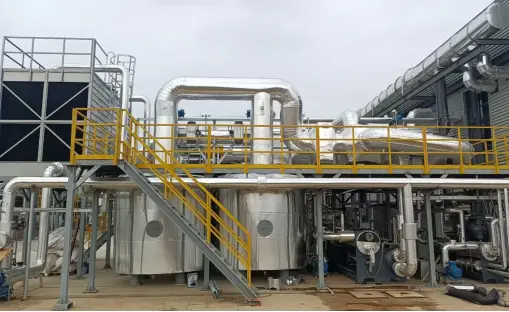
Deep-cooling condensers combined with regenerative thermal oxidizers to neutralize volatiles and complex aerosol exhaust.
Abatement Technology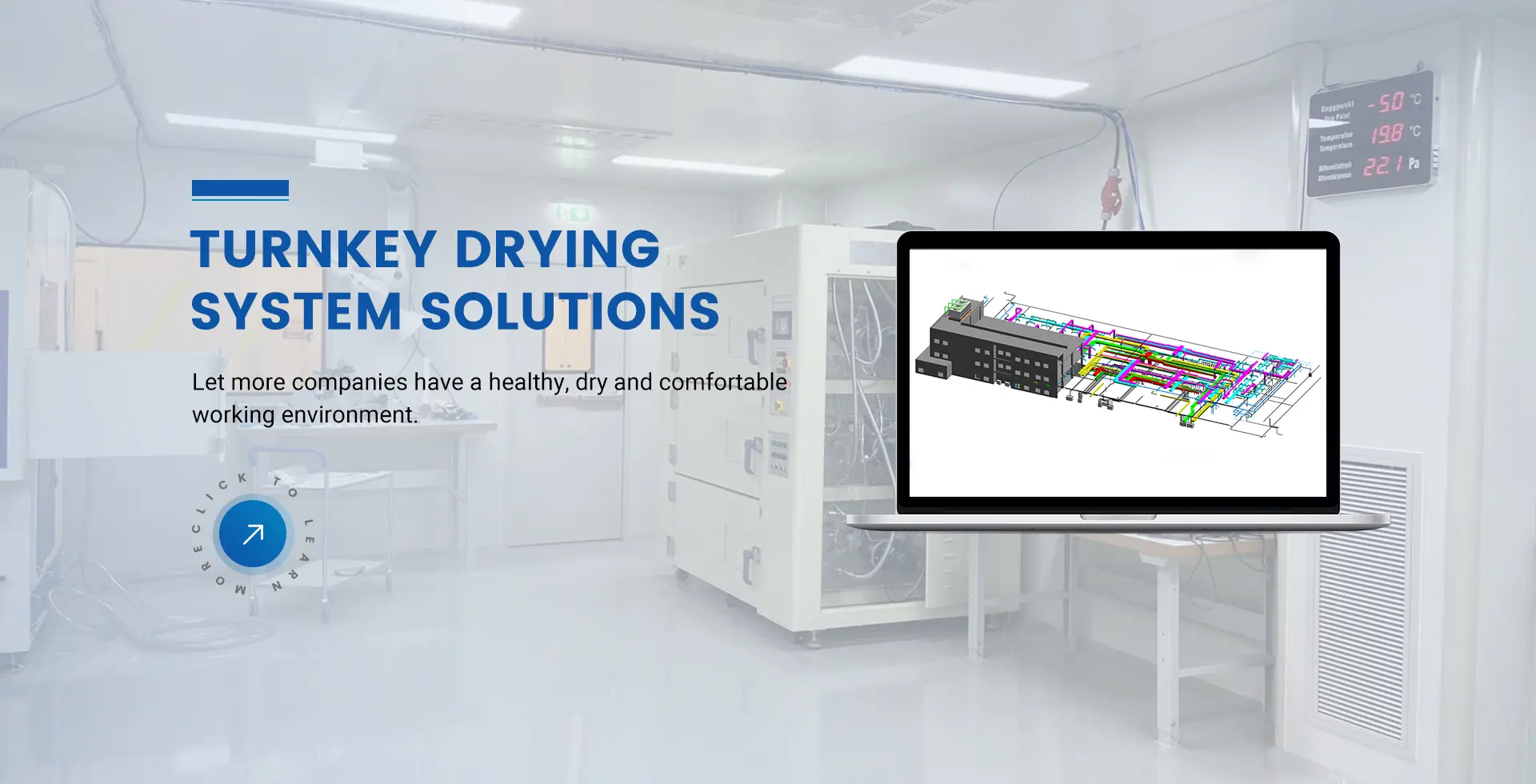
Cost-effective initial moisture stripping for intake warehouses, storage halls, and high-flow food packaging staging zones.
Refrigerant Units
Ex-certified air extraction engineered for environments with heavy hydrocarbon vapor, starch dust, or combustible spices.
Explosion-Proof Spec
Double-skin insulated stainless steel casings fitted with HEPA terminal filters and desiccant wheels for aseptic powder manufacturing.
Sanitary Solutions
Megawatt-grade industrial drying units built to service sprawling food factory halls, multi-line facilities, and centralized HVAC loops.
Custom EngineeringMoisture inside a food factory is not merely a comfort consideration—it directly impacts microbiological safety, shelf-life integrity, pneumatic transport uptime, and compliance with USDA, FDA, and EU food safety standards.
Condensation droplets dripping from overhead pipes, evaporator fans, or ceilings are prime vectors for Listeria monocytogenes and Salmonella. DryAir deep desiccant dehumidifiers guarantee dew points lower than workshop surface temperatures, stopping condensate formation permanently.
Milk powders, starch, instant coffee, and powdered flavorings absorb ambient moisture within fractions of a second. This causes pipe clogging, hopper clumping, and costly batch rejections. Our desiccant units maintain dry air (below 15-20% RH) across bulk pneumatic conveyance pipelines.
Sugar bloom, sticky gummy surfaces, and structural melting occur when packaging lines exceed 40% RH. We engineer specialized low-temperature, low-RH zones that allow chocolate panning, hard-candy cooling tunnels, and starch-mogul processing to operate without seasonal stoppages.
Across North America, Western Europe, and Southeast Asia, increasing climate variability has exacerbated latent humidity loads, straining conventional HVAC chillers and inflating operating expenditures.
Mechanical chillers are thermodynamic compromises when tasked with deep dehumidification, often requiring wasteful overcooling followed by electric or steam reheat. Desiccant rotors separate sensible cooling from latent moisture absorption, reducing net energy intensity by up to 38%.
International validation bodies (BRCGS, SQF, ISO 22000) view airborne water vapor as a non-conforming sanitation risk. Regulatory pressure demands deterministic environmental control rather than seasonal estimation, making high-spec desiccant skids an operational mandate.
Industrial food plants produce vast quantities of low-grade waste steam, hot water, and compressor exhaust. DryAir engineers design regenerative rotor matrices that run on recycled process waste heat, turning surplus industrial thermal energy into continuous moisture extraction.
Combining the world's most dense electromechanical supply chain with Hangzhou DryAir's military-grade (GJB) rigor, we deliver industrial dehumidification units at exceptional speed, scalability, and lifecycle value.
Our factory is co-located with tier-1 sheet-metal fabricators, specialized coil producers, and motor manufacturers, shrinking production lead times by 40-50% compared to Western competitors facing subcomponent delays.
DryAir operates under both ISO 9001 and Chinese GJB national military standard quality certifications. Every food-grade unit undergoes aerodynamic pressure testing, seal leakage checks, and thermal imaging runs before packaging.
With 200+ large industrial dehumidifiers manufactured per month across our Hangzhou campus, we reliably support large turnkey plant construction schedules across Europe, the Americas, and the Asia-Pacific region.
Selecting incorrect environmental tolerances results in either product spoilage or excessive energy expenditure. Reference our factory guidelines for food plant layout specifications.
| Food Processing Sector | Specific Hazard / Operational Risk | Target Dew Point / RH | Recommended System Architecture |
|---|---|---|---|
| Powdered Milk & Infant Formula Spray Drying | Agglomeration in fluidized beds, microbial growth in cyclones. | DP -20°C to -40°C (RH < 15%) | Dual-Rotor Desiccant Skid (DHU Series) with HEPA F9/H13 |
| Meat Cutting, Sausage Curing & Packing Halls | Condensate dripping from refrigeration coils, mould contamination. | DP 2°C to 6°C (RH 45-55% @ 10°C) | Combined Pre-cooling Chiller + Desiccant Rotor System |
| Chocolate Molding, Coating & Cooling Tunnels | Sugar bloom, fat bloom, mould formation on cooling belts. | DP -5°C to 0°C (RH 30-40%) | Direct Expansion Refrigerative Skid + Desiccant Trimming |
| Starch Candy & Gelatin Gummy Drying Rooms | Long drying times, gelatin liquefaction, starch tray adhesion. | DP -10°C to 2°C (RH 20-30%) | Turn-key Closed-Cycle Dehumidification Drying Plant |
| Bakery, Wafer & Biscuit Cooling Conveyors | Loss of product crispness, wafer warpage, packaging moisture trap. | DP 4°C to 8°C (RH 35-45%) | Rotary Desiccant Dehumidifier with Heat Recovery Coil |
| Spices, Yeast, Enzyme & Seasoning Packing | Rapid caking, hopper blockages, enzymatic degradation. | DP -20°C to -10°C (RH 15-25%) | Stainless Steel Food-Grade Desiccant Unit (DHU Modular) |
Hangzhou DryAir’s in-house engineering and R&D teams are pioneering advancements in sorption material chemistry, predictive AI algorithms, and zero-carbon thermal integration.
Transitioning from conventional silica gel to Metal-Organic Frameworks (MOFs) and nanostructured zeolites. This increases moisture sorption density by 32% while lowering regeneration temperatures from 140°C down to 75°C, unlocking direct waste-heat utilization.
Our edge-computing controllers integrate predictive weather analytics and real-time internal batch-load sensors. The system dynamically modulates rotor speed, bypass volumes, and reactivation heat, preventing energy spikes during shift and production changes.
Engineered antimicrobial wheel coatings and CIP (Clean-In-Place) wash-compatible air housings built to conform to EHEDG hygienic guidelines, ensuring desiccant rotors are fully safe for direct product-contact food air filtration.
Deploying equipment internationally requires rigorous electrical, safety, and sanitation compliance. DryAir systems are engineered and pre-certified for global industrial integration.
Full conformity to Machinery Directive 2006/42/EC, EMC, and Low Voltage Directives for EU installations.
Control panels, variable speed drives, and wiring harnesses built to UL 508A and CSA C22.2 standards for North America.
Heat exchangers, recovery condensers, and cooling coils pressure-rated and stamped in line with ASME Section VIII.
Field-commissioning engineers dispatched globally, supported by remote IoT telemetry and guaranteed spares availability.
Comprehensive answers regarding psychrometric calculations, energy recovery, food-safety hygiene, and global project delivery.
Shortlist pre-engineered and customizable air treatment machinery for food processing factories, clean workshops, and battery gigafactories.
High-capacity rotor with heat-recovery options, engineered for continuous operation in extreme moisture conditions.
View Product Details
Enclosures, air handling, airtight transitions, and validation engineering for sensitive production and assembly rooms.
Explore Dry Rooms
Designed for battery coating and chemical exhaust, delivering reliable solvent recovery and reduced emissions.
View Recovery Units
Integrated thermal oxidation and recovery stages to eliminate hazardous volatile organic compounds.
Explore Abatement
Economical bulk moisture removal for grain siloing, staging halls, meat cutting lines, and prep stages.
Refrigeration Skids
Captures hydrocarbon vapors, chemical exhausts, and oil mist in demanding process environments.
View Exhaust Systems
Engineered for dry powder handling, pharmaceutical encapsulation, clean packaging halls, and GMP food cleanrooms.
Sanitary Specs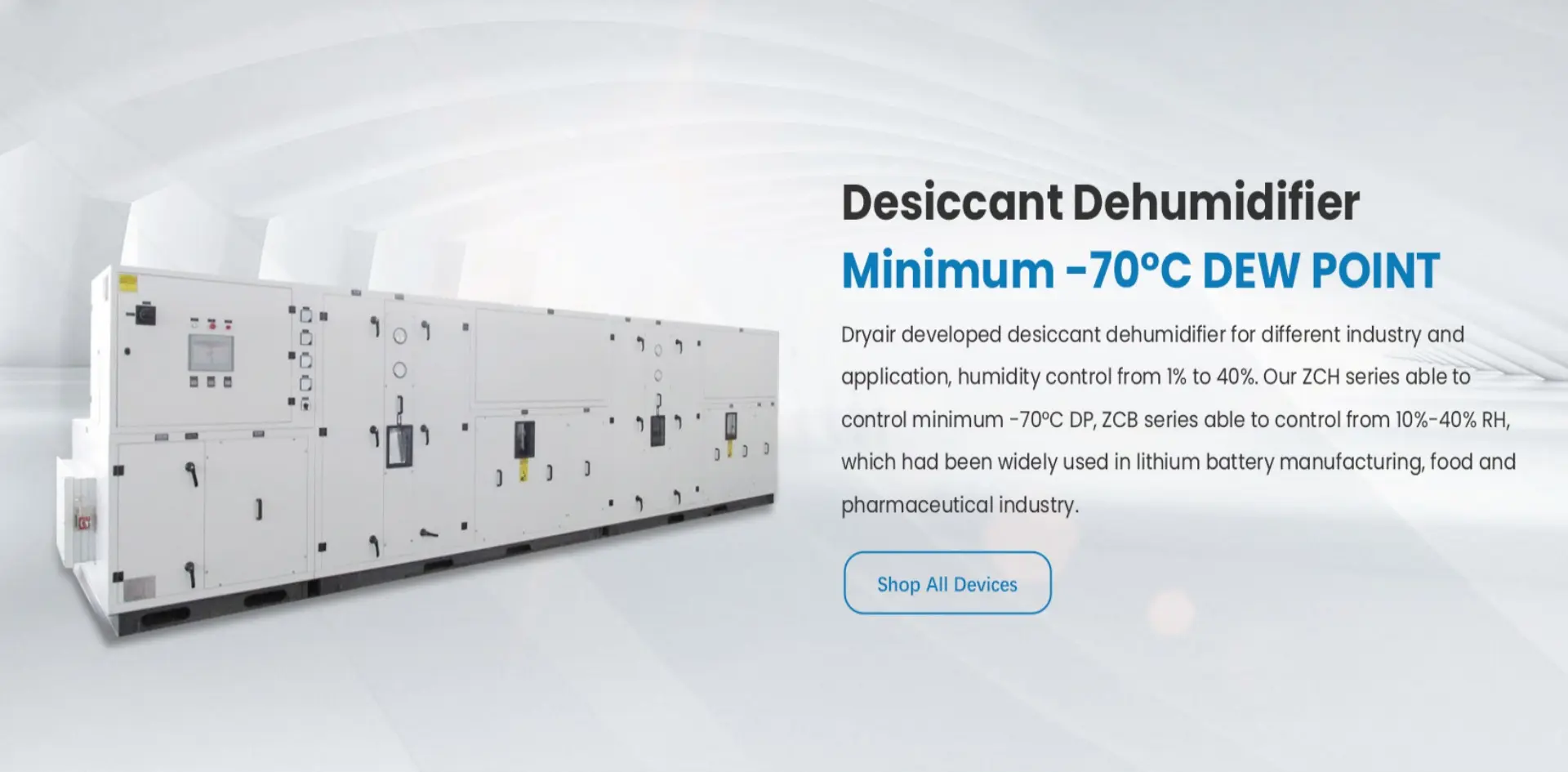
Heavy-duty, custom-engineered megawatt dehumidification modules tailored for high-volume commercial food workshops.
Custom EngineeringProvide your workshop dimensions, process exhaust rates, air exchange volumes, and required relative humidity. Hangzhou DryAir's licensed HVAC engineers will generate a system load report and 3D equipment schematic within 24 hours.