
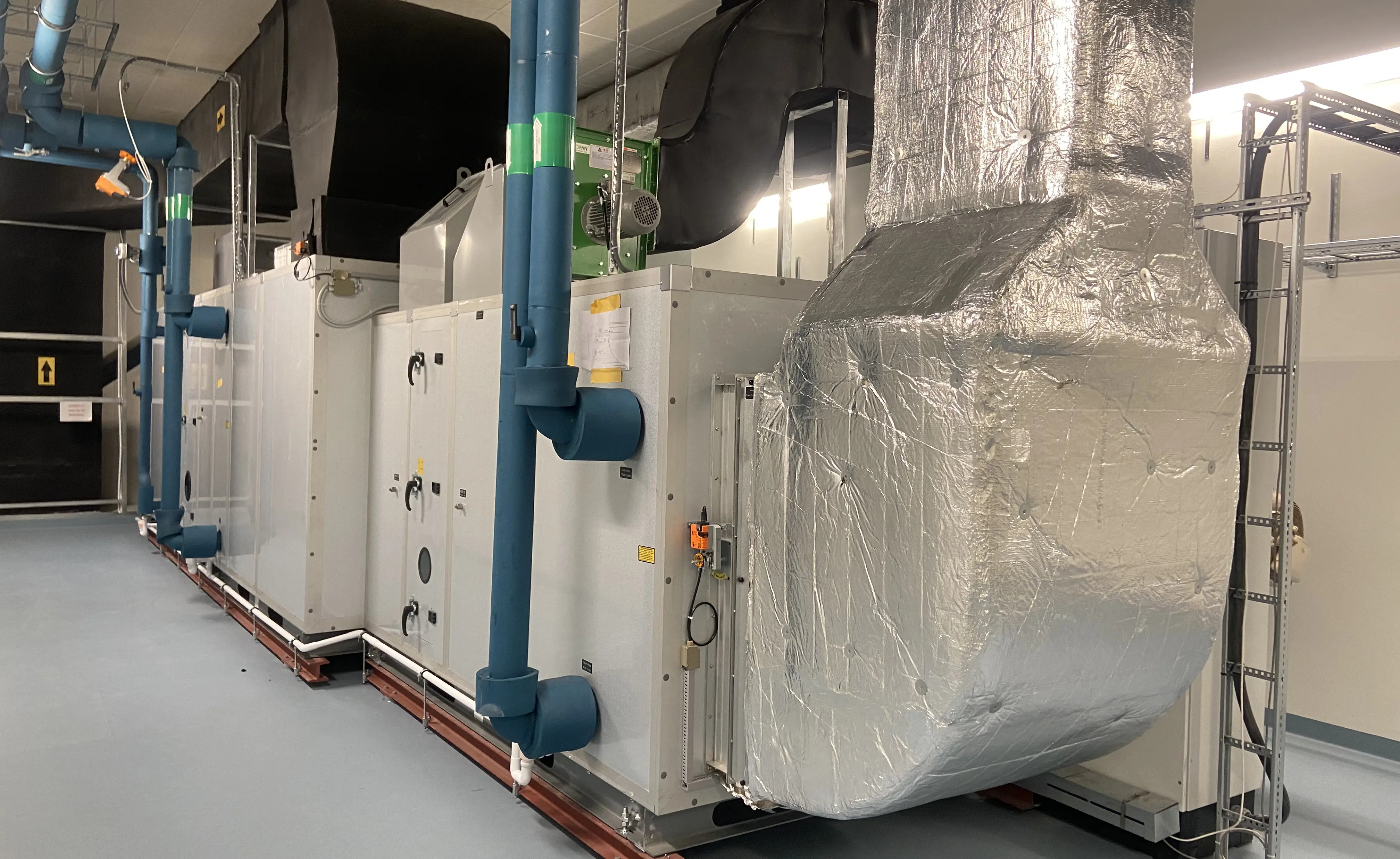
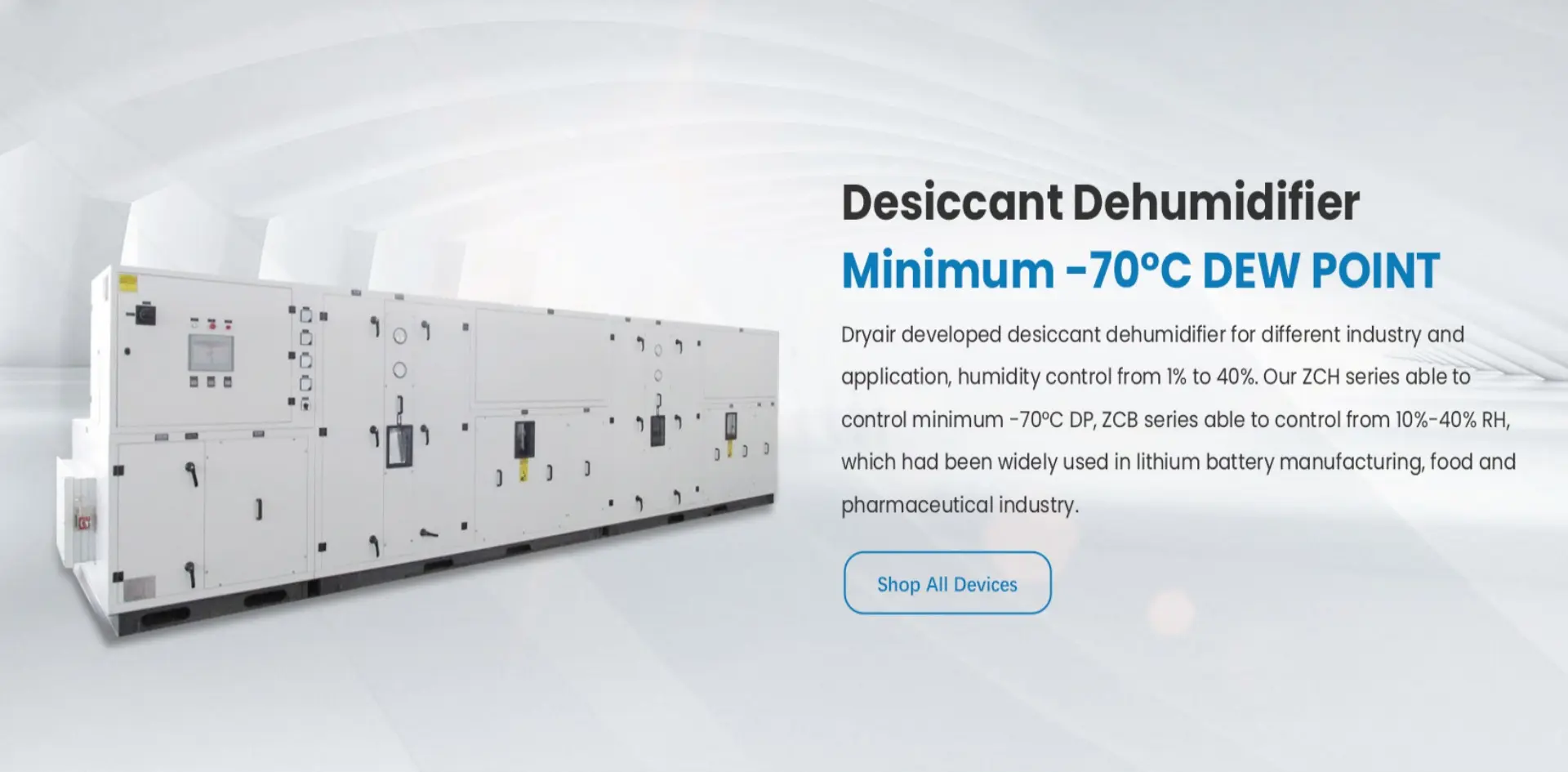
 Dew Point: -70°C
Rotary Desiccant Vegetable Dryer
Ultralow-humidity air drying tailored for heat-sensitive botanicals, maintaining chlorophyll and enzymic profiles.
Select from our standard industrial lineups, engineered with stainless steel hygienic construction, closed-loop thermal heat recovery, and modular PLC controllers.
Dew Point: -70°C
Ultralow-humidity air drying tailored for heat-sensitive botanicals, maintaining chlorophyll and enzymic profiles.
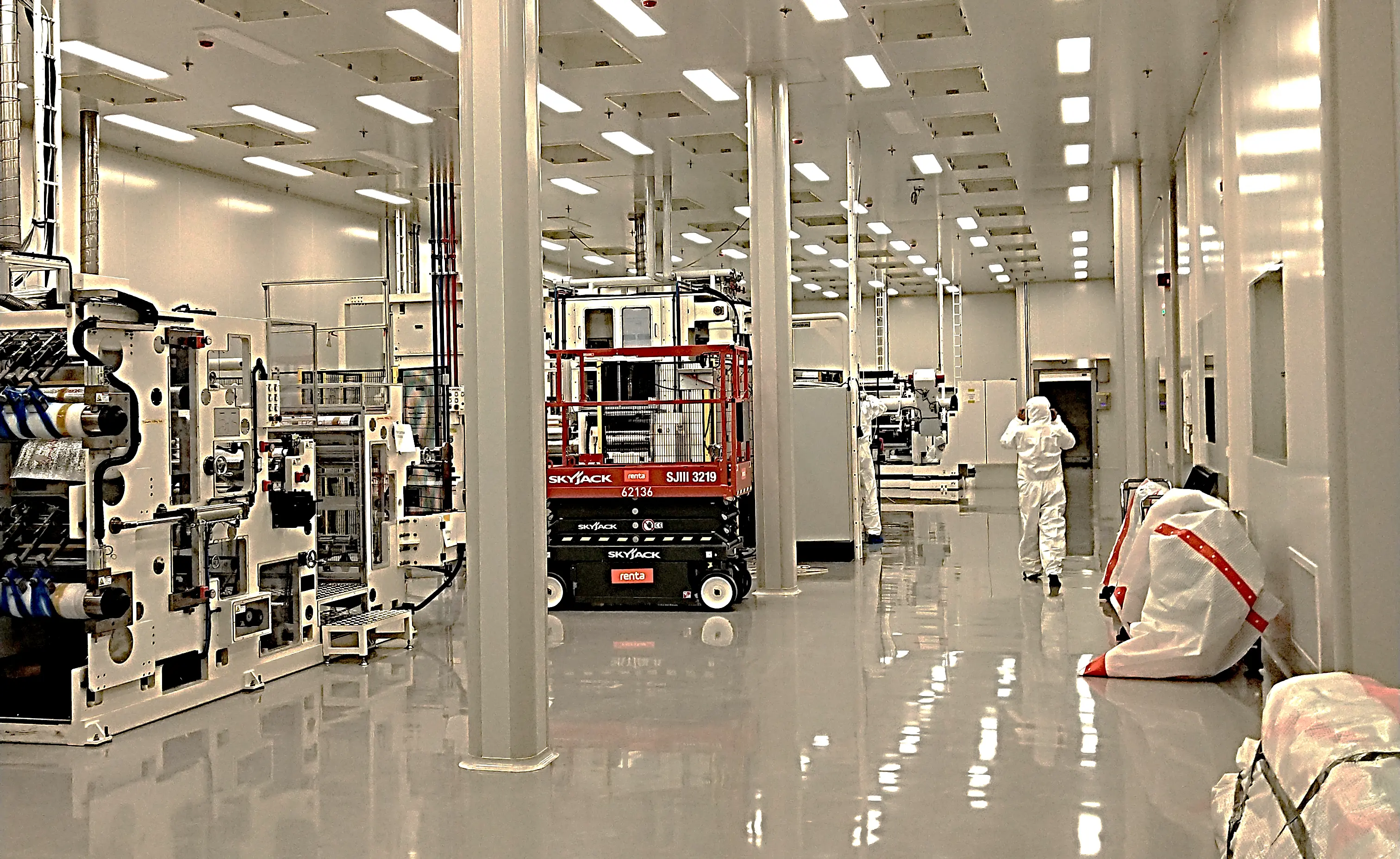 Turnkey EPC
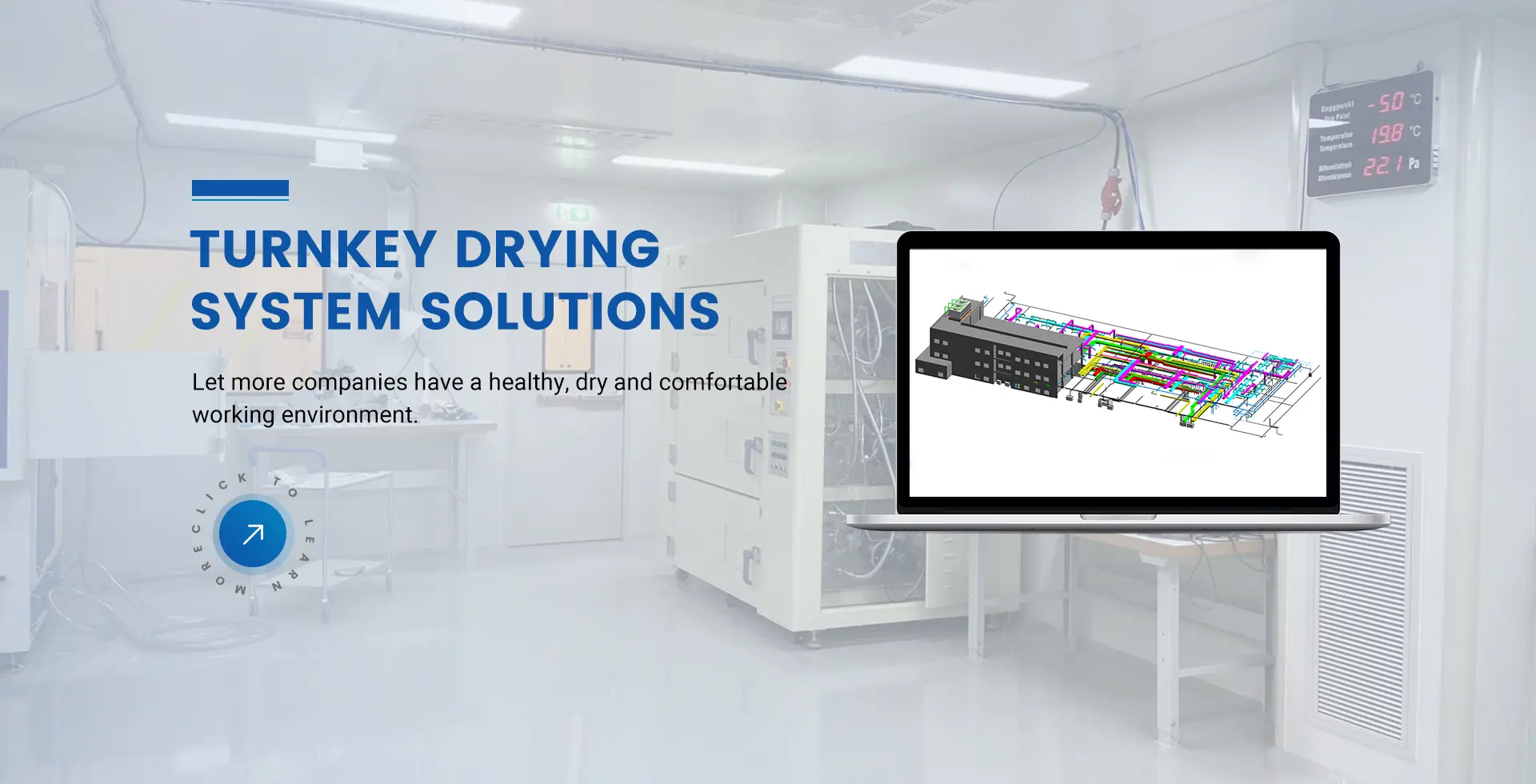
Fully integrated modular cleanroom enclosures with laminar psychrometric drying controls for HACCP facilities.
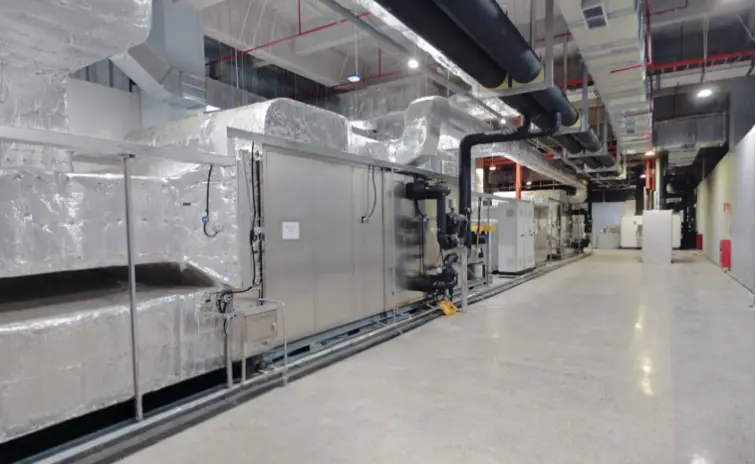 Recovery: ≥99%
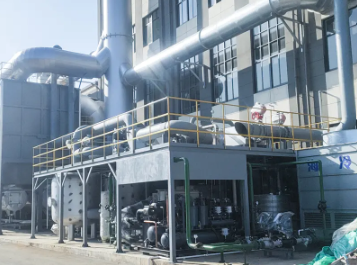
High-efficiency vapor condensation plant capable of volatile aroma recovery and clean effluent recycling.
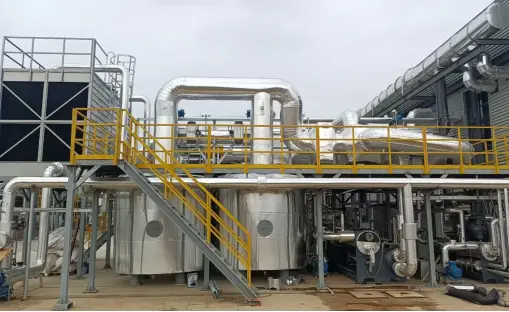 Emission Compliant
Deep-cooling condensation combined with regenerative thermal oxidizers for zero-odor exhaust abatement.
 High COP Heat Pump
Energy-efficient moisture condensing dryer designed for bulk roots, alliums, and culinary herbs.
 Automated Multi-Layer
Multi-tier continuous drying for large-scale processing of onions, garlic, carrots, and leafy greens.
 Hygienic Cleanout
Batch tray drying cabinet featuring mirror-polished SUS304/SUS316 chambers and automated humidity venting.
 PLC Dynamic Control
Washing, blanching, slicing, and low-temperature drying synchronized through industrial SCADA systems.
Industrial vegetable drying is fundamentally a coupled thermodynamic process involving simultaneous transient heat and mass transfer. Conventional thermal drying technologies, which operate at high temperatures (70°C to 110°C), inevitably induce enzymatic browning, structural shrinkage, vitamin degradation, and severe rehydration hysteresis.
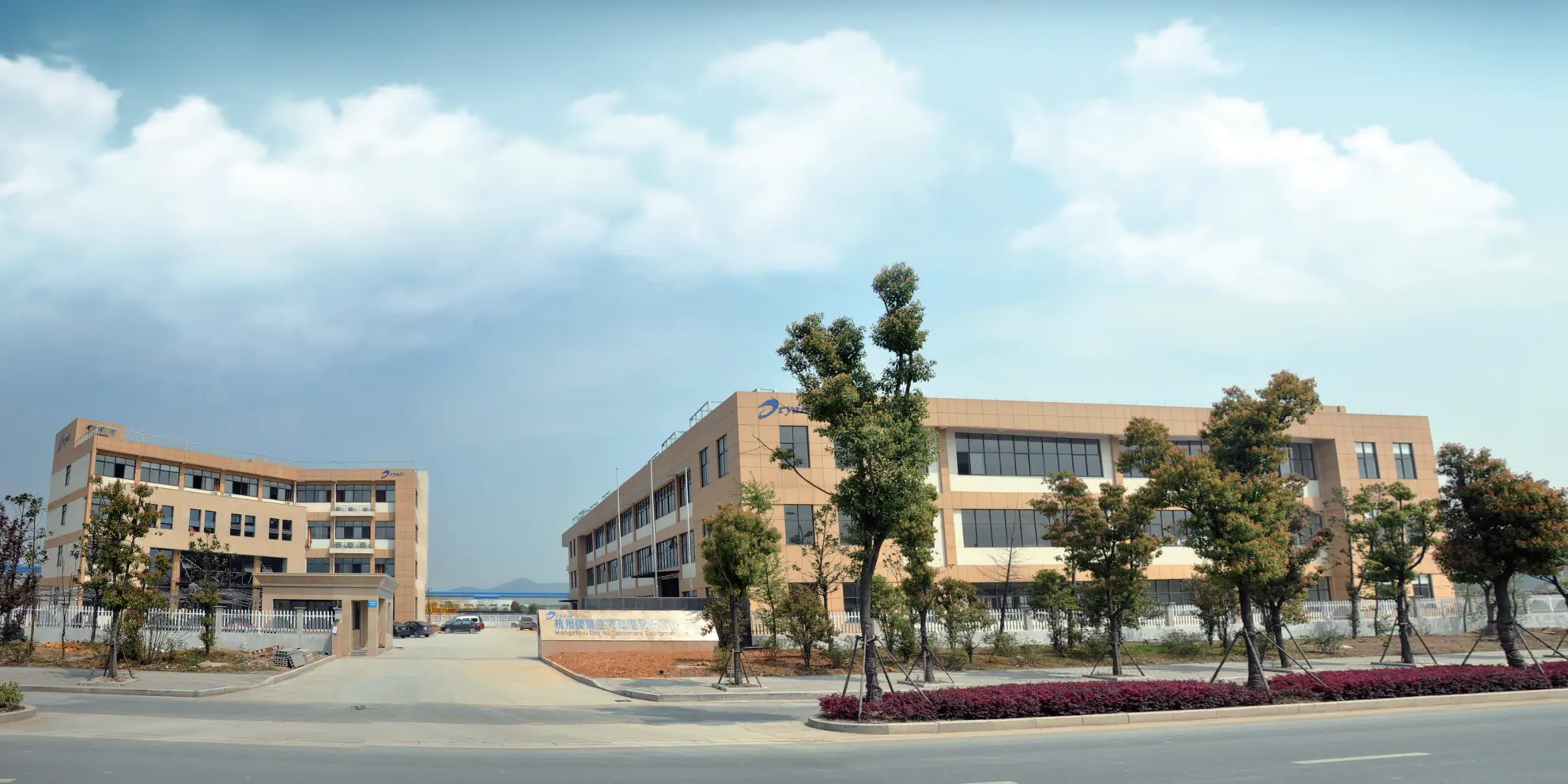
As China’s leading industrial dehumidification and thermal management specialist, Hangzhou DryAir Treatment Co., Ltd. (founded 2010) bridges the gap between deep industrial dew-point control and modern food processing. By leveraging dual-rotor desiccant air handling and closed-loop heat pump refrigeration, our systems create an artificial psychrometric environment capable of extracting moisture at temperatures as low as 35°C to 50°C. This prevents crust formation, locks in essential carotenoids and flavonoids, and reduces operating energy expenditures by up to 45% compared to direct-fired gas or electrical resistance systems.
Preserving bioactive phytochemicals demands meticulous relative humidity (RH) suppression without thermal shock. Low-dew-point drying preserves over 92% of ascorbic acid (Vitamin C) in leafy brassica species and maintains near-fresh rehydration ratios (>1:6.5).
Latent heat recovery modules repurpose condensing exhaust air to reheat inbound process flows. Integrated air-to-air heat exchangers combined with variable frequency scroll compressors deliver an extraordinary Coefficient of Performance (COP > 3.8).
Constructed entirely of laser-welded SUS304 or SUS316 austenitic stainless steel. Smooth radius internal corners, clean-in-place (CIP) spray assemblies, and dual HEPA air filtration satisfy rigorous export inspections across North America and the EU.
From comprehensive metallurgical metallurgy to rapid component turnaround, our Hangzhou manufacturing complex delivers unbeatable capital expenditure (CAPEX) advantages.
Situated in Zhejiang’s advanced manufacturing belt, Hangzhou DryAir sources premium non-corrosive stainless alloys, Danfoss/Siemens electronic controls, and specialized desiccant ceramic media within a 90-kilometer supply radius, eliminating supply chain bottlenecks.
With an active monthly output exceeding 200 heavy-duty units, our assembly lines handle high-capacity requirements—from standalone 500 kg/batch cabinets to massive continuous 10-ton/hour continuous conveyor dehydration tunnels.
Our facility employs over 74 specialized technical personnel, including two national registered HVAC engineers, eight senior thermal dynamic specialists, and mechanical design PhDs dedicated to psychrometric computational fluid dynamics (CFD) modeling.
To eliminate procurement guesswork, industrial plant managers must evaluate drying methods based on operational expenditure (OPEX), cycle retention, and final bulk density.
| Drying Technology | Operating Temp Range | Energy Efficiency (COP / Thermal) | Nutrient & Color Retention | Typical Industrial Vegetable Applications |
|---|---|---|---|---|
| DryAir Low-Temp Desiccant System | 25°C – 55°C | Ultra-High (Heat Pump Assisted) | Exceptional (>90% Carotenoids/Vitamins) | Herbs, edible flowers, scallions, leafy brassica, culinary garlic |
| Continuous Hot-Air Mesh Belt | 65°C – 100°C | Moderate (Requires external insulation) | Good (Uniform bulk, minor shrinkage) | Carrot dice, dehydrated potatoes, sliced onions, root crops |
| Direct-Fired Diesel / Gas Tunnel | 80°C – 120°C | Low (High heat loss through exhaust) | Moderate to Poor (Thermal degradation) | High-volume coarse feed, starch precursors, biomass |
| Industrial Freeze Dryer (FD) | -20°C to -40°C (Sublimation) | Very Low (Excessive electrical demand) | Maximum Structure Preservation | High-margin berries, instant soup freeze-dried vegetables, pharmaceutical extracts |
Purchasing machinery overseas presents critical regulatory risks. Hangzhou DryAir eliminates clearance and operational hurdles through universal compliance certifications, factory acceptance testing (FAT), and international site commissioning.
Full adherence to the European Machinery Directive (2006/42/EC), Low Voltage Directive (LVD), and EMC shielding for unhindered operation across the European Union.
Electrical control enclosures wired with UL-listed circuit components, NEMA-rated junction boxes, and dual voltage wiring (208V/480V, 60Hz) for North American factories.
Heat exchanger coils and steam pressure vessel chambers conform directly to ASME Boiler and Pressure Vessel codes, verified via non-destructive radiographic testing.
Comprehensive overseas support offering: factory remote IoT telemetry, complete spare-part critical lists, and dispatched field engineers for SAT commissioning.
Different vegetable varieties present unique internal cell walls, sugar concentrations, and surface moisture behaviors. Our custom configurations ensure peak performance across categories.
Spinach, parsley, cilantro, and basil are notorious for burning and loss of aromatic volatile terpenes under thermal stress. DryAir dehumidification dries at gentle temperatures below 40°C, maintaining natural vibrant green colors and market-leading aroma retention without sulfiting agents.
Processing alliums releases volatile allicin and corrosive steam, degrading internal electricals in standard machinery. Our drying chambers feature anti-corrosion condenser epoxy coatings, automated moisture purging, and odor-mitigating scrubbers designed specifically for continuous onion and garlic dehydration lines.
Carrots, beets, sweet potatoes, and cassavas require high-volume latent moisture extraction without internal moisture entrapment (case hardening). Multi-stage zone drying schedules transition products through progressive temperature and dew-point ramps to guarantee core dryness.
The industrial vegetable dehydration landscape is undergoing an aggressive technological shift. Carbon taxes, fossil fuel bans, and strict consumer safety audits are forcing food conglomerates to transition away from legacy diesel and coal-fired drying tunnels.
Everything you need to know about purchasing, commissioning, and maintaining commercial vegetable dryer systems from China.
Explore auxiliary equipment lines configured to match industrial vegetable drying chambers and dehumidification loops.
Low Dew Point
Core rotary desiccant unit with heat-recovery regeneration options for low OPEX drying loops.
Cleanroom Modular
Complete hermetically sealed panel enclosures with air locks, HEPA ducting, and dynamic air balancing.
Condensing Unit
Captures volatile culinary essences from plant exhaust for reuse, turning waste into high-value product streams.
RTO Integration
Deep-cooling condensation coupled to thermal oxidation for agricultural processing emissions.
Pre-Cooling Stage
Economical moisture removal ahead of precision desiccant stages for massive energy savings.
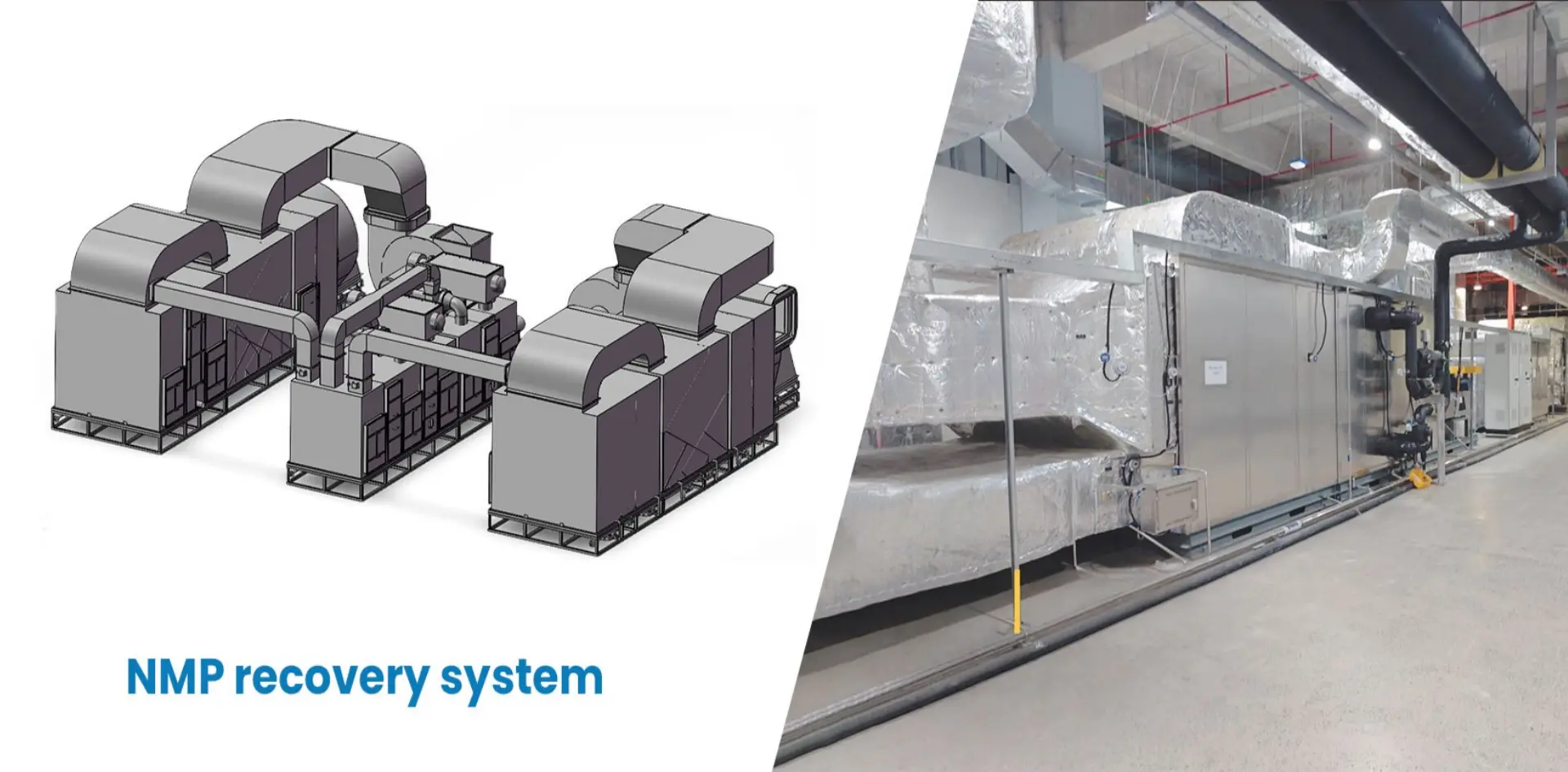 Continuous Granular
Ideal for uniform dehydration of vegetable dices, seeds, pulses, and crystallized food additives.
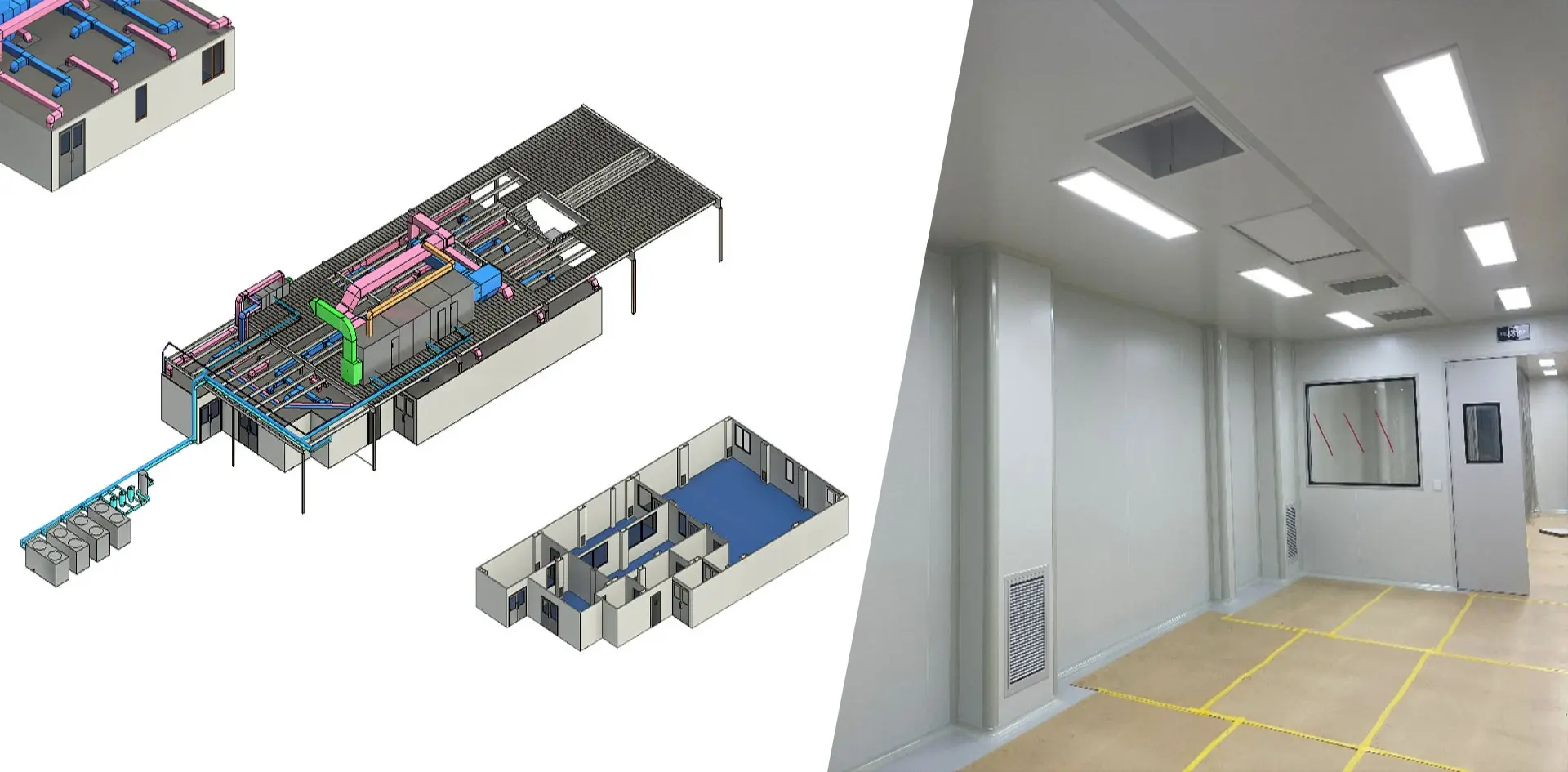 Sanitary Air Handler
Modular air handling system equipped with antimicrobial coatings and internal UV-C irradiation lamps.
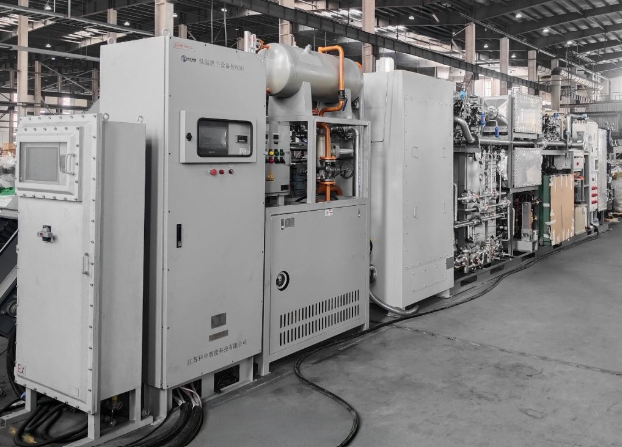 Smart SCADA
Siemens touch-panel controls with remote Ethernet connectivity for tracking historical psychrometric drying curves.
Send our senior engineering team your vegetable species, initial moisture percentage, target output (kg/h), and thermal heat source. We deliver turnkey proposals within 24 business hours.