
High-Efficiency Dehumidifiers & Abatement Units
Explore engineering-grade equipment tuned for extreme moisture-critical environments.
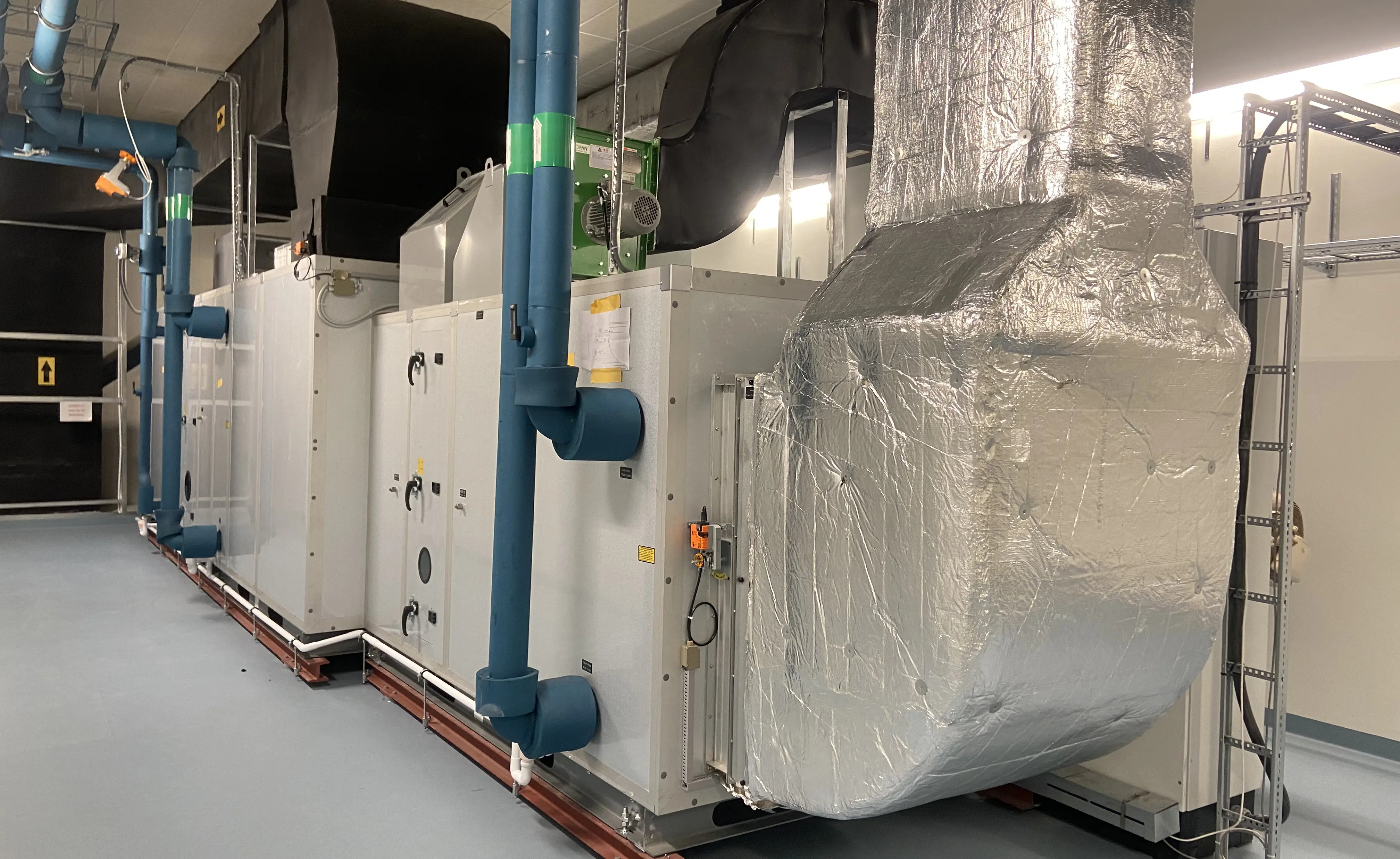 DP -70°C
Desiccant Dehumidifier (DHU)
High-efficiency desiccant wheel engineered for ultra-low dew point control in industrial drying applications.
View Specifications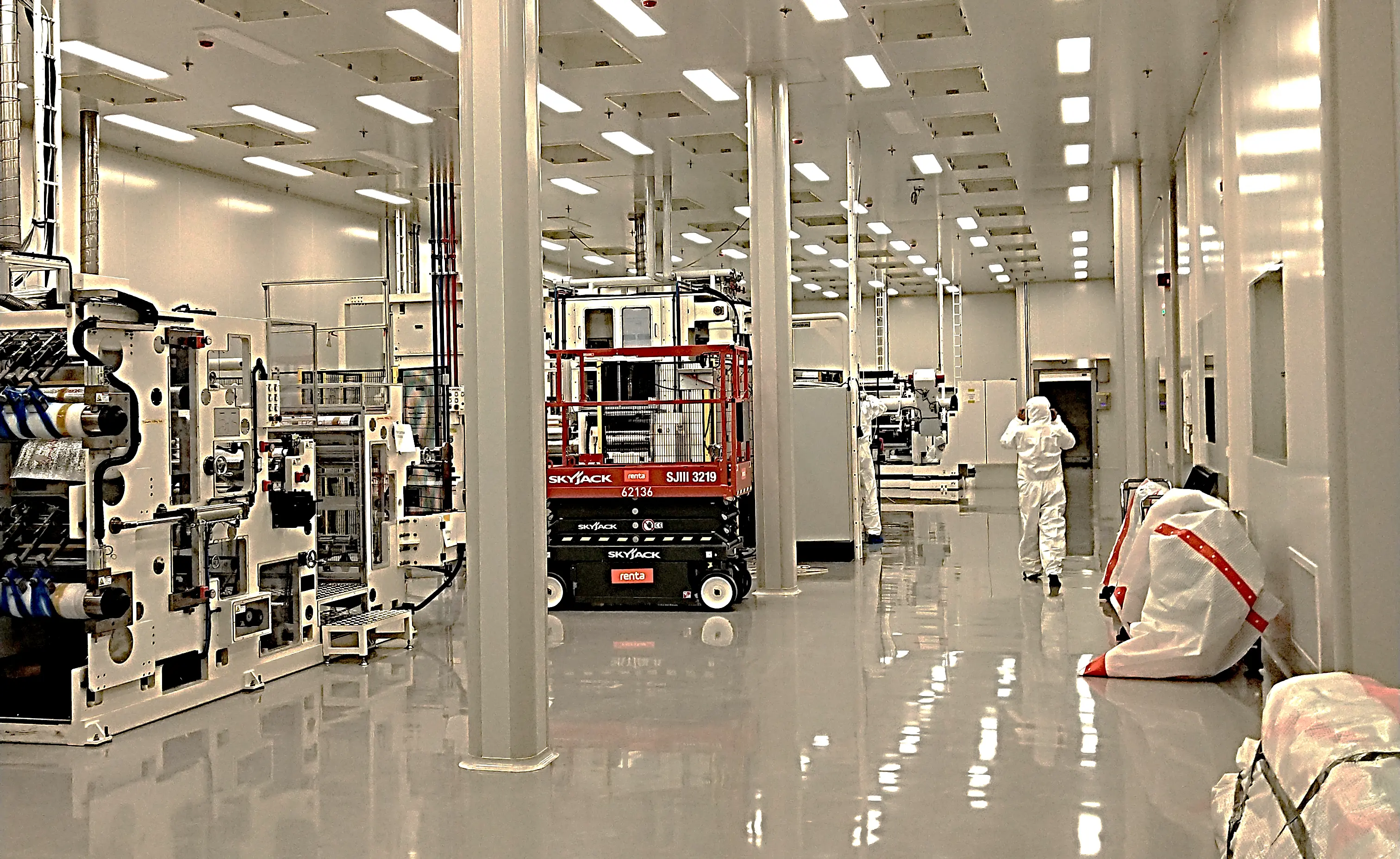 Turnkey EPC
Turn-key Dry Room System
Comprehensive environmental enclosure and atmospheric drying system delivered with ISO/GJB compliance.
Explore Dry Rooms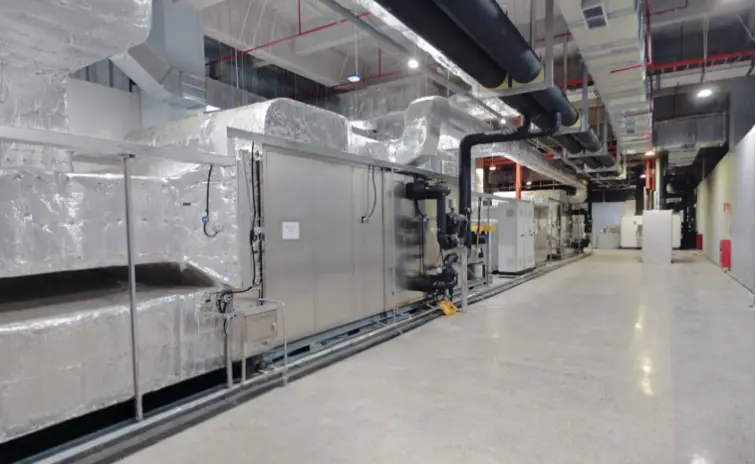 Recovery ≥99%
NMP Recovery System (ZJRH)
Patented condensed-exhaust solvent capture lowering operational spend on battery electrode coating lines.
Learn Technicals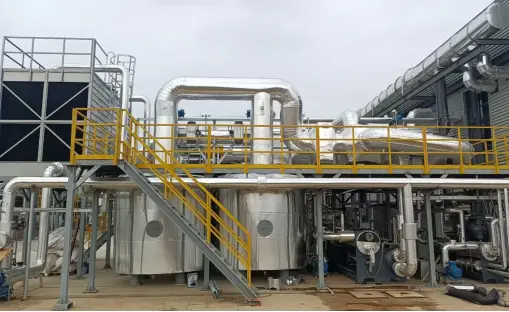 RTO Ready
VOC Abatement System (JEN)
Cryogenic deep-cooling condensation combined with regenerative thermal oxidizers to minimize emissions.
View VOC Solution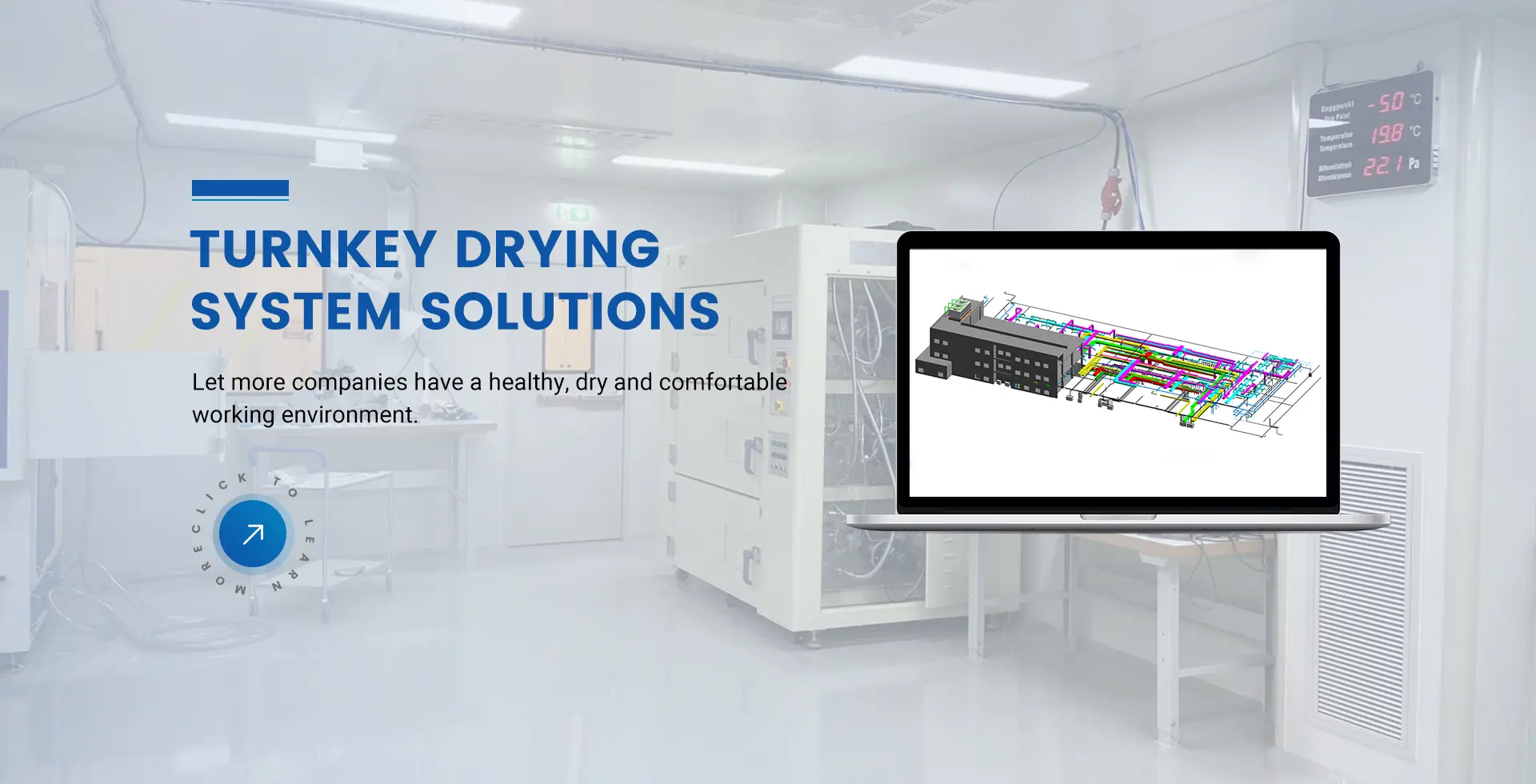 High Volume
Refrigerative Dehumidifier
Rugged moisture suppression engineered for pre-cooling stages, warehouses, and storage hubs.
Explore Units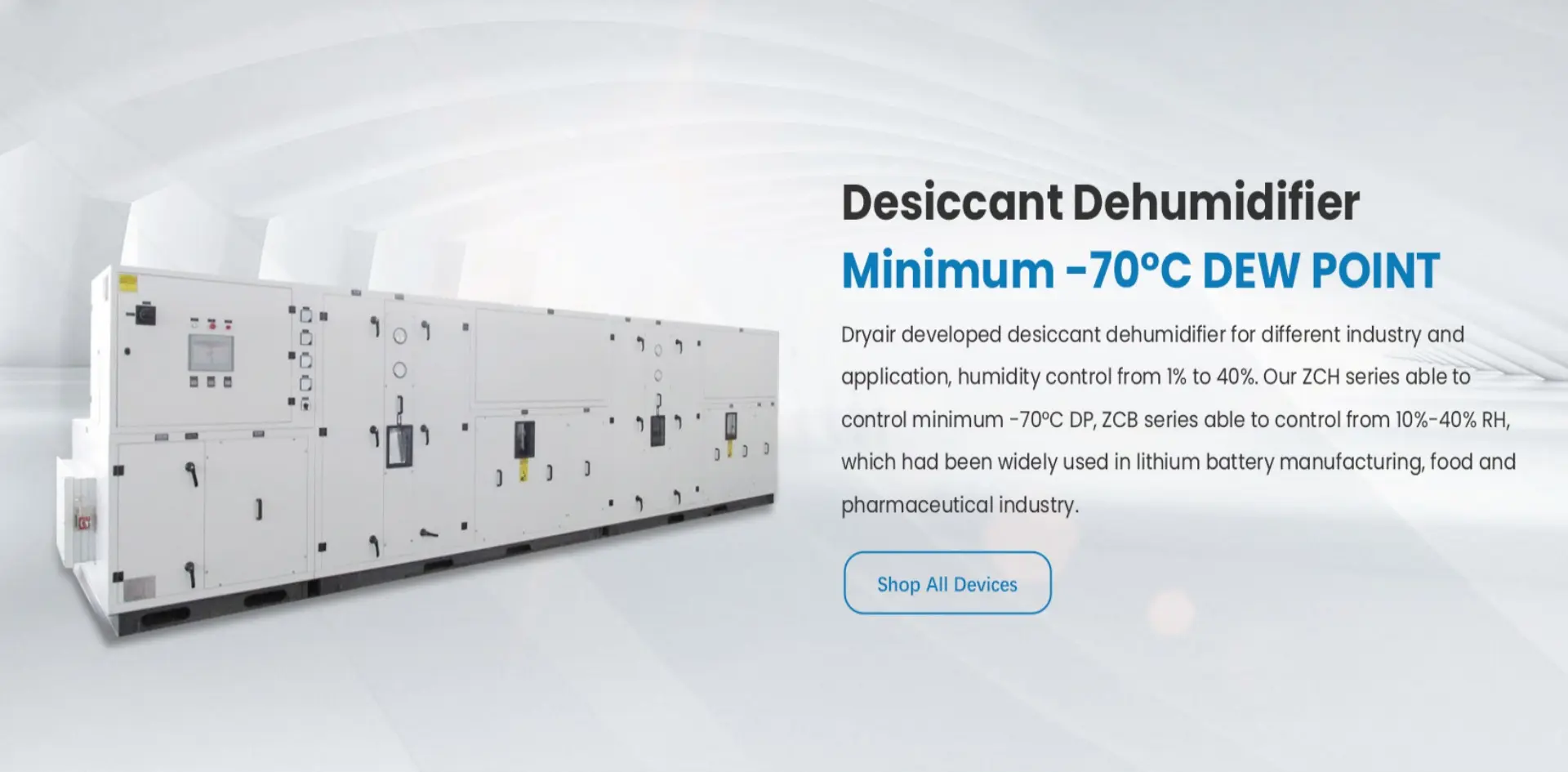 Gigafactory Spec
Modular Dry Room Enclosures
Pre-engineered airtight thermal panels with zero-leak sealing for fast international modular deployment.
Modular Specs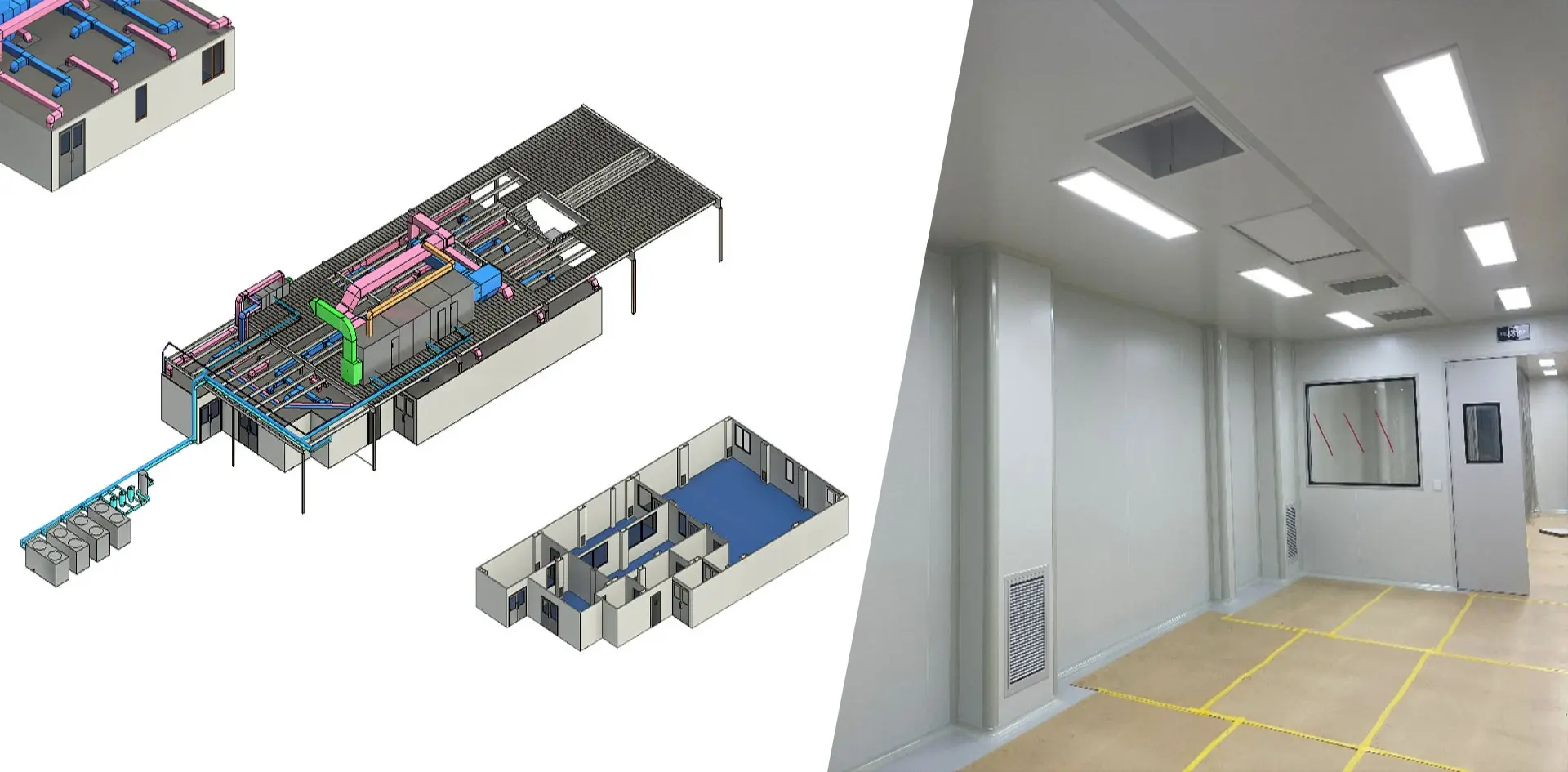 Closed-Loop
Solvent Distillation Modules
High-purity continuous fractionation modules recovering industrial solvent at unmatched thermal metrics.
Recovery Details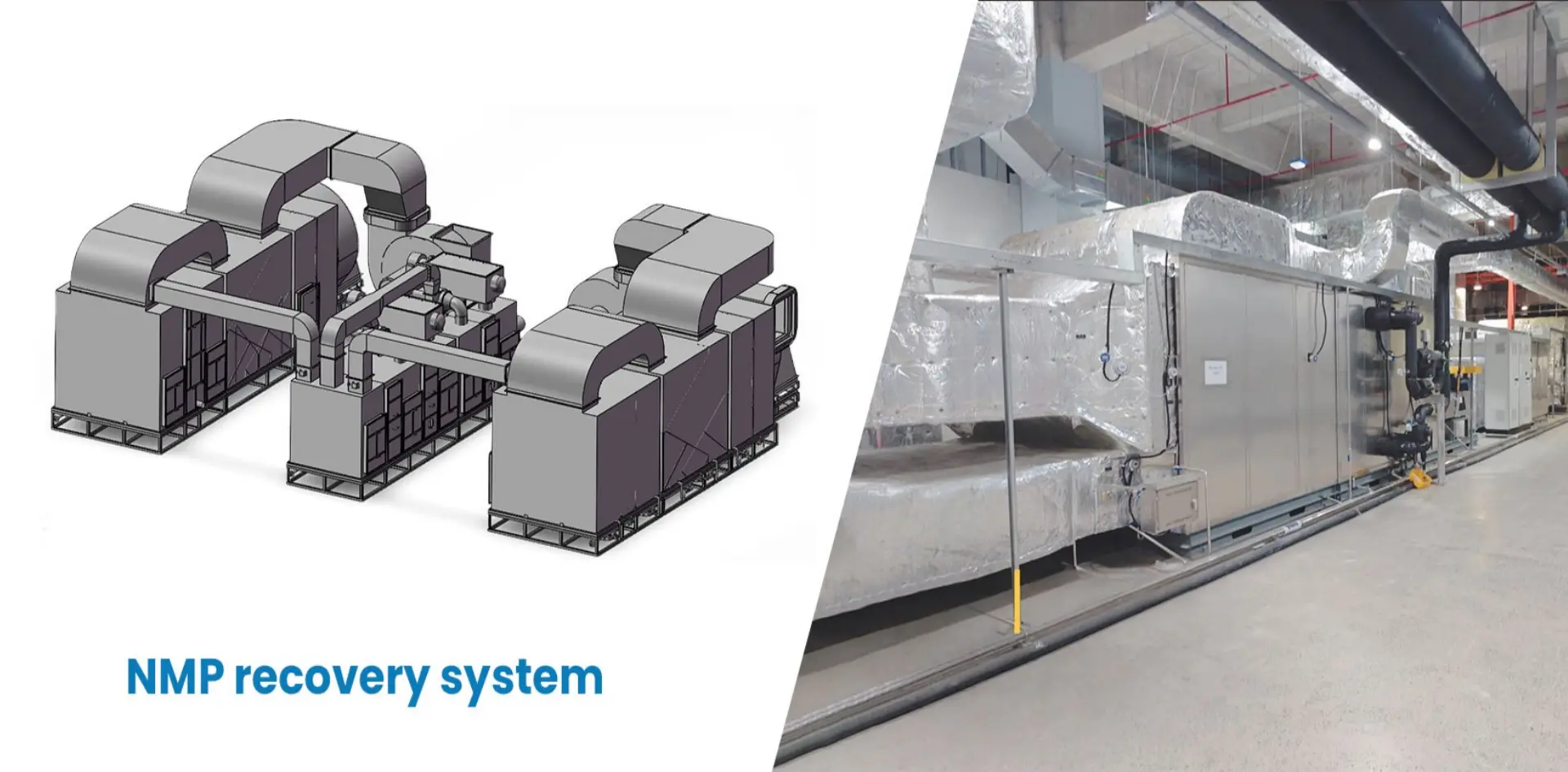 Low Carbon
Compact Compact Dehumidifier
Skid-mounted plug-and-play climate control engineered for cleanroom test facilities and pilot plants.
Unit ProfilesDecarbonization, Gigawatt Scaling, and Micro-Climate Architecture
A technical examination into why precise dew point management dictates commercial yield in clean technology manufacturing.
Global Energy Transition Challenges
As the international clean energy paradigm shifts from megawatt projects to gigawatt facilities, environmental tolerance envelopes tighten drastically. In lithium battery cell manufacturing, cathode hygroscopy instantly accelerates hydrolysis upon atmospheric moisture exposure, forming trace amounts of hydrofluoric acid (HF). This degradation permanently degrades cyclic capacity and induces severe thermal runaway hazards. Hangzhou DryAir pioneers the supply of ultra-low -70°C dew point dry rooms to effectively nullify moisture contamination risks across high-throughput production lines.
Thermal Regeneration OPEX Compression
Traditional desiccant wheel reactivation accounts for up to 45% of total plant HVAC energy consumption. Macroeconomic constraints dictate that modern manufacturing facilities implement closed-loop waste heat harvesting and dual-stage condensative purge pathways. DryAir achieves an operational expenditure (OPEX) contraction of over 32% across operational installations by interfacing industrial waste heat loops and heat pumps into the desorption stream, satisfying stringent European and North American carbon border requirements.
Stringent Global Cleanroom Norms
International industrial standards, including ISO 14644-1 for cleanrooms and EU GMP Annex 1 revisions for sterile and hygroscopic product synthesis, require unyielding atmospheric reliability. Industrialists are shifting from decentralized, single-purpose hardware toward integrated compact units capable of modulating relative humidity within ±1% deviations under continuous dynamic mechanical load fluctuations and varying ambient weather extremes.
Engineering Depth You Can Audit
Rooted in Hangzhou since 2010, DryAir bridges fundamental material thermodynamics with turnkey industrial system integration.
Tier-One Battery Maker Verification
Our engineered systems have been deployed across globally recognized names including CATL, ATL, BYD, EVE Energy, Farasis, Envision, and SVOLT, along with international leaders such as Tesla, Northvolt, and TTI. We understand real-world engineering risks such as casing air leakage, latent infiltration loads from cleanroom operations, and unstable regeneration dew spikes, systematically eliminating these factors at the design stage.
Full Regulatory Export Compliance
To eliminate barrier-to-entry friction across global installations, our units conform to rigorous jurisdictional codes. DryAir equipment holds certifications for CE (European Directives), UL (Underwriters Laboratories), CSA (Canadian Standards Association), ASME (Boiler and Pressure Vessel Code), and EAC (Eurasian Conformity). Every production run operates under ISO 9001 quality infrastructure and China's GJB national military-grade standard.
Full-Spectrum Turnkey EPC Responsibility
Rather than acting solely as an equipment vendor, DryAir acts as a single-point Turnkey EPC partner. Our delivery workflow seamlessly bridges pre-sales micro-climate diagnostics, load matrix psychrometric modeling, precision rotor fabrication, structural assembly, integrated on-site testing, dew point commissioning, and long-term remote diagnostics.
Dew Point Selection Guide by Application
Identify optimal target environments to avoid under-specifying product safety or over-spending on cooling energy.
| Application Scenario | Typical Target | Critical Engineering Challenge | Recommended Configuration |
|---|---|---|---|
| Lithium-ion Cell Assembly & Electrolyte Filling | -40°C to -60°C DP | Moisture reactions form corrosive hydrofluoric acid (HF), degrading cell life. | Turnkey Dry Room System |
| Solid-State & Next-Gen Lithium Metal | Down to -70°C DP | Extreme air-purity envelope required to prevent ignition of metallic lithium. | Ultra-Low DP Rotary Dehumidifier |
| Cathode Coating & Exhaust Drying | ≥99% Solvent Recovery | Exhaust carries volatile N-Methyl-2-pyrrolidone requires recovery without VOC escape. | ZJRH Series NMP Recovery |
| Hygroscopic Pharma Powders & Gelatin Capsules | 10% – 30% RH | Powder clumping and gelatin soft-shell failure in sterile packaging suites. | GMP Compact Dehumidifier |
| Military Equipment & Ammunition Storage | ≤40% RH | Electrochemical surface corrosion, propellant decay, and optics degradation. | GJB Certified Defense Systems |
| General Warehouse Pre-Cooling & Logistics | 45% – 60% RH | Surface condensation on raw inventory and bulk packaging spoilage. | Refrigerative Dehumidifier |
| Fuel Loading Terminals & Petrochem Storage | Strict Emission Limits | Fugitive hydrocarbon vapors pose volatile atmospheric hazards. | Deep-Cooling + RTO VOC System |
Next-Generation Rotor Science & Autonomous Control
Anticipating clean manufacturing trends from 2025 to 2030 through applied material science.
Metal-Organic Frameworks (MOF)
Traditional silica gel and molecular sieve rotors are approaching thermodynamic capacity limits. DryAir's material laboratories are integrating engineered Metal-Organic Frameworks (MOFs) and carbon nano-structures into substrate honeycombs. This boosts water-adsorption capacity by 40% while lowering necessary reactivation temperatures from 140°C down to 85°C, making low-grade factory waste water heating feasible for full wheel regeneration.
Cloud AI Micro-Climate Telemetry
Operating a -70°C dry room demands continuous tuning against weather shifts and shift-change personnel loads. DryAir equips its compact and plant-wide series with AI edge-computing logic. The system balances heater output, blower speeds, and wheel rotation in real time using psychrometric prediction models, cutting energy use during low-activity shifts while maintaining steady dew points.
Eco-Refrigerants & Circular Solvent Loops
In step with F-Gas phase-downs and the Kigali Amendment, DryAir is redesigning its pre-cooling refrigeration circuits around ultra-low GWP options (R290, R1234ze, and CO2 cascade systems). Meanwhile, our NMP recovery line operates on closed-loop condensation, returning purified solvent directly back into the slurry line at lower overall emissions.
Frequently Asked Questions
Key information regarding integration timelines, customization capabilities, and field support.
What is the absolute lowest dew point achievable by DryAir desiccant dehumidifiers?
Do you execute full turnkey battery dry room deliveries internationally?
Which regulatory and export safety marks are supplied on DryAir equipment?
What actual recovery and purity rates does the DryAir NMP system deliver?
What global service and field maintenance programs are offered to international operators?
Discover Full-Scale System Configurations
Engineered for mission-critical operations requiring uncompromised moisture extraction.
DHU Ultra
Industrial Desiccant Dehumidifier
Designed for battery dry rooms, electronics assembly, and sensitive military storage spaces.
Direct Inquire
Turnkey Dry Room
Integrated Dry Room Envelope
Airtight cleanroom envelopes combined with continuous deep dehumidification loops.
Turnkey Details
ZJRH Closed
NMP Solvent Distillation Plant
Closed-loop VOC recovery technology returning purified solvents at commercial scale.
Review Models
JEN Purge
Regenerative Thermal Oxidizer (RTO)
Combined deep-freeze and thermal oxidation system addressing heavy VOC vapor streams.
Technical File Compact Smart
Laboratory Compact Dehumidifier
Skid-mounted compact desiccant hardware for research cleanrooms and small-batch processing.
Order Specs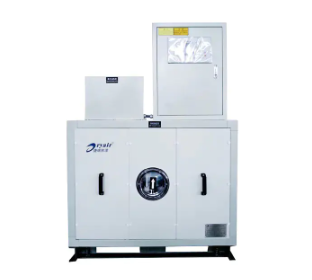 GMP Pure
Pharma Cleanroom Humidity Regulator
Sanitary stainless-steel construction compliant with international cGMP and FDA requirements.
cGMP Profile Defense Grade
Military & Aerospace Preserver
Corrosion-mitigation air systems built strictly to GJB military-grade durability standards.
Defense Case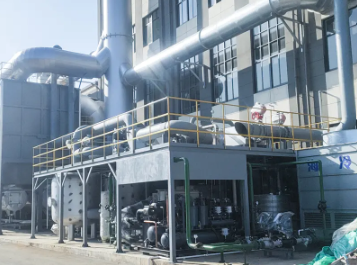 High Recovery
Oil Gas Condensation Skid
Vapor recovery systems designed for fuel loading bays, chemical holding tanks, and refineries.
Gas Recovery