
Core Engineered Dehumidification & Recovery Systems
Engineered to resolve the most challenging latent moisture loads, VOC emissions, and energy efficiency demands in modern automated cleanrooms.
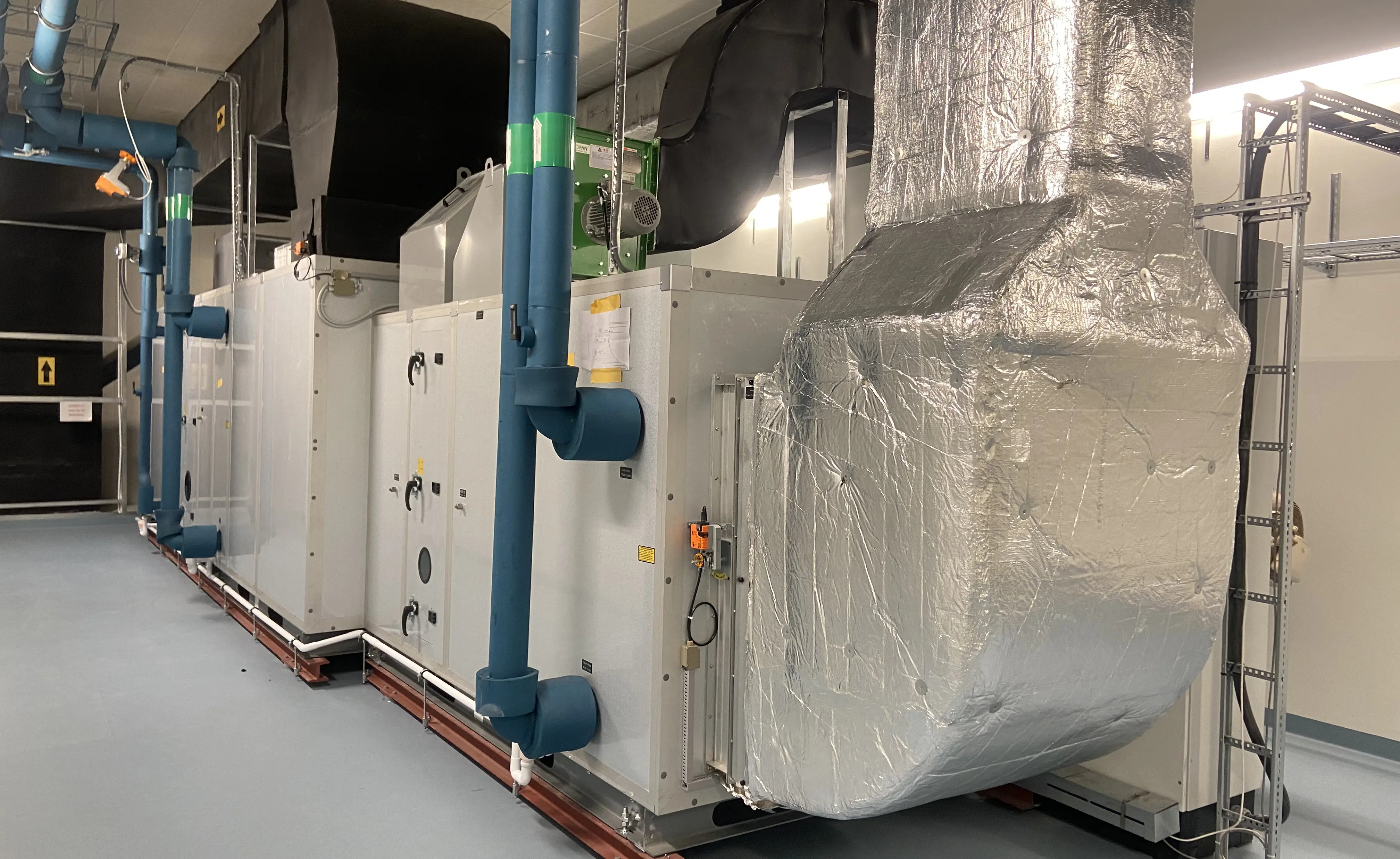 -70°C DP
Desiccant Dehumidifier
DHU series rotary desiccant dehumidifiers deliver stable low-dew-point supply air where mechanical refrigeration hits physical limits.
View Specifications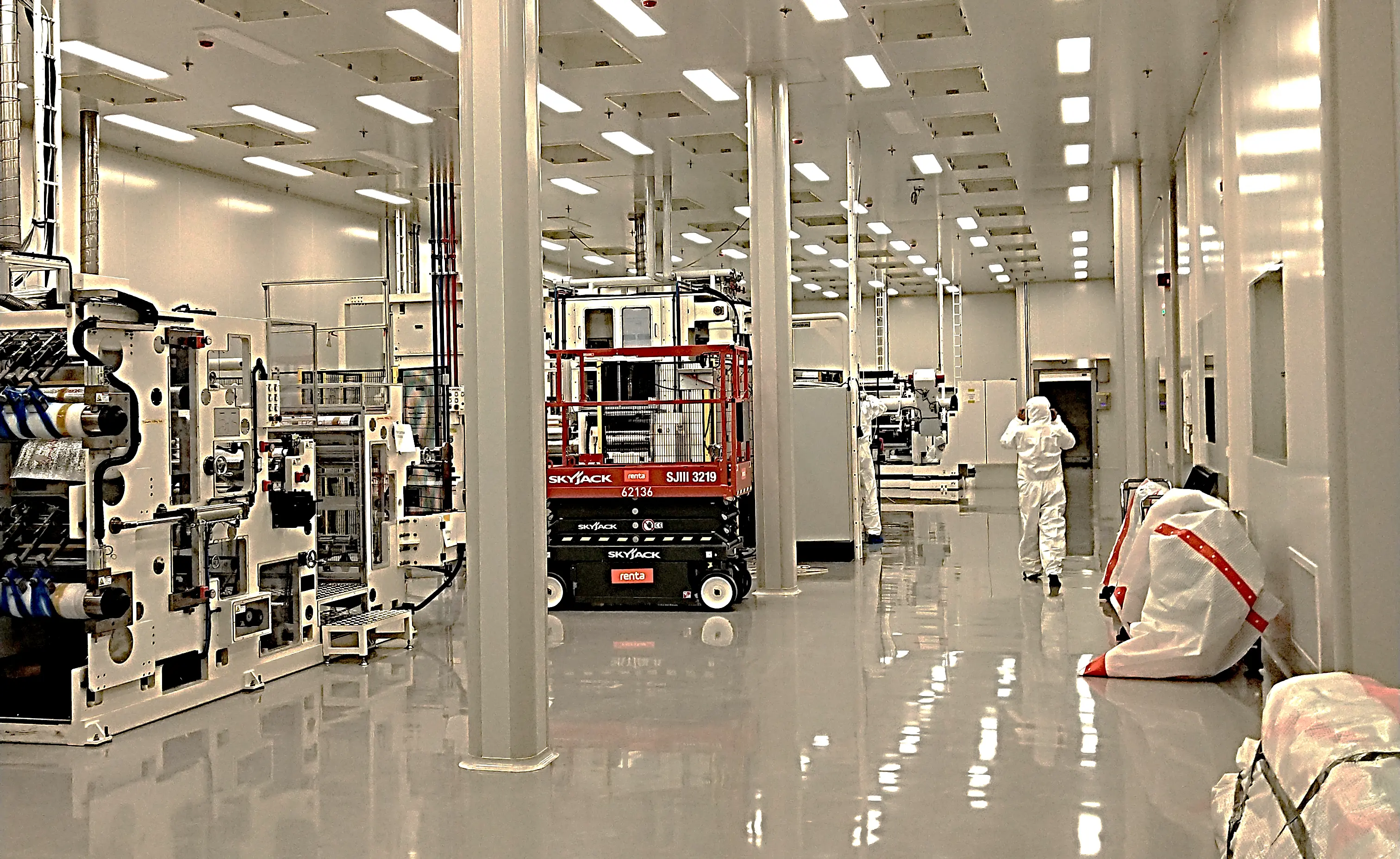 Turnkey EPC
Turn-key Dry Room System
Complete ultra-low humidity rooms including hermetic wall envelopes, specialized HVAC, PLC controls, and dew-point guarantees.
Explore Dry Rooms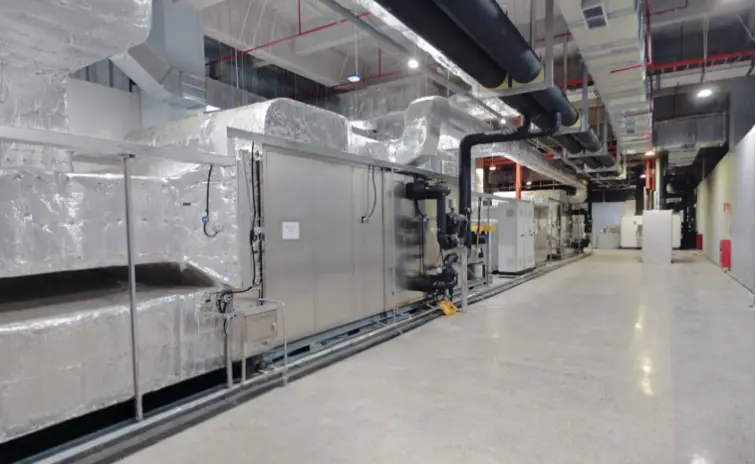 ≥99% Rec
NMP Recovery System
High-efficiency solvent capture for electrode coaters, recycling high-purity N-Methyl-2-pyrrolidone to cut raw operational costs.
Learn More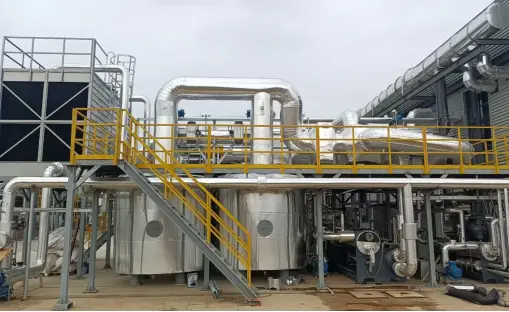 RTO + Clean
VOC Abatement System
Deep-cooling condensation coupled with regenerative thermal oxidation (RTO) to eliminate hazardous hydrocarbon stack emissions.
Learn MoreRefrigerative Dehumidifier
Economical gross-moisture removal engineered for warehouses, pharmaceutical prep areas, and precooling air stages.
Learn More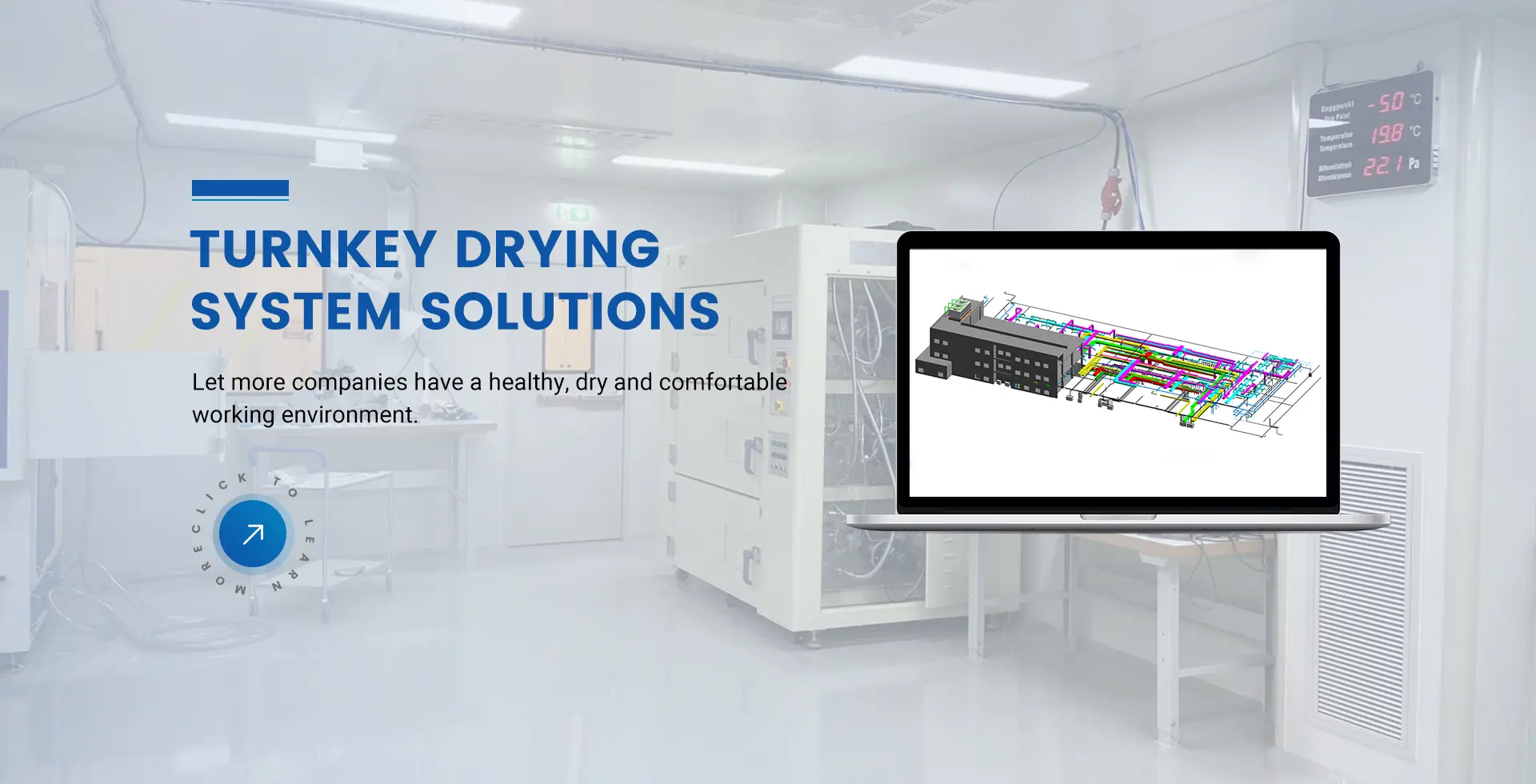 Deep Dry
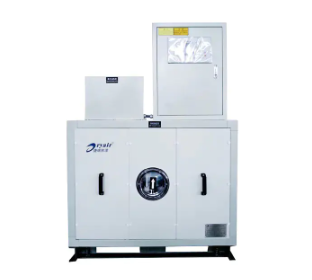
Dual-Rotor Desiccant Skid
Cascaded rotor configuration allowing deep moisture removal down to -60°C and -70°C dew point without chilling brine coils.
View Skids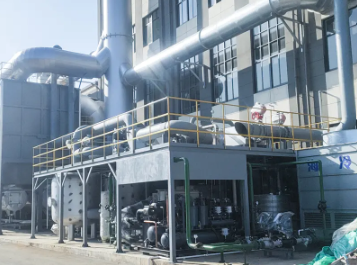 Recovery
Petrochemical Vapor Recovery
Specialized condensing units engineered for fuel loading docks, volatile hydrocarbon storage terminals, and chemical tanks.
Explore Solution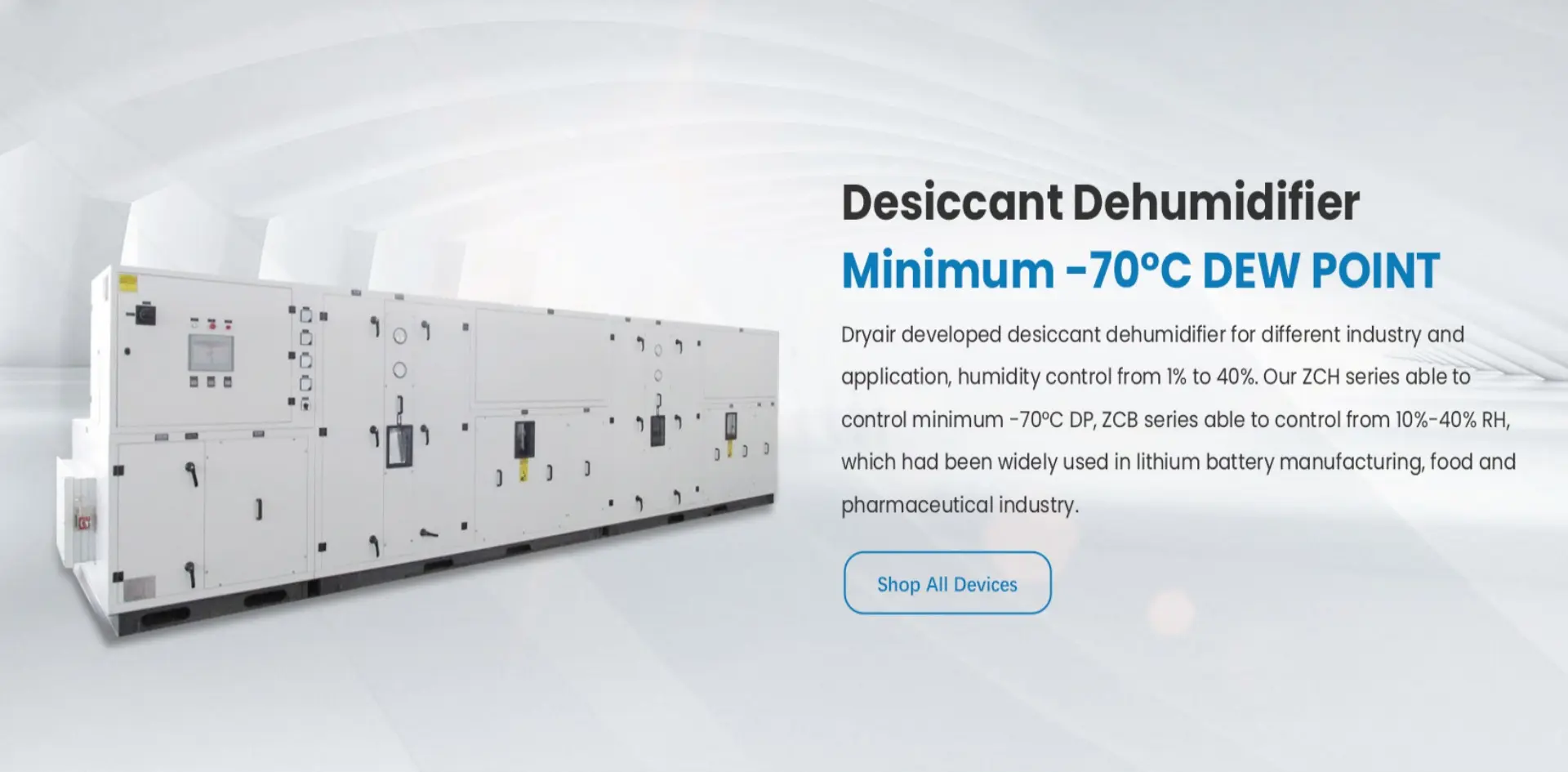 Modular EPC
Modular Clean Dry Room
Fast-track modular containment architectures tested for rapid overseas deployment with guaranteed air leakage compliance.
View Modular RoomsPrinciples of Sub-Zero Moisture Extraction & Thermal Regeneration
Achieving stable dew points below -50°C requires moving beyond simple condensing coils into precision-engineered chemical adsorption, dynamic perimeter sealing, and optimized desiccant thermal recovery.
Advanced Chemical Rotor Synthesis
The core of our systems utilizes a monolithic, corrugated composite structure densely synthesized with active silica gel or synthesized 3A/4A/13X molecular sieves. The active desiccant is permanently bonded to the inorganic fiber substrate, ensuring zero chemical dusting into ISO class cleanrooms.
- High moisture uptake capacity even at <5% relative humidity
- Inorganic ceramic matrix resistant to aggressive organic vapors
- Mechanical honeycomb design maximizes surface contact area
Perimeter Air Isolation & Seals
Bypass leakage is the primary cause of system failure in sub-zero applications. Hangzhou DryAir integrates proprietary double-lip silicone perimeter seals with pressurized purge sectors. This prevents moist process or ambient air from migrating into the ultra-dry process supply airstream.
- Patented radial and peripheral mechanical seal profiles
- Dynamic balance between regeneration and process static pressures
- Suppression of leakage under differential pressures up to 2500 Pa
Thermodynamic Waste Heat Recovery
Desiccant reactivation is naturally energy-intensive. DryAir employs dual-stage heat recovery modules, returning sensible thermal energy from the hot reactivation rotor exhaust into the reactivation preheat airstream, cutting standard electrical or steam reactivation power consumption by up to 35%.
- Counterflow heat-wheel and heat-pipe heat recovery integrations
- Modulated SCR electric heating, direct gas, or steam reactivation options
- Variable speed rotor drives tuned automatically via dew point feedback
China's Manufacturing Scale Meets World-Class Engineering
Hangzhou DryAir capitalizes on China's fully integrated industrial supply chain, providing shorter procurement lead times, rigorous vertical quality management, and unrivaled economy of scale.
Vertical Manufacturing Integration
From sheet metal CNC punching, laser cutting, and robotic panel foaming to rotor assembly and multi-zone functional testing, over 85% of processes are executed in-house at our Hangzhou headquarters. This minimizes reliance on third-party fabrication sub-tiers, directly controlling delivery timelines and dimensional tolerances.
Full Factory Pre-Commissioning
Every industrial unit undergoes dynamic testing in our in-house environmental test laboratory prior to export packaging. We test refrigeration circuits, rotor drive torque, static pressure containment, and electrical controls under simulated target ambient conditions, preventing costly troubleshooting delays on overseas job sites.
Tier-1 Component Sourcing
To ensure global serviceability, DryAir integrates standard world-recognized components, including Siemens PLC and touchscreens, Schneider electric switchgear, Ziehl-Abegg and EBM-Papst fans, Bitzer or Danfoss compressors, and Belimo actuators, ensuring spare parts are readily available worldwide.
Export Verification, Certifications & On-Site Support
Global procurement teams demand verifiable compliance. DryAir systems are engineered to satisfy stringent cross-border regulatory standards, backed by international technical deployment teams.
Multinational Certification Codes
Export units are certified according to regional codes: CE-marked under the Machinery and Low Voltage Directives (EN 60204-1), UL/CSA 1995 compliance for North American electrical panels, ASME-stamped pressure vessels, and EAC certification for the Eurasian Customs Union.
Field Engineering & Commissioning
We deploy factory-trained mechanical and commissioning engineers internationally to oversee assembly, dry room ductwork pressure testing, leakage verification, and controls tuning. Dedicated multi-lingual documentation and training ensure quick handover to facility operators.
IoT Remote Telemetry & Service
Optional integrated cloud telemetry provides continuous monitoring of system metrics including reactivation temperature, rotor rotation, and supply dew points. DryAir technical specialists provide real-time remote diagnostic assistance and an optional 2-year extended warranty service plan.
Mission-Critical Environmental Control Applications
Specific atmospheric parameters vary dramatically by sector. DryAir designs custom environmental systems based on strict chemical tolerance limits.
Lithium Batteries
Moisture decomposes LiPF6 electrolyte into hydrofluoric acid (HF). We maintain -40°C to -70°C dew point in cell assembly and filling rooms.
Pharmaceuticals
Prevents powder agglomeration during tableting, ensures hard gel capsule integrity, and prevents bacterial growth in packaging lines.

Defense & Aerospace
Built under GJB military management standards to safeguard sensitive avionics, rocket solid propellants, and munitions storage.
Petrochemical
Deep chilling condensation modules isolate condensable hydrocarbon vapors during tank breathing, rail car, and tanker loading.

Semiconductors
Stabilizes relative humidity within ±1% RH inside photolithography tracks to prevent mask hazing and wafer oxidation.
Engineering Selection Guide: Target Dew Point vs. Technology
Selecting the correct mechanical configuration prevents oversized initial CAPEX and continuous overconsumption of reactivation energy.
| Manufacturing Application | Required Dew Point / Target | Recommended System Architecture | Core Mechanism |
|---|---|---|---|
| Lithium-Ion Cell Assembly & Filling | -40°C to -60°C DP | Turnkey Dry Room System | Dual-stage desiccant rotor with pre-cooling and intermediate chillers. |
| Next-Gen Solid-State & Li-Metal Batteries | -60°C to -70°C DP | DHU Series Ultra-Dry Desiccant Unit | Synthesized 4A molecular sieve rotor with closed-loop purge cycle. |
| Electrode Slurry Coating & Drying Exhaust | ≥99% Solvent Capture | ZJRH Series NMP Recovery Plant | Multi-stage condensing coils with secondary VOC adsorption runner. |
| Gelatin Capsule & Effervescent Packaging | 10% to 25% RH | Industrial Desiccant Skid | Silica gel honeycomb rotor with modulated thermal regeneration. |
| Aerospace Avionics & Defense Armory Storage | ≤35% to 40% RH | GJB Military-Spec Dehumidifier | Anti-corrosion coated rotor casing with positive pressure injection. |
| Bulk Pharmaceutical & Material Warehouses | 45% to 60% RH | Refrigerative Dehumidifier | Direct expansion (DX) mechanical cooling with scroll compressors. |
| Tank Farm Terminals & Petrochemical Loading | <20 mg/Nm³ Stack VOC | JEN Series VOC Abatement System | Deep condensation down to -30°C plus Regenerative Thermal Oxidation. |
Macro Trends Transforming Industrial Dehumidification
Industrial climate control is undergoing major technical shifts driven by rising energy costs, global giga-scale battery production, and strict ESG compliance regulations.
Gigawatt Scale & Footprint Optimization
As battery plants move from individual 10 GWh facilities to multi-phase 50 GWh sites, single-skid dehumidification capacities have expanded to exceed 100,000 m³/h. DryAir designs integrated skids with stacked vertical arrangements that reduce equipment room footprints by 28% without restricting maintenance access.
Net-Zero Electrification & Low-Carbon Heat
Global manufacturers are phasing out natural gas and fuel-fired heating. DryAir has led this transition by developing high-temperature heat pump-assisted desiccant systems and multi-stage industrial waste-heat water regenerators, enabling battery factories to run on renewable electrical grids.
Predictive Cloud Maintenance & AI Control
Legacy control systems run at fixed speeds, leading to excessive energy consumption during periods of low production activity. Modern DryAir units use predictive psychrometric algorithms that adjust reactivation heating and fan speeds in real time based on changes in ambient weather and room occupancy.
Frequently Asked Questions by Global Engineering Teams
Detailed technical, compliance, and warranty answers compiled from real-world battery, pharmaceutical, and cleanroom projects.
What is the minimum controllable dew point a DryAir desiccant system can deliver?
Can DryAir supply complete turnkey dry room projects outside China?
Which electrical and safety certifications apply to DryAir export products?
What recovery rate and purity does the DryAir NMP recovery system achieve?
What international warranty and on-site after-sales support do you provide?
Engineered Systems Available for Worldwide Dispatch
Select your equipment series below to review detailed psychrometric curves, airflow ranges, dimension prints, and interface requirements.
DHU Model
Desiccant Dehumidifier
Compact-footprint rotary systems with airflow capacities from 500 to 120,000 m³/h, built for round-the-clock cleanroom service.
View Specifications
EPC Packages
Turn-key Dry Room System
Airtight cleanroom envelopes with integrated airlocks, pressure-balanced ducting, and dew points maintained below -50°C.
Explore Dry Rooms
Recovery ≥99%
NMP Recovery System
Cuts operating solvent costs and greenhouse emissions during battery cathode electrode roll coating operations.
Learn More
RTO Exhaust
VOC Abatement System
Regenerative thermal oxidizers and condensing units designed to treat hazardous volatile solvent gas streams.
Learn MoreRefrigerative Dehumidifier
Reliable moisture extraction using premium Copeland or Danfoss compressor circuits for humidity levels between 45% and 60% RH.
Learn More Engineering HQ
Global Engineering Support
Work directly with our factory-trained technical staff for customized psychrometric modeling and process layout reviews.
Global Service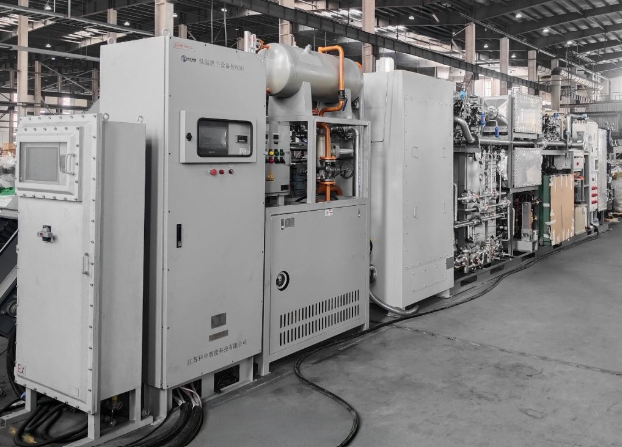 Case Studies
Engineering Whitepapers
Read detailed technical articles covering NMP condensation curves, desiccant wheel energy recovery, and dry room design.
Visit Hot Blog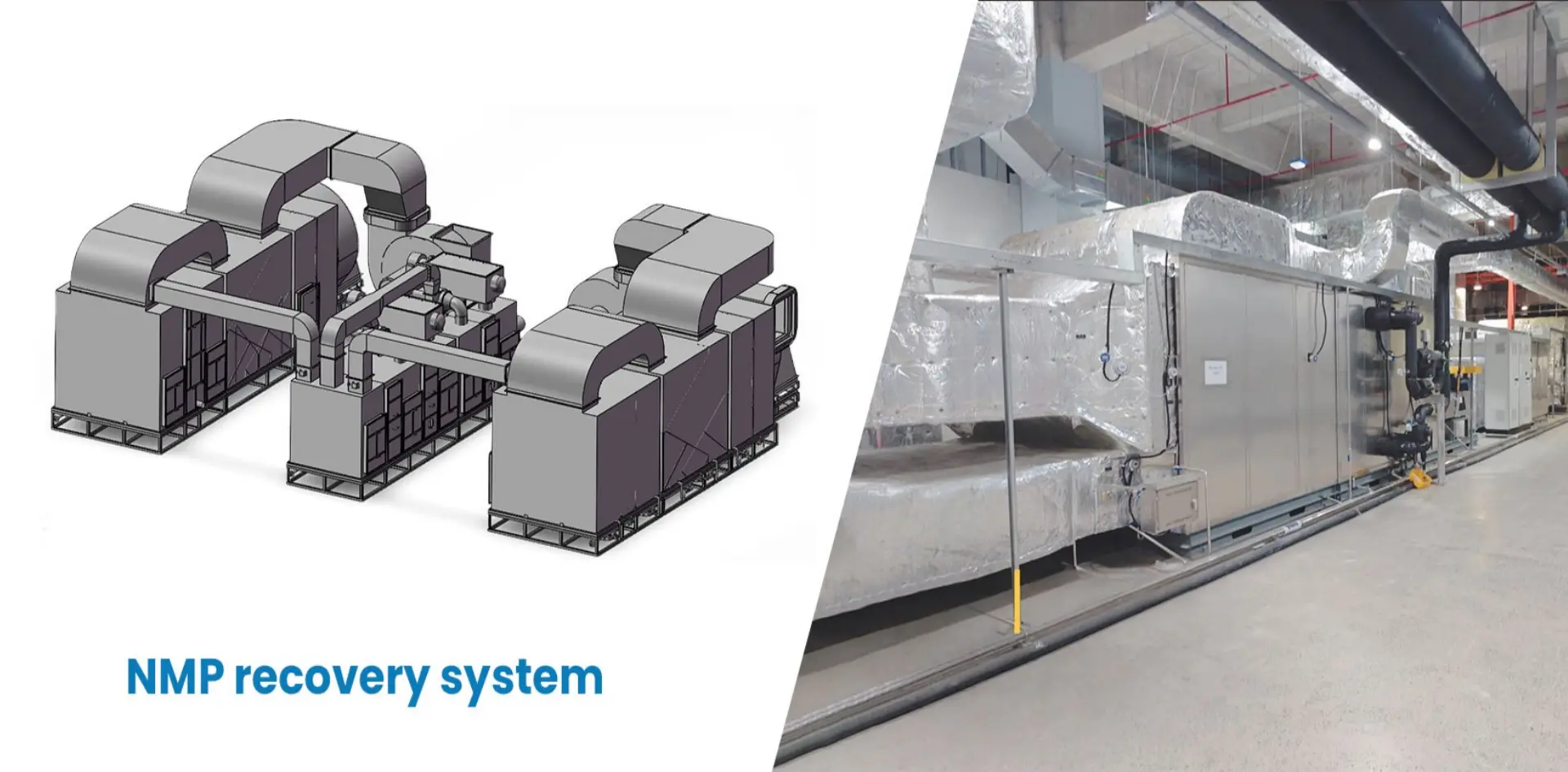 Technical Specs
Complete Engineering Catalog
Download comprehensive PDF catalogs detailing airflow curves, equipment weights, piping schematics, and electrical data.
Request a Catalog