
Precision Environmental Control Product Series
Engineered for mission-critical industrial processes requiring absolute dew point control, high solvent recovery, and zero-downtime operation.
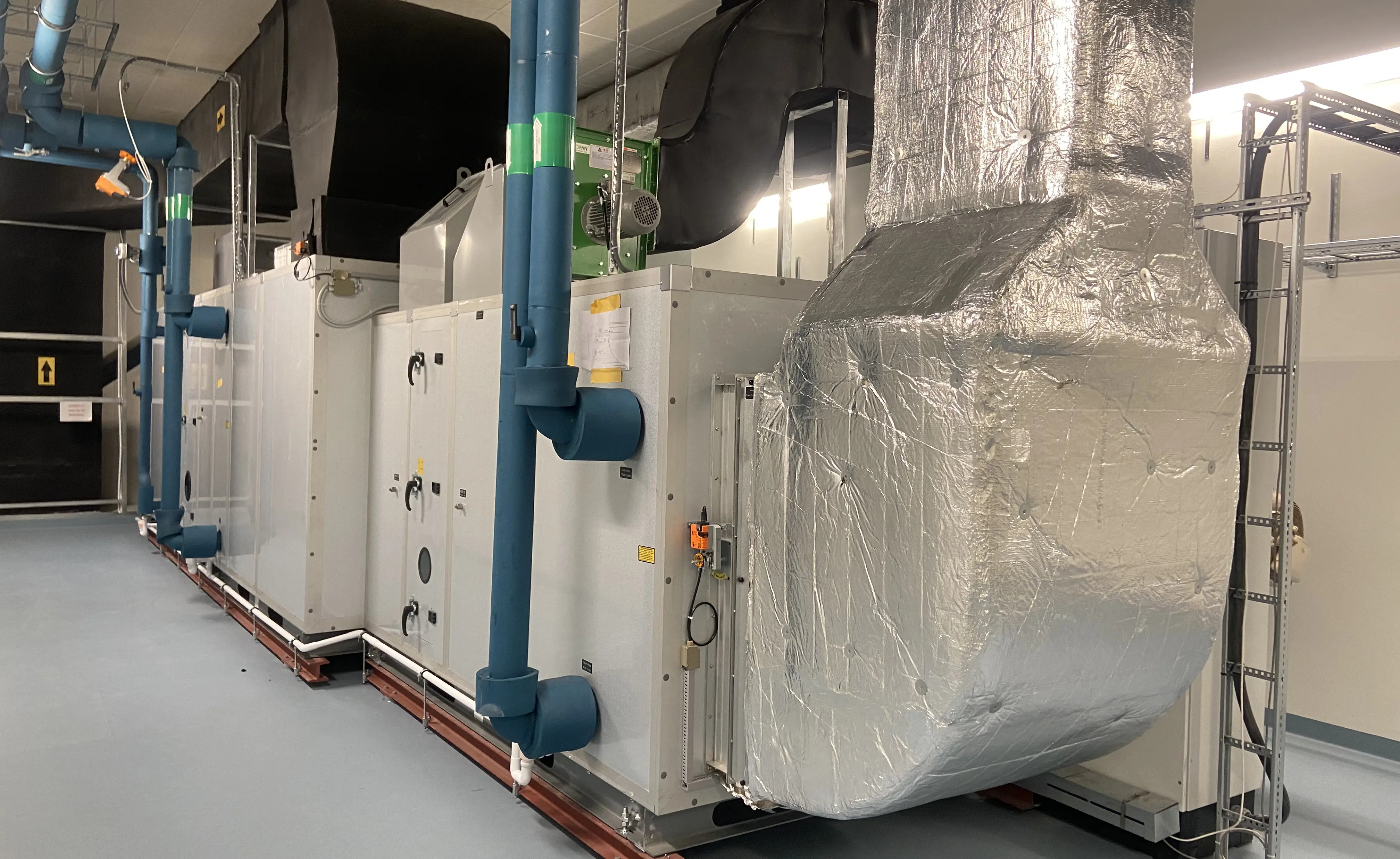
Rotary Desiccant Dehumidifier
Delivering continuous supply air down to -70°C dew point using advanced silica-gel zeolite rotors.
Explore Solutions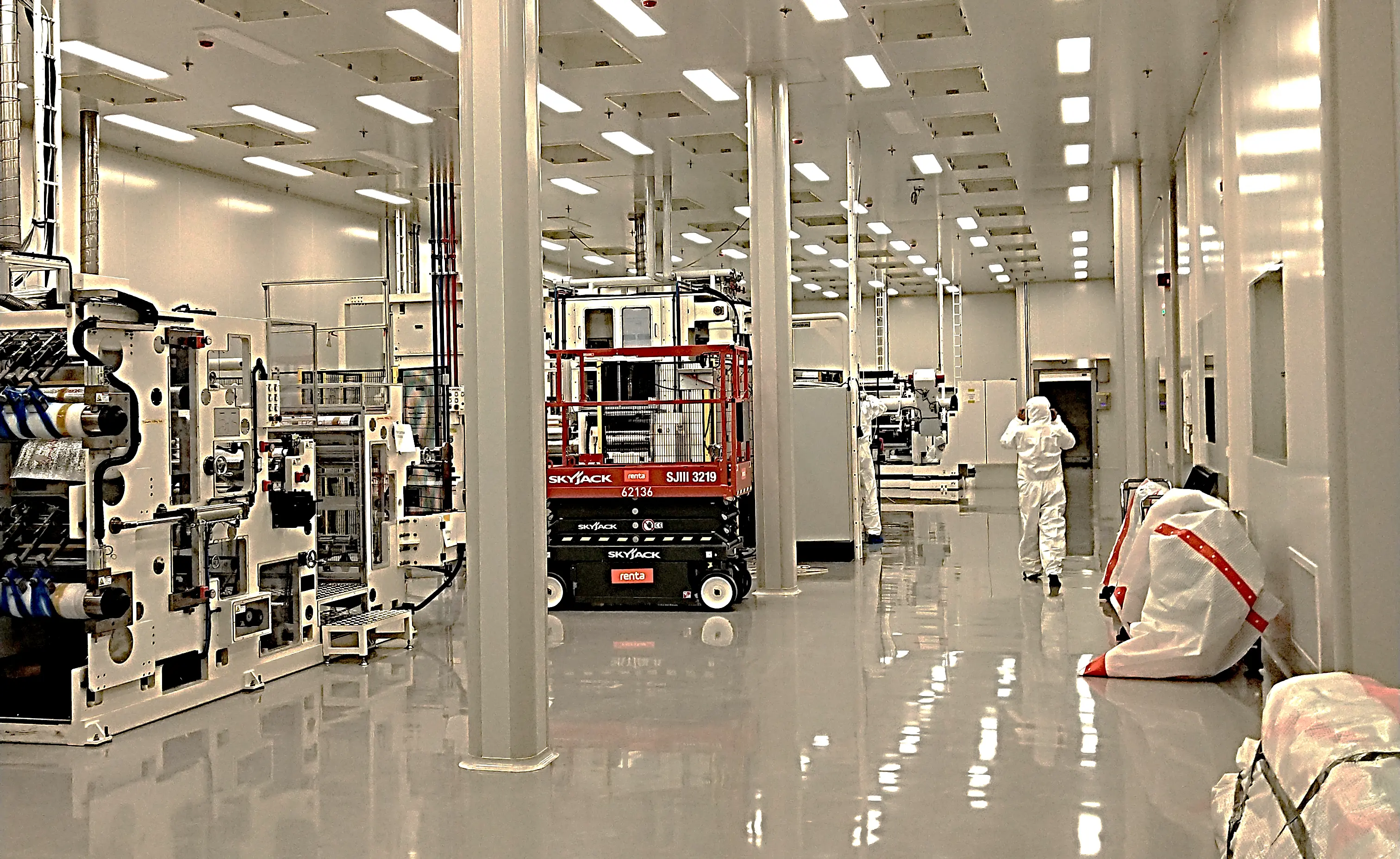
Turn-key Dry Room System
Complete EPC delivery of modular cleanroom dry rooms for battery cells and solid-state chemistry.
Explore Solutions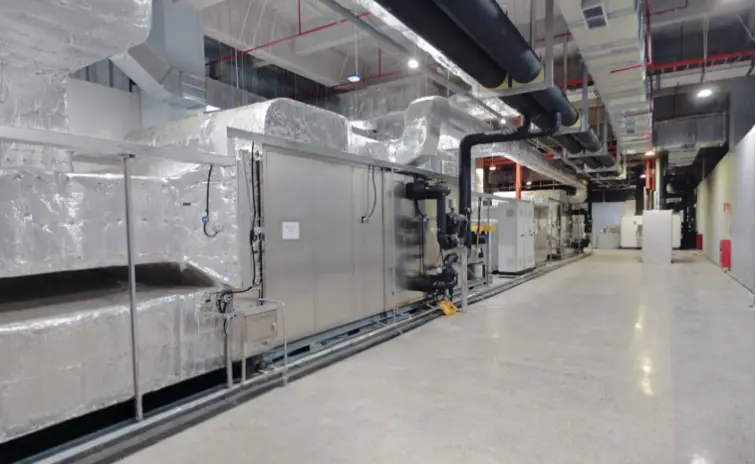
NMP Solvent Recovery System
Recovers ≥99% of N-Methyl-2-pyrrolidone from lithium battery electrode coating lines.
Explore Solutions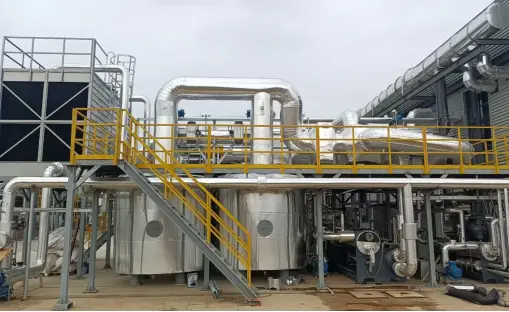
VOC Abatement System
Combines deep cooling condensation with Regenerative Thermal Oxidizers (RTO) for zero emission risk.
Explore Solutions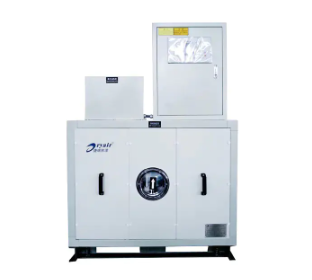
Refrigerative Dehumidifier
High-capacity moisture extraction tailored for industrial storage, warehouses, and pre-cooling.
Explore Solutions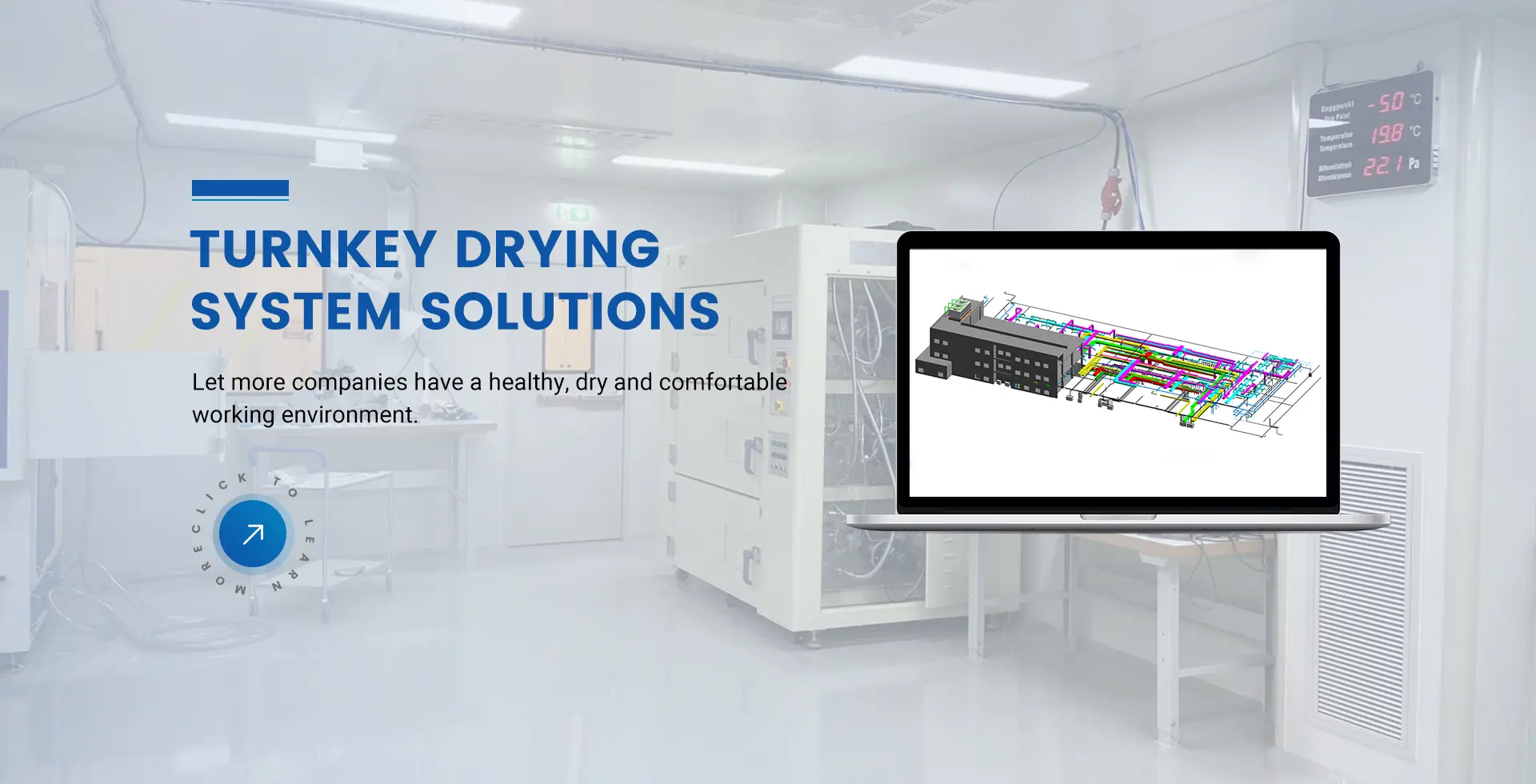
Ultra-Low Dewpoint DHU
Engineered multi-stage rotor configuration maintaining stable -50°C to -70°C dew point zones.
Explore Solutions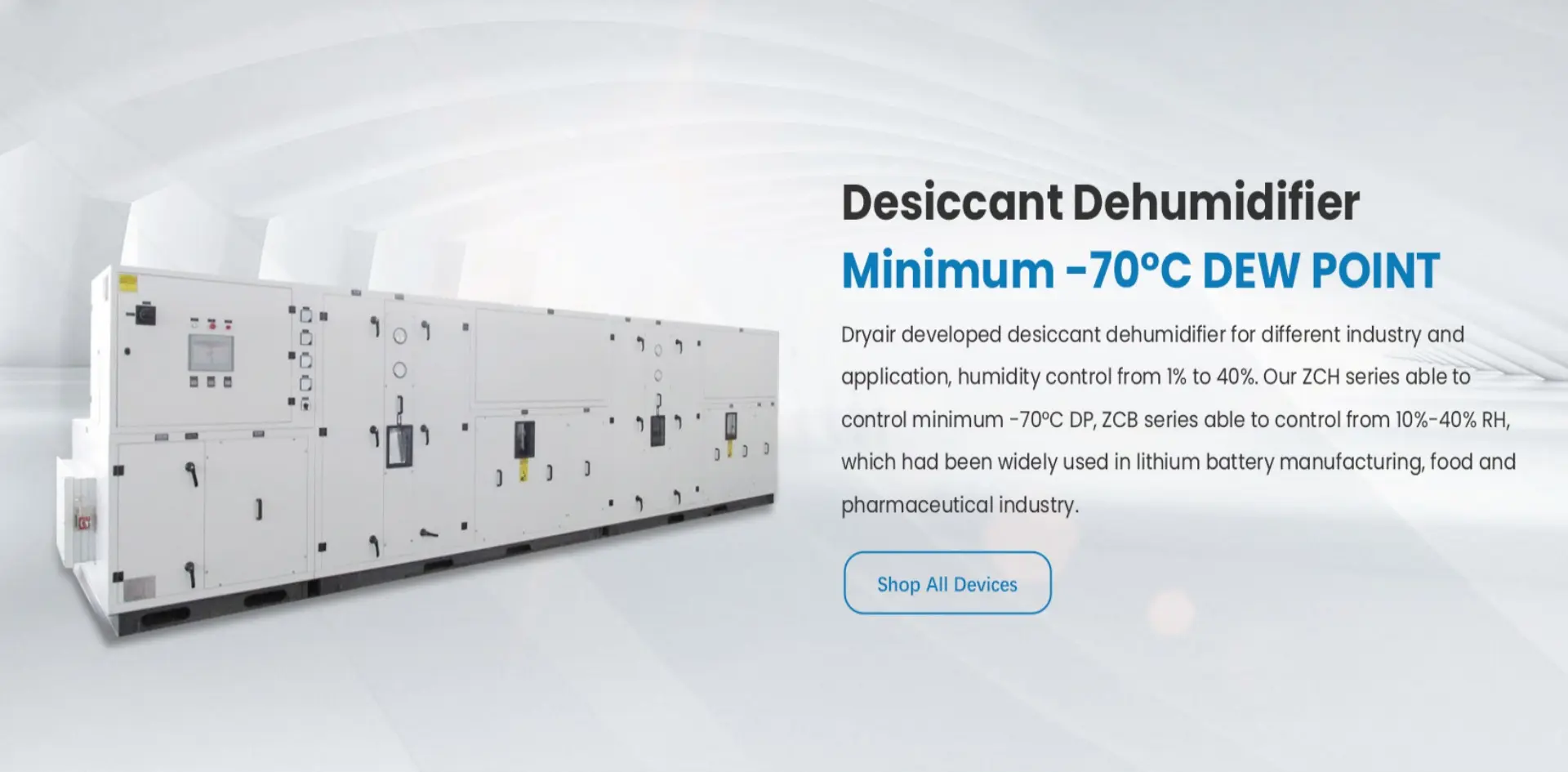
Gigafactory Dry Room Enclosure
Industrial airtight paneling engineered for minimal air leakage and extreme latent load rejection.
Explore Solutions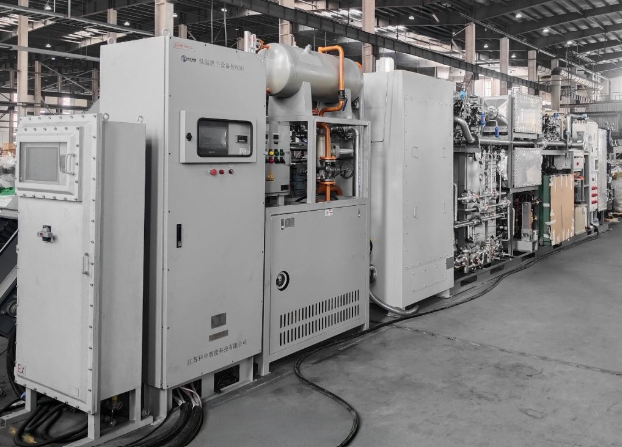
ZJRH Industrial NMP Recycler
Closed-loop thermal condensation process reducing raw solvent purchases for electrode lines.
Explore Solutions1. Global Industrial Landscape & Market Dynamics of Industrial Dehumidification
The global industrial dehumidification sector is experiencing a paradigm shift driven by the exponential expansion of lithium-ion battery gigafactories, advanced biopharmaceutical processing, aerospace manufacturing, and green energy transitions. Precision moisture control has evolved from a utility requirement into a critical yield-determining production variable. As battery chemistries advance toward high-nickel cathodes, lithium-metal anodes, and solid-state architectures, the tolerance for ambient moisture during assembly has contracted to near-zero levels.
Historically, standard HVAC systems or single-stage refrigerative dehumidifiers catered to humidity control down to 35% Relative Humidity (RH). However, advanced advanced industrial sectors—specifically battery cell formation, electrolyte filling, and moisture-sensitive active pharmaceutical ingredient (API) synthesis—demand continuous dew point control ranging from -40°C DPT (Dew Point Temperature) to -70°C DPT (equivalent to less than 0.5% RH at 20°C).
China has emerged as the global epicenter for ultra-low dew point desiccant technologies, accounting for over 65% of global dry room equipment manufacturing. Driven by aggressive gigafactory rollouts across Asia, Europe, and North America, manufacturers like Hangzhou DryAir Treatment Co., Ltd. bridge high-capacity engineering with extreme operational energy efficiency, displacing legacy Western providers through superior thermal recovery algorithms and lower total cost of ownership (TCO).
2. Industry Trends, Innovation Drivers & Technical Roadmap (2025–2030)
Rising energy costs and stringent environmental regulations (such as the EU Green Battery Pass and US EPA emissions limits) are forcing plant managers to rethink dry room architecture. Key technological trajectories shaping the market include:
Low-Temperature Heat Regeneration
Legacy desiccant wheels require high reactivation temperatures (120°C–140°C). Next-gen rotors engineered by DryAir operate with regeneration air stream temps down to 70°C–90°C, permitting the utilization of industrial waste heat or heat pumps.
Multi-Stage Purge & Heat Recovery Loops
By integrating closed-loop purge sectors within the desiccant rotor matrix, sensible heat is recycled back into the reactivation airstream, reducing overall HVAC thermal energy consumption by 25% to 35%.
AI-Driven Predictive Dew Point Control
Integration of IoT sensor arrays and dynamic algorithms that adjust rotor speed, fan VFDs, and burner outputs real-time based on actual door openings, personnel density, and outside ambient enthalpy fluctuations.
Technology Horizon: Dry Room Engineering Milestones
| Technology Horizon | Target Dew Point | Core Innovation | Key Target Industry |
|---|---|---|---|
| Generation I (Current Standard) | -40°C to -50°C DPT | Silica Gel Synthetic Rotor + Single Stage Pre-cooling | Standard Li-ion Cell Assembly (NMC/LFP) |
| Generation II (High Efficiency) | -50°C to -60°C DPT | Molecular Sieve + Double Rotor Purge + Heat Wheel Recovery | High-Nickel Cathode & Sodium-Ion Battery Dry Rooms |
| Generation III (Ultra-Deep Dry) | -65°C to -75°C DPT | Nano-Porous Composite Desiccant Matrix + Deep Sub-Zero Chilling | Solid-State Battery & Lithium Metal Cell Pilot Lines |
3. Technical Deep-Dive: Thermodynamics of -70°C Dew Point Engineering
Achieving supply air dew points below -60°C is technically impossible using mechanical refrigeration alone, as water vapor freezes on cooling coils, blocking airflow. Adsorption dehumidification relies on vapor pressure differentials between the process airstream and the surface of a porous desiccant material embedded within a rotating honeycomb structure.
At Hangzhou DryAir, our specialized desiccant rotors utilize synthesized ceramic-bound molecular sieves co-synthesized with active silica gel. The micro-porous structure features pores controlled down to 3 to 10 Angstroms (Å), perfectly matched to moisture molecule diameters while rejecting hydrocarbons and VOC contaminants.
The Psychrometric Equation of Desiccant Adsorption
W_out = W_in - (Mw / (G * ρ_air)) * η_adsorption
Where: W = Moisture Content (g/kg dry air), Mw = Mass rate of water vapor removed, G = Volumetric Airflow (m³/h), ρ = Air Density, η = Rotor Adsorption Efficiency Factor.
To guarantee stable -70°C DPT, DryAir implements a dual-rotor cascade configuration (ZDF Series). Air passes through a primary pre-cooling coil (chilled to 7°C), enters the primary desiccant rotor bringing dew point down to -20°C, undergoes secondary chilling, and enters the ultra-deep molecular sieve rotor to reach -70°C DPT before HEPA filtration into the dry room envelope.
4. Comprehensive Macro Industry Solutions & Localized Applications
DryAir tailors environmental control equipment around specific process sensitivities, avoiding generic off-the-shelf sizing.
A. Lithium-ion & Solid-State Battery Gigafactories
Moisture ingress during cell assembly reacts with lithium salts (LiPF6) in the electrolyte, creating corrosive Hydrofluoric Acid (HF), destroying cell capacity and triggering thermal runaway risks.
- Target Zone: Electrode Winding, Stacking, Tab Welding, Electrolyte Filling.
- Parameter Standard: Dew point held strictly between -40°C to -60°C DPT.
- System Integration: Turn-key Dry Room enclosure + DHU Series desiccant system + NMP Solvent Recovery integration.
B. Pharmaceutical Processing & Bio-Cleanrooms
Hygroscopic active powders absorb room humidity, causing clumping during tableting, capsule fill degradation, and microbial growth in processing facilities.
- Target Zone: Effervescent Tablet Packaging, Spray Drying Towers, Lyophilization.
- Parameter Standard: 15% to 25% RH control at 20°C ambient, meeting cGMP and US FDA standards.
- System Integration: Stainless steel casing, washable desiccant wheels, and integrated HEPA terminal modules.
C. Aerospace, Defense & GJB Military Storage
Military hardware, missile guidance systems, and aerospace composite carbon fiber layups require zero micro-condensation during storage and bonding phases.
- Standard Adherence: Built strictly according to GJB national military standard quality specifications.
- Parameter Standard: RH maintained under 30% continuously in unheated hangars.
- Equipment Package: Mobile heavy-duty refrigerative & desiccant dehumidifiers.
D. Petrochemical & VOC Solvent Recovery (NMP)
Cathode coating operations release toxic N-Methyl-2-pyrrolidone (NMP) vapor. Capturing NMP is essential for environmental compliance and raw material economy.
- Efficiency Standard: Recovery rate reaching ≥99% with exhaust concentrations <20 ppm.
- Technology Combination: Multi-stage cooling condensation plus secondary rotor concentration and RTO abatement.
5. Hangzhou DryAir Verification, R&D Rigor & Export Certifications
Trust in ultra-low humidity engineering is earned through physical measurement, mathematical modeling, and international certification compliance. Hangzhou DryAir Treatment Co., Ltd. operates state-of-the-art testing rigs validated under real-world conditions.
Technical R&D Staff
Our engineering backbone includes:
- 6 PhD & Master Degree Thermodynamics Specialists
- 2 National Registered Senior HVAC Engineers
- 8 Dedicated Dry Room Project Managers
- 58 Certified Fabrication & Field Technicians
International Certifications
Export-ready compliance packages:
- CE Certificate: Full compliance with EU Machinery Directives
- UL & CSA Standards: Tailored panels for North America
- ASME Code: Certified pressure vessels for recovery units
- EAC Certification: Seamless EAEU regional integration
Global Client Track Record
Delivered dry room environments for tier-one global manufacturing leaders including:
Tesla, Northvolt, CATL, ATL, BYD, EVE Energy, Farasis Energy, Envision AESC, SVOLT, and TTI.
6. Technical Selection Guide: Sizing a Dehumidification System
Selecting the appropriate dehumidifier requires analyzing six core variables to prevent under-sizing (resulting in off-spec room humidity) or over-sizing (excessive CAPEX and ongoing electrical load).
| Design Parameter | Engineering Impact | DryAir Assessment Methodology |
|---|---|---|
| 1. Fresh Air Volume (m³/h) | Dictates positive pressurization and fresh oxygen for personnel. | Calculated based on personnel count plus envelope leakage replacement (typically 1.0 to 2.5 air changes per hour). |
| 2. Personnel Latent Load | Human skin respiration adds 40g to 80g of water moisture per person per hour. | Factored into internal moisture gain calculations based on shift density and suit permeability. |
| 3. Door Ingress Load | Airlock door cycles introduce ambient moisture spikes. | Mitigated via dynamic air showers and buffer anterooms kept at -20°C DPT. |
| 4. Enclosure Leakage | Panel joints permit vapor diffusion driven by high vapor pressure differential. | DryAir airtight panel systems feature continuous dual-gasket sealing systems. |
| 5. Desiccant Rotor Reactivation Source | Determines operational electrical vs steam utility cost (OPEX). | Engineered options for Direct Electrical, Steam Coil, Gas-Fired, or Heat-Pump Waste Heat recovery. |
7. Frequently Asked Questions (Technical & Procurement Q&A)
Direct answers to complex questions encountered during engineering specification and RFQ procurement phases:
Featured Industrial Systems & Technical Solutions
Select your application parameter below to request detailed engineering catalog data and full psychrometric performance curves.
Desiccant Dehumidifier
Standard and ultra-low dew point models for low RH industrial environments.
View Specifications
Turn-key Dry Room System
Comprehensive EPC solution from consulting to final dew point commissioning.
Explore Dry Rooms
NMP Recovery System
High recovery rate solvent recycling units for battery electrode coater lines.
View NMP Systems
VOC Abatement System
Advanced thermal oxidation and deep condensation environmental systems.
Explore VOC Tech
Refrigerative Dehumidifier
Cost-effective commercial and industrial moisture removal infrastructure.
View Refrigerative Units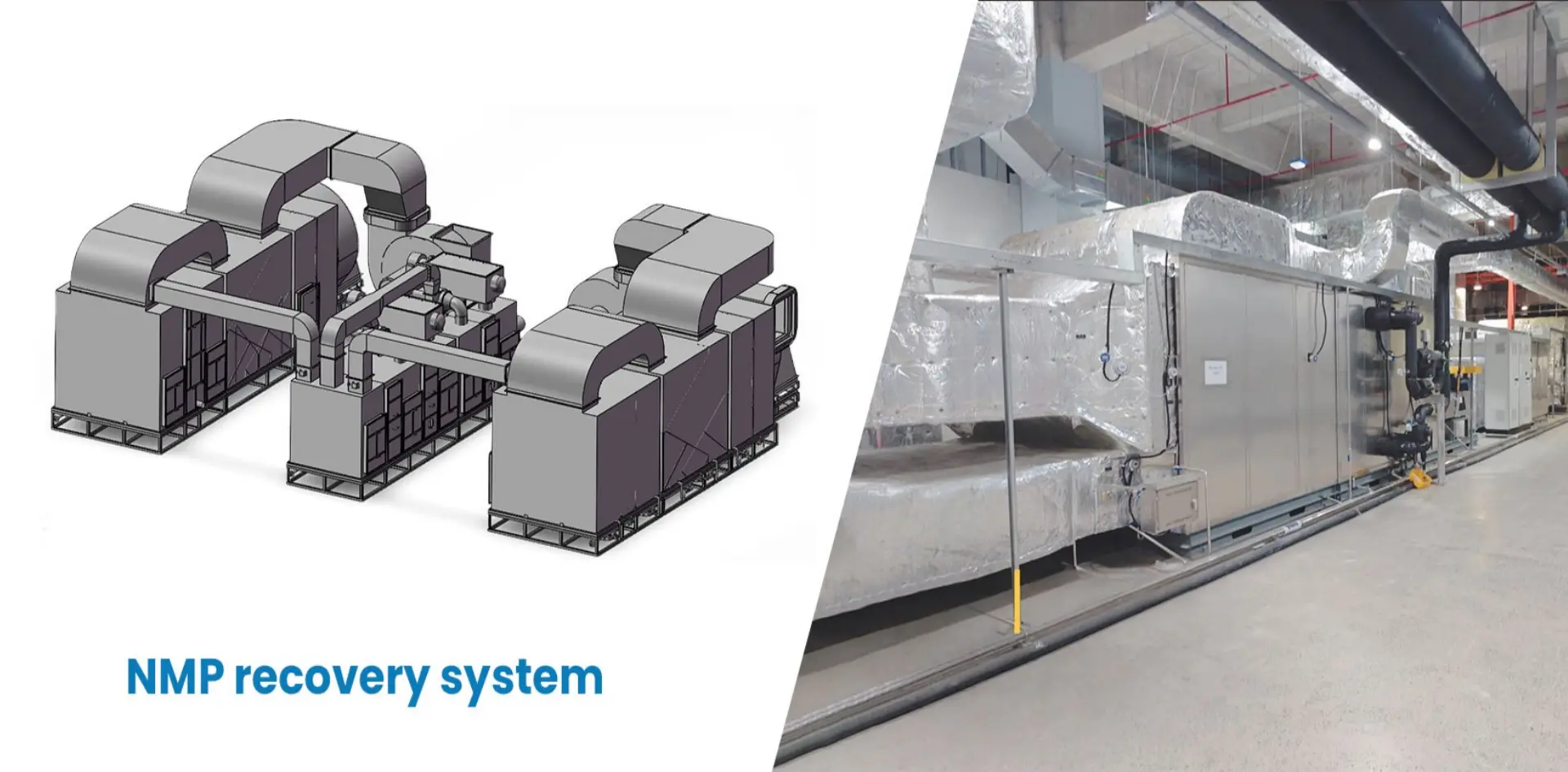
VOC Deep-Cooling Unit
Sub-zero condensation technology for chemical vapor capture during storage loading.
Read Product Details
Custom Modular AHU Systems
Integrated air handling units combining cooling, filtration, desiccant, and control.
Request Custom AHU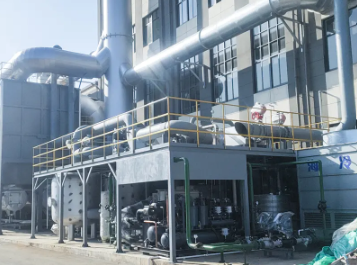
Petrochemical Vapor Recovery
Exhaust treatment systems engineered for hazardous gas environments.
View Petrochemical SolutionsRequest a Custom Psychrometric Calculation & System Quotation
Whether planning a high-capacity gigafactory dry room or upgrading a pharmaceutical cleanroom, our senior HVAC specialists respond with complete thermal engineering proposals within 24 hours.