
Engineered Industrial Dehumidification Core Platforms
Pre-treatment refrigerative dehumidifiers, hybrid desiccant modules, and closed-loop volatile organic recovery platforms built for continuous, high-volume duty cycles.
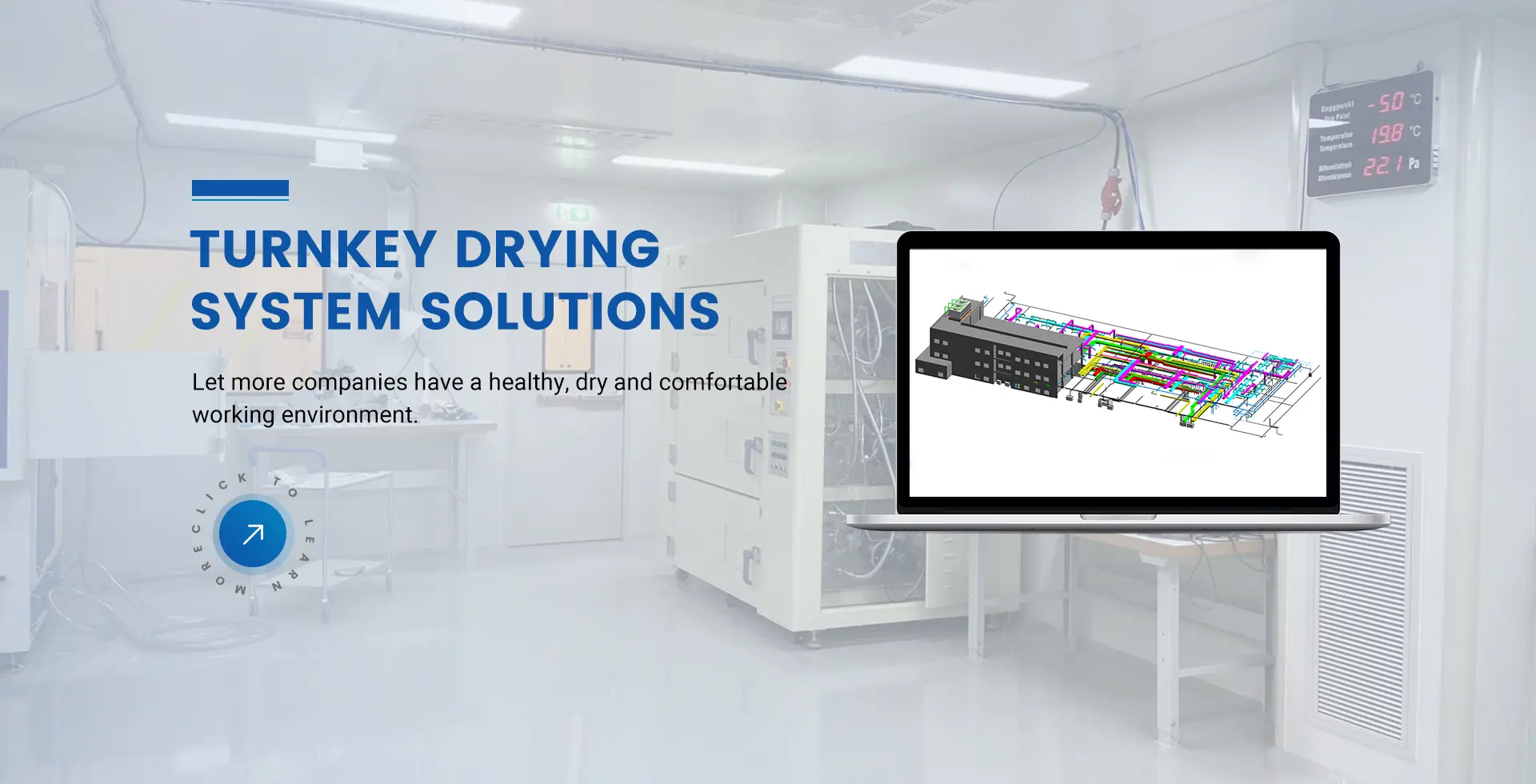
Refrigerative Dehumidifier
High-efficiency mechanical condensation architecture engineered for workshops, bulk logistics warehouses, and pre-cooling stages.
View Product Details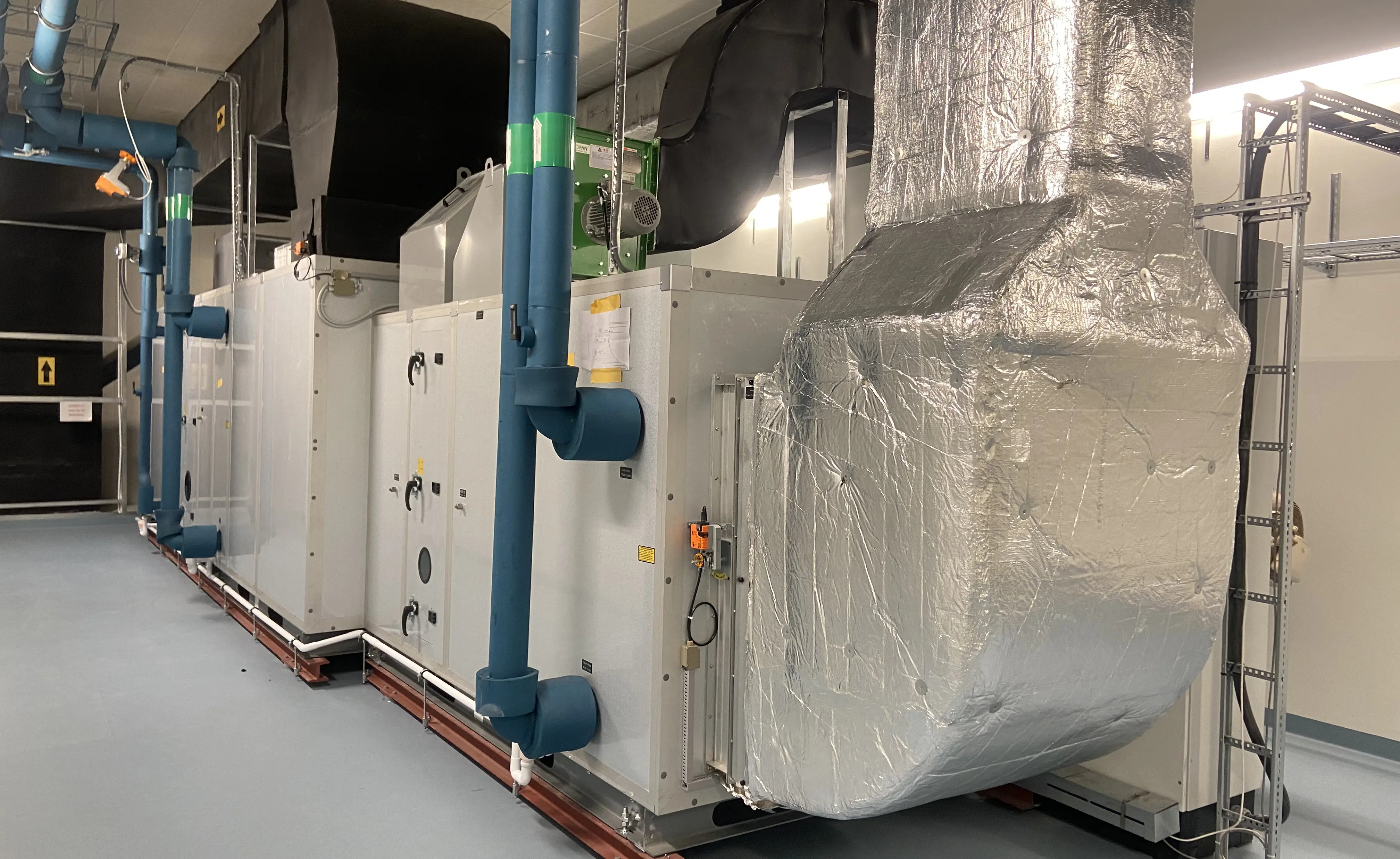
Desiccant Dehumidifier
DHU series rotary desiccant dehumidifiers achieving uninterrupted control down to -70°C dew point for moisture-sensitive manufacturing.
View Product Details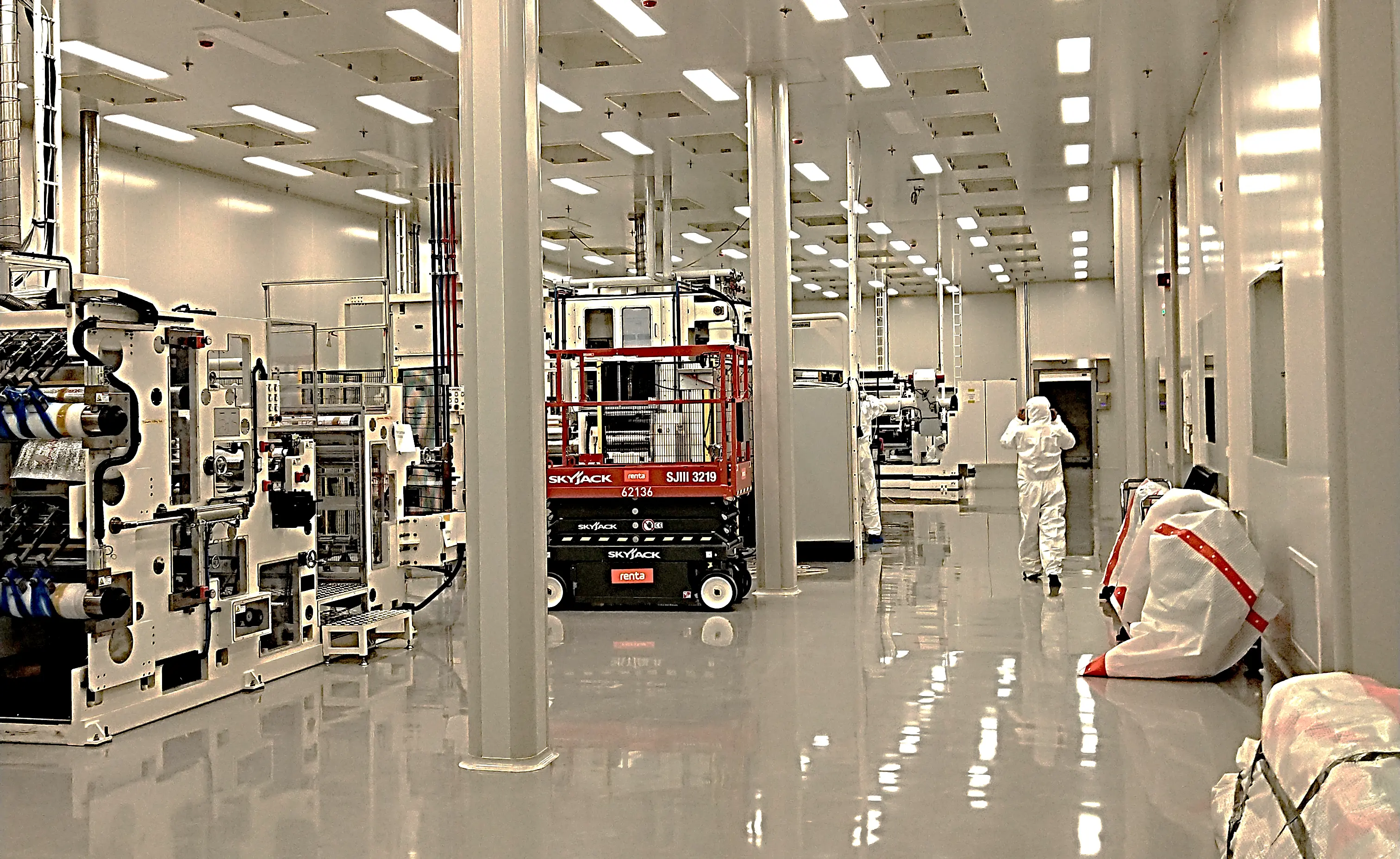
Turn-key Dry Room System
End-to-end engineered dry rooms incorporating structural enclosures, psychrometric balancing, dynamic ductwork, and PLC automation.
View Product Details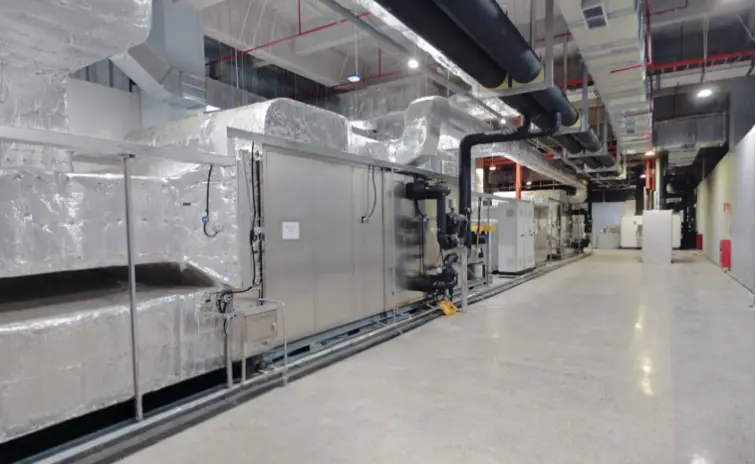
NMP Recovery System
Closed-loop multi-stage condensation capturing N-Methyl-2-pyrrolidone vapors with validated recovery yields surpassing 99%.
View Product Details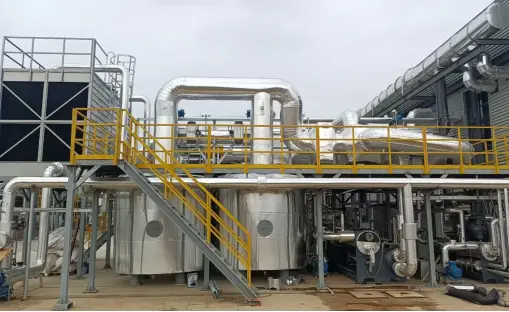
VOC Abatement System
Cryogenic chill condensation combined with regenerative thermal oxidizers (RTO) for rigorous industrial stack emission compliance.
View Product Details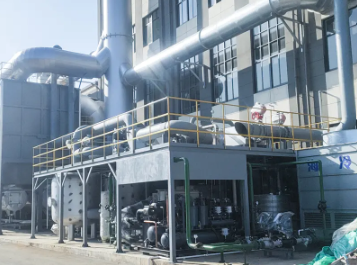
Oil Gas Recovery System
Industrial refrigeration technology specialized in capturing petrochemical hydrocarbon vapors during pipeline filling and storage.
View Product Details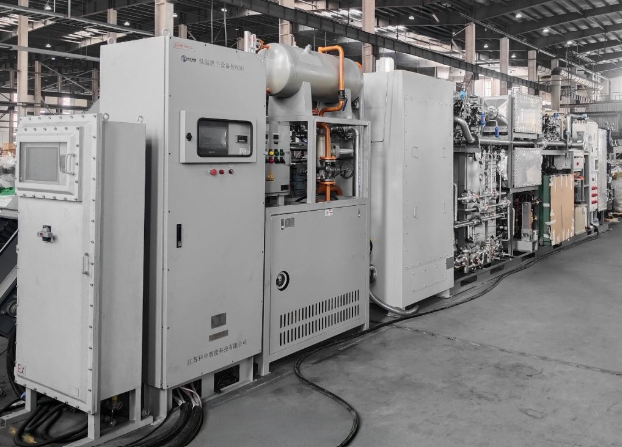
Continuous Coating HVAC
Dedicated air filtration and dehumidification loops tailored to high-speed battery anode and cathode drying machinery.
View Product Details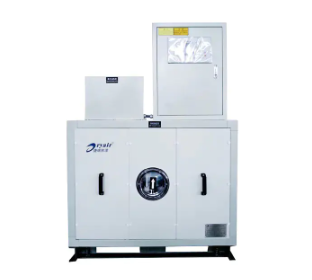
Cleanroom Dehumidifier
Sanitary, stainless-steel-cased refrigeration and dehumidification units built to comply with GMP cleanroom standards.
View Product DetailsThermodynamic Frontiers: The Evolution of China’s Refrigerant Dehumidifier Sector
How China transitioned from component manufacturing to leading the global market in energy-efficient mechanical compression, multi-stage cooling, and low-GWP refrigerant integration.
Supply Chain Cluster Synergy
China's Yangtze River Delta and Pearl River Delta manufacturing belts contain 85% of the worldwide supply ecosystem for scroll/screw compressors, brazed plate heat exchangers, microchannel coils, and EC motorized blowers. This density allows rapid prototyping, dynamic coil sizing, and an unbeatable lead-time advantage for custom international plant tenders.
Unmatched OPEX & CAPEX Ratios
Industrial facility engineers evaluate dehumidification assets using Total Cost of Ownership (TCO) matrices. Chinese manufacturing infrastructure delivers equipment at 30% to 45% lower capital investment compared to Western counterparts, while integrating intelligent electronic expansion valves (EEVs) and variable frequency drives (VFDs) that drastically reduce continuous operating wattage.
Low-GWP Thermodynamic Migration
Exporting to European and North American markets demands adherence to EU F-Gas regulations, the Kigali Amendment, and US EPA AIM guidelines. Modern Chinese exporters have completed the transition away from high-GWP refrigerants (such as R410A) toward ultra-efficient alternatives including R454B, R32, and natural hydrocarbon circuits like R290, ensuring future-proof procurement compliance.
Hangzhou DryAir: Proven Engineering for Global Tier-1 Manufacturers
Operating since 2010, Hangzhou DryAir Treatment Co., Ltd. controls over 30% of China's high-specification desiccant and refrigerative dehumidification market, supporting mission-critical projects globally.
74 Specialist Engineers
Staffed with 6 master's and doctoral HVAC scientists, 2 national registered HVAC engineers, 8 senior mechanical leads, and 58 certified precision technicians.
Validated Export Audits
Deployed and commissioned at international gigafactories for Tesla, Northvolt, and TTI, holding rigorous CE, UL, CSA, ASME, and EAC certifications.
Tier-1 EV Market Trust
Preferred baseline equipment supplier for industry champions including CATL, ATL, BYD, EVE Energy, Farasis, Envision, and SVOLT.
200+ Unit Monthly Capacity
Large-scale CNC manufacturing facility based in Lin'an, Hangzhou, compliant with ISO 9001 and the GJB national military standard quality framework.
Engineering Solutions Across Moisture-Critical Sectors
Controlling relative humidity (% RH) and absolute moisture content (g/kg) is critical to avoiding chemical degradation, galvanic corrosion, and biological growth.
Lithium-Ion & Solid-State Cell Assembly
Lithium hexafluorophosphate (LiPF6) in battery electrolyte vigorously hydrolyzes with ambient water vapor to produce corrosive hydrofluoric acid (HF). Hangzhou DryAir utilizes mechanical refrigerant pre-cooling alongside silica gel/molecular sieve rotary desiccant cassettes to sustain environments between -40°C and -70°C dew point.
Pharmaceuticals, API & Gelatin Encapsulation
Hygroscopic active ingredients agglomerate when relative humidity fluctuates above 25% RH. Our sanitary refrigerant condensing dehumidifiers ensure clean air delivery, preventing powder clogging in tablet presses, dissolution failure in effervescent lines, and softgel capsule collapse.
Aerospace, Defense & Ammunition Depots
Built according to the GJB national military standard, DryAir refrigeration and desiccant units preserve electronic avionic racks, guided missile assemblies, and powder charges below 40% RH, neutralizing electrochemical rust and fungus formation without chemical desiccants.
| Target Industrial Process | Moisture Threshold | System Architecture Recommendation | Primary Failure Risk Prevented |
|---|---|---|---|
| Lithium Cell Assembly & Electrolyte Filling | -40°C to -60°C DP | Pre-Cooling Refrigerant Chiller + Twin-Rotor Desiccant Loop | HF Acid Generation & Cell Swelling |
| Next-Gen Lithium Metal / Solid State | Down to -70°C DP | Cryogenic Condenser + Deep-Bed Molecular Sieve | Violent Metallic Lithium Oxidation |
| Electrode Slurry Coating Lines | ≥99% Solvent Recovery | Closed-Circuit Condensation + VOC Secondary Chilling | Toxic NMP Emissions & Solvent Cost Blowouts |
| Sterile Pharma Packaging & Compounding | 10% to 30% RH | Sanitary DX Refrigeration Unit + Desiccant Trim Module | Powder Caking & Bio-burden Proliferation |
| Naval & Precision Aerospace Storage | ≤40% RH | Heavy-Duty Industrial Refrigerant Condensation System | Micro-galvanic Circuit Corrosion |
| Cold-Chain Bulk Warehousing & Logistics | 45% to 60% RH | Packaged Industrial Refrigerative Dehumidifier | Slab Sweating, Mold & Carton Weakening |
Global EPC & Plant Procurement Guide: Assessing Chinese Exporters
Key technical criteria evaluated by international engineering teams when selecting dehumidification systems from Chinese suppliers.
Pressure Boundary & Seal Integrity
Sub-zero dew point operations demand airtight casing construction. Look for double-skin insulated polyurethane panels with thermal break profiles (Penta-post frame design) achieving DIN EN 1886 Leakage Class L1/L2 to prevent ambient infiltration from degrading dry room metrics.
Global Certification Equivalency
Export units require electrical and pressure vessel compliance in the destination market: UL 1995/NFPA 79 for the United States, CSA C22.2 for Canada, the Pressure Equipment Directive (PED) and CE Machining Directives for Europe, and EAC TR CU for Eurasian operations.
Factory Acceptance Testing (FAT)
Verify that your Chinese supplier owns an in-house psychrometric environmental test chamber. Hangzhou DryAir conducts pre-shipment continuous load-testing with full digital sensor data recording for every export contract, verifying cooling capacity, sensible heat ratio, and dew point targets.
Frequently Asked Questions by International Engineering Buyers
Clear, direct answers regarding performance limits, installation logistics, international warranty models, and factory audits.
What is the lowest dew point a DryAir engineered dehumidifier can achieve?
Does Hangzhou DryAir provide complete turnkey dry room construction outside China?
Which international certifications are supplied with export systems?
What solvent recovery efficiency does the DryAir NMP system guarantee?
What warranties, spare parts, and on-site support are available for overseas facilities?
Recommended Systems for Global Deployment
Direct factory links to our core equipment lines, each configured to international voltage, frequency, and environmental compliance frameworks.
Industrial Condenser Dehumidifier
Designed for logistics hubs, manufacturing bays, and precision component staging areas requiring stable ambient RH control.
Explore Specifications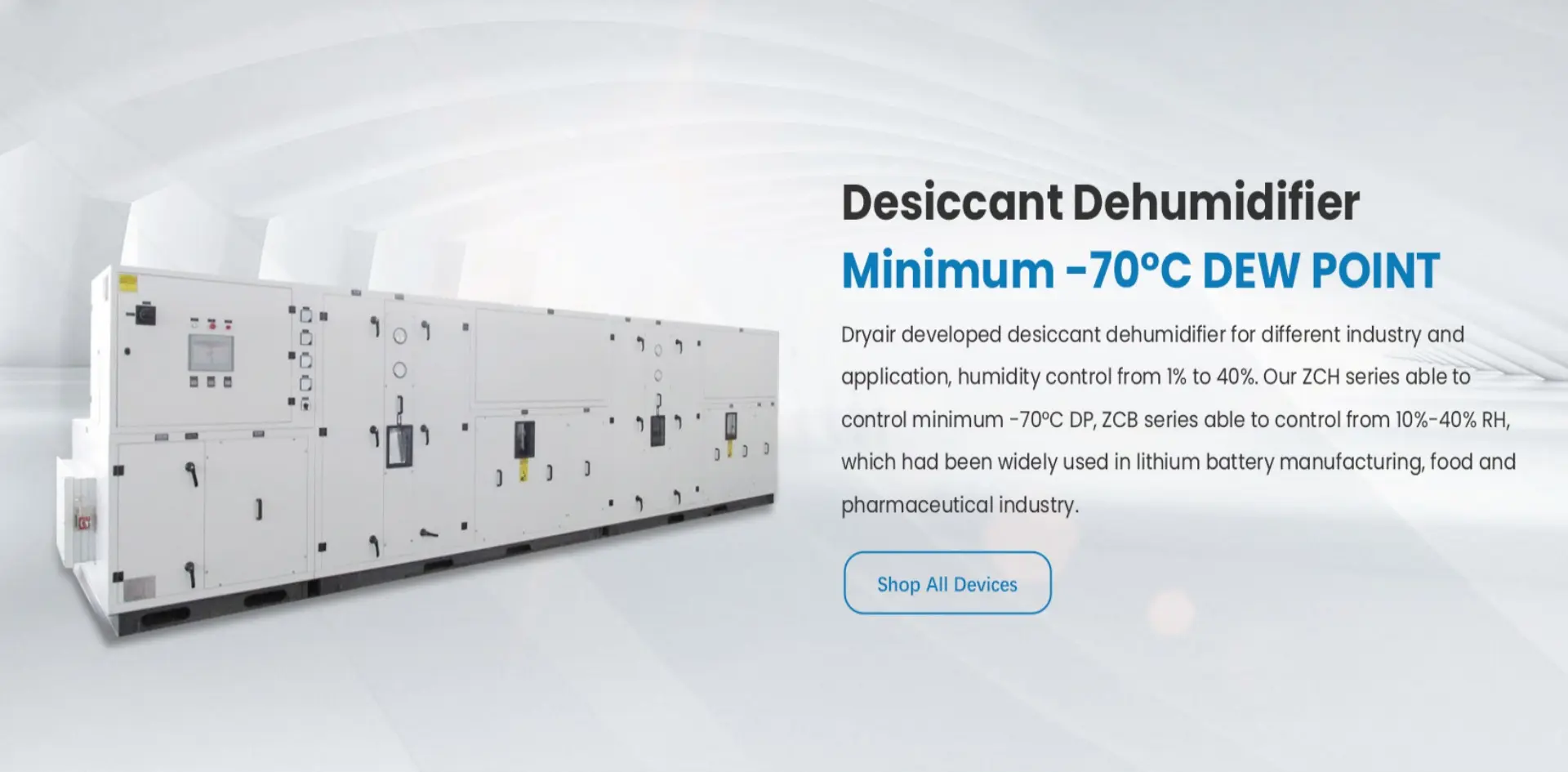
Battery Dry Room Facility
Validated EPC environmental cleanrooms maintaining air conditions down to -70°C dew point for lithium battery manufacturing.
Explore Specifications
Rotary Desiccant Dehumidifier
High-efficiency honeycomb rotor systems with waste heat recovery regeneration options for reduced operating cost.
Explore Specifications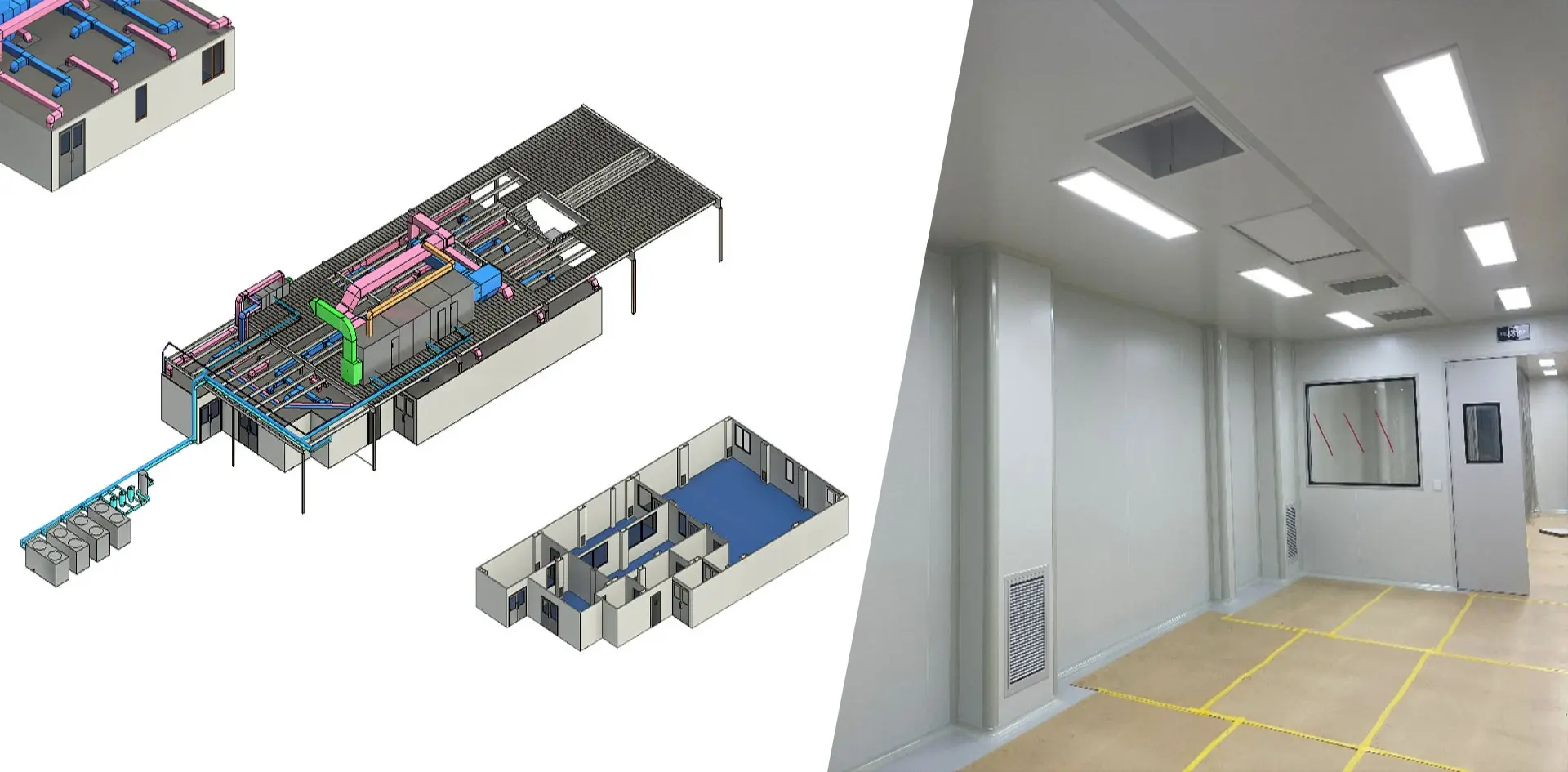
ZJRH Series NMP Plant
Multi-stage chiller-assisted condensation recovering over 99% of solvent from battery cathode drying exhaust.
Explore Specifications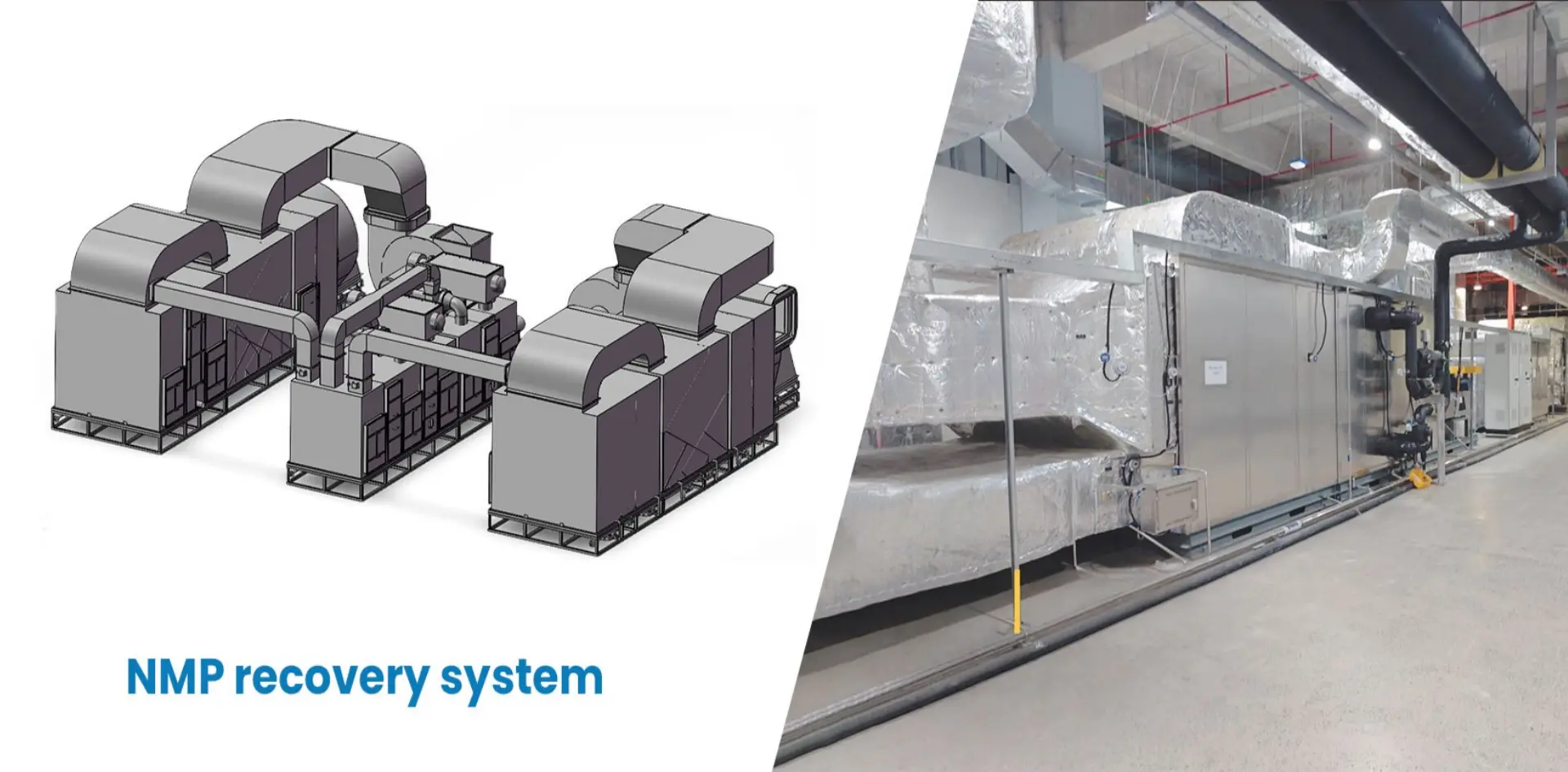
JEN Series VOC Abatement
Deep-cooling condensation coupled with regenerative thermal oxidation for high-efficiency hydrocarbon removal.
Explore Specifications
Pharma Cleanroom AHU
Hygienic dehumidification platforms designed for powder handling, solid dosage forming, and sterile blister packaging.
Explore Specifications
Vapor Condensation Skids
Explosion-proof refrigeration systems engineered for petrochemical tank farms and chemical terminal loading bays.
Explore Specifications
Military Storage Dehumidifier
Certified to GJB standards for long-term corrosion prevention in avionic hangars, naval vessels, and munition reserves.
Explore SpecificationsRequest Technical Submittals & Psychrometric Load Sizing
Send us your factory drawings, sensible/latent heat loads, fresh air volume, and target dew point requirements. DryAir engineers return a comprehensive thermodynamic sizing calculation within one working day.