
Engineered Humidity Control & VOC Abatement Product Lines
High-precision industrial rotary desiccant units, solvent recovery towers, and complete turnkey cleanroom climate modules tailored to extreme dry-air standards.
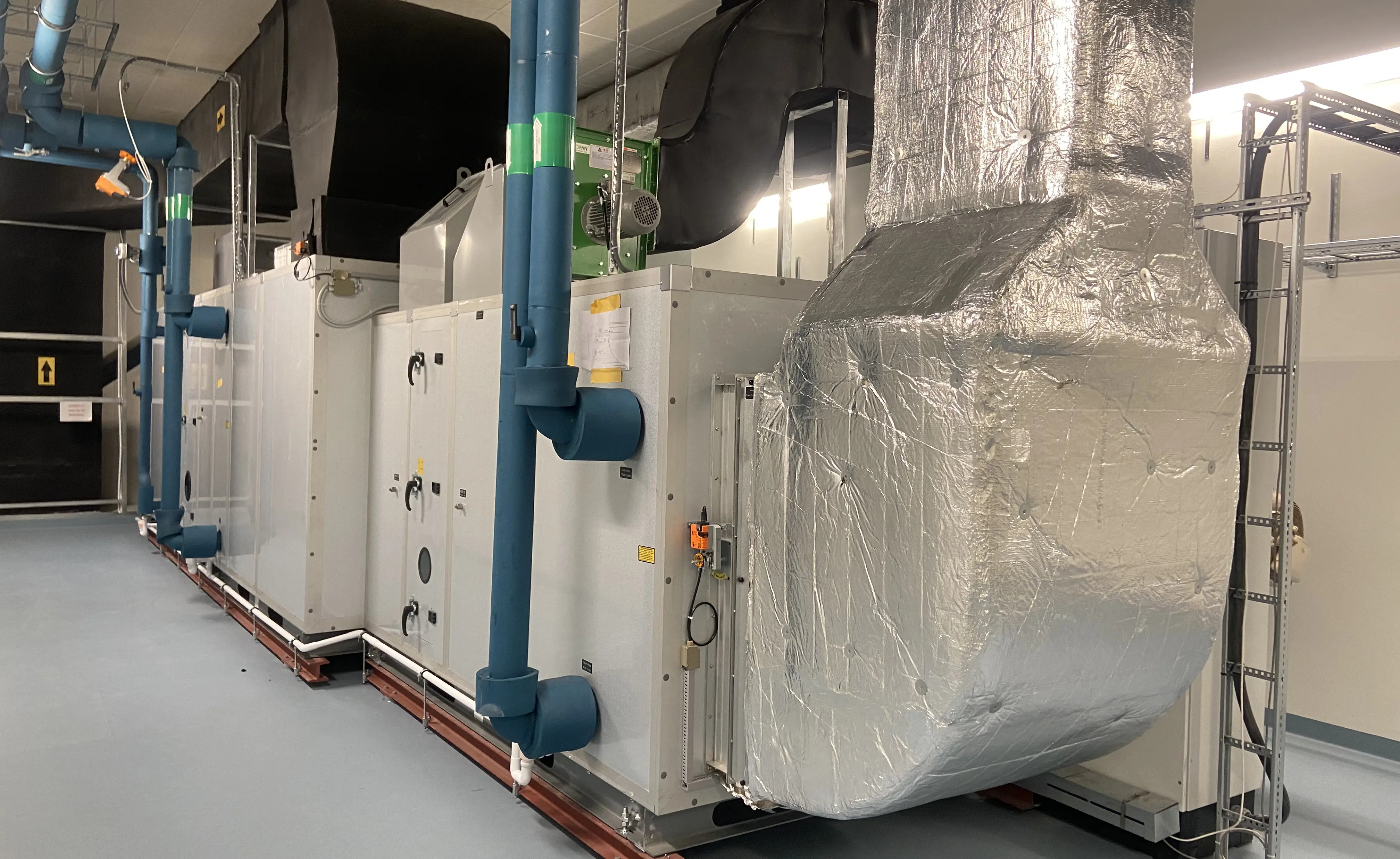 -70°C DP Spec
Desiccant Dehumidifier (DHU Series)
Advanced honeycomb silica gel/molecular sieve rotors producing ultra-low dew point air for sensitive assembly environments.
View Specifications →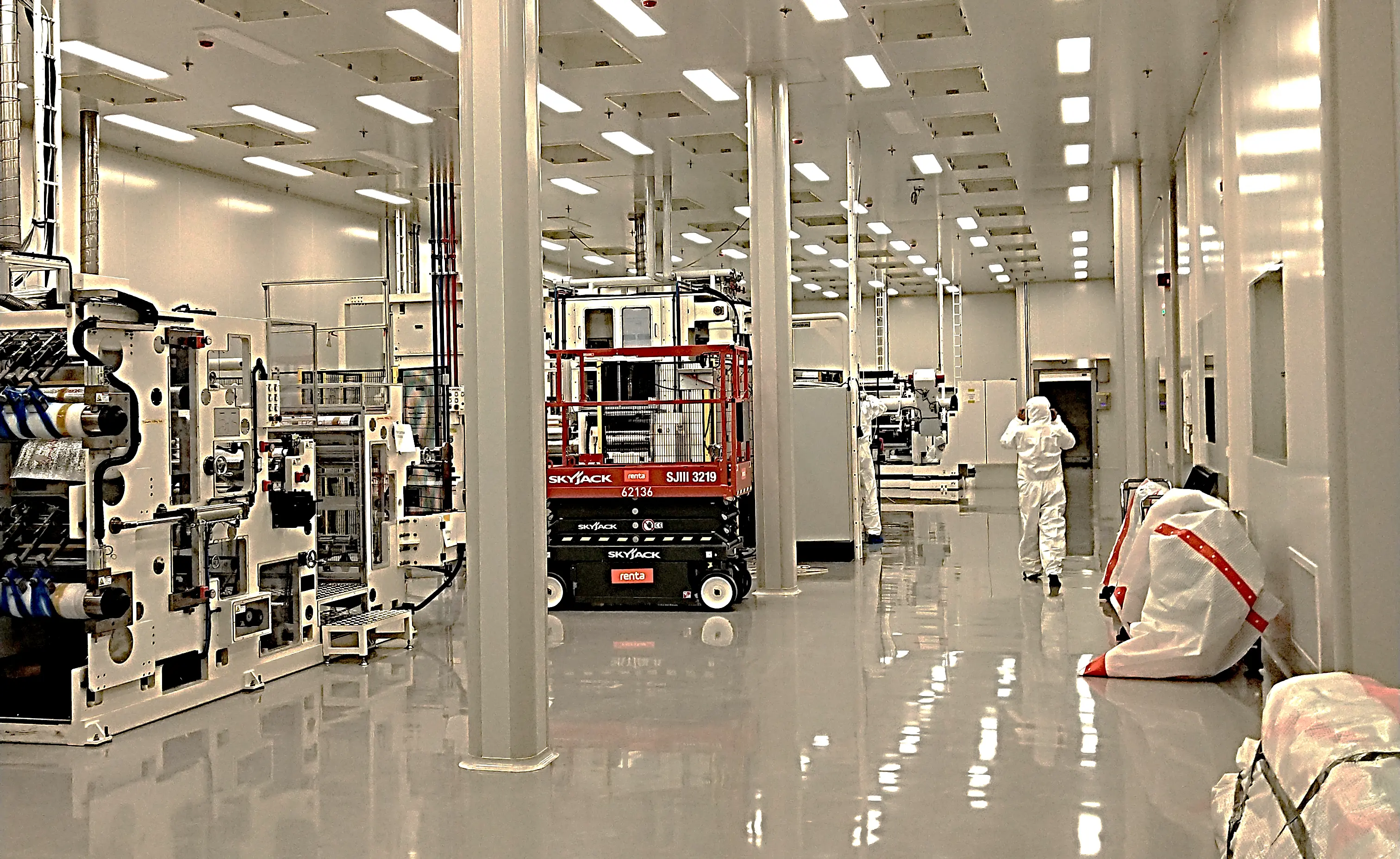 Turnkey EPC
Turn-Key Battery Dry Room System
Integrated thermal envelope, hermetic sealing, air locks, and HVAC purification tested for gigafactory cell production.
Explore Dry Rooms →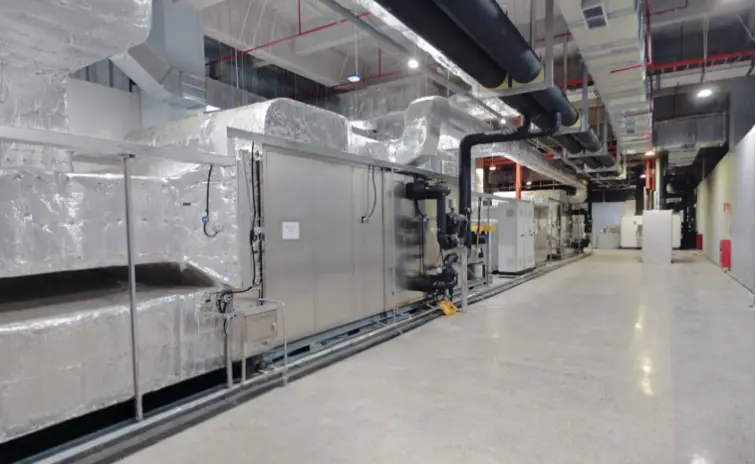 Recovery ≥99%
NMP Solvent Recovery System (ZJRH)
Multi-stage chilling condensation and zeolite concentration wheel achieving extreme solvent recycling efficiency.
Learn Recovery Tech →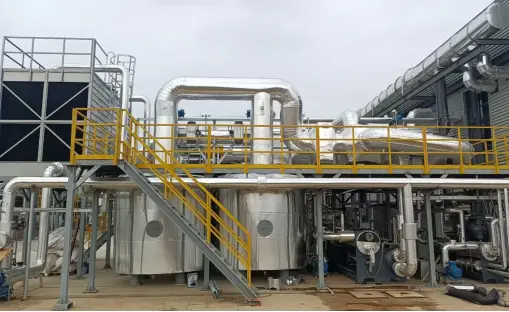 Cooling + RTO
Industrial VOC Abatement System
Deep-cooling condensation coupled with Regenerative Thermal Oxidizers (RTO) for total hydrocarbon emission destruction.
Examine Abatement →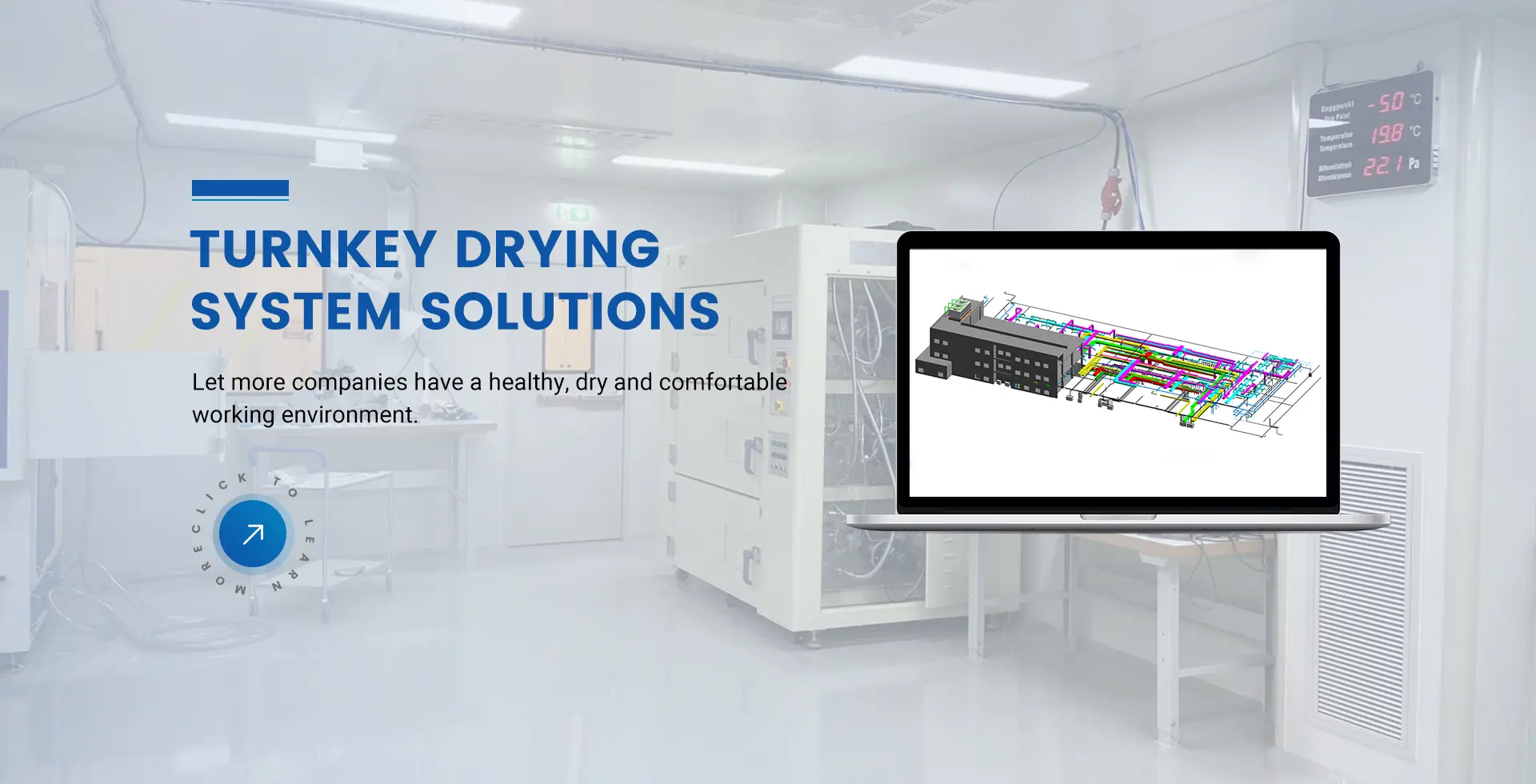 High Efficiency
Industrial Refrigerative Dehumidifier
High-capacity direct-expansion dehumidifiers for high latent load extraction, clean storage, and initial pre-cooling.
View Refrigerative →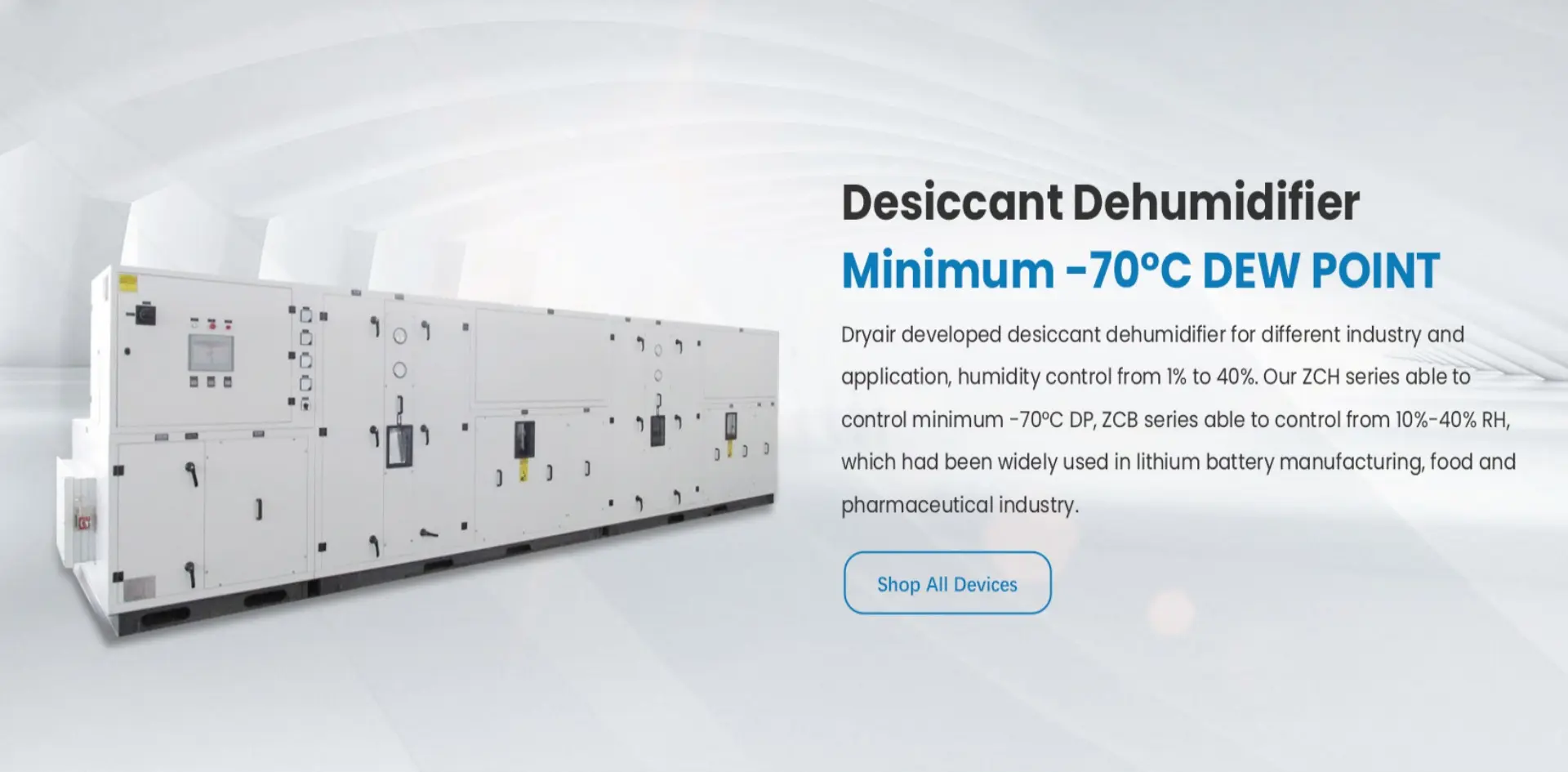 Dual Rotor Core
Dual-Rotor Low Dew Point Unit
Cascaded dual-rotor thermodynamic design providing stable continuous supply air at -50°C to -70°C DP at optimized kW/CFM.
Download Catalog →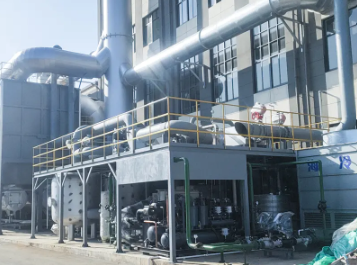 Explosion-Proof
Oil & Gas Condensation Recovery
Specialized ATEX/EAC certified vapor treatment systems built for petrochemical loading terminals and chemical logistics.
Explore Field Service → Modular Skid
Modular Cleanroom Environmental Skid
Pre-fabricated, factory-tested containerized dehumidification stations for swift on-site deployment in fast-track facilities.
Request Custom Quote →Navigating Modern Atmospheric Moisture Challenges in High-Tech Manufacturing
Moisture control is no longer a standard HVAC utility—it is a core determinant of yield, safety, chemical stability, and lifecycle longevity in advanced industries.
The Critical Role of Deep Dew Point Management
Standard air conditioning systems typically regulate temperature and relative humidity down to 40%–50% RH. However, advanced industries such as lithium-ion battery manufacturing, aerospace composite curing, and precision pharmaceuticals operate under conditions where atmospheric moisture at parts-per-million (PPM) concentrations acts as a devastating destructive agent. In battery cell assembly, moisture reacts violently with lithium hexafluorophosphate (LiPF6) in liquid electrolytes, hydrolyzing into toxic and highly corrosive hydrofluoric acid (HF). This degrades the anode-electrolyte interface, increases cell impedance, and can trigger internal micro-shorts or thermal runaway. Achieving supply air dew points of -40°C to -70°C (moisture levels under 0.01 g/kg of dry air) is vital for ensuring consumer safety, structural integrity, and prolonged operational cycles.
China's Global Exporter Transformation
Over the past two decades, China has evolved from a component sourcing location into the primary technological and manufacturing epicenter for industrial desiccant dehumidifiers and turnkey dry room engineering. Hangzhou DryAir Treatment Co., Ltd., founded in 2010, exemplifies this industry transition. By engineering proprietary multi-tier molecular sieve composites, advanced internal heat recovery circuits, and hermetically sealed casing structures, Chinese manufacturers now surpass legacy Western competitors in thermal efficiency, delivery speed, and cost-to-performance ratio. Backed by extensive local validation across mega-scale gigafactories, DryAir exports engineered climate systems to over 50 nations, ensuring absolute compliance with North American UL/ASME and European CE/ATEX directives.
Localized Industrial Drying Scenarios & Dew Point Envelopes
Tailoring thermodynamic air-handling architecture to the rigorous physical tolerances of diverse process requirements.
Lithium & Sodium Battery Gigafactories
Critical Threshold: -40°C to -70°C Dew Point. From cathode/anode slitting, winding, and stacking through to electrolyte injection and formation, any moisture presence compromises chemical performance. DryAir turnkey dry room systems employ dual-rotor cascaded configurations with precision airflow modeling to maintain an ultra-dry environment, counteracting heavy latent loads generated by operating personnel and frequent airlock cycles.
Pharmaceutical & Bio-Manufacturing
Critical Threshold: 1% to 20% RH (DP down to -20°C). Highly hygroscopic Active Pharmaceutical Ingredients (APIs), effervescent formulations, and hard gelatin capsules absorb ambient moisture rapidly, resulting in chemical decomposition, powder caking, hopper blockages, and microbiological growth. DryAir sanitary desiccant systems feature CIP cleanable stainless-steel housings compliant with FDA and EU GMP cleanroom hygiene standards.
Military Materiel & Aerospace Conservation
Critical Threshold: ≤35% to 40% RH (GJB Military Standards). Corrosion, electrical component tracking, propellant degradation, and optical fogging are prevented in hangars, naval vessel compartments, and ammunition storage facilities. DryAir's military-certified environmental systems provide continuous dehumidification that arrest electrochemical oxidation on critical avionics and missile propulsion assemblies.
Semiconductors & Precision Electronics
Critical Threshold: -20°C to -40°C Dew Point. In photolithography processing, wafer bonding, and LED manufacturing, micro-condensation risks damaging microscopic circuit layers. Controlled desiccant conditioning guarantees zero condensation on chilled precision quartz lenses and silicon substrate surfaces, preventing surface oxidation and chemical contamination.
Petrochemical & Gas Recovery Infrastructure
Critical Threshold: Hydrocarbon Emission Abatement & Recovery. During volatile fuel handling and solvent storage operations, hazardous organic vapors pose safety hazards and environmental risks. DryAir engineered refrigeration deep-condensation units paired with Regenerative Thermal Oxidizers (RTOs) reliably condense, extract, and neutralize volatile organic compounds (VOCs).
Supply Chain Resilience & Engineering Depth of Hangzhou DryAir
How end-to-end vertical integration and advanced R&D validation deliver high performance and reliable delivery for global infrastructure.
Full Vertical Integration & Agile Manufacturing
Unlike system assemblers dependent on outsourced fabrication, Hangzhou DryAir operates expansive laser-cutting, CNC sheet metal forming, automated robotic welding, and rotor cassette assembly centers in Hangzhou, Zhejiang. Producing in excess of 200 high-capacity industrial units per month, we manage total quality oversight from individual structural frame profiles to final internal piping and electrical harnesses. This integration cushions international customers from upstream supply disruptions and shortens standard lead times by 30% to 50% compared to typical market schedules.
Thermodynamic Innovation & OPEX Mitigation
Desiccant wheel regeneration is traditionally an energy-intensive process requiring high thermal loads to desorb stored moisture. DryAir addresses this by integrating waste heat recovery exchangers, heat pump desiccant regeneration loops, and closed-loop sensible heat transfer devices. By reclaiming sensible heat from reactivation exhaust air to preheat the incoming airstream, overall regeneration energy consumption is reduced by 25% to 40%, generating substantial operational savings for gigafactory cleanroom operators running round-the-clock schedules.
Specialized Academic & Engineering Talent
DryAir's research core consists of 74 dedicated technical specialists, including 6 holding PhD and Master degrees in psychrometric physics and thermal science, 2 certified national registered HVAC engineers, and 8 senior manufacturing specialists. Our in-house computerized psychrometric test room replicates extreme tropical humidity, arid desert ambient profiles, and sub-zero Arctic conditions, verifying unit operating performance across varied operating envelopes before factory gate dispatch.
Psychrometric Sizing & System Specification Blueprint
Match target process moisture tolerances with optimized mechanical architectures to avoid under-sizing risks or excessive energy expenditure.
| Application Scenario | Target Supply Humidity | Primary Destruction Mechanism | System Architecture Recommendation | Typical Process Certification |
|---|---|---|---|---|
| Lithium Solid-State Cell Assembly | -60°C to -70°C DP (<0.01 g/kg) | Formation of toxic HF acid & rapid cathode oxidation | Dual-Rotor Cascaded Zeolite Desiccant System (DHU Ultra) | ISO 14644-1 / UL Listed Components |
| Lithium Prismatic / Pouch Production | -40°C to -55°C DP (<0.1 g/kg) | Internal cell degradation & safety vent failure | Turnkey Dry Room with Desiccant Dehumidification Skid | CE / CSA / Factory Mutual Approved |
| Cathode Slurry NMP Recovery | ≥99% Hydrocarbon Capture | Atmospheric VOC emissions & costly solvent loss | Deep Chilling Condensation + Zeolite Adsorption (ZJRH) | ATEX / Explosion-Proof Class I Div 2 |
| API Powder Synthesis & Tableting | 10% to 20% RH (-10°C to -20°C DP) | Hydrolytic drug decomposition & tablet capping | Sanitary Silica Gel Rotary Dehumidifier with Heat Recovery | FDA 21 CFR / cGMP Cleanroom Compliant |
| Ammunition & Armament Preservation | ≤35% RH (Non-condensing) | Corrosive pitting of shells & propellant degradation | Continuous Process Desiccant Air Drying System | GJB National Military Standard / MIL-STD |
| High-Yield Electronics SMT / Cleanrooms | 30% to 45% RH (Precise Control) | Electrostatic discharge (ESD) vs. lead oxidation | Combined Refrigeration Pre-Cooling + Desiccant Trimming | ISO Class 4-6 Cleanroom Standards |
| Industrial Raw Chemical Warehousing | 40% to 50% RH | Hygroscopic salt caking & packaging breakdown | Direct-Expansion (DX) Heavy-Duty Refrigerative Dehumidifier | Industrial CE / EAC TR CU Technical Standard |
Technological Trajectory: 2025–2035 Innovations
Pioneering advancements in low-dew-point environmental engineering to power the future of energy storage, AI, and green production.
Sub -80°C Ultra-Deep Dew Points for All-Solid-State Cells
As the electric vehicle sector shifts toward all-solid-state lithium batteries utilizing sulfide or halide solid electrolytes, moisture vulnerability increases significantly. Exposure to ambient moisture generates lethal hydrogen sulfide (H2S) gas while destroying crystalline structures. DryAir's engineering team is developing advanced molecular sieve matrices and multi-stage cascaded sorption paths designed to reach and sustain supply air down to -80°C DP under high supply air volumes.
Predictive AI Psychrometric Automation
Standard systems use reactive PID loops that adjust reactivation heaters only after humidity excursions occur inside the production zone. DryAir is rolling out neural-network-backed control software that calculates external ambient weather shifts, door cycling frequencies, shift staffing headcounts, and process latent loads in advance. The system proactively shifts wheel velocity and heat regeneration inputs, eliminating dew-point spikes and saving up to 18% in annual operational energy.
Decarbonized Zero-Carbon Cleanroom HVAC
Achieving Scope 1 and Scope 2 net-zero emissions mandates is reshaping heavy equipment design. DryAir's next-generation product roadmap targets the phase-out of fossil-fueled indirect gas burners, transitioning to high-temperature transcritical CO2 (R744) heat pumps, modular industrial hot-water absorption circuits, and direct integration with factory thermal energy storage. This allows our units to run cleanly on reclaimed manufacturing waste heat and green power arrays.
End-to-End Turnkey Delivery Execution Architecture
A five-phase delivery model ensuring accountability from psychrometric modelling to commissioning and lifecycle performance.
Computational Audit
Psychrometric analysis, thermal envelope evaluation, infiltration modeling, and load calculation based on production line staffing and airflow demands.
System Engineering
CFD airflow simulations, 3D BIM coordination, energy recovery routing, and electrical schematic design conforming to national code requirements.
In-House Fabrication
ISO 9001 and military-grade assembly, precision sheet-metal forming, wiring, piping, and operational load verification in our test facilities.
Site Commissioning
Rigging, modular assembly, airtight duct connections, dynamic sensor calibration, and full multi-point dew point validation.
Lifecycle Support
Preventative service agreements, IoT remote diagnostics, rapid parts dispatch, and on-site engineering maintenance teams.
Localization Support, Code Compliance & Verified Export Credentials
Deploying compliant equipment across European, American, and Asian industrial regulatory frameworks.
Rigorous Certification Alignment
Exporting industrial equipment demands uncompromising adherence to destination-market codes. Hangzhou DryAir systems are engineered and built to satisfy CE Machinery and Low Voltage Directives, UL 1995/CSA standards for North America, ASME pressure vessel codes for heat exchangers, and EAC TR CU compliance across the Eurasian Economic Union. This simplifies site inspection approvals, speeds up plant sign-offs, and ensures smooth compliance with local insurance mandates.
Trusted by Global Battery Leaders
DryAir's installations serve top-tier gigafactory plants and industry front-runners across the globe. Our industrial track record includes delivered installations for CATL, BYD, ATL, EVE Energy, Farasis Energy, Envision AESC, SVOLT, as well as international operations including Tesla, Northvolt, and TTI. Our deep familiarity with gigafactory cleanroom construction keeps installations aligned with fast-paced expansion schedules.
Comprehensive Local Support Packages
To resolve cross-border lifecycle service concerns, international clients can secure optional two-year comprehensive overseas warranty coverage. This framework encompasses dedicated remote diagnostics, rapid air-freight spare parts distribution, and the dispatch of certified HVAC field technicians for rigging oversight, balancing, and seasonal maintenance.
Industrial Desiccant & Turnkey Engineering FAQ
Clear answers to key technical, procurement, and site commissioning queries raised by project managers and consulting engineers.
What sets desiccant wheel dehumidification apart from conventional direct-expansion (DX) refrigeration systems?
How does DryAir maintain continuous -70°C dew points in high-capacity environments?
What heat sources can be used for the desiccant wheel regeneration loop?
How does an NMP recovery system achieve a ≥99% recovery efficiency?
Can DryAir supply modular containerized cleanroom climate systems for overseas destinations?
What parameters must engineering teams supply to generate an accurate system design?
How does DryAir manage field installation, startup, and validation overseas?
Industrial Dehumidifier Drying Equipment Directory
Direct access to Hangzhou DryAir's primary product series, project engineering capabilities, and global commissioning resources.
Core Product
Rotary Desiccant Dehumidifier
Ultra-low dew point handling units designed for clean manufacturing lines and controlled air delivery.
View Product Specs →
Comprehensive EPC
Turn-Key Battery Dry Room
Complete design-build-validate cleanroom envelopes guaranteeing up to -70°C supply air standards.
View Dry Rooms →
Solvent Recycling
NMP Solvent Recovery Plant
Recovers greater than 99% of evaporated NMP solvent from electrode drying ovens for direct reuse.
View Recovery Units →
Clean Emissions
Industrial VOC Abatement
Combined chilling condensation and regenerative thermal oxidizers to eliminate volatile emissions.
View VOC Systems →
Pre-Cooling Stage
Refrigerative Dehumidifier
Heavy-duty direct expansion equipment delivering high latent moisture removal for warehouses and clean spaces.
View Dehumidifiers →
Documentation
Product Specification Catalog
Comprehensive psychrometric selection curves, dimensional blueprints, and airflow capacity data tables.
Request Catalog →
Support Worldwide
Global Field Service Program
Factory-trained commissioning support, preventative maintenance schedules, and replacement parts dispatch.
Access Field Support →
Direct Consultation
Direct HVAC Engineering RFQ
Consult directly with our senior psychrometric calculation engineers to model your custom cleanroom requirements.
Submit Engineering RFQ →