
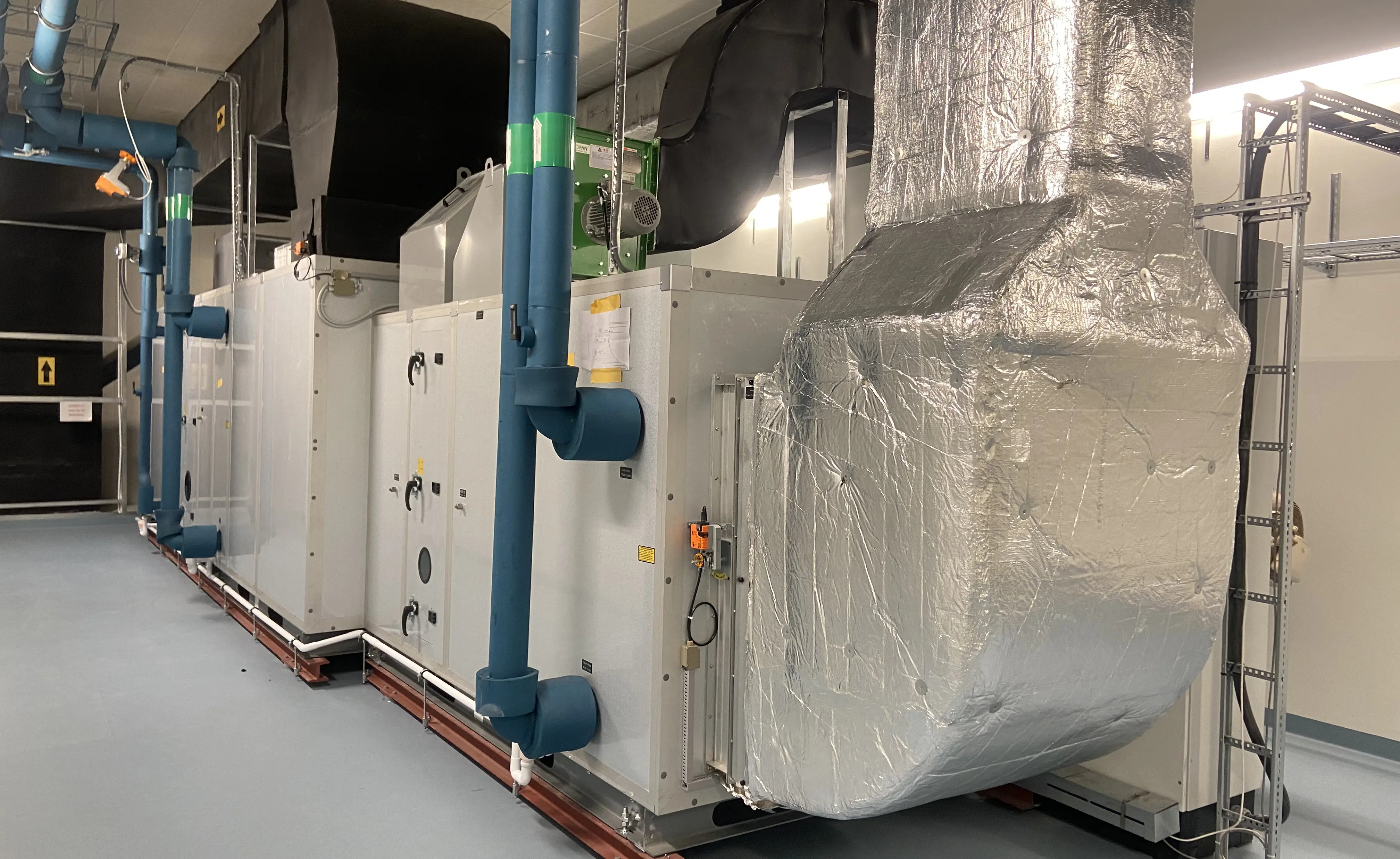
 -70°C Dew Point
DHU Desiccant Dehumidifier
High-capacity rotary desiccant unit combining synthetic zeolite wheels with waste-heat reactivation for extreme low dew point control.
Explore SpecificationsEngineered to eliminate humidity risks in gigafactories, cleanrooms, and chemical processing facilities. Select an engineered system to review technical psychrometric curves and specifications.
-70°C Dew Point
High-capacity rotary desiccant unit combining synthetic zeolite wheels with waste-heat reactivation for extreme low dew point control.
Explore Specifications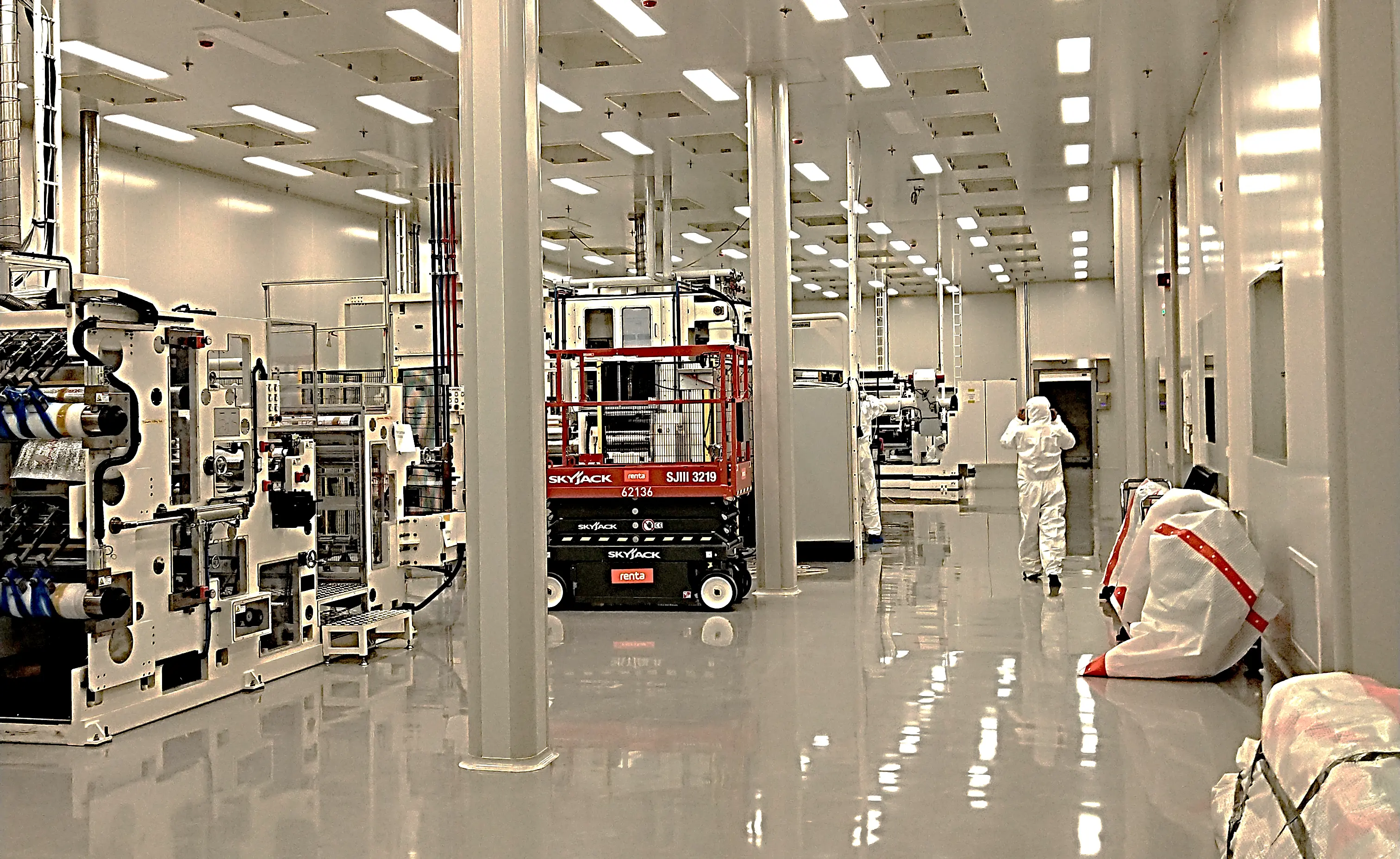 Turnkey EPC
Fully integrated dry cleanroom enclosures, air handling units, and hermetic building envelopment optimized for EV battery manufacturing.
Review Dry Rooms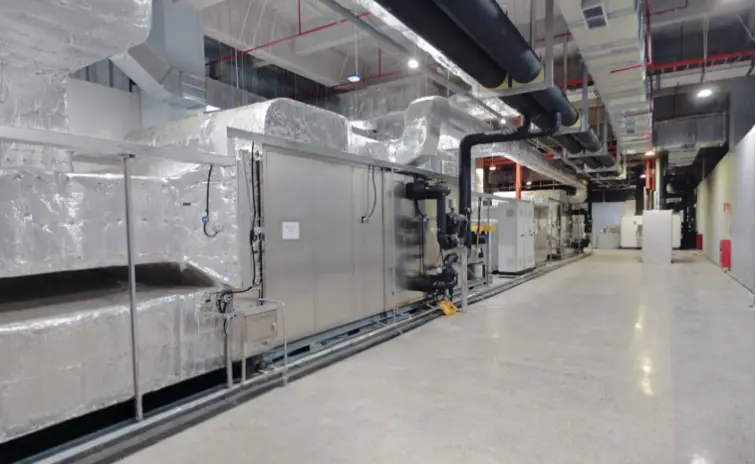 Recovery ≥99%
Advanced closed-loop solvent condensation and recovery units treating cathode coating exhaust with maximum thermodynamic efficiency.
View Recovery Data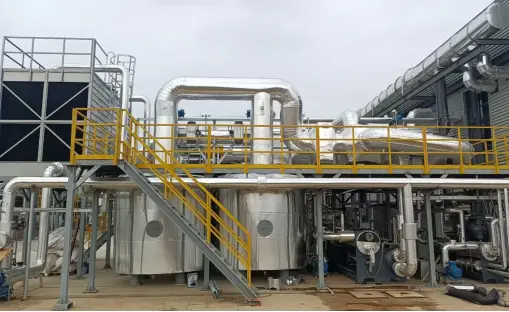 RTO + Deep Cooling
Multi-stage deep-cooling condensation combined with regenerative thermal oxidizers (RTO) for compliance-critical chemical exhaust streams.
Check Abatement Tech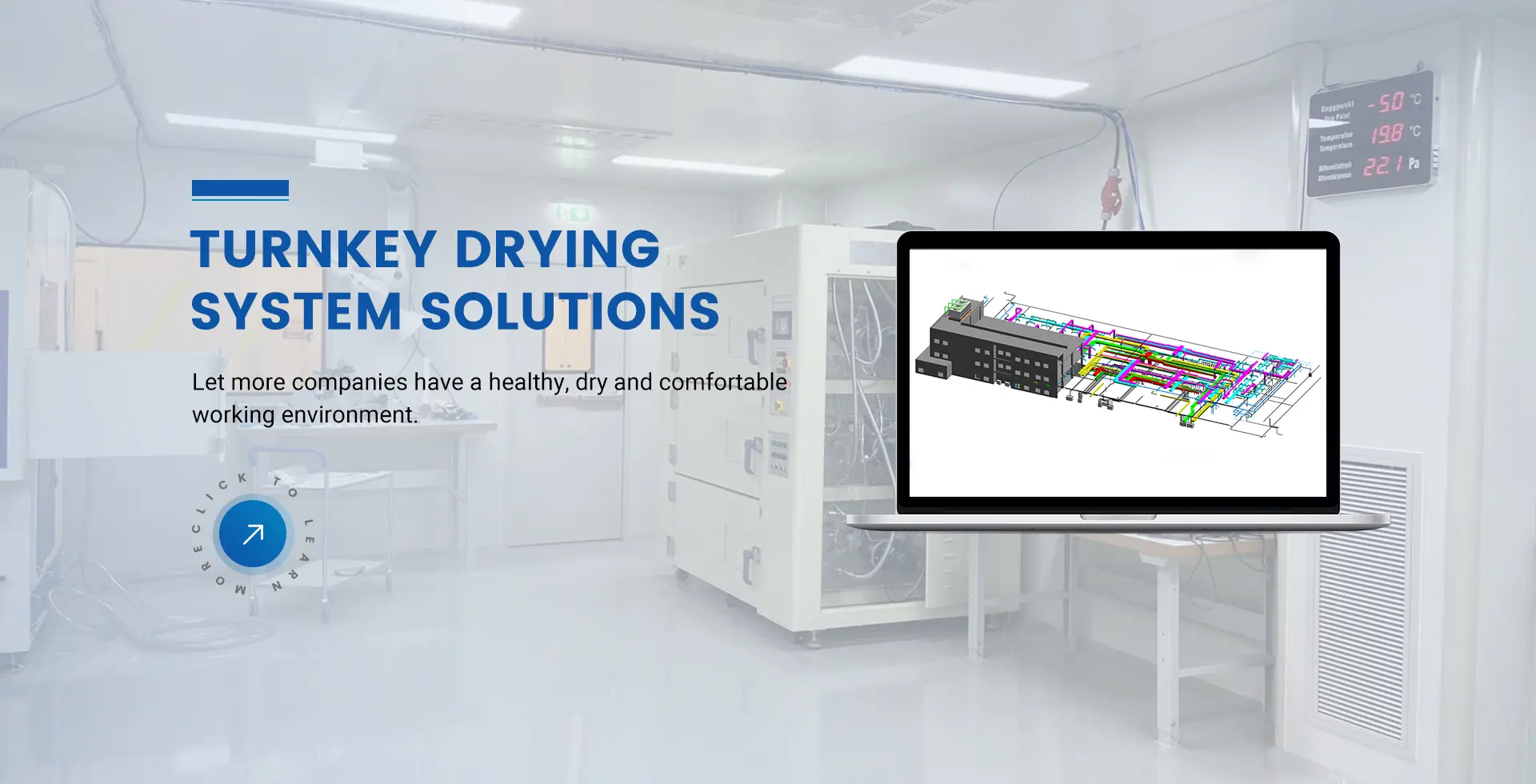 Ultra-Low OPEX
Staged silica gel and molecular sieve zeolite rotors achieving continuous -60°C dew points with reduced regeneration thermal requirements.
Request Tech Specs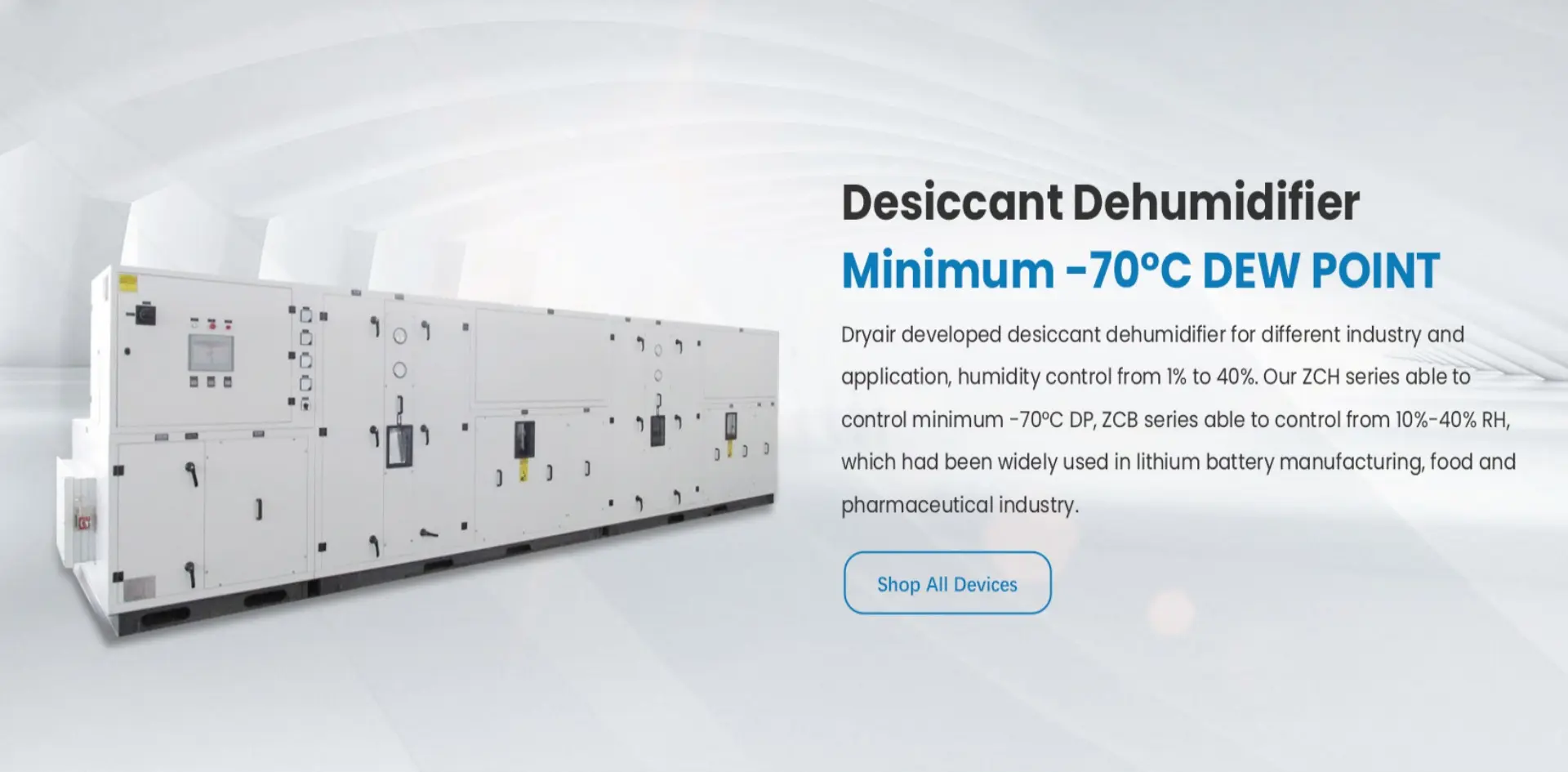 Modular Fast-Track
Interlocking rockwool/PUR clean panels engineered with airtight gasket assemblies to prevent moisture ingress in gigafactory clean spaces.
Inspect Enclosure Data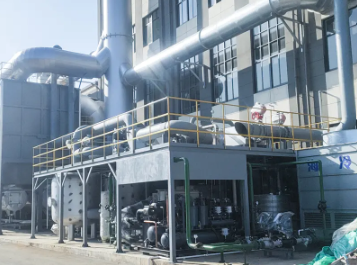 High Efficiency
Heavy-duty DX refrigeration dehumidifiers optimized for high latent load removal ahead of zeolite adsorption polishing wheels.
View Refrigerative Line Military Grade (GJB)
Built under China National Military Standard GJB quality protocols for extreme environmental testing, ammunition depots, and avionic storage.
Explore Defense SystemsAcross international industrial manufacturing, atmospheric moisture remains an invisible vector for product failure, chemical degradation, and massive thermodynamic waste. Today, the shift from standard silica gel matrices toward crystalline zeolite molecular sieves is redefining operational precision.
In the contemporary landscape of high-precision manufacturing—encompassing lithium-ion battery cells, semi-solid and all-solid-state electrolyte chemistries, biotechnology, API encapsulation, and semiconductor photolithography—air purity standards have shifted from relative humidity percentage (% RH) to absolute moisture fractions measured in fractions of a part per million (ppmv) or dew points plunging below -50°C, -60°C, and -70°C.
Historically, industrial plants relied on chill-water mechanical sub-cooling followed by conventional silica-gel desiccant rotors. While silica gel operates effectively in moderate humidity ranges (30% to 50% RH), its adsorption isotherm exhibits severe performance degradation as absolute humidity drops below 2 g/kg dry air. Under hyper-dry criteria, the partial pressure of water vapor within the air is insufficient to drive mass transfer across silica micropores without excessive thermal over-cycling.
This thermodynamic bottleneck has elevated synthetic aluminosilicate crystalline frameworks—colloquially known as Zeolite Molecular Sieves (specifically Type 3A, 4A, and 13X)—to the status of critical plant infrastructure. Zeolite matrices possess uniform crystalline aperture diameters, typically 3 to 10 Ångströms. When bonded within corrugated ceramic substrates using specialized inorganic binders, zeolite wheels maintain a virtually linear, high-affinity adsorption isotherm even at extremely low vapor pressures (dew points under -70°C).
When specifying air handling infrastructure for mission-critical operations, mechanical engineering teams must evaluate sorption kinetics across differing inlet vapor pressures. The table below outlines thermodynamic and operational variances between standard commercial silica gel and engineered zeolite rotors.
| Performance / Material Parameter | Standard Silica Gel Rotor | Engineered Zeolite Molecular Sieve Rotor | DryAir Hybrid Dual-Cascade Architecture |
|---|---|---|---|
| Pore Structure & Symmetry | Amorphous microporous SiO2 (Variable 20–30 Å) | Uniform crystalline aluminosilicate (Precise 3–4 Å) | Layered Silica Pre-Stage + 3A/4A Zeolite Polishing |
| Supply Air Dew Point Floor | -20°C to -40°C DP | Down to -70°C to -80°C DP | Guaranteed continuous -70°C Dew Point |
| Adsorption Affinity at <5% RH | Rapid decay; flat isotherm curve | High linear sorption rate at trace partial pressures | Optimal staging eliminates micro-saturation |
| Regeneration Temp Profile | 110°C – 135°C | 160°C – 190°C | Waste-heat hybrid: 120°C recovery + 170°C booster |
| VOC Contamination Resistance | High vulnerability; pores plug easily | High chemical resilience; hydrophobic options | Integrated deep cooling trap prevents fouling |
| Rotor Lifespan (24/7 Gigafactory) | 3 – 5 Years before capacity loss | 8 – 10 Years structurally intact | >10 Years with automated regenerative cycling |
| Application Focus | General HVAC, Seed Storage, Commercial | Lithium Battery Assembly, Solid State, APIs | Gigawatt Cell Manufacturing, Aerospace, Defense |
*Data compiled from Hangzhou DryAir in-house psychrometric test chamber according to ISO 9001 and Chinese National Military Standard (GJB) qualification protocols.
Headquartered in the Qingshan Industrial Park of Lin'an, Hangzhou, DryAir Treatment Co., Ltd. operates as one of China's primary industrial dehumidification anchors. Our integration of vertical supply chains translates directly into distinct capital expenditure and delivery advantages for global enterprises.
The global battery expansion race has placed an immense strain on equipment delivery schedules. While legacy European or North American HVAC manufacturers frequently quote 40 to 65 weeks of lead time for bespoke low-dew-point air handling units, Hangzhou DryAir leverages China's industrial clustering to deliver validated units in a fraction of that duration without sacrificing engineering rigor.
Our production floor spans high-capacity CNC laser cutting centers, robotic structural welding, automated structural sheet-metal polyurethane foaming lines, and clean wheel assembly rooms. Producing over 200 large-scale industrial dehumidification units per month, our facility enables parallel phased rollouts for EV battery gigafactories executing 20 GWh, 50 GWh, or 100 GWh annual production lines.
Technical engineering team comprising 6 PhD/Master researchers, 2 National Registered HVAC Engineers, 8 senior mechanical engineers, and 58 certified clean air technicians.
Fabricated under China's stringent National Military Standard (GJB) and ISO 9001 certified quality workflows. Every unit undergoes full FAT testing before containerization.
Fully compliant with international installation standards. All exported equipment carries CE, UL, CSA, ASME, and EAC certifications matching regional electrical codes.
One unified contractor for consultative load calculation, CAD/BIM duct layout, modular cleanroom panels, air equipment fabrication, and on-site commissioning.
From electric vehicle energy storage to life-critical pharmaceutical dosage production, humidity failure results in severe financial penalties. DryAir customizes air volume, filtration classes, and dew point targets for specific manufacturing sectors.
Trace moisture reacts aggressively with lithium hexafluorophosphate (LiPF6) electrolyte salts to form toxic hydrofluoric acid (HF), inducing cell gas inflation, capacity fade, and safety risks. DryAir provides turnkey dry room air circulation down to -70°C dew point across cathode winding, cell assembly, and electrolyte injection bays.
During electrode slurry drying, large volumes of evaporated N-Methyl-2-pyrrolidone (NMP) must be captured before stack venting. DryAir's ZJRH series systems employ multi-stage heat recovery, deep refrigeration condensation, and zeolite adsorption to recover solvent at purities exceeding 99%, vastly lowering raw chemical purchase overhead.
Moisture leads to caking in active pharmaceutical ingredient (API) powders, soft gelatin shell collapse, and effervescent tablet pre-reactions during pressing and packaging. Our DHU desiccant dehumidifiers safeguard sterile GMP suites by decoupling moisture control from cooling loads, preventing mold propagation.
Ammunition caches, missile tracking avionics, radar assemblies, and aerospace composites corrode when relative humidity exceeds 40%. Engineered according to national military specifications, our ruggedized desiccant equipment maintains long-term conservation environments across coastal bases and harsh mobile shelters.
Uncontrolled vapor induces wafer oxidation, static discharge instability, and photoresist delamination in sub-micron cleanrooms. DryAir integrates dual-rotor desiccant air handling units with chemical filter stages to eliminate airborne molecular contaminants (AMCs) and control supply air dew points with precise tolerances.
During fuel transfers, bulk chemical loading, and organic chemical tank venting, hazardous VOC vapor plumes present severe environmental and explosion hazards. DryAir's condensation abatement systems employ deep cryo-condensation combined with zeolite rotor concentration to recover hydrocarbons safely.
Operating an ultra-dry room is among the most energy-intensive aspects of gigafactory production, often accounting for 25% to 40% of the entire facility's electrical and thermal consumption. DryAir engineers are pioneering three technological breakthroughs to slash total lifecycle OPEX.
Traditional desiccant wheels discharge regeneration air between 100°C and 140°C directly to atmosphere, venting substantial enthalpy. DryAir's integrated secondary heat recovery wheels recover up to 60% of sensible thermal energy to preheat incoming reactivation air. Furthermore, pairing desiccant units with high-temperature industrial heat pumps eliminates direct electric heating, increasing system Coefficient of Performance (COP) to over 3.2.
Cleanrooms operate under varying latent loads driven by outdoor weather fluctuations and worker shift changes. Rather than operating reactivation heaters at static peak capacity, DryAir's smart PLC algorithms utilize multi-point dew point sensing and predictive weather modeling to throttle reactivation power continuously. This dynamic tuning prevents over-drying and lowers annualized kilowatt-hour consumption by 18% to 27%.
In high-capacity dry rooms holding a -60°C dew point, ambient air infiltration through duct seams and wall panels introduces a massive moisture spike. DryAir utilizes dual-skin PU insulation panels with thermal break profiles and proprietary silicone gasketing. Rigorous helium and differential pressure decay testing ensures enclosure leakage rates remain below 0.05 air changes per hour under a positive pressure of 50 Pa.
To avoid costly field retrofits and miscalculated refrigeration loads, procurement directors and engineering leads should cross-reference technical submittals against these six critical parameters before issuing a Purchase Order.
Ensure the AHU discharge dew point is calculated at least 10°C lower than the room maintenance threshold (e.g., supply at -60°C DP to hold a continuous -50°C room condition) to buffer against latent loads from personnel and material transfer airlocks.
Verify whether the rotor uses standard silica gel, silica-gel synthesized molecular sieve, or pure 3A/4A zeolite. Demanding pure synthetic zeolite is mandatory for processes requiring continuous supply dew points lower than -55°C.
Specify energy medium availability on site: saturated steam (min. 0.4–0.6 MPa), direct-fired natural gas, thermal oil, hot water heat pumps, or electric heating coils. Hybrid combinations provide optimal operational flexibility.
Request certification per EN 1886 standard for casing mechanical strength (D1), air leakage (L1), thermal transmittance (T2), and thermal bridging (TB2) to prevent condensation and moisture bypass.
For battery production lines involving NMP or electrolyte venting, verify that reactivation air circuits are completely segregated with hermetic seals to prevent volatile hydrocarbon crossover into the process air stream.
Inquire whether the supplier maintains an in-house psychrometric test room capable of simulating overseas summer design wet-bulb conditions before dispatch, accompanied by certified third-party instrumentation.
Detailed answers prepared by senior HVAC and chemical recovery engineers at Hangzhou DryAir Treatment Co., Ltd.
Explore our full line of industrial humidity control, solvent condensation, and military environmental equipment deployed in over 30 countries worldwide.
Ultra-Dry Air
Designed for battery dry rooms, defense storage, and API manufacturing requiring uninterrupted dew point stability down to -70°C.
Request DHU Specs
Complete EPC Delivery
Single-source EPC delivery encompassing design, fabrication, cleanroom envelope installation, and on-site testing for EV battery gigafactories.
View Turnkey Portfolio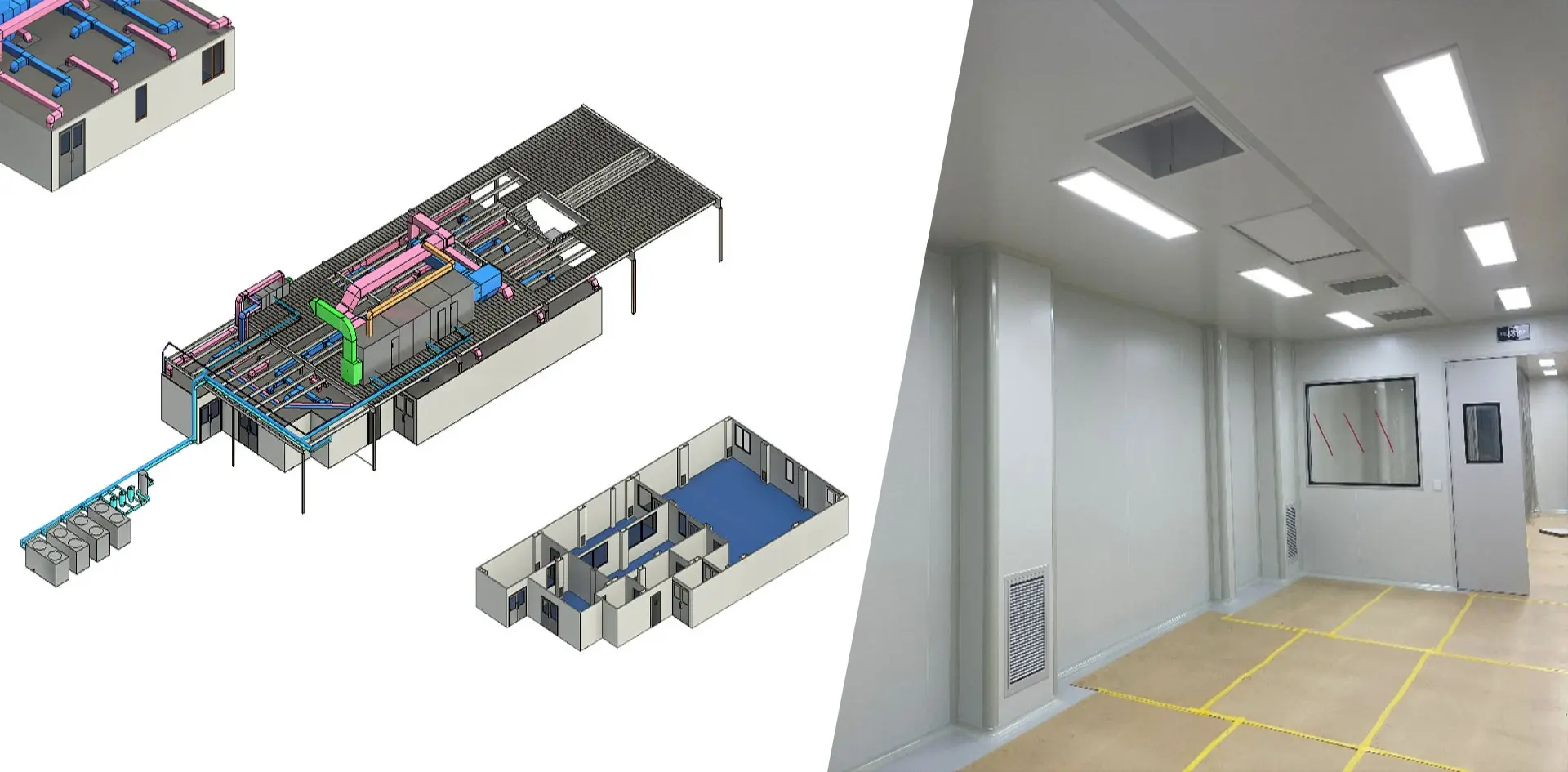 Recovery ≥99%
High-efficiency solvent condensation capturing N-Methyl-2-pyrrolidone from lithium electrode dry lines with integrated energy recovery loops.
Get Recovery Whitepaper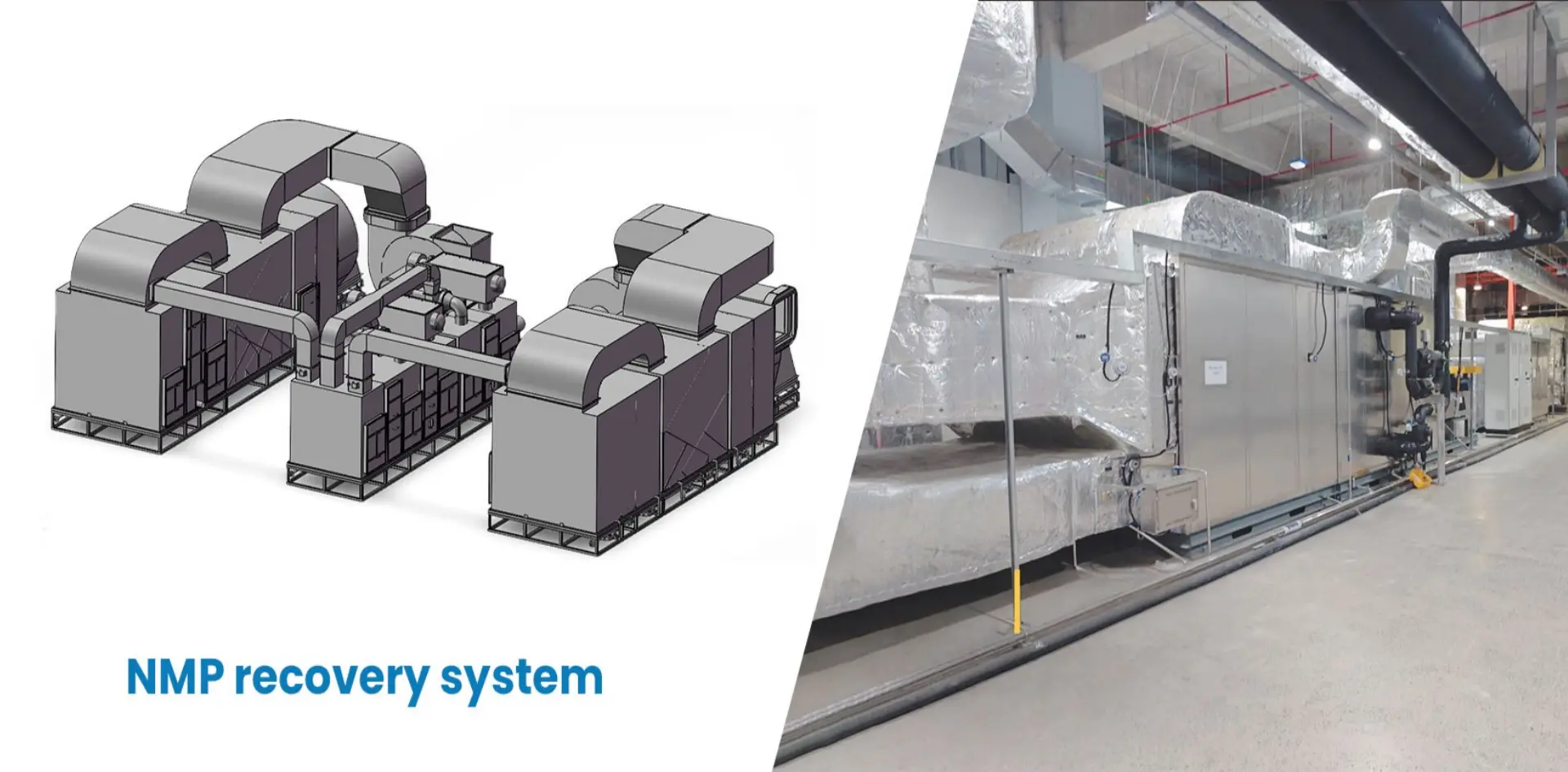 Exhaust Abatement
Regenerative thermal oxidizers combined with pre-condensation chillers to process hazardous volatile organic emissions with minimal fuel input.
Inspect VOC Plant
Condensation Tech
Specialized vapor recovery equipment for petrochemical tank farms and marine tanker loading terminals to condense hydrocarbon gas emissions.
Review Oil Gas Specs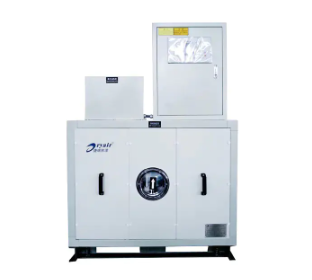 GMP Sanitary
Sanitary air handling units with internal stainless steel liners, antimicrobial seals, and HEPA filter stages conforming to global FDA and EU GMP rules.
Download Pharma Guide Commercial DX
Cost-effective moisture extraction for warehouses, raw material staging areas, and pre-cooling stages ahead of primary desiccant wheels.
Review DX Range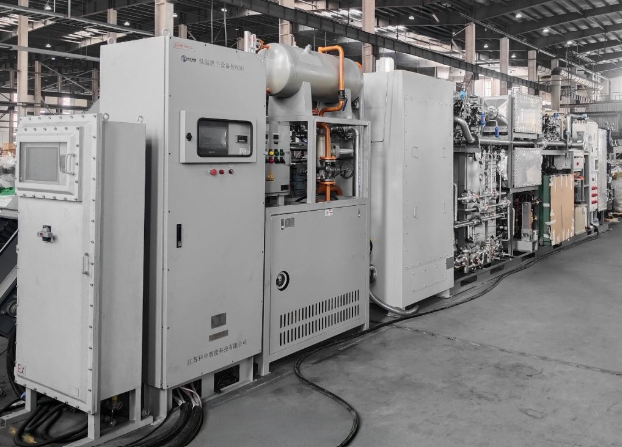 Skid-Mounted
Pre-piped, pre-wired mobile desiccant skids designed for rapid deployment in temporary shipyard blasting, bridge painting, or emergency defense drying.
View Skid SolutionsFrom preliminary load calculation to on-site commissioning, our engineering delivery protocol guarantees predictable timelines and absolute dew point compliance.
Latent load evaluation, infiltration modeling, and psychrometric baseline sizing.
CFD airflow simulation, CAD/BIM mechanical layout, and energy recovery optimization.
In-house casing manufacturing, robotic welding, and full-load factory testing (FAT).
On-site assembly, clean envelope hermetic sealing, and balancing by DryAir engineers.
2-year overseas warranty, IoT telemetry diagnostics, and guaranteed spare parts dispatch.
Send us your facility layout, ambient wet-bulb parameters, target dew point, and fresh air airflow requirements. We deliver customized system schematics and equipment schedules within 24 hours.