
Primary Engineered Equipment Solutions (Top Series)
Explore our core commercial and heavy industrial rotary dehumidification portfolios engineered to handle high latent loads across diverse climatic envelopes.
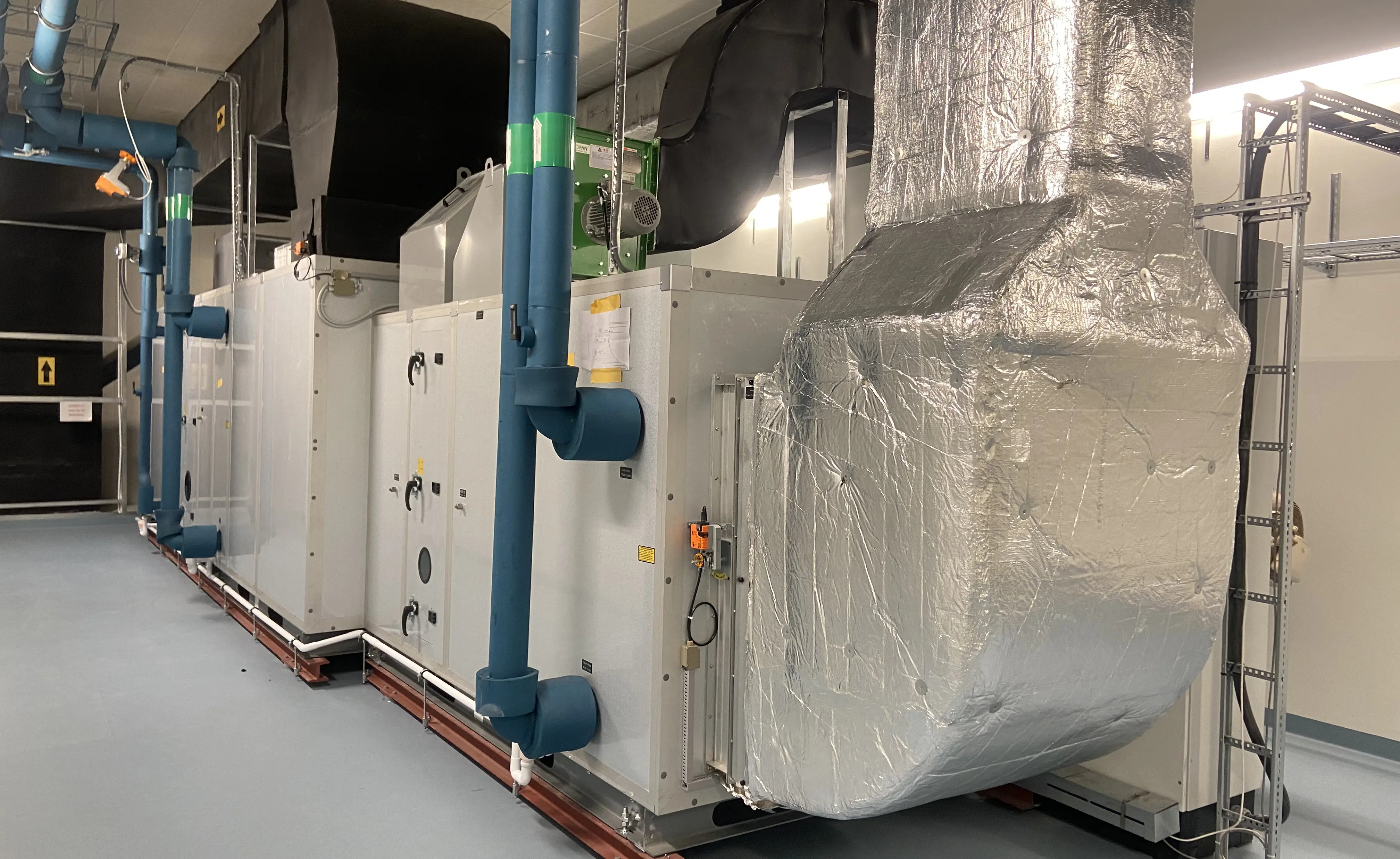 DP -70°C
Desiccant Dehumidifier
DHU Series big wheel desiccant units delivering process air control down to -70°C dew point for lithium battery dry rooms and military preservation.
Explore DHU Series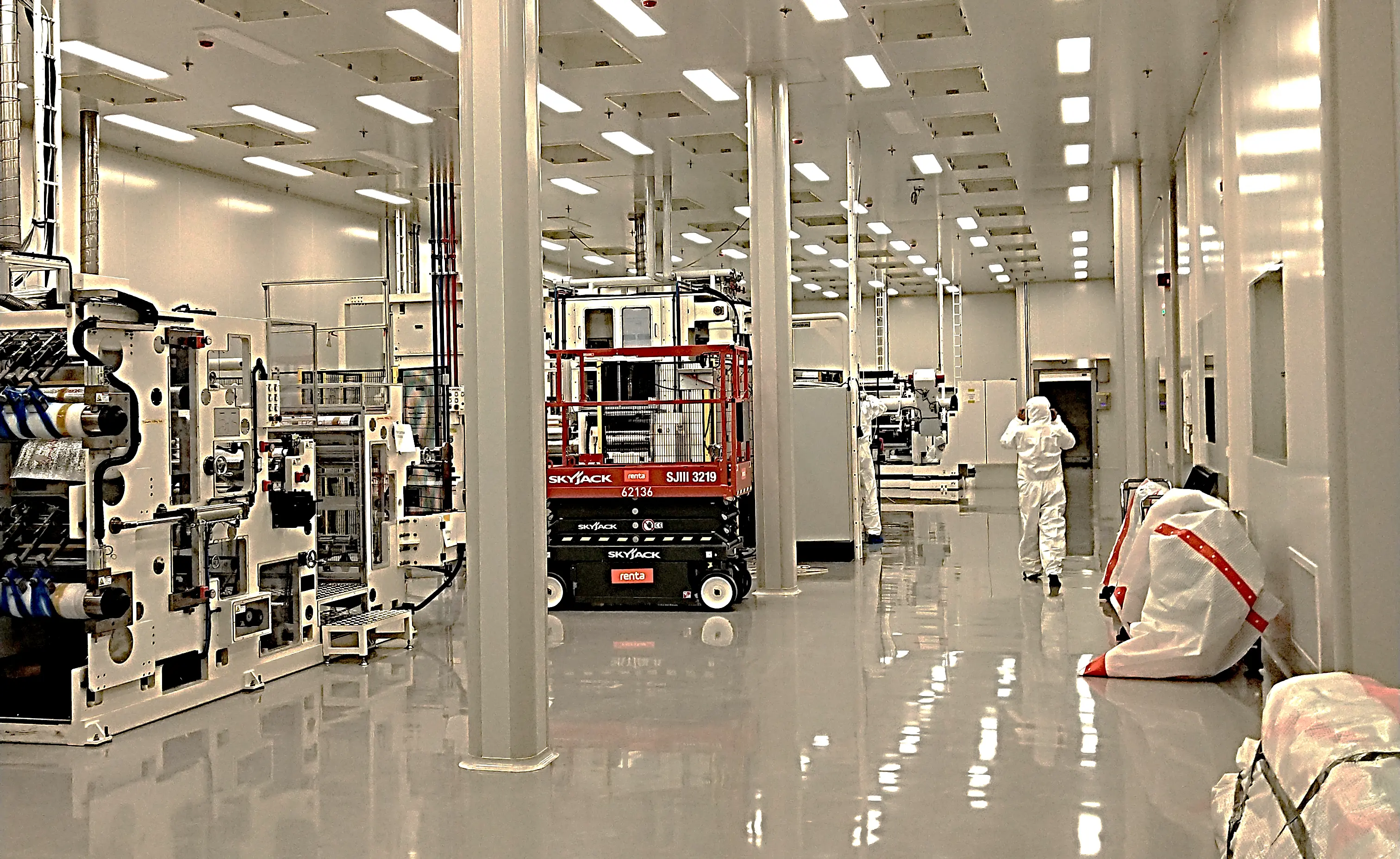 EPC Turnkey
Turn-key Dry Room System
Integrated envelope enclosure, airtight lock assemblies, ultra-low dew point air handlers, and BMS automation designed for gigafactory cell production.
View Dry Rooms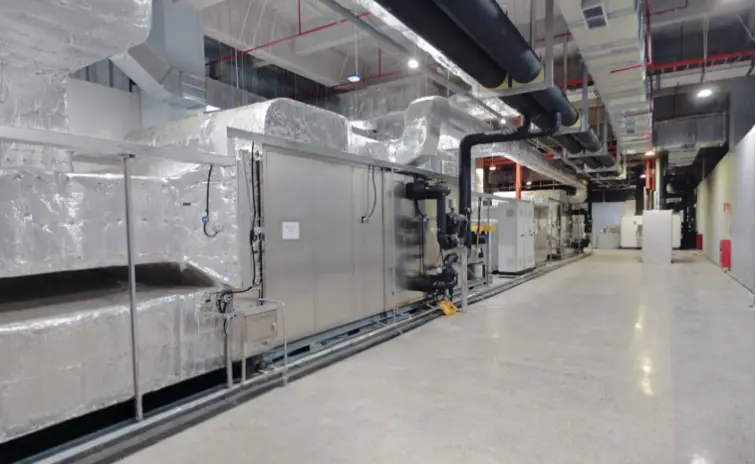 Recovery ≥99%
NMP Recovery System
ZJRH series dual condensation and adsorption arrays capturing high purity N-Methyl-2-pyrrolidone solvent from battery cathode coating lines.
Inspect NMP Recovery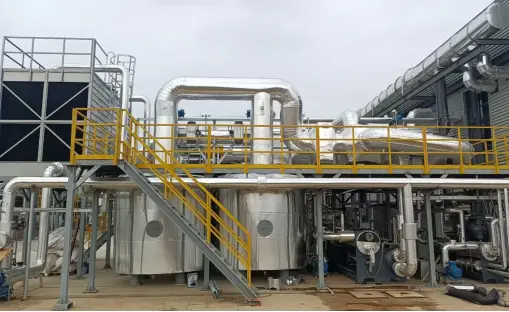 Cryo + RTO
VOC Abatement System
Integrated deep-cooling condensation combined with regenerative thermal oxidizers (RTO) for extreme regulatory industrial VOC emission compliance.
View VOC Systems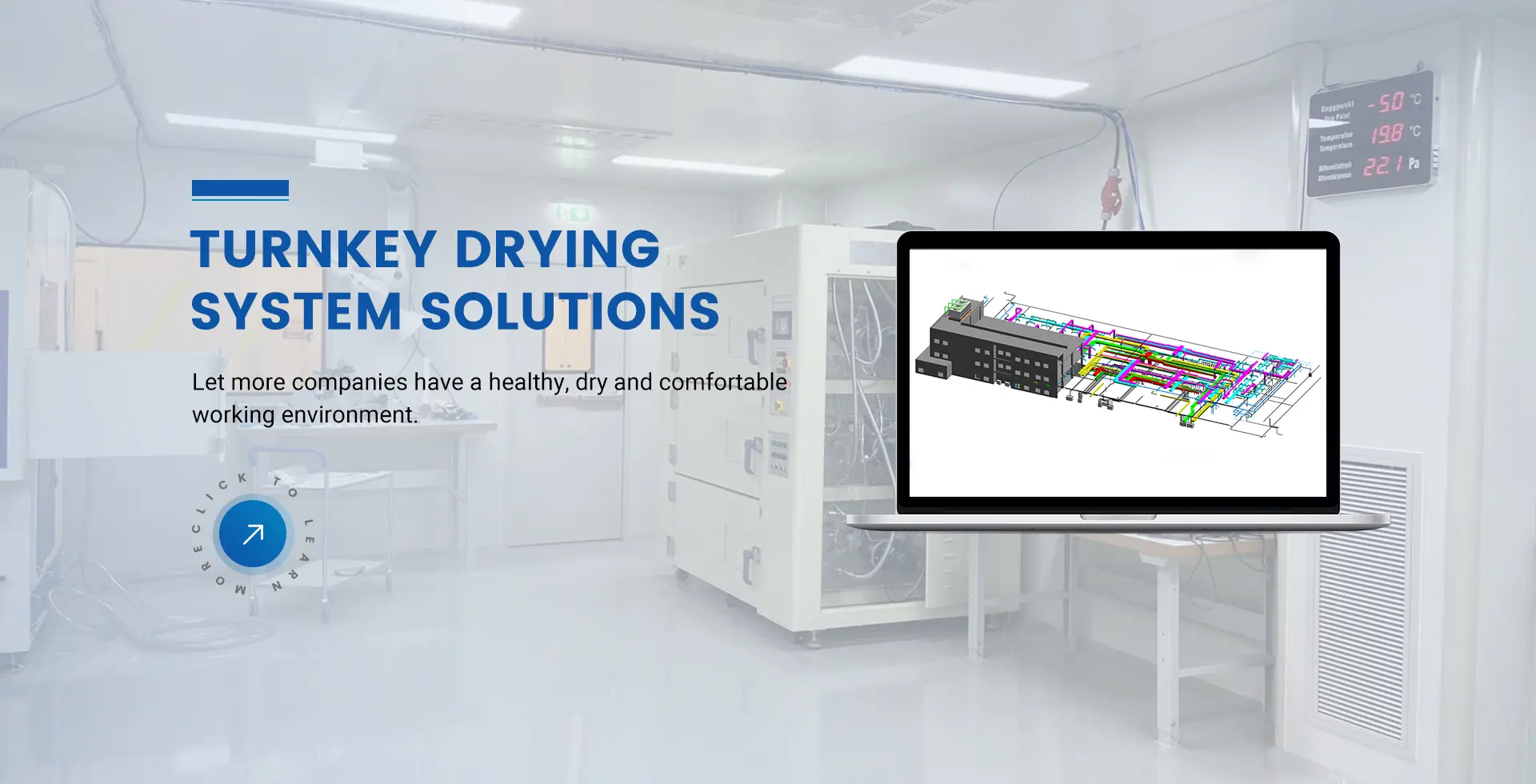 High CFM Rotor
Commercial Big Wheel Unit
Large-format silica gel / molecular sieve rotor units tailored for high fresh air ratio intake, pre-treating ventilation in coastal and humid facilities.
Rotor Specifications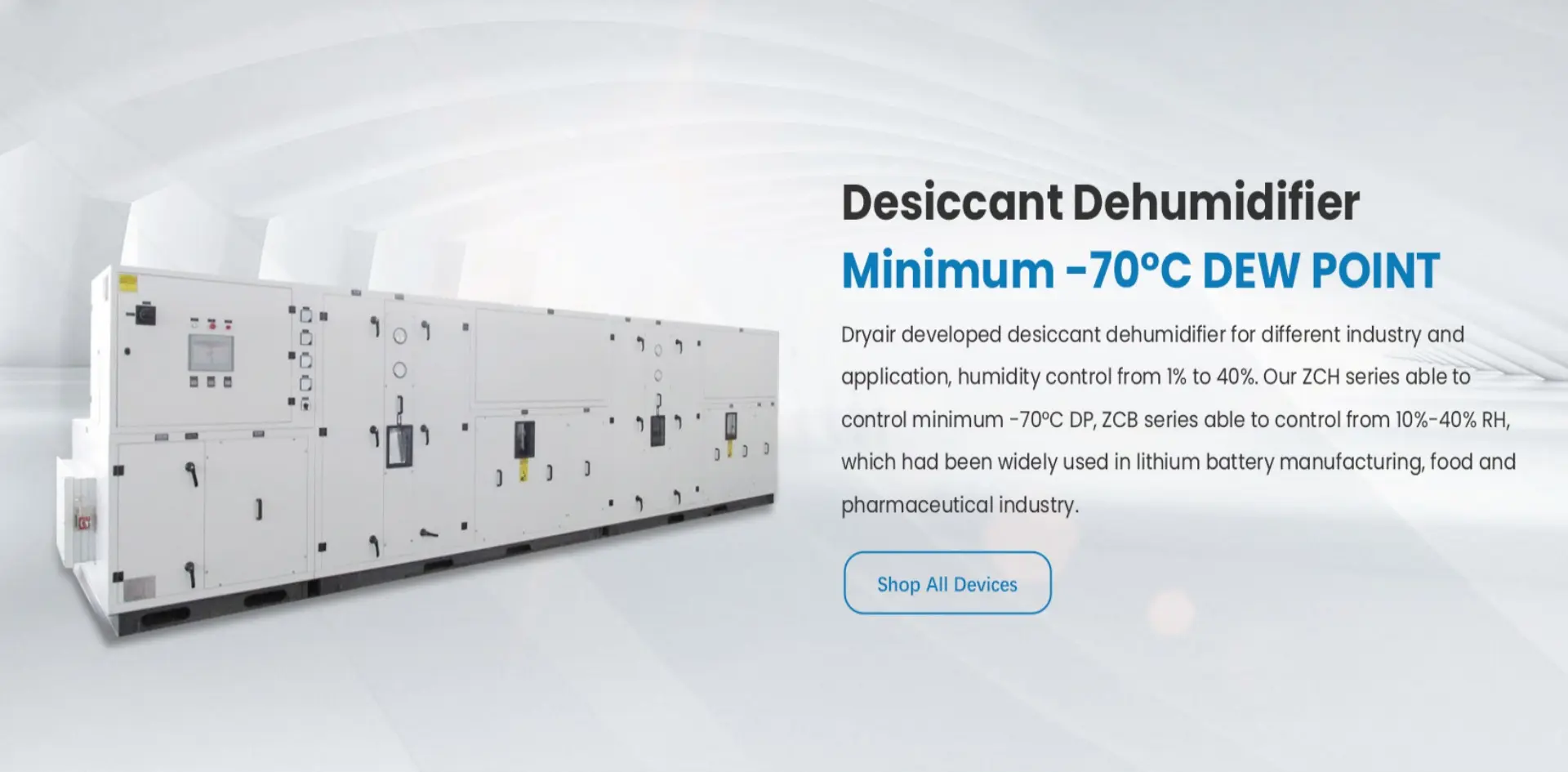 Dual-Rotor Cascade
Dual-Rotor Low DP System
Cascaded desiccant wheel configuration engineered specifically to hit -50°C to -70°C dew point with heat recovery and modulated reactivation loops.
Cascade Solutions Petrochemical
Oil Gas Recovery System
Explosion-proof hydrocarbon recovery plants capturing volatile hydrocarbon emissions during commercial bulk liquid terminal transshipment.
Vapor Recovery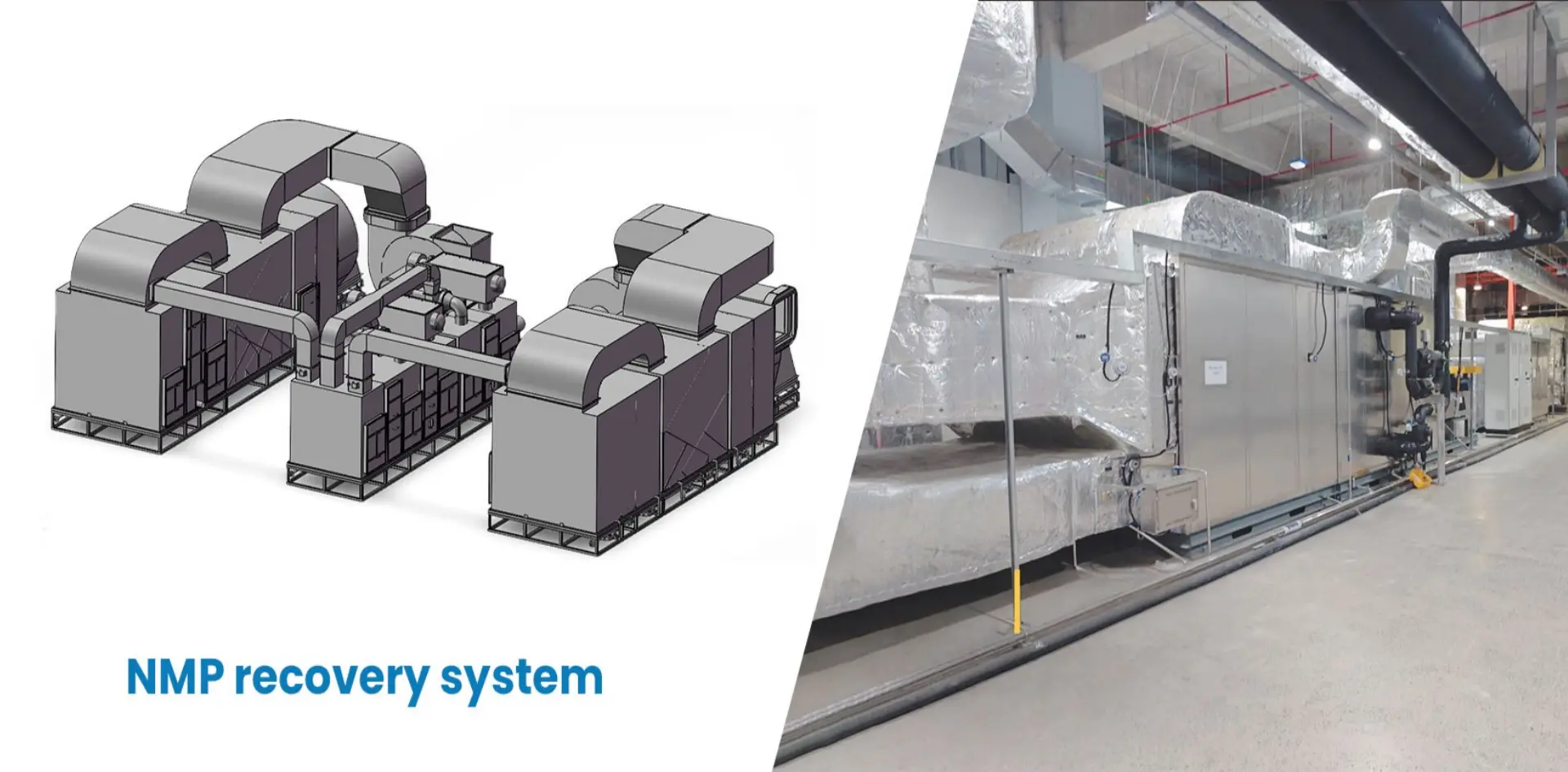 Direct DX Unit
Refrigerative Dehumidifier
Direct expansion refrigeration air dehumidifiers for pre-cooling, dry storage warehousing, packaging cleanrooms, and food drying tunnels.
Examine DX UnitsDryAir Technical & Operational Capability Dashboard
Real-time manufacturing, psychrometric performance, and international export verification figures.
Tier-1 Global Proven Pedigree
Validated in critical battery manufacturing gigafactories for Tesla, Northvolt, CATL, ATL, and BYD. We eliminate catastrophic failure modes such as internal vapor bypass, seal friction degradation, and thermal transmission loss.
Multilateral Quality & Safety Proof
Hangzhou DryAir holds ISO 9001 and China's GJB weapon-grade equipment quality standard certifications. Full compliance kits and certifications are available for CE (EU), UL/CSA (North America), ASME (Pressure Vessels), and EAC.
Turnkey Engineering EPC Delivery
Single-point accountability from psychrometric CFD design, in-house CNC sheet metal manufacturing, unit balancing, site ductwork erection, and dry room testing to 2-year extended international lifecycle SLA support.
Industry White Paper: Big Wheel Desiccant Dehumidification Dynamics
Analysis of high-volume airflow latent heat loads, desiccant wheel rotor chemistry, and global adoption trends.
In modern industrial and large-scale commercial spaces, latent humidity loads often overpower standard chill-water coil systems. When indoor air targets dip below 45% Relative Humidity (RH), and especially when manufacturing chemistries necessitate sub-zero dew points (down to -40°C or -70°C), traditional refrigerative condensation encounters severe physical limitations—primarily evaporator frosting and soaring compressor power consumption. This thermodynamic boundary is where the Big Wheel Commercial Dehumidifier (Rotary Desiccant Dehumidification) stands as the definitive engineering solution.
The Thermodynamics of Rotor Sorption and Thermal Reactivation
The operational foundation of a big wheel commercial desiccant system centers on a slowly rotating honeycomb rotor matrix impregnated with either synthesized silica gel, specialized zeolites, or lithium chloride crystalline compounds. The wheel alternates through two segregated, counter-flowing airstreams: the Process Air stream and the Reactivation (Regeneration) Air stream.
In the process sector, humid air passes through the microscopic flutes of the honeycomb wheel. Water vapor molecules are captured on the enormous internal surface area of the desiccant media via physical adsorption, lowering the specific humidity (grains/lb or g/kg of dry air) to ultra-dry conditions. Concurrently, the wheel revolves at roughly 8 to 20 revolutions per hour into the reactivation sector. Here, a heated air stream (ranging from 110°C to 145°C) desorbs the captured moisture, carrying it outdoors as vapor and continuously regenerating the matrix.
Massive Airflow Handled
Wheel diameters exceeding 2.5m to 4.5m process over 50,000 to 120,000 m³/h in a single module, eliminating complex parallel piping and duct splits.
Energy Recovery Synergy
Advanced purge sectors transfer residual sensible heat from the regenerated rotor sector back to preheat incoming reactivation air, slashing heater KW draws by 25-35%.
Continuous Zero-Frost Operation
Unlike refrigeration coils which freeze below 0°C dew point requiring frequent defrost cycles, desiccant absorption operates entirely uninterrupted down to -70°C DP.
Global Commercial and Industrial Sector Landscape
Across North America, Western Europe, and Southeast Asia, strict regulatory standards for energy efficiency (ASHRAE 90.1, EU Ecodesign ErP) combined with escalating clean-energy production targets are reshaping the dehumidifier market. Three mega-trends are dictating current industrial demand:
1. Gigafactory Expansion: The massive electrification drive requires battery cell assembly spaces spanning hundreds of thousands of square meters held steadily below -40°C to -50°C dew point to avoid Hydrofluoric Acid (HF) generation from electrolyte reactions with airborne moisture.
2. Bio-Pharmaceutical Sterility: Continuous processing of hygroscopic powder suspensions, gelatin capsules, and active APIs necessitates strict ambient control without biological contaminants or thermal swings.
3. Cold-Chain and Ice Rink Infrastructures: Massive logistics hubs and refrigerated cross-dock centers deploy big wheel desiccant systems to stop evaporator frost accumulation, ceiling condensation drip, and surface ice hazards.
Localized Application Scenarios & Regional Engineering Profiles
Tailoring rotary desiccant architectures to severe ambient environments and strict cleanroom protocols.
Lithium Battery Gigafactories
Electrolyte injection, pouch sealing, and cathode stacking. Requires custom dual-rotor cascades with molecular sieve desiccant matrices achieving a verified -50°C to -70°C dew point.
GMP Pharmaceutical Cleanrooms
Processing hygroscopic powders, tablets, effervescent salts, and soft gel capsules. Prevents powder agglomeration, ensures uniform filling weight, and halts microbial contamination.
Aerospace & Defense Facilities
Long-term preservation of missile electronics, avionics, guidance optical instruments, and ammunition. Built strictly according to GJB military manufacturing criteria.
Marine & Petrochemical Bulk Storage
Protection of offshore wind turbine nacelles, chemical storage tank internal coatings, and volatile gas condensation capture during bulk transfer operations.
China Factory Supply Chain Resilience & Manufacturing Depth
How Hangzhou DryAir’s vertically integrated industrial ecosystem ensures cost predictability, rapid delivery, and uncompromising quality.
Full Vertical Manufacturing
From automated CNC sheet metal laser cutting, CNC double-skin panel bending, airtight polyurethane injection foaming, to specialized silicon perimeter sealing, every structural sub-assembly is built within our 20,000+ m² facility.
Lead Time Supremacy (200+ Units/Mo)
Leveraging Zhejiang Province's world-class electrical component, motor, and refrigeration valve clusters, DryAir maintains standard big wheel unit build lead times of only 6–8 weeks, compared to 20–26 weeks from Western European competitors.
Comprehensive In-House Test Chamber
Every industrial unit undergoes full-load factory acceptance testing (FAT) inside our climate-simulation testing lab. Dew point stability down to -70°C, fan aerodynamic curves, and heater safety circuits are audited and certified prior to departure.
Dew Point & Psychrometric Specification Matrix
Match target humidity parameters to optimal equipment architectures to balance CAPEX against 10-year operational energy spend:
| Target Industrial Environment | Required Moisture Level | Core System Architecture | Typical Operational Advantage |
|---|---|---|---|
| Lithium Battery Cell Assembly & Electrolyte | -40°C to -60°C Dew Point | Cascaded Dual Desiccant Wheels + Chilled Water Pre-Cool | Eliminates electrolyte HF contamination; maximizes cell lifecycle |
| Next-Gen Solid State & Lithium Metal | -65°C to -70°C Dew Point | Ultra-Low DP Molecular Sieve Rotor + Deep Sub-Cooling | Prevents active lithium surface passivation and thermal runaway |
| Electrode Coater NMP Recovery Exhaust | ≥99% NMP Recovery Rate | ZJRH Dual Condensation + VOC Carbon/Zeolite Polishing | Multi-million dollar solvent reclamation; zero stack emission breaches |
| Hygroscopic Pharma & Effervescent Tableting | 10% to 25% Relative Humidity | Silica Gel Big Wheel Rotor + HEPA Filtration Sections | Eliminates powder bridging, sticking, and bacterial incubation |
| Defense Storage & Military Avionics Warehouses | ≤35% to 40% Relative Humidity | Single Big Wheel Rotor with Modulating Electric/Steam Reg. | Eliminates internal corrosion without active ambient climate heating |
| General Commercial Storage & Food Preparation | 45% to 60% Relative Humidity | DX Refrigerative Industrial Dehumidifiers | Low CAPEX, direct condensate water drainage, compact plug-and-play |
Technology Roadmap: The Future of Industrial Humidity Control
Continuous psychrometric innovations addressing global decarbonization and automated smart facilities.
Low-Grade Waste Heat Reactivation
DryAir is pioneering low-temperature desiccant rotors capable of full reactivation using 65°C–80°C hot water recovered from air compressors, heat pumps, or factory condenser loops, eliminating up to 60% of primary electrical heater loads.
AI-Driven Psychrometric Modulation
Embedding cloud-connected Edge AI algorithms that constantly parse external meteorological enthalpy forecasts, factory production shifts, and internal latent fluctuations to dynamically modulate rotor RPM and reactivation heating power.
Next-Gen MOF (Metal-Organic Framework) Media
Collaborative R&D into MOF nanocomposite rotor coatings that achieve 3x greater moisture adsorption capacity per unit volume than traditional silica gels, paving the way for ultra-compact big wheel commercial dehumidification platforms.
Global Localization, On-Site Commissioning & Compliance Guarantees
Seamless international project execution backed by global engineering deployment and comprehensive certifications.
International Certifications & Standards
Hangzhou DryAir equipment is fully engineered to conform with UL 1995/CSA standards for North America, CE Machinery and Low Voltage Directives for Europe, ASME code for refrigeration and pressure vessels, and EAC standards for Eurasian territories.
Worldwide Field Commissioning
Our multilingual commissioning team flies directly to project sites across Europe, Southeast Asia, and the Americas to oversee duct alignment, balance airflow distribution, verify leak rates, and calibrate dew point sensors.
Extended 2-Year International SLA
We provide full remote telemetry diagnostics, rapid air-shipped critical spare components (seals, drive belts, sensors, PLC boards), and dedicated 2-year maintenance agreements ensuring 99.8%+ dry room uptime.
Technical & Procurement FAQ
Direct technical answers addressing critical project specification and procurement queries.
What is the absolute lowest dew point achievable with DryAir systems?
DryAir rotary desiccant dehumidifiers reliably achieve supply air dew points down to -70°C. This is accomplished using our cascaded dual-rotor configuration with specialized molecular sieve honeycomb wheels, specifically configured for ultra-dry lithium battery production and hazardous chemical environments.
Can DryAir handle full turnkey dry room construction outside of China?
Yes. DryAir provides complete EPC turnkey dry room project delivery internationally. This includes room envelope sandwich panel installation, structural airtight ceilings, air-lock vestibules, psychrometric desiccant AHU systems, process piping, BMS controls, and dew point validation on site.
What certifications are provided for export to North America and Europe?
DryAir equipment can be built with CE mark conformity for European jurisdictions, UL/CSA compliance for the United States and Canada, ASME stamp certifications for pressure vessels, and EAC certification for the Eurasian Customs Union. DryAir operates under ISO 9001 and GJB national military standards.
What recovery efficiency is achieved by DryAir’s NMP recovery system?
DryAir ZJRH series NMP solvent recovery systems consistently reach and exceed a 99% recovery rate on battery electrode coating exhaust lines, sharply reducing new solvent purchase expenses and keeping plant exhaust well within local VOC air pollution limits.
How does a big wheel desiccant system compare with traditional DX dehumidifiers?
Direct expansion (DX) condensing systems remove moisture by lowering air temperature below its dew point, which works efficiently down to roughly 6°C to 10°C dew point (around 45–50% RH). Below this, evaporator coils freeze. Big wheel desiccant units adsorb moisture directly without condensation, operating effortlessly from 40% RH down to 0.5% RH (-70°C DP) without icing.
What after-sales and warranty support is available globally?
International clients can secure an optional 2-year extended warranty and SLA package. This includes factory commissioning by our senior HVAC engineers, 24/7 remote IoT telemetry monitoring, priority express shipment of critical components, and routine on-site health audits.
Comprehensive Equipment Lineup (Bottom Series)
Select your required system below to submit an immediate RFQ or download dedicated psychrometric performance curves.
DHU Model
Desiccant Dehumidifier
High-capacity rotor system engineered for stable, low-dew-point environmental control across chemical processing, military storage, and cleanrooms.
View Rotor Data
Complete EPC
Turn-key Dry Room System
From initial thermal and psychrometric calculations to airtight panel erection and HVAC commissioning, we take full responsibility for dry room handovers.
Request Dry Room RFQ
Green Recycling
NMP Recovery System
Closed-loop condensation recovery designed to recapture valuable N-Methyl-2-pyrrolidone solvent from lithium battery coating exhausts with ≥99% efficiency.
Learn About NMP
Clean Emissions
VOC Abatement System
Combining regenerative thermal oxidation (RTO) with deep condensation systems to clean corrosive and hazardous solvent exhaust gas flows.
VOC Specifications Heavy Commercial
Big Wheel Commercial Unit
Optimized for commercial superstores, pharmaceutical warehousing, and ice arenas requiring high CFM airflow drying and frost-free indoor conditions.
Inquire Commercial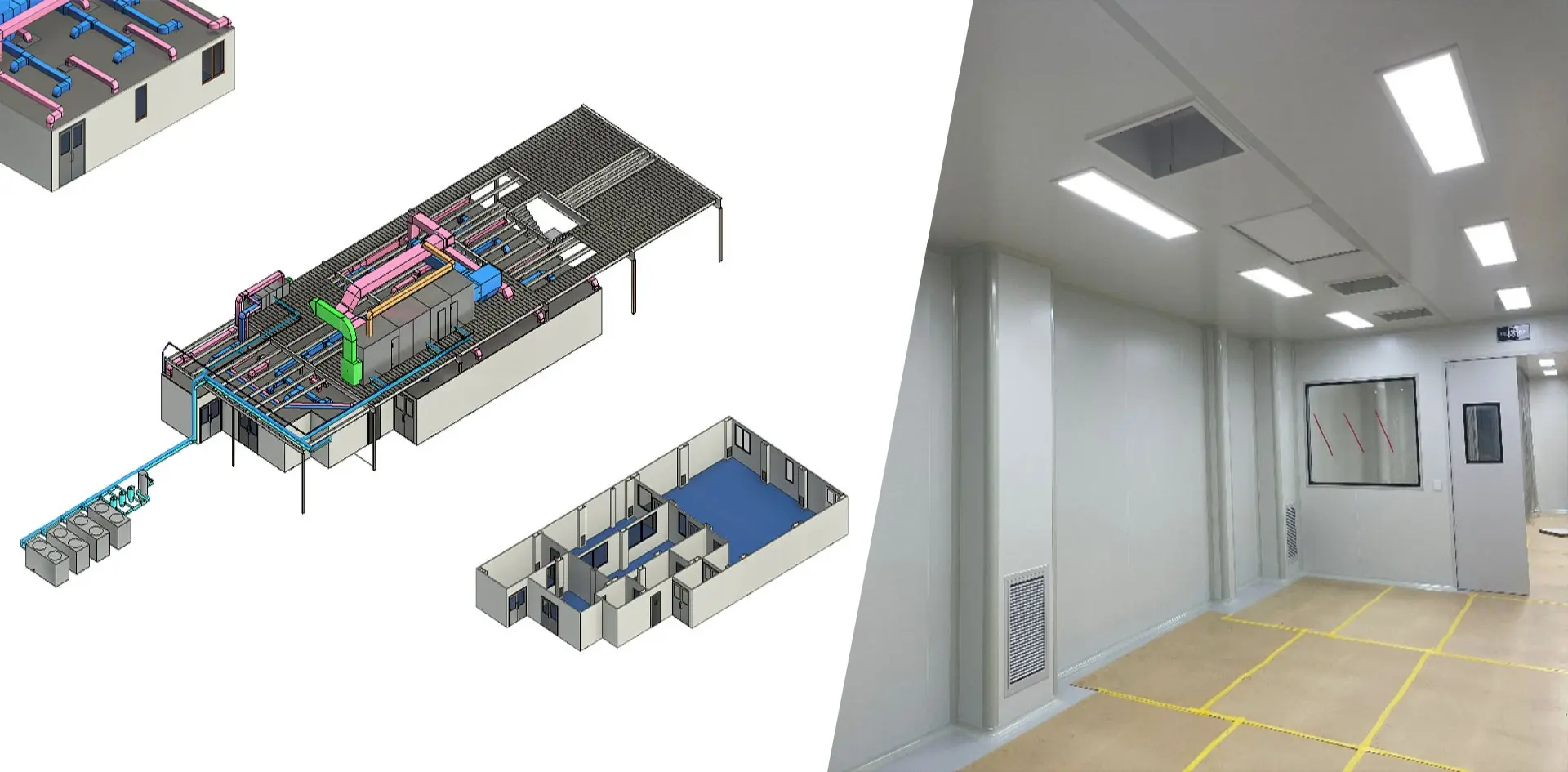 Heat Integration
Coater Exhaust Recovery
Integrated energy and solvent recovery plant that returns clean, heated dry air back to coater ovens while capturing liquid NMP for refinement.
Solvent Recovery Line Military GJB
Defense Climate Preservation
Heavy-duty, vibration-resistant, and high-ambient corrosion protected rotary dehumidification units built to China GJB military-grade criteria.
Military Grade Data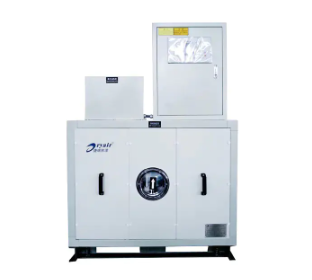 Cleanroom HVAC
Refrigerative Dehumidifier
High-efficiency direct expansion cooling dehumidifiers suited for food drying, warehouse moisture management, and primary stage latent cooling.
Explore DX ModelsPartner with China’s Premier Big Wheel Dehumidifier Manufacturer
Whether you are planning a multi-gigawatt battery facility, an automated pharmaceutical packaging suite, or require reliable commercial big wheel dehumidification, DryAir's engineering team provides detailed psychrometric calculations and customized layout drawings within 24 hours.