
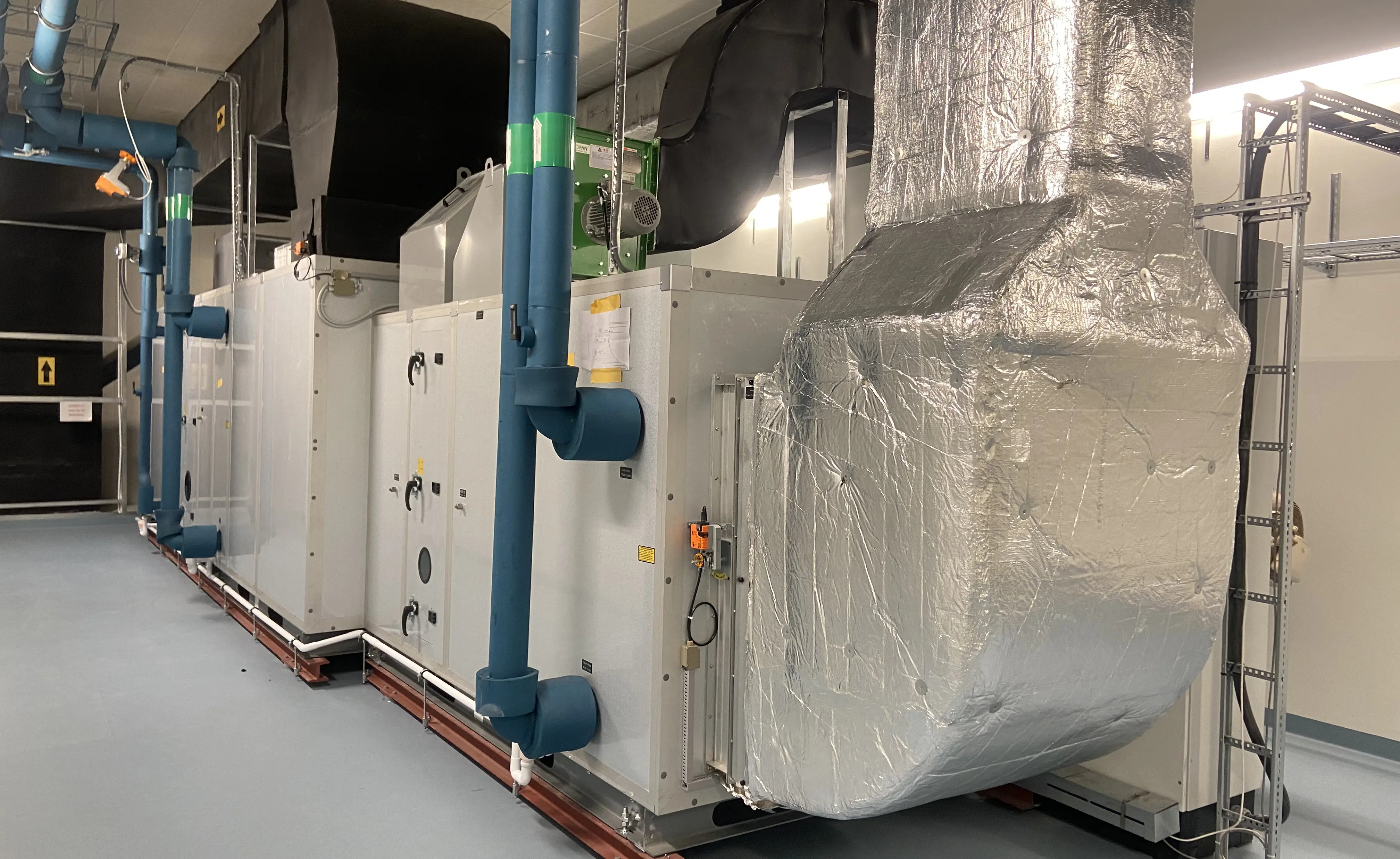
 DP -70°C Spec
Desiccant Dehumidifier
DHU rotary desiccant dehumidifiers deliver stable low-dew-point air where mechanical refrigeration reaches thermodynamic limits.
View SpecificationsEngineered to eliminate process failure risks across lithium-ion battery drying, biopharmaceutical formulation, defense packaging, and hazardous emission abatement.
DP -70°C Spec
DHU rotary desiccant dehumidifiers deliver stable low-dew-point air where mechanical refrigeration reaches thermodynamic limits.
View Specifications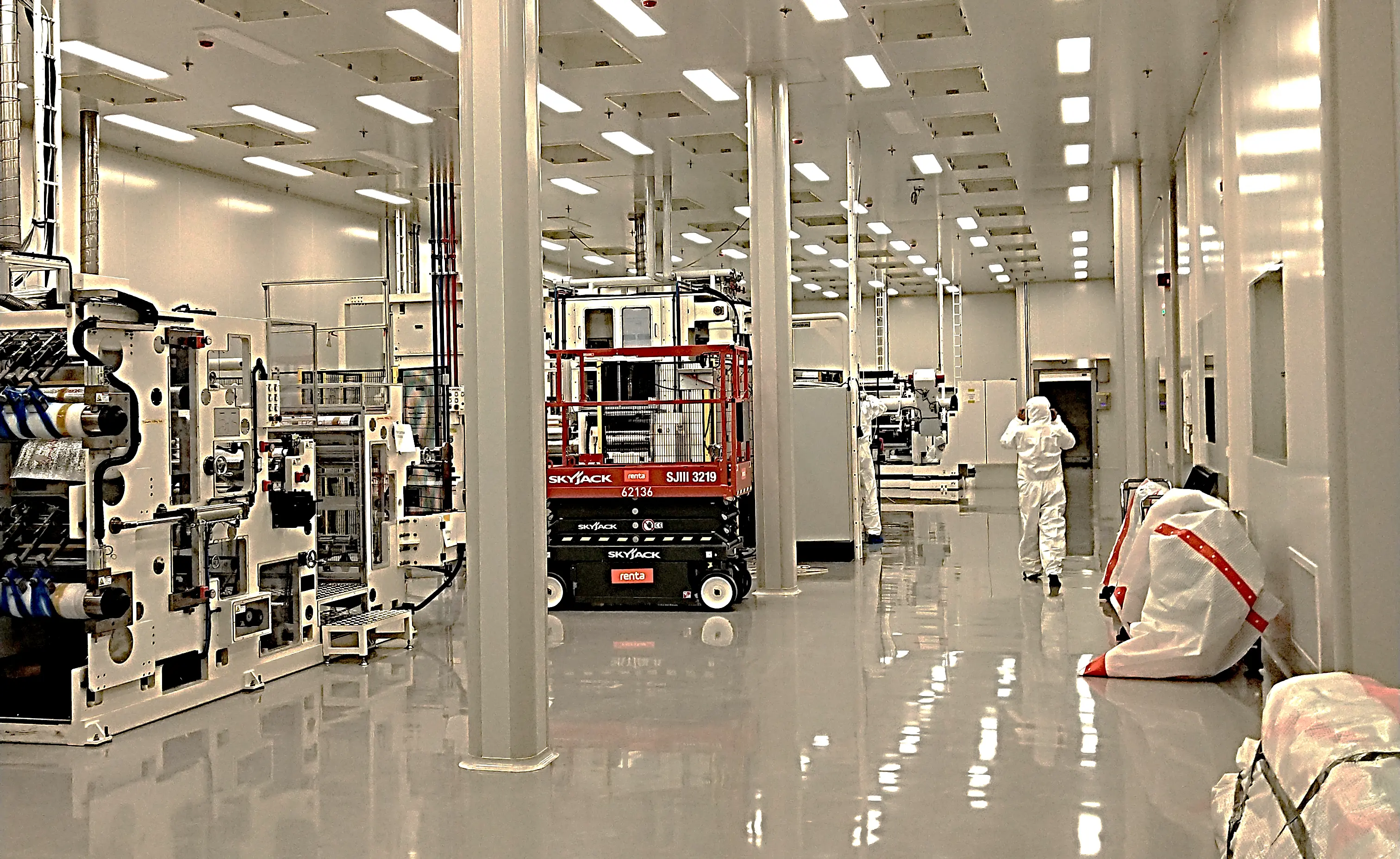 EPC Turnkey
Complete envelope engineering, air handling, desiccant cascades, controls, and on-site dew point validation under single-point ownership.
Explore Dry Rooms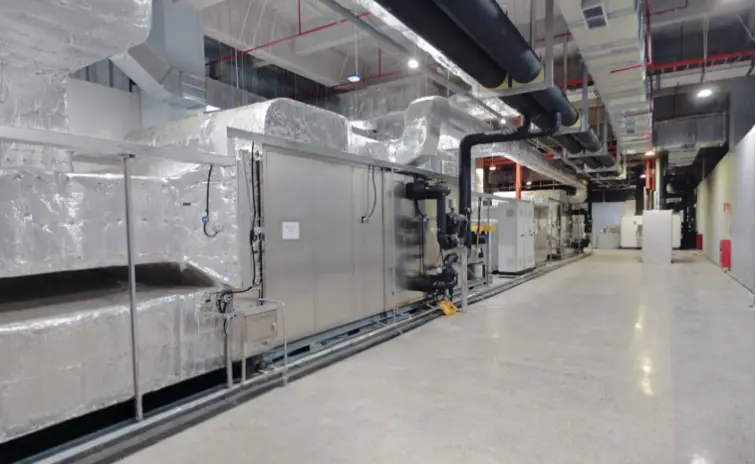 Yield ≥99%
Captures volatile N-Methyl-2-pyrrolidone from cathode coating exhaust via dual condensation loops, minimizing raw solvent purchasing costs.
Learn More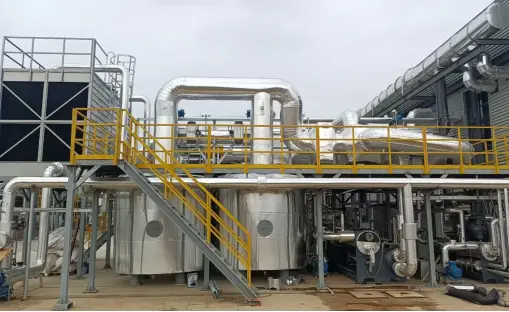 Deep Cooling + RTO
Deep-cooling condensation coupled with Regenerative Thermal Oxidation (RTO) ensures compliance with strict volatile organic exhaust thresholds.
Explore Abatement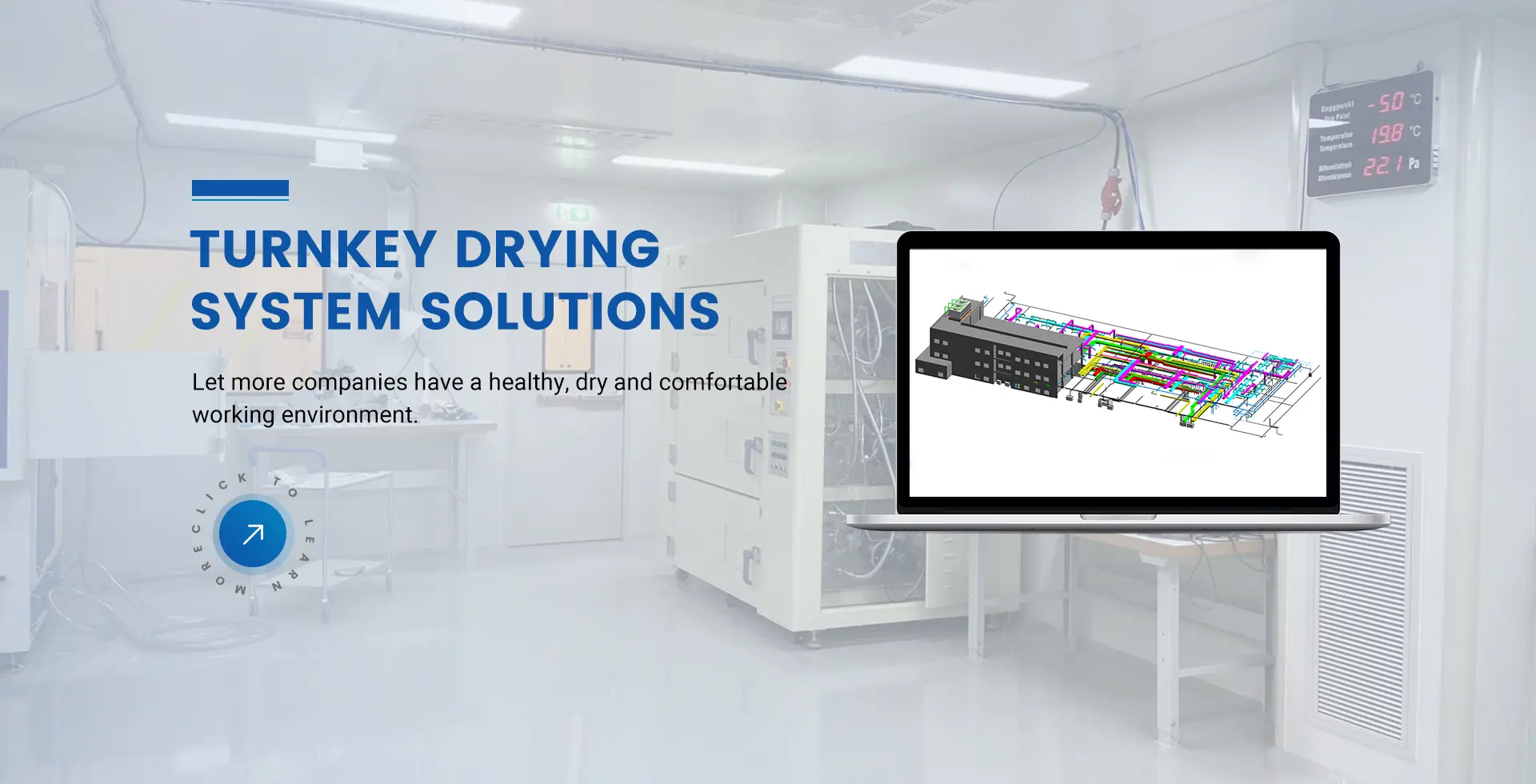 Energy Efficient
Reliable baseline latent load elimination for warehouses, production corridors, and initial-stage pre-cooling prior to desiccant rotors.
View Refrigerative Units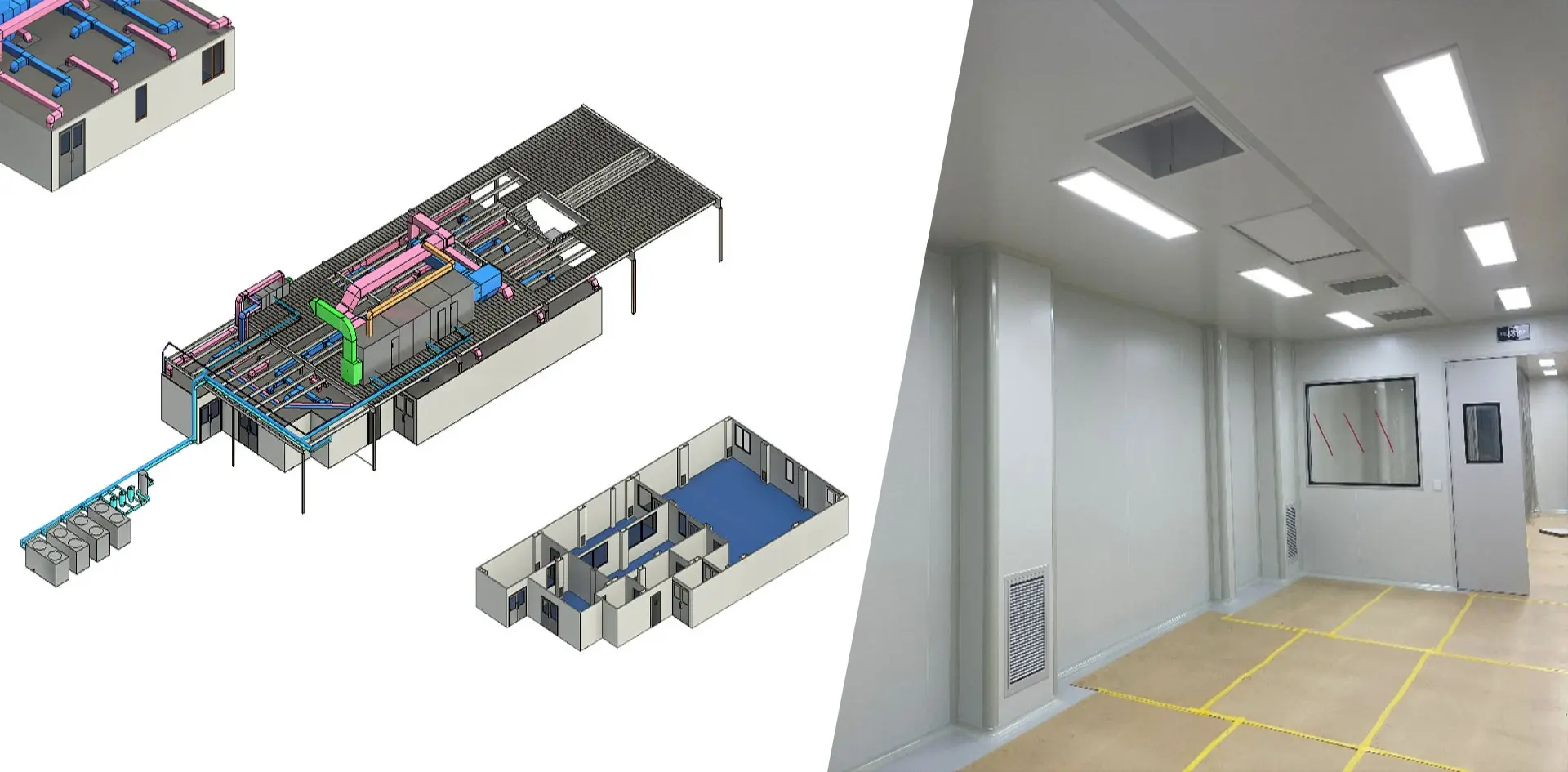 Dual Rotor Tech
Two-stage cascade adsorption rotor system engineered for next-gen solid-state lithium battery assembly requiring absolute dew points under -60°C.
Technical Data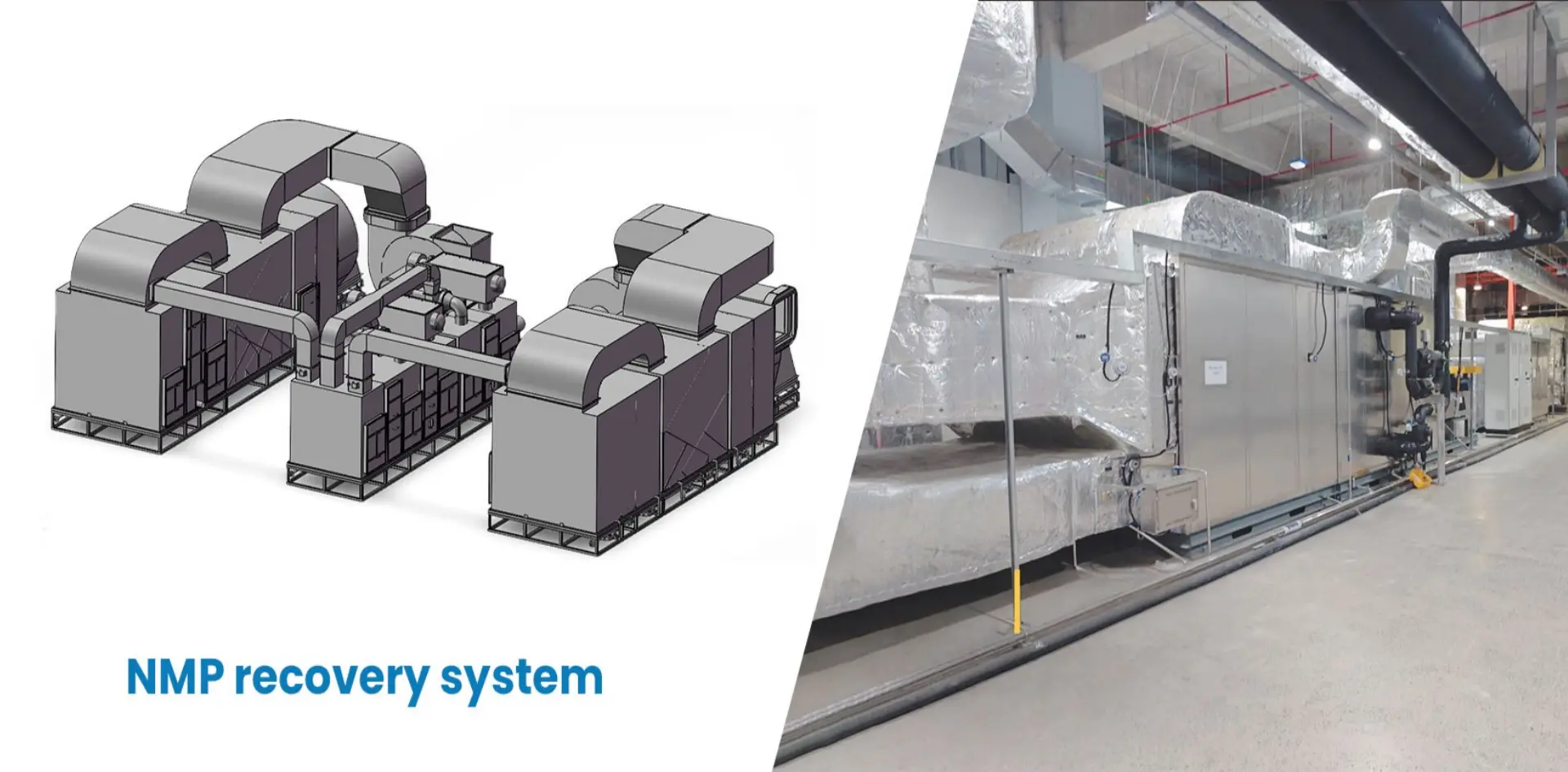 ISO 14644 Compliant
Sanitary double-skin casing with hygienic sealing design, specifically built to prevent fungal multiplication and moisture caking in tablet pressing.
Cleanroom Packages ATEX & Explosion-Proof
Explosion-proof skid-mounted systems capturing petrochemical volatiles during terminal vessel loading, storage pumping, and pipeline discharge.
System BlueprintThe global transition to electrification, biological therapeutics, and microelectronics has shifted industrial humidity control from simple ambient conditioning to mission-critical yield defense.
The global explosion of battery manufacturing across North America, Europe, and Asia demands massive volumetric air handling with strict moisture boundaries. High-nickel cathodes and lithium-metal chemistries rapidly degrade into toxic hydrofluoric acid (HF) if exposed to ambient moisture over -40°C dew point. Industrial rotary desiccant systems represent 25-40% of gigafactory operating electricity, making regeneration energy optimization the primary industrial KPI.
Process Vulnerability: HF Acid MitigationStrict corporate ESG standards, along with EPA and REACH regulations, have rendered single-pass venting obsolete. Solvent recovery on cathode coating lines—specifically targeting N-Methyl-2-pyrrolidone (NMP)—must achieve capture efficiencies of over 99% to lower Scope 1 emissions, protect operator health, and insulate gigafactories from petrochemical price volatility.
Circularity KPI: Closed-loop Zero LeakageBiotech wet-granulation lines, effervescent tableting packaging, and EUV photolithography wafers require continuous environmental stability. Ambient RH spikes cause hygroscopic clumping, microbial growth, and optical distortion. Industrial dehumidification systems must balance laminar airflow, HEPA filtration, and antimicrobial casing design with tight psychrometric tolerances.
Regulatory Standard: GMP & ISO 14644Moisture risks vary across manufacturing sectors. Systems must be engineered around specific product sensitivities and physical enthalpy balances rather than standard off-the-shelf specs.
Within cell assembly, electrolyte vacuum filling, and laser sealing zones, ambient air must maintain dew point ranges between -40°C and -70°C. Moisture reacts aggressively with LiPF6 electrolyte salts, forming corrosive HF acid that damages separator films and reduces cycle life. DryAir systems utilize specialized low-dew-point silica gel and molecular sieve rotors with proprietary edge seals to keep leakage rates below 0.05%.
Enclosure: Negative Pressure SealantHygroscopic powders, active pharmaceutical ingredients (APIs), effervescent salts, and soft gelatin capsules require strict RH control between 10% and 30% RH at 20°C. High humidity causes powder sticking in tablet press dies, packaging clumping, and gelatin capsule deformation. Our hygienic dehumidifiers use stainless steel construction and washable desiccant wheels to comply with cleanroom GMP standards.
Compliance: cGMP Class D CleanlinessMunitions storage, missile guidance systems, military avionics, and radar shelters demand humidity levels strictly below 40% RH to prevent electrochemical oxidation, explosive propellant degradation, and mold growth on optical lenses. Built under the Chinese GJB National Military Standard, DryAir units deliver reliable protection across harsh maritime, tropical, and sub-zero storage environments.
Standard: GJB Military Anti-CorrosionSpecifying appropriate dew point targets protects equipment efficiency. Overspecifying increases capital and operational expenditures, while underspecifying leads to costly production yield losses.
| Application Scenario | Moisture Risk Mechanism | Critical Dew Point / RH | Target System Configuration |
|---|---|---|---|
| Lithium Battery Cell Assembly & Filling | LiPF6 salt hydrolysis generates lethal HF gas; internal pouch swelling | -40°C to -60°C DP | Turn-Key Dry Room + Multi-Rotor Cascades |
| Lithium-Metal & Solid-State R&D | Pure metallic lithium passivation & rapid oxidation degradation | Down to -70°C DP | DHU Low-Dew-Point Modular Desiccant Unit |
| Cathode Slurry Electrode Drying Exhaust | Atmospheric VOC air pollution & raw material financial loss | ≥99% Solvent Recovery | ZJRH Closed-Loop Dual Condensation NMP System |
| Hygroscopic Formulation & Capsule Filling | Powder bridge formation, die sticking, microbial growth | 10% - 30% RH (at 21°C) | Hygienic Desiccant Clean Air Handler |
| Ammunition & Missile Electronics Silos | Circuit dendrite short-circuits; micro-corrosion on connectors | ≤35% - 40% RH | GJB-Certified Skid-Mounted Military Dehumidifier |
| Bulk Raw Material Warehouses | Surface condensation, packaging rot, mold spores | 45% - 60% RH | Industrial Refrigerative Condensation Dehumidifier |
| Petrochemical Loading & Tank Vapor Lines | Explosive vapor leaks; fugitive organic VOC dispersion | Below EPA/EU Emission Limits | Cryogenic Condensation + RTO Thermal Abatement |
Combining complete regional industrial integration with rapid delivery timelines to support global cleanroom construction projects without extending production schedules.
Hangzhou DryAir holds a leading domestic market share of over 30% in desiccant dehumidification systems across China. Our installations support major industry players including CATL, ATL, BYD, EVE Energy, Farasis Energy, Envision AESC, and SVOLT, as well as global facilities for Tesla, Northvolt, and TTI.
Proven Reliability: 100+ GWh FootprintBased in the Qingshan Industrial Park in Lin'an, Hangzhou, our manufacturing base produces over 200 high-capacity industrial units every month. Integrated sheet-metal CNC stamping, laser-welded structural framing, automated coil winding, and rotor balance testing run concurrently under one roof.
Capacity: Scalable Parallel StagingEvery industrial unit undergoes dynamic testing in our in-house simulation chamber prior to export packaging. Supply airflow volumes, rotor regeneration heating efficiencies, face velocities, and -70°C dew point curves are digitally logged to ensure fast on-site commissioning.
Testing: 100% Full-Load Factory AuditedHow next-generation thermal management, artificial intelligence, and new materials are shaping the future of industrial humidity control systems.
Engineered to international electrical, pressure vessel, and environmental standards, backed by local deployment teams to accelerate installation and commissioning.
DryAir equipment can be tailored to meet regional electrical and safety codes, including CE (European Directives), UL / NFPA (North America), CSA (Canada), ASME Boiler & Pressure Vessel protocols, and EAC for Eurasian jurisdictions.
Certified: CE · UL · CSA · ASME · EACWe provide full-lifecycle project support: initial load modeling, ducting layouts, envelope panel assembly, electrical cabling, on-site commissioning, and dew point validation audits conducted alongside your local general contractors.
Field Engineering: Global MobilizationInternational clients can access remote IoT telemetry support, global spare parts depots, and an optional two-year extended maintenance agreement covering routine rotor desorption audits, seal replacements, and system tune-ups.
Warranty: Optional 2-Year Full CoverageClear details on real-world system performance, cleanroom air balancing, and international project execution.
Select a product line below to view technical diagrams, download engineering specs, or request a complete psychrometric calculation for your facility.
Flagship Series
Our core adsorption series with dual-rotor options, designed for high-capacity dry rooms and continuous operation.
Download Catalog
Full EPC Scope
Integrated envelope panels, air distribution ducts, structural flooring, and HVAC cascades delivered under a single EPC contract.
Dry Room Details
Emission Abatement
High-recovery-rate condensing systems designed to recover clean solvent from hot drying oven exhaust air.
NMP Plant Specs
Thermal Oxidation
Destroys volatile organic compounds at high temperatures, turning plant emissions into clean exhaust gas.
VOC Data Sheet
Baseline Stage
Energy-efficient moisture removal for staging warehouses, pre-cooling air intake, and electronics assembly areas.
Refrigerative Catalog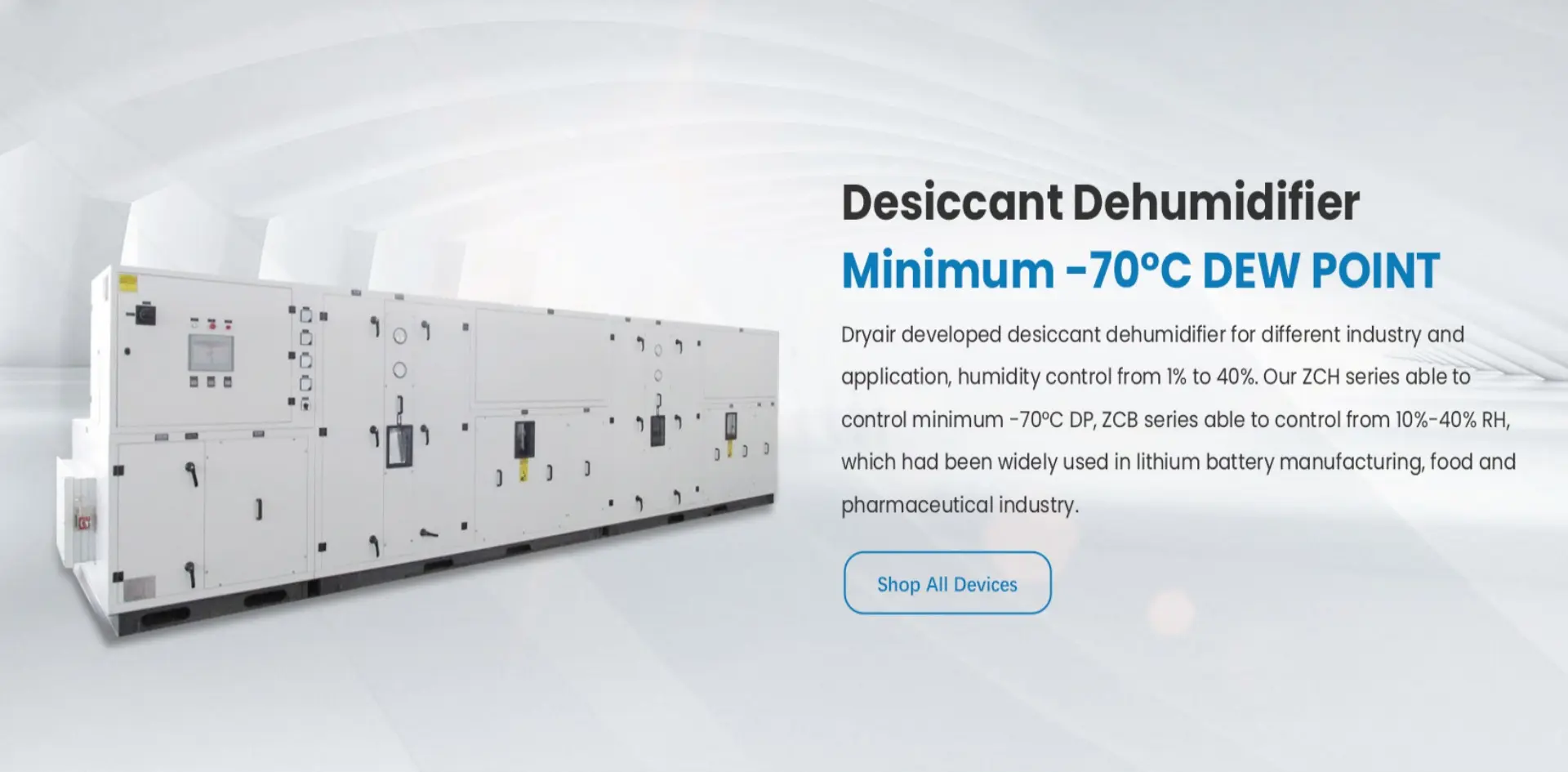 Defense Grade
Corrosion-resistant systems built to Chinese GJB military standards to protect ordnance, ammunition, and guidance sensors.
Defense Solutions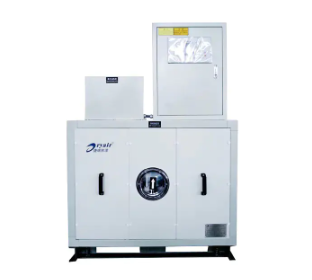 GMP Sanitary
Double-wall flush casing with smooth interior surfaces to eliminate dust collection and ensure compliance in tablet pressing cleanrooms.
Pharma Portfolio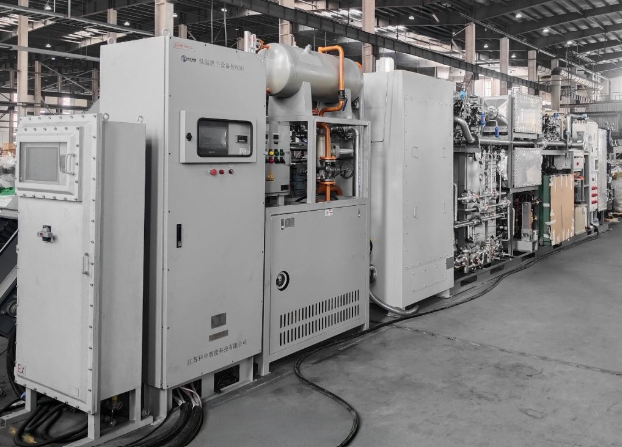 Solvent Recovery
Skid-mounted refrigeration and condensation systems capturing hydrocarbons and chemical fumes at bulk storage and transfer sites.
Vapor Recovery Data