
Precision Rotary Dehumidification Systems (Deployment Set A)
Direct supply from Hangzhou DryAir Treatment Co., Ltd. Engineered with high-capacity silica-gel and molecular sieve rotors, optimized for continuous deep dehumidification.
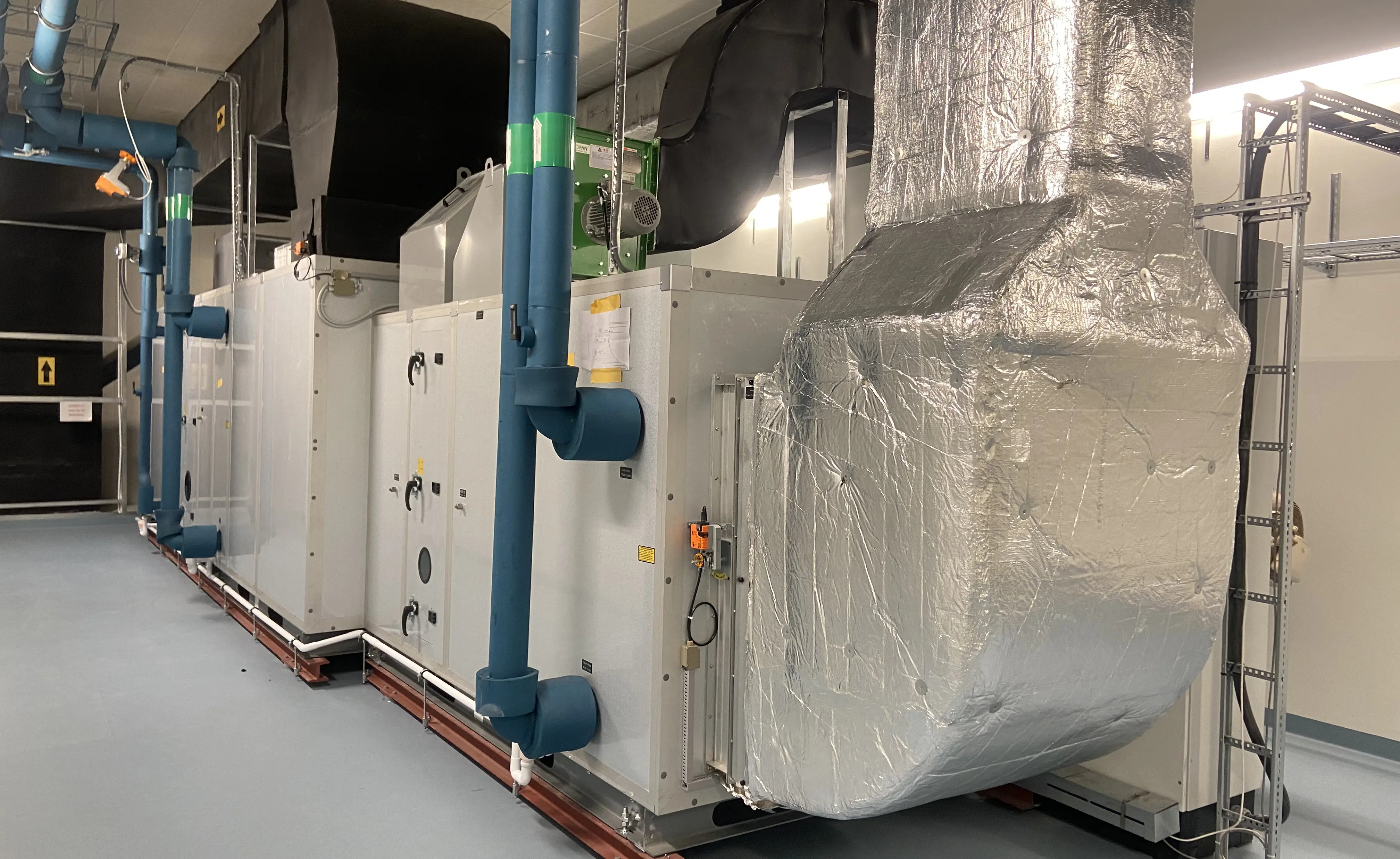
DHU Desiccant Dehumidifier
High-efficiency rotary adsorption system engineered for ultra-low dew point air treatment across mission-critical cleanrooms and process lines.
View Specifications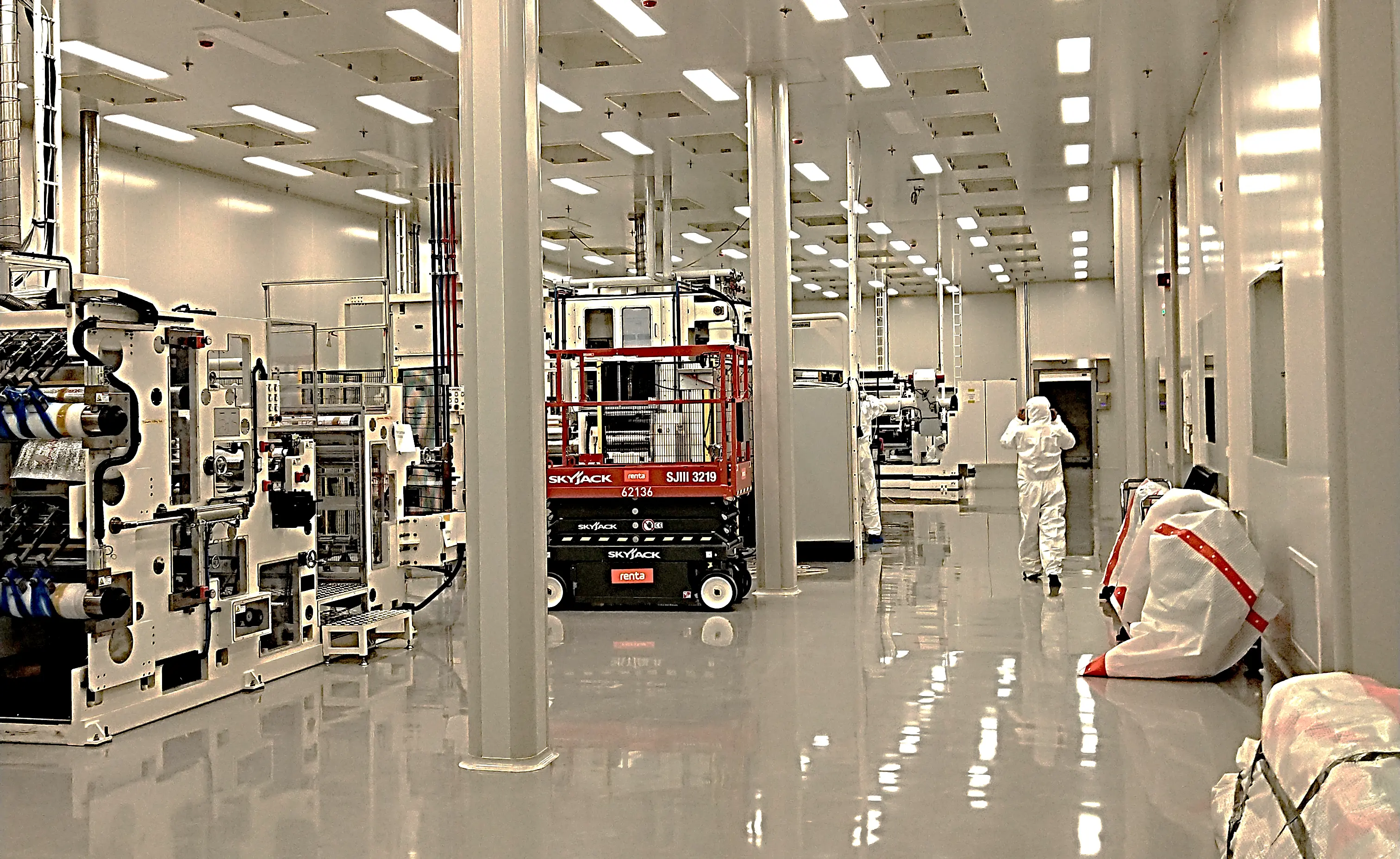
Turn-key Dry Room System
Complete modular environmental enclosures including air handling, cascade dehumidification, airtight construction, and dew point validation.
Explore Dry Rooms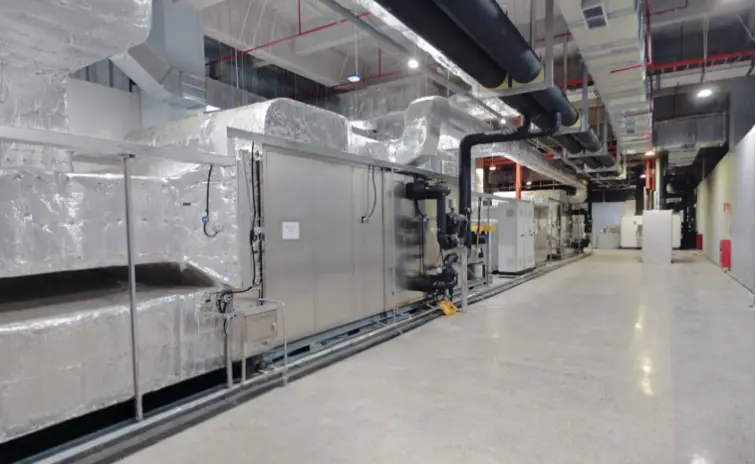
ZJRH NMP Recovery System
Recovers and purifies N-Methyl-2-pyrrolidone solvent from lithium battery coating lines, slashing solvent purchasing overhead and stack emissions.
Explore NMP Recovery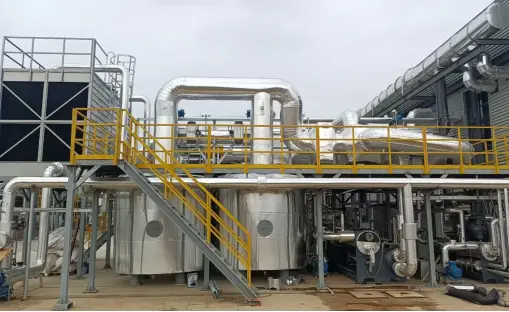
JEN VOC Abatement System
Industrial thermal oxidation and condensation recovery capturing hazardous organic compounds, petrochemical exhaust, and industrial vapors.
Learn VOC Abatement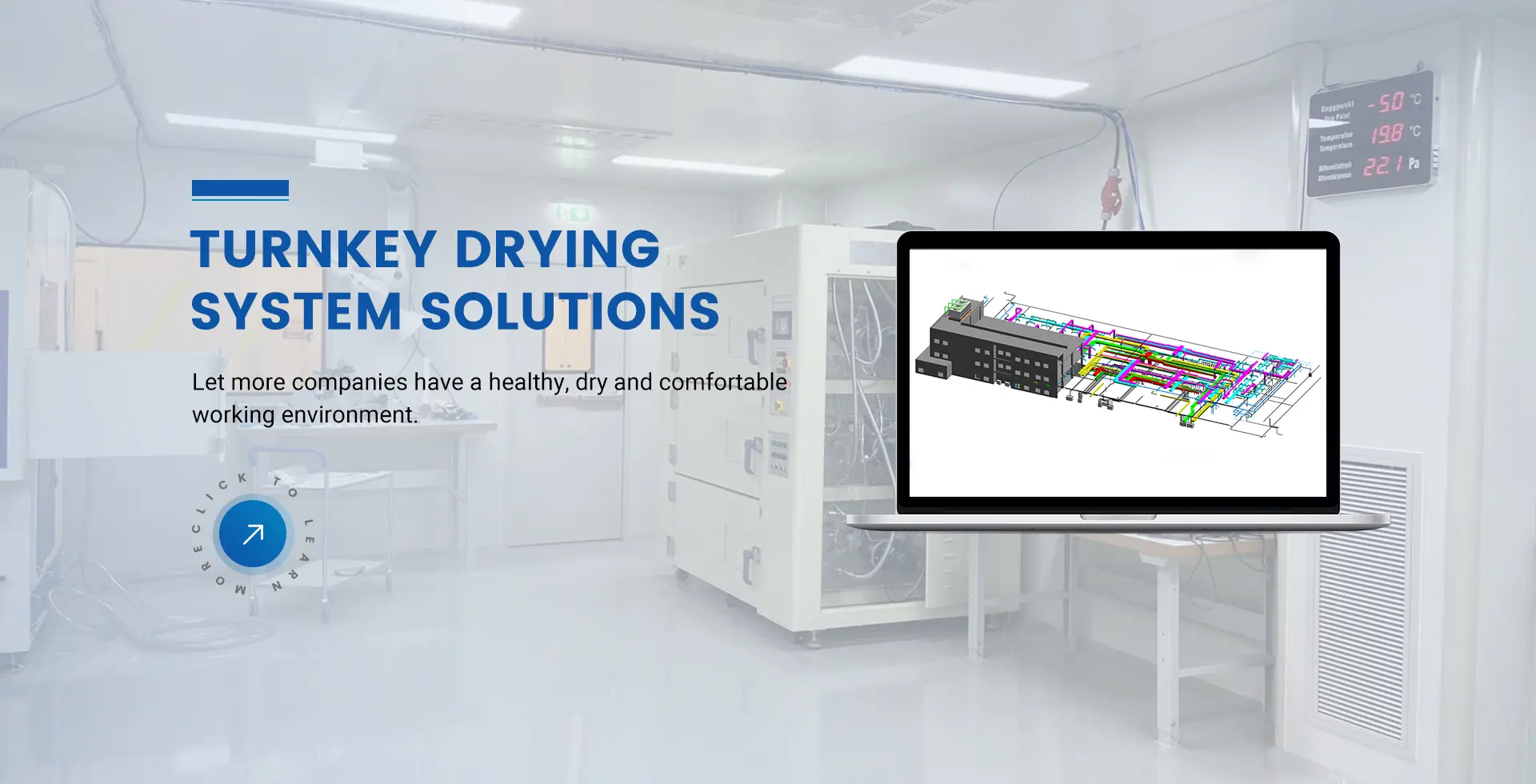
Refrigerative Dehumidifier
Engineered thermodynamic DX cooling moisture extraction for warehouse storage, pre-treatment ahead of desiccant rotors, and drying bays.
Explore Refrigerative
Defense & Aerospace Air Unit
Heavy-duty, military-standard corrosion inhibition systems engineered for naval ordinance, avionics depots, and long-term asset mothballing.
View Defense Line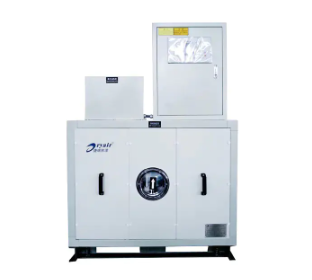
Pharma Cleanroom Dehumidifier
Sanitary casing, microbial-resistant rotor materials, and precision relative humidity (1% to 10% RH) regulation for gelatin capsule packaging.
Pharma Specifications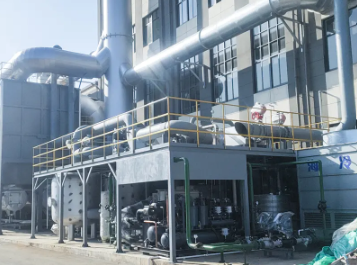
Oil & Gas Vapor Condensation
Vapor recovery unit for fuel terminals and marine bunkering stations, capturing volatile organic fractions under harsh ambient regimes.
View Condensation UnitsThe Thermodynamics of Rotary Desiccant Adsorption
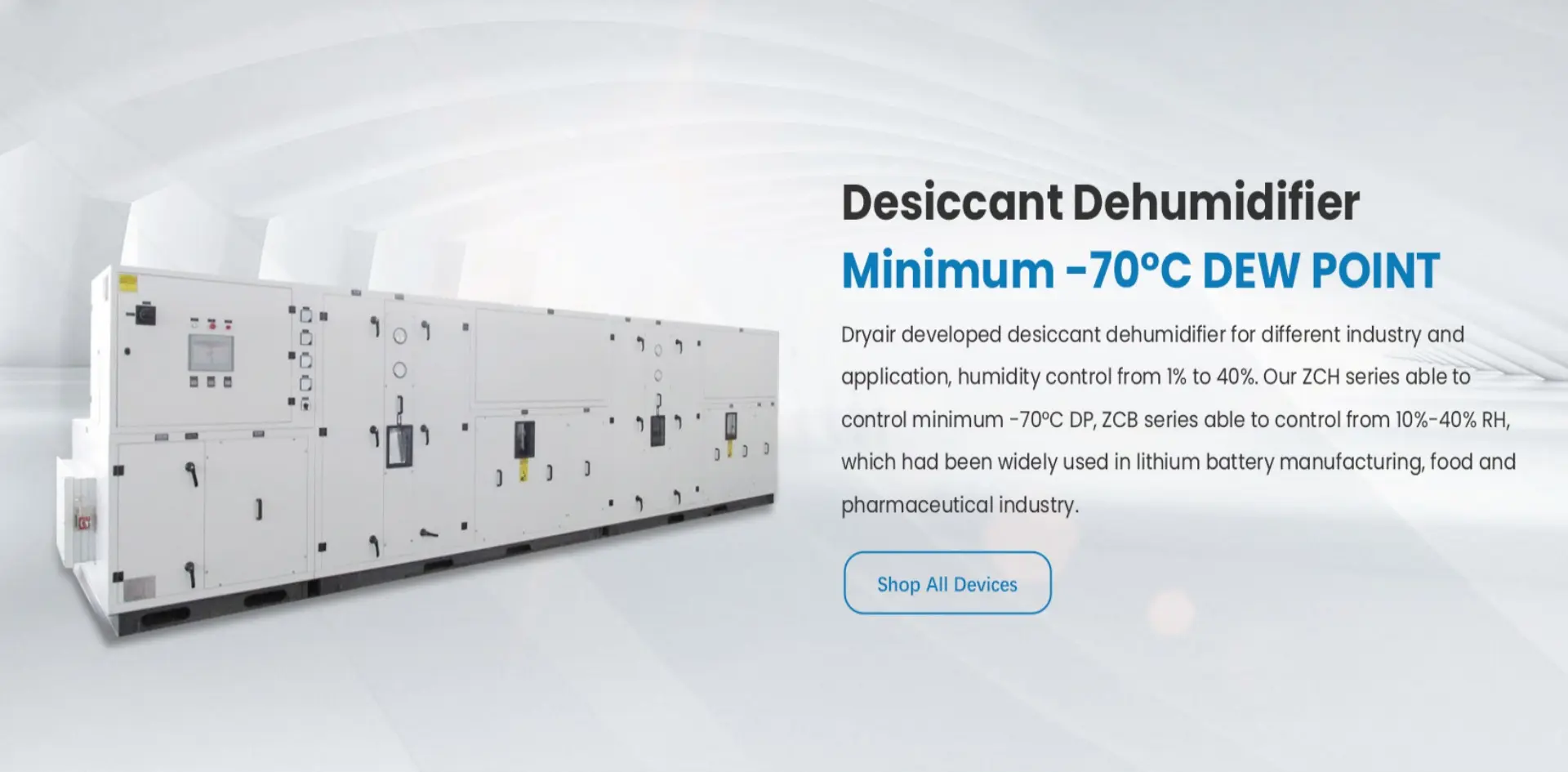
Standard refrigeration systems reach physical boundaries when air dew points drop below 4°C due to frost accumulation on cooling coils. For modern gigawatt-hour battery cell assembly, microelectronics, and active pharmaceutical ingredient (API) synthesis, operating environments demand dew points ranging from -20°C down to -70°C. Reaching these ultra-dry thresholds requires solid-phase desiccant adsorption rotors utilizing honeycomb matrix structures impregnated with synthesized metal-silicate or type 13X zeolite molecular sieves.
The adsorption process operates via partial water vapor pressure differentials ($\Delta P_w$). The honeycomb rotor continuously rotates between two isolated airstreams: the process air sector (typically 75% of the rotor face area) where moisture molecules undergo physical van der Waals bonding inside sub-nanometer pore networks, and the reactivation/regeneration sector (25% face area) where counter-current thermal air (120°C to 160°C) vaporizes the captured moisture, carrying it outdoors.
Hangzhou DryAir Treatment Co., Ltd. has refined rotor substrate matrices to ensure mechanical structural rigidity under continuous thermal cycling, non-flammability, zero dusting into ISO Class 4 cleanrooms, and low dynamic air-leakage sealing across the perimeter boundaries.
Why China's Factory Ecosystem Dominates Global Dehumidifier Engineering
China's rapid emergence as the manufacturing epicenter for electric vehicle batteries, photovoltaic cells, and advanced pharmaceuticals has driven technological advancements in desiccant rotor manufacturing.
Aggregated Supply Chain Integration
Located in the Hangzhou Lin'an industrial corridor, DryAir leverages automated sheet-metal laser cutting, specialized powder coating, precision fan balancing, and raw zeolite material sourcing within a 50-kilometer radius. This delivers unmatched cycle speed from design drawings to freight dispatch.
Gigafactory Scale Validation
Unlike boutique Western manufacturers that assemble tens of units annually, DryAir outputs over 200 heavy industrial desiccant air handlers monthly. Our engineering algorithms are refined across millions of cumulative operating hours across CATL, BYD, EVE, Tesla, and Northvolt facilities.
In-House Environmental Psychrometric Labs
Every industrial unit undergoes full-load performance audits inside our factory psychrometric simulation chambers. We measure real-time rotor pressure loss, perimeter seal leakage via helium mass spectrometry, thermal thermal conductivity, and latent load removal prior to export.
Strict Dual-Standard Certification
DryAir operates under dual quality infrastructures: the commercial ISO 9001 quality framework and the GJB national military standard system. We hold CE (Machinery & PED Directives), UL 1995/CSA, ASME boiler/vessel codes, and Eurasian EAC certifications for worldwide site sign-off.
Macro Trends Transforming Rotary Adsorption Dehumidification
Three mega-trends—battery chemistry shifts, industrial decarbonization, and closed-loop process recovery—are redefining the requirements for desiccant air treatment systems.
Solid-State & High-Nickel Chemistries
Next-generation solid-state batteries (sulfide and halide solid electrolytes) undergo immediate, highly exothermic degradation if exposed to more than 1 ppm of moisture (equivalent to a -70°C dew point). Standard single-rotor units cannot achieve this; dual-rotor cascade configurations with sub-zero intermediate glycol coils are now the industry baseline.
Regeneration Energy Recovery Architectures
Heating regeneration air constitutes 60%–75% of an industrial dry room's total operating cost (OPEX). Advanced systems now integrate heat pump heat recovery, waste thermal exchange from coater exhausts, and variable-frequency react drive fans. These reduce regeneration thermal kW requirements by 35% to 52% compared to historical baselines.
Solvent Recovery Closed Loop Integration
Environmental regulations (such as EU REACH and US EPA NESHAP) strictly mandate VOC containment. The convergence of rotary dehumidification with deep cooling condensation and regenerative thermal oxidizers (RTO) allows simultaneous room humidity suppression and ≥99% NMP solvent capture from cathode coating operations.
Dew Point Selection Framework by Industrial Process
A rigorous engineering reference detailing targeted moisture thresholds, sensible-to-latent load ratios, and primary system selections across varied industrial processes.
| Application Scenario | Target Air Metric | Moisture Sensitivity Vector | Recommended System Hardware |
|---|---|---|---|
| Lithium-Ion Cell Assembly & Injection | -40°C to -60°C DP | Hydrolytic formation of corrosive HF gas; cathode lattice degradation | Turnkey Modular Dry Room + DHU Cascaded Desiccant |
| Solid-State / Lithium-Metal Cells | -65°C to -70°C DP | Rapid passivation of pure Li metal anodes; explosive oxidation risks | Ultra-Low DP Rotary Molecular Sieve Unit |
| Cathode Slurry Drying & Coating | ≥99% NMP Recovery | Airborne VOC solvent loss, environmental non-compliance, solvent costs | ZJRH Deep Chilling & Gas Treatment Plant |
| Pharmaceutical Granulation & Softgels | 10% – 25% RH (DP -10°C) | Hygroscopic powder caking, loss of active API bioavailability, mold | Sanitary Cleanroom Desiccant Air Handler |
| Missile, Ammunition & Armory Depots | ≤35% RH (DP 2°C) | Propellant degradation, electrical galvanic corrosion, primer instability | GJB Spec Heavy-Duty Solid Desiccant Unit |
| Bulk Raw Material & Battery Warehouses | 40% – 55% RH | Condensation during dew point crossing, packaging structural failure | Industrial Refrigerative Dehumidifier |
| Bulk Liquid Tankers & Solvent Terminals | Emission Compliance | Fugitive hydrocarbon vapor release during marine/rail cargo displacement | Deep Condensation + Catalytic/RTO Reactor |
Mission-Critical Engineering Scenarios in the Field
Real-world psychrometric challenges solved by Hangzhou DryAir's applied engineering divisions.
Gigafactory Battery Dry Rooms (Europe & North America)
For gigawatt projects like Northvolt and Tesla tier-suppliers, DryAir deployed dual-rotor cascading desiccant units handling over 100,000 m³/h per train. By implementing zero-bypass air seals and sensible heat exchangers between the process air and reactivation exhaust, the design maintained supply air at a continuous -55°C dew point with a 28% reduction in total facility electrical draw.
View Battery SolutionAseptic GMP Pharmaceutical Packaging
A global pharmaceutical client producing effervescent tablets experienced packaging line downtime due to ambient moisture absorption causing micro-fizzing. DryAir installed an all-stainless-steel pharmaceutical-grade desiccant air handler fitted with terminal HEPA filtration. The system stabilized room conditions at 18°C ± 1°C and 15% ± 2% RH, eliminating product defects.
View Pharma SolutionElectrode Slurry Coating NMP Solvent Recovery
On high-speed electrode coating machines, volatile N-Methyl-2-pyrrolidone gas poses health hazards and material loss. DryAir's ZJRH series systems combine multi-stage closed-circuit chilling condensation with targeted zeolite concentration rotors. The plant delivers ≥99% solvent recovery with purified NMP returned directly to slurry processing tanks.
View NMP Recovery
Total Cost of Ownership (TCO) vs. Capital Expenditure (CAPEX)
When evaluating desiccant dehumidifiers for heavy industrial plants, purchasing teams must assess total cost of ownership rather than initial purchase price alone. In a typical 10-year lifecycle of an ultra-low dew point air handling system:
- Capital Equipment (CAPEX): Represents only 12% to 18% of total expenditure.
- Energy Consumption (Regeneration & Fans): Accounts for 68% to 75% of cumulative lifecycle costs.
- Preventative Maintenance & Rotor Upkeep: Represents 10% to 14%.
Specifying high-efficiency Chinese engineering platforms like DryAir delivers double financial leverage: competitive initial hardware procurement costs paired with optimized European and Japanese energy recovery technologies. Our optional 2-year international warranty and on-site commissioning services mitigate installation and compliance risks for overseas facilities.
Turnkey Industrial Dehumidification Line (Deployment Set B)
Explore our complete export-certified range of environmental machinery, modular cleanroom panels, and continuous solvent recovery lines.
Industrial Desiccant Module
Direct-drive low-maintenance rotor cassettes with silica gel or molecular sieve media for heavy-duty industrial processing installations.
Configure Hardware
Modular Enclosure Panels
PIR/rockwool insulated airtight wall and ceiling systems with thermal-bridge-free profiles for tight atmospheric containment.
View Cleanrooms
Heavy Chemical Solvent Skids
Explosion-proof skid assemblies for continuous chemical stripping, condensation recovery, and VOC containment.
Order System Skids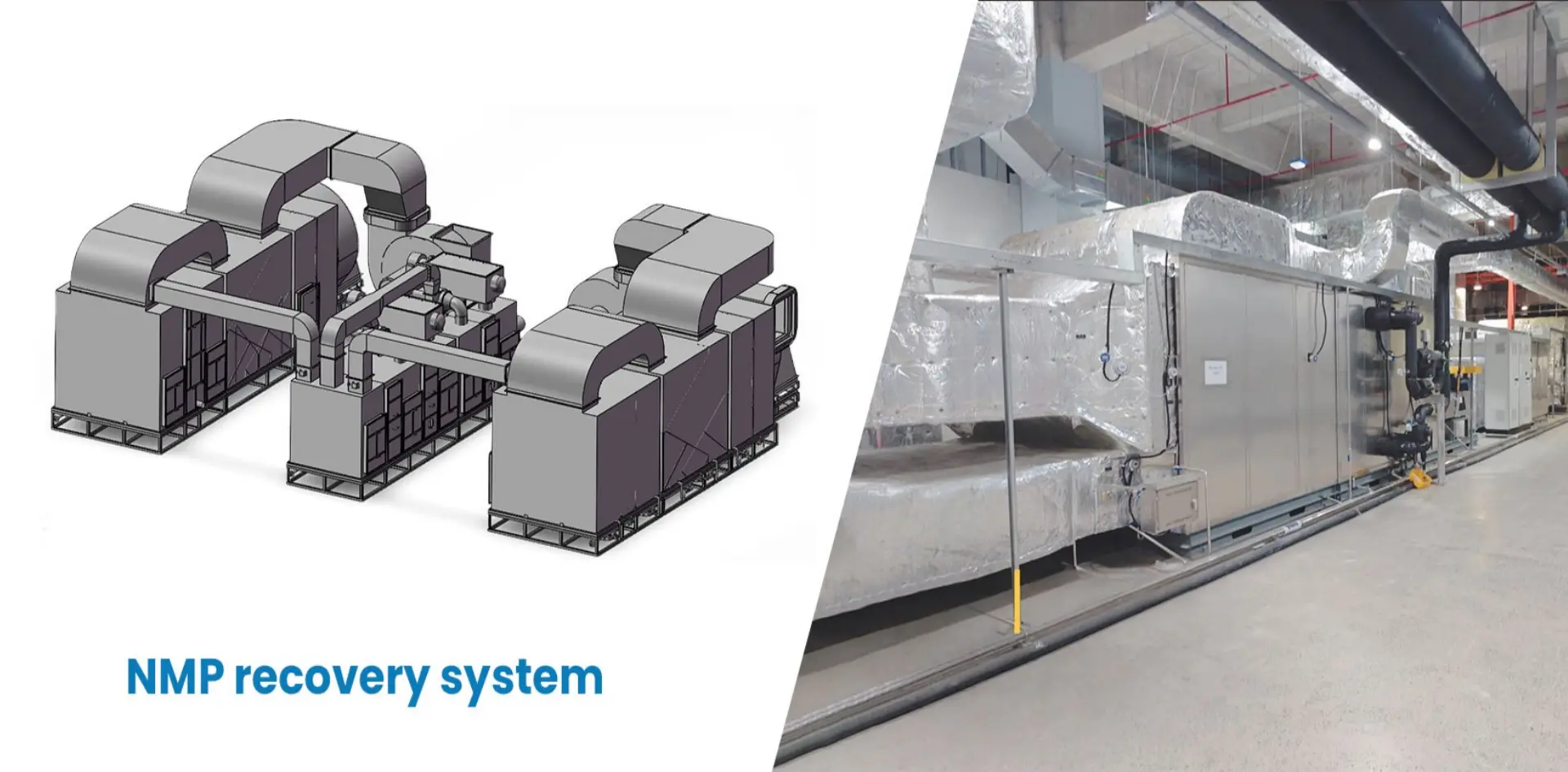
Thermal Oxidizer Stations
Regenerative thermal oxidizers destroying 99%+ of volatile organic compounds with self-sustaining thermal balances.
Thermal Oxidation Spec
Commercial DX Dryers
Refrigerative air drying solutions for cold chain packaging, bulk grain warehousing, and production pre-drying steps.
View DX Units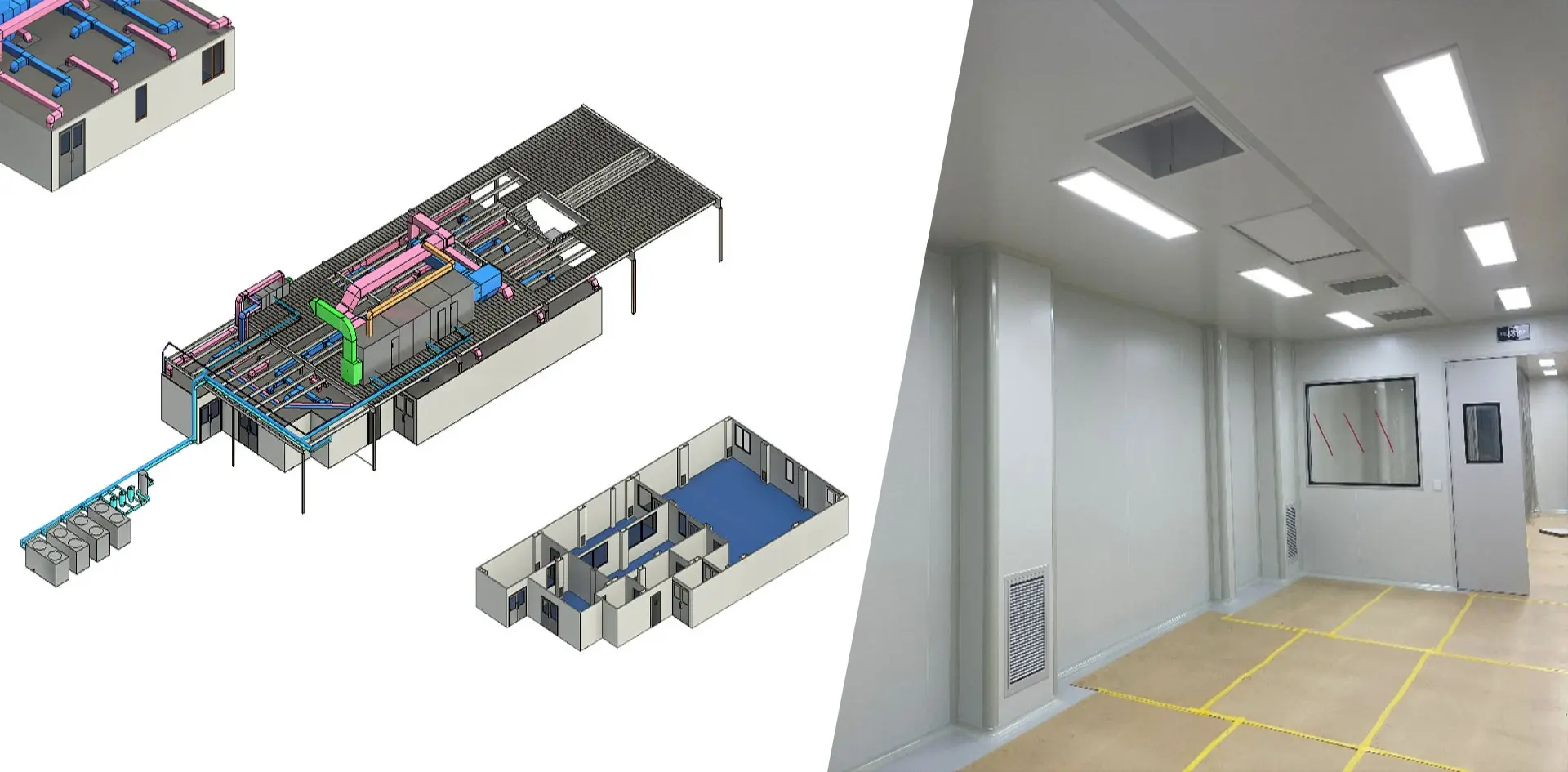
Electrode Coater Supply AHU
High-volume air delivery units providing stable temperature and dew point conditions for precision slurry drying ovens.
Electrode Dryers
ATEX / Class 1 Div 2 Units
Explosion-proof desiccant dehumidifiers built to offshore and chemical refinery electrical safety guidelines.
Explosion-Proof Systems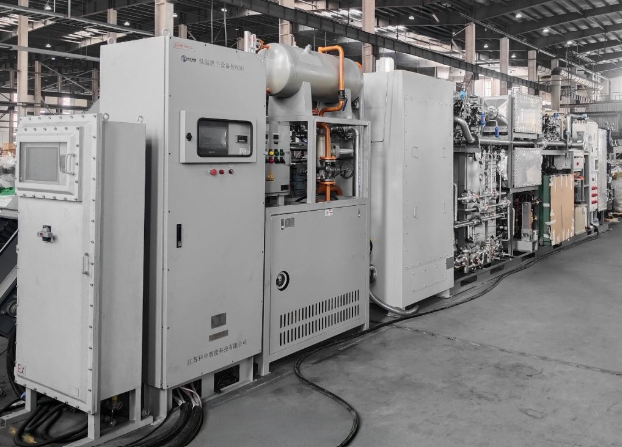
Long-Term Preservation Skids
Mobile and containerized dehumidification skids for naval ship mothballing, aerospace hangars, and wind turbine nacelles.
Mobile SkidsFrequently Asked Questions by International Engineering Buyers
Technical clarity addressing sizing algorithms, export certification compliance, energy consumption, and international field support.
What engineering design differentiates a -70°C dew point unit from standard -40°C dehumidifiers?
How does Hangzhou DryAir manage international electrical compliance (UL, CSA, CE, EAC)?
What is the realistic expected service life of the desiccant rotor matrix, and how does chemical exposure affect it?
What strategies does DryAir use to minimize regeneration energy consumption?
How are site installation, commissioning, and emergency maintenance handled for overseas clients?
What are the key considerations when calculating air infiltration loads for lithium battery dry rooms?
Partner With China's Leading Industrial Dehumidification Exporter
Request comprehensive psychrometric modeling, equipment layout drawings, and full-line industrial catalogs for your engineering and procurement teams.