
Featured Industrial Honeycomb Systems & Air Solutions
Factory-tested, low-dew-point dehumidifiers, turn-key battery dry rooms, and exhaust gas recovery systems engineered for continuous operation in mission-critical facilities.

DHU Desiccant Dehumidifier
Engineered with synthesized honeycomb rotor matrices to achieve extreme low dew points for battery cell assembly and military storage.
View Specifications
Turn-key Dry Room System
End-to-end design, enclosure fabrication, HVAC balance, and on-site commissioning for gigafactory-scale battery dry rooms.
Explore Dry Rooms
ZJRH NMP Recovery System
High-efficiency solvent condensation and continuous regeneration capturing NMP exhaust from lithium electrode coater lines.
Explore NMP Units
JEN VOC Abatement System
Integrated deep-cooling condensation coupled with Regenerative Thermal Oxidation (RTO) for extreme environmental compliance.
View VOC Systems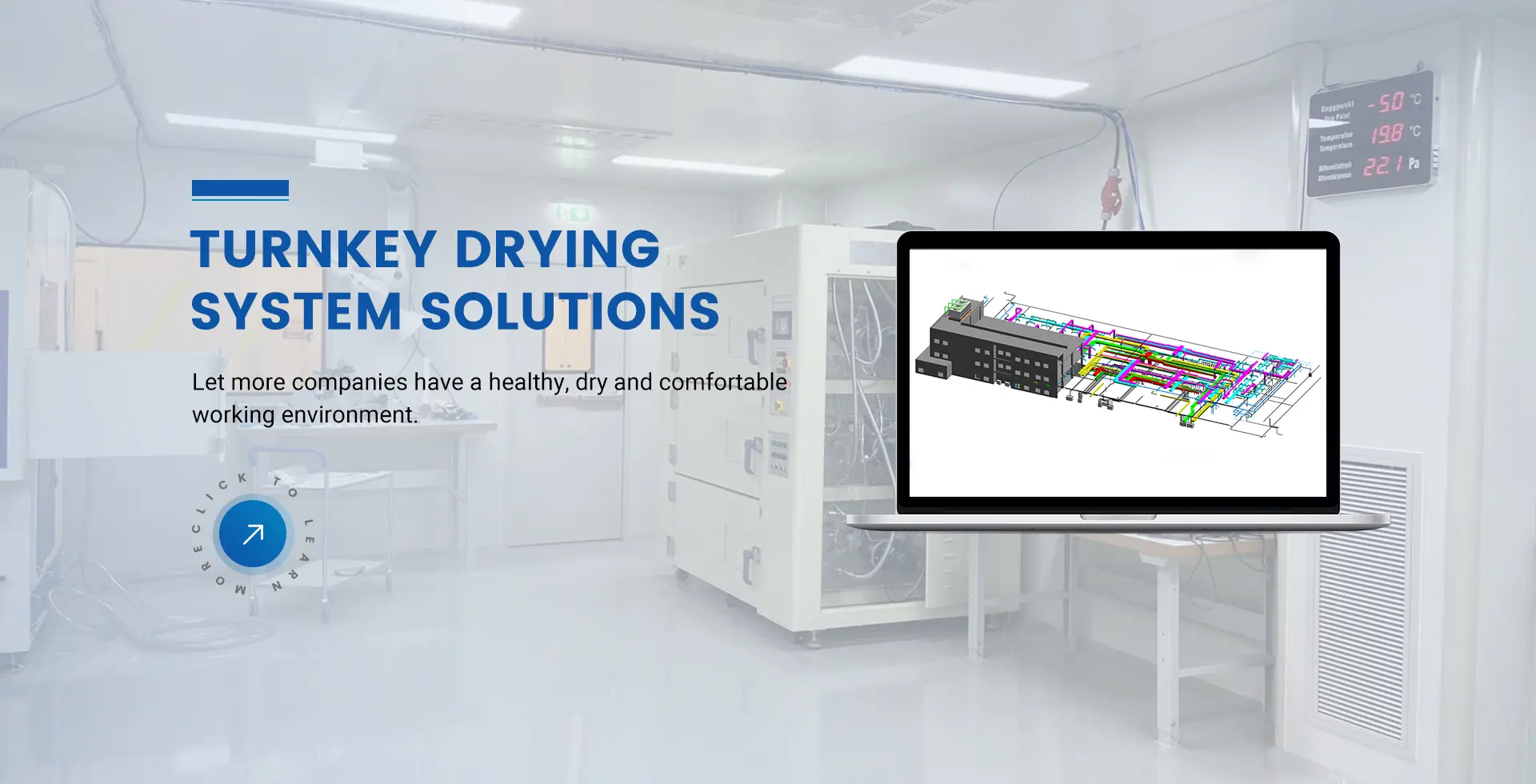
Refrigerative Dehumidifier
High COP mechanical refrigeration units engineered for bulk moisture extraction, raw storage conditioning, and primary stages.
Explore Refrigerative
Pharma Cleanroom System
Sanitary casing, HEPA filtration compliance, and precise moisture suppression down to 10% RH for effervescent tablets and packaging.
Pharma Solutions
Military & Defense Rig
Ruggedized environmental control units built under the GJB national military standard for long-term weapon and avionics storage.
Defense Catalog
Oil Gas Recovery Skid
Specialized multistage cryogenic condensation skids capturing hydrocarbon vapors during petrochemical loading and terminal operations.
View Petrochem SkidsPhysics of Modern Honeycomb Desiccant Dehumidification
Understanding how corrugated composite flutes, molecular sieve crystal lattices, and dynamic thermal regeneration maintain extreme moisture depression down to 0.001 g/kg air.
In high-tech industrial manufacturing, atmospheric humidity is not simply an environmental variable—it is a destructive contaminant. For lithium-ion battery gigafactories, sterile active pharmaceutical ingredient (API) synthesis, and advanced electronics fabrication, mechanical cooling systems inevitably fail to achieve the required vapor pressures. Traditional refrigeration-based coils freeze and frost when handling dew points below 4°C, creating physical bottlenecks that only advanced rotary honeycomb desiccant dehumidifiers can conquer.
At the center of Hangzhou DryAir’s technological edge is the active honeycomb wheel. Fabricated from corrugated ceramic or inorganic glass fiber substrate bonded with non-crystalline active silica gel or synthesized 3A/4A/13X molecular sieves, the rotor features an immense specific surface area exceeding 3,000 m²/g. The structure forms continuous, microscopic laminar flow flutes that expose the process air to millions of capillary adsorption sites without creating significant static pressure drops.
Thermodynamic Sorption and Thermal Regeneration Dynamics
A high-performance honeycomb dehumidifier operates through two counter-current, isolated air streams: the Process Stream and the Regeneration Stream. During rotation, water vapor partial pressure in the humid process air is significantly higher than that on the adsorbent desiccant surface. Moisture molecules undergo exothermic physical adsorption, adhering to the pore walls and releasing latent heat of vaporization, which slightly warms the dry supply air.
Simultaneously, the rotor traverses into the regeneration sector—typically isolated by spring-loaded, dual-lip fluoro-silicone perimeter seals. Here, a heated air stream (ranging from 110°C to 140°C depending on desiccant composition) elevates the desiccant's vapor pressure above the regeneration stream's vapor pressure. Moisture is desorbed and vented outdoors as exhaust air. By combining precise rotational speeds (6 to 12 rotations per hour) with patented energy-recovery zones (purge sectors), Hangzhou DryAir recycling systems reduce heating energy consumption by 25% to 40% compared to legacy desiccant architectures.
What Tier-1 Global Procurement Teams Demand in RFQs
International buyers no longer evaluate desiccant dehumidifiers merely as air handling units. Sourcing protocols focus on lifecycle psychrometric accountability, operational risk mitigation, and low-carbon operation.
Total Cost of Ownership (TCO) & Energy Intensity
Thermal regeneration represents up to 80% of total lifetime operating costs. Procurement demands waste heat integration (hot water/flue gas), variable-frequency drive regeneration fans, and purge heat recovery to slash continuous utility draw.
Zero-Leakage Integrity & Pressure Class
Lithium battery dry rooms operate under extreme positive pressure (+20 to +50 Pa) with -50°C to -70°C dew point air. Any casing leakage or seal bypass contaminates the dry zone. Buyers mandate EN 1886 L1 casing leakage rates and zero-bypass sealing.
Turnkey EPC Execution & Singular Accountability
Sourcing teams actively avoid split contracts between dry room panels, chillers, and dehumidifier OEMs. A single vendor taking responsibility from psychrometric load simulation to final dry validation eliminates finger-pointing during yield validation.
Multi-Jurisdictional Electrical & Pressure Compliance
Exporting equipment across North America, Europe, and the Eurasian Economic Union requires native compliance with UL 1995/60335, NFPA 79, CE Machinery Directive, ASME Section VIII for pressure vessels, and EAC standards.
Gigafactory Scalability & Parallel Delivery
Modern battery gigafactories are built in 10 GWh to 30 GWh phases, needing dozens of high-capacity dry air handling units simultaneously. Vendors must demonstrate monthly production capacities of 200+ units to guarantee project schedules.
Telemetry & Industrial IoT Remote Diagnostics
Integration into central SCADA via BACnet, Modbus TCP, or Profinet is compulsory. Intelligent predictive diagnostics must monitor dew point drift, rotor seal wear, and filter pressure drop in real time to prevent sudden plant shutdown.
Engineered Solutions Across Critical Global Sectors
From moisture-reactive electrolyte injection to explosive hydrocarbon recovery, DryAir configures specialized thermodynamics for each industry's failure points.
1. Lithium Battery & Energy Storage
Lithium salts like LiPF₆ instantaneously hydrolyze in the presence of airborne moisture, producing corrosive Hydrofluoric Acid (HF), which ruins electrode conductivity and induces cell swelling. DryAir turnkey dry rooms maintain a steady -50°C to -70°C dew point across jelly roll winding, stacking, electrolyte filling, and sealing rooms, keeping ambient water vapor below 0.01 g/kg dry air.
2. Pharmaceutical GMP Cleanrooms
Hygroscopic active ingredients, gelatin softgel encapsulation, and effervescent tablet pressings are sensitive to relative humidity. Elevated moisture causes powder clumping, nozzle clogging, microbial proliferation, and shortened shelf-life. DryAir DHU series integrate into cGMP cleanrooms to hold 10%–20% RH at ±1% precision with food-grade sanitary construction.
3. Defense & Aerospace Systems
Under the GJB national military standard, naval vessels, aviation avionics bays, and missile propulsion storage depots must avoid condensation corrosion. DryAir builds customized, anti-shock, heavy-duty desiccant skids that ensure relative humidity stays strictly below 35% across operational ambient temperatures from -40°C to +55°C without coil freeze-up.
4. Petrochemical & Terminal Recovery
Bulk gasoline loading, chemical transfer lines, and fuel storage release hazardous volatile organic compounds (VOCs). DryAir oil gas condensation systems employ multi-stage mechanical cooling followed by cryogenic condensing units to extract liquid hydrocarbons, guaranteeing clean emissions compliant with EPA and EU Industrial Emissions Directives.
5. Battery Electrode NMP Recovery
N-Methyl-2-pyrrolidone (NMP) solvent used in cathode slurry drying is expensive and toxic. DryAir ZJRH closed-loop condensation and adsorption recovery systems achieve solvent recovery rates exceeding 99%, recirculating heated process air back into the drying oven and cutting plant operating expenses by millions of dollars annually.
6. Microelectronics & Precision Optics
Semiconductor photolithography, wafer storage stockers, and precision optical coating lines require moisture-free air to prevent surface oxidation, static discharge irregularities, and haze deposition. DryAir systems supply ultra-pure, particle-free dry air with vibration-isolated frames and laminar distribution.
Psychrometric Target & System Configuration Matrix
Specifying the correct moisture target is critical to project success: underspecification causes catastrophic product failure, while overspecification inflates baseline utility OPEX.
| Target Industrial Application | Moisture Sensitivity Level | Typical Dew Point / RH Target | Standard System Architecture | Applicable Product Solutions |
|---|---|---|---|---|
| Next-Gen Solid State & Li-Metal Cells | Extreme Chemical Reactivity | -60°C to -70°C Dew Point | Dual-Rotor Series Desiccant + Deep Chilled Water | DHU Series |
| Lithium-Ion Winding & Electrolyte Filling | High Hydrolysis Risk (HF Formation) | -40°C to -50°C Dew Point | Turnkey Modular Dry Room + Purge Sector Heat Recovery | Turnkey Dry Room |
| Electrode Cathode Coater Exhaust | High Toxic Solvent Concentration | ≥99% Solvent Recovery Yield | 2-Stage Cooling Condensation + Concentration Rotor | ZJRH NMP System |
| Pharma API Tableting & Gelatin Filling | Hygroscopic Caking & Biological Growth | 10% to 25% Relative Humidity | Sanitary Casing Honeycomb Dehumidifier + HEPA | Pharma DHU |
| Ammunition, Radar & Missile Storage | Surface Galvanic Corrosion & Propellant Aging | ≤30% to 40% Relative Humidity | Heavy-Duty GJB Military Casing Dehumidification Skid | Defense Equipment |
| Industrial Warehouses & Pre-Cooling | Bulk Condensation & Packaging Softening | 45% to 60% Relative Humidity | Direct Expansion High-COP Refrigerative Dehumidifier | Refrigerative DH |
| Fuel Tank Farms & Chemical Loading | Fugitive Hydrocarbon Emissions (VOCs) | EPA / Clean Air Strict Emission Limits | Cryogenic Refrigeration Condensation + RTO Thermal Oxidation | JEN VOC Abatement |
Global Deployment & Gigafactory References
Hangzhou DryAir is actively engineered into gigawatt-scale production lines across North America, the European Union, and Asia, proving reliability under grueling continuous loads.
Tier-1 Battery Gigafactories
Repeat supplier to CATL, ATL, BYD, EVE Energy, Farasis, Envision AESC, and SVOLT. Trusted on international lines by Tesla and Northvolt, delivering multi-million CFM dry air volumes under strict dew point guarantees.
European & American Expansion
Equipped with native dual-frequency (50/60Hz) electrical panels, UL-labeled controls, and ASME certified pressure components, supporting new battery plant builds across Germany, Sweden, Hungary, the US, and Canada.
Manufacturing Bandwidth
Operating a dedicated high-capacity industrial park in Lin'an, Hangzhou, DryAir manufactures more than 200 desiccant units per month, supported by an advanced full-scale enthalpy testing facility that verifies every unit prior to shipping.
Technological Roadmap: The Next Decade of Dehumidification
How solid-state batteries, industrial artificial intelligence, nano-porous metal-organic frameworks (MOFs), and ultra-low temperature waste heat will redefine psychrometrics.
AI Digital Twins
Dynamic machine learning algorithms optimizing regeneration heater power against live outdoor dew point and production loads in real time.
60°C Desorption
Engineered nano-sorbents enabling desorption with 60°C to 80°C low-grade waste hot water from air compressors, replacing electric heaters.
MOF Composite Rotors
Adoption of Metal-Organic Frameworks offering step-isotherm water uptake and doubled adsorption capacities at low relative humidity.
-80°C Solid-State Air
Multi-stage cascaded rotors designed for solid-state electrolyte dry rooms that require stable supply dew points down to -80°C.
Net-Zero Closed Loops
Complete hermetic recirculation that recycles both latent enthalpy and sensible heat, reducing gigafactory HVAC carbon intensity by 60%.
How DryAir Executes Complete Turnkey Dry Rooms
From computational fluid dynamic (CFD) airflow simulation to post-installation dew point validation, our 5-step turnkey delivery model eliminates project risk.
Psychrometric Audit
Reviewing personnel moisture load, room volume, door openings, negative exhaust volumes, and specifying required air changes.
HVAC & Enclosure Design
Thermal bridge-free enclosure layout, airtight wall panels, return air ducts, and coil integration using 3D BIM modeling.
Precision Manufacturing
CNC fabrication of double-skin PU panels, rotor assembly, airtight sealing, wiring, and full enthalpy chamber load testing.
Site Installation
DryAir engineers supervise on-site assembly, duct pressure testing, electrical tie-ins, and multi-point psychrometric balancing.
Validation & Service
72-hour continuous dew point verification, SCADA integration, operator training, and ongoing 2-year overseas warranty support.
Localization Support & Compliance Assurance
Deploying high-performance industrial equipment internationally requires deep local engineering support, standardized spare parts, and adherence to regional building codes.
Field Service Engineering Teams
DryAir dispatches experienced commissioning teams across Europe, North America, Southeast Asia, and the Middle East. Our technicians carry safety passports and credentials for immediate gigafactory site integration.
2-Year Overseas Service Agreement
International clients can activate an optional two-year comprehensive lifecycle contract. This includes scheduled visits, rotor surface micro-pore wash/re-activation, seal inspection, and rapid local air-freight spare parts distribution.
Full Regulatory Alignment
Units are fully compliant with CE (Machinery, Low Voltage, and EMC Directives), UL 1995/CSA 22.2 for North American electrical panels, ASME Section VIII for shell-and-tube heat exchangers, and EAC standards for EAEU customs unions.
Frequently Asked Technical Questions
Detailed, engineering-backed answers addressing the most critical specifications, installation concerns, and maintenance questions raised by international engineering teams.
What is the lowest dew point a DryAir desiccant dehumidifier can stably maintain?
DryAir rotary desiccant dehumidifiers control supply air down to a minimum of -70°C dew point (equivalent to < 0.002 g/kg moisture content). This ultra-dry capability is achieved using our synthesized molecular sieve rotors configured in a dual-rotor cascade or rotor-plus-purge arrangement, essential for next-generation lithium battery and solid-state battery cell manufacturing.
Do you supply complete turnkey dry rooms for gigafactories outside of China?
Yes. DryAir delivers full turnkey dry room projects internationally, encompassing pre-sales psychrometric calculation, room thermal bridge-free enclosure design, dehumidifier fabrication, on-site ducting, cleanroom wall panel installation, balancing, and commissioning. We have successfully completed projects for global leaders including Tesla, Northvolt, and TTI.
Which safety and quality certifications do DryAir dehumidifiers carry?
Depending on destination market requirements, DryAir units are certified to CE, UL, CSA, ASME, and EAC standards. Our production plant strictly operates under the ISO 9001 quality management framework and China's GJB national military standard, ensuring audited material traceability and mechanical resilience.
What solvent recovery rate can DryAir ZJRH NMP recovery systems achieve?
DryAir NMP recovery systems maintain a guaranteed recovery rate exceeding 99% on cathode electrode coating and drying exhaust lines. By utilizing multi-stage chilled condensation and specialized recovery scrubbers, waste emissions are reduced well below statutory environmental limits while recycling purified NMP back into manufacturing.
How does DryAir minimize regeneration thermal energy costs?
We deploy three energy conservation techniques: (1) Patented rotor purge sectors that recover sensible heat from newly regenerated rotor segments to preheat regeneration air, (2) Waste heat recovery coils utilizing factory hot water, steam, or air-compressor rejected heat, and (3) Inverter-driven airflow modulators that adjust desorption heat against real-time moisture loads.
What is the typical operational lifespan of the desiccant rotor matrix?
DryAir ceramic and glass-fiber honeycomb rotors are designed for a standard service life of 10 to 15 years under typical industrial cleanroom operating conditions. The inorganic substrates are water-washable and mechanically durable, requiring only scheduled filter changes and periodic perimeter seal inspections to prevent bypass.
Explore Complete Dehumidification & Recovery Solutions
Select from our field-tested systems engineered for extreme dew point control, environmental compliance, and long-term process reliability.
Industrial Desiccant Core
High-torque gear drive, dual fluoro-silicone air seals, and integrated cooling coils providing unmatched moisture suppression.
Explore Dehumidifiers
Lithium Dry Room EPC
Heavy-duty thermal break insulated panels, airlock anterooms, and precision ductwork maintaining -50°C to -70°C DP.
View Turnkey Systems
NMP Solvent Recovery Plant
Advanced condensation circuits capturing cathode coater exhaust solvent with ≥99% efficiency for closed-loop sustainability.
NMP Plant Specs
VOC Treatment System
Eliminate complex industrial VOC exhaust streams via deep condensation units and high-thermal-efficiency RTO oxidizers.
VOC Abatement Data
Refrigerative Dehumidifier
Rugged scroll compressors and hydrophilic aluminum fins designed for cost-effective moisture management in warehousing.
View Refrigerative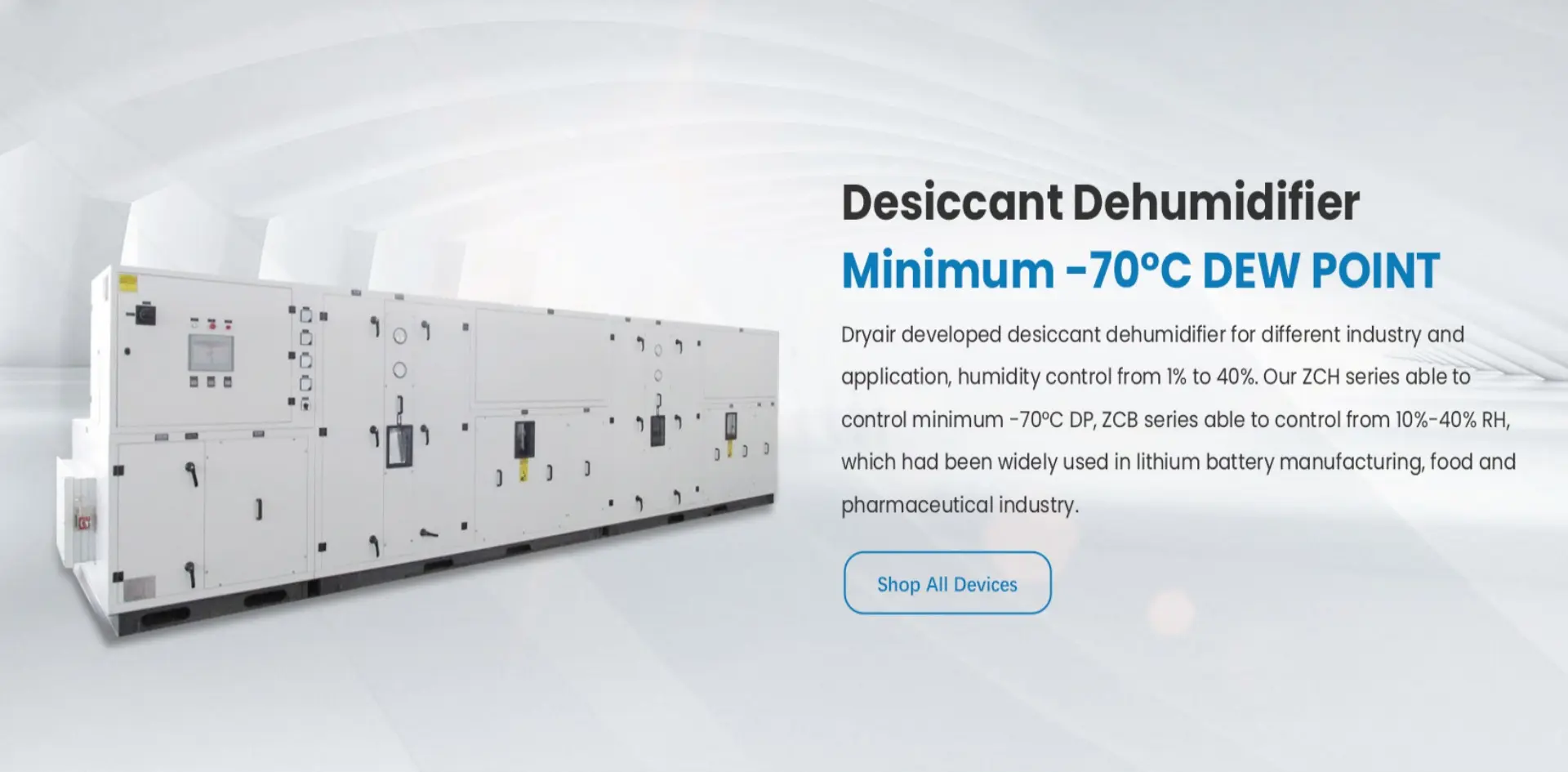
Global Field Support
Comprehensive turnkey installation, preventive service contracts, and on-site dew point validation across international sites.
Global Services
Engineering Catalog
Comprehensive psychrometric sizing tables, airflow capacities, footprint schematics, and mechanical hookup drawings.
Download Catalog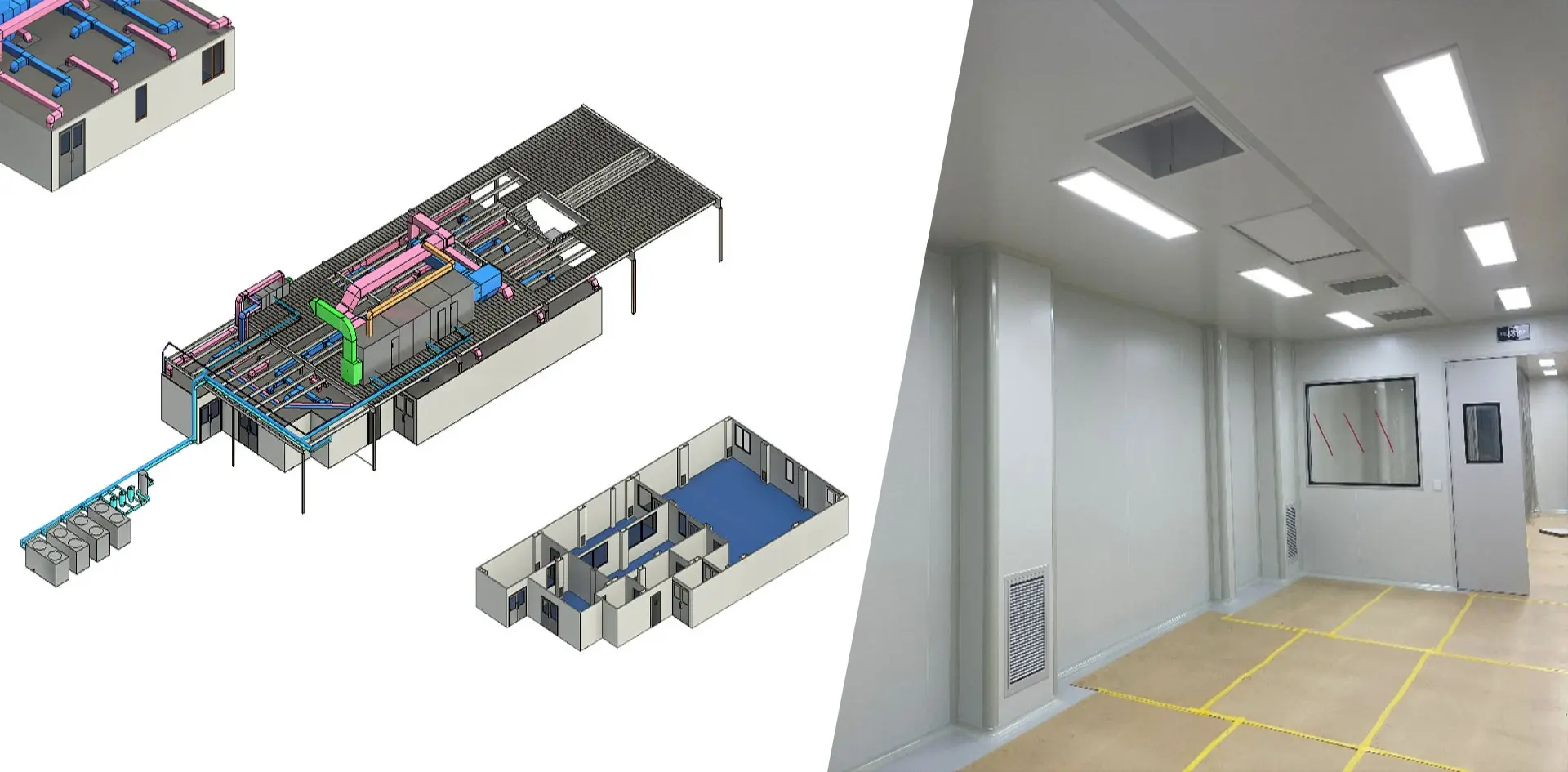
Direct Engineering Inquiry
Connect directly with our registered HVAC engineers for psychrometric calculations, RFQ reviews, and customized unit layouts.
Consult EngineersRequest a Tailored Dry Room Psychrometric Calculation
Send us your room dimensions, target dew point, personnel count, and outdoor ambient design conditions. Our senior engineering team will return a comprehensive thermodynamic load calculation and equipment configuration within 24 hours.