
Flagship Dehumidification & Recovery Equipment
Explore our core industrial product matrix engineered for extreme moisture control, solvent retention, and cleanroom environmental integrity.

DHU Series Rotary Desiccant Dehumidifier
High-precision desiccant rotor systems engineered for continuous ultra-low dew point air handling in battery dry rooms and chemical processing.

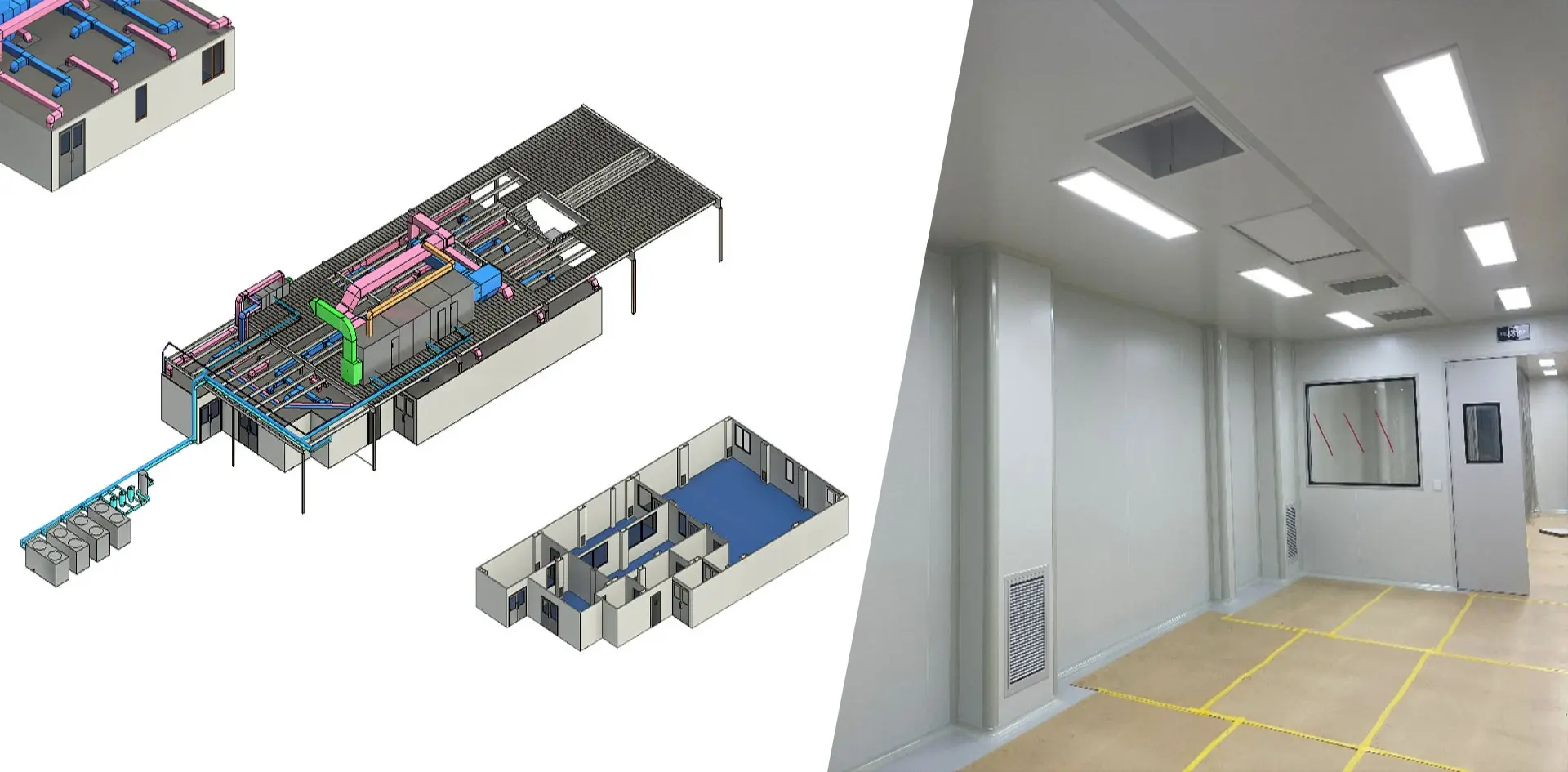
Turn-key Lithium Dry Room Systems
Complete environmental enclosures incorporating air isolation, dehumidification HVAC, structural panels, and automated PLC control systems.

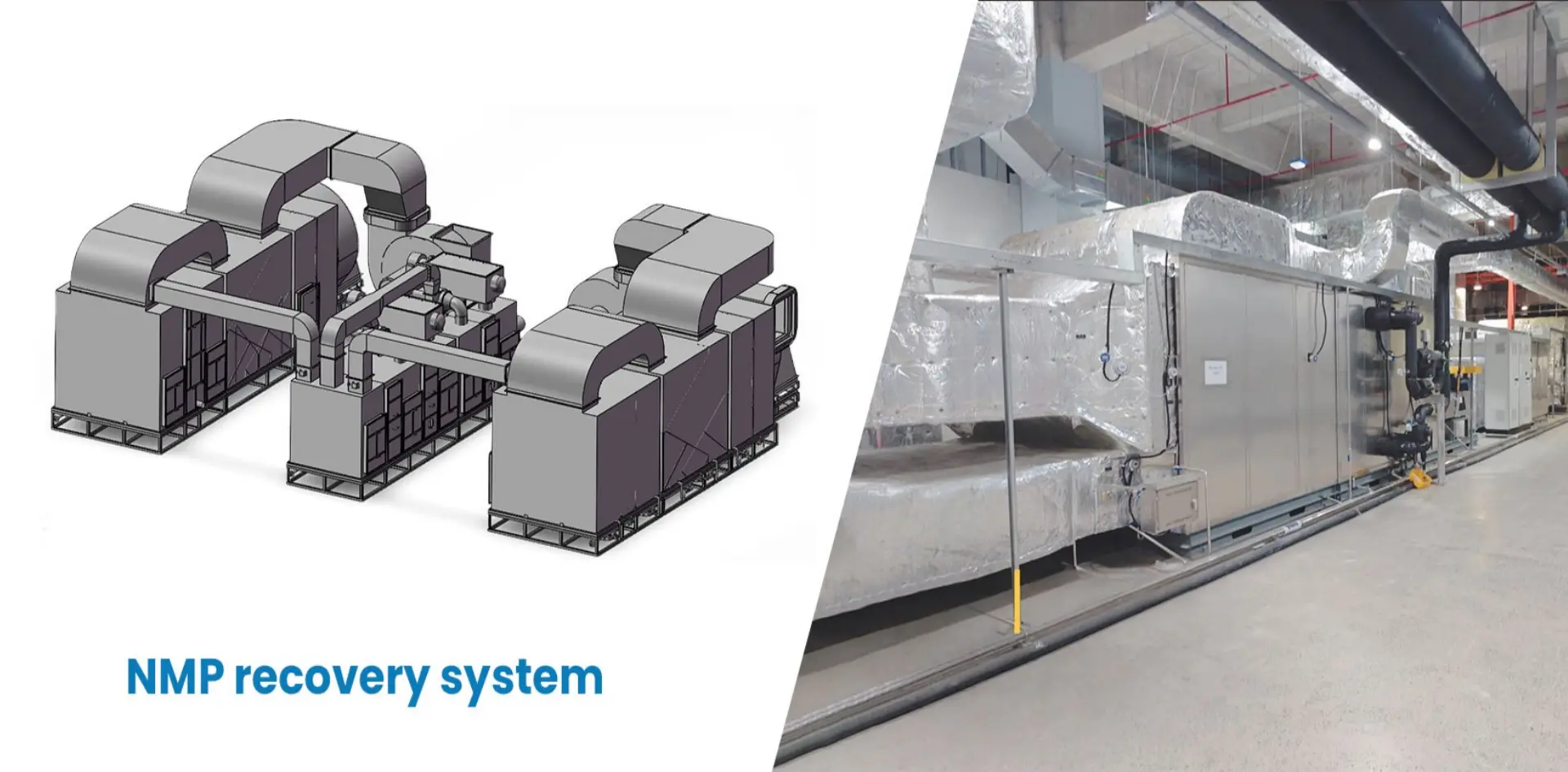
ZJRH Series NMP Solvent Recovery
Advanced condensation and adsorption technology capturing N-Methyl-2-pyrrolidone vapors from lithium electrode coating lines with ≥99% efficiency.

JEN Series Industrial VOC Abatement
Integrated VOC exhaust treatment utilizing regenerative thermal oxidation and sub-zero condensation for zero-noncompliance plant operation.
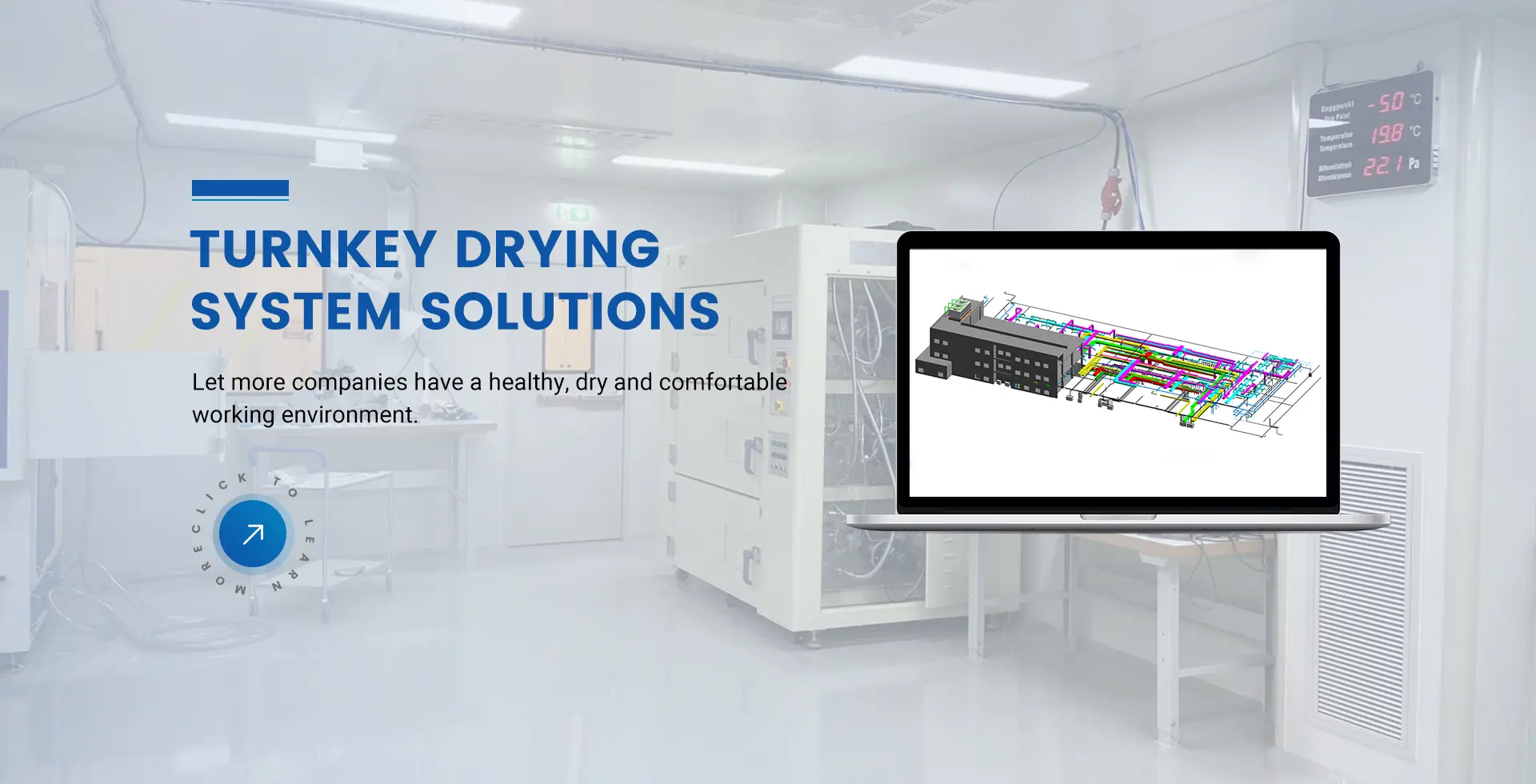
Heavy-Duty Refrigerative Dehumidifier
Commercial and industrial mechanical refrigeration units for primary moisture removal, raw material storage, and process pre-cooling stage HVAC.

GJB Standard Defense Preservation Units
Specialized military-grade environmental control equipment built under strict defense standards for ammunition, radar, and avionics storage.
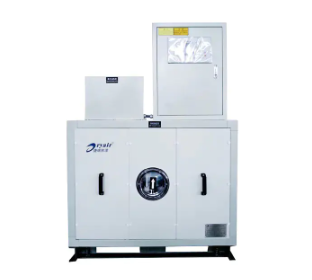
Pharmaceutical Low-RH Air Handlers
Hygienic desiccant systems engineered for gelatin capsule filling, effervescent tableting, and moisture-sensitive API powder processing cleanrooms.

Custom Industrial Skid & Duct Modules
Tailor-engineered desiccant cassettes, heat pump regeneration loops, and modular air handling skids integrated into global client HVAC layouts.
Technical Whitepaper: Precision Desiccant Dehumidification in Modern Manufacturing
An authoritative guide to psychrometric dew point control, desiccant rotor thermodynamics, and zero-defect atmospheric isolation.
In ultra-precision industrial manufacturing—ranging from lithium-ion cell assembly to advanced active pharmaceutical ingredient (API) synthesis—water vapor is a volatile contamination vector. Atmospheric moisture at ambient relative humidity (RH) carries latent energy and water molecules capable of inducing catastrophic chemical side reactions. Establishing micro-climates with dew points controlled down to -40°C, -50°C, or even -70°C DP is no longer an operational luxury; it is the fundamental baseline for cell yield, battery longevity, and chemical stability.
1. Psychrometric Dynamics of Rotary Desiccant Systems vs. Mechanical Refrigeration
Standard mechanical refrigerative dehumidifiers remove airborne moisture by chilling the air stream below its dew point, condensing water vapor into liquid water on cooling coils. However, mechanical refrigeration encounters an impassable thermodynamic limit at approximately +4°C to +2°C dew point. Below this threshold, condensate freezes into frost on the evaporator coils, causing thermal insulation, airflow blockage, and system lockup.
Rotary desiccant dehumidifiers bypass condensation limits completely by utilizing chemical sorption. The heart of the system is a continuously rotating honeycomb wheel impregnated with microscopic porous desiccant media—typically active silica gel or synthetic molecular sieves (zeolites). As process air passes through the desorption sector of the rotor, moisture molecules are adsorbed onto the interior surface of the desiccant matrix via vapor pressure differentials. Simultaneously, a heated reactivation (regeneration) air stream—flowing in a counter-current direction through a separate sector—heats the rotor matrix to between 100°C and 140°C, stripping the trapped moisture off the wheel and exhausting it outdoors as steam.
2. Solid-State and Lithium Battery Vulnerabilities to Atmospheric Water
In lithium-ion battery production—specifically during electrolyte injection, pouch sealing, and cell stacking—ambient moisture reacts exothermically with lithium salts such as Lithium Hexafluorophosphate ($LiPF_6$). This chemical decomposition forms hydrofluoric acid ($HF$), a highly corrosive byproduct that attacks cathode materials, degrades SEI layer formation, and drastically shortens battery cycle life:
LiPF₆ (electrolyte) + H₂O (moisture vapor) → LiF + POF₃ + 2 HF (hydrofluoric acid vapor)
To eliminate HF generation, gigafactory assembly lines demand dry rooms maintained at strict dew points below -45°C DP (equivalent to less than 0.5% RH at 22°C), while next-generation solid-state lithium-metal chemistry requires extreme dryness levels down to -60°C or -70°C DP. Achieving and sustaining these conditions across large-footprint manufacturing spaces demands custom psychrometric engineering, zero-leak enclosure design, and optimized heat regeneration loops.
China Manufacturing Superpower & Factory Supply Chain Integration
How Hangzhou DryAir leverages Zhejiang's advanced industrial ecosystem to deliver world-class HVAC and desiccant systems with unmatchable lead times and structural cost advantages.
Full Vertical Integration
Situated in Qingshan Industrial Park (Lin'an, Hangzhou), DryAir operates complete in-house metal fabrication, coil assembly, rotor housing precision machining, and automated wiring shopfloors. By bypassing third-party sub-assembly markups, we pass direct capital savings to overseas buyers.
Military-Grade QC (GJB Standard)
Unlike standard commercial HVAC suppliers, DryAir operates under both ISO 9001 and the Chinese GJB National Military Quality System. Every desiccant dehumidifier undergoes rigorous enthalpy-chamber run testing to confirm CFM capacity and dew point specs prior to dispatch.
Rapid Scale & Lead Time Speed
With a monthly capacity exceeding 200 industrial units, DryAir can supply multi-gigafactory expansions simultaneously. Our streamlined supply chain reduces standard international order lead times from typical Western market averages of 36 weeks down to 10–14 weeks.
Streamlined Component Sourcing & Global OEM Compatibility
While our structural enclosures, heat recovery exchangers, and rotor assemblies are manufactured in Hangzhou, DryAir integrates tier-one global components based on client specification requirements. Overseas buyers can configure their systems with Siemens PLC & HMI controls, ABB electrical breakers, Schneider contactors, Grundfos pumps, and Proflute desiccant wheels. This hybrid manufacturing strategy blends Chinese industrial cost efficiencies with globally recognizable, locally serviceable electrical and mechanical spare parts.
Global Enterprise Procurement: CAPEX vs. OPEX Engineering
Dehumidification systems are among the highest energy consumers in cleanroom manufacturing. Here is how DryAir slashes lifetime total cost of ownership (TCO).
Waste Heat Recovery Regeneration Options
Regenerating a desiccant rotor requires significant thermal energy. DryAir systems feature specialized heat-recovery loops that utilize factory waste heat—such as steam from boiler systems, hot water recovery from air compressors, or flue gas heat exchangers—reducing electrical thermal consumption by up to 35% to 50%.
Zero-Air-Leak Enclosure Architecture
Even miniscule ambient air infiltration will ruin a -50°C DP dry room. DryAir delivers patented double-sealed thermal break panel enclosures, double-gasketed airlock doors, and specialized duct flange connections rated for air leakage rates below 0.5%, keeping operational fan power minimal.
Localized Application Scenarios & Industry Case Execution
Tailored environmental engineering solutions for battery gigafactories, pharmaceutical cleanrooms, defense logistics, and petrochemical plants.
1. EV & Energy Storage Batteries
Supplying ultra-low dew point air (-40°C to -70°C DP) across winding, stacking, tab welding, electrolyte filling, and formation aging steps for clients like Tesla, CATL, BYD, SVOLT, EVE, and Northvolt.
2. Pharmaceutical & Healthcare
Preventing moisture-induced caking in powdered antibiotic formulations, maintaining gelatin capsule structural rigidity, and satisfying FDA/GMP cleanroom relative humidity constraints (10% to 30% RH).
3. Solvent & VOC Environmental Mitigation
Recovering NMP solvent vapors from cathode coating ovens with ≥99% efficiency while converting volatile organic exhaust into inert carbon dioxide and water vapor via RTO systems.
Psychrometric Humidity Target & System Selection Matrix
Consult this engineering baseline matrix to identify the ideal dehumidification equipment configuration for your application site:
| Industrial Application | Target Humidity Range | Critical Process Risk | Recommended DryAir Solution |
|---|---|---|---|
| Lithium Cell Assembly & Electrolyte Filling | -40°C to -60°C Dew Point | HF acid formation, capacity degradation, thermal runaway | Turn-key Dry Room System |
| Solid-State & Lithium Metal R&D | Down to -70°C Dew Point | Instant oxidation of metallic lithium anodes | DHU Ultra-Low Dew Point Dehumidifier |
| Cathode Electrode Slurry Coating | ≥99% NMP Vapor Recovery | Costly NMP solvent loss, EPA/VOC emission penalties | ZJRH NMP Solvent Recovery Unit |
| Hygroscopic Pharma Powders & Packaging | 10% to 30% Relative Humidity | Powder clumping, tablet disintegrator degradation | Rotary Desiccant Dehumidifier |
| Military Equipment & Avionics Storage | ≤40% Relative Humidity | Corrosion, optical lens fogging, explosive breakdown | GJB Defense Environmental System |
| Industrial Warehouses & Pre-cooling | 45% to 60% Relative Humidity | Surface condensation, mold growth, carton softening | Heavy-Duty Refrigerative Dehumidifier |
| Petrochemical Fuel Storage & Loading | Emission Limit Compliance | Volatile organic compound stack escape | JEN VOC Abatement & RTO System |
Global Compliance Certifications & Localized Field Support
Seamless international deployment backed by comprehensive international safety compliance and worldwide on-site engineering coverage.
Export Certification Baseline
Hangzhou DryAir equipment is fully engineered to meet destination market regulatory frameworks. We deliver systems complete with CE markings (Europe), UL/CSA listing standards (North America), ASME pressure vessel compliance, and EAC stamps (EAEU region). Electrical schematics adhere to NFPA 79 or IEC 60204-1 specifications, easing local field inspections and authority permits.
Lifecycle Service & Overseas SLA
To ensure 24/7 industrial uptime, international buyers can elect our extended 2-Year Global Service Plan. This framework incorporates remotely monitored IoT PLC telemetry, fast-dispatch spare parts hubs, and certified field engineers capable of performing Factory Acceptance Testing (FAT), Site Acceptance Testing (SAT), dew point validation, and rotor maintenance worldwide.
Future Trends: Solid-State Dry Rooms & Decarbonized Industrial HVAC
Pioneering green desiccant technologies to align cleanroom operations with Net-Zero carbon mandates.
As the global energy transition accelerates, industrial manufacturers face a dual challenge: achieving tighter environmental tolerances while simultaneously slashing plant carbon footprints. The desiccant dehumidification sector is undergoing rapid technological evolution driven by three key industry trends:
1. Solid-State Cell Manufacturing & Extreme -70°C Dew Point Scaling
Solid-state battery architectures utilizing sulfide-based solid electrolytes ($Li_6PS_5Cl$) release toxic hydrogen sulfide ($H_2S$) gas upon exposure to even trace airborne humidity. Consequently, next-generation dry room projects are shifting target dew points from traditional -40°C down to ultra-low thresholds of -60°C to -70°C DP. DryAir's specialized dual-rotor cassette systems are purpose-built to maintain these pristine conditions reliably across high-volume continuous output operations.
2. Heat-Pump Assisted Regeneration & Zero-Carbon Heat Sources
Traditional regeneration air heating relies heavily on high-wattage electric heating elements or natural gas burners. Modern plant designs are integrating industrial high-temperature heat pumps and solar-thermal collectors into desiccant reactivation loops. DryAir is at the forefront of this shift, offering hybrid heat pump desiccant dehumidifier models that drop reactivation energy consumption by over 40%.
3. IoT Digital Twin Monitoring & Predictive Maintenance
Unexpected dew point drift during battery assembly can result in millions of dollars in scrapped cell lots. DryAir's latest control platforms incorporate AI-driven sensor networks that monitor rotor pressure differentials, temperature gradients, and moisture adsorption saturation curves in real time. This data feeds into plant SCADA systems, enabling predictive maintenance alerts long before ambient humidity spikes occur.
Frequently Asked Questions (Q&A) for Engineering & Procurement
Technical clarity on system capacity, global compliance, factory audits, and installation logistics.
What is the absolute lowest dew point a DryAir desiccant dehumidifier can deliver?
Does Hangzhou DryAir provide complete turnkey dry room construction outside of China?
Which export certifications can be provided with DryAir dehumidifiers?
What solvent recovery rate can be expected from a DryAir NMP system?
How does DryAir assist with international installation and after-sales support?
Can DryAir desiccant systems utilize waste heat for rotor regeneration?
Complete Equipment & Service Quick-Access Hub
Select any category below to access full engineering specifications, dynamic airflow calculations, and technical catalogs.
Desiccant Dehumidifier Units
Rotary desiccant systems for deep industrial drying down to -70°C DP.

Turn-Key Dry Room Systems
Integrated gigafactory dry room solutions engineered from design to validation.
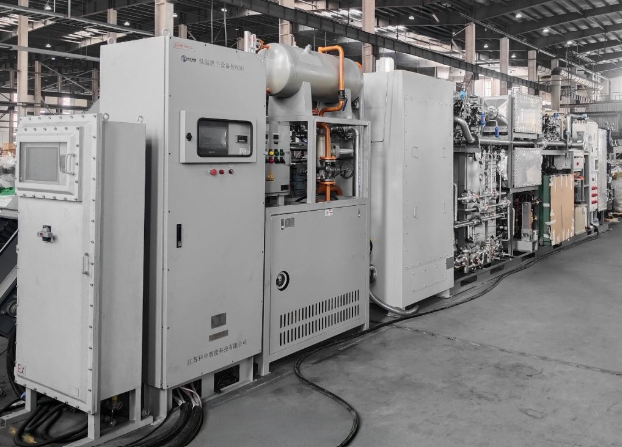
NMP Solvent Recovery Systems
High-yield solvent condensing units for battery coating lines.
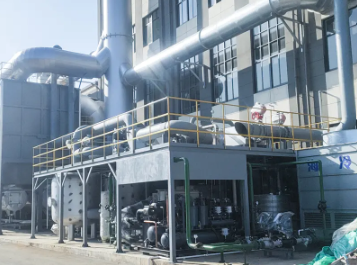
VOC Abatement & RTO Systems
Industrial VOC waste air purification and thermal oxidizer units.

Refrigerative Dehumidifiers
Commercial pre-cooling and warehouse moisture control systems.
Worldwide Field Service & Support
2-Year international service agreements, spare parts hubs, and on-site engineers.
Technical Engineering Insights
Deep dives into psychrometrics, solvent recovery maintenance, and cleanrooms.
Full Product Technical Catalog
Download engineering drawings, airflow tables, and system performance curves.
Connect With Hangzhou DryAir Engineers
Ready to optimize your plant's dew point performance or request a formal tender RFQ? Our engineering team responds within one business day with customized sizing and load calculations.