
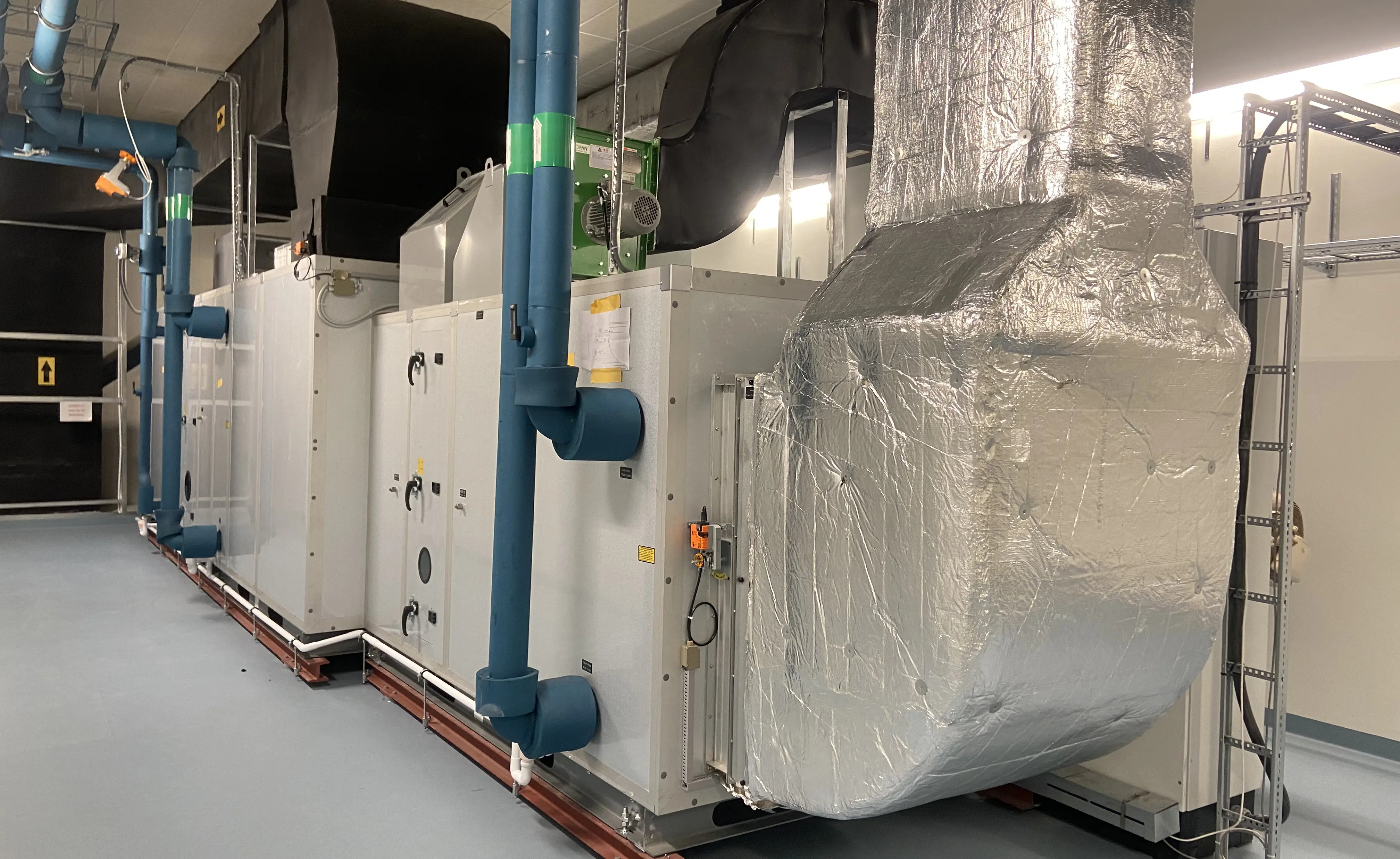
Desiccant Dehumidifier
High-capacity rotary desiccant systems capable of maintaining stable ultra-low dew point control down to -70°C for dry room processes.
Explore Model SpecsExplore our core engineering hardware designed for continuous, high-precision environmental moisture control, NMP solvent recovery, and VOC abatement.
High-capacity rotary desiccant systems capable of maintaining stable ultra-low dew point control down to -70°C for dry room processes.
Explore Model Specs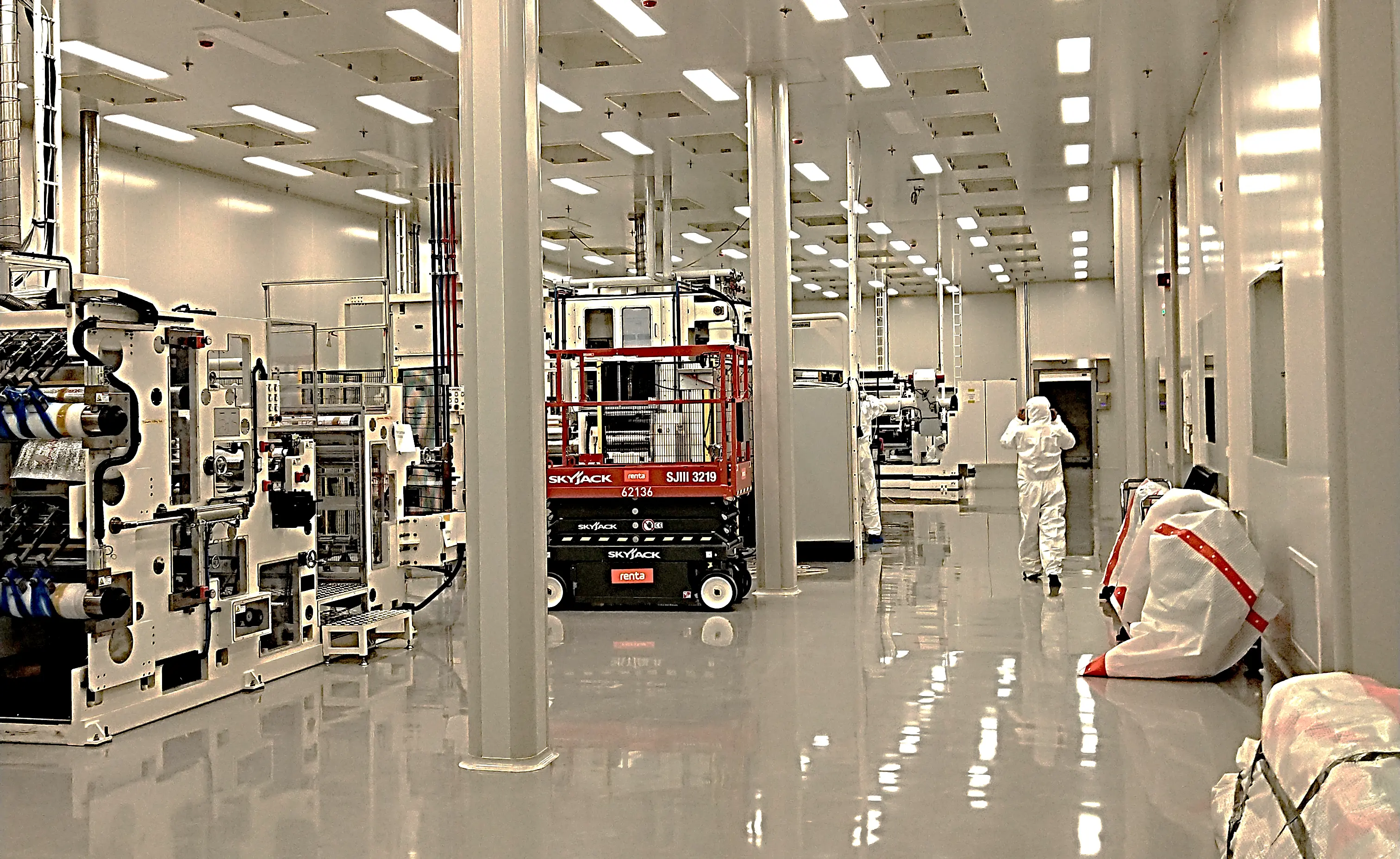
Complete modular dry room EPC engineering: enclosures, air handlers, low-dew point desiccant units, and automated PLC control systems.
View Turnkey EPC Details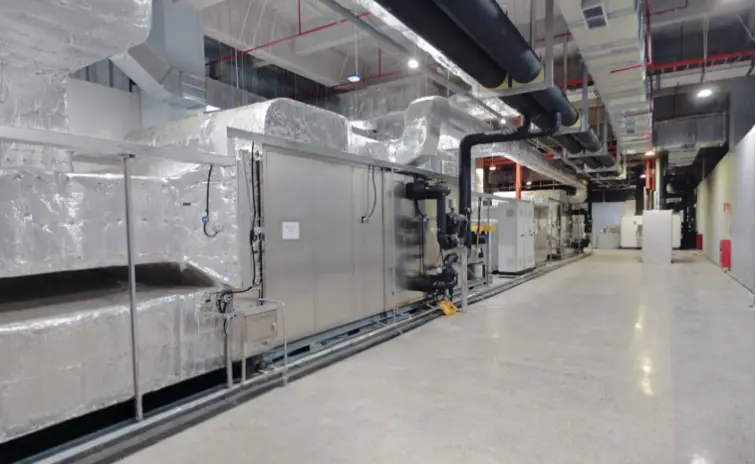
Advanced condensation and absorption technology delivering ≥99% NMP solvent recovery efficiency for battery electrode coater exhaust lines.
Learn Recovery Technology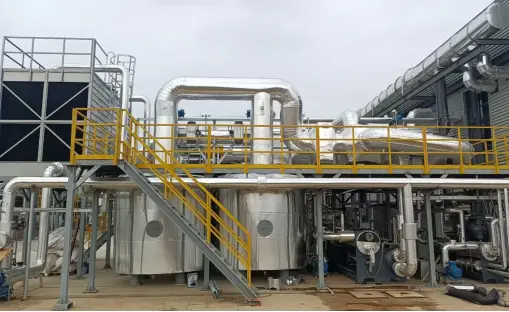
Deep-cooling condensation combined with Regenerative Thermal Oxidizers (RTO) for extreme hydrocarbon and VOC emission compliance.
View Emission Systems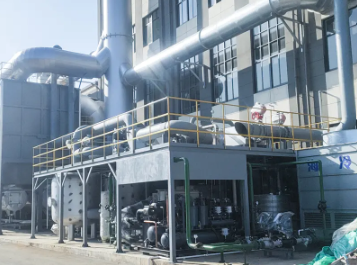
Energy-optimized mechanical refrigeration dehumidifiers engineered for industrial pre-cooling and bulk moisture control in warehouses.
Check Pre-Cooling Models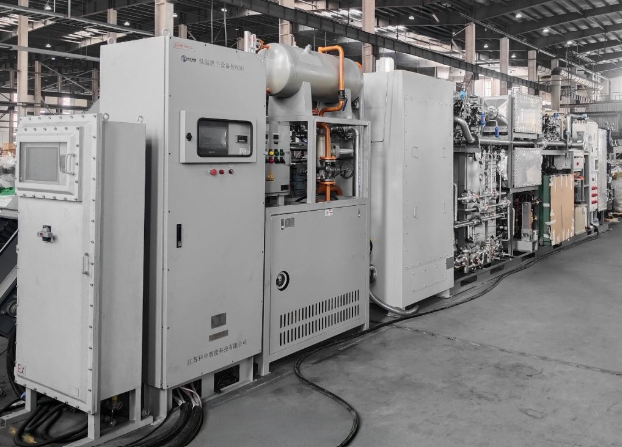
Detailed psychrometric charts, dimensional engineering drawings, and energy efficiency curves across all dehumidifier series.
Request Technical Catalog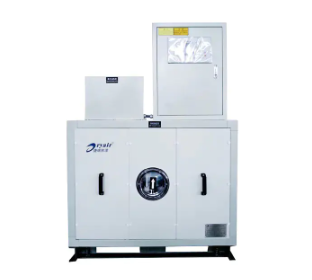
International engineering commissioning, regulatory compliance support (CE, UL, CSA, ASME, EAC), and 2-year service agreements.
Explore Global Services
Tailored psychrometric calculations and moisture load modeling configured specifically for your facility's operational parameters.
Request Engineering RFQA comprehensive technical analysis on psychrometric moisture extraction, rotor wheel chemistry, and total lifecycle energy efficiency for modern industrial dry rooms.
Unlike conventional mechanical refrigerative dehumidifiers that rely on dew point condensation above 0°C, a true desiccant dehumidification system utilizes chemical adsorption thermodynamics. Synthesized active silica gel or molecular sieve matrix media dynamically binds water vapor at a molecular level without liquefaction. This fundamental mechanism allows industrial plants to achieve stable supply air down to -70°C pressure dew point (PDP), representing an absolute moisture content below 0.002 grams of water per kilogram of dry air.
At the core of Hangzhou DryAir systems lies a honeycomb-structured ceramic rotor impregnated with micro-porous synthesized silica gel or type 13X molecular sieves. The rotor is segmented into a primary process air sector and a heated reactivation sector. As process air passes through the honeycomb structure, moisture is continuously adsorbed. Concurrently, a counter-flowing heated air stream (120°C–140°C) desorbs the captured moisture, exhausting it out of the facility and renewing the matrix in a seamless 24/7 continuous thermodynamic loop.
Industrial cleanrooms incur massive thermal loads from personnel respiration, duct air infiltration, material introduction, and machinery operation. Achieving precise relative humidity (RH) control under variable ambient conditions requires a dual-stage psychrometric strategy: mechanical pre-cooling to remove latent heat and bulk condensation, followed by desiccant rotor adsorption for deep moisture stripping, and final sensible post-cooling. DryAir integrates internal heat-recovery loops that recycle exhaust heat into regeneration air, slashing overall operating expenses (OPEX) by up to 35%.
Analyzing the structural economic, engineering velocity, and supply chain benefits of Hangzhou DryAir's centralized manufacturing ecosystem.
Located in the heart of China’s advanced manufacturing corridor in Lin'an, Hangzhou, DryAir leverages an fully integrated supply chain network. From specialized rotor wheel synthesis and sheet metal laser fabrication to custom PLC control panel assembly, our localized supply chain reduces component lead times by 50% compared to Western European or North American competitors. Producing over 200 units monthly yields unprecedented economies of scale, directly lowering capital expenditure (CAPEX) for global procurement teams.
China produces more HVAC and process engineering graduates than any other nation. Hangzhou DryAir’s R&D department features 74 specialized technical personnel, including PhDs, master's degree holders, and national certified HVAC engineers. This intense talent density enables us to deliver custom psychrometric calculations, 3D BIM ducting schematics, and tailored structural skid designs within 48 hours of initial enquiry.
China dominates global lithium battery production, hosting over 70% of total worldwide cell capacity. DryAir’s dehumidifiers and turnkey dry room systems have been benchmarked and deployed across massive multi-gigawatt plants for industry giants such as CATL, BYD, EVE Energy, ATL, SVOLT, and Farasis. This intensive real-world validation ensures our systems operate with bulletproof reliability under extreme, continuous continuous duty cycles.
How next-generation energy transition requirements are reshaping the industrial humidity control landscape.
As the electric vehicle (EV) industry shifts from traditional liquid electrolyte lithium-ion cells toward solid-state and sodium-ion technologies, moisture tolerance thresholds have tightened dramatically. Solid-state electrolytes react instantaneously with ambient moisture to release hazardous hydrogen sulfide (H₂S) gas. Modern dry rooms now demand reliable -60°C to -70°C dew point control, requiring double-rotor series desiccant configurations with micro-precision dew point tracking sensors.
Operating high-temperature electric regeneration heaters consumes substantial power. The trend toward carbon-neutral gigafactories has accelerated demand for waste-heat utilization options. DryAir integrates hot water coils, steam heat exchangers, and heat-pump recovery circuits into desiccant units—utilizing waste heat from process cooling loops or solar thermal systems to offset regeneration energy by over 40%.
Modern manufacturing facilities cannot afford unplanned dry room downtime; a sudden moisture surge can contaminate millions of dollars worth of unsealed battery cells. DryAir integrates AI-driven IoT telemetry into Siemens or Schneider PLC architectures. Real-time vibration monitoring, air pressure differential sensing, and predictive dew point algorithm warnings alert plant managers to rotor seal wear or heating element degradation weeks before any functional breach occurs.
Specific environmental parameters and custom technical configurations by industry application.
| Industry Sector | Moisture Sensitivity & Operational Threat | Target Dew Point / RH Standard | Recommended System Configuration |
|---|---|---|---|
| Lithium Cell Assembly & Electrolyte Filling | Moisture reacts with LiPF6 electrolyte creating Hydrofluoric Acid (HF), destroying cell capacity and triggering thermal runaway risk. | -40°C to -70°C Dew Point (<0.5% RH) | Double-rotor desiccant dehumidifier unit (DHU series) + Hermetic dry room enclosure. |
| Pharmaceutical Powder Processing & Capsules | Hygroscopic active ingredients (APIs) absorb moisture causing powder caking, sticky capsule walls, and loss of dosage uniformity. | -10°C to -20°C Dew Point (10%–20% RH) | Silica-gel desiccant dehumidifier with HEPA H14 terminal filtration and cGMP stainless interior. |
| Military Defense & Aviation Bunkers | Humidity accelerates metallic oxidation, ordnance propellant degradation, micro-cracking in missile optics, and avionics short-circuiting. | ≤ 35% RH (Ambient temp storage) | GJB national military standard desiccant dehumidifier with heavy-duty anti-corrosion coating. |
| Electrode Coating & Solvent Vapor Abatement | Toxic N-Methyl-2-pyrrolidone (NMP) vapors emitted during cathode drying pollute exhaust streams and represent costly raw material loss. | ≥ 99% NMP Vapor Recovery | ZJRH Series NMP Recovery System with dual condensation chilling and zeolite concentration wheels. |
| Semiconductor Cleanrooms & Wafer Fab | Water vapor causes localized silicon oxidation, photoresist pattern distortion, and mask fogging during photolithography. | -20°C Dew Point / 30% to 45% RH (±1% control) | Precision air handler with integrated low-dew-point desiccant rotor and ultra-low vibration fans. |
From preliminary moisture load modeling to global installation, commissioning, and validation.
We perform rigorous mathematical psychrometric modeling calculating total latent loads: fresh air volume, door opening frequency, operator perspiration, and panel air leakage rates.
Custom structural engineering of ducting layouts, air change rates (ACH up to 60+ times/hr), energy heat recovery loops, and precise airflow distribution CFD simulations.
Precision manufacturing under ISO 9001 and military GJB standards. Every skid undergoes full testing in our certified internal environmental chamber prior to export shipping.
Deployment of specialized installation engineers globally. Complete handover including dew point validation testing, air balancing, and 2-year operational training.
How Hangzhou DryAir fulfills international regulatory compliance, safety engineering, and quality assurance audits.
Global procurement requires complete compliance with target market safety codes. DryAir systems are engineered to meet European CE directives, North American UL and CSA electrical standards, ASME pressure vessel stamps, and Eurasian EAC compliance. This ensures frictionless customs clearance, simple local building permit approvals, and full operator safety.
Our manufacturing facility operates under dual quality management systems: ISO 9001 for commercial quality consistency and the rigorous GJB national military standard system. Every welding seam, electrical wiring loom, panel insulation seal, and rotor bearing assembly undergoes documented non-destructive testing (NDT) and multi-stage quality control checks.
In enterprise procurement, equipment purchase price accounts for less than 20% of 10-year Total Cost of Ownership (TCO)—the remaining 80% is electricity and thermal utility expenditure. By integrating self-regulating rotor matrix formulations, high-efficiency EC plug fans, dynamic frequency drives, and waste heat recovery options, DryAir delivers the lowest lifecycle operating cost per CFM in the industry.
Clear, unvarnished answers to common technical queries regarding desiccant selection, dry room design, and global support.
Re-evaluate our specialized product line and technical resources before initiating your engineering request for proposal (RFP).
Engineered for continuous heavy-duty industrial air drying down to -70°C dew point across extreme climates.
View Desiccant Series
Single-source accountability EPC dry room design, modular panel assembly, and precision air control.
Explore Turnkey System
Capture and recycle over 99% of cathode exhaust solvent while cutting factory volatile organic emissions.
View NMP Recovery
Deep chilling condensation coupled with RTO thermal oxidation for zero-leak environmental compliance.
Explore VOC Abatement
Heavy-duty mechanical pre-cooling and warehouse dehumidifiers optimized for high ambient latent loads.
Check Refrigerative Models
Comprehensive technical literature containing airflow dimensions, power ratings, and rotor efficiencies.
Download Catalog PDF
Direct access to our certified international commissioning technicians and remote IoT support network.
View Global Network
Consult with our senior technical specialists to configure an optimized dehumidification system for your facility.
Contact Engineering TeamPartner with China's leading ultra-low dew point desiccant dehumidification engineering manufacturer. Speak with our application engineers for custom load calculations, BIM models, and competitive turnkey quotations.