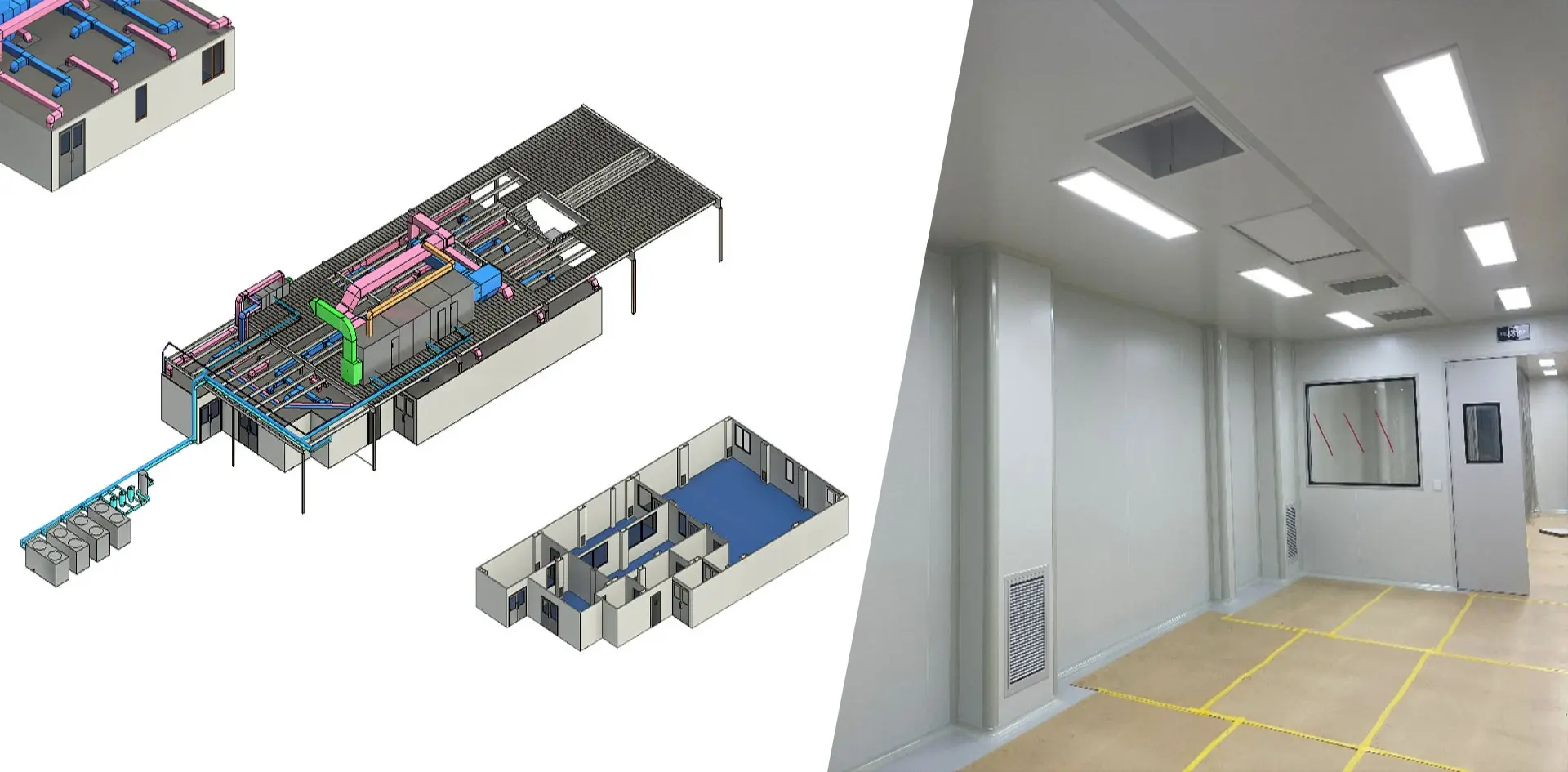
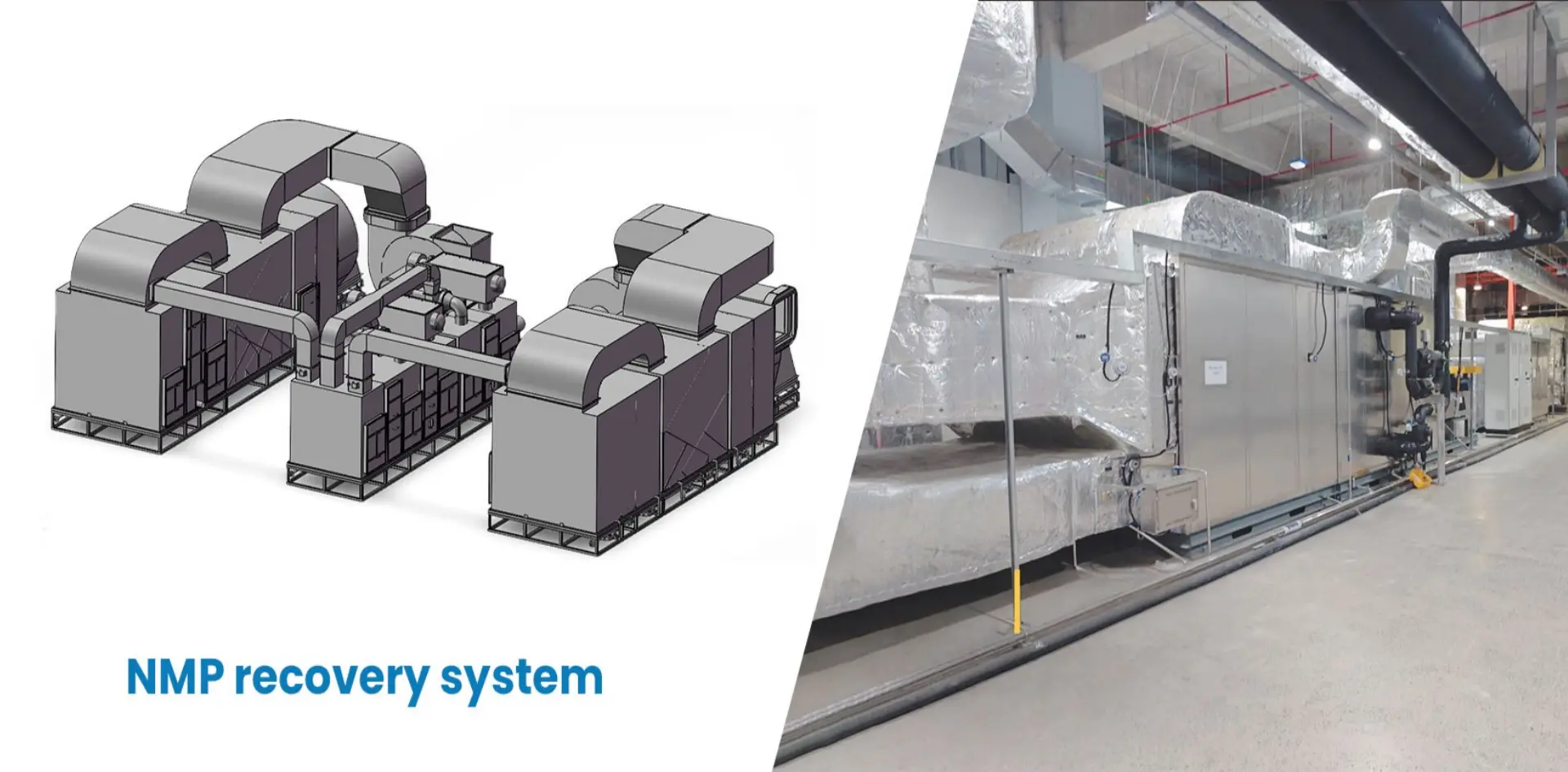
In the modern industrial ecosystem, maintaining exact thermodynamic equilibrium inside cleanrooms, drying towers, and automated manufacturing zones is no longer a peripheral utility—it is a critical determinant of product yield and process integrity. The search for a reliable temperature and humidity controller exporter in China has shifted from basic transactional purchasing to strategic infrastructure partnership. China has transitioned from high-volume assembly to the epicentre of thermodynamic innovation, particularly driven by domestic leadership in clean energy, grid battery scale-ups, and specialized aerospace manufacturing.
Integrated Supply Chain Synergy
Chinese manufacturers benefit from fully clustered domestic ecosystems—sourcing titanium silicate rotary wheels, variable-frequency scroll compressors, copper cooling coils, and PLC control cards within a 100km radius. This compression eliminates multi-tier component markups and slashes project lead times by 40% compared to Western counterparts.
Empirical Gigafactory Testing
Nowhere on Earth has the volume of lithium battery cell manufacturing matched China's capacity over the past decade. Exporters like Hangzhou DryAir have stress-tested their temperature and humidity controllers against continuous, high-personnel, 24/7 gigawatt-scale production lines, engineering out failure modes such as desiccant wheel dusting, seal bypassing, and sensor drift.
Rapid Custom Engineering Iterations
Global specifications are rarely standard. Whether integrating ASME-coded pressure vessels for North America, CE-marked low-voltage switchgear for the EU, or explosion-proof ATEX ratings for hazardous chemical bays, Chinese engineering centers deploy dozens of HVAC design specialists to configure bespoke psychrometric schemes in days rather than quarters.
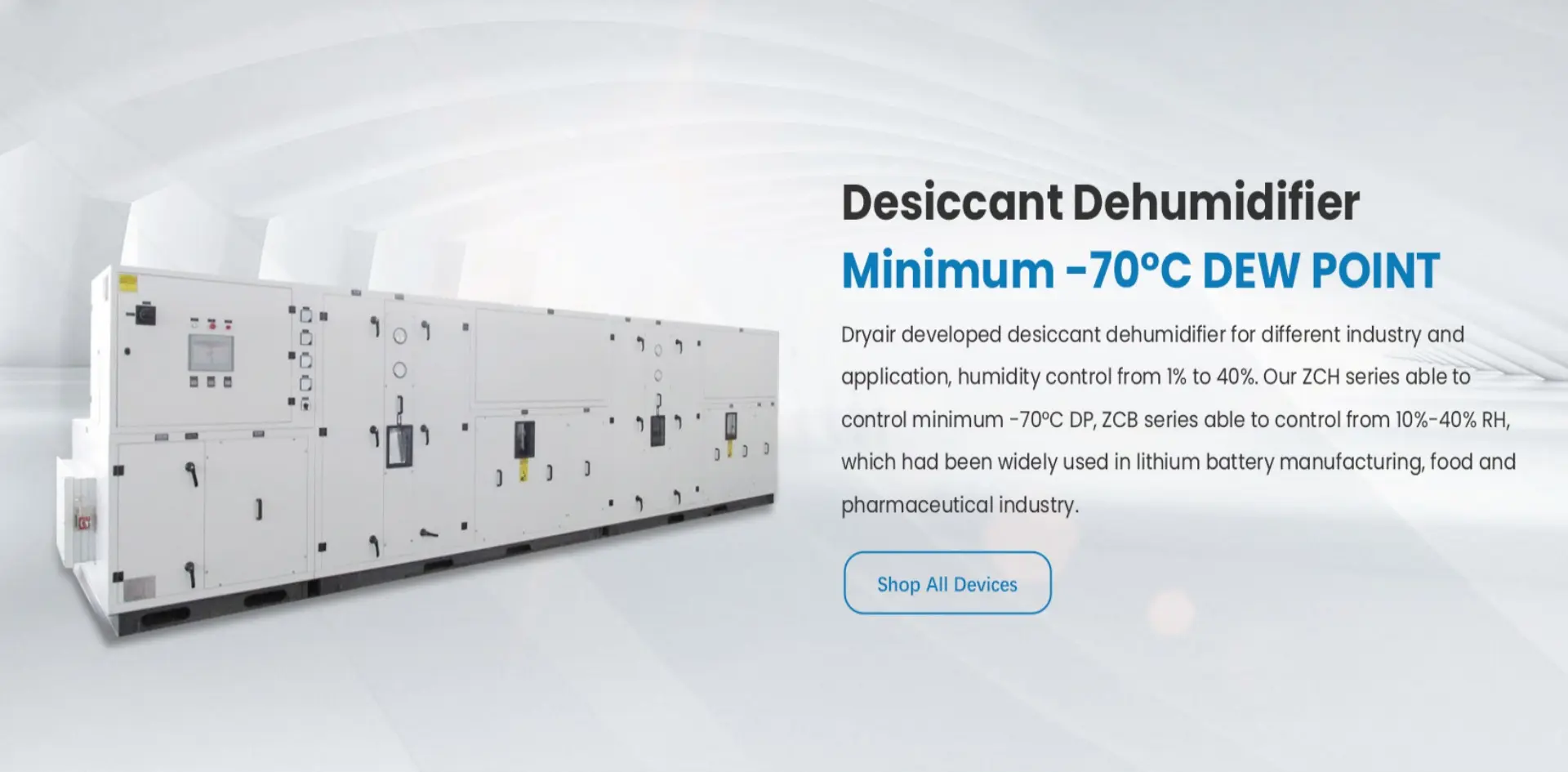
Beyond material cost efficiencies, the operational value proposition lies in thermodynamic optimization. Rotary desiccant dehumidifiers manufactured in Hangzhou combine multi-stage sensible and latent heat recovery exchangers that recycle reactivated exhaust air heat. This system architecture directly cuts the primary thermal input burden by 25% to 38%, addressing the escalating carbon tax and electrical utility expenses faced by international plant operators.