
Precision Engineering Portfolio: Core Product Series
Engineered for lithium-ion battery production lines, cleanrooms, and extreme industrial manufacturing environments.
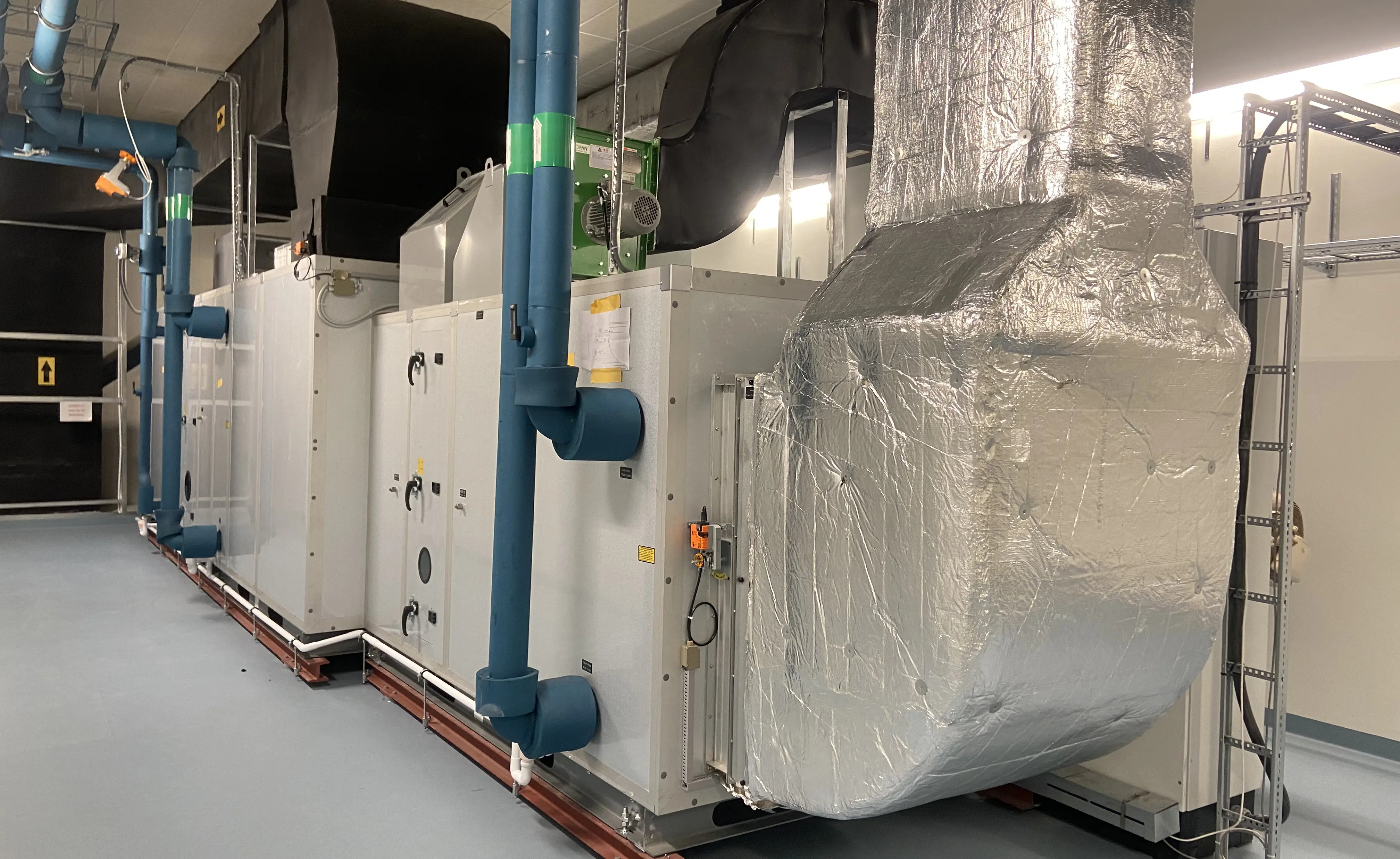
DHU Desiccant Dehumidifier
Rotary desiccant moisture removal equipped with molecular sieve technology for deep ultra-dry processing.
Product Specifications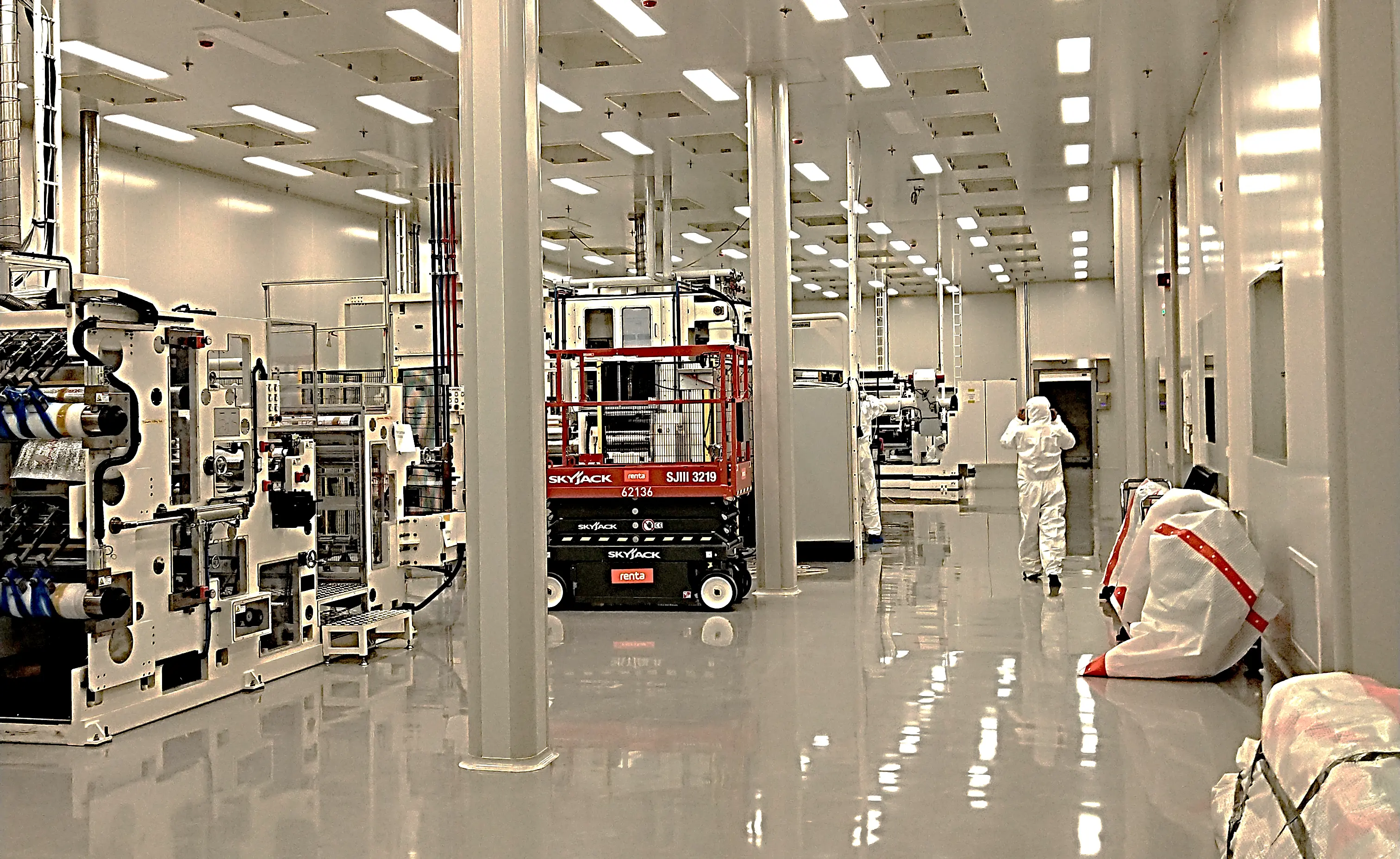
Turn-Key Dry Room System
End-to-end controlled atmospheric systems integrating enclosure, HVAC, safety validation, and automated PLC modules.
Explore Turnkey Systems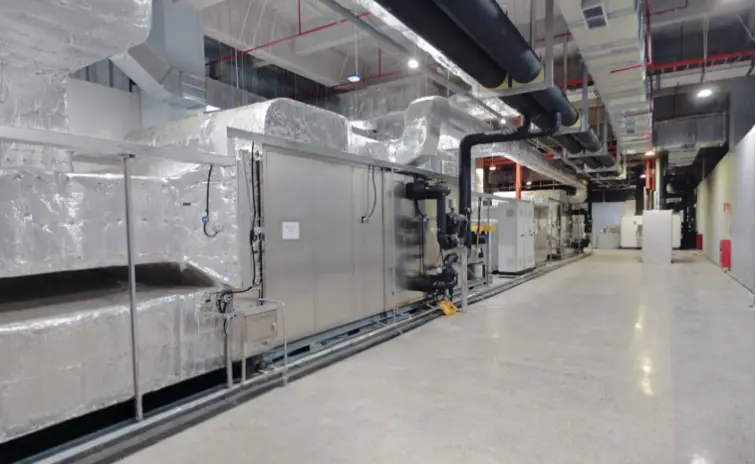
NMP Solvent Recovery System
Engineered for high-efficiency capture and condensation of N-Methyl-2-pyrrolidone on battery electrode coaters.
View Recovery Solutions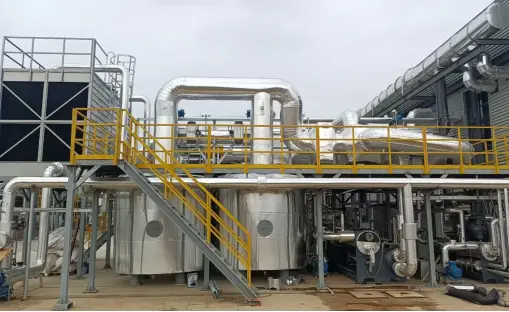
VOC Abatement System
Deep chilling condensation paired with Regenerative Thermal Oxidizers (RTO) for extreme volatile vapor control.
Abatement Systems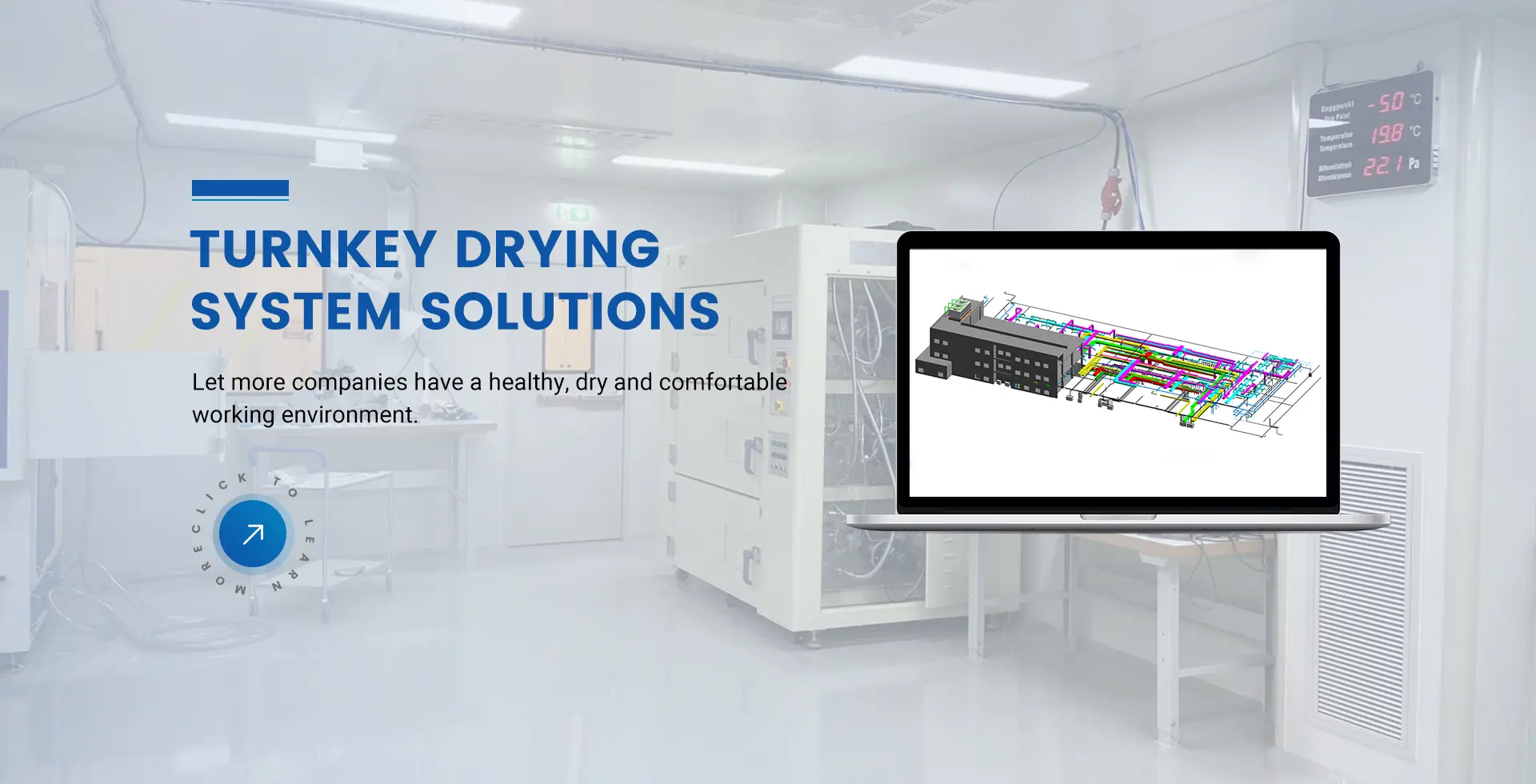
Ultra-Low DP Series
Engineered multi-stage rotor systems tailored for gigafactory operations with continuous 24/7 moisture removal.
Explore Low DP Units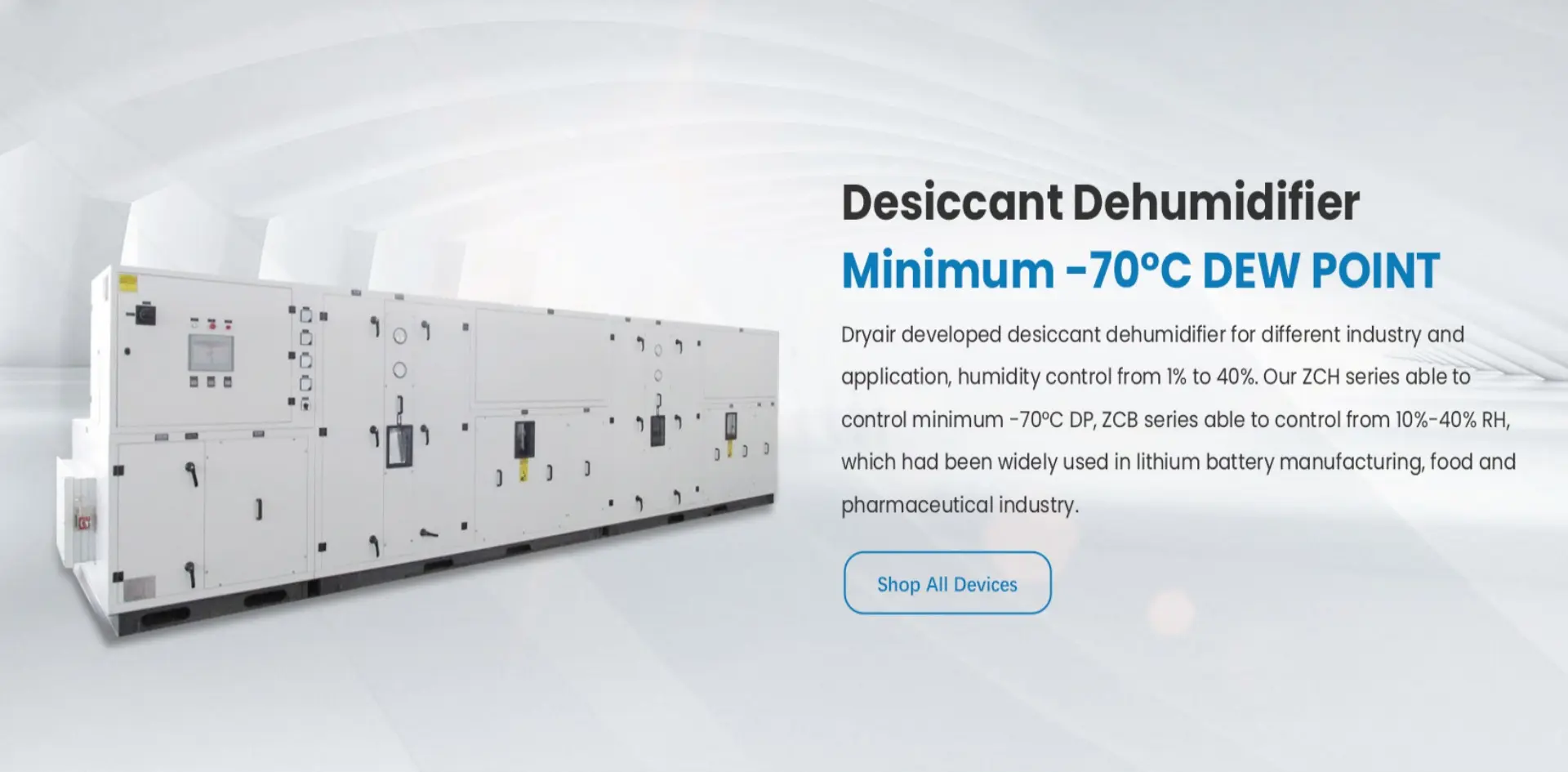
Cell Assembly Dehumidifier
Precise dew point maintenance for automated electrolyte injection and battery pouch packaging bays.
View Modular Solutions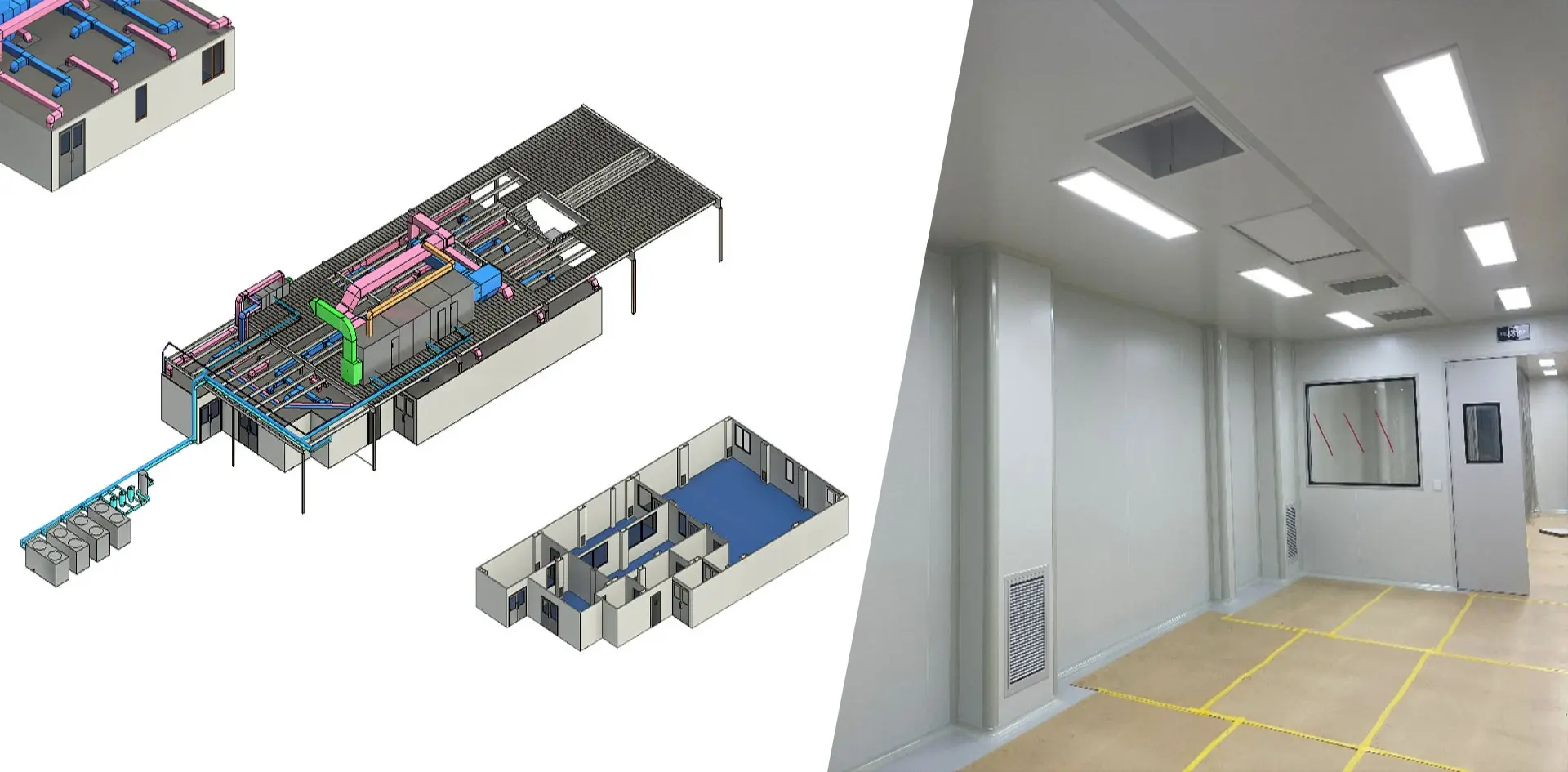
Thermal Recycling Dehumidifier
Integrated energy-recovery rotors capturing exhaust thermal energy to cut regeneration OPEX up to 35%.
Thermal Efficiency Specs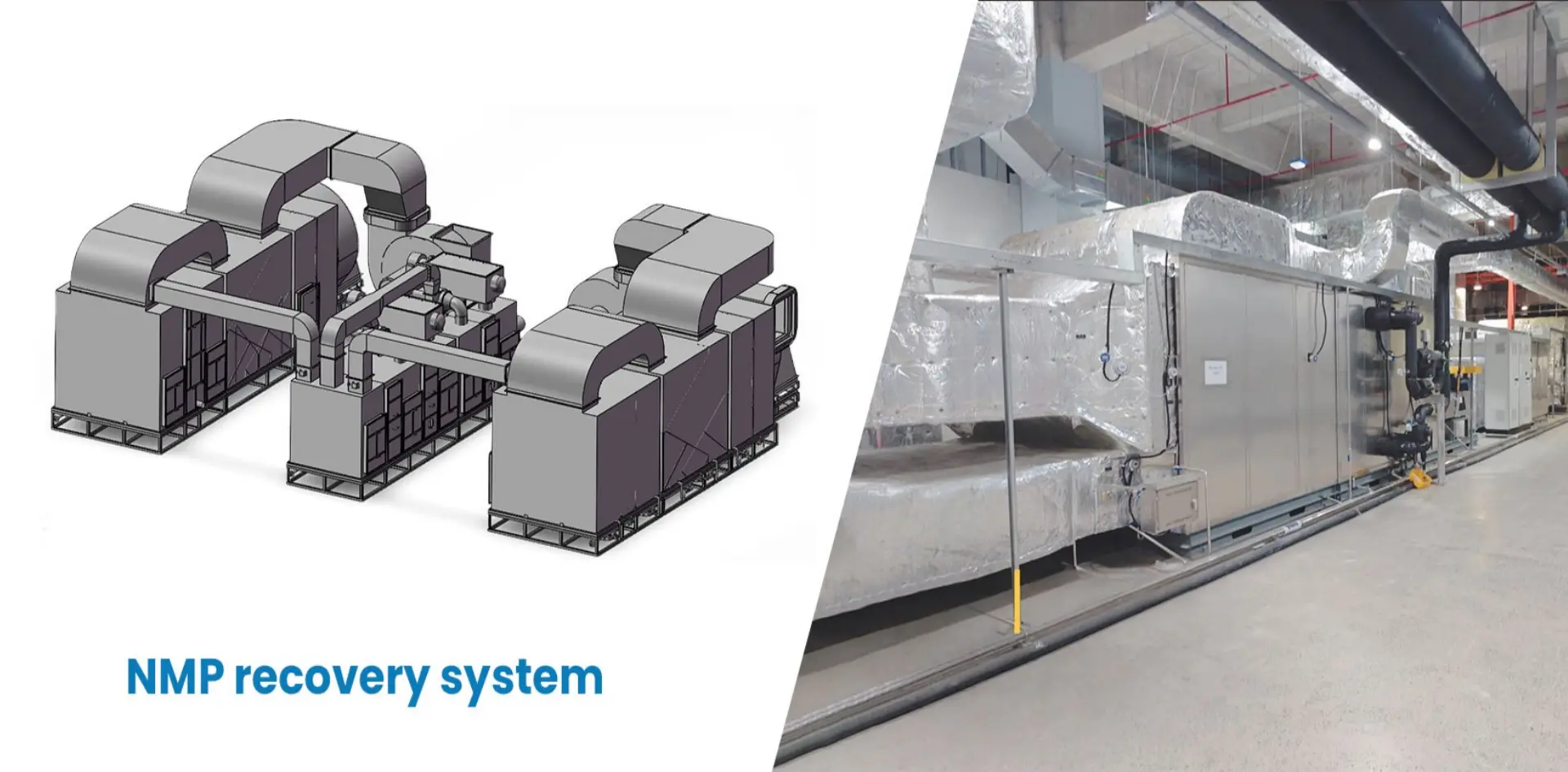
Refrigerative Dehumidifier
High-efficiency condensing dehumidification engineered for warehouse humidity conditioning and pre-cooling stages.
View Refrigerative LineChina Industrial Dehumidification Landscape: Analysis of the Top 10 Manufacturers
The industrial dehumidification ecosystem in China has evolved into a global center of excellence, driven by rapid advancements in the EV battery, semiconductor, and biopharmaceutical supply chains.
Hangzhou DryAir Treatment Co., Ltd.
Established in 2010, DryAir holds over 30% of the domestic high-spec lithium-ion battery dry room sector. Renowned for its patented multi-stage composite desiccant rotor systems that reliably deliver -70°C dew point air with advanced NMP recovery (≥99%).
Munters China (Manufacturing Base)
The Swedish environmental control pioneer’s localized Chinese facilities, offering high-end desiccant systems for global life science and high-capacity cleanroom projects across Asia.
Guangdong Shenling Environmental
A specialized provider of high-capacity industrial cooling, HVAC integration, and specialized refrigeration dehumidifiers engineered for chemical, petrochemical, and large warehousing facilities.
Wuxi Putian Environmental Engineering
Strong focus on lithium battery dry rooms and chemical engineering dehumidifiers, recognized for specialized turnkey installation capabilities throughout East China.
Parkoo Electric Industry Co.
High-volume manufacturer focusing on commercial, light industrial, and residential refrigeration dehumidifiers, widely utilized for warehouse storage and archive moisture control.
Seibu Giken DST (China Production)
Japanese desiccant rotor engineering deployed via Chinese manufacturing hubs, offering advanced silica gel and zeolitic rotor wheels for defense, pharma, and food drying.
Hangzhou Jiayou Sound & Industrial Clean Air
Provides dual-action environmental conditioning solutions including fog misting suppression, industrial humidification, and heavy-duty refrigeration dehumidification units.
Suzhou Huaxin Environmental Systems
Supplies precision environmental test chambers, walk-in constant temperature/humidity rooms, and medium-scale cleanroom desiccant air treatment hardware.
Shanghai Jiefeng Industrial HVAC Equipment
Engineering specialist in large AHU systems, deep dehumidifiers, and explosion-proof air conditioning units designed for maritime vessel operations and offshore oil rigs.
Zhejiang Songjing Electrical Co.
Recognized for standardized industrial dehumidifiers, portable workshop units, and agricultural greenhouse climate control units built on scalable automated assembly lines.
Technological Roadmap: Next-Gen Industrial Dehumidification (2025–2030)
The global push toward higher battery energy densities and next-generation solid-state chemistries has completely redefined desiccant engineering expectations.
Solid-State Lithium Demands: -70°C to -80°C
Sulfur-based solid electrolytes decompose upon exposure to the faintest trace of atmospheric moisture, producing toxic hydrogen sulfide (H₂S) gas. DryAir is pioneering multi-rotor cascading configurations using synthetic molecular sieve matrices capable of maintaining supply air at a consistent -70°C to -80°C dew point without mechanical ice-blocking.
Heat Pump & Industrial Waste Heat Regeneration
Desiccant rotor reactivation has historically represented 60%–70% of total dry room operational expense (OPEX). Modern Chinese engineering integrates heat pump reactivation alongside exhaust waste heat loops, driving down operational electricity consumption by up to 35% to 42% across continuous annual production cycles.
AI-Driven Psychrometric Adaptive Control
Replacing traditional static PLC parameters, intelligent microcontrollers now track outdoor weather shifts, human occupant loads, and airlock ingress cycles in real time. Variable-speed drives dynamically modulate regeneration air volume and rotor rotation velocity, avoiding over-drying and drastically slashing peak grid loads.
China Factory 4.0: Supply Chain Resilience & Manufacturing Efficiency
Hangzhou DryAir delivers industrial dehumidification systems with shorter lead times, exceptional price-to-performance metrics, and high structural reliability across the global battery gigafactory wave.
End-to-End In-House Fabrication
By producing our own structural sheet metal enclosures, precision balancing rotor frames, and assembling customized central electrical cabinets in-house, DryAir eliminates cross-tier subcontractor delays and maintains comprehensive build quality.
Pre-Commissioned Testing Chambers
Every industrial desiccant dehumidifier undergoes end-to-end full psychrometric performance simulation inside our dedicated factory test room before leaving the plant floor, verifying absolute airtightness, motor loads, and low dew point thresholds.
Parallel Gigafactory Execution
With an ongoing output capacity exceeding 200 large-scale units per month, our manufacturing facility supports multiple multi-gigawatt battery line installations concurrently without lengthening standard lead schedules.
Macro Industry Solutions: Engineered for Critical Environments
Specialized humidity abatement configured around specific product chemical vulnerabilities rather than generalized catalog numbers.
Lithium-Ion Battery Gigafactories
Moisture chemically reacts with LiPF₆ in liquid electrolytes to form corrosive hydrofluoric acid (HF), leading to capacity degradation, internal shorts, and cell bloating. DryAir turnkey dry rooms maintain supply air dew points from -40°C down to -70°C throughout electrode winding, electrolyte filling, and cell sealing cleanrooms.
Pharmaceutical, Biologics & Food
Hygroscopic pharmaceutical powders, effervescent tablets, soft gelatin capsules, and spray-drying towers demand strictly regulated relative humidity (10%–25% RH) to eliminate powder clumping, microbial growth, and product degradation within GMP cleanrooms.
Military, Aerospace & Defense
Constructed in strict accordance with GJB national military standards, DryAir desiccant systems safeguard ammunition stores, naval avionics, composite material storage bunkers, and missile guidance arrays against surface oxidation and mold breakdown.
Petrochemical & VOC Emission Abatement
Condensation recovery and Regenerative Thermal Oxidizers (RTO) capture hazardous chemical vapors and oil-gas emissions during ship loading, bulk fuel transfers, and electrode drying phases, achieving ≥99% NMP solvent recycling rates.
Electronics & Semiconductor Cleanrooms
Eliminates microscopic surface moisture and chemical condensation on wafer lithography substrates, high-precision optic lenses, and copper leadframes throughout clean fabrication environments.
Technical Selection Guide: Dew Point & Engineering Thresholds
Selecting appropriate operational dew points is essential to balance capital investment, annual operating expenses, and process yields.
| Industrial Application Area | Target Dew Point / Relative Humidity | Key Operational Challenge | Recommended System Configuration |
|---|---|---|---|
| Lithium-Ion Cell Assembly & Filling | -40°C to -60°C Dew Point | HF acid generation & electrode delamination | Turn-key Dry Room System |
| Solid-State & Lithium Metal Cells | -65°C down to -70°C Dew Point | Extreme atmospheric moisture reactivity | DHU Desiccant Dehumidifier |
| Electrode Slurry Coating & Drying | ≥99% Solvent Capture Efficiency | Toxic exhaust venting & expensive NMP loss | NMP Recovery System |
| Pharmaceutical Powder Handling | 10% to 30% Relative Humidity | Hygroscopic caking, tablet sticking & mold | Desiccant Dehumidifier |
| Military Equipment & Missile Storage | ≤40% Relative Humidity | Avionic degradation, casing rust & propellant wear | Military Standard DHU |
| General Warehousing & Pre-Cooling | 45% to 60% Relative Humidity | Bulk condensation, carton moisture absorption | Refrigerative Dehumidifier |
| Bulk Fuel Transfer & Solvent Exhaust | National VOC Abatement Standards | Explosive hydrocarbons & stack compliance | VOC Abatement System |
Global Enterprise Procurement: Localization, Auditing & Compliance
Overcoming cross-border deployment barriers through rigorous third-party certifications, proven overseas installations, and dedicated on-site engineering crews.
Global Certification Matrix
Fully compliant with international engineering benchmarks. Depending on the target jurisdiction, DryAir supplies equipment manufactured to CE (Europe), UL/CSA (North America), ASME boiler codes, and EAC (Eurasian Customs Union) standards.
Audited by Tier-1 Global Manufacturers
DryAir’s environmental machinery and dry room structures have passed rigorous technical, quality, and supply chain audits by international industry leaders, including Tesla, Northvolt, CATL, ATL, BYD, EVE Energy, Farasis, Envision, SVOLT, and TTI.
Turnkey EPC & International Service Contracts
We provide comprehensive lifecycle coverage: pre-sales load calculations, mechanical design, factory manufacturing, global logistics, on-site ducting erection, dry room sealing, and commissioning. International clients benefit from an optional two-year comprehensive warranty and overseas service contract.
Frequently Asked Questions (FAQ) for Engineering & Procurement Teams
Authoritative technical and commercial responses to the most critical inquiries raised by global engineering directors, project managers, and procurement leads.
What is the absolute lowest dew point an industrial desiccant dehumidifier from DryAir can deliver?
How does Hangzhou DryAir rank among the Top 10 industrial dehumidifier manufacturers in China?
Does DryAir provide full turnkey dry room installations outside of China?
What solvent recovery rate can be guaranteed with the DryAir NMP Recovery System?
What international compliance certifications are available for overseas shipments?
What long-term support and warranty models are provided for international clients?
Complete Equipment Catalog: Turnkey Solutions & Solvent Recovery
Explore DryAir's complete engineering range, from modular desiccant rotors to gigafactory-scale emission control systems.
Rotary Desiccant Dehumidifier
High-capacity desiccant rotor system engineered to maintain stable -70°C dew point environments.
Product Details
Turn-Key Dry Room Engineering
Complete clean dry rooms engineered to ensure strict low moisture levels for battery cell production.
Dry Room Projects
ZJRH NMP Solvent Recovery
Deep chilling condensation arrays engineered to recover N-Methyl-2-pyrrolidone on coating lines.
NMP Solutions
JEN Series VOC Abatement
Regenerative Thermal Oxidation and deep condensation systems configured for volatile solvent emissions.
Explore Abatement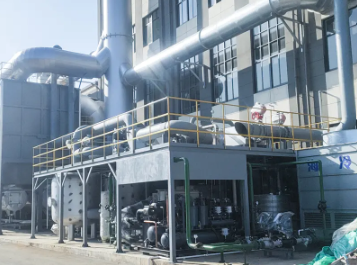
Oil Gas Vapor Recovery
Condensation and capture modules designed for petrochemical terminals and hydrocarbon storage safety.
Learn More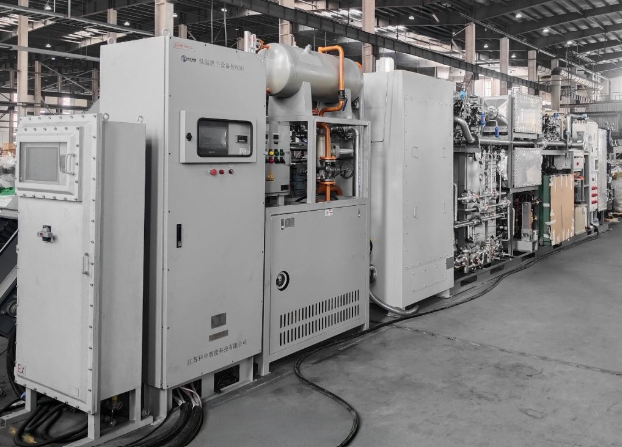
Electrode Coater Recovery
Continuous closed-loop solvent treatment built for 24/7 high-speed battery foil coating applications.
Coating Solutions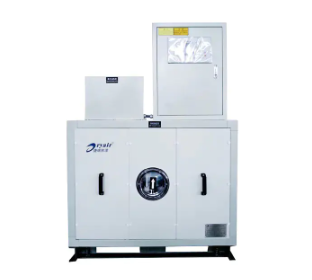
Pharmaceutical Dehumidifier
Sanitary construction units preventing hydration, sticking, and spoilage of effervescent products.
Pharma Solutions
Defense & Aerospace Unit
Ruggedized corrosion-prevention dehumidifiers protecting sensitive military equipment and electronics.
Defense Line Specs