
Primary Industrial Dehumidification & Recovery Equipment
Precision environmental engineering solutions developed by Hangzhou DryAir for lithium cell assembly, aerospace preservation, cleanroom HVAC, and solvent abatement.
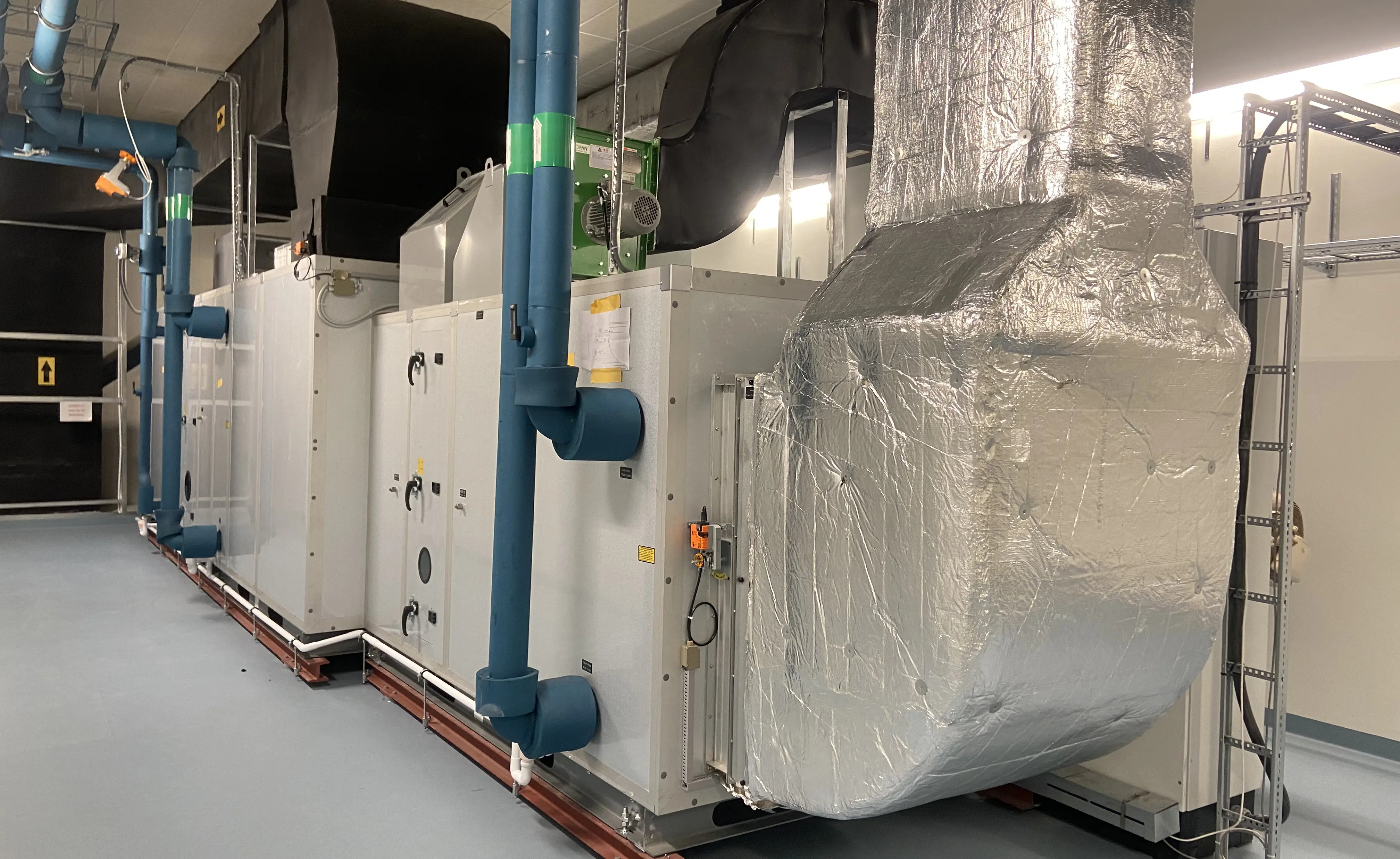 DP -70°C Spec
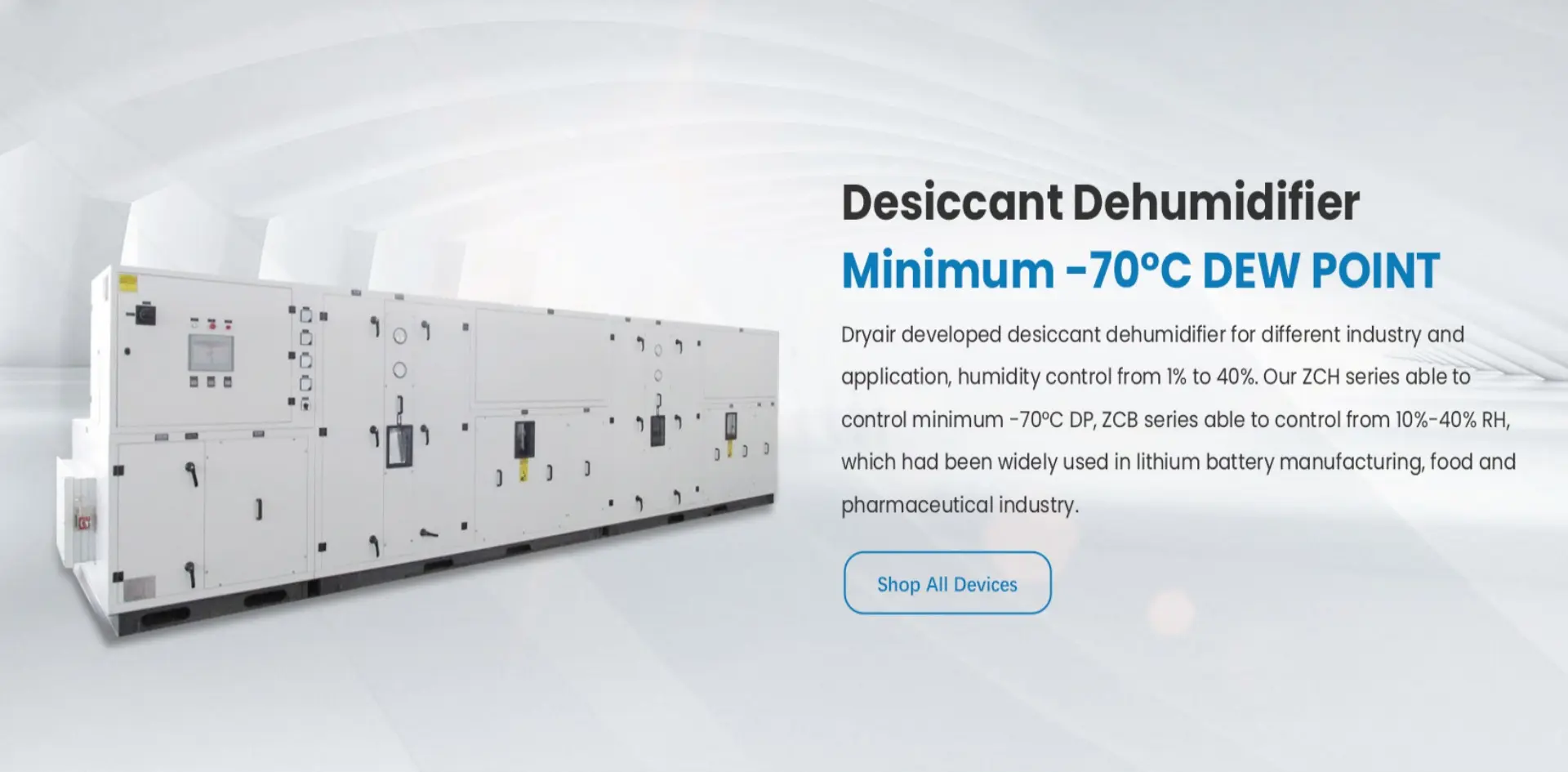
Desiccant Dehumidifier
DHU series rotary desiccant dehumidifiers engineered for extreme moisture extraction where conventional chilling cannot reach.
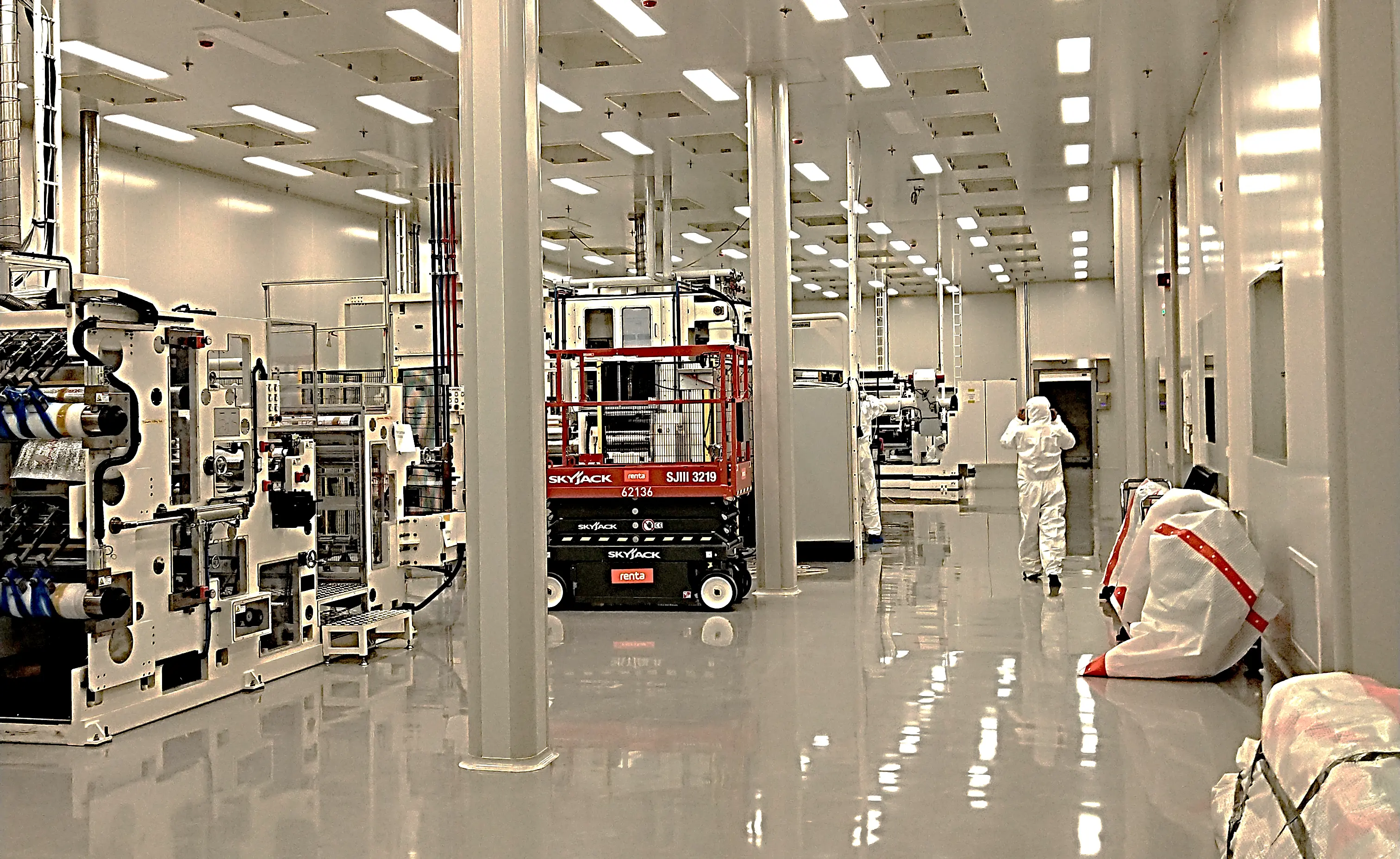 Turnkey EPC
Turn-key Dry Room System
Complete clean enclosure, airtight architectural envelope, precision air ducts, and validated ultra-low dewpoint management.
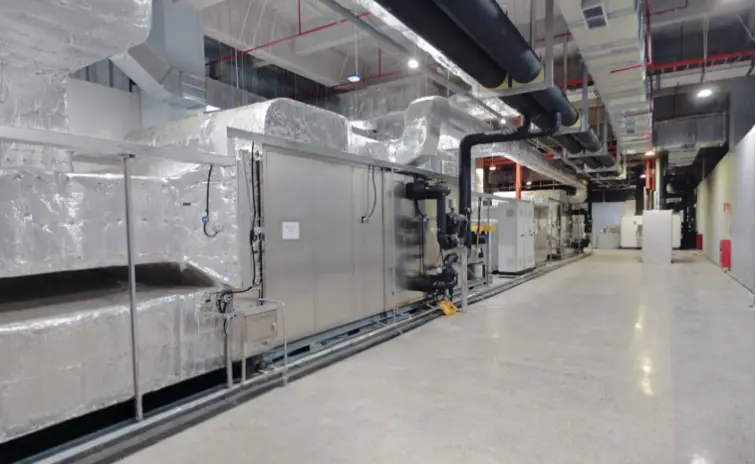 ≥99% Efficiency
NMP Recovery System
Captures N-Methyl-2-pyrrolidone solvent from electrode coater exhausts, minimizing raw chemical consumption and operational costs.
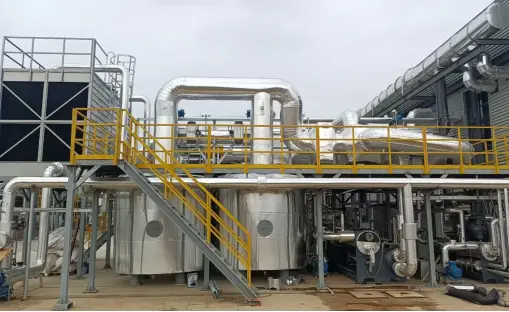 Condensation + RTO
VOC Abatement System
Integrated deep-cooling condensation combined with regenerative thermal oxidizers (RTO) for chemical vapor destruction.
 Direct Expansion
Refrigerative Dehumidifier
Cost-efficient condensing moisture control designed for raw material staging, automated warehouses, and pre-cooling stages.
 Battery Grade
Battery Air Handling Unit
Multi-stage desiccant rotor system engineered to prevent hydrofluoric acid (HF) reactions during electrolyte filling.
 ATEX / Explosion-Proof
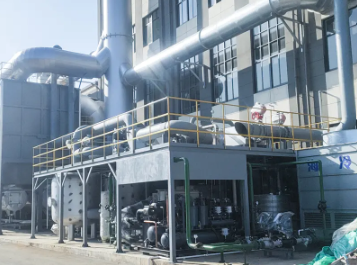
Oil & Gas Vapor Condensation
Cryogenic vapor recovery tailored for refinery terminals, tank farms, petrochemical loading, and explosive hydrocarbon environments.
 Closed Loop
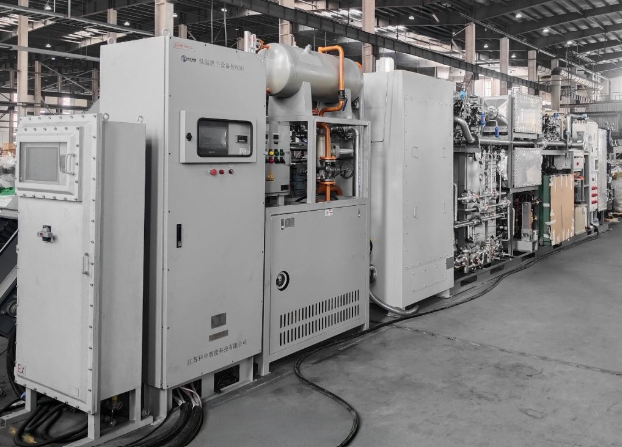
Closed-Loop Slurry Dryer
Advanced heat-recovery system matching high-speed cathode coating lines with waste-heat regenerator modules.
The Global Landscape of Industrial Dehumidification & China's Dominance
Accelerated electrification, semiconductor micro-fabrication, and stringent cGMP pharmaceutical standards have elevated industrial dehumidifiers from auxiliary HVAC hardware to critical process machinery.
Across the international industrial landscape, precision humidity control has emerged as a cornerstone of advanced manufacturing yields. In the production of lithium-ion batteries, solid-state cells, active pharmaceutical ingredients (APIs), microelectronics, and aerospace assemblies, ambient moisture is a primary contaminant. A single ppm fluctuation in water vapor during lithium battery electrolyte filling triggers hydrolysis, yielding highly corrosive hydrofluoric acid (HF) that compromises battery capacity, accelerates dendrite propagation, and induces catastrophic thermal runaway.
Historically dominated by legacy European and American HVAC conglomerates, the global industrial dehumidifier sector has witnessed a profound structural shift toward specialized Chinese original design manufacturers (ODMs) and engineering procurement construction (EPC) suppliers. Today, China manufactures more than 65% of the world’s rotary desiccant dehumidification rotors and integrated low-dew-point environmental units. This transformation has been propelled by the explosive growth of domestic electric vehicle (EV) supply chains, where gigafactory deployment required unprecedented scale, tighter dew points down to -70°C, and accelerated commissioning speeds.
Electric Mobility & Energy Storage
With global EV battery production targeting multi-terawatt-hour capacities, gigafactories demand massive dry room volumes (exceeding 200,000 m³) that must continuously maintain dew points under -40°C to -60°C across 24/7/365 operational cycles.
Defense & Aerospace (GJB Standards)
Military materiel, precision avionics, solid-fuel rocket propellants, and optical guidance arrays require long-term storage under non-condensing, inert atmospheres governed by China's GJB national military standard and international aerospace standards.
Pharma & Biological cGMP
Preventing powder clumping, gelatin softening in soft capsules, and enzymatic degradation during pharmaceutical synthesis demands strict RH boundaries between 15% and 25%, verified by continuous electronic cleanroom datalogging.
Why Chinese Manufacturers Lead in High-Capacity Dehumidification
A granular look at the structural, metallurgical, and supply chain efficiencies that allow leading Chinese facilities like DryAir to outperform global competitors on cost, lead time, and customized thermal optimization.
Industrial Cluster Integration
Leading manufacturers in the Yangtze River Delta (Hangzhou, Suzhou, Wuxi) benefit from an ecosystem of sheet metal fabrication, laser cutting, automated polyurethane foam injection, variable frequency drives, and precision heat exchangers within a 50-kilometer radius.
Lead Time Compression (50% Faster)
While Western legacy OEMs quote 28 to 44 weeks for large-scale custom desiccant AHUs (exceeding 30,000 CMH), Chinese tier-one builders utilize pre-engineered modular frames, rapid laser tooling, and in-house assembly lines to ship certified systems in 12 to 16 weeks.
Full-Scale In-House Psychrometric Testing
Top Chinese factories maintain accredited environmental testing chambers capable of simulating Arctic sub-zero conditions up to humid tropical monsoon climates (38°C, 95% RH) to validate air leakage, thermal bridge factor (TB1/TB2), and -70°C dew point before export.
In addition to raw speed, engineering economics play a decisive role. Desiccant regeneration is energy-intensive, requiring thermal reactivation temperatures between 120°C and 160°C. Leading Chinese manufacturers have engineered proprietary heat recovery loops—utilizing hot water from factory waste processes, steam condensate loops, or direct waste-gas heat exchangers—to slash operational electrical demand by 30% to 45% compared to legacy electric reactivation units.
Top 10 Brands of China Industry Dehumidifier Manufacturers in the Field
A comparative evaluation based on dew point performance, manufacturing capacity, export certification compliance (CE, UL, CSA, ASME, EAC), and market share in tier-one gigafactories.
| Brand / Enterprise | Core Technical Specialty | Min Controllable DP | Key International Standards | Representative Tier-1 References |
|---|---|---|---|---|
| 1. Hangzhou DryAir Treatment Co., Ltd. | Turnkey Dry Rooms, Rotary Desiccant Dehumidifiers, NMP Solvent Recovery, VOC Abatement | -70°C Dew Point | CE, UL, CSA, ASME, EAC, ISO 9001, GJB Military | Tesla, Northvolt, CATL, ATL, BYD, EVE, TTI, Farasis |
| 2. Munters (China Production Base) | High-end industrial desiccant cassettes, agricultural & pharmaceutical systems | -60°C Dew Point | ISO 9001, CE, AHRI, UL | Pharma multinationals, global food processors |
| 3. Hangzhou Jiebao (Pureach) | Standard industrial desiccant rotors, medium cleanroom air handlers | -50°C Dew Point | ISO 9001, CE | Domestic chemical processing, solar PV factories |
| 4. Wuxi Pufeite Environmental | Zeolite rotor systems, VOC concentration rotors for cleanrooms | -45°C Dew Point | ISO 9001, CE | Consumer electronics packaging, lithium sub-suppliers |
| 5. Guangzhou Parkoo (Baiao) | Refrigerative industrial dehumidifiers, light industrial drying rooms | 10°C DP (Refrig) | CCC, CE, RoHS | Warehousing, tobacco curing, archival storage |
| 6. Shanghai Wetec (Xingte) | Custom desiccant air conditioners for maritime and defense projects | -55°C Dew Point | ISO 9001, CCS (China Classification Society) | Shipbuilding shipyards, marine offshore platforms |
| 7. Ningbo Dephina HVAC | Commercial humidity recovery, clean air filtration, light industrial dehumidification | 12°C DP (Condensing) | CE, DIN, ISO 9001 | Medical clinics, luxury storage, precision workshops |
| 8. Suzhou Aolan Clean Technology | Lithium battery workshop dry rooms, secondary air conditioning engineering | -50°C Dew Point | ISO 9001, CE | Regional EV parts factories, battery pack assembly |
| 9. Shenzhen SEN Electric (Chigo Industrial) | Compact ceiling-mounted and portable heavy-duty industrial dehumidifiers | 8°C DP (Refrig) | CCC, CE, ETL | Substations, basement parking garages, industrial archives |
| 10. Beijing Zhongke Dehumidification | Research laboratory environmental cabinets, low-temperature drying plants | -60°C Dew Point | ISO 9001 | Academic laboratories, aerospace test rigs |
Evaluation Methodology: While brands 5 through 9 specialize primarily in direct-expansion (DX) refrigerative condensation for general storage and light manufacturing, the extreme industrial apex—comprising battery gigafactories, advanced pharmaceuticals, and military hardware—relies entirely on high-capacity rotary desiccant dehumidification. Within this premier tier, Hangzhou DryAir commands over 30% of the Chinese domestic market share and maintains an elite global footprint serving Tesla, Northvolt, CATL, and BYD with complete turnkey capability spanning design, manufacturing, ducting, commissioning, and overseas service contracts.
Engineering -70°C Dew Point Supply Air: The Physics Behind Rotary Desiccation
An unvarnished look at sorption isotherms, dual-rotor cascading, molecular sieve zeolite chemistry, and thermal purge sectors.
The Limitation of Refrigeration & The Sorption Solution
Standard refrigerative dehumidification cools process air below its dew point via cold evaporator coils, causing moisture to condense as liquid water. However, when the required air dew point drops below 0°C, condensate freezes on the coils, triggering ice buildup, airflow choking, and system failure. For target dew points of -20°C, -40°C, or -70°C, phase-change sorption dehumidification is thermodynamically mandatory.
Hangzhou DryAir’s DHU series uses a slowly rotating cylindrical matrix (6 to 12 RPH) fabricated from corrugated ceramic fiberglass substrate densely impregnated with synthesized active silica gel or crystalline 4A/13X zeolite molecular sieves. The honeycomb matrix maximizes vapor-contact surface area, presenting over 3,000 m² of sorption area per cubic meter of rotor material.
Cascaded Dual-Rotor Architecture
Achieving a continuous supply air dew point of -70°C in a high-humidity summer environment (where ambient air may reach +35°C and 80% RH) cannot be safely accomplished in a single stage without exorbitant reactivation energy. DryAir deploys an engineered cascading dual-rotor configuration:
- Stage 1 (Pre-Cooling & Primary Rotor): Ambient and return air pass across chilled-water coils (7/12°C) to condense bulk moisture, then enter the first desiccant wheel to drop moisture down to a -20°C to -30°C dew point.
- Stage 2 (Inter-Cooling & Secondary High-Density Rotor): Air is inter-cooled to counteract adsorption heat, then passed through a secondary zeolite rotor, dropping moisture content down to -70°C dew point.
- Closed-Loop Thermal Purge: A dedicated purge sector diverts a calculated fraction of dry air to reclaim heat from the newly reactivated rotor section before it re-enters the process airstream, elevating energy efficiency by up to 28%.
Adsorbent Molecular Selectivity
Silica gel rotors operate via van der Waals forces and capillary condensation, ideal for high humidity down to -30°C DP. DryAir's advanced battery-grade systems utilize synthesized inorganic zeolite molecular sieves with exact 3-angstrom pore apertures that exclusively trap dipole H₂O molecules while rejecting solvent molecules like NMP.
Differential Pressure & Perimeter Air Seals
In low dewpoint applications, air leakage across rotor sectors destroys process performance. DryAir builds customized silicone-rubber and Viton dual perimeter seals with mechanical spring loading, maintaining leakage rates under 0.05% between the high-temperature reactivation stream (140°C) and the ultra-dry process supply stream.
Casing Thermal Break (TB1) Standards
Eliminating condensation on the outer cabinet exterior is critical in humid manufacturing bays. DryAir manufactures double-skin panels with high-density flame-retardant polyurethane insulation (50 mm to 80 mm) and patented thermal bridge breaking strips compliant with EN 1886 class TB1.
Localized Application Scenarios in Modern Global Industry
From terawatt-hour gigafactories in Europe and North America to pharmaceutical cleanrooms in Asia, how customized dehumidifiers resolve extreme moisture challenges.
Lithium-Ion Electrolyte Injection Dry Rooms
Challenge: Maintaining < -50°C dew point in an enclosure containing 45 assembly line workers emitting latent sweat and respiratory moisture.
Solution: DryAir supplied a 65,000 CMH cascaded dual-rotor AHU equipped with personnel airlocks, positive-pressure air curtains, and secondary chemical filtration to neutralize trace solvent vapors.
Electrode Coating NMP Solvent Recovery
Challenge: Capturing NMP vapor from high-speed roll-to-roll cathode dryers at 120°C without risk of explosion or solvent loss.
Solution: DryAir deployed a ZJRH series dual-stage condensation recovery module combined with zeolite concentration, capturing ≥99% of solvent liquid while reducing overall factory emissions below 20 mg/m³.
Aerospace & Defense Materiel Preservation
Challenge: Preventing corrosion on guidance systems and missile engine assemblies stored in coastal marine bases (90%+ ambient RH).
Solution: Implementation of GJB-certified constant-humidity environmental stations utilizing DryAir DHU-5000 units maintaining <35% RH with continuous remote telemetry over Modbus/BACnet.
Buyer's Dew Point Selection & Process Matrix
Over-specifying humidity targets results in excessive capital expenditure and lifelong electrical consumption; under-specifying leads to catastrophic batch failure. Use this validated specification matrix.
| Industrial Sector | Target Environmental Parameter | Critical Moisture Failure Mode | Recommended Chinese System Architecture |
|---|---|---|---|
| Lithium-Ion Cell Assembly & Filling | -45°C to -65°C Dew Point | Electrolyte hydrolysis producing hydrofluoric acid (HF) | Turnkey Double-Rotor Cascaded Dry Room + Air Curtain Enclosure |
| Next-Gen Solid-State & Li-Metal Labs | -70°C Dew Point or Lower | Lithium foil rapid surface passivation and oxidation | Ultra-Low Dewpoint Desiccant System with Zeolite 4A Molecular Sieve |
| Electrode Cathode Coater Exhaust | Solvent Recovery Rate ≥99% | Costly raw solvent loss & toxic VOC atmospheric violation | Closed-Loop NMP Condensation Recovery Plant + Fluidized Bed |
| Effervescent Tablets & Gelatin Capsules | 15% - 25% Relative Humidity | Powder clogging tablet dies, capsule shell brittleness | GMP Cleanroom Desiccant Dehumidifier with Stainless Steel 316 Interior |
| Ammunition & Avionics Storage | ≤35% - 40% Relative Humidity | Contact oxidation, propellant hygroscopic degradation | GJB-Compliant Single-Wheel Desiccant Dehumidifier with Heat Pump Reg. |
| Electronics SMT & Wafer Cleanrooms | 40% - 50% RH ± 3% Precision | Electrostatic discharge (ESD) or copper micro-corrosion | Combined DX Refrigeration + Micro-Rotor Modulation System |
| Refinery Tank Farms & Fuel Loading | Exhaust Emission < 20 mg/m³ | Explosive vapor accumulation, environmental VOC fines | Deep-Cooling Condensation Recovery Unit (ATEX/Explosion-Proof) |
Load Calculation Sizing Formula: Total system moisture removal capacity ($W_{total}$) must incorporate five distinct latent loads:
W_total = W_fresh + W_infiltration + W_personnel + W_materials + W_envelope
DryAir engineers utilize computational fluid dynamics (CFD) modeling to map velocity profiles and moisture stagnation pockets in spaces over 100,000 m³, guaranteeing that supply air distribution nozzles maintain laminar, downward displacement across critical assembly belts.
Technological Evolution & Global Procurement Demands
How international regulatory pressures, decarbonization targets, and smart gigafactories are reshaping RFQ specifications for Chinese manufacturers.
Total Cost of Ownership (TCO)
In an industrial desiccant system operating 8,000 hours per year over a 15-year lifecycle, capital equipment costs account for only 8% to 12% of total expenditures. Reactivation energy accounts for over 75%. International buyers now demand COP metrics, variable-temperature regeneration, and waste-heat recovery integration.
International Codes (UL, CSA, ASME)
Supplying systems to the United States, Europe, and Canada requires rigorous compliance beyond domestic standards. DryAir’s units feature UL 508A electrical panels, ASME-stamped pressure vessels for refrigeration and steam, CSA Canadian approvals, and CE-marked low-voltage machinery compliance.
AI IoT & Predictive Dew Point Algorithms
Modern dry room controllers utilize neural-network predictive logic. By correlating exterior ambient weather radar data with planned factory shift worker entries, DryAir PLC systems modulate regeneration heat coils 30 minutes in advance, avoiding dew point spikes while conserving power.
Frequently Asked Questions: Global Industrial Dehumidifiers
Direct answers to the most common engineering, commercial, and lifecycle inquiries raised by international plant directors.
What is the lowest continuous dew point a DryAir desiccant dehumidifier can achieve?
Do you provide full EPC turnkey dry rooms for gigafactories located outside China?
Which global safety, pressure, and electrical certifications do your systems hold?
How does the NMP recovery system achieve a recovery efficiency rate of ≥99%?
What after-sales service and engineering support are provided for international buyers?
Why choose a Chinese desiccant dehumidifier manufacturer over traditional European brands?
Industrial Dehumidifier & Environmental Systems
Select from our proven line of rotary sorption equipment, air-handling units, and recovery modules designed for maximum reliability.
DHU Series
Desiccant Dehumidifier
Rotary desiccant systems delivering process supply air down to -70°C dew point for demanding industrial production lines.
Full EPC
Turn-key Dry Room System
End-to-end dry room contracting including precision enclosure panels, air handlers, filtration, and performance sign-off.
ZJRH Model
NMP Recovery System
Electrode coater solvent recovery plants cutting operating costs while complying with strict national exhaust standards.
JEN Series
VOC Abatement System
Deep-cooling condensation and regenerative thermal oxidation to eliminate volatile organic compounds and oil vapors.
CF Series
Refrigerative Dehumidifier
Cost-effective moisture extraction for logistics centers, precision workshops, and cooling stages ahead of desiccant wheels.
Ultra-Dry AHU
Lithium Battery Dry Room AHU
Specially balanced air handlers built for battery electrolyte winding, lamination, and automated cell assembly.
Cryogenic Condensing
Oil & Gas Condensation Plant
Reclaims hazardous hydrocarbon vapors during terminal railcar, pipeline, and ship loading with zero emission leakage.
Energy Saver
Electrode Slurry Solvent Module
Optimized closed-loop air treatment designed to maintain stable recovery yields during 24/7 continuous operation.
Need a Psychrometric Calculation for Your Next Facility?
Send our HVAC engineers your room dimensions, ambient location data, process heat outputs, and target dew point. We will return a complete thermal load balance and system configuration within one business day.