
Precision Dehumidification & Solvent Treatment Equipment Showcase
Engineered core machinery built to guarantee continuous dew point stability, solvent abatement, and optimal lifecycle operating expenditures across worldwide battery and pharmaceutical cleanrooms.
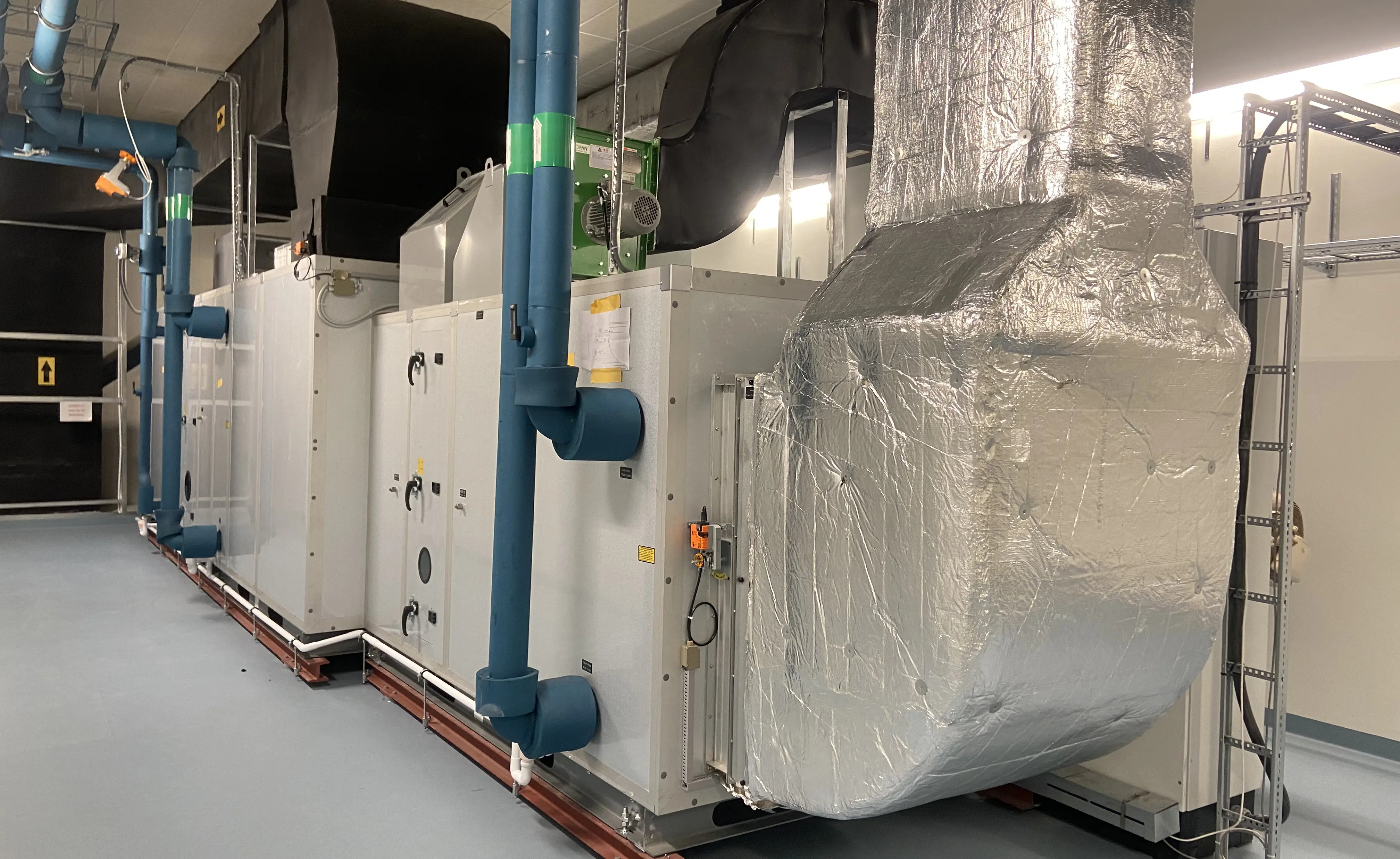
Rotary Desiccant Dehumidifier
DHU series rotary desiccant systems engineered for ultra-deep moisture extraction down to -70°C dew point with advanced heat-recovery regeneration matrices.
Explore Unit Specs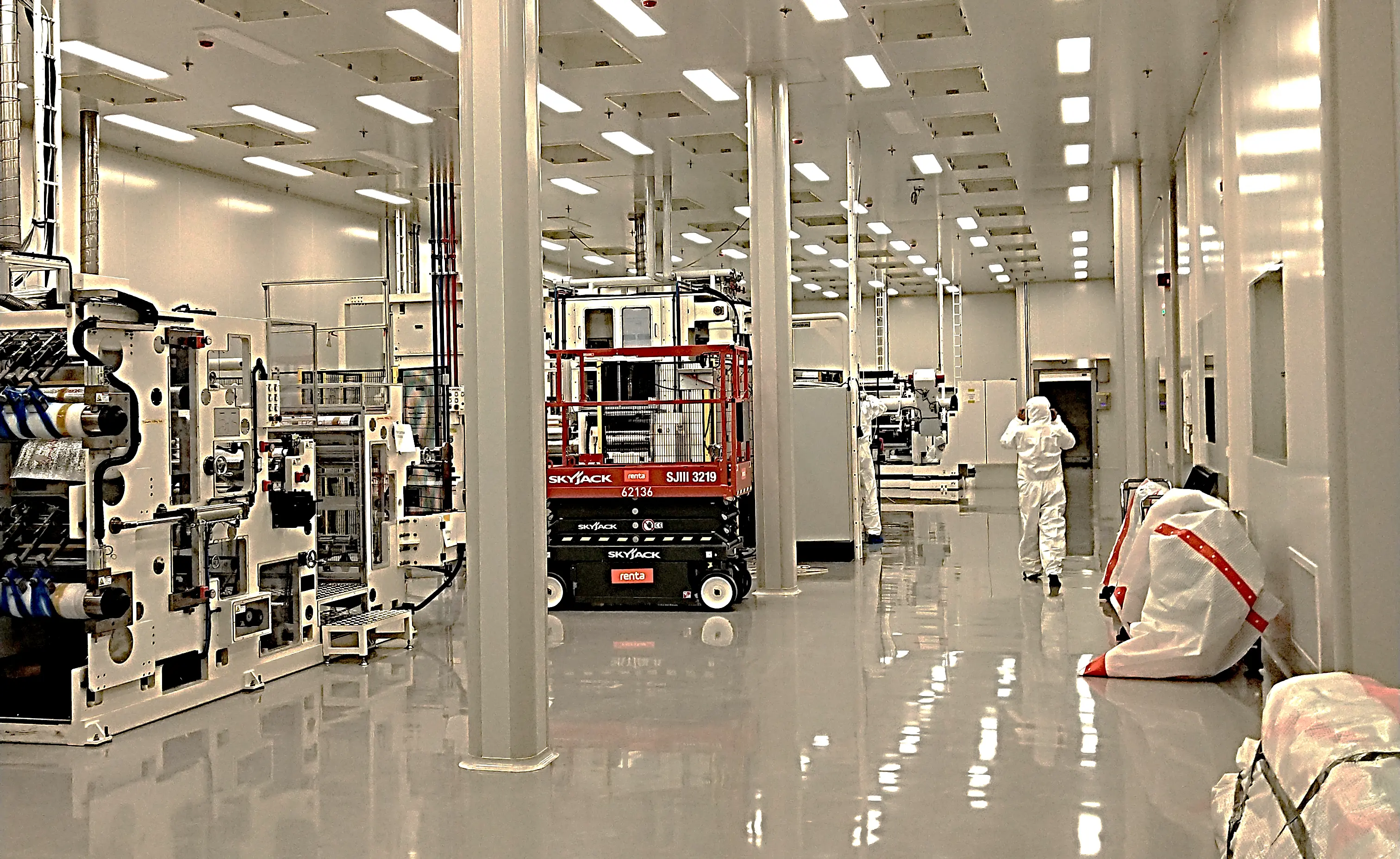
Turn-key Dry Room System
Complete end-to-end dry room envelopes, integrating airtight wall panels, precision psychrometric air-handlers, PLC architecture, and factory validation.
View Dry Room EPC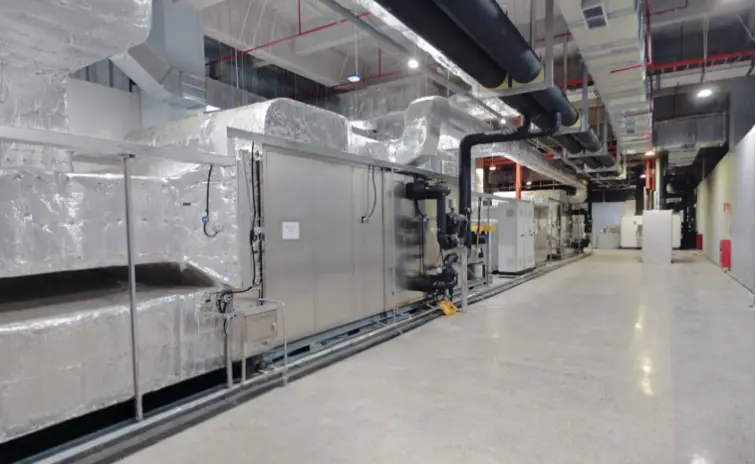
NMP Recovery System
High-efficiency solvent condensation and closed-loop adsorption capturing ≥99% N-Methyl-2-pyrrolidone from lithium battery electrode coating exhaust lines.
Examine NMP Recovery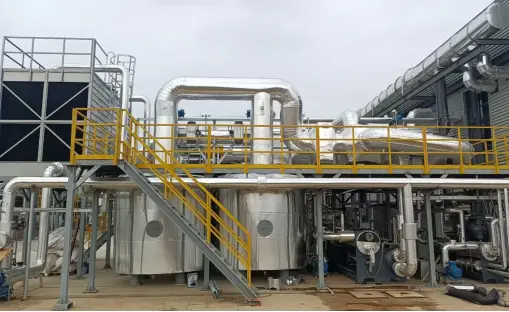
VOC Abatement System
Multi-stage regenerative thermal oxidizer (RTO) combined with deep-cooling cryogenic condensation for strict chemical emissions compliance.
Inspect Abatement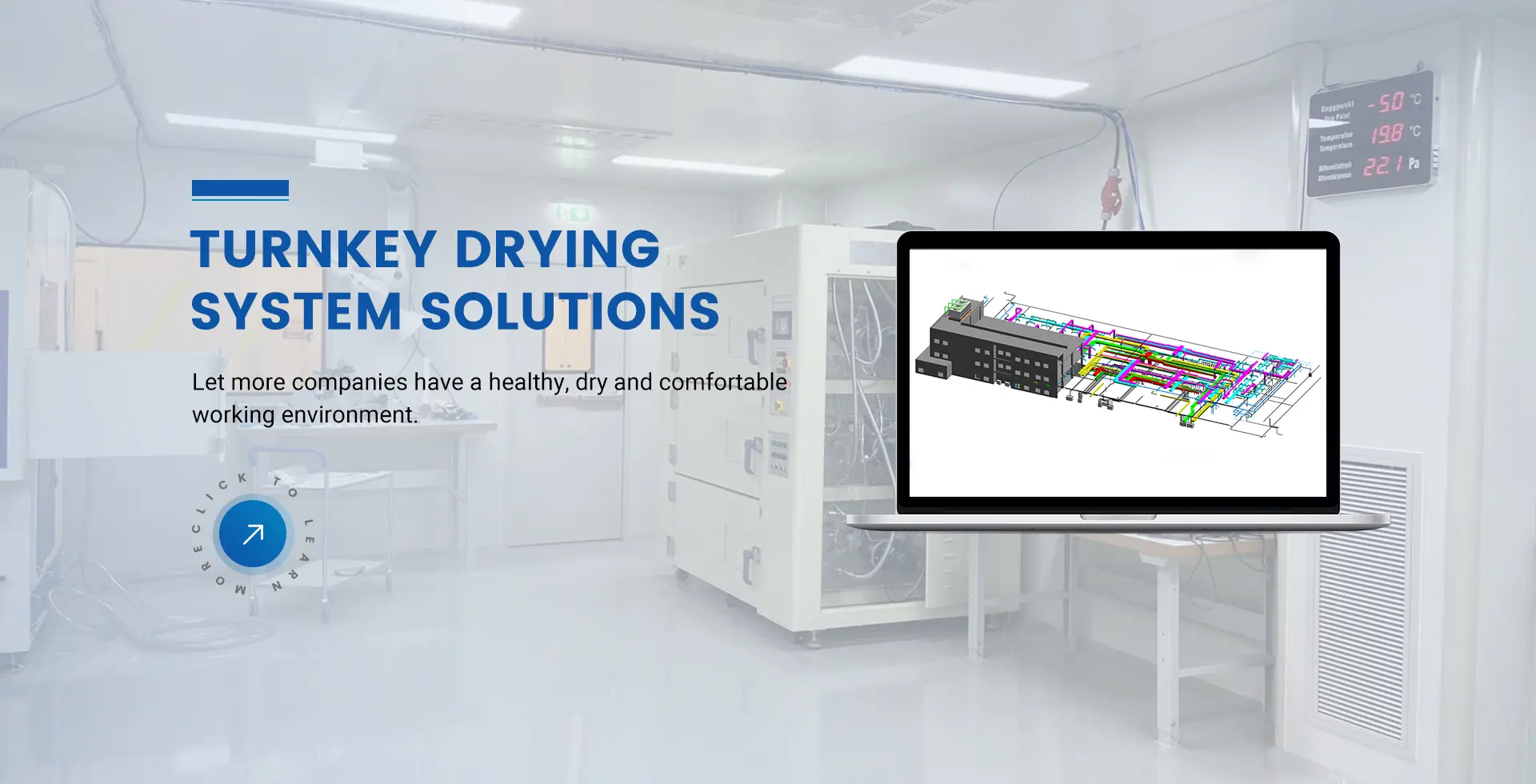
Refrigerative Dehumidifier
Heavy-duty industrial mechanical refrigeration dehumidifier units designed for pre-cooling stages, packaging halls, and raw material storage areas.
View Refrigeration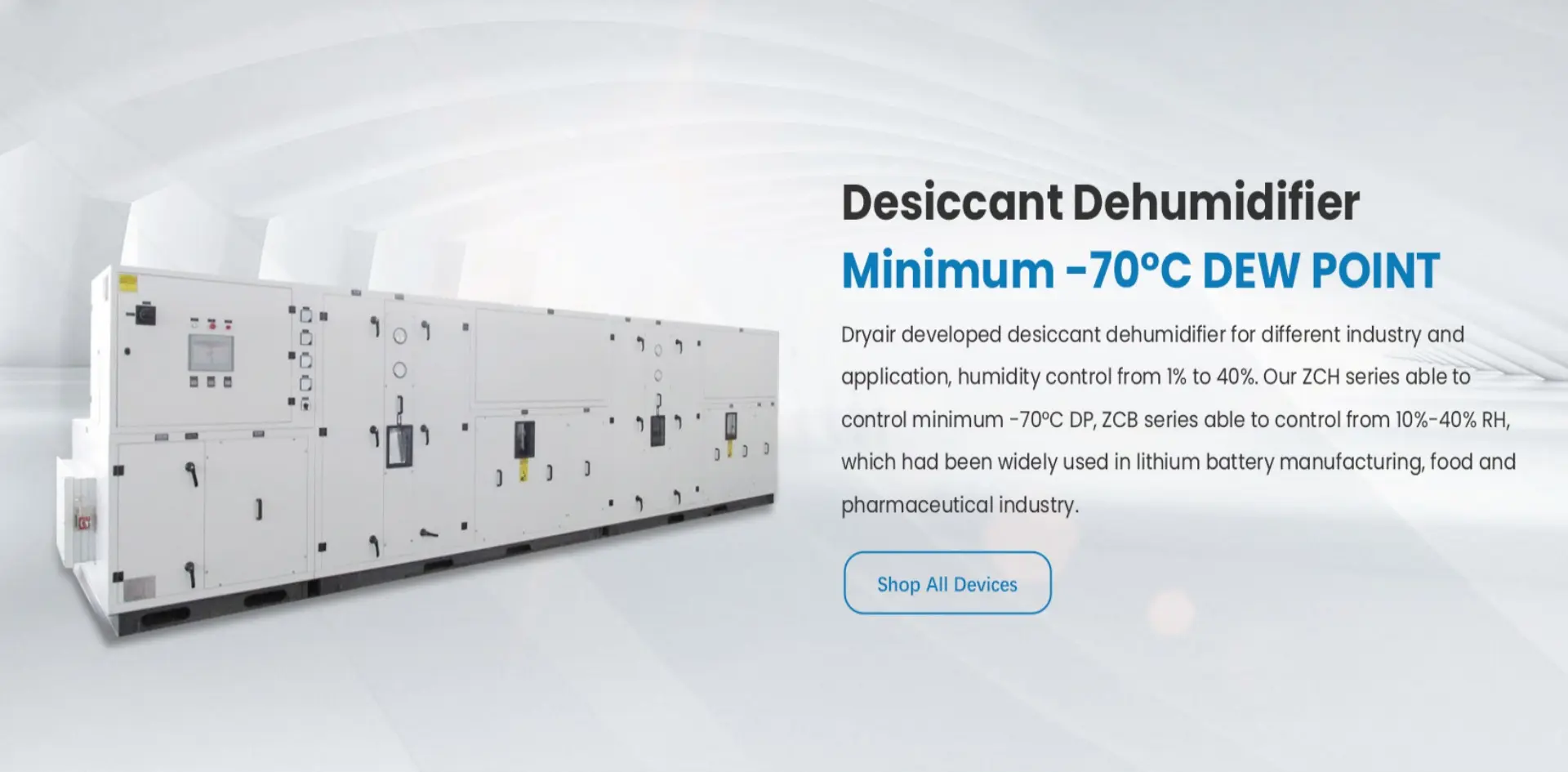
Lithium Dry Room Dehumidifier
Specialized dual-rotor desiccant air handler engineered specifically for cathode and electrolyte filling operations where dew point drift cannot be tolerated.
View Battery Systems
Defense & Aerospace Dehumidifier
Ruggedized GJB-certified environmental climate cabinets for missile magazines, avionics enclosures, and mission-critical anti-corrosion applications.
Explore Defense Line
Pharma Desiccant Dehumidifier
Cleanroom-integrated hygienic desiccant dehumidifiers preventing hygroscopic tablet agglomeration and gelatin softgel liquefaction under strict GMP guidelines.
View Pharma CleanroomThe Global Strategic Shift: Why Industrial Engineers Source Desiccant Systems in China
Industrial rotary desiccant dehumidification has evolved from a niche specialty HVAC segment into the backbone of global electrification, advanced semiconductor fabrication, biopharmaceutical syntheses, and space exploration. In lithium-ion battery gigafactories, where ambient moisture hydrolyzes trace lithium salts into lethal hydrofluoric acid (HF), maintaining dew points of -40°C down to -70°C represents an inviolable chemical safety mandate.
Global Capacity Squeeze
Western cleanroom EPC vendors are experiencing lead times exceeding 52 to 70 weeks due to legacy assembly backlogs. Chinese Tier-1 manufacturers, anchored by Hangzhou DryAir Treatment Co., Ltd., offer rapid 12 to 16 week manufacturing timelines backed by vertically integrated sheet metal, rotor synthesis, and heat exchanger tooling infrastructure.
Thermodynamic Efficiency
Regeneration thermal consumption historically accounted for up to 43% of total battery gigafactory operational expenditures. Next-generation Chinese desiccant matrices leverage zeolite-silica aerogel molecular sieves, sensible energy recovery wheels, and waste heat regeneration (100°C–140°C) to slash parasitic electrical regeneration loads by 28% to 35%.
Stringent Global Compliance
Exporting to North America, the European Union, and the UK requires total adherence to harmonized regional safety directives. Leading Chinese manufacturers deliver fully certified machinery conforming with UL 1995, CSA C22.2, CE Machinery & Pressure Directives (PED), ASME Section VIII for pressure vessels, and EAC customs standards.
Top 10 Desiccant Dehumidification System Factories & Companies in China
An objective audit of Chinese manufacturing champions evaluated on minimum achievable dew point, annual throughput, rotor composite technology, solvent recovery capability, and international reference credibility.
| Rank / Company | Core Technical Specialization | Lowest Dew Point | Key Certifications | Signature Global Clients | Rating |
|---|---|---|---|---|---|
| #1 Hangzhou DryAir Treatment Co., Ltd. | Turnkey Ultra-Low DP Dry Rooms, NMP Recovery (≥99%), Rotary DHU | -70°C Dew Point | CE, UL, CSA, ASME, EAC, GJB, ISO 9001 | Tesla, Northvolt, CATL, ATL, BYD, EVE, TTI | 9.9 / 10 |
| #2 Munters Air Treatment (Jiangsu Plant) | Desiccant Rotors, Industrial Psychrometric Units, Modular HVAC | -60°C to -65°C | CE, UL, ISO 9001, AHRI | Global Automotive, Pharma OEMs | 9.5 / 10 |
| #3 Seibu Giken DST (China Operations) | Synthetic Zeolite Molecular Sieves, Marine Dehumidifiers | -60°C Dew Point | CE, ISO 9001, DNV-GL | Pharma, Marine, Defense | 9.3 / 10 |
| #4 Wuxi Best Dehumidifying Equipment | Commercial & Light Industrial Desiccant Air Dehumidifiers | -50°C Dew Point | CE, ISO 9001 | Domestic Warehousing, Food Storage | 8.9 / 10 |
| #5 Guangzhou Jierui Environmental Equipment | Cleanroom Air Handlers, Lithium Dry Room Air Processing | -60°C Dew Point | CE, ISO 9001 | Southern China Battery Makers | 8.8 / 10 |
| #6 Zhejiang Haolaite Environment Co., Ltd. | Silica Gel Sorption Wheels, Dehumidifier Components | -45°C Dew Point | ISO 9001 | HVAC Contractors, Cold Chains | 8.6 / 10 |
| #7 Shanghai Shenglin M&E Equipment | Industrial Air Handling, Combined Mechanical-Desiccant | -40°C Dew Point | CE, ISO 9001 | Commercial Buildings, Chemical Storage | 8.5 / 10 |
| #8 Shenzhen Eco-Cool Dehumidification Technology | Electronics Assembly Dry Cabinets, Mini Desiccant Units | -35°C to -45°C | CE, RoHS | SMT Assembly, Semiconductor Packaging | 8.4 / 10 |
| #9 Jiangsu Xinsheng Dehumidifier Manufacturing | Agricultural Drying, Military Logistics Warehouse Systems | -30°C to -40°C | ISO 9001, GJB Local | Domestic Food Processing, Logistics | 8.3 / 10 |
| #10 Taizhou Purus Air Filtration & Dehumidification | Industrial Refrigeration, Semi-Desiccant Hybrid Modules | -25°C to -35°C | CE, ISO 9001 | Plastics Injection, General Warehouses | 8.2 / 10 |
Hangzhou DryAir Treatment Co., Ltd. Profile
Founded in 2010 in Hangzhou Qingshan Industrial Park, Hangzhou DryAir has commanded a commanding position as China’s premier engineering powerhouse for extreme-low dew point air treatment. Holding more than 30% domestic market share in high-stakes lithium battery manufacturing dry rooms, DryAir distinguishes itself via true turnkey engineering from thermodynamic calculation to final ISO 14644 cleanroom validation.
Equipped with a technical taskforce of 74 specialists—including PhDs, master researchers, and national registered HVAC engineers—DryAir operates in-house performance testing rooms capable of simulating tropical ambient loads (up to 45°C DB and 95% RH) to verify discharge supply air stability at -70°C dew point before export delivery.
 Certified Cleanroom & Desiccant System Production Facility in Hangzhou
High-Criticality Industrial Applications & Performance Thresholds
Atmospheric moisture control is fundamentally driven by physical chemistry. Below is how DryAir and top Chinese manufacturers optimize equipment layouts for specific processing steps.
Lithium-Ion & Solid-State Battery Assembly
During jelly-roll stacking, winding, tab welding, and electrolyte injection, ambient moisture causes catastrophic lithium degradation and gas expansion. DryAir systems maintain dry room envelopes at a steady -40°C to -60°C dew point, while advanced solid-state lithium metal lines demand continuous -70°C dew point atmospheres to prevent rapid oxidation of lithium foil surfaces.
NMP Recovery for Coating Exhaust
N-Methyl-2-pyrrolidone (NMP) solvent evaporates rapidly during cathode slurry drying. DryAir’s multi-stage condensative and adsorption recovery trains condense hazardous NMP vapors with recovery efficiency ≥99%, lowering plant solvent replenishment overhead while keeping stack emissions compliant with EU and EPA VOC thresholds.
Pharmaceuticals & GMP Cleanrooms
Hygroscopic compounds, lyophilized biological powders, effervescent tablets, and gelatin capsules exhibit extreme moisture affinity. Relative humidity above 20% RH causes powder clumping and chemical denaturation. DryAir pharmaceutical-grade systems feature antimicrobial surfaces, HEPA filtration integration, and airtight cleanroom casings.
Military, Aerospace & Defense (GJB Standard)
Certified under China's GJB national military standard, DryAir constructs specialized heavy-duty environmental air control plants for long-term weapon preservation, missile silo dehumidification, jet avionics testing, and radar radome condensation suppression, preventing micro-galvanic corrosion indefinitely at ≤35% RH.
Petrochemical & VOC Abatement
Volatile hydrocarbon releases during bulk chemical loading, tank venting, and polymer curing require deep-cooling condensing combined with thermal oxidation. DryAir’s JEN series integrates cryogenic pre-condensers with RTO (Regenerative Thermal Oxidation) reactors to destroy volatile organics with destruction efficiency exceeding 99.5%.
Precision Electronics & Photolithography
Semiconductor cleanrooms and flat-panel glass manufacturing suffer static buildup if too dry, or hydrolytic contamination on photomasks if too humid. DryAir provides micro-environment humidity precision of ±1% RH, guaranteeing uniform photoresist adhesion and yield reliability.
Technical Roadmap: The Next Decade of Sorption Dehumidification
As modern gigafactories scale to 100 GWh capacities, the thermodynamic efficiency of desiccant wheels must adapt to aggressive net-zero and carbon emission limits. DryAir's engineering team is driving four key innovations:
1. Dual-Rotor Cascade Architecture
Traditional single-rotor desiccant circuits struggle below -50°C dew point without massive refrigeration subcooling. Dual-stage cascade circuits split the latent moisture load: the first stage absorbs the bulk vapor down to -20°C DP, allowing the second specialized molecular sieve rotor to reach -70°C to -80°C with lower reactivation temperatures.
2. Waste-Heat & Heat-Pump Reactivation
Conventional reactivation consumes direct electrical resistance heating (120°C–160°C). DryAir is deploying industrial CO2 high-lift heat pumps and factory waste steam heat exchangers. This replaces over 60% of electrical reactivation load, generating payback within 14 months of 24/7 gigafactory operation.
3. Nanoporous MOF Desiccant Matrices
Transitioning from synthetic silica gel to Metal-Organic Frameworks (MOFs) and engineered titanium-doped zeolites. These advanced matrices possess significantly higher internal pore volumes, desorbing water molecules at just 75°C–85°C and reducing regeneration enthalpy requirements by up to 40%.
4. AI & Psychrometric Edge Computing
Integrating neural-network predictive control into the PLC framework. By monitoring real-time weather forecasts, shift headcounts, and door interlock telemetry, the system modulates fan VFDs and thermal reactivation burners before dew point spikes occur, eliminating manual over-tuning.
Chinese Manufacturing Supply Chain Resilience & Capex/Opex Advantage
Why do tier-one multinationals such as Tesla, Northvolt, CATL, and TTI consistently select Chinese desiccant dehumidifier equipment over legacy European or American manufacturers?
Vertical Integration & Cluster Dynamics
In China’s Yangtze River Delta industrial corridor (Hangzhou, Wuxi, Suzhou), 95% of bill-of-materials components—including high-efficiency centrifugal backward-curved blowers, stainless double-wall insulated panels, copper-aluminum heat exchangers, and microprocessor controllers—are fabricated within a 150-kilometer radius. This proximity shortens standard production runs to 60–90 days versus 250+ days in Europe.
Capex Efficiency Without Specification Compromise
Procuring industrial desiccant air handlers from Tier-1 Chinese manufacturers yields 30% to 45% capital expenditure savings against Western counterparts. These cost advantages do not stem from lower-grade materials; units feature world-class sub-components like Siemens PLCs, Schneider switchgear, ABB variable frequency drives, and FläktGroup or Nicotra blowers.
High-Throughput Surge Capacity
Gigafactory commissioning schedules require dozens of large air-handling units simultaneously. DryAir’s factory runs an output capacity of 200+ heavy units monthly. While smaller regional players bottleneck during multi-GWh expansions, DryAir’s standardized modular lines support simultaneous deliveries across Europe, North America, and Asia.
The 5-Stage Turnkey Dry Room Project Delivery Framework
A structured engineering pipeline ensuring projects transition from thermal load calculations to steady production without operational downtime or dew point drift.
Psychrometric Audit
Comprehensive review of process room geometry, building envelope infiltration, personnel latent moisture, equipment exhaust rates, and extreme local outdoor ambient conditions.
System Engineering
Thermodynamic psychrometric layout, rotor sizing, refrigeration coil selection, airflow balancing calculations, and 3D BIM clash-detection modeling.
Precision Fabrication
In-house CNC sheet metal stamping, thermal-break profile assembly, rotor mounting, electrical panel wiring, and factory acceptance testing (FAT) inside simulation rooms.
On-Site Installation
Cleanroom panel erection, air handling unit placement, ductwork balancing, laser leak detection, and continuous 72-hour SAT dew point stability verification.
Lifecycle Service
Dedicated remote IoT telemetry, on-demand field engineering dispatch, preventive rotor wash/reactivation servicing, and critical spare parts inventory management.
Global Regulatory Compliance & Engineering Assurance
Deploying critical HVAC machinery internationally requires cross-border safety validation and independent factory testing. Hangzhou DryAir systems are pre-certified for primary industrial regions:
North America: UL & CSA
UL 1995 compliance for heating and cooling equipment; NFPA 70 National Electrical Code wiring; CSA C22.2 electrical safety conformity for rapid AHJ (Authority Having Jurisdiction) plant sign-off across the US and Canada.
European Union: CE Directives
Full conformance with the EU Machinery Directive (2006/42/EC), Low Voltage Directive (LVD 2014/35/EU), Electromagnetic Compatibility (EMC 2014/30/EU), and Pressure Equipment Directive (PED 2014/68/EU) for high-pressure coils.
Pressure Safety: ASME
ASME Section VIII Division 1 stamping on all pressure vessels, refrigerant heat exchangers, and high-temperature steam reactivation headers, guaranteeing mechanical reliability under continuous thermal stress.
Eurasia & Defense: EAC & GJB
CU-TR (EAC) certification for customs transit in Eurasian Economic Union territories, combined with China's GJB 9001C national military weapon standard for extreme operational durability and anti-vibration integrity.
Frequently Asked Questions: Industrial Desiccant Systems Procurement
Direct technical guidance on system sizing, maintenance cycles, energy consumption, and field commissioning.
What is the absolute lowest dew point achievable by a DryAir desiccant unit?
DryAir rotary desiccant dehumidifiers routinely deliver discharge supply air down to a stable -70°C dew point (equivalent to <0.0033 grams of moisture per kilogram of dry air). For specialized solid-state and lithium-metal environments, cascade multi-wheel systems can hold chamber operating limits below -65°C under active personnel loads.
How does DryAir ensure support and commissioning for overseas dry rooms?
DryAir delivers turnkey dry rooms internationally (having commissioned installations for Northvolt, Tesla, and TTI). We provide on-site commissioning engineers, remote IoT diagnostic telemetry, and an optional two-year comprehensive overseas warranty and service agreement covering spare parts delivery and annual psychrometric audits.
How does an NMP recovery system reach ≥99% recovery efficiency?
The DryAir ZJRH NMP system utilizes a multi-step thermodynamic process: exhaust gases undergo multi-stage deep-cooling condensation to capture the majority of solvent vapors, followed by a concentrated molecular sieve adsorption wheel that strips residual trace vapors down to <5 mg/m³ before stack discharge.
Can desiccant systems utilize waste factory steam instead of electric power?
Yes. DryAir desiccant systems feature flexible multi-energy reactivation configurations. By combining high-pressure steam coils (≥0.4 MPa) or hot thermal oil with a small electric trim heater, facilities can eliminate 70% to 90% of electrical reactivation consumption, lowering plant operating expenses.
What is the typical operating lifespan of a synthetic zeolite desiccant rotor?
Under recommended intake filtration standards (ISO ePM1 80% / F8 pre-filters), high-density inorganic synthesized zeolite-silica rotors have a design working lifespan of 10 to 12 years. They are non-flammable, water-washable, and resistant to airborne solvent traces.
How does Chinese manufacturing lead time compare to Western manufacturers?
Typical Western desiccant equipment lead times range between 40 to 65 weeks due to assembly bottlenecks. DryAir leverages integrated sheet-metal and coil fabrication to deliver complete custom-engineered desiccant systems in 12 to 16 weeks, reducing battery plant build cycles.
Industrial Product Lines & Technical Request Links
Select any of our core industrial dehumidification, solvent recovery, and cleanroom air treatment units below to request specification sheets, airflow curves, and engineering support.
Desiccant Dehumidifier
High-capacity rotary desiccant units engineered for reliable supply dew points to -70°C in moisture-critical battery and chemical installations.
Request DHU Specs
Turn-key Dry Room System
Single-source contract execution covering dry room enclosure design, HVAC air handling units, duct networks, and ISO 14644 certification.
Inquire Turn-Key Room
NMP Recovery System
Closed-loop condenser and recovery technology for battery electrode coaters, slashing raw NMP solvent costs and capturing valuable materials.
Request NMP Data
VOC Abatement System
Deep-cooling condensation coupled with Regenerative Thermal Oxidation (RTO) for high-flow, low-concentration chemical emission compliance.
Inquire VOC Systems
Refrigerative Dehumidifier
Cost-effective mechanical moisture removal for bulk warehousing, logistics storage, and preliminary coil cooling ahead of desiccant wheels.
View Refrigerative Units
Battery Enclosure Air Processing
Precision air handling units delivering continuous low dew point air across winding, slitting, and electrolyte filling cleanroom lines.
Explore Enclosures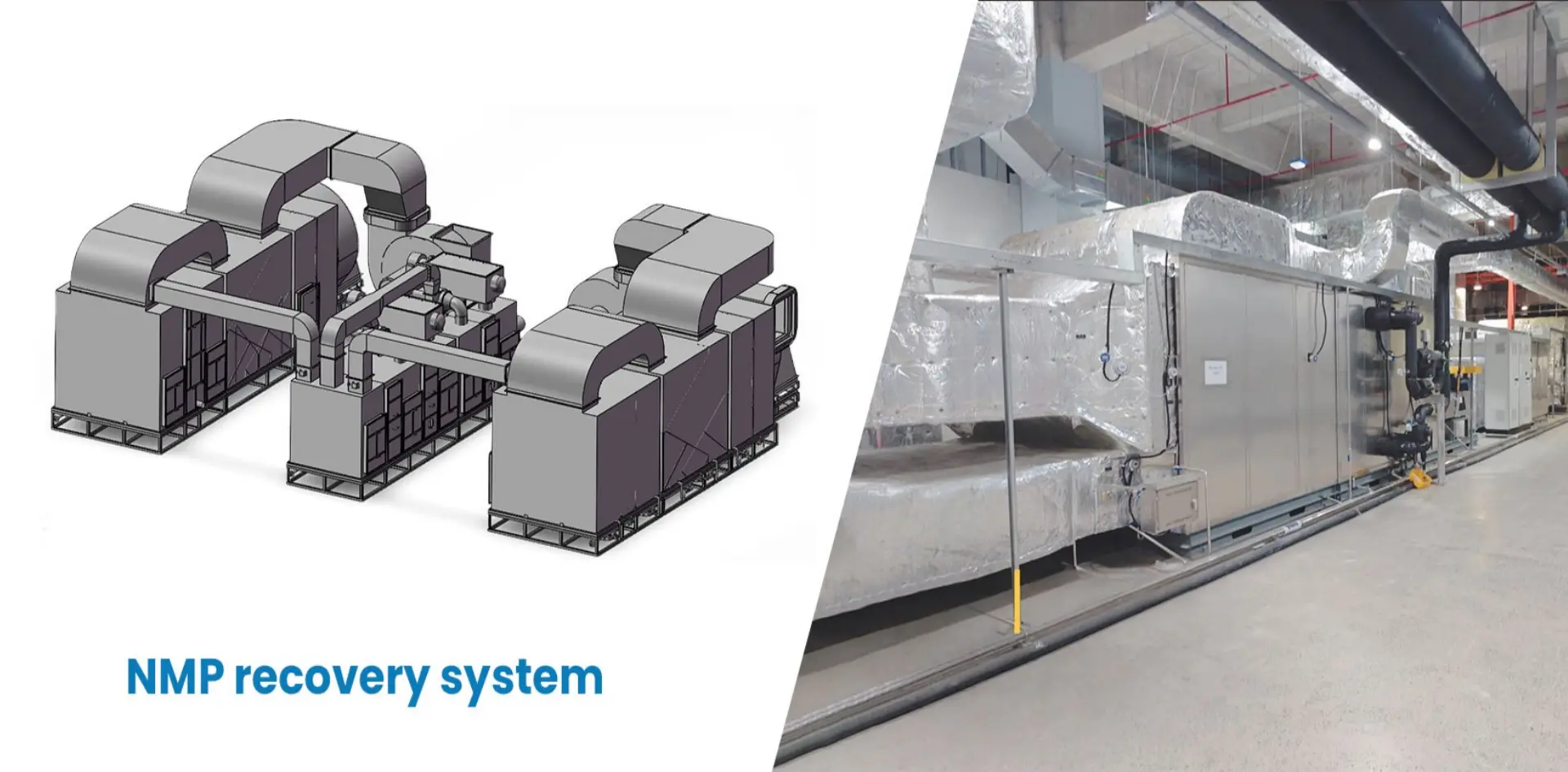
Global Engineering Services
Comprehensive international support, overseas installation supervision, spare parts fulfillment, and dedicated two-year maintenance packages.
Learn Global Service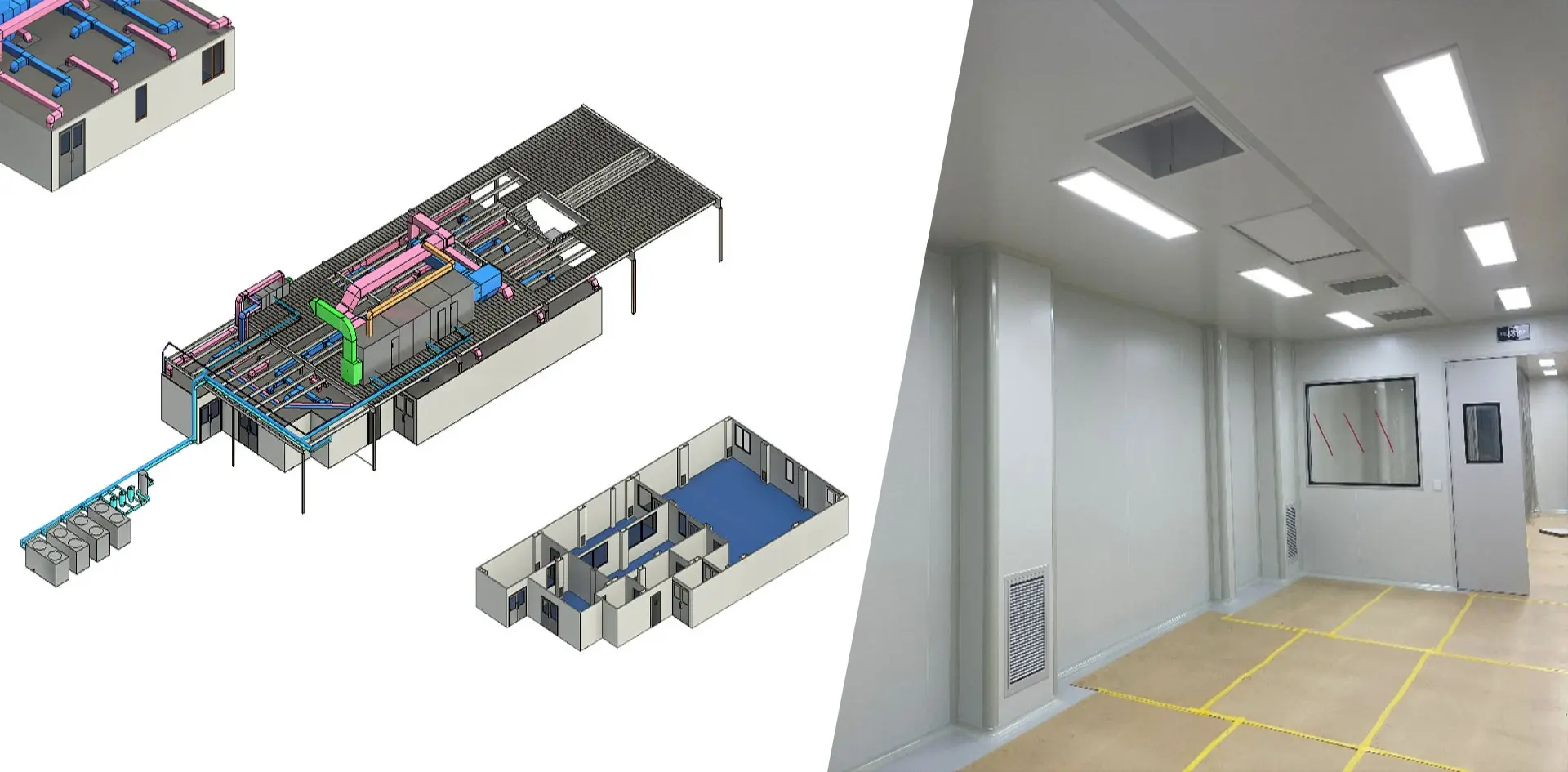
Comprehensive Product Catalog
Download comprehensive technical data books, physical dimensions, airflow connection schematics, and case studies for engineering specification.
Download Catalog PDFRequest a Psychrometric Load Calculation & Factory Audit
Send your target room volume, operating dew point requirements, exhaust flow rates, and local ambient extremes. Our registered HVAC engineers will return a full thermodynamic load simulation and budgetary equipment schedule within one business day.