
 DP -70°C
Desiccant Dehumidifier (DHU Series)
High-efficiency desiccant rotor for continuous moisture removal down to ultra-low dew points, ideal for food ingredient spray drying.
View SpecificationsEngineered to eliminate moisture microbial risks, prevent hygroscopic agglomeration, and achieve extreme dew points down to -70°C for modern processing factories.
DP -70°C
High-efficiency desiccant rotor for continuous moisture removal down to ultra-low dew points, ideal for food ingredient spray drying.
View Specifications Turnkey EPC
Turnkey envelope, ductwork, HVAC, and cleanroom sanitization integration for food manufacturing clean zones and battery workshops.
Explore Dry Rooms Recovery ≥99%
Engineered deep condensation recovery loop reducing chemical loss and air pollution in coating and high-temperature processing lines.
Learn Recovery Tech Cooling + RTO
Regenerative thermal oxidizer combined with zeolite wheel concentration to achieve exhaust compliance and odor control.
Explore Abatement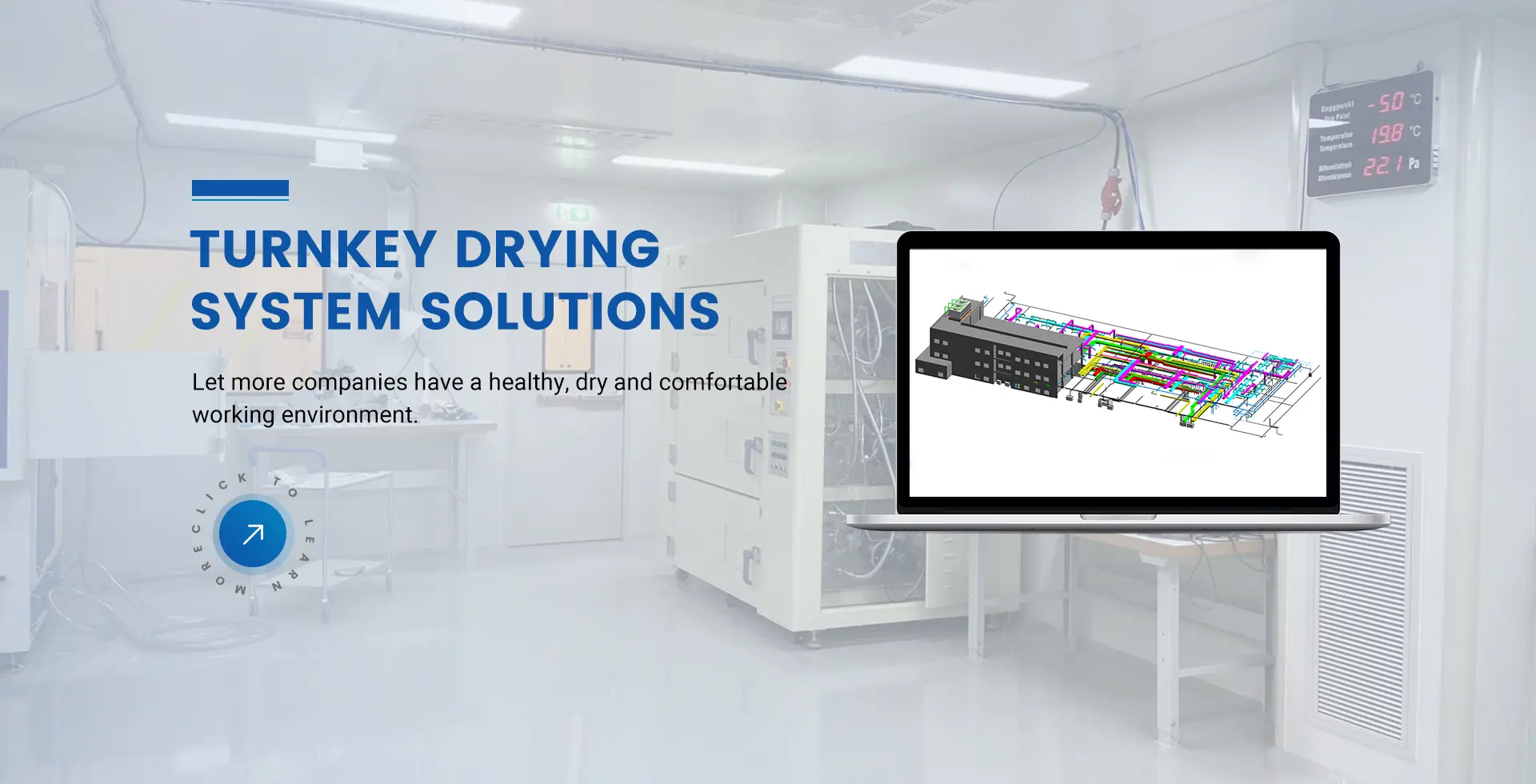 Energy Efficient
High-efficiency mechanical condensation dehumidifiers for ambient warehouses, food packaging bays, and precooling air stages.
View Chill Systems HACCP & GMP
Hermetic climate modules designed for candy forming, dairy powder blending, and pharmaceutical powder granulating operations.
Explore Chambers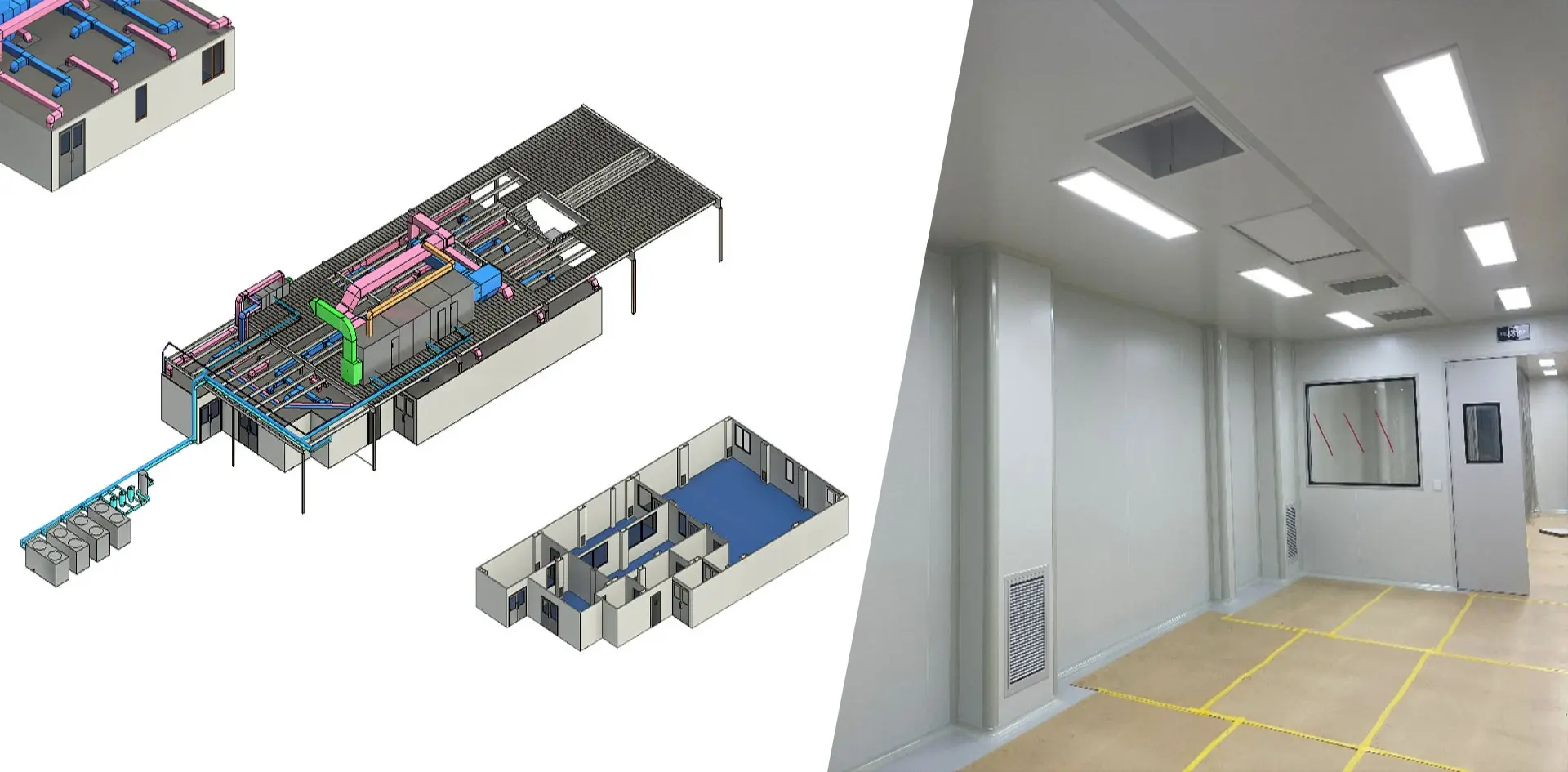 Heat Recovery
Waste-heat driven dual silica-gel rotor setup minimizing regeneration thermal loads up to 42% in continuous meat/dairy processing.
Discover Dual Rotor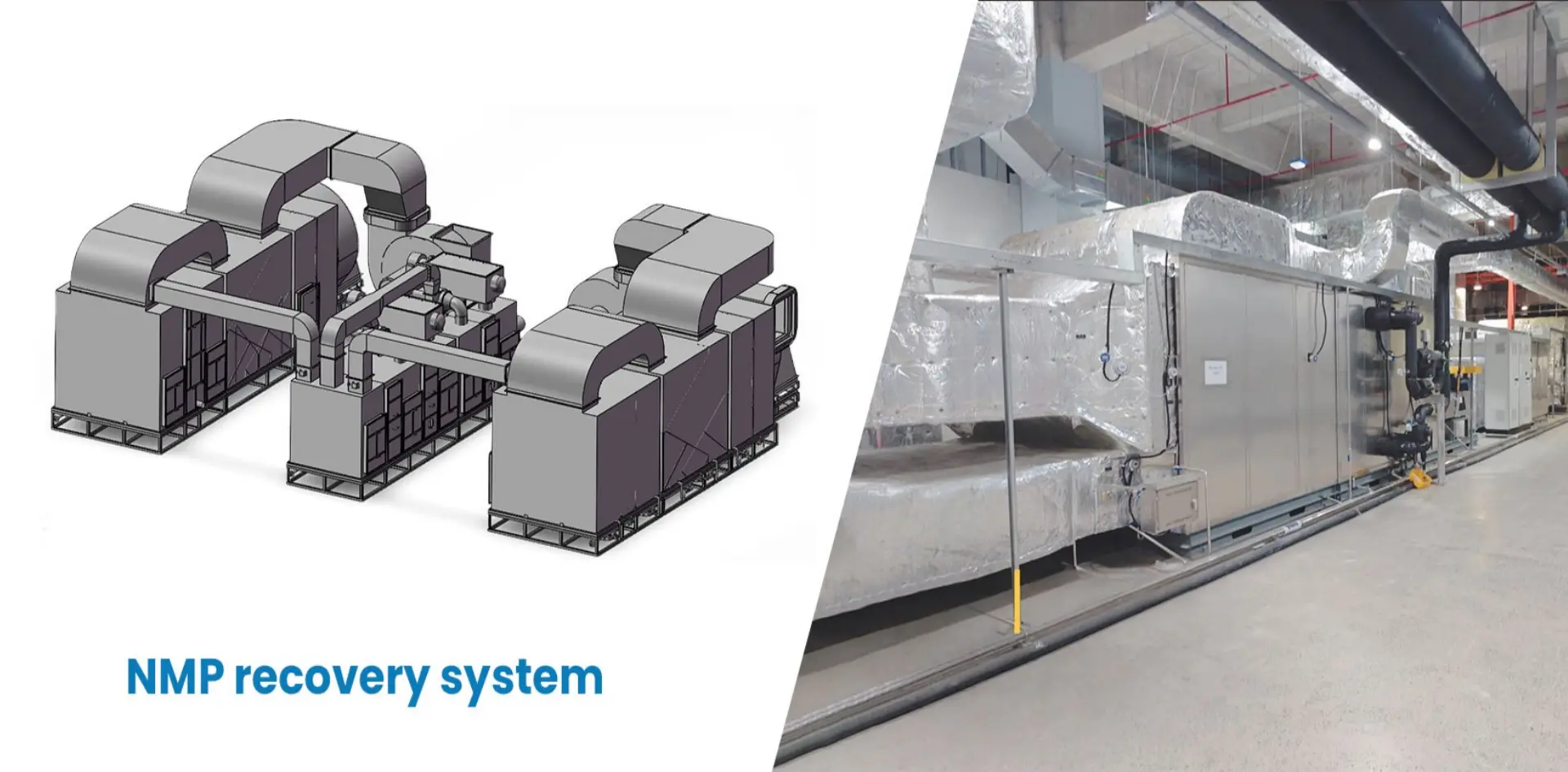 Deep Cooling
All-in-one explosion-proof skid managing heavy latent moisture loads, organic flavor capture, and cold-room defrost stabilization.
Inspect Chill SkidAnalyzing the pivotal shift from rudimentary mechanical refrigeration toward specialized desiccant sorption systems across international food, biotech, and high-spec industrial manufacturing.
Global standards including ISO 22000, HACCP, FDA cGMP, and European IFS Food standards now enforce stringent biological prevention. Moisture condensation within ceilings, conveyers, and spiral freezers is identified as the primary incubator for Listeria monocytogenes, mold spore proliferation, and bacterial contamination. Consequently, food processors worldwide are mandating positive-pressure low-dew-point desiccant air systems to eliminate ambient moisture condensation permanently.
China has transformed from an importer of rotary desiccant dehumidifiers into a global engineering juggernaut. Driven by gigawatt-scale requirements in lithium battery manufacturing (requiring steady -50°C to -70°C dew point thresholds), Chinese manufacturers have innovated robust composite silica gel and molecular sieve rotors. These domestic innovations, backed by Hangzhou DryAir Treatment Co., Ltd., offer higher adsorption density, lower pressure drops, and substantial cost advantages for global procurement.
Traditional desiccant dehumidification was notoriously thermal-intensive due to continuous wheel regeneration heating. Current market dynamics prioritize thermodynamic reclamation: integrating industrial heat pump loops, condensing heat recapture, hot water loops, and flue-gas recycling to power wheel desorbing cycles. This cuts overall plant OPEX by up to 35-50%, accelerating ROI across multi-ton drying operations in confectioneries and dairy plants.
A comprehensive objective evaluation of elite manufacturers capable of engineering precision humidity environments, sanitary cleanrooms, and automated drying plants.
| Supplier Name | Origin / HQ | Core Technical Competencies | Food Industry Applications | Compliance / Certifications |
|---|---|---|---|---|
| Hangzhou DryAir Treatment Co., Ltd. | China (Hangzhou) | Custom desiccant rotors (-70°C DP), turnkey clean dry rooms, NMP & VOC recovery | Hygroscopic powder spray drying, confectionery, starch conveying, gelatin drying | CE, UL, CSA, ASME, EAC, ISO9001 |
| Munters Group | Sweden | Pioneers in desiccant wheel rotor technology, energy recovery wheels | Global dairy drying towers, spiral freezer frost elimination, pet food curing | AHRI, Eurovent, ISO 9001, FDA Clean Air |
| DST Seibu Giken | Sweden / Japan | Silica gel synthetic rotors with antimicrobial washable surface matrix | Breweries, cold-storage air curtains, sugar packing silos, spice processing | CE, ISO 14001, Hygiene VDI 6022 |
| Bry-Air (Asia) | India / Global | Eco-sorb desiccant wheels, custom compact food-grade dehumidifier skids | Snack food crisping, seed storage, powdered beverage mixing, packaging lines | CE, UL, ISO 9001 |
| Condair Group | Switzerland | Hybrid evaporative cooling, humidification, and precision adsorption rotors | Commercial bakeries, chocolate enrobing tunnels, cheese aging cellars | ISO 9001, Hygiene-Conformity |
| Wuxi Puresen Air Treatment | China (Wuxi) | Standard industrial desiccant air units, modular HVAC air handling boxes | Candy packaging, bulk tea drying, cereal storage humidity regulation | CE, ISO 9001 |
| Guangzhou Jiadun (GDJ) Environmental | China (Guangzhou) | Commercial refrigeration-based dehumidifiers and high-temp heat pump dryers | Fruit and vegetable dehydration, seafood curing, mushroom storage | CCC, CE, RoHS |
| DehuTech AB | Sweden | Swedish desiccant technology, compact mobile dehumidification units | Meat packaging workshops, meat drying rooms, pharmaceutical grade food labs | CE, ISO 9001 |
| Hangzhou Lifesense Tech (Zhejiang) | China (Hangzhou) | Automated climate control cabinets and moisture absorption systems | Nut packaging workshops, grain drying facilities, automated food sorting | CE, ISO 9001 |
| Cotes A/S | Denmark | Adsorption dehumidifiers specialized in corrosion control and hygienic drying | Dry powder pneumatic transit, infant formula bagging, cleanroom packaging | CE, Eurovent |
Specific microclimate interventions solving hygroscopic powder clumping, bacterial growth, freezer ice accumulation, and coating degradation.
Infant formula, whey protein, cocoa, starch, and instant coffee powders are violently hygroscopic. If pneumatic conveying air or fluid-bed cooling air contains elevated ambient moisture, particles hydrate, causing nozzle caking, silo bridging, and pipeline blockage. Supplying air at -10°C to -20°C dew point prevents agglomeration and maintains fluid particle flow.
During chocolate enrobing and cooling tunnels, humid air triggers "sugar bloom"—where moisture dissolves surface sugar crystals which recrystallize into a whitish, dull coating. Controlled cooling air at 35-40% RH preserves glossy finish, accelerates gelatin gummy curing from 72 hours down to 24 hours, and stops hard candy sticking to molds.
Curing dry sausages (salami), ham, and dried beef requires precise water activity (aw) extraction without "case hardening"—a lethal defect where the outer skin dries prematurely, trapping interior moisture and promoting anaerobic spoilage. Constant vapor pressure gradients are sustained via modular desiccant dehumidifiers running under 12°C-15°C.
Ambient air entering blast freezers through opening doors creates heavy snow on evaporator coils, demanding frequent thermal defrost shutdowns. By placing an ultra-low dew point desiccant dehumidifier at conveyor entry vestibules, infiltration air is stripped of moisture (dew point lower than coil temp), cutting defrost cycles by 80% and saving compressor energy.
The convergence of predictive AI automation, next-generation solid adsorbents, and antimicrobial rotor surfaces.
Metal-Organic Frameworks (MOFs) and engineered zeolite nanomaterials are entering commercial production. These crystal lattices feature steep water uptake isotherms at specific low relative humidities, allowing full thermal desorption at only 50°C–65°C (compared to 120°C–140°C required by traditional silica gel). This shift allows factory low-grade waste steam to power 100% of dehumidification regeneration.
Integration of edge IoT sensors with cloud algorithms calculates the exact latent load variations introduced by shifts in production volume, door openings, and external weather fronts. By dynamically altering rotor rotation frequency, fan static pressure, and modulating heater valve positions, the AI psychrometric engine cuts system energy consumption by 22-38%.
Hygiene in food processing cleanrooms is non-negotiable. Modern rotors incorporate bonded silver-ion biocidal substrates and ceramic binders that prevent microbial biofilm formation even during shutdown periods. In addition, the latest desiccant honeycombs withstand full Clean-In-Place (CIP) alkaline washing without binder leaching or sorption capacity decay.
A structured, end-to-end framework eliminating engineering handoff gaps between equipment procurement and operational sign-off.
Assessment of production room heat loads, personnel latent moisture, ambient ventilation rates, and target dew points.
Airflow modeling, CFD cleanroom pressure cascades, duct optimization, and low-waste regeneration energy routing.
In-house CNC sheet metal laser cutting, insulated dual-wall casing construction, and certified performance test room testing.
On-site mechanical placement, electrical connection, duct sealing, PLC PID loop tuning, and moisture balancing validation.
Comprehensive two-year global maintenance warranties, rapid spare desiccant rotor delivery, and IoT remote telemetry monitoring.
Expert answers addressing system selection, energy expenditures, sanitation protocols, and global installation parameters.
Select from our comprehensive family of desiccant rotors, turnkey dry room systems, condensation chillers, and solvent recovery skids.
DHU Series
Designed for hygroscopic food storage, confectionery coating lines, and battery manufacturing drying.
View Specifications
Turnkey Room
Full envelope modular enclosures, clean air supply, and extreme low-dew point validation from a single supplier.
Explore Dry Rooms
Solvent Recovery
Recovers 99%+ organic process solvents from exhaust air streams on coating lines and flavor extraction ovens.
Explore Recovery
Zero Emission
Combines condensation cooling with regenerative thermal oxidation for volatile organic chemical exhaust treatment.
Inspect Abatement
Chilled Water
Cost-effective latent moisture removal for warehouses, pre-cooling stages, and general food processing rooms.
View Refrigerative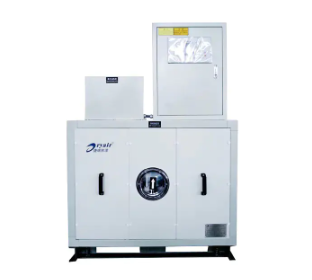 GMP Cleanroom
Precision environmental control skids built for gelatin capsule forming, tablet pressing, and probiotic drying.
View Cleanroom DHU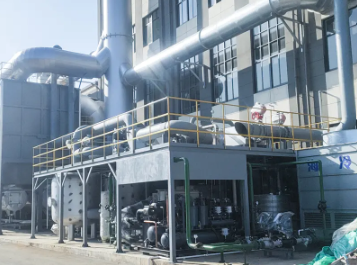 Condensation Loop
Specialized deep-chilling condensing skid capturing volatile organic vapors during chemical loading and tank filling.
View Vapor Systems Custom Spec
Tailor-made industrial drying suites engineered to client psychrometric demands, cleanroom layouts, and energy supplies.
Request Full CatalogSubmit your factory footprint, target dew points, and latent moisture loads. Our registered HVAC engineering staff will return psychrometric simulations and customized system layouts within 24 hours.