
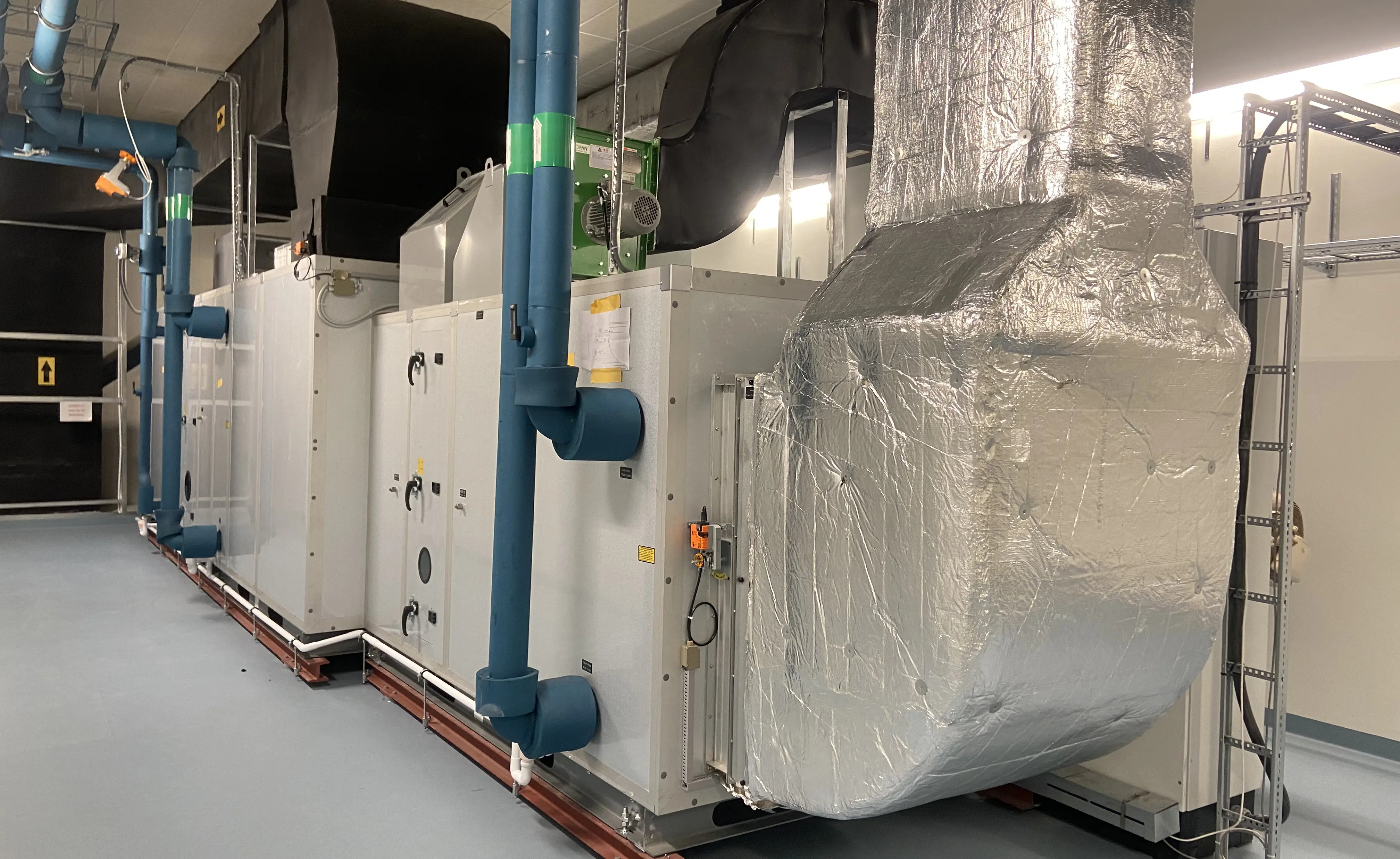
 DP -70°C
Industrial Desiccant Dehumidifier
High-efficiency silica gel rotary wheel engineered for hygroscopic food powders, gelatin, and spray-drying pre-treatment.
View SpecificationsExplore precision industrial dehumidification, thermal recovery, and sanitary dehydration units engineered to safeguard hygroscopic processing lines with minimal energy consumption.
DP -70°C
High-efficiency silica gel rotary wheel engineered for hygroscopic food powders, gelatin, and spray-drying pre-treatment.
View Specifications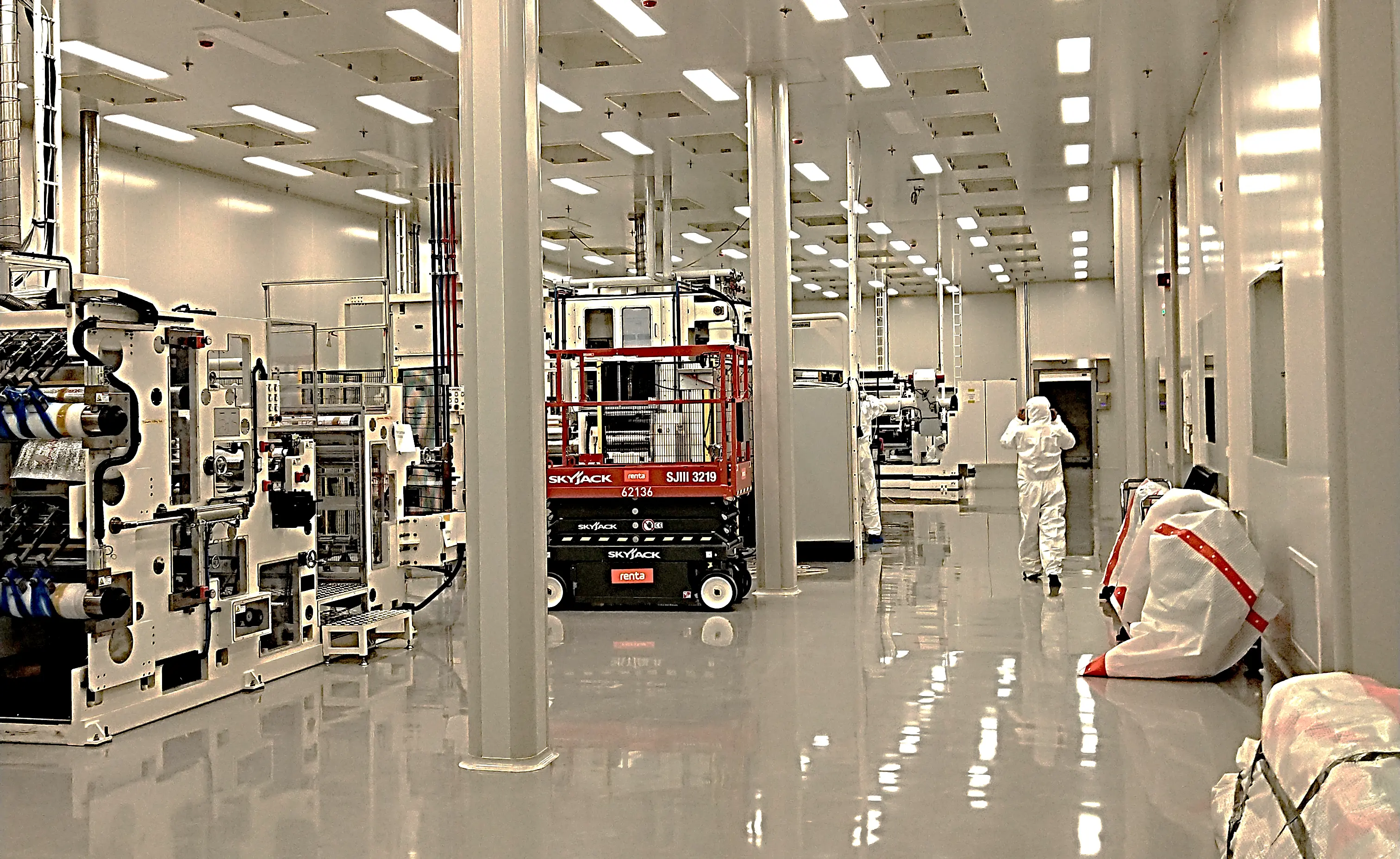 Turnkey EPC
End-to-end controlled atmospheric envelopes ensuring continuous RH regulation and zero cross-contamination for sensitive packaging lines.
Explore Dry Rooms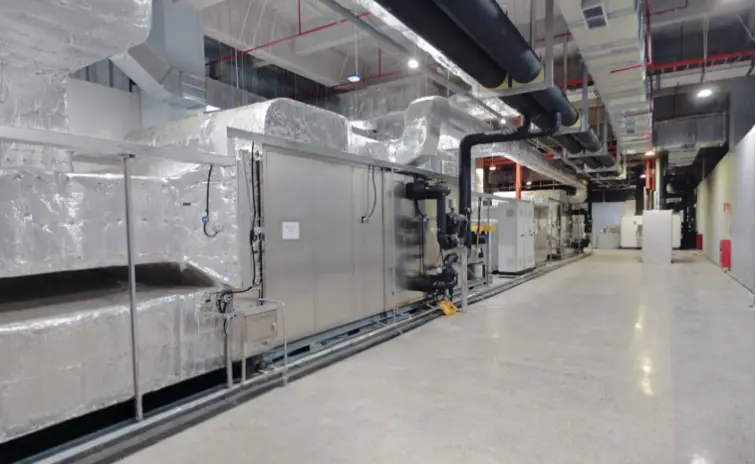 ≥99% Recovery
Specialized closed-circuit condensation capture designed for food-grade solvent extraction, alcohol vapor recycling, and aroma retention.
Explore Recovery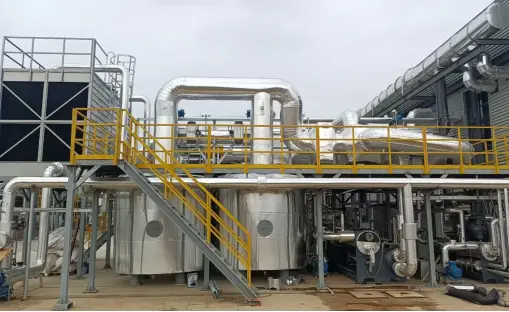 Deep-Cool + RTO
Deep-cooling condensation coupled with regenerative thermal oxidation for volatile organic emission abatement across flavor processing plants.
Inspect Systems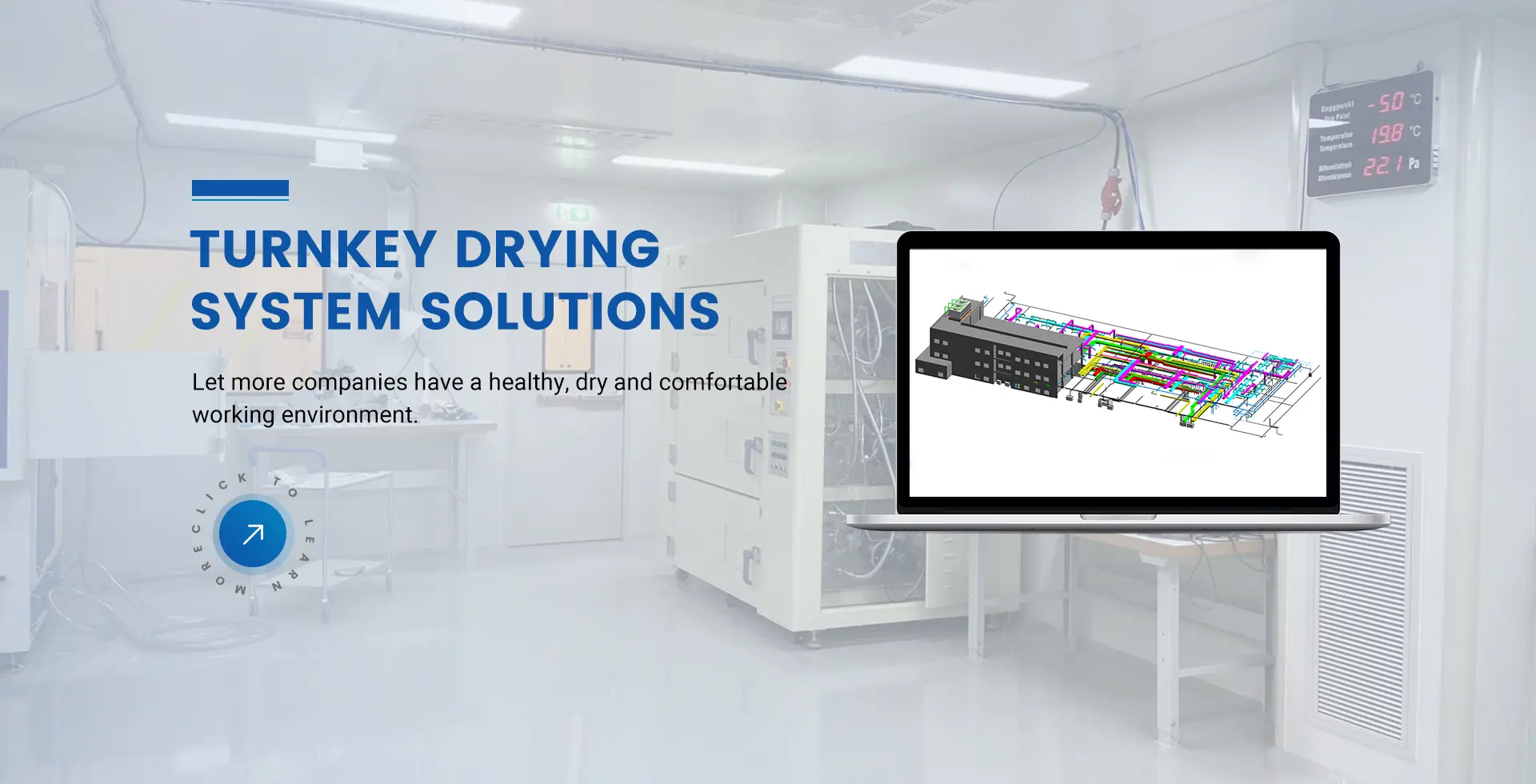 Pre-Cooling Stage
Economic bulk moisture extraction units designed for raw grain silos, cold-chain staging zones, and pre-cooling cycles.
View Unit Details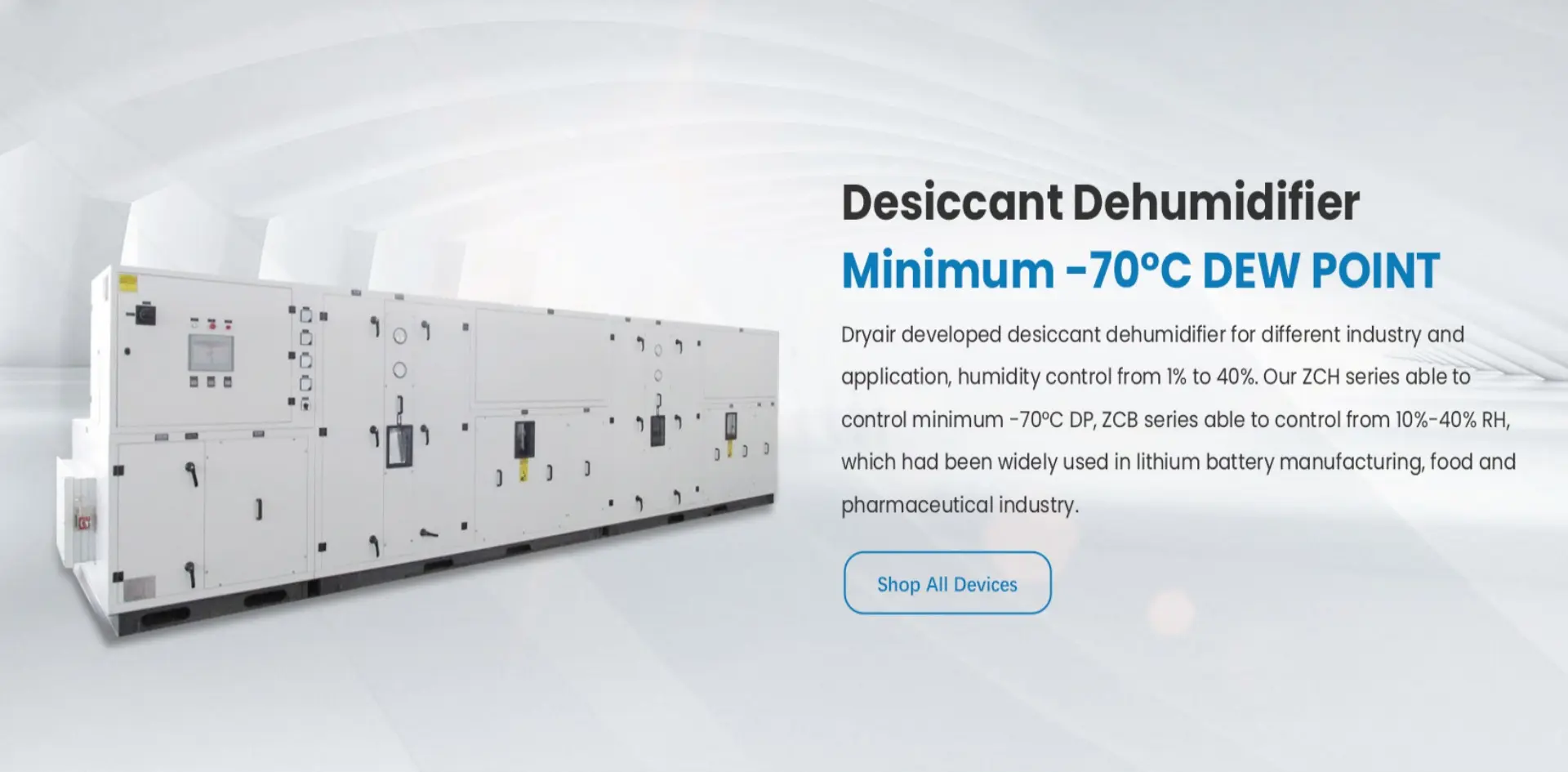 ISO Class 5-8
Integrated climate control stations offering multi-stage HEPA filtration and moisture scavenging for continuous confectionery wrapping.
Modular Units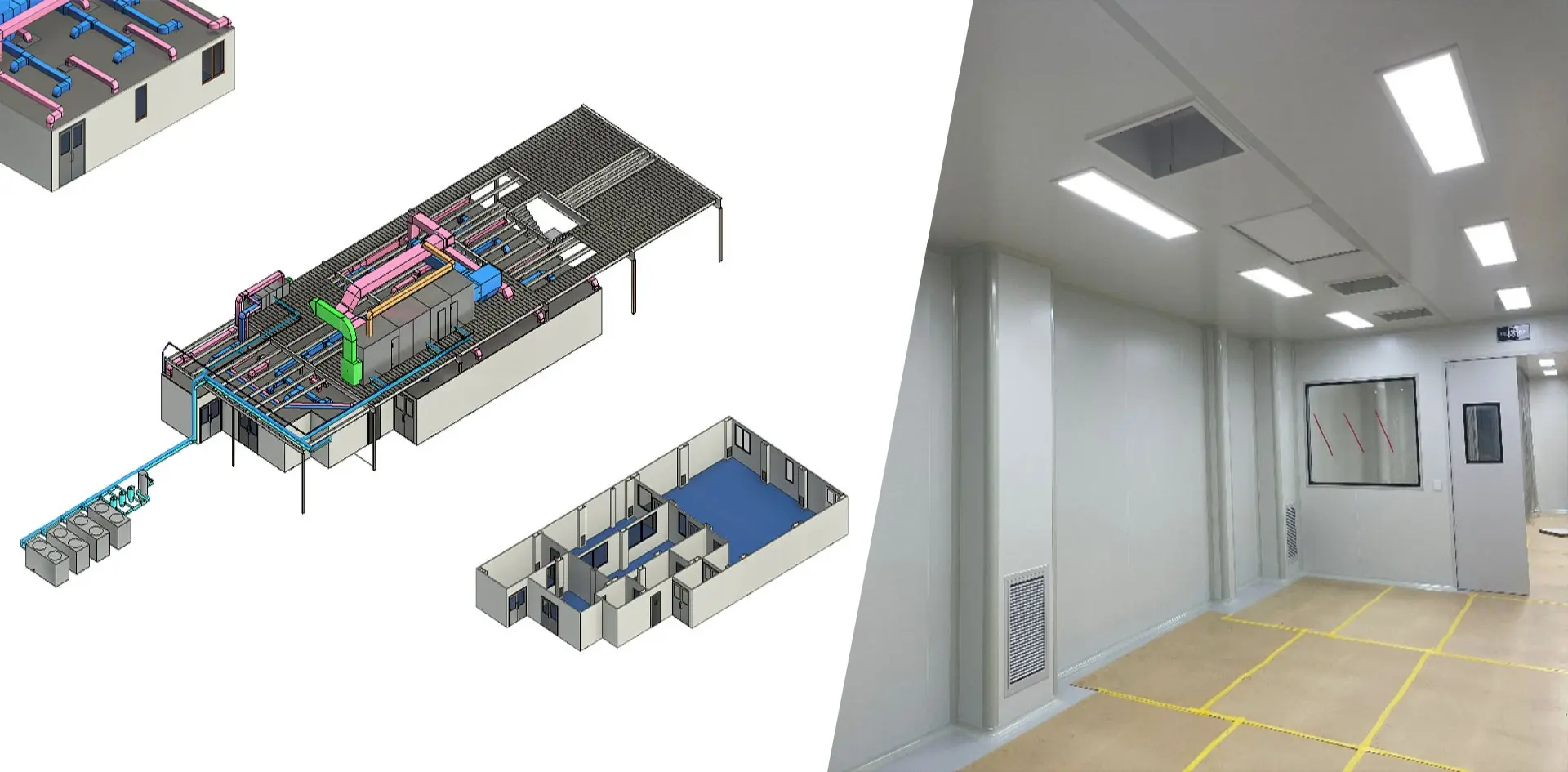 Hygienic CIP
Double-skin stainless steel casing with Clean-In-Place (CIP) compatibility for dairy, hydrolyzed protein, and infant formula drying towers.
Engineering Specs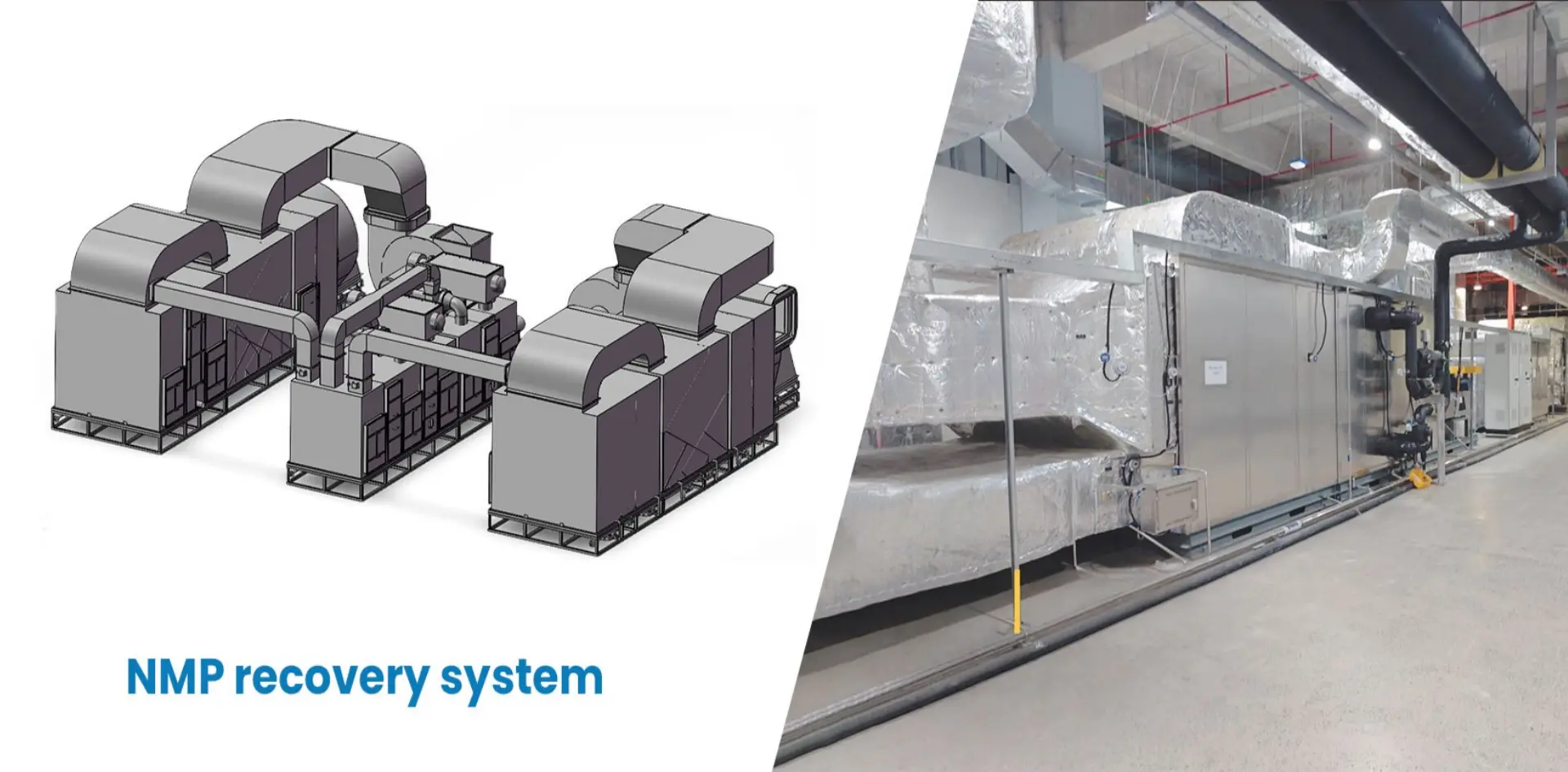 Continuous Flow
Combined desiccant wheel with waste heat reactivation circuits yielding 35% lower operating expenditures in vegetable dehydration tunnels.
Request Full CatalogHow the convergence of low-dew-point air technology, thermodynamic recovery, and sanitary automation defines modern manufacturing leadership.
Modern food dehydration has evolved from simple bulk moisture thermal stripping to sophisticated water activity (a_w) control. Whether producing infant nutritional formulas, freeze-dried active cultures, effervescent nutraceuticals, or specialty starches, moisture ingress during drying, conveyance, and secondary packaging causes microbial proliferation, Maillard reactions, agglomeration, and severe yield penalties. The top suppliers in this sector distinguish themselves through exact psychrometric balancing, ensuring dew points down to -40°C to -70°C without denaturing heat-sensitive proteins.
Drying efficacy is fundamentally governed by free moisture availability. Advanced food drying plants leverage desiccant-assisted air loops to drop process water activity strictly below 0.30 $a_w$, arresting bacterial germination and enzymatic lipid oxidation without reliance on high thermal profiles that degrade flavor volatiles.
Traditional heating equipment wastes vast energy attempting to dry air by driving up temperature. Leading engineering firms decouple sensible heating from latent moisture removal by deploying honeycomb silica/molecular sieve rotors to strip water vapor upstream before air enters product drying chambers.
Sanitary compliance under 3-A, EHEDG, and FDA FSMA requires wash-down structural integrity. Industrial food drying air-handling systems must feature continuous TIG-welded 304/316L stainless steel chambers, sloping drains, smooth interior radiuses, and automated Clean-In-Place (CIP) sanitization cycles.
A comparative structural analysis of the world's prominent food dryer manufacturers, engineering firms, and atmospheric control innovators.
Core Competency: Ultra-low dew point desiccant dehumidification down to -70°C, turnkey atmospheric dry rooms, and closed-loop volatile solvent recovery systems. Controls over 30% domestic market share with massive export delivery to global gigafactories.
Core Competency: World-renowned spray drying towers, fluid bed drying systems, and freeze dryers specifically optimized for dairy ingredients, hydrolyzed formulas, and plant-based protein powders.
Core Competency: Specialized Anhydro spray dryers and spin flash dryers. Renowned for uniform agglomeration, precise particle size classification, and automated aroma capture units.
Core Competency: Sorption-based climate control units for confectionery wrapping, sugar handling, and raw food storage preservation. Pioneered early desiccant rotor matrix materials.
Core Competency: Heavy-duty industrial conveyor dryers, fluidized bed pasta dryers, and grain column aeration systems delivering uniform thermal dispersion over high-tonnage runs.
Core Competency: Contact paddle dryers, drum dryers, and direct belt dryers engineered for nutritional biomass, yeast dewatering, and starch processing plants.
Core Competency: Continuous through-circulation belt dryers, roasters, and impingement ovens for cereals, ready-to-eat snacks, and dehydrated vegetables.
Core Competency: Integrated aseptic food evaporation, concentration, and spray drying systems meeting stringent international microbiological safety protocols.
Core Competency: Pneumatic conveying air conditioners and specialized flash drying equipment for dry food powders, starches, and functional culinary ingredients.
Core Competency: Bespoke compact pilot spray dryers and closed-cycle drying units specialized in flavors, fragrances, encapsulation, and pharmaceutical food additives.
Moisture failure is not an option. Here is how advanced drying and desiccant dehumidification resolve critical vulnerability points across diverse industrial food ecosystems.
Spray drying exhaust air often carries extreme humidity that causes clumping in cyclones. Integrating DryAir DHU desiccant pre-dryers into incoming air streams maintains low dew points (under -30°C DP), guaranteeing consistent free-flowing bulk powder bulk density and inhibiting salmonella propagation.
Sugar and chocolate crystallization are vulnerable to relative humidity exceeding 45% RH, causing "sugar bloom", sticky packaging wrap jams, and gelatin deformation. Turnkey dry room systems stabilize manufacturing ambient air at 20-25% RH, elevating line packaging speed by 40%.
Live active cultures and effervescent vitamin tables quickly degrade upon atmospheric exposure. Deploying closed-loop dehumidifiers supplying -50°C to -70°C dew point air allows tableting and encapsulation without strain deactivation or effervescent pre-reaction.
Thermal jerky drying must strike a delicate line between rapid water removal and "case hardening" (surface crusting that traps core moisture). Low-temperature high-volume desiccant air flow pulls moisture evenly from deep muscle tissue while meeting USDA microbial lethality standards.
Capturing volatile aromas during solvent extraction prevents severe yield and aroma losses. The ZJRH condensing and solvent recovery system captures over 99% of alcohols, terpenes, and carrier agents, allowing sterile reintroduction while keeping plant emissions within environmental regulations.
Bulk storage bins encounter condensation and mold growth when diurnal temperature swings cause sweating along bin walls. Continuous positive-pressure low-dew-point injection prevents condensation, stops caking in transfer screws, and eliminates weevil incubation environments.
How centralized manufacturing ecosystems, vertical integration, and hyper-scalable production capacity empower global enterprises with speed-to-market and cost advantages.
Hangzhou DryAir operates in the heart of the Yangtze River Delta industrial belt. This concentration provides immediate access to precision sheet metal laser fabrication, custom sanitary valve blocks, titanium heat exchangers, and rotor matrices within a 50-mile radius, shrinking standard lead times from 24 weeks down to 8-10 weeks.
Unlike regional assemblers who outsource testing to customer job sites, DryAir maintains a dedicated GJB-certified psychrometric testing chamber. Every dehumidifier and food drying AHU undergoes real-time dew point load validation, thermal imaging, and sound profile benchmarking before containerization.
With a production footprint capable of outputting over 200+ large industrial dehumidifier units per month, DryAir delivers unmatched economies of scale. Buyers bypass single-tier capacity bottlenecks when scaling multiple parallel production lines across domestic and overseas food processing facilities.
From AI-driven psychrometric modulation to next-generation metal-organic frameworks (MOFs), discover how industrial drying hardware is evolving to hit Net-Zero benchmarks.
Transitioning from traditional silica rotors to advanced Metal-Organic Frameworks (MOFs) that reactivate at just 45°C to 65°C, tapping low-grade industrial waste heat and reducing thermal boiler consumption by over 45%.
Deploying real-time neural network sensors across continuous dryers to calculate dew point dynamics, humidity delta, and product surface moisture, dynamically adjusting fan speeds and rotor rotation without manual recalibration.
Coupling low-dew-point air flow with non-thermal high-intensity ultrasonic excitation to break moisture surface tension in raw produce, doubling drying kinetics while completely preserving heatsensitive vitamins.
100% recirculating closed-loop atmospheric drying circuits where sensible and latent energy from condensation are continually recycled back into the primary drying chamber, eliminating atmospheric exhaust plumes entirely.
Deploying critical air conditioning equipment overseas demands uncompromising engineering compliance. We bridge international standards with local field support.
DryAir equipment ships with certified compliance: CE Mark (Machinery and Pressure Directives) for the European Economic Area, UL/CSA electrical listings for North America, ASME Section VIII pressure vessel stamping, and EAC TR CU compliance for Eurasian markets.
Our track record includes demanding engineering contracts for Tesla, Northvolt, CATL, BYD, EVE Energy, Farasis, SVOLT, and TTI. Our experienced field service engineers travel on-site globally to oversee installation, site acceptance testing (SAT), and cleanroom validation.
Overseas procurement teams can integrate our optional 2-year complete lifecycle protection agreement: including scheduled on-site inspections, 24-hour remote telemetry telemetry monitoring, prioritized spare parts air-shipment, and technician dispatch.
Shortlisting the ideal drying and humidity control architecture depends on matching process humidity tolerance with proper thermodynamic hardware.
| Food Application Profile | Target Air Metric | Primary Technology Used | Key Operational Benefit |
|---|---|---|---|
| Infant Nutritional Powder & Starch | 15% to 25% RH | Pre-cooled Desiccant Wheel (DHU) | Prevents agglomeration, ensures uniform spray tower drying rates. |
| Gelatin, Confectionery & Chocolate | 20% to 30% RH | Direct Expansion + Desiccant Rotor | Eliminates sweating and wrapping line sticking; reduces cooling time. |
| Probiotic & Nutraceutical Tableting | -40°C to -60°C DP | Turn-key Sealed Dry Room System | Preserves live bacterial viability, prevents effervescent capping. |
| Flavor Condensation & Essential Oils | ≥99% Vapor Capture | Cryogenic Condenser + ZJRH Loop | Recovers high-value alcohol/solvents, stops atmospheric odor release. |
| Raw Grain & Bulk Sugar Silo Aeration | 45% to 55% RH | Refrigerative Dehumidifier Unit | Lowers energy costs while suppressing fungal growth and caking. |
| Dehydrated Vegetables & Jerky Tunnels | 30°C to 45°C / Low RH | Heat Recovery Desiccant Air Handler | Lowers thermal energy OPEX by 35% using regeneration heat exchangers. |
A structured, end-to-end project execution methodology tailored to remove risk from industrial air processing investments.
Psychrometric analysis of latent/sensible loads, air changes, and room infiltration.
Airflow modeling to avoid dead zones and optimize laminar air dispersion in drying zones.
Automated laser cutting, TIG welded double-skin casework, and GJB military-spec assembly.
On-site installation, duct balance testing, dew point verification, and PLC integration.
24-month field service agreements, consumable spares provisioning, and remote telemetry.
Detailed technical answers addressing core design considerations, energy metrics, and procurement requirements.
Review the full range of DryAir dehumidification equipment, custom turn-key dry cleanrooms, solvent capture, and thermal abatement systems.
Low DP Series
Engineered for moisture control down to -70°C dew point; ideal for starch, spice, and hygroscopic powder manufacturing.
View Specifications
Full Envelope EPC
Complete envelope air-conditioning suites with integrated panels, airtight interlocking airlocks, and PLC automation.
Explore Dry Rooms
Emission Capture
Closed-circuit condensation capture designed for chemical and food extraction plants, yielding ≥99% solvent recovery.
Explore Recovery
Clean Exhaust
Deep-cooling condensation coupled with regenerative thermal oxidation (RTO) for odor and VOC emissions compliance.
Inspect Systems
Bulk Dewatering
Cost-effective initial bulk water extraction for warehouses, cold logistics staging rooms, and food processing pre-cooling.
View Unit Details
Custom Cleanroom
Integrated environmental controls engineered for pharmaceutical grade cleanrooms, powder packaging, and candy forming.
Modular Units
Sanitary Finish
Double-skin insulated stainless panels built for CIP washdowns and extreme microbiological cleanliness requirements.
Engineering Specs
High Efficiency
Continuous drying air units with integrated sensible heat exchangers designed for fruit, meat, and vegetable processing lines.
Request Full CatalogSubmit your plant dimensions, target relative humidity, process exhaust rates, and ambient extremes. Our senior HVAC registered engineers will deliver a comprehensive psychrometric diagram and system sizing calculation within 24 business hours.