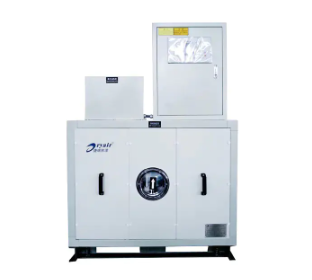
-70°C Dew Point
Rotary Desiccant Dehumidifier
DHU series providing ultra-dry air for battery assembly and moisture-critical processing.
View System SpecificationsEngineering high-precision desiccant dehumidification systems, turnkey dry rooms down to -70°C dew point, and heavy-gauge industrial stainless steel air solutions for global gigafactories.
Robust stainless steel housings, modular desiccant rotors, and volatile compound recovery units deployed across global EV, medical, and defense sites.
-70°C Dew Point
DHU series providing ultra-dry air for battery assembly and moisture-critical processing.
View System Specifications Complete EPC
Enclosure, dynamic low-dew-point air handlers, and validated GJB-level control networks.
Explore Turnkey Solutions ≥99% Efficiency
Industrial-grade condensation recovery extracting N-Methyl-2-pyrrolidone from coater lines.
Review Solvent Plant RTO Integration
Deep condensation combined with regenerative thermal oxidizers for emissions compliance.
Abatement Engineering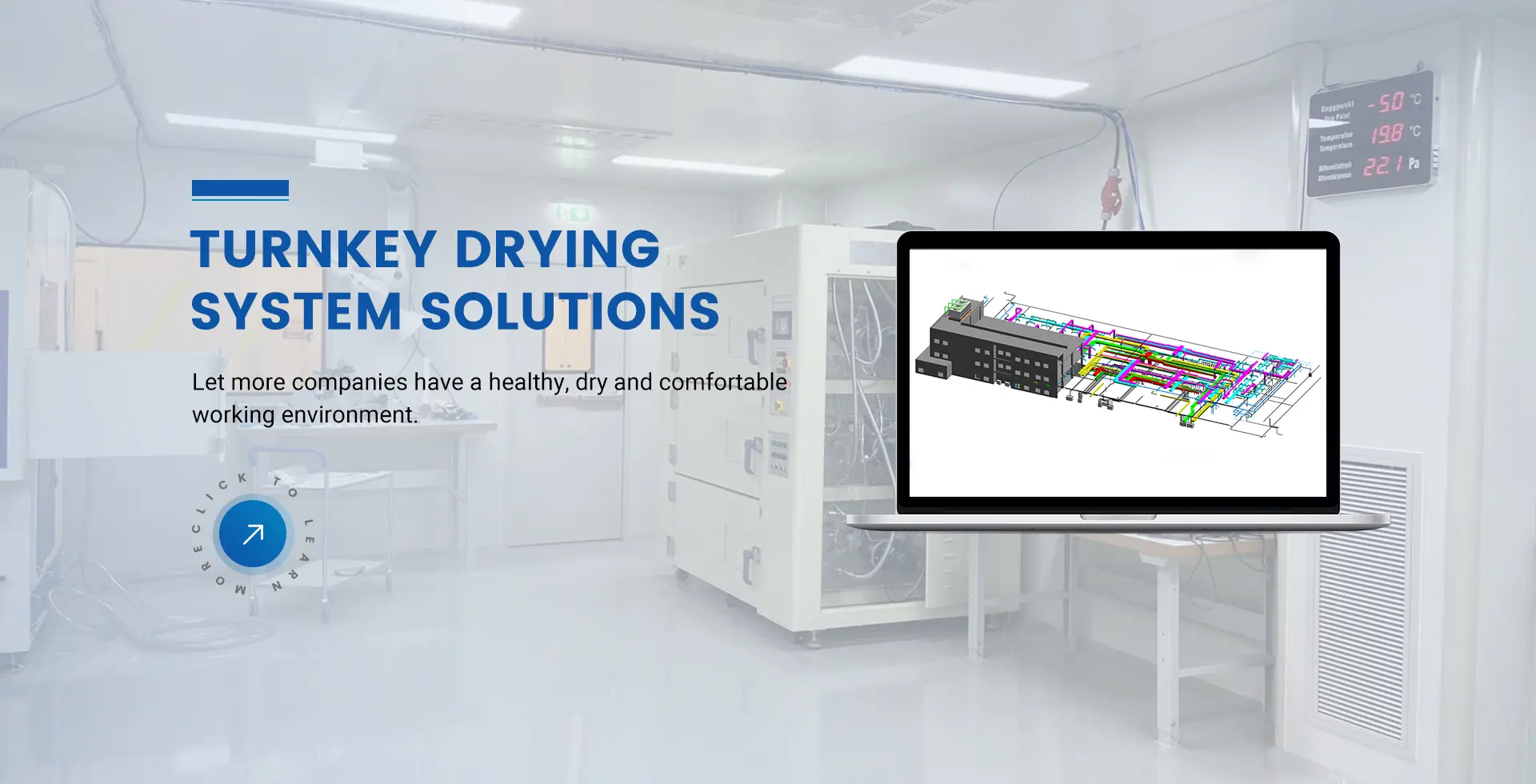 SS304 / SS316L
High-performance mechanical chilling and pre-cooling stages built inside stainless chassis.
Pre-Cooling Specs Battery Grade
Custom airtight thermal wall panels, pass-boxes, and air-lock seals engineered for gigafactories.
View Modular Specs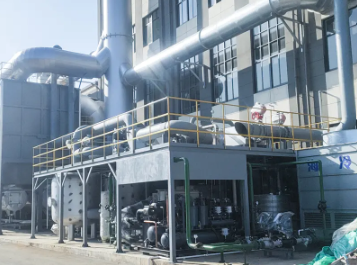 Vapor Recovery
Cryogenic chilling units recovering hydrocarbons and VOCs at hazardous terminals.
Condensation Specs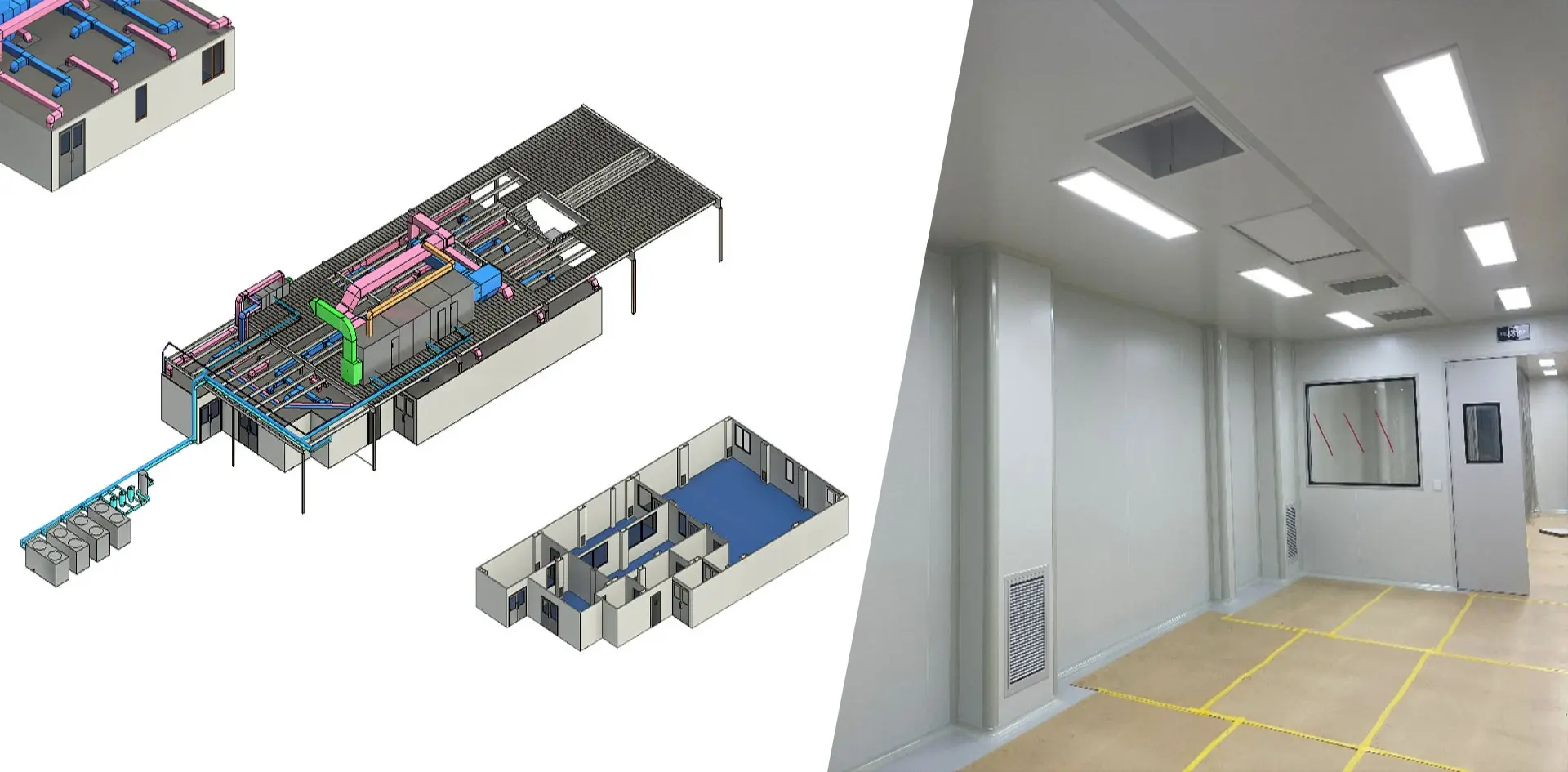 Low Dew Point
Silica gel and molecular sieve synthesis matrices engineered for lifetime thermal cycling.
Rotor TechnologyA technical analysis of how manufacturing maturity, material metallurgy, and lithium-ion gigafactory scale turned China into the epicenter of high-precision humidity engineering.
Industrial environments handling hazardous organic solvents (like NMP) or corrosive electrolytes demand complete housing passivation. By utilizing structural double-wall stainless steel (SS304/SS316L) with polyurethane injection thermal breaks, modern Chinese manufacturers eliminate galvanic corrosion, withstand continuous negative air pressures up to 3000 Pa, and guarantee zero particulate contamination in Class 100 cleanrooms.
Traditional HVAC systems fail when processing sub-zero dew points due to coil freezing. The integration of high-density honeycomb desiccant matrices—synthesized with metal silicates and titanium zeolite molecular sieves—enables the adsorption of moisture at vapor pressures under 0.001 kPa. This technical evolution allows China's leaders to scale airflow volumes above 100,000 m³/h per unit while maintaining a constant supply dew point of -70°C.
Desiccant regeneration historically accounted for over 45% of total plant electrical consumption. Next-generation systems leverage waste-heat closed loops, heat pipe exchangers, and dual-cooling circuits that cut reactivation heat demands by up to 35%. This energy efficiency directly serves global operators balancing stringent ESG obligations with continuous multi-gigawatt cell fabrication mandates.
Enterprise buyers across North America, the European Union, and Southeast Asia look beyond upfront unit costs to evaluate rigorous procurement variables.
Tender mandates require casing air leakage rates under EN 1886 Class L1 / L2 standards. Any air infiltration from ambient factory areas instantly destroys the -50°C to -70°C target within dry rooms.
Seamless harmonization across international regulatory boundaries: UL 1995/CSA standards for North American utilities, CE Machine Directives for the EU, and EAC compliance across Eurasian networks.
Gigafactory phases require deliveries of 20 to 50 large AHUs simultaneously. With DryAir's monthly production capacity exceeding 200 units, EPC contractors maintain critical construction timelines without supply bottlenecks.
Capital acquisition expenditure accounts for less than 15% of an industrial dehumidifier's 15-year lifecycle cost. Low reactivation requirements, durable stainless construction, and serviceable components yield rapid ROI.
Auditable technical metrics established since 2010 across mission-critical facilities worldwide.
Custom thermodynamic psychrometric designs engineered specifically around chemistry tolerances and regulatory constraints.
Moisture reacting with LiPF6 produces toxic Hydrofluoric Acid (HF), degrading cathode chemistry. DryAir guarantees stable -40°C to -70°C dew point atmospheres across winders, stackers, and electrolyte filling cleanrooms.
Hygroscopic powders, effervescent tablets, soft gelatin encapsulation, and lyophilization require tight humidity bands (10–30% RH) to eliminate clumping, microbial growth, and batch rejection in GMP facilities.
Fabricated under the strict GJB national military standard to preserve tactical equipment, radar guidance assemblies, propellants, and munitions from long-term galvanic oxidization and mold contamination.
Heavy industrial condensing and VOC abatement systems engineered for high-boiling hydrocarbon recovery and refinery stack emissions, returning high-purity solvent streams directly to production.
Single-source technical responsibility—eliminating scope disputes between HVAC installers, cleanroom builders, and rotor manufacturers.
Calculation of room volume, static envelope pressure, air infiltration via airlocks, exhaust rates, and personnel latent moisture loads.
3D airflow modeling, velocity dispersion analysis over automated machinery, and thermal heat pump regeneration circuit optimization.
Double-walled SS304/SS316 stainless steel folding, laser cutting, polyurethane core foaming, and in-house laboratory run testing.
Global on-site installation by DryAir engineers, dynamic envelope balancing, helium leak detection, and continuous 72-hour dew point certification.
Remote telemetry diagnostics, scheduled rotor re-desiccation/servicing, OEM spare parts staging, and extended multi-year service contracts.
Mitigating international risk through recognized global electrical, mechanical, and safety certifications.
Fully conforming to European EN 60204-1 electrical safety, pressure equipment directive (PED), and electromagnetic compatibility regulations across all EU industrial parks.
Custom UL-listed control panels (UL 508A) and certified refrigeration assemblies matching NFPA guidelines for seamless commissioning in American and Canadian battery plants.
Heat exchangers, condensation condensers, and recovery boilers stamped to ASME Section VIII requirements, guaranteeing structural safety under high pressure regimes.
Guaranteed field engineer dispatch, round-the-clock remote monitoring connectivity, preventative maintenance audits, and regional warehouse spare parts hubs.
Pioneering advancements in desiccant materials, AI predictive analytics, and zero-carbon industrial HVAC integration.
Transitioning from conventional silica gel to Metal-Organic Frameworks (MOFs). MOF-enhanced rotors achieve ultra-low moisture sorption isotherms with regeneration temperatures below 80°C, unlocking the direct use of industrial low-grade waste hot water and minimizing electric heater draw.
Integrating machine learning edge controllers that continuously model external weather patterns, internal cleanroom occupancy, and production line states. Predictive algorithm modulation optimizes rotor speed and regeneration heater stages, yielding an audited 18% annual energy savings.
Select specific models for industrial air dehumidification, volatile organic recovery, and complete dry room integration.
Desiccant Series
Rotary wheel systems supplying deep dehumidification down to -70°C dew point.
View Specifications
Turnkey EPC
Single-contract dry room facility with integrated environmental handling.
Explore Dry Rooms
Solvent Plant
99%+ recovery rates reducing solvent purchase and emissions overhead.
Learn More
RTO Oxidizer
 Pre-Cooling Stage
Commercial moisture management for warehouses and pre-treatment air loops.
Learn More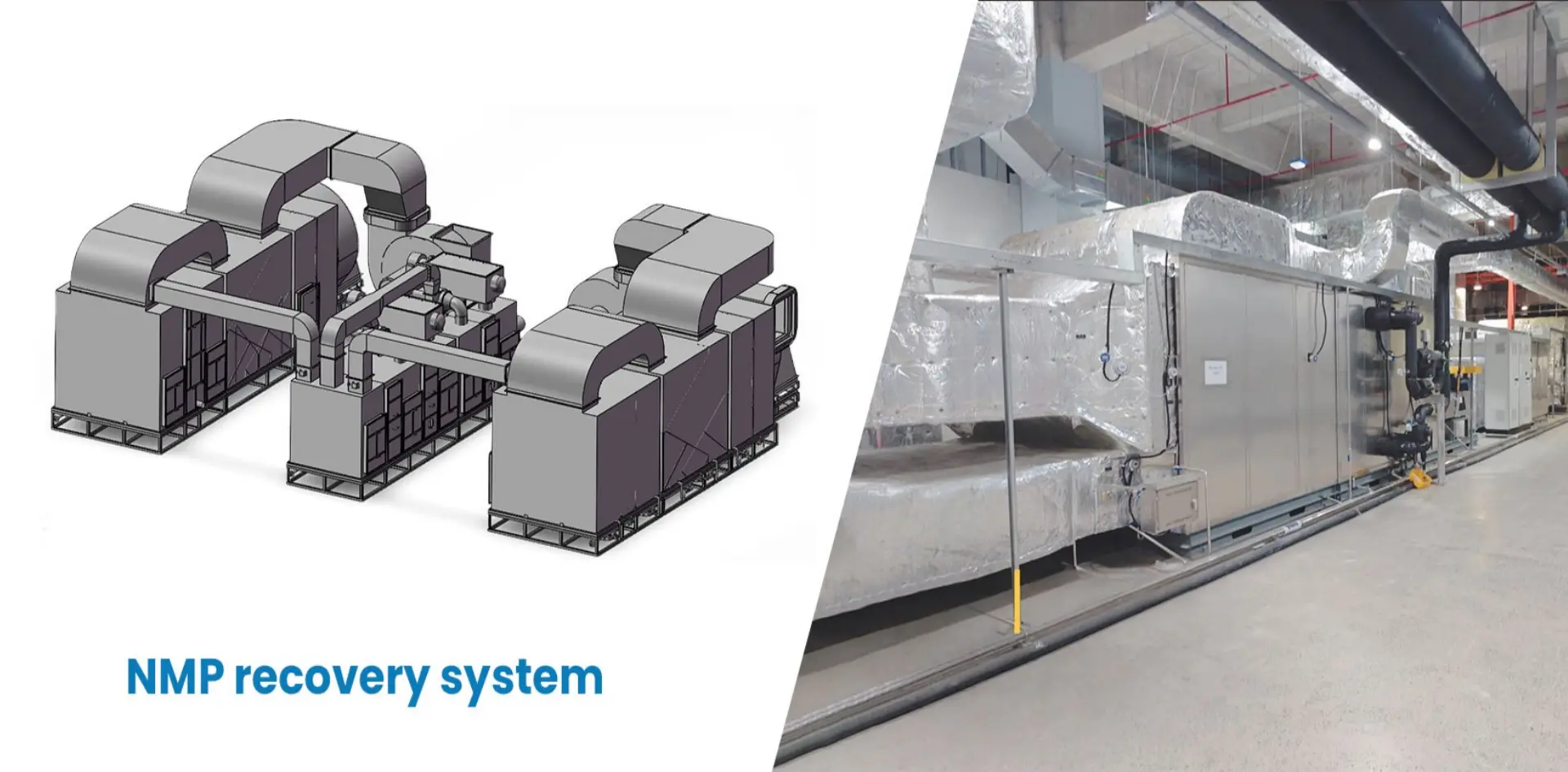 Exhaust Treatment
Cryogenic chilling coils engineered to scrub dangerous volatile gases.
View Abatement Specs Electrode Coating
High-volume recycling networks designed for 24/7 continuous operations.
Solvent Systems Custom Stainless
Tailored double-skin insulated casing with integrated desiccant and filtering stages.
Explore Custom RangeTechnical guides authored by Hangzhou DryAir HVAC specialists covering fluid dynamics, solvent thermodynamics, and cleanroom air handling.
Technical breakdown of multi-stage cryogenic chilling for capturing heavy oil vapors and hydrocarbon gases during terminal loading operations.
Read Engineering Guide →Preventing solvent saturation and managing heat exchanger fouling on high-speed lithium-ion battery electrode coating drying lines.
Read Operational Guide →Identifying moisture ingress points in powder blending, fluid bed drying, and blister packing suites to protect API stability.
Read Pharma Guide →Definitive technical and operational responses concerning Hangzhou DryAir systems, capacity, and global delivery guarantees.
Provide your factory room dimensions, target dew point requirements, exhaust airflow volumes, and ambient operating parameters. Our HVAC doctoral engineering team will deliver a comprehensive project configuration within 24 business hours.