
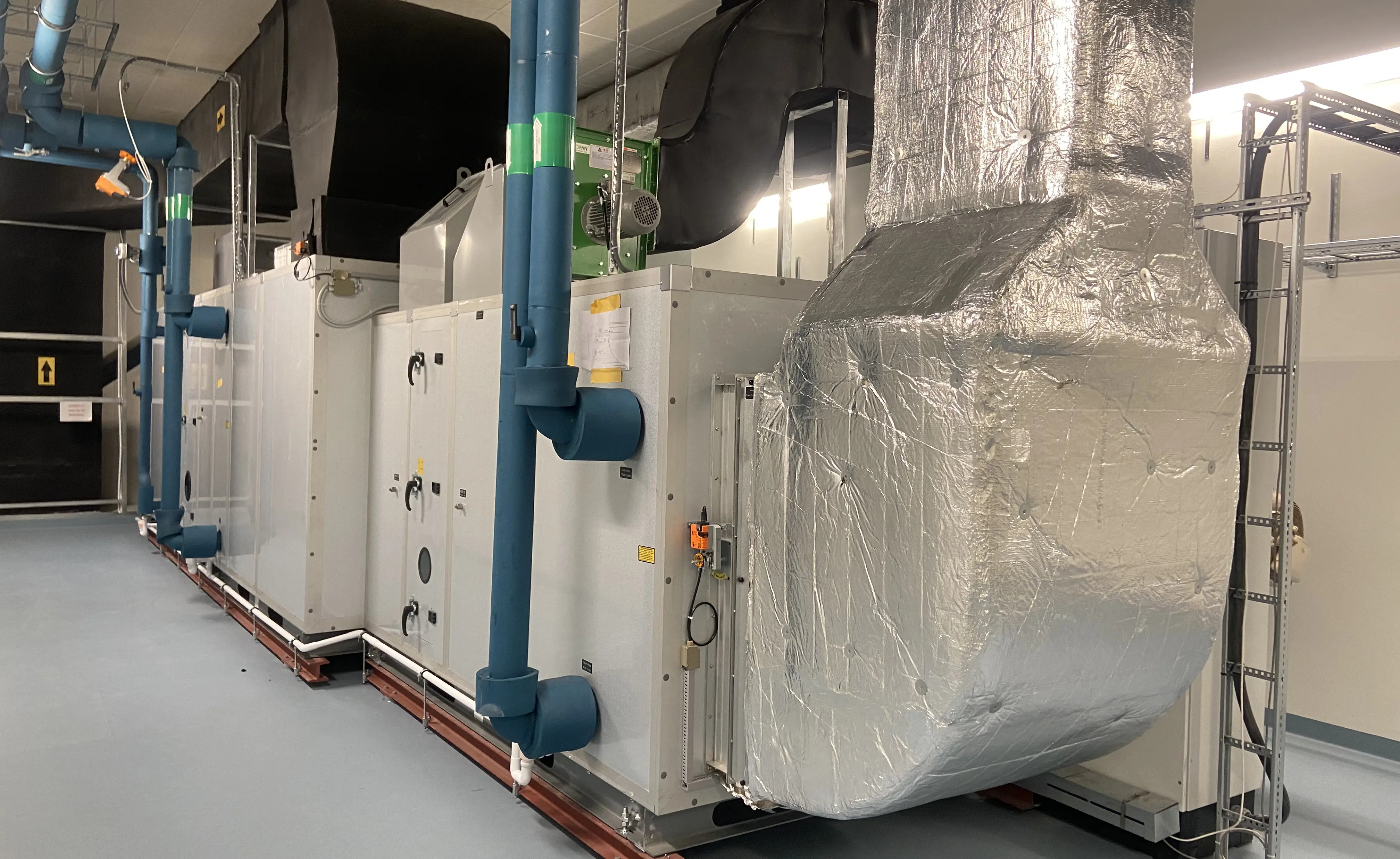
 DP -70°C
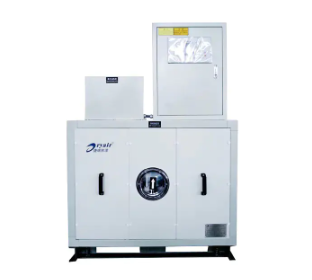
DHU Series Rotary Desiccant Dehumidifier
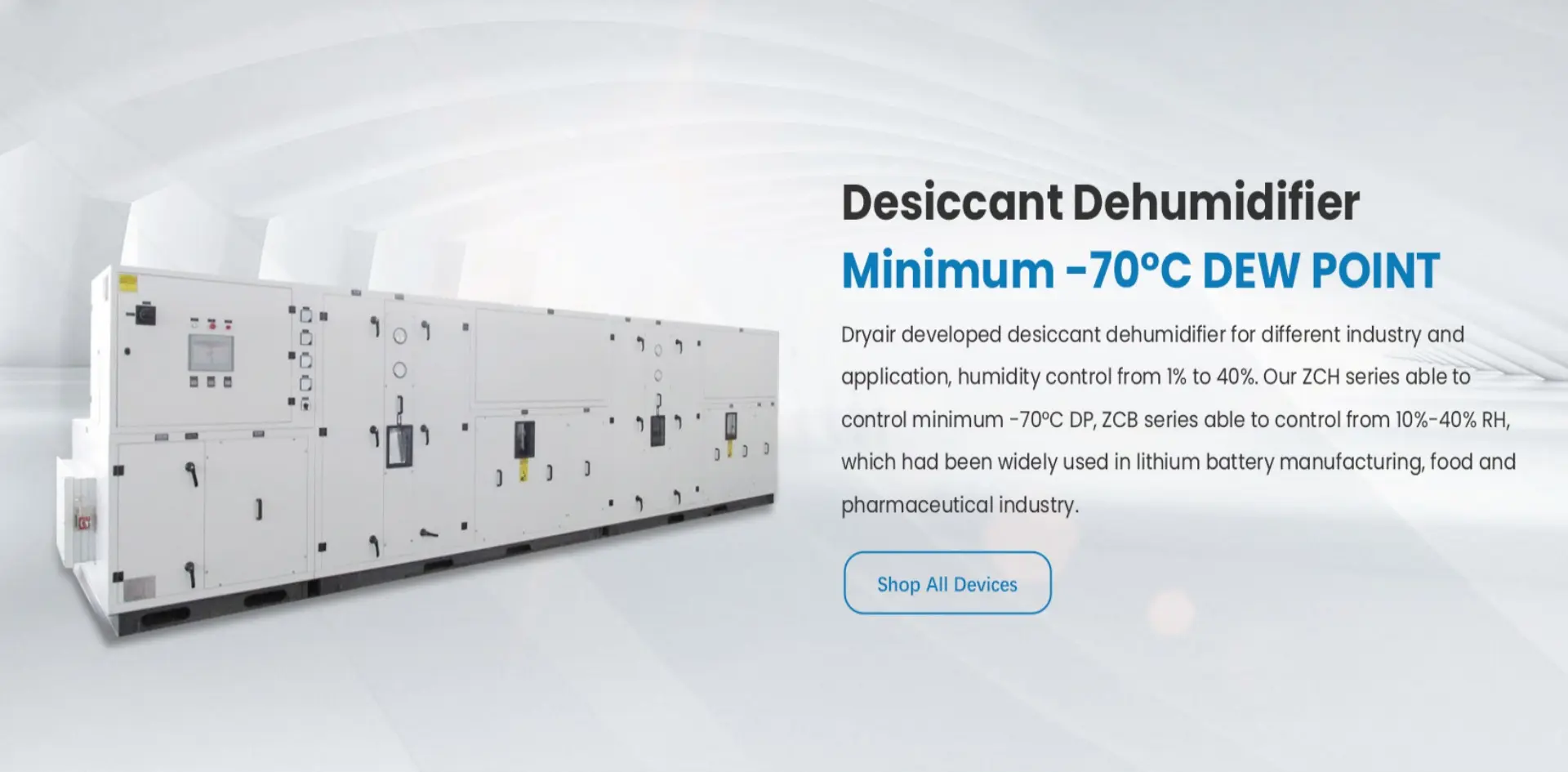
Engineered for extreme moisture extraction where traditional refrigeration freezes. Delivers continuous supply air down to -70°C dew point using energy-efficient reactivation loops.
Precision-engineered for continuous 24/7/365 heavy cyclic loading, our electric desiccant dehumidifiers, solvent condensation separators, and environmental chambers deliver uncompromising thermal and moisture control.
DP -70°C
Engineered for extreme moisture extraction where traditional refrigeration freezes. Delivers continuous supply air down to -70°C dew point using energy-efficient reactivation loops.
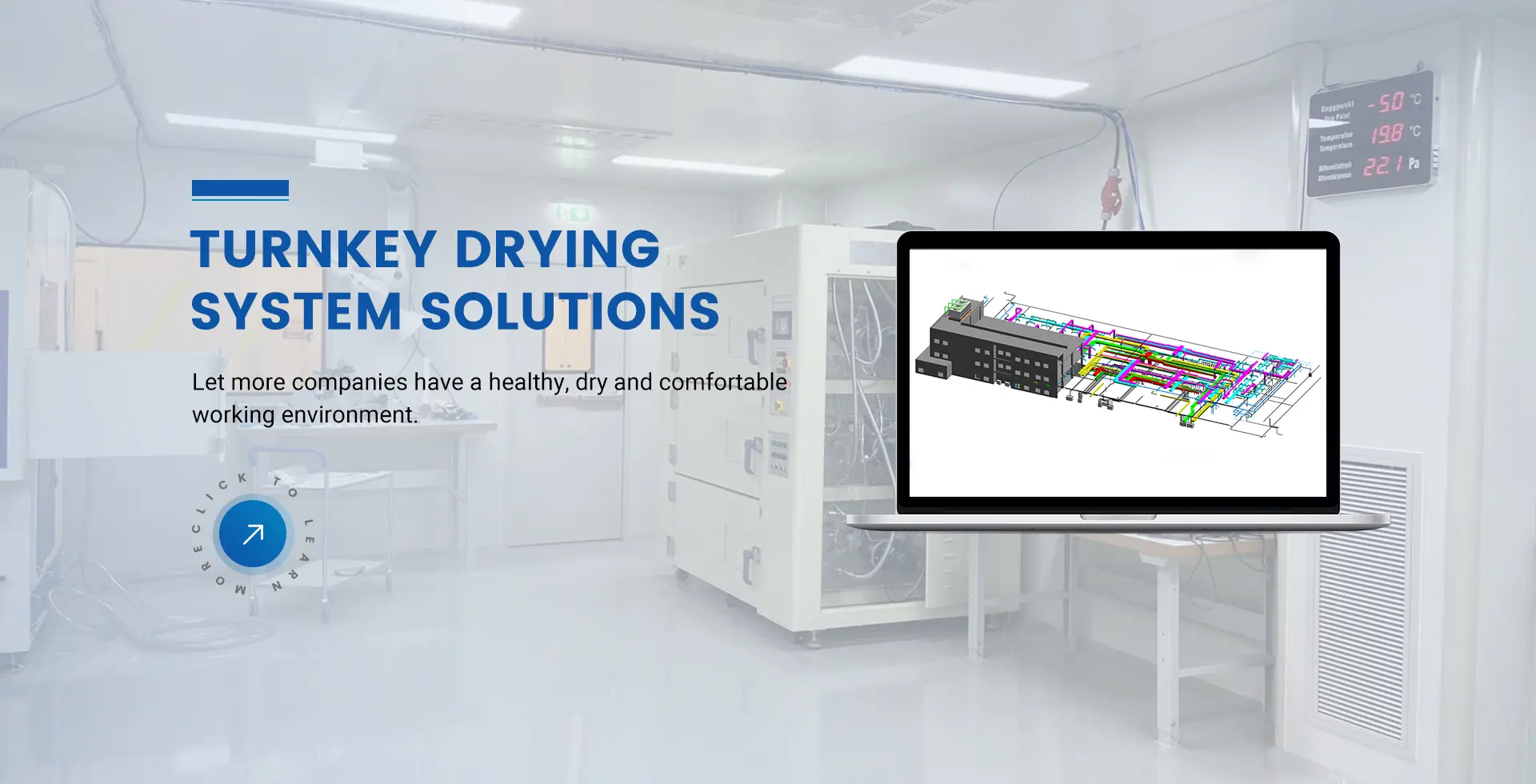
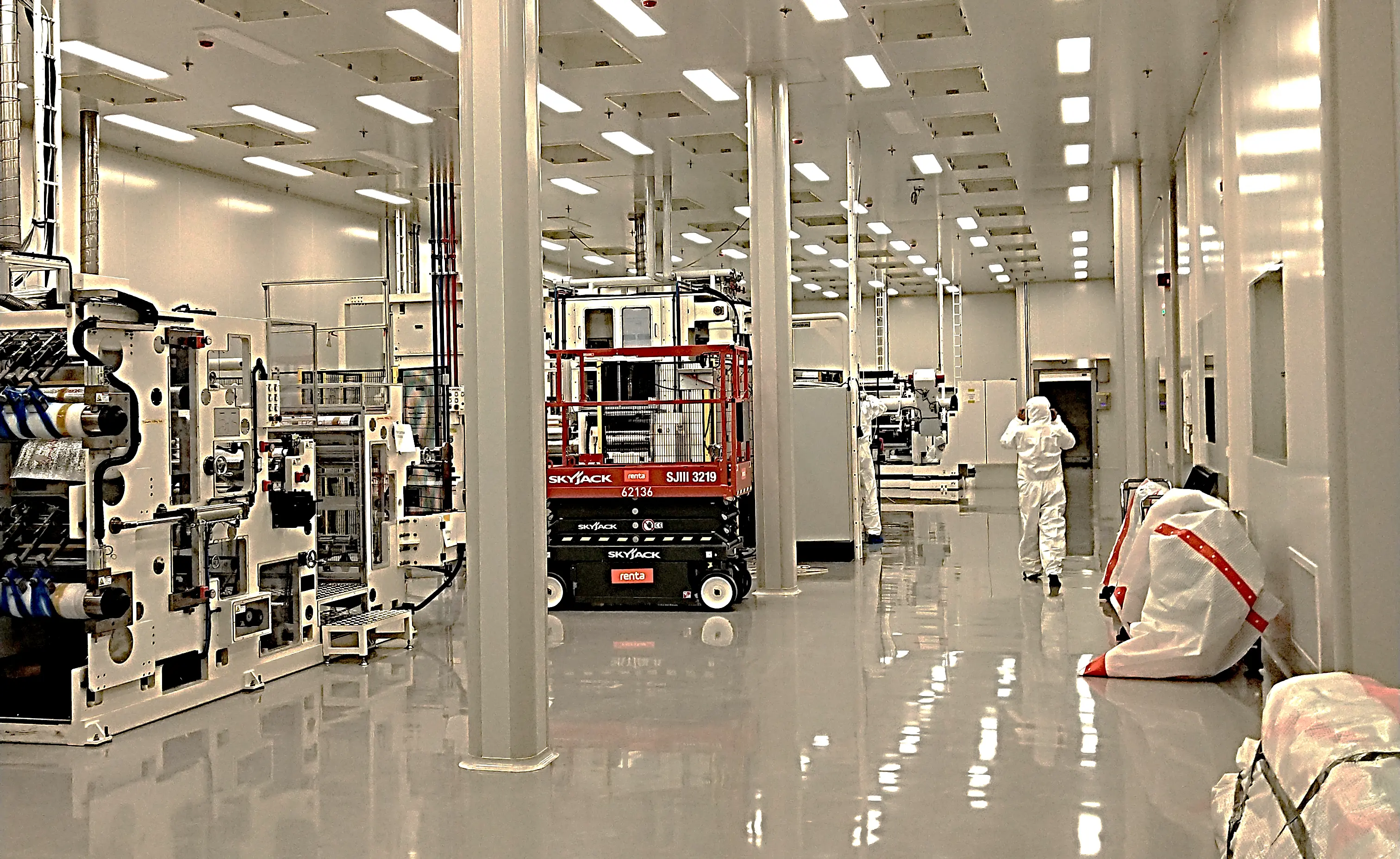 Turnkey EPC
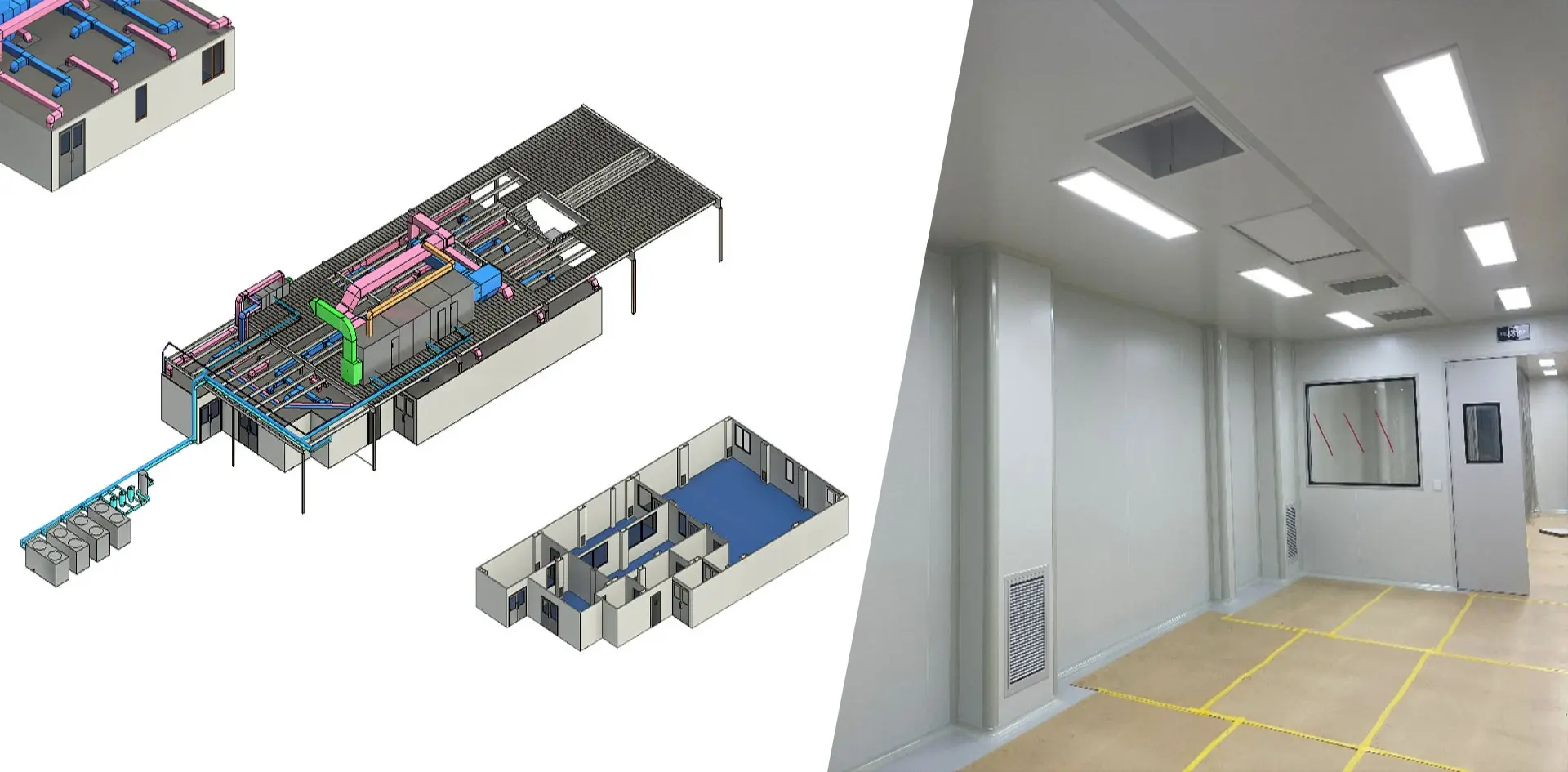
Complete modular dry cleanrooms including sandwich wall enclosures, multi-stage air recirculation, hermetic seals, and integrated PLC psychrometric automation.
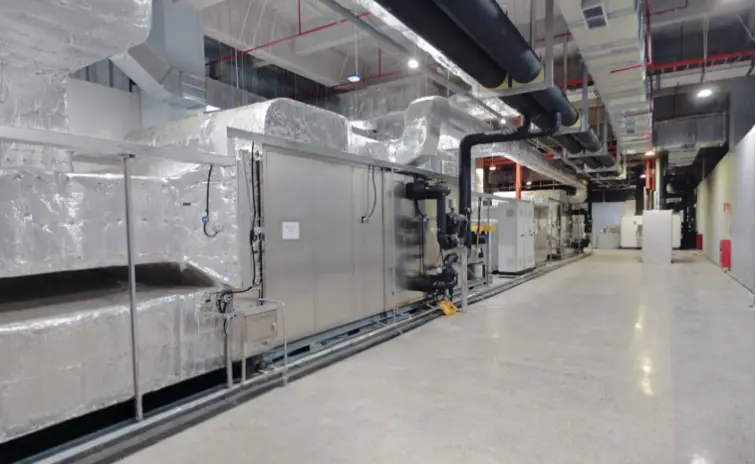 Recovery ≥99%
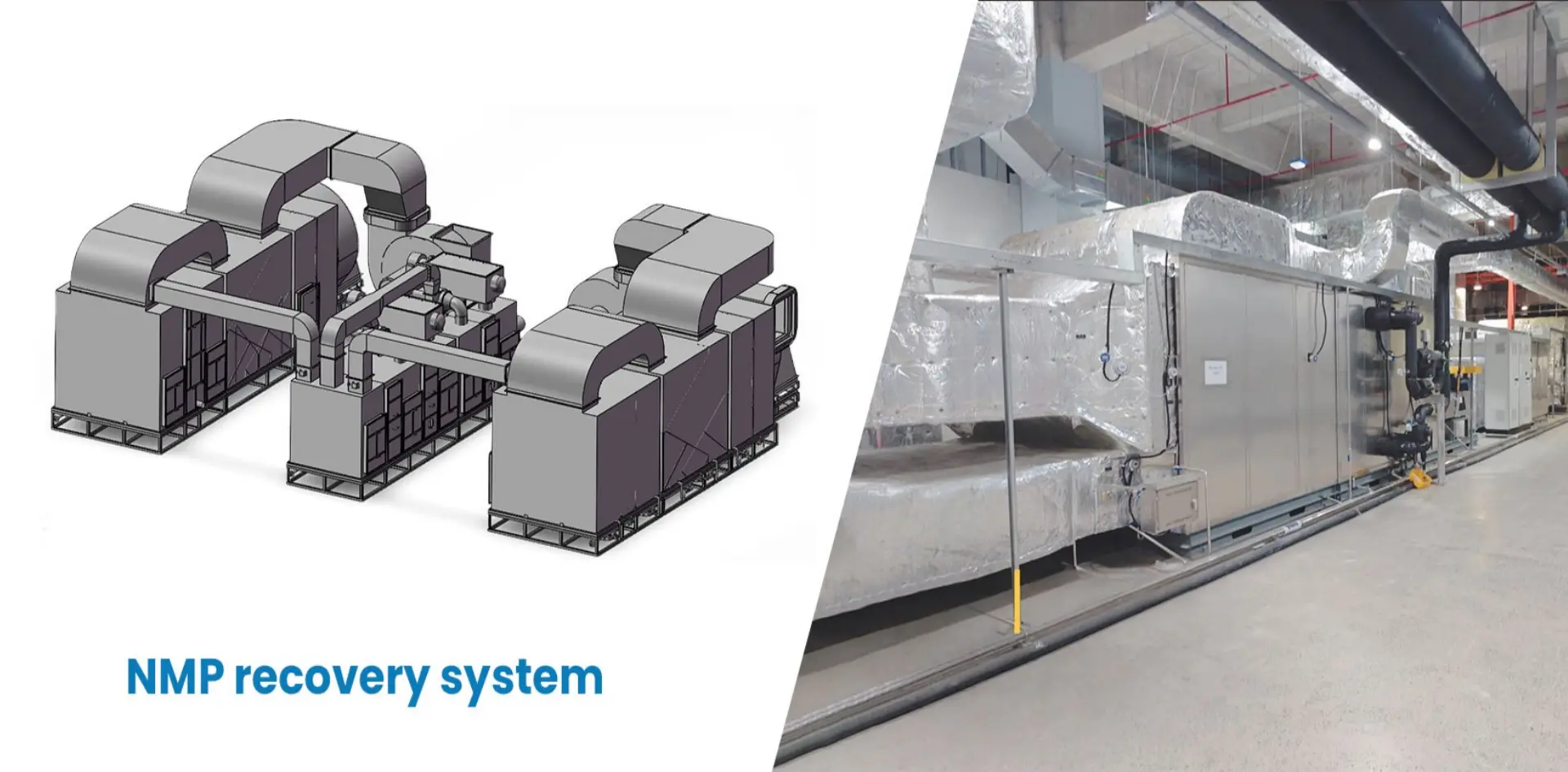
Designed for lithium-ion battery electrode drying ovens. Condenses and strips N-Methyl-2-pyrrolidone vapors with over 99% pure recovery efficiency.
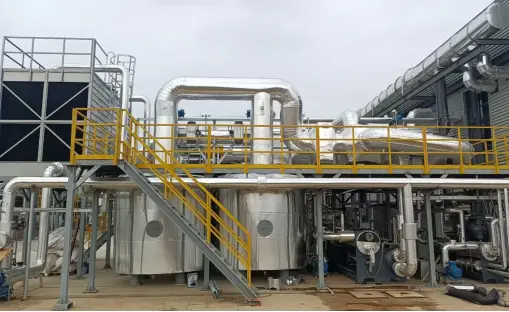 Cooling + RTO
Combines dual deep-condensation chillers with regenerative thermal oxidizers (RTO) to neutralize hazardous exhaust gases and ensure strict EPA compliance.
 Hybrid Cooling
Compressor-driven high-latent moisture removal machines ideal for initial air pre-cooling, bulk dry storage warehousing, and baseline factory RH regulation.
 GMP Certified
Sanitary stainless-steel construction with antimicrobial silica gel desiccant rotors, HEPA filtration integration, and CIP validation compliance for drug manufacturing.
 GJB Standard
Ruggedized environmental control units built under the GJB national military standard to preserve tactical hardware, naval storage holds, and aviation electronics.
 Ultra-Clean Class 1
Sub-ambient absolute humidity stabilizers formulated specifically for silicon wafer lithography, optoelectronics fabrication, and cleanroom air handlers.
Industrial humidity control has evolved from a passive facility-management utility into a critical determinant of process yield, battery cell energy density, and chemical reaction stability. As manufacturing sectors transition to ultra-precision thresholds, the limits of conventional mechanical vapor-compression systems have become obvious.
Modern electric industrial dehumidifiers are replacing inefficient steam-tube and direct-gas-fired reactivation heaters with smart solid-state electric heating elements, heat pump heat recovery, and ceramic PTC matrices. This shift reduces thermal standby losses while pairing directly with zero-carbon industrial power grids.
The development of synthesized 3Å and 4Å molecular sieve rotors has revolutionized adsorption isotherms. These honeycomb matrices enable steep moisture adsorption rates even at entering relative humidities below 2%, making uninterrupted supply dew points of -60°C to -70°C technically and commercially viable at scale.
By integrating multi-channel psychrometric sensors with variable-frequency fan drives (EC fans) and pulse-width modulated regeneration heat loops, modern systems calculate moisture enthalpy changes in real time. They dynamically throttle energy consumption based on fluctuating ambient weather and shifting personnel headcounts.
International EPC contractors, tier-one battery manufacturers, and pharmaceutical holding groups demand verified equipment performance, predictable total cost of ownership (TCO), and cross-border compliance. Today’s industrial procurement matrix focuses heavily on three critical factors:
Industrial dehumidifiers are often the largest non-process electrical load in a cleanroom, consuming up to 35%–45% of total HVAC power. Global buyers look for heat recovery modules, sensible exhaust heat exchangers, and closed-loop reactivation air systems that reduce OPEX while operating within tighter localized carbon tax frameworks.
Global expansion requires equipment certified across diverse electrical and safety standards. DryAir’s factory designs adhere strictly to CE, UL, CSA, ASME, and EAC specifications, streamlining safety sign-offs from North America to the European Union and Eurasian Economic Union.
Split contracts between panel fabricators, rotor suppliers, refrigeration specialists, and balance-of-plant installers frequently create accountability gaps when dew points fluctuate. Turnkey delivery guarantees complete system integration—from preliminary psychrometric sizing through structural validation and final commissioning.
Hangzhou DryAir Treatment Co., Ltd. (founded in 2010 in Qingshan Industrial Park, Hangzhou) operates a digitally connected, vertically integrated manufacturing facility. By pairing advanced thermodynamic testing with agile fabrication, we overcome the extended lead times common among Western legacy suppliers.
Complete in-house sheet metal laser profiling, CNC punching, polyurethane foam injection for airtight thermal break panels, and dedicated electrical assembly panels ensure tight quality and cost control at every stage.
Our operations are certified under ISO 9001 and the demanding GJB National Military Standard. Every dehumidifier undergoes multi-point operational testing before leaving our facility.
Our dedicated environmental test lab simulates tropical monsoon humidity (95% RH at 38°C) and sub-zero Arctic air, validating airflow volume, static pressure, and dew points down to -70°C prior to shipping.
With 74 in-house engineers, doctoral specialists, and registered HVAC professionals, we understand the practical failure modes—such as personnel latent loads and seal degasification—and design them out from day one.
Atmospheric challenges vary by geography and process chemistry. Discover how DryAir systems safeguard high-value manufacturing lines worldwide—from North American gigafactories to tropical production hubs across Southeast Asia.
Challenge: Moisture reacting with lithium salt ($LiPF_6$) produces corrosive hydrofluoric acid ($HF$), degrading battery cell life and creating severe fire risks during electrolyte filling.
Solution: DryAir installed multi-rotor desiccant air handlers delivering continuous 120,000 m³/h airflow at -60°C to -70°C dew point for leaders like CATL, BYD, Tesla, and Northvolt.
Challenge: High ambient humidity causes effervescent powders to cake, blocks packaging dies, and prevents soft gelatin capsules from curing correctly.
Solution: Deployed stainless-steel DHU clean-room dehumidifiers holding 15%–20% RH at ±1.5% stability across sterile processing suites, compliant with international GMP standards.
Challenge: Massive quantities of vaporized NMP solvent exhausted during cathode drying threaten local air quality and escalate raw material expenses.
Solution: Engineered a multi-tier closed-loop condensation and scrubbing system (ZJRH Series) that recovers ≥99% of high-purity solvent for direct recycling in slurry prep.
Choosing the right dew point target is essential. Specifying too loose compromises product yields; specifying too tight increases capital investment and operating costs. Use this field-tested baseline guide for your RFQ evaluations:
| Application Sector | Operating Humidity Target | Critical Dew Point | Recommended System Configuration | Primary Industrial Risk Addressed |
|---|---|---|---|---|
| Lithium-ion Cell Assembly & Filling | < 0.5% RH @ 22°C | -40°C to -60°C DP | Turn-key Dry Room System | $HF$ acid creation, electrolyte crystallization |
| Solid-State & Lithium-Metal Cells | < 0.1% RH @ 20°C | Down to -70°C DP | DHU Rotary Desiccant Dehumidifier | Metallic lithium violent passivation breakdown |
| Electrode Cathode Drying Exhaust | Continuous Evacuation | Dew Point Variable | NMP Recovery System (≥99%) | Solvent loss, toxic atmospheric emissions |
| Pharmaceutical Powders & Packaging | 10% – 30% RH @ 21°C | -10°C to -25°C DP | Desiccant Dehumidifier | Caking, altered dissolution rates, GMP fail |
| Military Avionics & Ammo Storage | ≤ 40% RH @ Ambient | +2°C to -5°C DP | GJB-Spec Desiccant Unit | Corrosion, propellant degradation, electrical shorting |
| Bulk Raw Warehousing & Logistics | 45% – 60% RH | +8°C to +12°C DP | Refrigerative Dehumidifier | Mold development, packaging degradation |
| Petrochemical Loading & Tank Depots | Vapor Extraction | Deep Condensation | VOC Abatement + RTO Unit | VOC limits violation, fire/explosion danger |
*Note: Final psychrometric sizing requires calculations based on building envelope infiltration, personnel sensible/latent loads, and makeup air volumes. Consult DryAir’s application engineering team for an exact thermal balance sheet.
A dependable ultra-dry room relies on tight integration between structural design, air distribution, and dynamic control loops. DryAir’s standardized five-stage execution process eliminates integration bottlenecks and keeps project schedules on track:
Review process chemistry, door openings, room pressurization, and local weather patterns to establish precise moisture targets.
CFD air distribution modeling, rotor bypass calculations, energy recovery integration, and detailed electrical schematic design.
CNC sheet metal processing, anti-leakage framing, automated panel foaming, and pre-commissioning testing in our in-house lab.
On-site mechanical placement, ductwork balancing, enclosure sealing, and sensor calibration by factory technicians.
Third-party dew point validation, SCADA commissioning, operator training, and ongoing support backed by an optional 2-year service package.
Explore peer-level engineering notes, troubleshooting walkthroughs, and practical guides from real manufacturing plants to help refine your facility specifications.
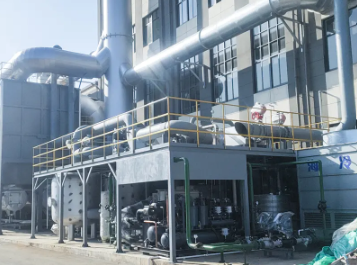 VOC White Paper
An engineering breakdown of multi-stage cooling loops that recover volatile hydrocarbons during fuel terminal handling and bulk petrochemical loading operations.
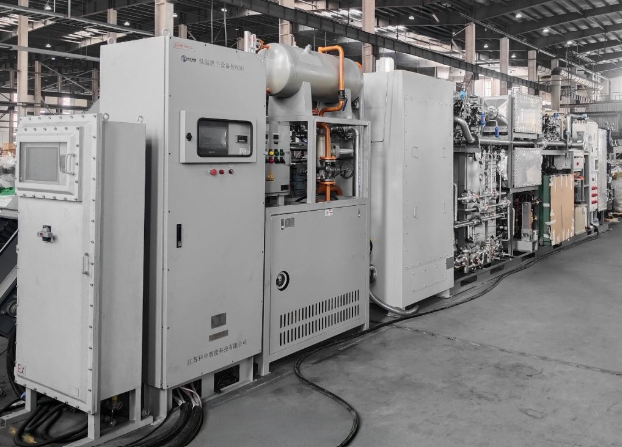 Battery Chemistry
Key strategies for optimizing chilled water cooling surfaces, balancing airflow pressure drops, and maintaining solvent recovery purity above 99% during non-stop production.
GMP Compliance
A guide to preventing moisture-induced chemical degradation, sticking, and packaging failures in hygroscopic formulations through targeted low-dew-point HVAC engineering.
Clear, definitive answers to the performance, engineering, and compliance questions plant managers and procurement teams ask most often.
Every machine is tailored to exact facility parameters—combining high CFM handling, custom duct layouts, smart enthalpy recovery, and PLC-controlled electric heating.
High Volume
Heavy-duty industrial air volume management (1,000 to 150,000 m³/h). Features double-wall thermal-break framing and premium synthesized honeycomb rotors.
 -50°C DP Class
Custom insulated cleanroom construction featuring walk-in airlocks, interlocked pass-through chambers, and sealed LED lighting for high-throughput cell manufacturing.
 Dual Chilling
Specialized heat-recovery condensing unit that extracts NMP solvent from coater oven exhaust while capturing waste thermal energy for intake air pre-heating.
 Thermal Oxidation
High-temperature thermal oxidation system delivering >99.2% VOC destruction. Features ceramic heat-retention beds to maintain low operating fuel consumption.
Pre-Cooling
Removes bulk moisture ahead of secondary desiccant stages, significantly reducing the energy required for ultra-low dew point air treatment.
 Modular Design
Compact, skid-mounted air handlers built for rapid cleanroom integration. Ideal for pharmaceutical packaging, laboratories, and precision electronics.
 Heavy Industrial
Features high-output electric reactivation coils, SCR stepless heating modulation, and integrated air-to-air heat exchangers for demanding drying cycles.
Engineering Support
Tailored OEM/ODM engineering services for global system integrators and turnkey cleanroom contractors, supported by comprehensive engineering documentation.