
Industrial Food-Grade Desiccant Dehumidifiers & Environmental Systems
Factory-verified rotary desiccant systems, low dew point dry rooms, and VOC-recovery suites built to satisfy stringent FDA, EHEDG, and cGMP standards for hygiene, product stability, and thermal efficiency.
 DP -70°C Stable
DHU Food Desiccant Dehumidifier
High-efficiency synthesized silica gel rotor engineered for food powder spray towers, packaging suites, and sugar-coating lines requiring uncompromised humidity stability.
View Specifications Turnkey EPC
Hygienic Turn-key Clean Dry Room
Complete modular sealed cleanrooms engineered with anti-microbial wall panels, laminar air distribution, and integrated desiccant control for ultra-hygroscopic ingredients.
Explore Dry Rooms Efficiency ≥99%
ZJRH Closed-Loop Recovery System
Engineered solvent and vapor containment architecture designed for high-efficiency closed recycling, reducing operational costs and maintaining continuous environmental compliance.
Learn More Deep-Cooling + RTO
JEN Series Exhaust Abatement System
Regenerative thermal oxidation and deep-cooling condensation arrays configured for industrial processing exhaust, flavor essence recovery, and zero-odor clean emissions.
Explore Abatement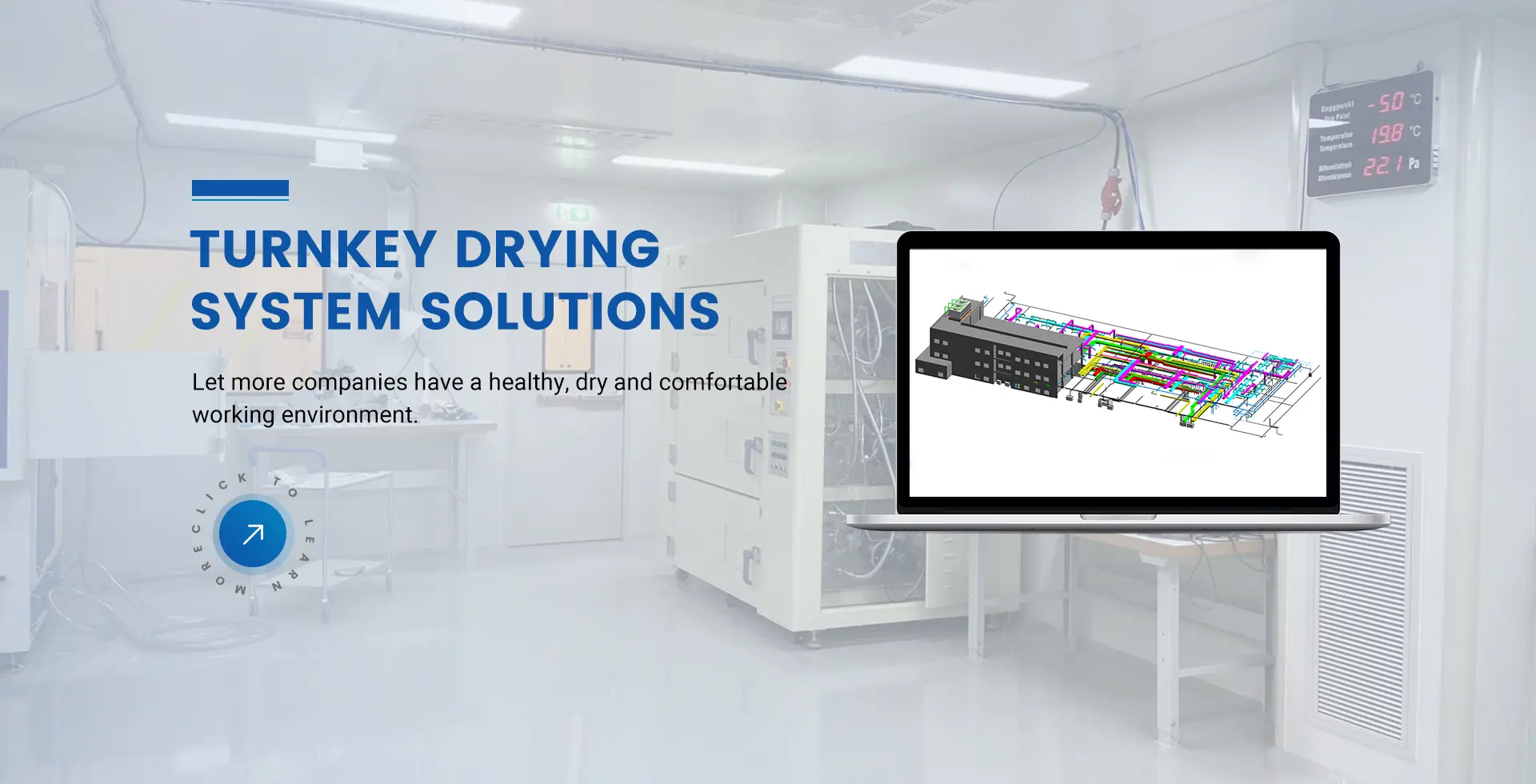 High Airflow Rotor
Heavy-Duty Rotary Dehumidifier
High-capacity desiccant air handlers capable of conditioning 50,000+ CMH for automated meat curing rooms, cold-chain staging docks, and large dairy packaging facilities.
View Specifications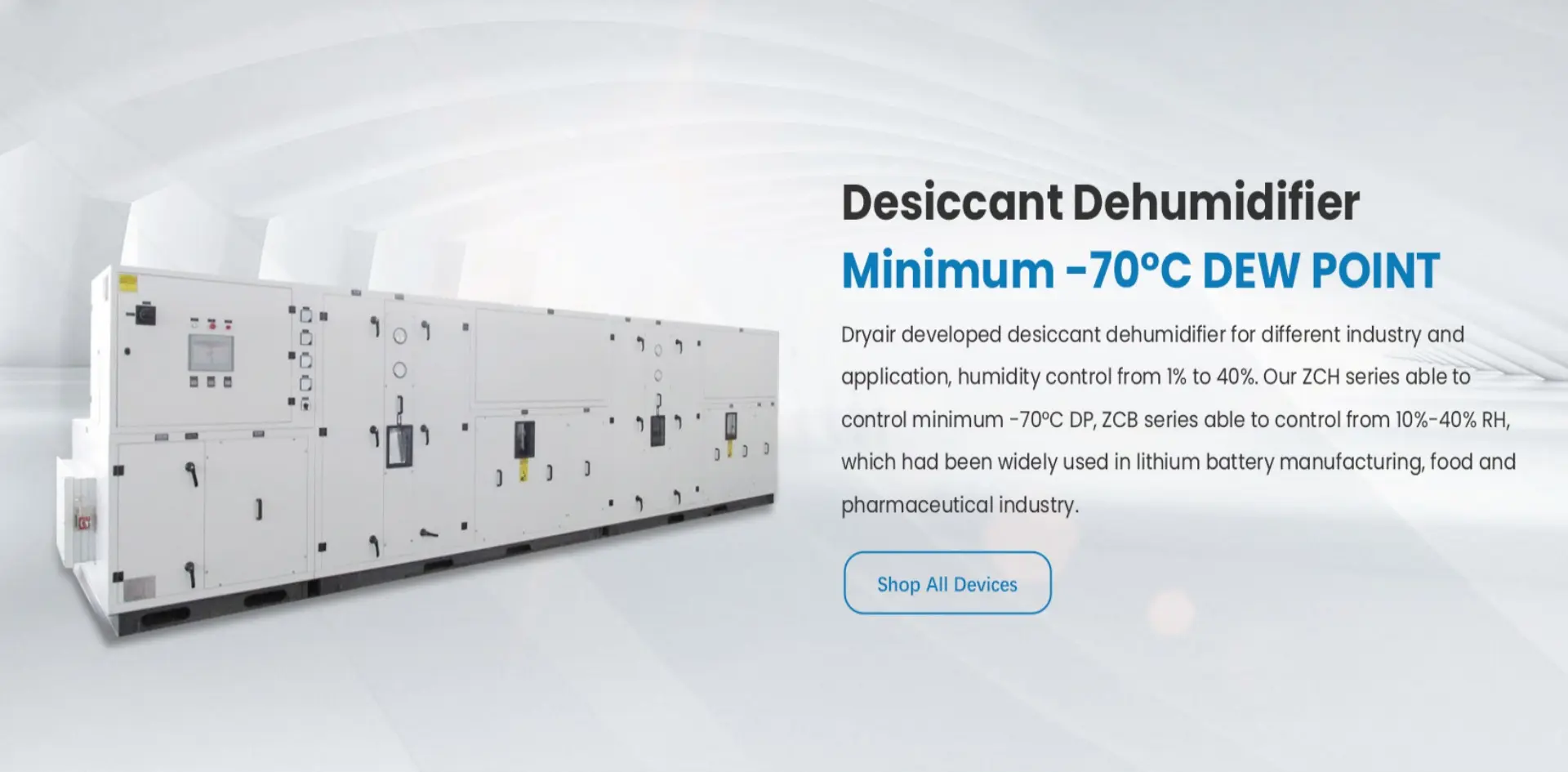 SS304/SS316 Build
Sanitary Food Powder Dry Room
Full stainless-steel interior enclosures designed for infant formula dry-blending, probiotic handling, and gelatin capsule sealing under strict micro-climate regulation.
Explore Solutions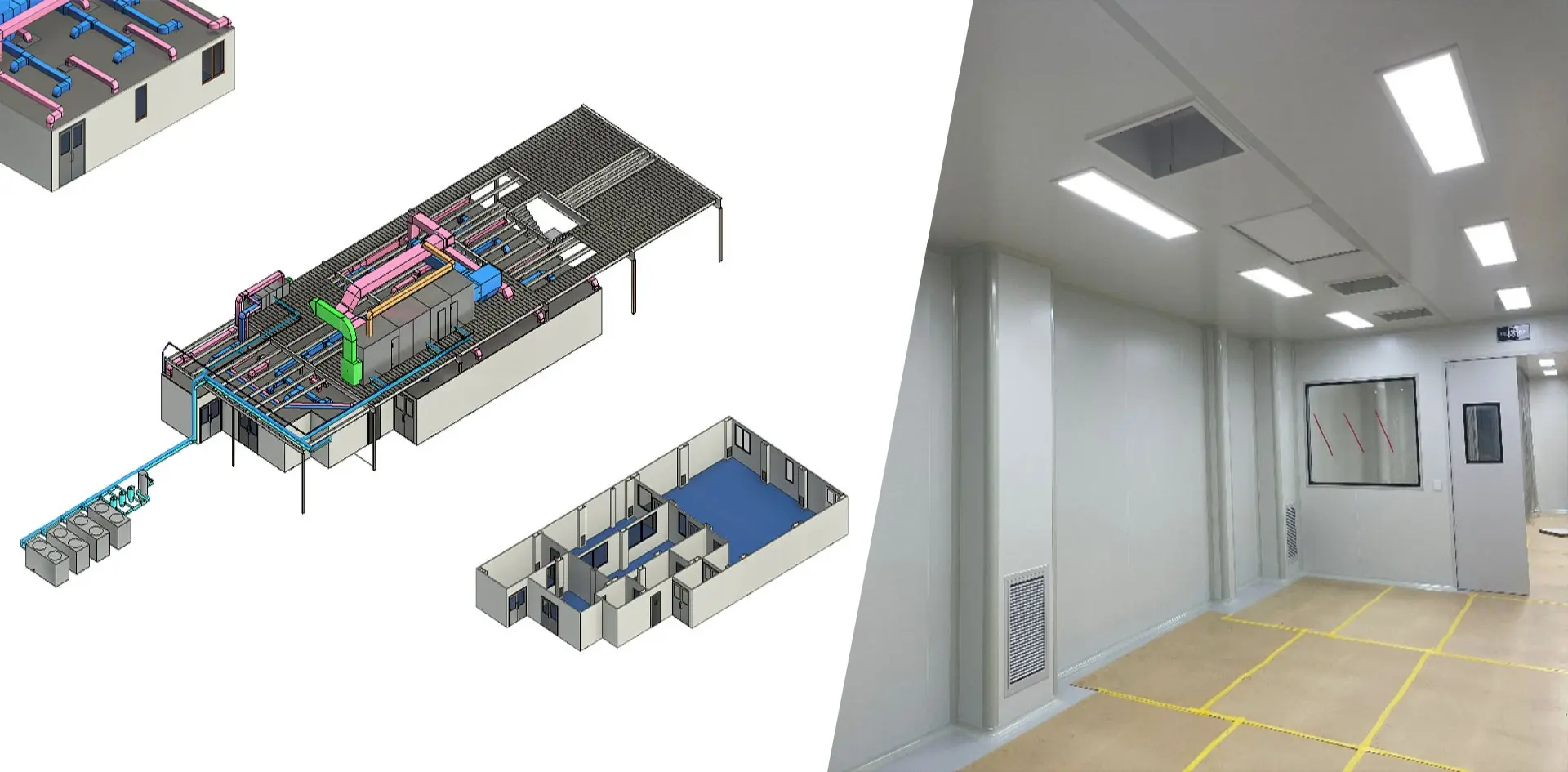 Continuous Cycle
Pre-Cooling Refrigerative Dehumidifier
Primary stage condensation dehumidifiers engineered to strip bulk moisture loads prior to desiccant rotors, maximizing operational COP and cutting electricity demand.
View Refrigerative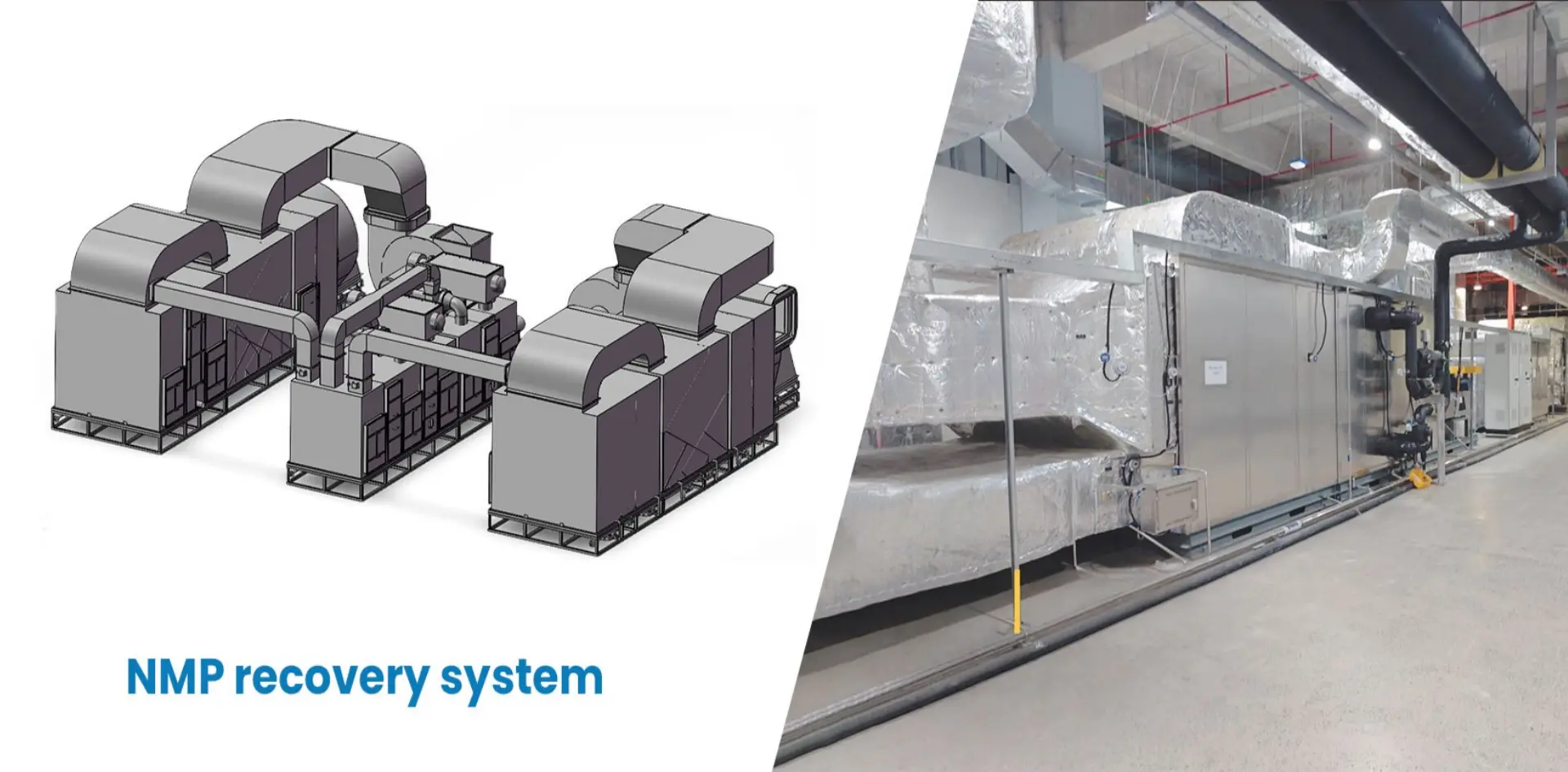 Energy Recycling
Integrated Waste Heat Desiccant Unit
Custom engineered desiccant air treatment systems harnessing plant waste steam or hot water for wheel reactivation, slashing primary thermal consumption by over 40%.
Get Technical DataThe Macro Landscape of Food Desiccant Dehumidification
Why precision sorption dehumidification has transitioned from a niche processing advantage to a mandatory compliance prerequisite in modern commercial food manufacturing.
Across the international food processing ecosystem, uncontrolled airborne water vapor represents an insidious vector of batch degradation, microbial colonization, and product consistency failures. In industrial powder handling, confectionery manufacturing, spray drying, and meat fermentation, relative humidity (RH) variations of as little as ±5% can induce irreversible powder agglomeration, hygroscopic clumping in pneumatic transfer ducts, mold proliferation, and prolonged drying cycle times. While traditional mechanical refrigeration dehumidifiers operate effectively in warm, high-moisture airflows (above 15°C and down to approximately 40%–50% RH), they experience thermodynamic frost formation and catastrophic efficiency penalties when tasked with maintaining relative humidity levels below 35% or dew points beneath 5°C.
This technical boundary is where industrial food desiccant dehumidifiers excel. By leveraging cellular honeycomb rotors permanently impregnated with synthesized metal silicate or molecular sieve desiccants, sorption systems extract vapor directly from process airstreams via chemical potential and moisture adsorption without condensation cooling. Consequently, processing chambers can consistently maintain supply air at controlled dew points from -20°C down to -70°C regardless of external weather variations, ambient monsoon moisture, or extreme seasonal swings.
In the contemporary commercial sector, food brand owners face mounting challenges regarding energy inflation and strict carbon reduction mandates. Because traditional sorption reactivation requires high temperatures (ranging from 120°C to 140°C), modern desiccant systems must feature intelligent heat-recovery architectures. Hangzhou DryAir addresses this imperative by integrating secondary heat-exchangers, reactivation energy purge sectors, and waste steam/glycol coils, dramatically shrinking lifecycle kilowatt-hour (kWh) consumption per kilogram of removed water vapor.
Preventing Microbial Spoilage
Microorganisms, bacteria (such as Salmonella and Listeria), and fungi require an equilibrium relative humidity above 65% ($a_w > 0.65$) to propagate. Holding packaging suites at 20%–30% RH naturally halts bacterial proliferation without resorting to chemical sanitizers.
Accelerating Drying Cycles
In gelatine capsule curing, pasta drying, and dry-cured charcuterie aging, vapor pressure differential governs water extraction speed. Controlled desiccant airflow boosts evaporation velocity without requiring destructive heat that damages protein structures.
Pneumatic Conveyance Reliability
Air used for pressurized blowing of flours, starches, and beverage crystals must maintain a dew point strictly below the coldest piping junction along the facility. DryAir systems eliminate pipe condensation and silo crusting completely.
Hangzhou DryAir: Chinese Factory Efficiency & Scale
How our vertically integrated production base in Lin'an, Hangzhou, delivers Western-tier engineering fidelity with industry-leading delivery agility and capital efficiency.
Founded in 2010, Hangzhou DryAir Treatment Co., Ltd. has grown into an international engineering benchmark, commanding over 30% of China's advanced desiccant dehumidification market and ranking solidly among the nation's top three manufacturers. Backed by rigorous military-grade quality protocols (GJB standard) and certified ISO 9001 systems, DryAir has mastered ultra-low dew point air handling at gigafactory scale—serving the most exacting global battery makers like Tesla, Northvolt, CATL, BYD, ATL, EVE Energy, and SVOLT.
This identical rigor is directly transferred into our food-grade desiccant air treatment systems. By leveraging an integrated manufacturing infrastructure capable of building more than 200 large-scale units per month, Hangzhou DryAir provides unique commercial advantages to global food processing clients:
Military & Industrial Precision
Our manufacturing pipelines operate under both ISO 9001 and China's GJB national military standard. Every sheet-metal junction, double-skin casing panel, and welded stainless frame meets strict anti-leakage and anti-thermal-bridging specifications.
In-House Test Labs & Validation
Unlike simple system integrators who assemble off-the-shelf parts, Hangzhou DryAir maintains full-scale environmental simulation test chambers, running full psychrometric load verifications before export dispatch.
Cost & Lead-Time Supremacy
Rooted in the Yangtze River Delta industrial manufacturing corridor, DryAir compresses production cycles from typical European 26-week lead times down to 8–12 weeks, paired with 30%–45% direct CAPEX savings.
Localized Food Industry Application Scenarios
Detailed engineering parameters and psychrometric requirements across the most moisture-vulnerable commercial food and pharmaceutical processing disciplines.
| Food Application | Moisture Risks & Failure Modes | Required RH / Dew Point | Recommended System Architecture |
|---|---|---|---|
| Infant Formula & Dairy Blending | Lactose hygroscopicity leads to caking, microbial growth, and powder clumping in cyclones and filling hoppers. | 15% – 25% RH Dew Point < -5°C |
Hygienic Turn-key Clean Dry Room with HEPA filtration and SS304 interior. |
| Confectionery & Chocolate Panning | Moisture condensation on enrobed chocolate ruins gloss (sugar bloom), while gummy starch molds absorb moisture and soften. | 20% – 35% RH Dew Point -10°C to 2°C |
DHU Rotary Desiccant Dehumidifier with chilled-water pre-cooling stage. |
| Pneumatic Powder Conveying | Warm conveying air cools against plant walls, condensing water droplets that form rock-hard powder clogs in transit piping. | Dew Point -20°C to -40°C | Low Dew Point Sorption Dehumidifier coupled with high-pressure blowers. |
| Gelatin & Softgel Capsule Drying | High drying temperatures melt gelatin; excessive humidity causes capsules to collapse, warp, or adhere into clusters. | 15% – 20% RH Temp 20°C – 24°C |
Precision Tumble Drying Air Handler with continuous closed-circuit recycling. |
| Dry-Cured Meat & Fermented Salami | Premature casing dry-out ("case hardening") traps internal water, inducing anaerobic spoilage; too wet fosters undesirable black mold. | 60% – 75% RH (Graduated Ramp) |
Refrigerative & Desiccant Hybrid System featuring reversible airflow dampers. |
| Cold Storage & Blast Freezing Docks | Ambient air infiltrating freezer entrances generates blinding fog, thick ice on floors, and evaporator coil frost fouling. | Dew Point < -25°C (Air Curtain Injection) |
Continuous Anti-Frost Sorption Handler with deep low-temperature seals. |
Trends Transforming Food Air Dehumidification
From thermodynamic heat-pump assisted regeneration to artificial intelligence cloud analytics, explore the innovations redefining food plant energy budgets.
Heat-Pump Hybrid Reactivation
Traditional electric reactivation consumes high energy. Hangzhou DryAir pioneers multi-stage heat pump integration, utilizing compressor heat rejection to preheat reactivation air up to 80°C, lowering electric heater draw by 45%–60%.
Smart Psychrometric IoT Control
Advanced DryAir systems incorporate variable frequency drives (VFD) on rotor motors and process fans, modulated dynamically by real-time predictive algorithms that track exterior ambient vapor grains and factory production schedules.
Sanitary Anti-Bacterial Rotors
Next-generation honeycomb sorption wheels feature bactericidal chemical matrices that prevent biofilm formation during seasonal shut-downs, verified inorganic structures that shed zero desiccant dust into pure food airstreams.
Global Procurement Specifications & Compliance Standards
What international plant engineers, QA compliance officers, and HVAC procurement directors evaluate when auditing dehumidification OEMs for mission-critical facilities.
Sanitary Construction & Food Safety Directives
Food and beverage production equipment is held to incomparable hygienic standards compared to baseline commercial HVAC. International buyers must strictly ensure their sorption dehumidifier suppliers comply with European Hygienic Engineering & Design Group (EHEDG) guidelines and US FDA 21 CFR regulations:
- Thermal-Break Double-Skin Enclosures: AHU casings must feature polyurethane or rockwool insulation with zero inner-skin sheet thermal bridging to prevent surface condensation on exterior plant walls.
- Stainless Steel Product Contact Zones: Internal air-wash areas, drip pans, and downstream duct connections must utilize food-grade SS304 or SS316 with continuous smooth, non-porous TIG welds.
- Zero Particulate Delamination: Desiccant rotors must be certified for non-flaking silica crystallization. DryAir sorption wheels undergo vibration and air-jet stress tests to ensure zero grain contamination downstream.
Electrical, Pressure & Mechanical Certifications
To safely install and operate overseas across the Americas, Europe, and Asia-Pacific, equipment must adhere to destination regulatory frameworks. Hangzhou DryAir systems are fully validated and certified with:
All electrical control enclosures can be configured to NFPA 79 or IEC 60204-1, integrating Allen-Bradley or Siemens PLC architectures with complete native English HMI displays and remote cloud telemetry.
Food Desiccant Dehumidifier Technical FAQ
Authoritative answers on psychrometric selection, energy consumption, sanitation, and global commissioning protocols.
Why is a desiccant dehumidifier preferred over standard refrigeration in food processing?
How does Hangzhou DryAir prevent desiccant particulate dust from contaminating food powders?
Can desiccant dehumidification systems utilize our plant's existing steam or waste thermal energy?
What is the typical lifecycle of a DryAir sorption rotor and what maintenance is required?
Does Hangzhou DryAir provide international turnkey commissioning and emergency field service?
Engineered Dehumidification Systems & Turnkey Modules
Shortlist our top industrial dehumidifier architectures, closed solvent recovery packages, and turnkey climate enclosures designed for rapid global deployment.
Silica Gel Rotor
Rotary Desiccant Dehumidifier (DHU)
Continuous adsorption moisture removal delivering constant dew points down to -70°C for food ingredient drying, battery dry rooms, and military preservation.
Request Technical Quote
Integrated EPC
Turn-key Dry Room System
End-to-end engineered low-humidity envelope systems encompassing airtight insulated wall panels, ductwork distribution, air handlers, and dew point controls.
Explore Turn-key EPC
Recovery ≥99%
NMP Solvent Recovery System
High-recovery condensing arrays designed to capture volatile vapors from industrial exhaust lines, ensuring extreme recycling yields and ultra-low stack emissions.
View Recovery Rates
RTO Destruction
VOC Abatement System (JEN)
Deep-cooling condensation paired with regenerative thermal oxidizer systems to eradicate industrial VOCs, process fumes, and persistent manufacturing odors.
Learn More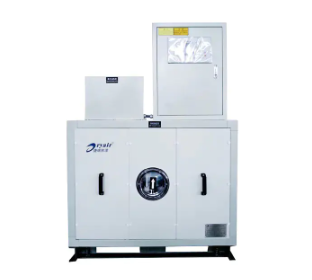 GMP / FDA Compliant
Food Grade Cleanroom Dehumidifier
Specialized stainless-steel packaged air handling systems equipped with washdown surfaces, microbial barrier filters, and ultra-precise microclimate humidity controls.
Request Technical Quote High Air Volume
Large Warehouse Environmental Unit
Engineered for large-volume seed preservation silos, starch warehousing, and cold chain shipping docks requiring 24/7 continuous condensation defense.
Explore Systems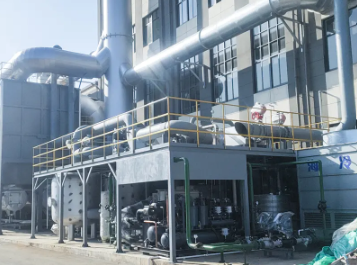 Zero Leakage Seal
Oil & Gas Vapor Condensation Unit
Deep-cooling condensation recovery engineered for hydrocarbon vapors, solvent storage depots, and chemical plant loading berths to stop fugitive venting.
View Specifications Ultra-Low OPEX
Energy-Recycling Sorption Package
Integrated double-wheel or heat exchanger dehumidifier packages that reuse wheel heat rejection to preheat process or regeneration airstreams, maximizing system COP.
Request Technical QuoteConsult with Hangzhou DryAir Psychrometric Specialists
Share your required process airflow (CMH), inlet air moisture content, and target room dew point. Our national registered HVAC engineers will return a complete psychrometric mass-balance calculation, equipment layout, and formal commercial proposal within 24 hours.