
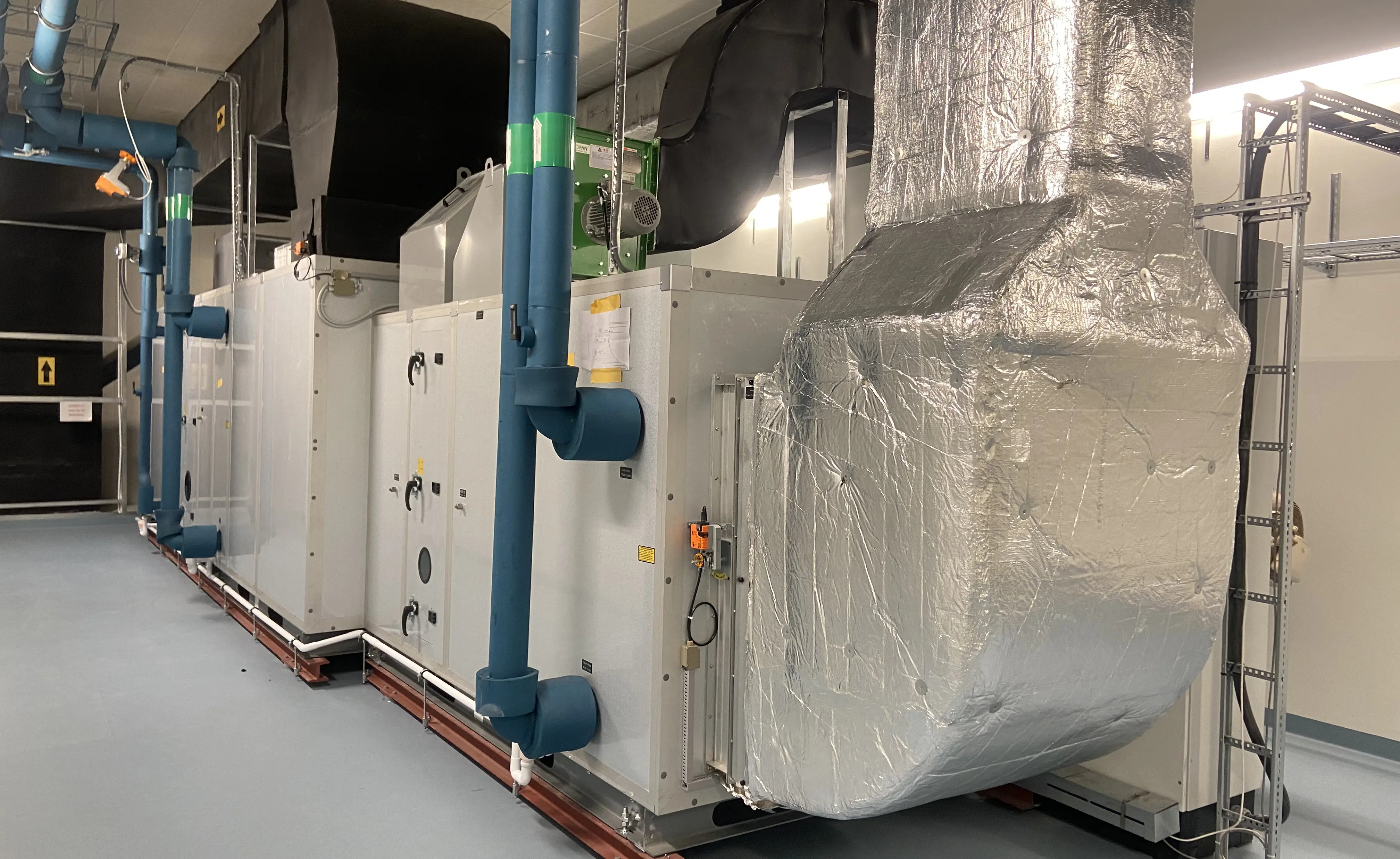
 DP -70°C Control
Industrial Desiccant Dehumidifier
High-efficiency silica gel and molecular sieve composite rotors providing relentless continuous supply air down to -70°C dew point for lithium battery dry environments.
View DehumidifiersExplore our foundational humidity control, VOC mitigation, and solvent conservation assemblies configured for high-throughput automated manufacturing.
DP -70°C Control
High-efficiency silica gel and molecular sieve composite rotors providing relentless continuous supply air down to -70°C dew point for lithium battery dry environments.
View Dehumidifiers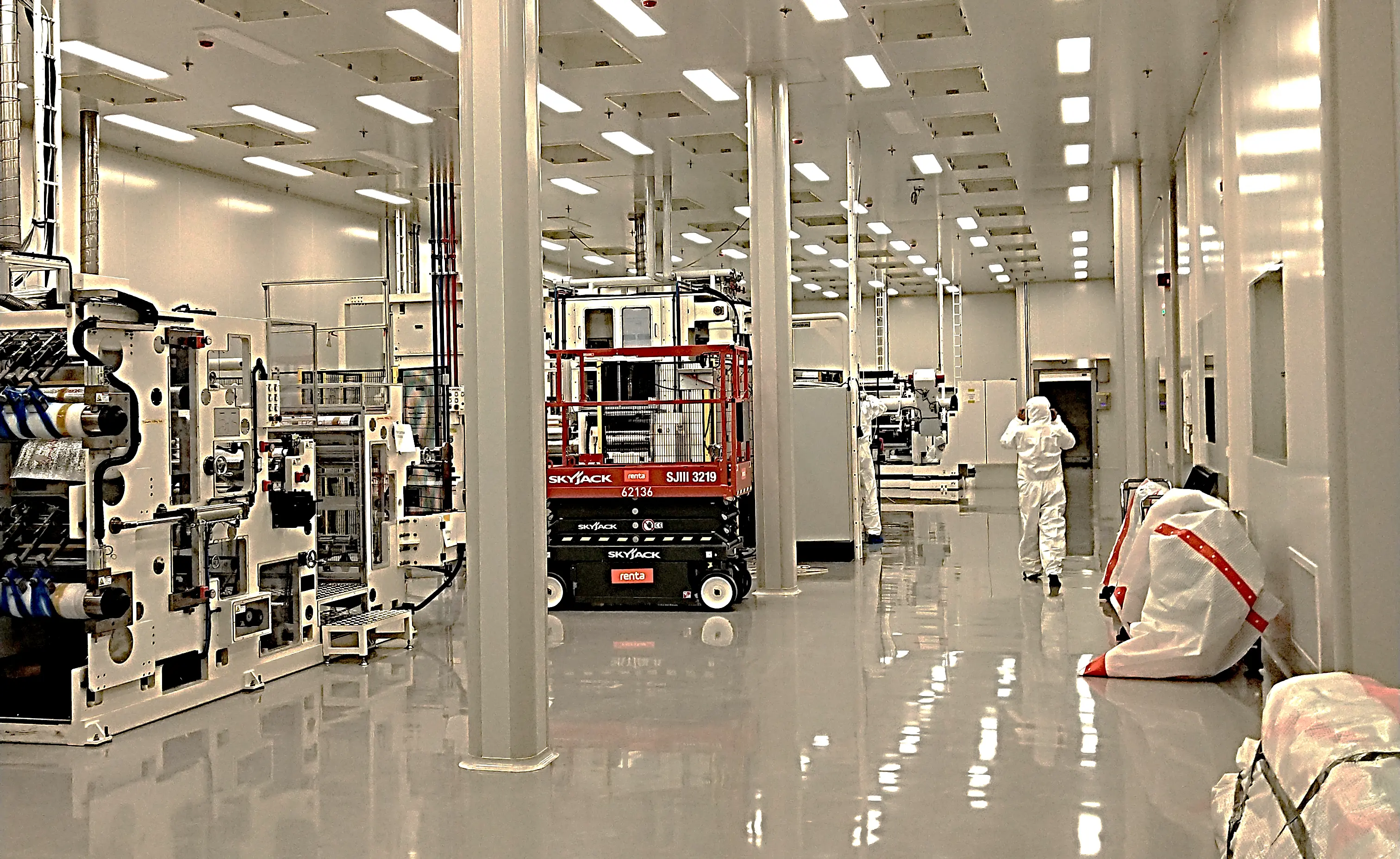 Full EPC Turnkey
End-to-end engineered cleanroom enclosures with integrated HVAC, cascade dew point sensors, airlock vestibules, and PLC dynamic balancing for gigafactories.
Explore Dry Rooms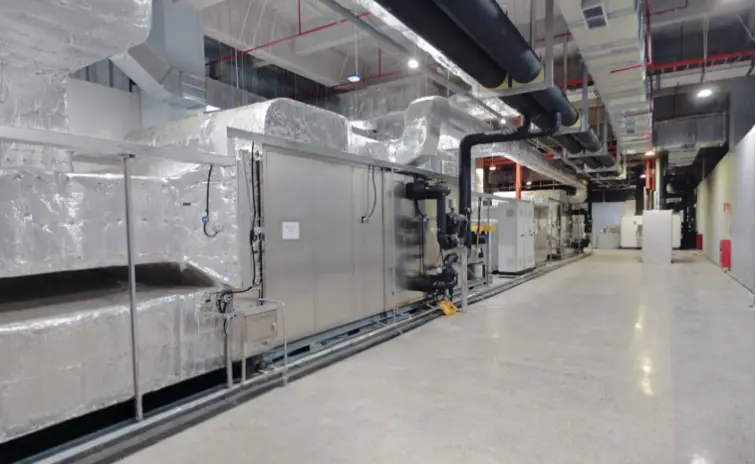 Recovery ≥99%
Multi-stage condensation and scrub absorption designed to capture N-Methyl-2-pyrrolidone from electrode coating lines, minimizing chemical consumption.
View NMP Systems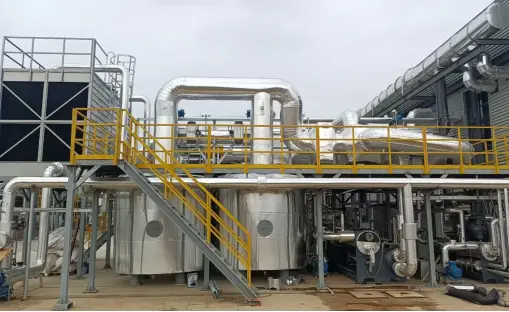 RTO + Deep Cooling
Deep-cooling condensation coupled with Regenerative Thermal Oxidizers (RTO) for chemical facilities, ensuring stringent environmental emissions compliance.
Abatement Specs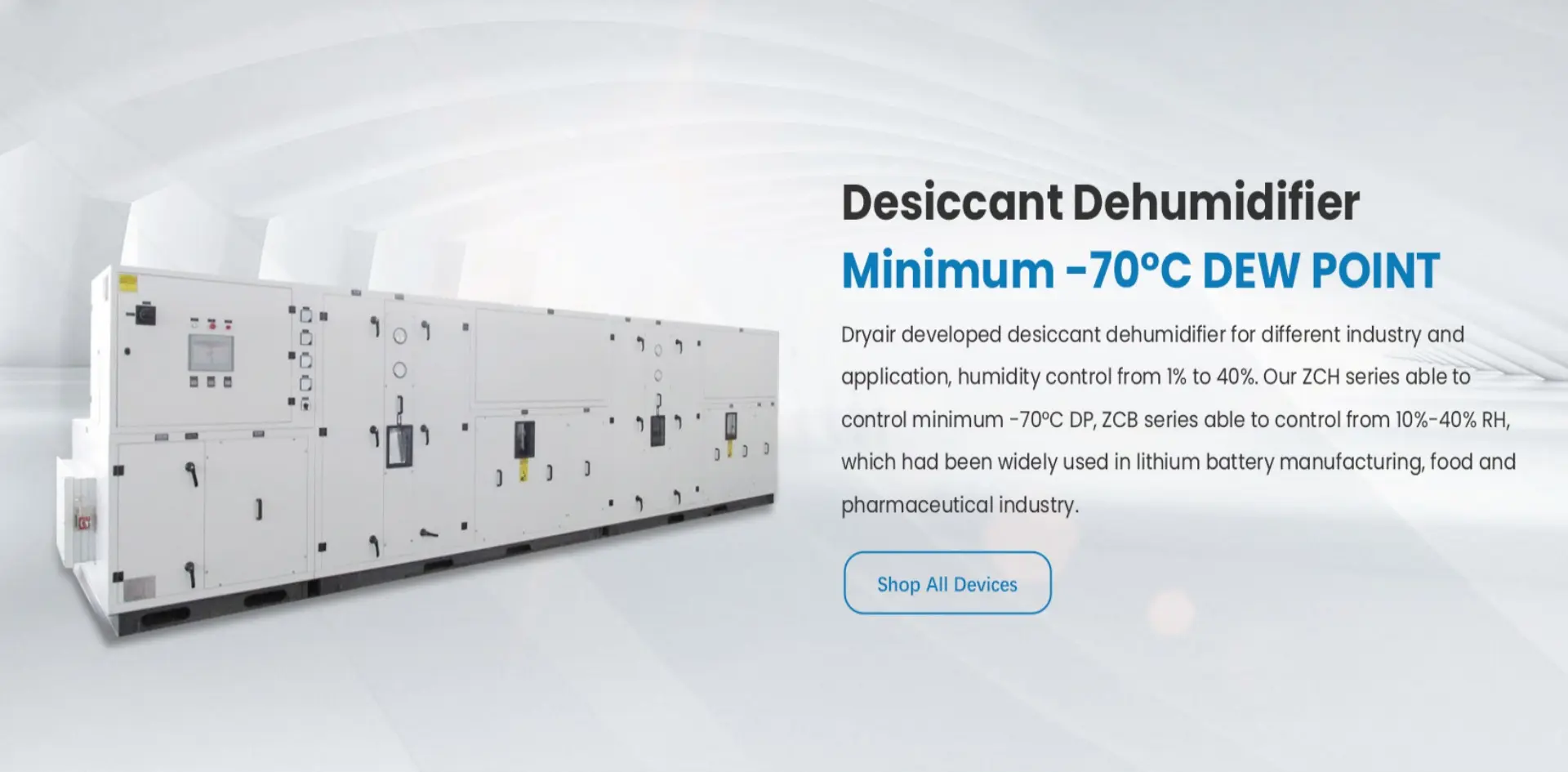 High COP Ratio
Compressor-driven sensible and latent heat removal units, acting as standalone industrial drying assets or pre-cooling stages for rotary desiccant circuits.
Refrigeration Series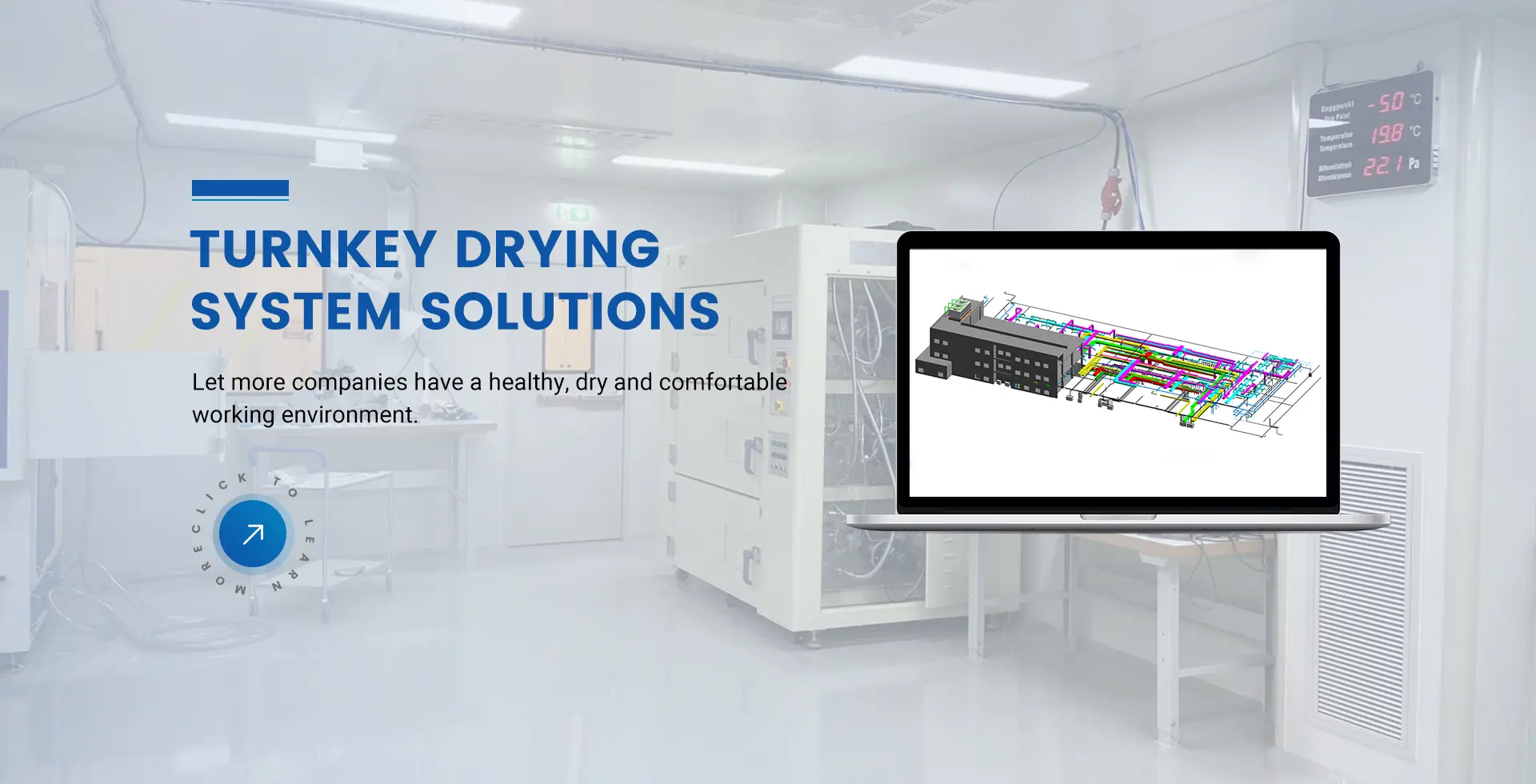 Ultra-Dry Series
Dual-rotor cascades with custom waste heat reactivation integration, sustaining high air volume outputs while drastically reducing kilowatt-per-pound removal costs.
View Modular Units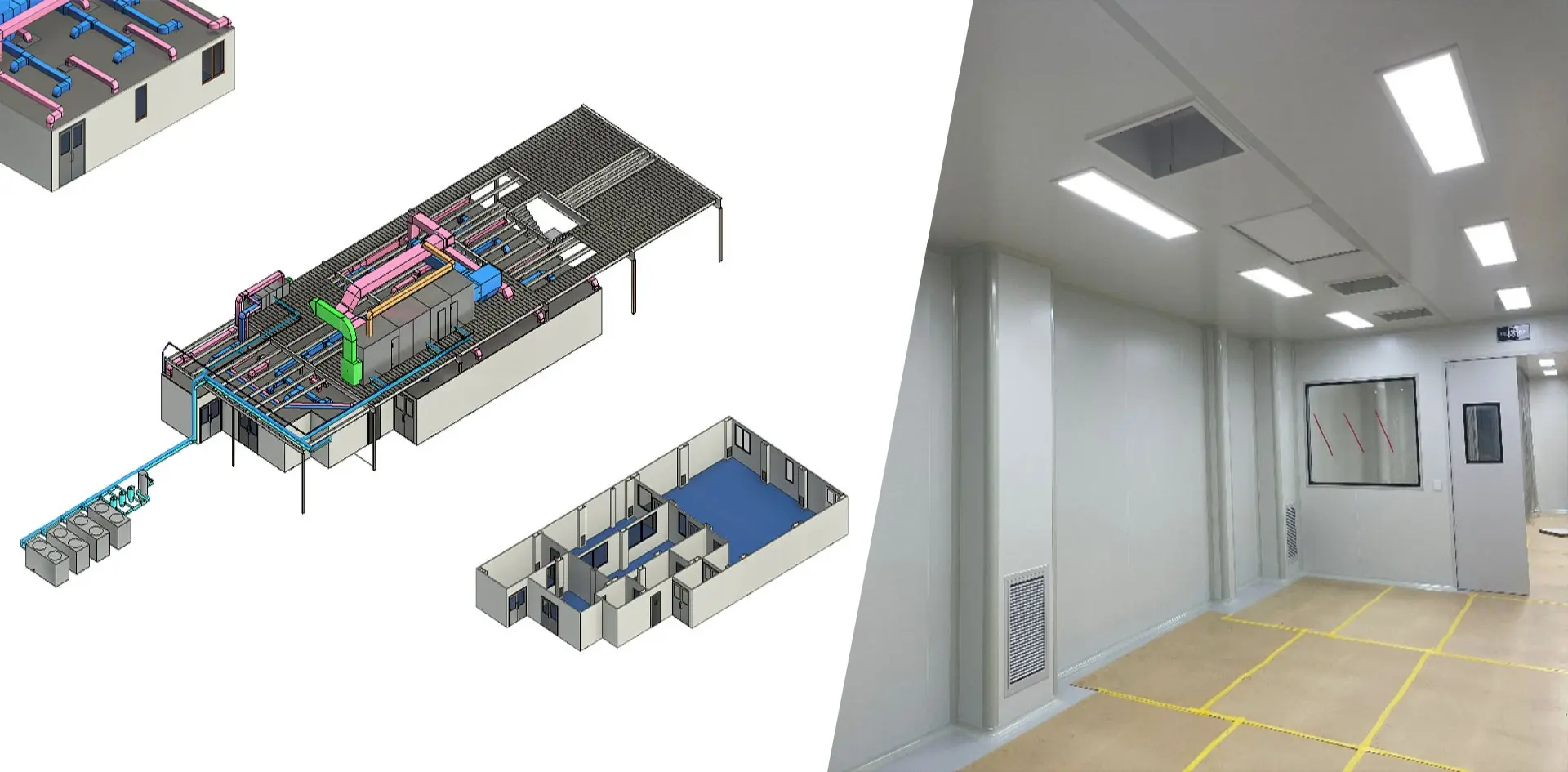 Waste Heat Reuse
Designed for battery gigafactory dry lines, capturing latent and sensible heat from regeneration exhaust loops to lower facility operational expenditures (OPEX).
Thermal Efficiency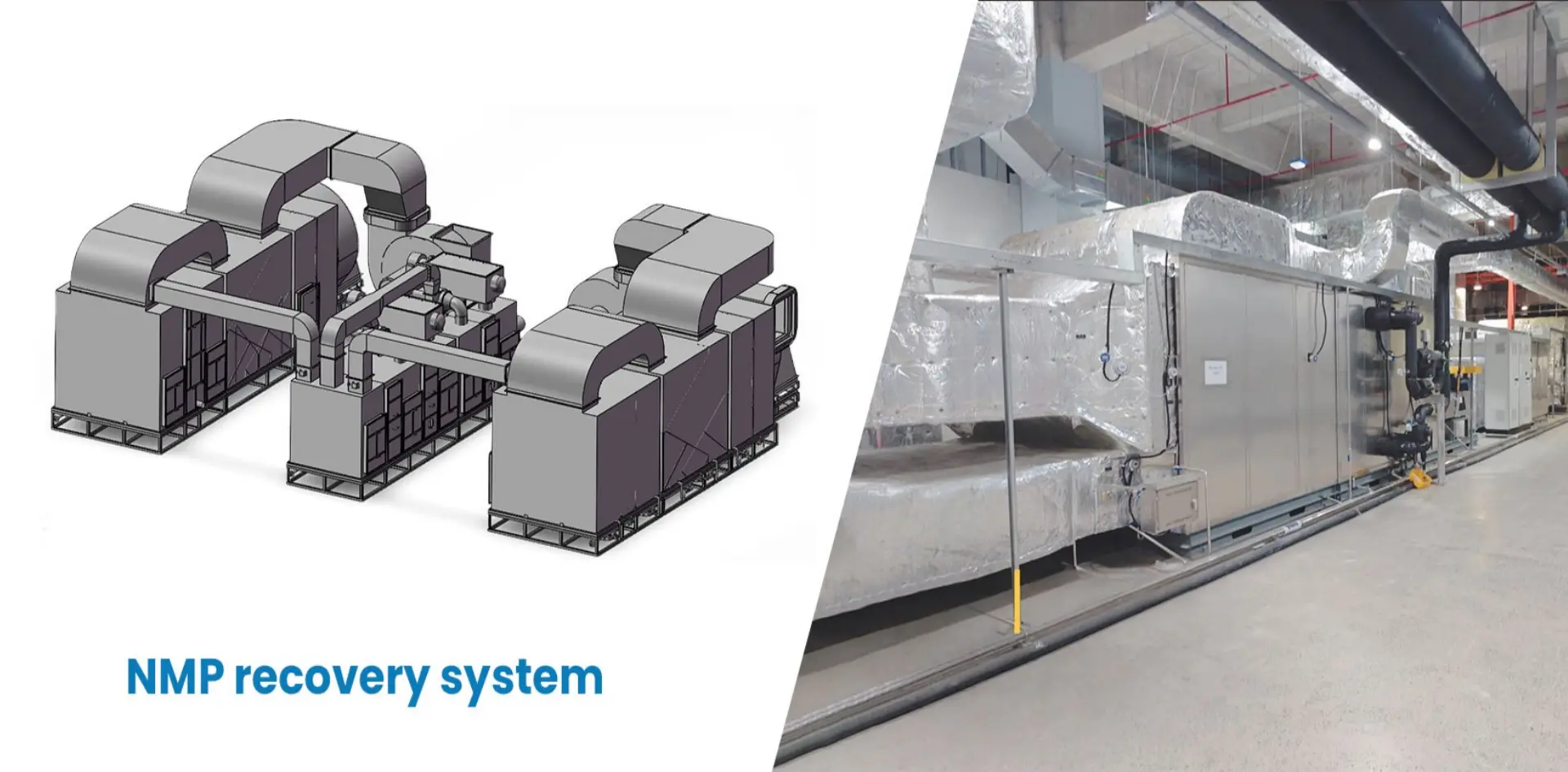 ASME & CE Built
Skid-mounted condensation abatement modules engineered for gasoline vapor, hydrocarbon fuel handling, and bulk storage emissions abatement globally.
Vapor SkidsIndustrial desiccant dehumidifiers have transitioned from specialized moisture extraction units into strategic capital equipment determining global high-tech manufacturing yields.
The global race toward electromobility has triggered unprecedented gigafactory construction. In lithium-ion and solid-state battery fabrication, moisture represents an existential threat: atmospheric vapor hydrolyzes LiPF6 electrolyte salts into corrosive hydrofluoric acid (HF). As production moves to multi-gigawatt facilities across North America, Europe, and Asia, air dehumidifiers are evaluated strictly by continuous -50°C to -70°C dew point stability across 100,000+ m³ envelopes.
Dehumidification historically represented over 40% of the HVAC utility consumption in battery dry rooms due to high-temperature thermal reactivation loops. Global carbon mandates and escalating utility tariffs have forced equipment suppliers to pioneer low-grade waste heat regeneration, thermal recovery heat exchangers, and composite desiccant matrices that reduce specific energy consumption (kWh/kg of removed water) by up to 35%.
Global procurement teams face severe regulatory discrepancies when commissioning environmental skids. Units bound for North America must adhere to UL 1995/60335 and CSA C22.2 electrical codes and ASME pressure vessel certifications; equipment entering the EU requires Pressure Equipment Directive (PED) and Machinery Directive CE conformity; whereas EAEU cross-border installations require EAC certification.
From adsorbent molecular chemistry to sensor-driven algorithmic airflow moderation, the industry is experiencing four pivotal transformations.
Traditional pure silica gel rotors suffer significant capacity drop-offs when processing air below -20°C dew point. Modern high-tier desiccant wheels synthesize synthesized zeolite molecular sieves with synthetic silica substrates, capturing microscopic water dipoles even under ultra-arid intake profiles without premature degradation.
By leveraging neural network micro-controllers tracking ambient psychrometric variations, internal occupancy shifts, and production rhythm cycles, intelligent units dynamically adjust regeneration heat and blower velocities, preempting moisture spikes while preventing energy overshooting.
At -70°C dew point, ambient air contains tens of thousands of times more moisture than process air. The slightest micro-leakage destroys enclosure stability. Advanced construction enforces thermal-break casing profiles, double-skin sandwich panels with PEX thermal breaks, and multi-labyrinth perimeter silicone seals.
Replacing traditional gas or direct electric regeneration coils with CO2 or high-temperature refrigerant heat pumps allows systems to scavenge the condensing heat from primary chillers, yielding integrated primary COP metrics exceeding 4.2 in temperate manufacturing climates.
Specific manufacturing protocols require distinct psychrometric constraints. Hangzhou DryAir sizes systems around critical product thresholds rather than generic airflow catalogs.
Critical Target: -40°C to -70°C Dew Point
Electrolyte filling and vacuum sealing stages demand hyper-arid atmospheres to avoid HF acid generation and micro-dendrite crystallization during cell formation. Systems feature dual-rotor arrangements with sub-zero chilling coils to maintain absolute moisture contents below 0.0033 g/kg of dry air.
Critical Target: 10% to 25% Relative Humidity (RH)
Preventing agglomeration in pulverized powders, preserving active pharmaceutical ingredients (APIs), and ensuring structural integrity of gelatin capsules. Dehumidifier casings are built with medical-grade 304/316L stainless steel interior linings compliant with FDA and cGMP standards.
Critical Target: ≤35% RH (Under GJB Military Standards)
Preserving guided avionics, missile propulsion propellants, and high-tensile alloy systems from galvanic corrosion. DryAir builds units certified under GJB standards to ensure flawless operation across rugged climatic extremes ranging from arctic cold to equatorial monsoon zones.
| Target Manufacturing Sector | Permissible Moisture Envelope | Primary Destruction Vector | Recommended Engineering Configuration |
|---|---|---|---|
| Lithium Battery Cell Assembly | -45°C to -65°C Dew Point | Electrolyte hydrolysis forming hydrofluoric acid (HF) | Dual-rotor low dew point desiccant dehumidifier with chilled water pre-cooling |
| Solid-State & Li-Metal R&D | -60°C to -70°C Dew Point | Metallic lithium spontaneous passivation and oxidative degradation | Molecular sieve desiccant cascade with full hermetic enclosure and positive pressure seals |
| Cathode Slurry Exhaust Treatment | ≥99% NMP Solvent Recovery | Atmospheric VOC pollution and solvent loss | ZJRH Series multi-stage condensation + secondary gas scrubbing systems |
| Effervescent Tablets & Hard Capsules | 15% – 25% Relative Humidity | Active compound clumping and gelatin softening | Stainless-steel hygienic desiccant dehumidifier with HEPA post-filtration |
| Military Storage & Armaments | ≤40% RH (GJB Compliant) | Oxidative surface rust and pyrotechnic degradation | Heavy-duty DHU series desiccant dehumidifier with automated desiccant purge |
| Petrochemical Fuel Terminals | Strict Emission Ceilings | Fugitive hydrocarbon vapors during transfer | JEN series deep-cooling condensation integrated with thermal oxidation skids |
Global manufacturers require absolute accountability. Hangzhou DryAir acts as a single-source EPC partner across all phases of industrial environmental conditioning.
Our registered HVAC engineers model process air profiles based on regional climate meteorological data, room air-change velocity, personnel latent thermal contribution, and machinery heat dissipation. This eliminates capital-wasting oversizing while guaranteeing dew point safety margins.
Turnkey delivery encompasses airtight wall panel assemblies, ceiling plenum engineering, zero-leakage return air sub-floor ducts, and pressure-balancing air showers. Duct layouts are balanced to maintain laminar dispersion without localized static pockets.
Before any unit is crated for international ocean freight, it undergoes rigorous operational validation within DryAir's dedicated environmental test chamber. Chillers, rotor drive motors, and regeneration heaters are tested under simulated extreme site ambient conditions.
Deploying specialized field engineering teams to overseas project sites in North America, Europe, and Southeast Asia. We oversee rigging, duct interfacing, electrical hook-up, chilled water balancing, and sensor field calibrations directly with client project directors.
Conducting continuous 72-hour Site Acceptance Testing (SAT) measuring multi-point dew point consistency, noise acoustic compliance, and air leakage verification under full dry room load, yielding audit-ready documentation for Tier-1 automotive and pharma audits.
Providing global partners with structured service level agreements (SLAs), remote IoT telemetry diagnostics, rapid spare parts deployment (rotors, belts, filter media), and scheduled technician visits to guarantee uptime continuity year after year.
Hangzhou DryAir invests heavily in thermodynamic R&D to stay ahead of next-generation battery chemistries and global environmental mandates.
Sulfide-based solid-state electrolyte processing demands absolute dew points lower than -75°C to -80°C to eliminate fatal hydrogen sulfide (H2S) gas generation. DryAir is completing pilot-line validation on tertiary multi-rotor cascades paired with cryogenic deep-freezing stages to commercialize -80°C stable dry rooms at gigafactory scales.
Traditional desiccant wheels require 120°C to 140°C thermal energy to desorb moisture. DryAir's ongoing material science initiatives focus on Metal-Organic Frameworks (MOFs) that fully regenerate at temperatures below 75°C. This breakthrough will allow dehumidifiers to be energized entirely by waste hot water from industrial chiller condensers.
Integrating solvent condensation recovery (NMP) directly into the cleanroom dehumidifier exhaust stream. By developing hybrid heat exchangers that scrub and recycle clean hot air while collecting 99.5%+ of volatile organic compounds, future battery lines will operate as closed-loop, zero-emission thermal sanctuaries.
Field-proven analysis written by senior HVAC and solvent recovery engineers to optimize plant floor efficiency and resolve acute atmospheric contamination.
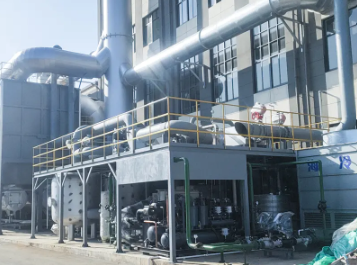
Examine how multi-stage cryogenic condensation loops systematically capture hydrocarbon vapors during bulk fuel terminal transfers, balancing vapor pressures to reach compliance prior to regenerative oxidation.
Read Engineering Analysis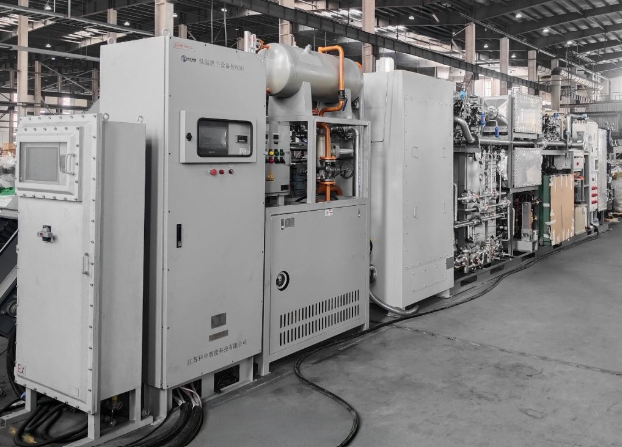
Unplanned downtime on cathode coating lines can cost thousands per hour. This paper outlines methods for avoiding solvent aerosol clogging, managing heat recovery cycles, and stabilizing NMP concentration sensors over multi-year runs.
Read Process Guide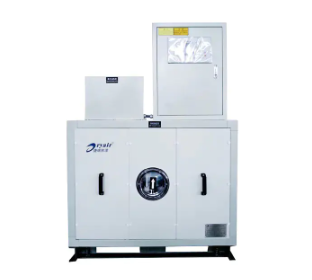
From tablet pressing to automated blister packing, excess atmospheric humidity leads to dosage variance, sticky powders, and microbial growth. Review critical RH setpoints and hygienic AHU design considerations.
Explore Pharma StandardsClear, direct technical responses regarding dew point physics, export certification compliance, field commissioning, and project warranties.
Shortlist specialized dehumidifiers, solvent scrubbers, and cleanroom hardware for your procurement tender.
DHU Modular
High-capacity rotary desiccant dehumidifiers engineered for multi-tier industrial processes requiring non-stop supply dew points down to -70°C.
View Dehumidifier
Complete EPC
From architectural sandwich enclosure paneling to duct air distribution, dew point sensor loops, and SAT validation under a single master contract.
View Turnkey Rooms
Solvent Capture
State-of-the-art condensation recycling skids capturing 99%+ N-Methyl-2-pyrrolidone solvent from high-speed cathode coating exhaust streams.
View NMP Systems
RTO Purification
Engineered thermal oxidizers and deep-freeze condensation plants designed to scrub harmful volatile compounds from petrochemical and chemical exhausts.
View Abatement Skids
Chilled Condenser
High-efficiency mechanical refrigeration dehumidifiers delivering bulk water extraction for warehouses, basements, and preliminary intake AHU coils.
View Refrigerative
Dual Cascade
Combined desiccant wheels arranged in series, featuring customized reactivation cooling recovery to minimize operating expenses in dry spaces.
View Deep Skid
Thermal Recuperator
Specialized heat exchanger circuits designed to capture latent exhaust energy, recirculating heated air back into battery electrode ovens.
View Heat Modules
Hydrocarbon Skid
Skid-mounted cryogenic condensing units engineered specifically for port fuel transfer, petroleum tanks, and solvent extraction terminals.
View Petro Skids