
Flagship Industrial Dehumidification & Recovery Systems
Explore our core industrial configurations engineered for ultra-low dew points down to -70°C, zero-tolerance cleanrooms, and circular solvent reclamation.
 -70°C Dew Point
DHU Desiccant Dehumidifier
Engineered with double-silica/molecular sieve hybrid rotors to sustain ultra-dry supply air under extreme ambient humidity.
View System Specs Turnkey EPC
Turn-key Dry Room System
Complete end-to-end dry room envelopes, cascaded dehumidifiers, air locks, and digital dew point validation for battery gigafactories.
Explore Dry Rooms Recovery ≥99%
ZJRH Series NMP Recovery
Specialized condensing and recycling system designed for battery electrode coater exhaust with energy heat reclamation.
View NMP Solutions Cooling + RTO
VOC Abatement & RTO System
Integrated deep-cooling condensation combined with regenerative thermal oxidizers to neutralize hydrocarbon emissions.
Inspect VOC Abatement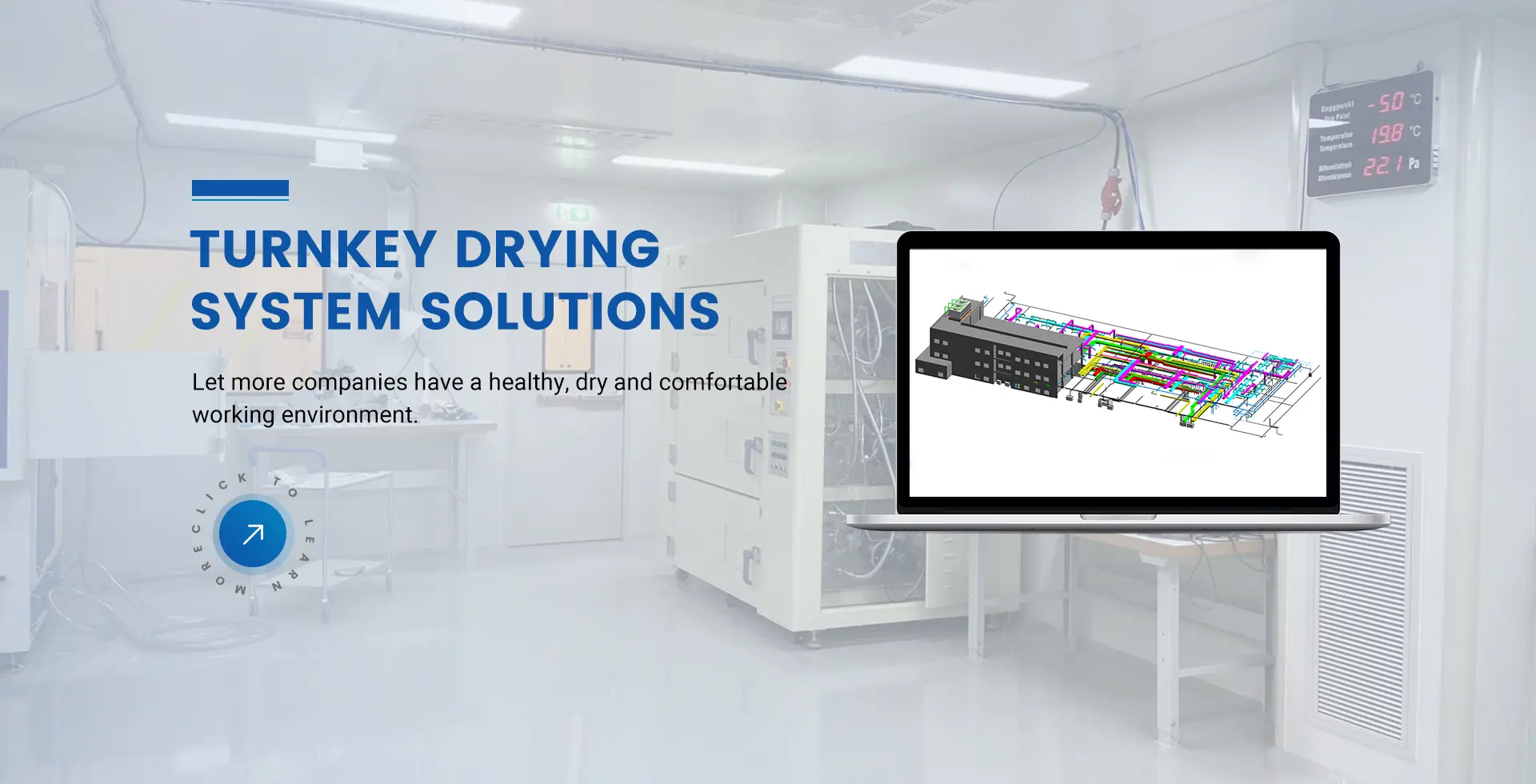 Direct Expansion
Refrigerative Dehumidifier
High-capacity mechanical refrigeration systems for industrial warehouses, pre-cooling air handling, and raw material storage.
View DX Systems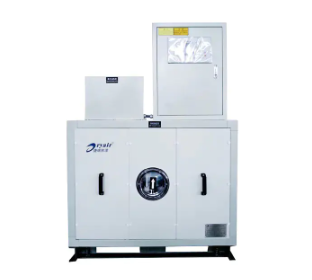 GMP / FDA Compliant
Pharma Cleanroom Dehumidifier
Hygienic stainless-steel air handling units ensuring non-condensing low moisture levels for gelatin capsules and powders.
Pharma Solutions GJB Military Standard
Aerospace & Defense Dry Unit
Ruggedized climatic control machinery protecting ordnance, avionics test cells, and composite curing autoclaves from oxidation.
Defense Solutions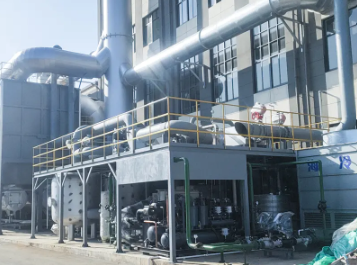 Hazardous Condensation
Petrochemical Vapor Condenser
Specialized low-temperature refrigeration condensing packages capturing petroleum volatiles during tank truck loading.
Petrochem SpecsWhy China's Industrial Dehumidification Supply Chain Powers the World's Clean Tech
From gigawatt-scale battery cleanrooms to advanced pharmaceutical manufacturing, the physics of humidity control demands uncompromising thermodynamic mastery. Hangzhou DryAir delivers industrial dehumidification systems that combine Chinese manufacturing agility with global engineering compliance.
Gigafactory Deployment Velocity
China is home to more than 75% of global lithium cell production. This hyper-concentrated ecosystem has enabled Hangzhou DryAir to refine fast-track manufacturing pipelines, turning around customized 50,000 m³/h desiccant AHUs in weeks rather than quarters.
- Over 200 high-capacity AHU units produced per month
- Fully validated standardized modular sub-assemblies
- Parallel production lines for simultaneous multi-gigafactory execution
Proprietary Rotor Synthesis
At the heart of low-dew-point systems is the desiccant rotor. Our manufacturing facilities utilize proprietary in-situ synthesized honeycomb ceramic silicate and metal-silicate composite matrices that eliminate dusting and maximize sorption surface area.
- Supply air dew point guaranteed down to -70°C
- High mechanical strength: >1000 kPa crush resistance
- Washable, non-flammable rotor media (UL 94-V0 compliance)
E-E-A-T Certified Quality Regime
Hangzhou DryAir holds dual domestic and military accreditations (GJB 9001C) alongside international certifications. Every industrial system exported undergoes rigorous string testing under simulated climatic extremes in our factory test lab.
- CE (Machinery & Low Voltage Directives)
- UL 1995 / UL 60335-2-40 & CSA C22.2 No. 236 for North America
- ASME Section VIII Boiler and Pressure Vessel compliance
The Engineering Behind -70°C Dew Point Control: Cascaded Desorption Physics
Reaching an ultra-dry atmosphere of -50°C to -70°C dew point (equivalent to less than 0.02 grams of moisture per kilogram of dry air) is impossible with refrigeration alone. Discover how DryAir engineers multi-stage sorption psychrometrics.
1. Fresh Air Pre-Treatment
Ambient fresh air is brought across dual DX or chilled-water coils (6°C/12°C then 2°C/7°C) to mechanically condense out bulk moisture down to 4°C–6°C dew point before entering sorption stages.
2. Primary Desorption Rotor
The pre-cooled air merges with returning dry room air and passes through the primary active silica gel wheel, stripping moisture content down to a -20°C to -30°C dew point threshold.
3. Secondary Polishing Rotor
For ultra-critical dry rooms, process air routes through a secondary 3Å/4Å molecular sieve matrix rotor, completing high-affinity chemisorption to hit supply targets down to -70°C DP.
4. Closed Regeneration Circuit
Desorbed moisture is purged via isolated heated airflows (120°C–140°C). DryAir integrates recovery coils, capturing exhaust latent energy to slash industrial boiler and electrical power consumption by 25–40%.
Global Industry Trends Reshaping Industrial Dehumidification
The industrial dehumidification sector is transitioning from stand-alone mechanical drying to intelligent, digitized, and energy-neutral environmental ecosystems driven by three macro forces.
Solid-State Battery & Semi-Solid Dry Rooms
Next-generation lithium batteries using solid sulfide or polymer electrolytes react aggressively with even trace moisture to release toxic H₂S gas. This demands dry room dew points tighter than -65°C to -80°C continuous, with hermetic sealing and micro-positive differential pressures exceeding 30 Pa.
Circular Economy: NMP & VOC Closed Loops
Electrode coating consumes enormous volumes of N-Methyl-2-pyrrolidone solvent. Global environmental regulations (such as REACH in the EU and EPA standards in the US) strictly prohibit discharge. Modern systems must marry dehumidification with condensation distillation, guaranteeing ≥99% NMP reuse directly into slurry tanks.
AI-Powered Psychrometric Control & Predictive OPEX
Desiccant regeneration consumes significant thermal energy. DryAir deploys IoT edge telemetry that continuously models variable ambient enthalpy, personnel shifts, and production heat loads. Variable frequency fans and modulating thermal valves optimize regeneration temperatures dynamically, cutting OPEX by up to 32% annually.
Localized Industrial Application Scenarios & Design Criteria
Specifying the exact psychrometric target is critical: an under-engineered system degrades yields, while over-engineering wastes capital. The matrix below defines standard design parameters across key sectors.
| Industry / Application Segment | Moisture Sensitivity & Risk Profile | Target Dew Point / RH | Recommended System Architecture | Energy Recovery Option |
|---|---|---|---|---|
| Lithium-Ion Cell Assembly & Electrolyte Filling | Moisture combines with LiPF₆ to generate hydrofluoric acid (HF), degrading cell life and creating fire risks. | -40°C to -60°C DP | Turn-key Dry Room + Dual-Rotor Sorption AHU | Exhaust Desiccant Heat Wheel Regeneration |
| Next-Gen Solid State & Lithium Metal Cells | Metallic lithium corrodes rapidly; sulfide solid electrolytes produce toxic hydrogen sulfide upon moisture contact. | Down to -70°C DP | Specialized Molecular Sieve Molecular Trap AHU | Condensate Heat Pump Intercooling |
| Battery Electrode Slurry Drying Lines | Volatilization of hazardous NMP carrier solvent requires zero fugitive emission and minimal clean air loss. | ≥99% Solvent Recovery | ZJRH Condensation + Absorption Wheel System | Hot Gas Slurry Oven Heat Exchange Loop |
| Pharmaceutical Powder Processing & Encapsulation | Hygroscopic active ingredients agglomerate, jam dosing nozzles, and hydrolyze gelatin capsules. | 15% – 25% RH @ 21°C | Stainless Steel Hygienic Desiccant AHU (GMP) | Steam-based Low-Temp Regeneration Coil |
| Aerospace Composite Autoclaves & Electronics | Delamination in carbon fiber pre-preg layers and micro-corrosion on gold-wire bonding chips. | -20°C to -40°C DP | GJB-Certified Industrial Silica Rotary Unit | Modulating Condenser Heat Bypass |
| Military Ordnance & Munitions Long-Term Storage | Propellant degradation, primer casing corrosion, and optical fogging inside weapons lockers. | ≤35% RH @ Ambient | Compact Enclosure Rotary Dehumidifier (DHU) | All-Electric PTC Smart Regeneration |
| Petrochemical Fuel Storage & Tank Vapor Treatment | Hydrocarbon venting during loading violates VOC laws and poses explosive vapor ignition hazards. | VOC < 20 mg/Nm³ | Multi-Stage Deep Chilling Condensation + RTO | Catalytic Oxidation Exothermic Recuperation |
What Global EPCs & Plant Directors Audit Before System Award
When tier-one enterprises like Tesla, Northvolt, CATL, and TTI evaluate an industrial dehumidification tender, they demand empirical proof across four critical operational dimensions.
Specific Energy Consumption (SEC)
Moisture removal is energy-intensive. Tier-1 buyers evaluate the kilowatt-hours required per kilogram of water extracted (kWh/kg). DryAir systems lead the market with optimized sensible heat wheels and heat pump assisted regeneration, yielding SEC ratings under 1.15 kWh/kg under design ambient loads.
Airlock & Enclosure Leakage Class
A -70°C dew point dry room quickly degrades if room joints allow infiltration. DryAir designs complete envelope systems with EN 1886 L1 casing leakage rates (<0.22 L/s/m² at 400 Pa), specialized airtight magnetic seals, and interlocked dynamic buffer airlocks.
Multi-Jurisdiction Compliance
Imported machinery must avoid port customs delays and safety re-inspections. DryAir manufactures control panels conforming to UL 508A, pressure vessels certified under ASME Section VIII Stamp, and mechanical units complying with CE Directives and Canadian CSA standards.
FAT & SAT Factory Validation
We invite global clients to witness string testing in our Hangzhou performance testing facility before shipment. Factory Acceptance Testing (FAT) validates airflow, motor harmonic currents, rotor sealing leakage, and continuous dew point stability under artificially elevated summer load conditions.
Turnkey Project Execution: From Mathematical Sizing to Live Commissioning
Industrial climate systems fail when consulting, engineering, and manufacturing are fragmented. DryAir delivers full-lifecycle accountability under a unified EPC contract model.
Psychrometric Audit
Analysis of geographic weather data, room enclosure area, operator headcount, process exhaust volumes, and product moisture absorption rates.
System Simulation
Computational Fluid Dynamics (CFD) airflow modeling, dry room differential pressure cascades, and waste-heat recovery thermal integration.
In-House Fabrication
Precision CNC sheet-metal manufacturing, composite desiccant rotor assembly, panel wiring, and string-testing inside our Hangzhou facility.
On-Site Commissioning
Dry room panel erection, hermetic ductwork connection, refrigeration piping, leak testing, and dynamic dew point stabilization to -70°C.
Lifecycle Maintenance
Overseas field engineering service, optional 2-year service agreements, rapid-dispatch spare rotors, and remote IoT diagnostic telemetry.
Hangzhou DryAir Treatment Co., Ltd. at a Glance
Founded in 2010 in Hangzhou, Zhejiang Province, we stand as one of China's top three industrial desiccant dehumidifier manufacturers, operating world-class fabrication hubs spanning dozens of gigawatt battery installations.
Frequently Asked Questions: Global Procurement & Engineering
Detailed technical answers for engineering directors, procurement teams, and cleanroom contractors evaluating DryAir systems.
What is the lowest dew point a DryAir desiccant dehumidifier can achieve?
Do you deliver turnkey dry rooms outside of China?
Which international certifications do DryAir dehumidifiers carry?
How does DryAir's NMP recovery system achieve a ≥99% solvent recovery rate?
What after-sales service and spare parts support exist for international buyers?
Can DryAir retrofit or expand existing battery plant dry rooms?
What regeneration energy sources can be used with DryAir dehumidifiers?
How do you guarantee air casing tightness and prevent leakage?
Engineered Systems Available for Global Project Specification
Review additional standard product families and specialized air handling machinery designed to meet demanding industrial dew point and emission targets.
Rotary DHU
Standard DHU Dehumidifier
Compact, durable rotary desiccant unit tailored for precision laboratories, military depots, and packaging lines.
Download DHU Specs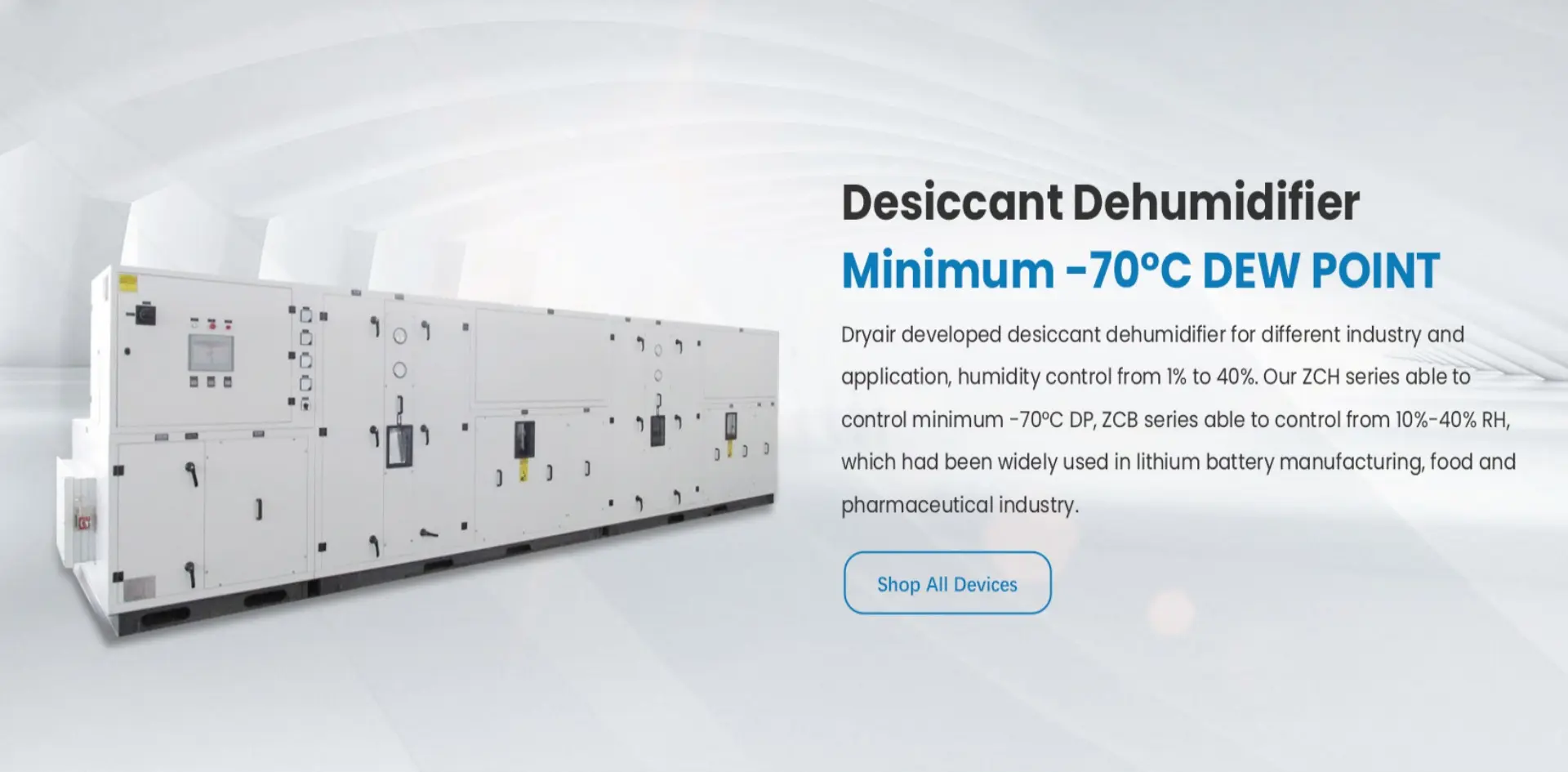 Gigafactory Grade
Battery Dry Room Enclosure
Modular airtight cleanroom walls, false ceilings, and integrated laminar airflow return ducts built for continuous round-the-clock cell assembly.
View Dry Room Specs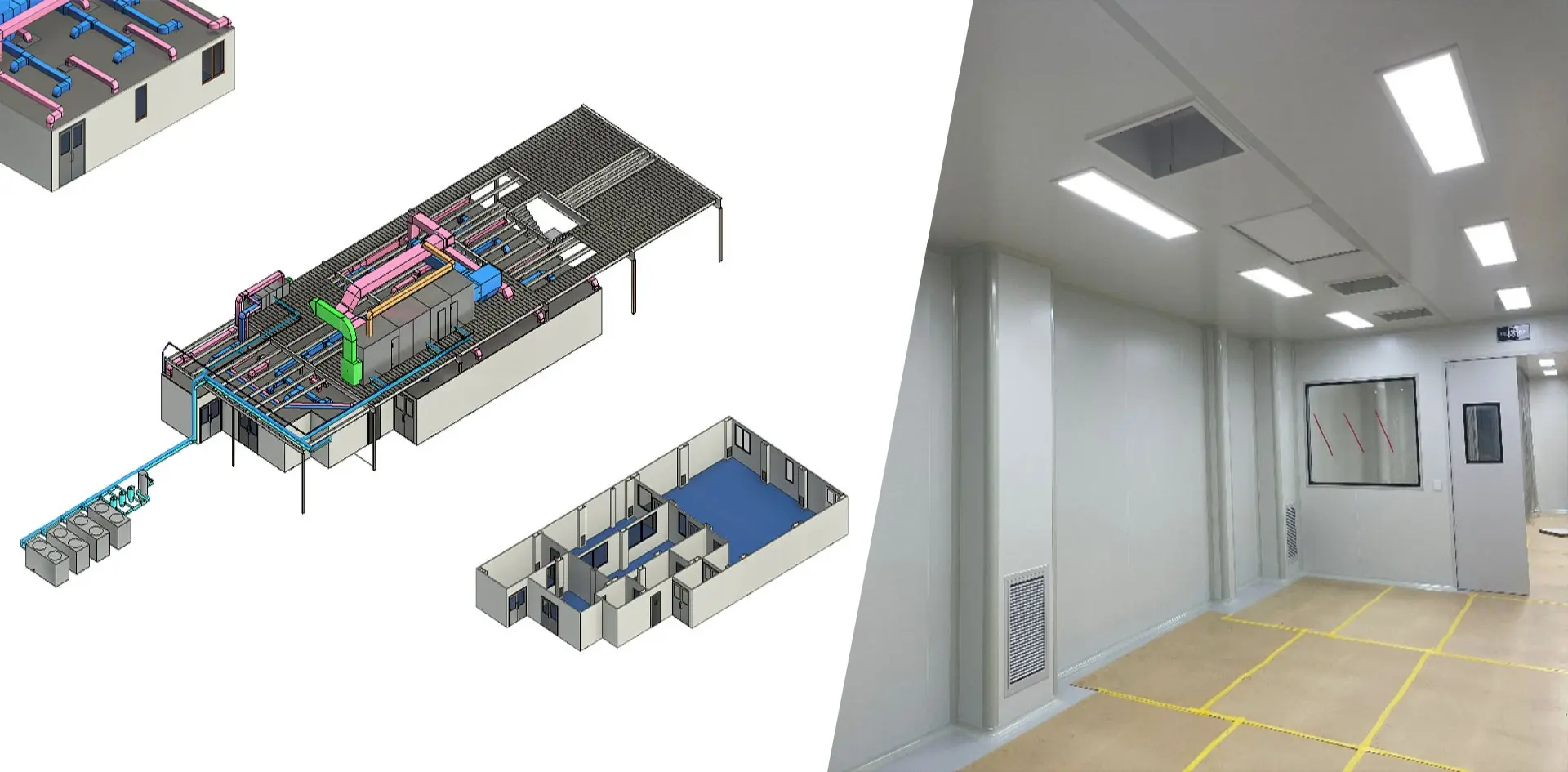 Eco Distillation
NMP Condensation Chiller
Multi-stage low-temperature chiller condenser loop designed to recover NMP solvent with minimum electricity consumption.
Inspect Condensers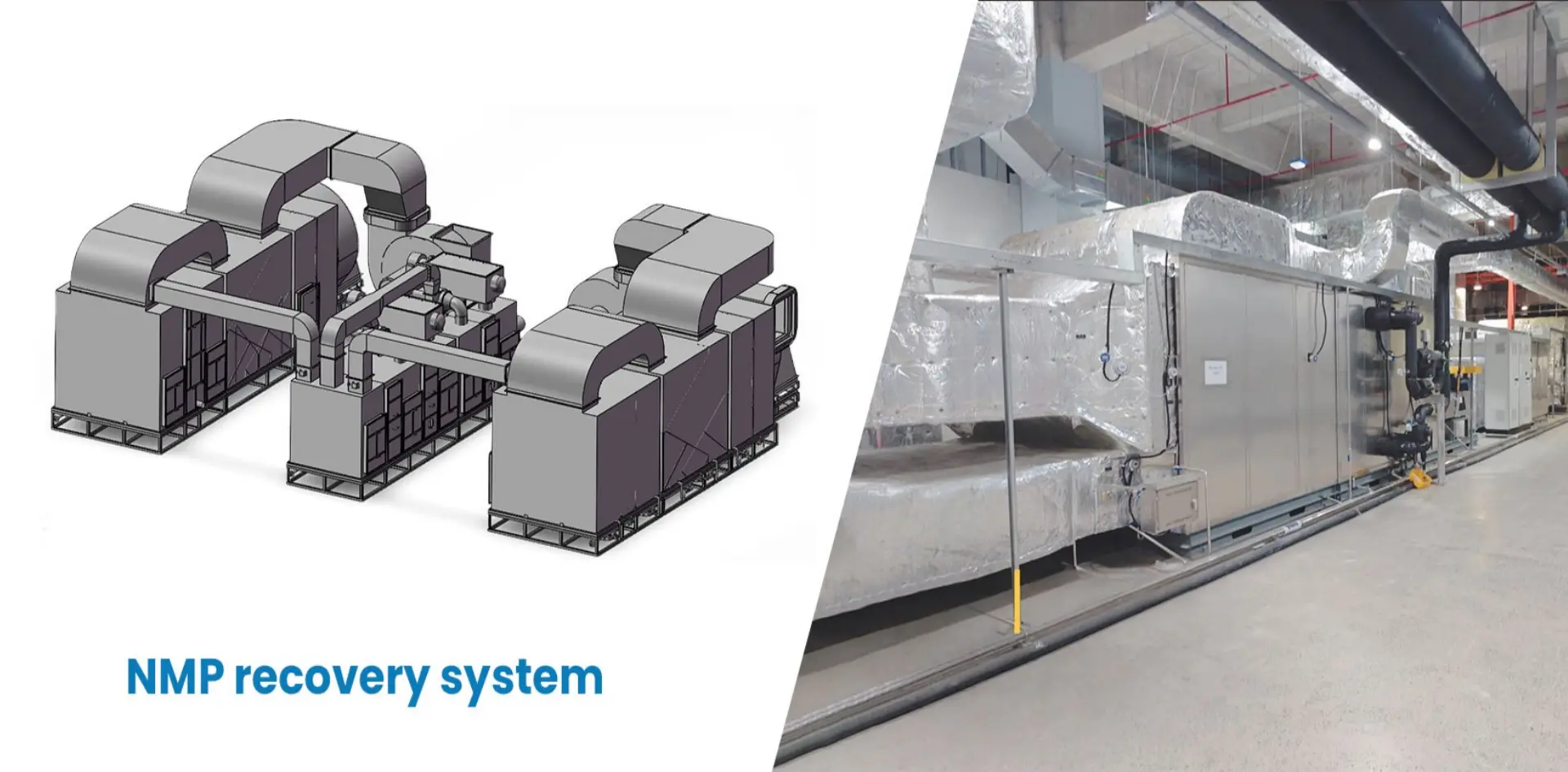 RTO Oxidation
Industrial 3-Bed RTO
Regenerative thermal oxidizer system that destroys hazardous volatile chemicals at 850°C with self-sustaining thermal balance.
View RTO Technology Precision HVAC
Electronic Cleanroom Dehumidifier
Multi-stage air filtration with precise temperature (±0.5°C) and relative humidity control for microelectronics and optical lithography.
Explore Electronics AHU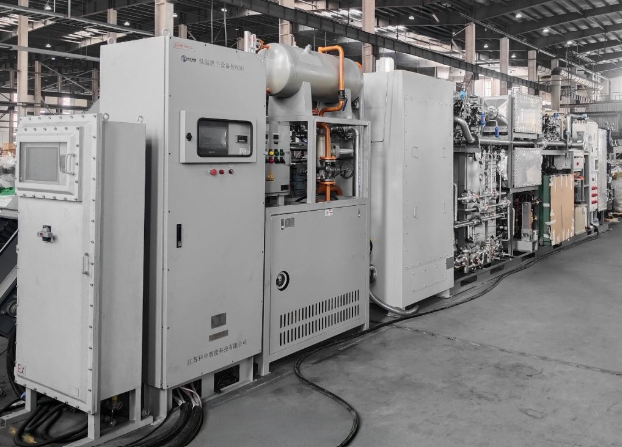 Electrode Coating
Coater Head Humidity Shield
Dedicated micro-environment air delivery system preventing ambient moisture contamination around slot-die coater heads during slurry application.
View Coating Solutions Energy Efficient
Commercial Refrigerative Unit
Direct-expansion refrigerated air dryers for moisture control across agricultural seeds, cold chains, and bulk chemical warehousing.
View Refrigerative Data ATEX / Hazardous
Explosion-Proof Chemical Dehumidifier
Custom-engineered rotary dehumidifier equipped with intrinsically safe sensors and explosion-proof motors for volatile chemical facilities.
Hazardous Area SpecsReady to Engineer Your Low-Dew-Point Facility?
Share your room dimensions, ambient conditions, and process moisture load. Our registered HVAC engineers will return a complete psychrometric calculation model and system sizing proposal within 24 hours.