
Wholesale Engineered Air Purifier & Industrial Dehumidifier Systems
Pre-engineered and custom skids built to exact psychrometric requirements, backed by international CE, UL, CSA, ASME, and EAC compliance certificates.
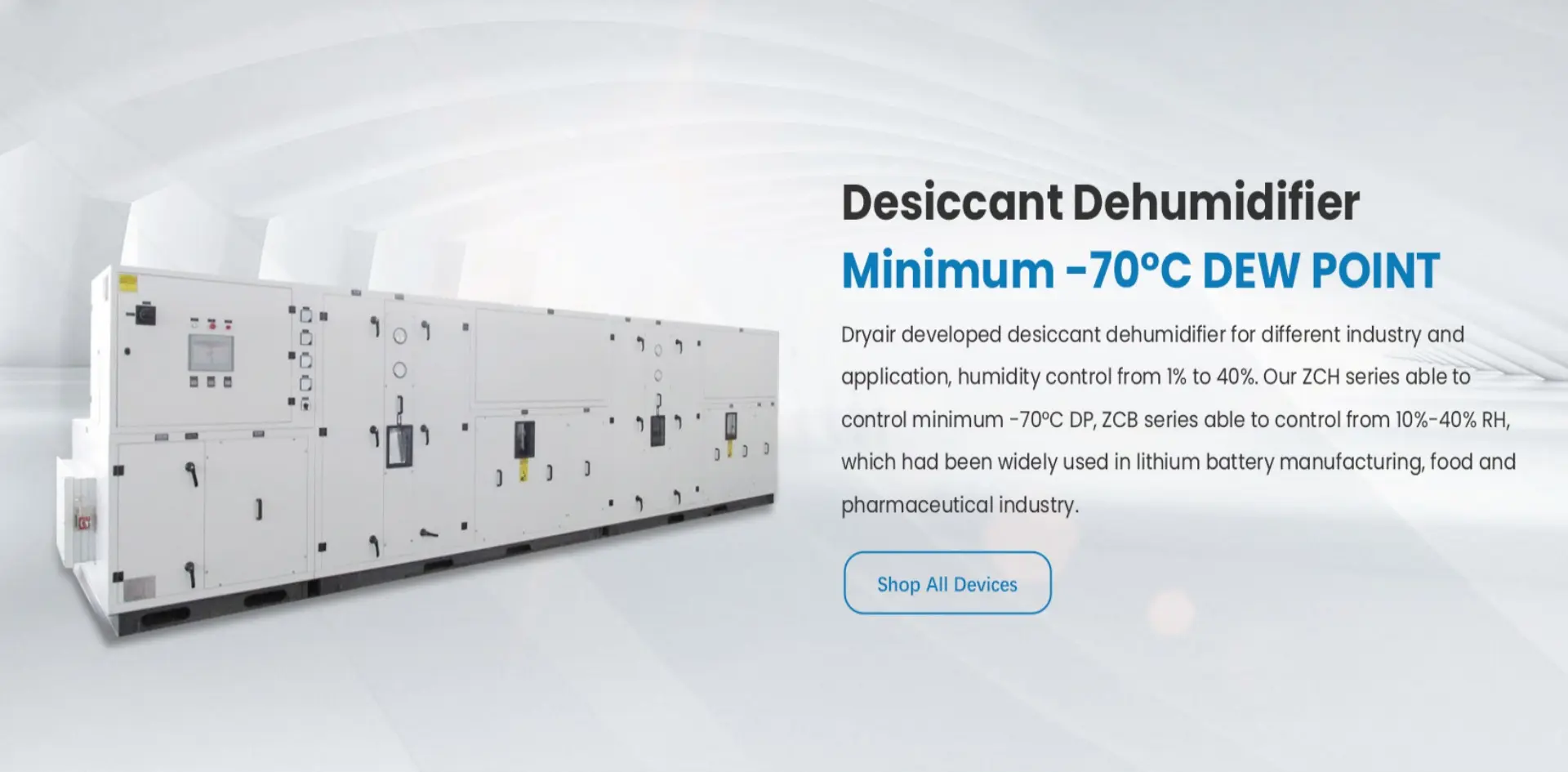
 DP -70°C
DHU Series Industrial Desiccant Dehumidifier
High-capacity rotary desiccant moisture extractor incorporating molecular sieve wheel technology for deep dew-point depression where chillers fail.
- Down to -70°C Dew Point Stability
- Integrated Energy Heat-Recovery Rotor
 Turnkey EPC
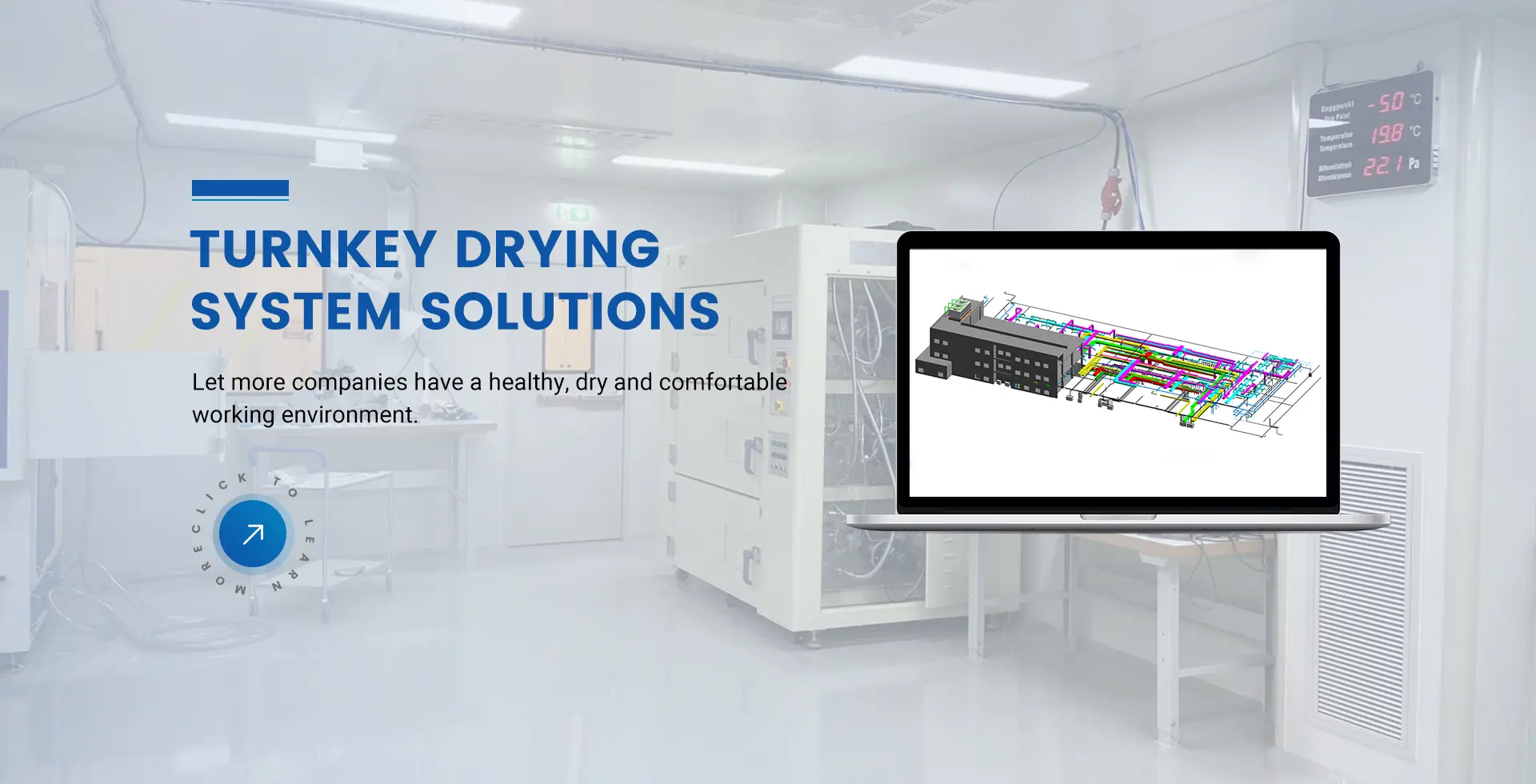
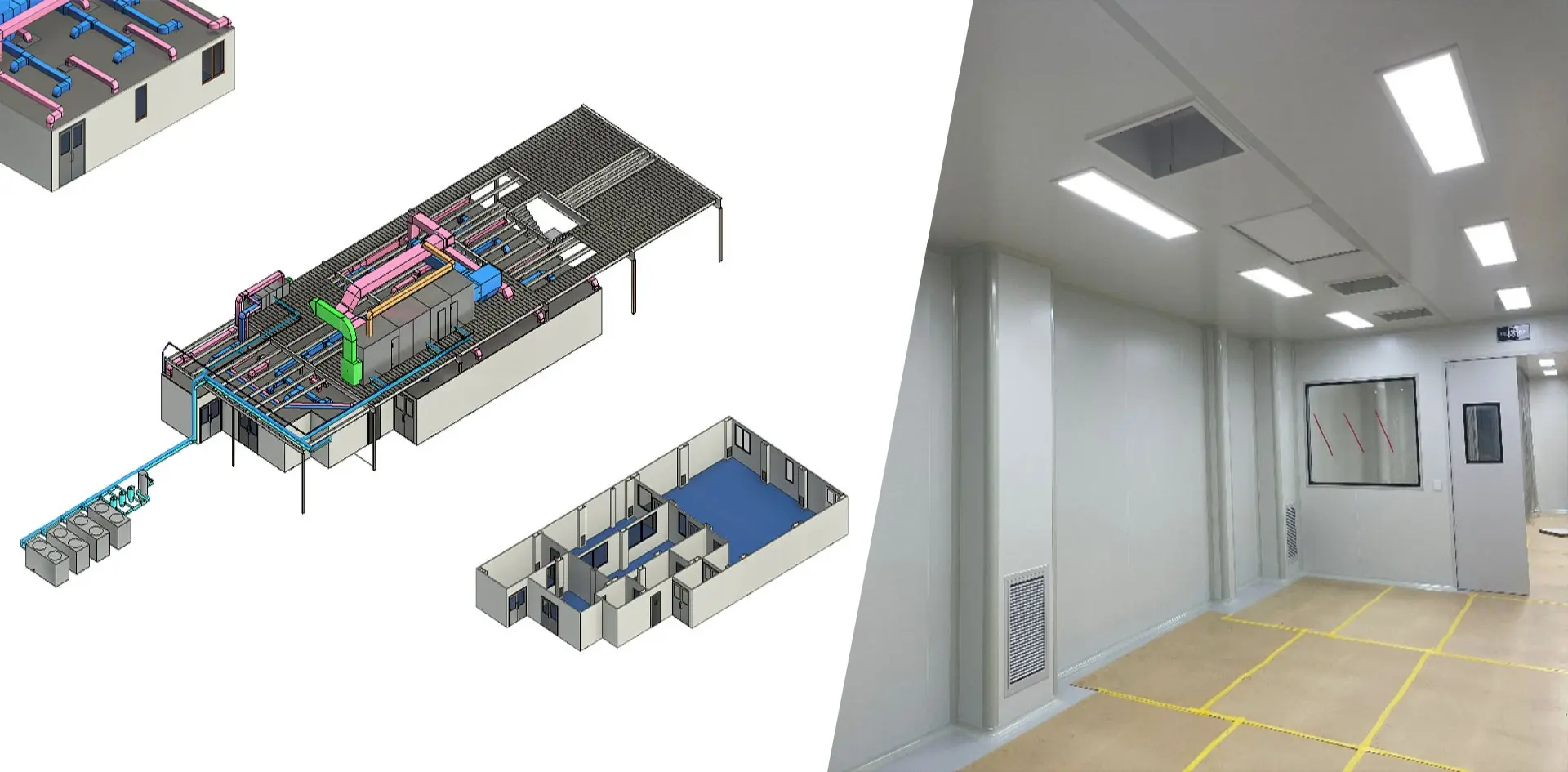
Turnkey Cleanroom & Battery Dry Room System
End-to-end engineered envelope, multi-zone HVAC, airtight panels, and validation protocols built for gigawatt-hour battery cell assembly lines.
- Full EPC: Consulting, Fab, Installation
- Class 1 - Class 100,000 Cleanroom Level
 Recovery ≥99%
ZJRH Series NMP Solvent Recovery System
Extracts and purifies toxic N-Methyl-2-pyrrolidone vapors discharged from cathode coating ovens, converting hazardous emissions into closed-loop assets.
- Solvent Recycling Rate ≥99%
- Exhaust Heat Exchange Optimization
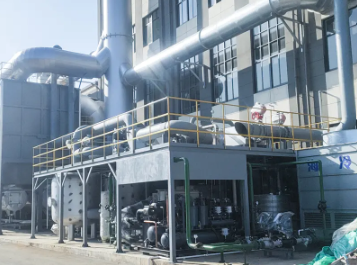
 Cooling + RTO
JEN Series Clean Air VOC Abatement System
Synergistic air cleaning solution combining multi-stage deep condensation cooling with Regenerative Thermal Oxidation (RTO) for chemical plants.
- Complies with Global Clean Air Regulations
- Heavy Hydrocarbon Vapor Abatement
 High Efficiency
Commercial & Industrial Refrigerative Dehumidifier
Compressor-based condensing dehumidifiers optimized for raw material storage, logistics warehouses, and pre-cooling stages before desiccant treatment.
- Low kWh per Liter of Extracted Water
- High Air Volume Delivery (Up to 50,000 m³/h)
 ISO Class 5
Cleanroom Air Purifier & Dehumidification Skid
Integrated HEPA-filtered clean air supply paired with desiccant rotors, preventing particulate contamination while maintaining 1% RH moisture barrier.
- H13/H14 HEPA + Chemical Carbon Stage
- Pharmaceutical & Battery Grade Air
 Core Component
Wholesale Desiccant Rotor Cassettes & Wheels
OEM replacement cassettes manufactured with synthesized ceramic honeycomb matrices impregnated with active silica gel or molecular sieve media.
- Non-flammable, Bacteriostatic Matrix
- Universal Fit for Global Brands
 Heavy Industrial
Petrochemical Oil Gas Condensation Purifier
Specialized marine and fuel terminal gas purification system reclaiming volatile hydrocarbon fumes during fuel loading, blending, and tank vents.
- Explosion-Proof ATEX / IECEx Options
- Reclaims 95%+ Hydrocarbon Feedstocks
The Global Commercial & Industrial Status of Air Purifier Dehumidifier Systems
Across modern advanced manufacturing, moisture is no longer treated merely as a comfort metric—it is an aggressive contaminant that undermines product yields, accelerates structural corrosion, and compromises hazardous chemical processes. The global convergence of multi-stage air purification (particulate extraction, HEPA filtration, gaseous VOC elimination) with ultra-deep desiccant dehumidification has catalyzed a transformative shift across commercial facilities, gigafactories, cleanrooms, and municipal defense installations worldwide.
In high-tech industries, ambient water vapor acts as a destructive reagent. For instance, in lithium-ion and next-generation solid-state battery cell assembly, airborne moisture reacts instantly with fluorinated electrolyte salts (such as LiPF6), producing corrosive hydrofluoric acid (HF). This byproduct degrades battery cathode architecture, severely compromises cell lifecycle, and presents grave thermal runaway hazards. Concurrently, micro-contaminants, including airborne particles down to 0.3 micrometers and gaseous volatile organics (VOCs), induce pinhole faults in electrode foils and semiconductor photolithography masks. Consequently, multinational manufacturing giants no longer procure independent standalone dehumidifiers or disjointed dust filters; they require unified, monolithic Air Purifier Dehumidifier Systems capable of enforcing ISO Class 1 to Class 5 air purity standards alongside supply air dew points sustained strictly at -40°C down to -70°C.
Global Demand Drivers: A Multi-Sector Psychrometric Matrix
The operational landscape for dual-function air purification and dehumidification spans five major worldwide segments:
1. EV Battery & Energy Storage Gigafactories: With the global acceleration of electric mobility, battery manufacturers are commissioning dry rooms requiring hundreds of thousands of cubic meters per hour of ultra-pure air. Production halls must be maintained at relative humidity (RH) levels below 0.5% (dew points below -40°C or -50°C), while sensitive cell filling and sealing workstations require -70°C dew point barriers. Simultaneously, electrode coating lines demand closed-loop NMP (N-Methyl-2-pyrrolidone) recovery to meet stringent REACH, EPA, and regional environmental standards.
2. Bio-Pharmaceuticals & Sterile Healthcare: Hygroscopic compounds, effervescent pharmaceuticals, dry powder inhalers (DPIs), and soft gelatin capsules require strict ambient air isolation. Moisture exposure causes active pharmaceutical ingredients (APIs) to cake, hydrolyze, or lose therapeutic potency. Here, sanitary-grade desiccant air purifiers equipped with wash-down stainless steel housings and antimicrobial rotors operate in accordance with strict cGMP regulations.
3. Aerospace, Munitions, & Defense: Guided missile assemblies, radar electronics, ammunition stores, and aerospace avionics undergo catastrophic accelerated degradation when exposed to relative humidity exceeding 40%. Specialized military-standard equipment (such as systems certified to China's GJB standards or equivalent MIL-SPEC thresholds) enforces permanent preservation barriers, safeguarding multimillion-dollar strategic assets.
4. Semiconductor & Display Cleanrooms: In wafer fabrication, airborne molecular contaminants (AMCs) and micro-humidity fluctuations disrupt sub-nanometer extreme ultraviolet (EUV) lithography steps. Integrated chemical air filters paired with low-temperature desiccant rotors stabilize cleanroom enclosures against static build-up and optical contamination.
5. Food Processing & Spray Drying: Spray drying infant formula, instant coffee, and confectionery products requires continuous de-moisturized sterile air streams to eliminate bacterial microbial reproduction while averting clogging within pneumatic conveyor lines.
Selected Deployments Across Global Battery & Industrial Titans
China Factory Efficiency: Why Hangzhou DryAir Commands Global Leadership
By blending deep thermal fluid dynamic engineering with an end-to-end domestic supply ecosystem, Chinese manufacturing delivers unmatched delivery cadence and cost performance.
Rapid Lead Times & Production Velocity
With a monthly output capacity exceeding 200+ major industrial units, Hangzhou DryAir meets the aggressive timelines of global gigafactory projects, delivering complete skids 40% faster than legacy European or American manufacturers.
Over 30% Market Share Domination
Recognized among the top three desiccant dehumidification manufacturers in China, DryAir captures over 30% of the domestic market—built on long-term supply relationships with CATL, BYD, EVE, and SVOLT.
Elite Engineering Brain Trust
Staffed by 74 elite engineers, PhDs, masters graduates, and registered HVAC specialists who model psychrometric loads, structural thermal isolation, and CFD airflow patterns to eliminate micro-leakage risks.
In-House Performance Validation Lab
Every industrial unit undergoes rigorous pre-shipment testing inside our proprietary climatic validation chamber, confirming target dew points (-70°C DP) and airtight integrity before international crating.
Industrial Dew Point & Air Purity Selection Matrix
Use this comprehensive psychrometric benchmark to accurately specify your facility's humidity thresholds, chemical capture requirements, and cleanroom air handling architectures.
| Industrial Application | Moisture Vulnerability & Risk Factor | Target Supply Dew Point | Recommended Technology Skid |
|---|---|---|---|
| Lithium-Ion Cell Assembly & Filling | Moisture combines with electrolyte to generate hydrofluoric acid (HF), causing cell swelling, thermal risks, and capacity loss. | -40°C to -60°C DP | Turnkey Dry Room System |
| Next-Gen Solid-State & Li-Metal Cells | Pure metallic lithium anode decomposes rapidly in contact with trace atmospheric water vapor, halting electrochemical ion transport. | Down to -70°C DP | DHU Ultra-Low DP Desiccant Skid |
| Electrode Cathode Coater Oven Exhaust | High volumes of evaporated N-Methyl-2-pyrrolidone solvent present severe toxic hazards and massive economic raw material waste. | ≥99% Solvent Yield | ZJRH Multi-Stage NMP Recovery Unit |
| Hygroscopic Pharma Formulation & Packing | Powders lump, effervescent tablets degrade, and capsule shells soften, failing cGMP purity and fill consistency audits. | 10% to 20% RH (-10°C to -20°C DP) | GMP Desiccant Air Purifier Unit |
| Military Avionics & Ordnance Depots | Corrosion of sensitive detonators, propellant moisture absorption, and microscopic pitting on precision guidance radar circuitry. | ≤35% to 40% RH | GJB Spec Military Dehumidifier |
| Bulk Raw Material Storage & Warehousing | Cardboard package collapse, metal rust, surface mold bloom, and chemical clumping caused by seasonal humidity surges. | 45% to 60% RH | Industrial Refrigerative Dehumidifier |
| Petrochemical Loading & Solvent Vents | Atmospheric escape of volatile organic compounds (VOCs) and petroleum fumes violating environmental emissions standards. | Strict Stack Compliance | Condensation + RTO Purifier |
Technical Focus: Rotary Desiccant Thermodynamics vs. Refrigerative Condensation
Industrial procurement professionals frequently evaluate whether standard mechanical refrigeration or rotary desiccant adsorption is appropriate for their air purification requirements. Mechanical chillers lower air temperatures below the saturation dew point, causing water vapor to condense on cooling coils. However, when target supply air dew points fall below +4°C (39°F), condensate freezes into frost on the evaporator fins, necessitating frequent energy-draining defrost cycles and preventing lower moisture thresholds.
In contrast, rotary desiccant dehumidifiers overcome thermodynamic phase-change barriers. Process air passes through a continuously rotating honeycomb matrix impregnated with high-performance synthetic molecular sieves or silica gels. Moisture molecules in the air stream are adsorbed directly onto the internal pore structure of the desiccant media. Simultaneously, a counter-flowing heated air stream (reactivation/regeneration air heated to 120°C–140°C) drives off the trapped moisture and discharges it outdoors as water vapor, continuously regenerating the rotor for uninterrupted 24/7 moisture capture down to -70°C dew point.
Emerging Technological Trends Shaping the Air Purifier Dehumidifier Sector
Modern cleanroom facilities demand reduced energy consumption, automated cloud-monitored diagnostics, and zero-loss solvent extraction.
Heat-Pump Driven Regeneration Cycles
Traditional desiccant wheel reactivation accounts for up to 60% of dry room electrical utility costs. Next-generation DryAir systems incorporate multi-stage heat recovery exchangers and closed-circuit heat pump loops that slash thermal energy demands by up to 35%.
AI-Powered Adaptive Dew Point Control
Integrated PLC controllers and intelligent predictive algorithms monitor outdoor ambient weather swings, production shift occupant density, and door-opening cycles in real time, modulating rotor rotational speed and reactivation burner intensity dynamically.
Circular NMP & VOC Closed-Loop Abatement
Rather than discharging industrial emissions, environmental regulations now require closed-loop resource recovery. Our ZJRH and JEN systems condense volatile organic vapors with recovery efficiencies exceeding 99%, generating high-purity recycled solvent ready for reuse.
Modular Pre-Commissioned Skids
Factory-assembled modular skids integrate structural framing, piping, air handlers, filtration banks, desiccant wheels, and controls into compact shipping blocks, dramatically reducing on-site construction schedules for international buyers.
What Global EPC Contractors Evaluate When Auditing a Dehumidifier Factory
Purchasing mission-critical environmental equipment requires thorough supplier audits. Here is the operational checklist applied by leading gigafactory procurement directors.
1. Rotor Air-Leakage Prevention & Perimeter Seal Design
The single most frequent failure mode in rotary desiccant units is cross-contamination between the humid reactivation air stream and the ultra-dry process air stream. A substandard seal allows moist air to leak into the supply plenum, making it impossible to reach a stable -50°C or -70°C dew point. Hangzhou DryAir employs precision engineered, spring-loaded silicone/PTFE composite seals that maintain tight structural tolerances under extreme thermal cycling conditions, keeping internal cross-leakage rates below 0.05%.
2. Casing Deflection, Thermal Bridging, and Air Leakage Ratings
Air purifier dehumidifier cabinets installed in cleanroom environments must adhere to EN 1886 or equivalent AHU structural classifications:
- Casing Strength (Class D1): Prevents structural wall deflection under severe static pressures up to ±2,000 Pa.
- Casing Air Leakage (Class L1): Ensures near-zero envelope leakage, keeping untreated moist ambient air from infiltrating downstream sterile zones.
- Thermal Transmittance (Class T2) & Thermal Bridging (Class TB2): Double-wall polyurethane foam insulation prevents external panel condensation in humid factory basements.
3. International Codes & Harmonized Electrical Compliance
Exported machinery must comply with the regional regulatory codes of the destination country. Hangzhou DryAir engineers every system to order, providing authentic compliance certificates across major jurisdictions:
- North America: UL 1995 / UL 60335 electrical panels, CSA certification, and ASME-coded pressure vessels.
- European Union: CE Machinery Directive (2006/42/EC), Low Voltage Directive, and EMC compliance.
- Eurasian Customs Union: EAC technical regulation mark across all member nations.
- Aerospace & Defense: Chinese GJB national military quality standard alongside ISO 9001:2015.
Need Complete Psychrometric Sizing for Your Facility?
Submit your cleanroom floor layout, fresh air volume demands, occupant counts, and target room dew point. Our senior HVAC applications team will return a customized psychrometric heat load analysis and commercial skid quotation within one business day.
Five-Phase Turnkey Execution Model for International Projects
From initial moisture load simulation to on-site validation, DryAir manages the complete lifecycle under a single contract.
Front-End Engineering (FEED)
Comprehensive review of production sensitivities, latent heat gains, infiltration loads, and process exhaust requirements to establish exact dew point and particulate targets.
Psychrometric Modeling
Thermodynamic cycle design using dedicated engineering software, mapping cooling coil capacities, desiccant rotor diameters, regeneration heat sources, and HEPA filter face velocities.
Precision Manufacturing
Full in-house CNC sheet metal fabrication, structural welding, control cabinet wiring, piping, and rigorous quality inspection inside our ISO 9001 / GJB certified facility.
Installation & Validation
Global deployment of DryAir field engineers to supervise on-site assembly, ductwork pressure testing, multi-point dew point validation, and cleanroom air certification.
Lifecycle Maintenance & Care
Round-the-clock remote diagnostics, priority spare parts distribution, routine rotor wash-down servicing, and optional two-year comprehensive overseas service agreements.
Procurement & Engineering FAQ for International Buyers
Get clear, verified answers covering technical specifications, export compliance, field servicing, and commercial terms.
What is the lowest dew point a DryAir desiccant dehumidifier can stably maintain?
DryAir rotary desiccant dehumidifiers comfortably maintain continuous supply air down to -70°C dew point (equivalent to less than 0.002 grams of moisture per kilogram of dry air). This level of moisture removal is essential for lithium battery cell filling, lithium metal pouch fabrication, and critical semiconductor manufacturing.
Do you execute complete turnkey dry rooms outside of China?
Yes. DryAir provides complete turnkey dry room systems globally, covering architectural envelope panels, structural steel, airlocks, specialized desiccant AHUs, process piping, electrical automation, and on-site testing. We have successfully completed projects for global clients including Tesla, Northvolt, and TTI.
What certifications are provided for export to North America and Europe?
Depending on destination market requirements, our equipment can be certified to CE (Machinery, Low Voltage, and EMC Directives), UL 1995 / UL 60335, CSA, ASME Section VIII (pressure vessels), and EAC regulations. Our factories adhere strictly to ISO 9001 and the Chinese GJB military-grade quality management framework.
How efficient is the ZJRH Series NMP recovery system in production?
DryAir ZJRH NMP recovery systems consistently achieve solvent recovery rates of ≥99% from electrode coater exhaust streams. By utilizing multi-stage deep condensation chilling paired with proprietary VOC concentration wheels, our systems recover high-purity liquid NMP while keeping atmospheric stack emissions well below local environmental thresholds.
What level of particulate air filtration can be integrated into your systems?
Our units can be configured with multi-stage filtration banks, including G4 coarse pre-filters, F7/F9 fine pocket filters, chemical activated carbon beds (for gaseous VOC removal), and terminal H13 or H14 HEPA filters (99.99% retention of 0.3-micron particles), meeting cleanroom cleanliness requirements from ISO Class 8 down to ISO Class 1.
What after-sales service and spare parts support do overseas buyers receive?
International clients benefit from round-the-clock remote monitoring, dedicated English-speaking technical support, and expedited dispatch of wear items (seals, belts, sensors, filter media). Buyers can also select an optional comprehensive two-year extended on-site service agreement that includes routine technician audits and rotor performance optimization.
What thermal energy sources can be used for desiccant wheel reactivation?
DryAir rotary units support diverse regeneration energy sources tailored to your plant's utility infrastructure, including electric heating elements, indirect gas-fired burners (natural gas or LPG), high-pressure steam coils, thermal hot oil loops, or waste-heat recovery connections from co-located thermal oxidizers.
How does DryAir's wholesale equipment pricing compare to Western OEMs?
Because of our domestic supply chain integration, centralized manufacturing campus in Hangzhou, and massive purchasing scale (200+ units monthly), DryAir delivers top-tier performance at 30% to 50% lower capital cost than comparable legacy Western brands, significantly reducing overall facility payback periods.
Engineering Insights From Our Industrial Applications Team
Review practical case studies and engineering guidance on solvent recovery, cleanroom moisture defense, and VOC abatement.
How Oil Gas Condensation Recovery Systems Work
A technical review of mechanical deep-cooling cycles used to capture fugitive hydrocarbon vapors during maritime bunkering, tanker truck filling, and petroleum bulk tank venting.
Read Technical Article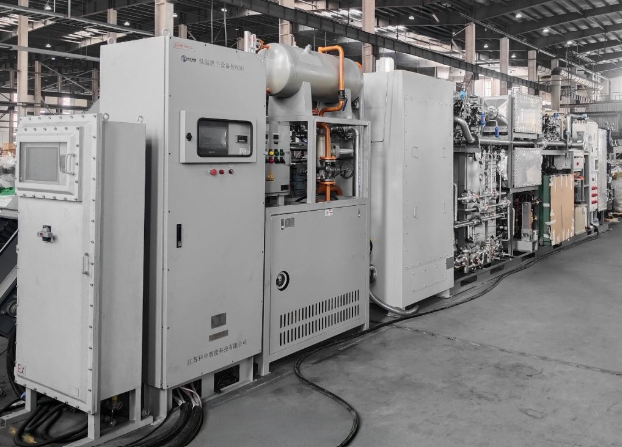
Maintaining Stable NMP Recovery in Round-the-Clock Coating
Key maintenance and control parameters required to sustain ≥99% NMP recovery efficiency over continuous multi-gigawatt cathode coating operations without thermal drift.
Read Technical Article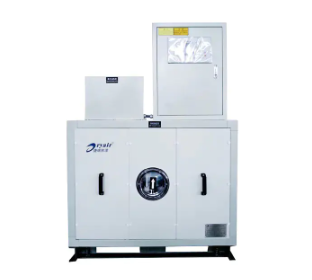
Mitigating Excess Moisture Risks in Solid Dose Drug Manufacturing
How precise relative humidity control prevents powder agglomeration, tableting sticking, capsule degradation, and microbiological growth across sterile pharma suites.
Read Technical ArticleIndustrial Product Catalog: Ready for Wholesale & EPC Integration
Explore our core equipment lines for battery gigafactories, cleanrooms, and high-efficiency solvent recovery facilities.
Standard -70°C
DHU Series Ultra-Dry Desiccant Air Handler
Engineered for mission-critical dry rooms requiring uncompromised moisture absorption, dual-rotor design options, and heat recovery.
- Process Air: 1,000 to 120,000 m³/h
- Low-Leakage Air Purifier Housing
Gigafactory EPC
Turn-key Lithium Battery Dry Room Project
Complete cleanroom envelope, structural ceiling grid, airtight insulated wall panels, air handling systems, and automated validation sensors.
- Supplied to Tesla & Northvolt
- Full EPC Project Responsibility
Recovery ≥99%
ZJRH Solvent Purification & NMP Recovery Skid
Captures evaporated NMP solvent from drying lines, reducing operating spend while meeting environmental air quality standards.
- Closed-Loop Heat Exchangers
- High ROI Solvent Recycling Asset
Deep Condensation
JEN Series Clean Air VOC Abatement System
Industrial deep condensation refrigeration integrated with regenerative thermal oxidation for volatile organic chemical waste streams.
- Eliminates Offensive Odors & Fumes
- Rugged Industrial Construction
Energy Saver
Commercial Refrigerative Dehumidifier
Cost-effective ambient moisture extraction designed for raw material staging, food warehouses, and municipal facilities.
- High Efficiency Copeland / Danfoss Units
- Integrated Condensate Pumps
Pharma Clean
Pharma Grade Air Purifier & Low-RH AHU
Sanitary double-wall cleanroom air handlers equipped with H14 HEPA filtration, chemical carbon filters, and washable desiccant rotors.
- Smooth Internal Clean-in-Place Surface
- Meets FDA and cGMP Audit Standards
 GJB Compliant
Military & Aerospace Environmental Skid
Heavy-duty, vibration-resistant environmental systems built to GJB military quality standards for armories, naval vessels, and avionics bays.
- Corrosion-Proof Marine Coatings
- Continuous Extreme Climate Operation
ATEX / IECEx
Fuel Vapor Condensation Air Purifier
Reclaims fuel fumes, hazardous hydrocarbon gases, and volatile solvent vapors during terminal offloading and loading rack operations.
- Explosion-Proof Motor & Electricals
- 95%+ Direct Solvent Liquefaction
Your Trusted Global Engineering & Manufacturing Partner
Operating from our modern manufacturing facility in Lin'an, Hangzhou, Zhejiang, we combine over a decade of deep low-dew-point specialization with complete EPC turnkey execution across Europe, North America, Southeast Asia, and the Middle East.
Factory Headquarters
No. 2088 Keji Road, Qingshan Industrial Park, Lin'an, Hangzhou, Zhejiang Province, China
Global Field Support
Two-year comprehensive international field service plans, on-site commissioning, and remote telemetry monitoring.
Explore Global Service →