Precision Humidity Control Systems Serving Korean Advanced Manufacturing
Direct supply and turnkey execution for EV gigafactories, cathode synthesis facilities, and biomedical cleanrooms across Chungcheong, Gyeonggi, and Ulsan industrial belts.
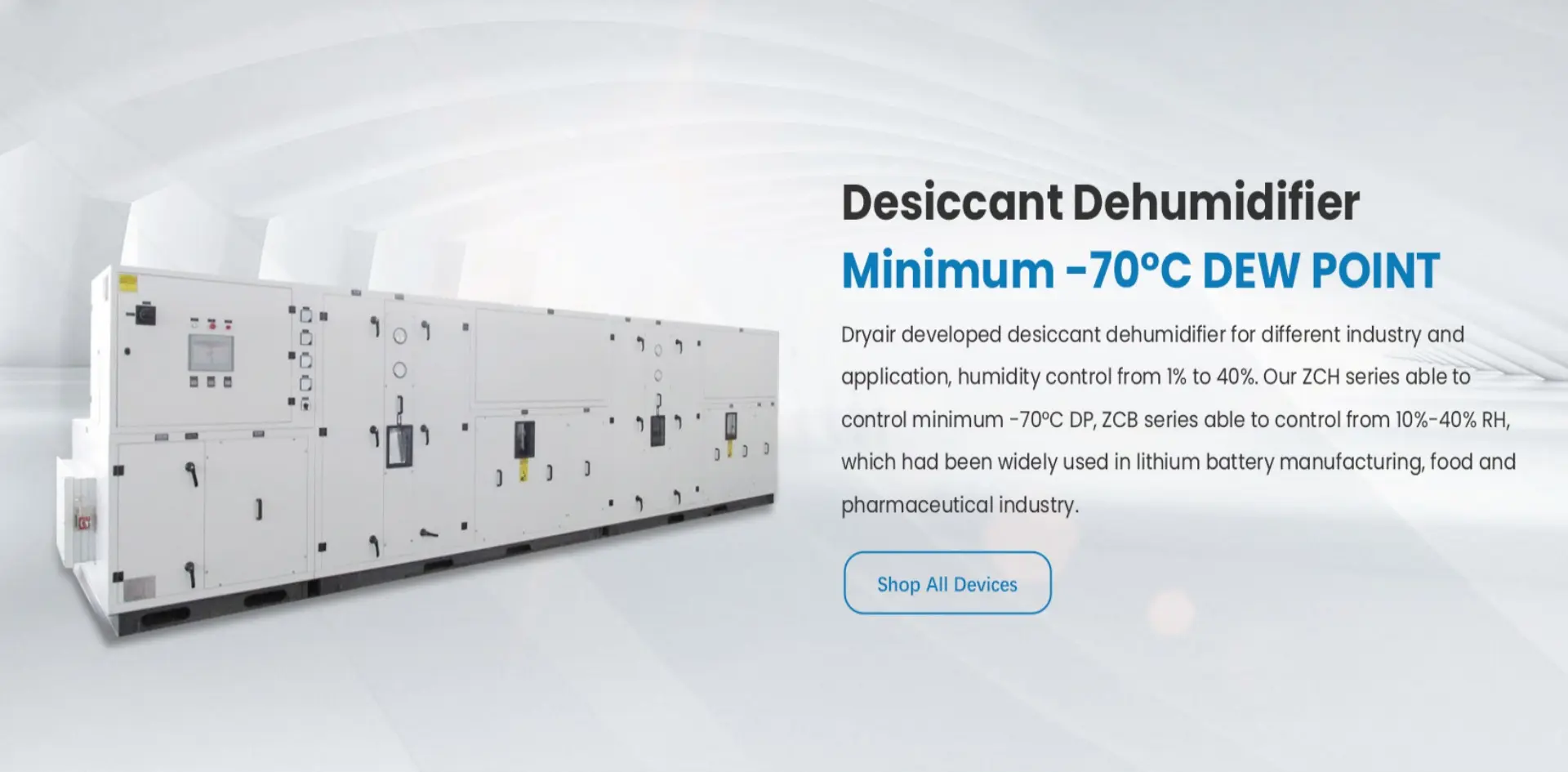
DP -70°C Stable
Industrial Desiccant Dehumidifiers
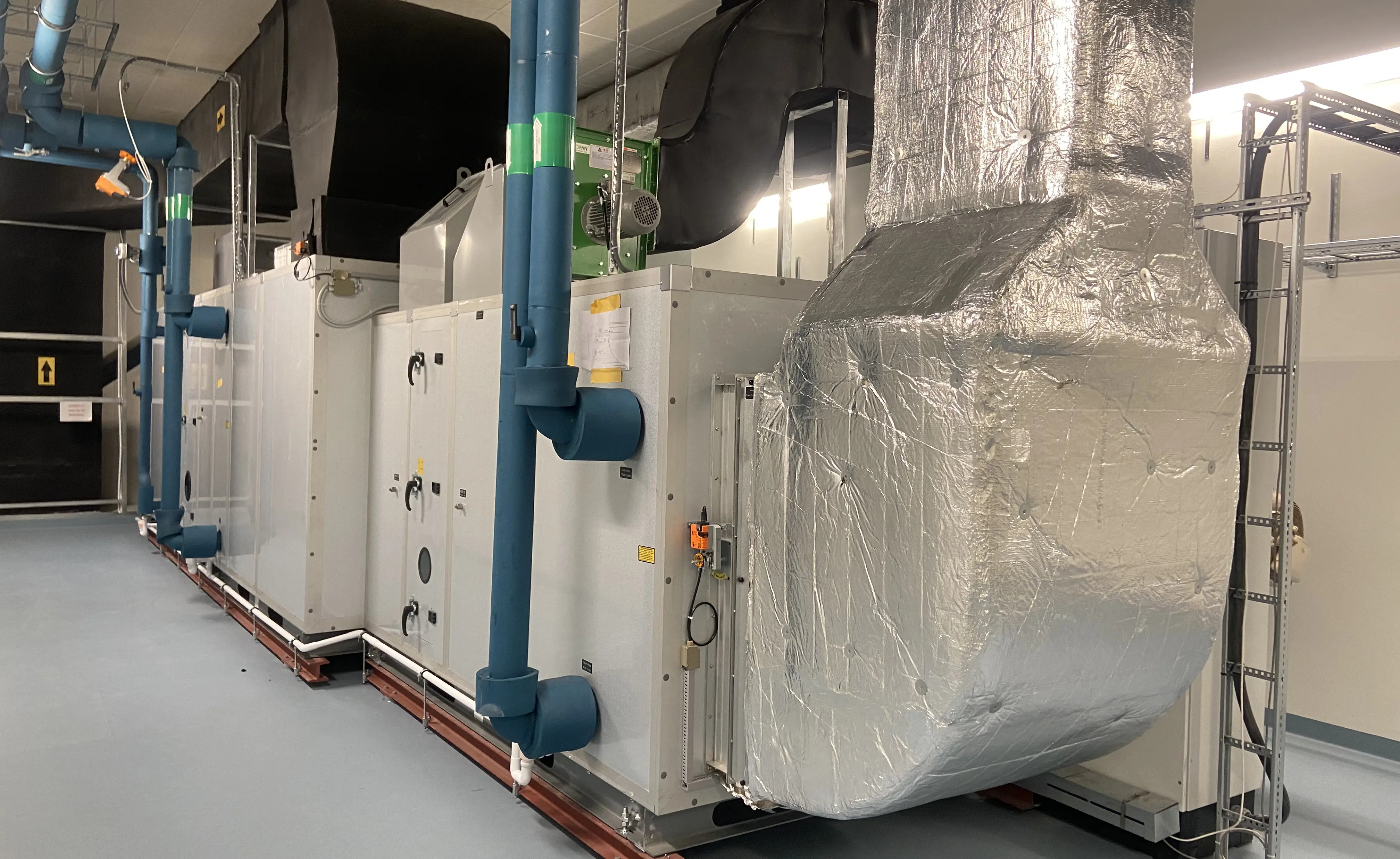
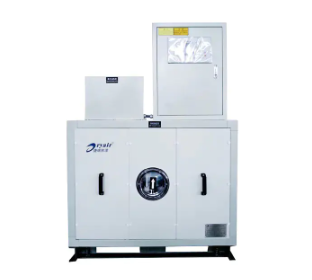
DHU Series dual-rotor desiccant systems engineered for ultra-deep dew-point dehumidification in lithium battery and solid-state cell drying zones.
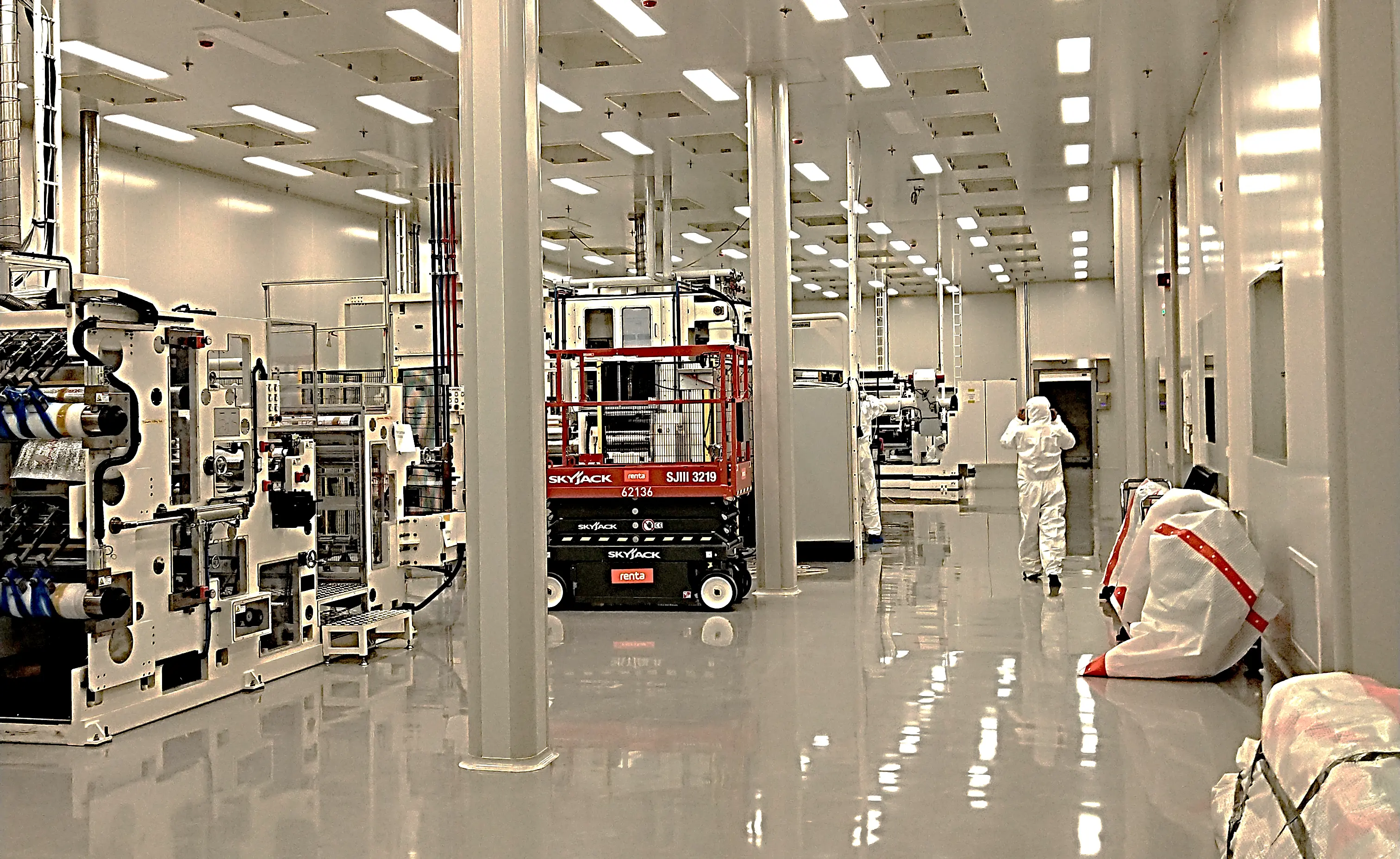
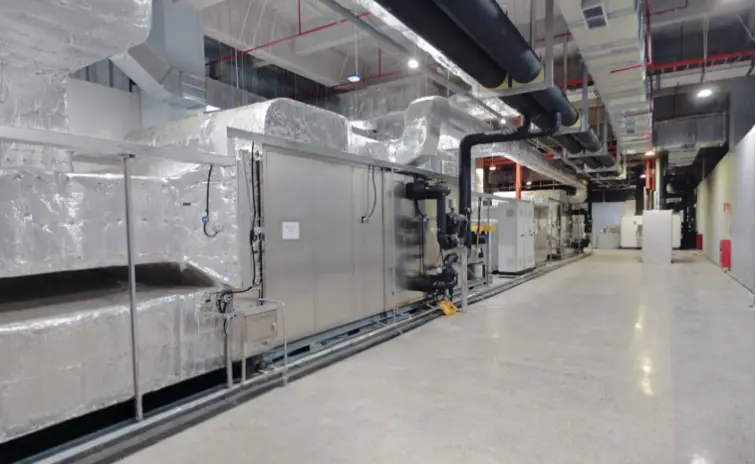
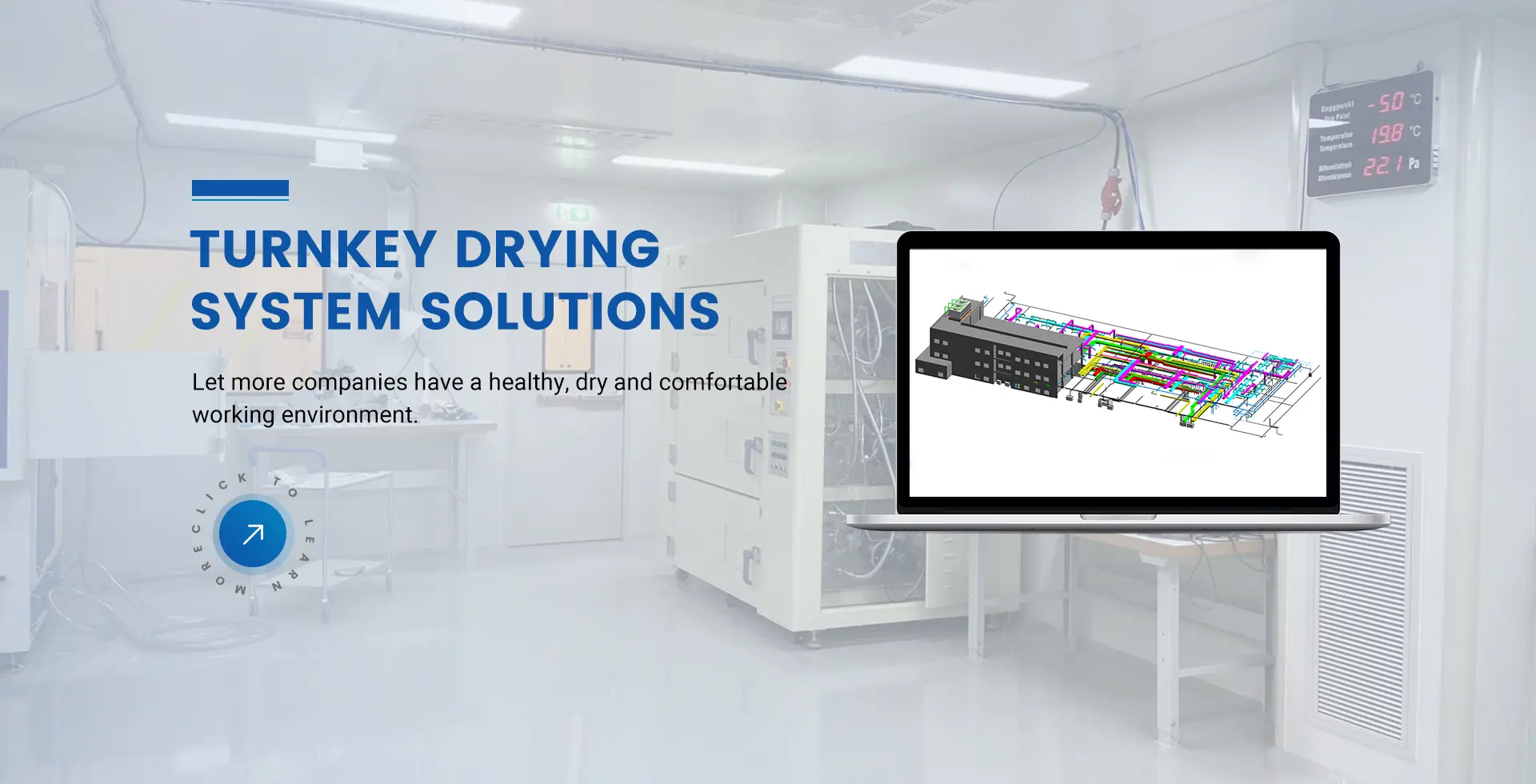
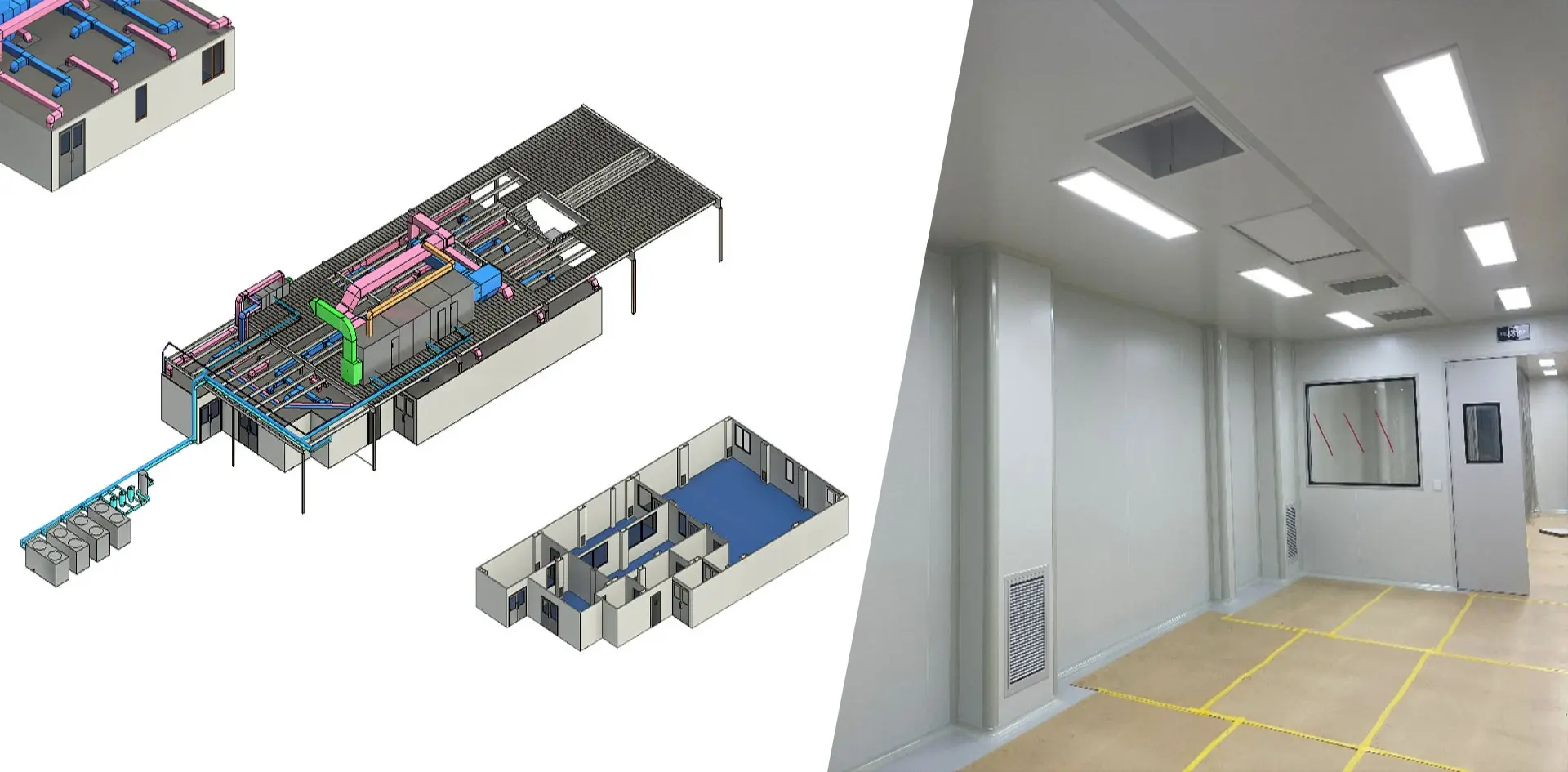
Integrated envelope panels, airlocks, thermal bridges, and precision low-dew-point HVAC engineered to align with strict Korean industrial safety regulations.
Single contract: design, import, build & validation
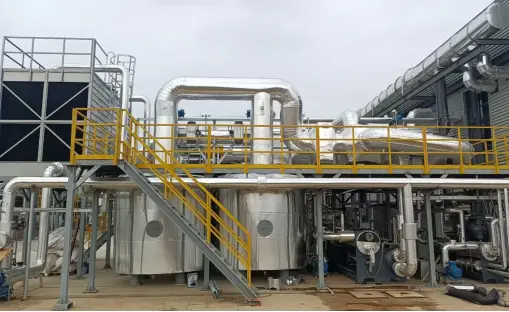
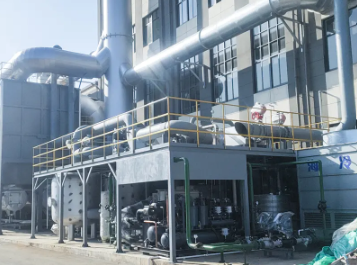
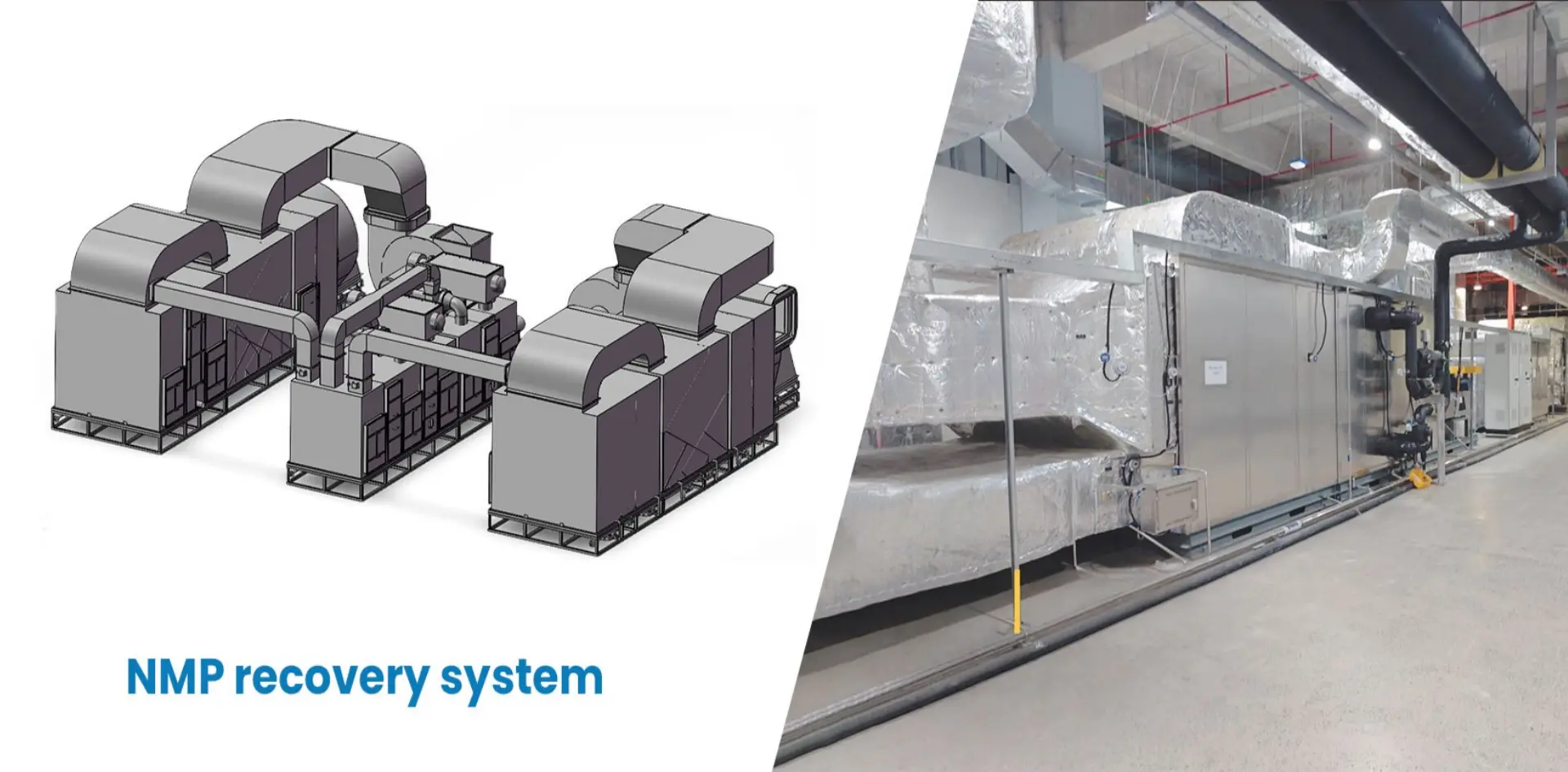
Advanced regenerative thermal oxidizers (RTO) and deep-cooling condensation packages for severe VOC exhaust streams in chemical and coating facilities.
South Korea's Next-Gen Battery Pivot & Demands for Turnkey Dry Room Systems
A technical assessment of the commercial climate across the Korean battery corridor (Ochang, Daejeon, Pohang, Ulsan) and how advanced air handling mitigates catastrophic degradation during high-nickel and solid-state cell assembly.
The Korean Industrial Landscape: High-Nickel & Solid-State Pressure
South Korea’s domestic manufacturing sector has shifted heavily toward high-nickel cathode formulations (NMC 811, 9/0.5/0.5) and next-generation sulfide-based solid-state electrolyte development. Lithium transition-metal oxides with elevated nickel content are exceptionally moisture-sensitive. Even fractional exposure to airborne water molecules catalyzes surface rock-salt phase formation and generates hydrofluoric acid (HF) from LiPF6 decomposition.
For Korean Tier-1 manufacturers and their Tier-2 supply networks in Gyeongsang and Chungcheong provinces, conventional -40°C dew point environments are no longer sufficient. Production lines for sulfide solid-state electrolytes require ultra-controlled micro-environments reaching down to -60°C to -70°C dew point (equivalent to <0.005 g/kg moisture content) to prevent highly toxic hydrogen sulfide (H2S) off-gassing and maintain absolute electrochemical cell integrity.
Global Procurement Intent: Mitigating Capital & Operational Expenditure
Procurement directors at international gigafactories face a dual dilemma: soaring electrical power tariffs and unyielding environmental ESG regulations. Dry rooms consume up to 43% of total facility energy during cell electrode processing, largely driven by continuous thermal regeneration of desiccant rotors.
Global buyers actively seek engineering partners who provide integrated solutions that optimize total cost of ownership (TCO). Procurement teams demand verified, low-dew-point HVAC architectures incorporating waste-heat thermal cascading, variable dew point controls, and closed-loop NMP recovery systems that demonstrate payback within 18 months through raw material preservation and energy containment.
-70°C
Minimum Stable Dew Point Control
≥99%
Coating NMP Recovery Efficiency
30%+
China Desiccant Market Dominance
200+
Dehumidifier Units Fabricated / Month
74
Dedicated HVAC Engineers & PhD Specialists
Smart Manufacturing & Global Logistics
China Industry 4.0: Supply Chain Resilience, Engineering Depth & Export Velocity
How Hangzhou DryAir leverages advanced digital manufacturing hubs in Zhejiang to deliver sub-system integration faster, at tighter tolerances, and with comprehensive overseas verification.
The manufacturing architecture behind China’s leading industrial equipment suppliers has evolved into an agile, vertically integrated powerhouse. At Hangzhou DryAir’s Lin'an smart plant, automated sheet metal CNC punching, precision laser profiling, automated orbital welding, and robotic polyurethane gasket dispensing are coordinated within an automated ERP/MES system.
Unlike regional assemblers who outsource critical components, Hangzhou DryAir retains 100% control over the core aerodynamic casing, double-walled thermal barrier structures, high-grade silicon/molecular sieve rotor integration, and proprietary dual-seal air isolation structures. This vertical mastery guarantees thermal bridge factors exceeding Eurovent TB1 ratings and ensures room leakage rates remain strictly below 0.1% volume per hour.
This localized supply chain cluster in the Yangtze River Delta grants Korean EPC firms a decisive strategic advantage: fast maritime transit routes from Ningbo or Shanghai port directly to Busan, Incheon, or Gwangyang within 48 to 72 hours, drastically reducing freight lead times compared to European or North American competitors.
Engineering Compliance & International Certification Portfolio
DryAir equipment lines are pre-engineered to comply with the most stringent global standards, ensuring rapid permitting for international operations:
CE Machinery Directive 2006/42/EC & Low Voltage Standards
UL 1995 / UL 60335-2-40 & CSA C22.2 for North American Deliveries
ASME Boiler & Pressure Vessel Code for Heat Exchangers
GJB 9001C Military Quality Standards & ISO 9001 / ISO 14001
EAC TR CU Certification for Eurasian Economic Union markets
Local Installation Blueprints
High-Yield Deployment Scenarios Across South Korea's High-Tech Sectors
From primary lithium battery packs in Cheongju to advanced bio-pharmaceutical suites in Songdo, tailored environmental engineering ensures uninterrupted yield.
Lithium-ion Battery Dry Rooms (Chungbuk / Ulsan)
Electrode slitting, cell winding, pouch stacking, electrolyte injection, and seal welding requiring continuous supply air dew point maintained strictly between -50°C and -65°C. Minimizes internal battery HF gas generation and preserves cycle life.
Target: -40°C to -65°C DP | Zero Air Bypass
Bio-Pharma & Gelatin Processing (Songdo / Osong)
Hygroscopic pharmaceutical tablet compressing, effervescent compounding, lyophilization unloading, and moisture-sensitive capsule packaging requiring relative humidity below 15–20% under cGMP Class C/D cleanroom protocols.
Target: <15% RH @ 21°C | HEPA Integrated
Electrode Coater NMP Closed-Loop (Yeosu / Daesan)
Automated condensation and counter-flow recovery lines receiving high-temperature exhaust laden with volatile NMP solvent. Protects workers, recovers high-purity recycled solvent, and cuts emissions to meet local Korean ambient limits.
Target: ≥99% Solvent Condensation | Low ΔP
Proven Project Delivery
End-to-End Turnkey Dry Room Engineering Lifecycle
A rigorous five-stage execution framework that guarantees seamless accountability from initial moisture calculation to on-site Korean commercial handover.
Stage 01
Consultation
Calculation of operational moisture load, infiltration rates, personnel latent heat, and target process dew point definition.
Technical Insights: Precision Dew Point & Solvent Extraction Systems
Operational case studies and design evaluations authored by Hangzhou DryAir’s thermal engineering department.
How Does an Oil Gas Condensation Recovery System Work in Industrial Processing?
A detailed walkthrough of mechanical compression, multi-stage refrigeration cooling, and final carbon polishing used to capture volatile hydrocarbons during high-throughput solvent handling.
How to Maintain Stable NMP Recovery Performance During Continuous 24/7 Operation
Analyzing thermal stability across condensing coils, automated chiller staging, and condensation droplet collection in large electrode coating exhausts operating without shutdown.
What Problems Can Excess Humidity Cause in Drug Manufacturing and Packaging?
Examining hydrolytic degradation of active pharmaceutical ingredients (APIs), capping issues during high-speed rotary tablet compression, and clean packaging moisture safeguards.
Direct technical answers addressing performance tolerances, Korean site compliance, overseas warranties, and project lifecycle management.
What is the lowest verified dew point a DryAir desiccant dehumidifier can deliver under full production load?
Hangzhou DryAir rotary desiccant dehumidifiers reliably achieve supply air dew points down to a guaranteed -70°C dew point (measured at 1 atmosphere, equivalent to <0.005 g of moisture per kg of dry air). This performance is maintained through dual-rotor cascades with inter-cooling and precision molecular sieve rotor desiccant structures, meeting the most rigorous criteria for next-gen lithium metal and solid-state battery development.
Can DryAir execute full turnkey dry room construction directly for clients in South Korea?
Yes. DryAir provides end-to-end turnkey dry room EPC (Engineering, Procurement, Construction) projects for international facilities, including South Korea. Our scope covers initial psychrometric design, enclosure wall and ceiling panel manufacturing with anti-thermal bridge joints, high-efficiency low-dew-point air handling units, mechanical ductwork, automated electrical controls, on-site supervision, and final cleanroom commissioning. We have successfully executed large-scale dry room deliveries for multinational manufacturers including Tesla, Northvolt, and TTI.
How do you support safety and regulatory compliance in South Korea (e.g., KOSHA, local electrical codes)?
All systems destined for South Korea can be engineered with Korean-compatible electrical specifications (380V/440V, 3-phase, 60Hz), equipped with Korean-language or dual English-Korean HMI interfaces, and built using components meeting international CE, UL, and CSA safety norms. Our engineering team routinely collaborates with Korean EPC partners to align with Occupational Safety and Health Agency (KOSHA) standards and local clean air exhaust limits.
What solvent recovery efficiency does the DryAir NMP recovery system guarantee?
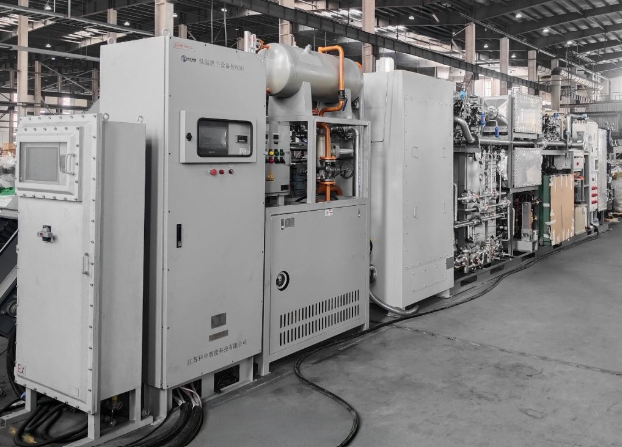
DryAir ZJRH Series NMP recovery systems guarantee an N-Methyl-2-pyrrolidone solvent recovery efficiency of ≥99% from lithium battery cathode coating and drying exhausts. The process utilizes multi-stage heat exchangers and deep-cooling condensation to recover high-purity liquid solvent, drastically lowering new solvent purchase costs and keeping stack exhaust concentrations well within regional environmental limits.
What after-sales service and warranty agreements are available for Korean installations?
For international and Korean installations, DryAir offers comprehensive warranty coverage alongside an optional extended two-year comprehensive overseas maintenance agreement. Support includes remote cloud diagnostics, rapid spare parts fulfillment, and on-site commissioning/preventive service calls by certified DryAir HVAC engineers.
What certifications are held by Hangzhou DryAir for overseas plant projects?
DryAir systems are certified according to destination requirements, holding CE, UL, CSA, ASME (for pressure equipment), and EAC credentials. The company operates under ISO 9001 quality management, ISO 14001 environmental management, and the GJB national military quality management standard.
Enterprise Product Catalog
Complete Engineered Product Lines for Korea & Global Industry
Explore our complete family of specialized dehumidification, solvent recovery, and VOC thermal treatment machinery. Built to exact industrial process specifications.
Rotor Tech
Industrial Desiccant Dehumidifier
Rotary desiccant units providing ultra-stable low-dew-point environmental air control for battery, military, and pharmaceutical cleanrooms.