Industrial Dehumidification Engineering • AS/NZS Compliant Solutions

Advanced Refrigerative Dehumidifier Supplier & Solutions Provider for the Australia Market

Engineered thermal condensation systems, high-efficiency latent heat extraction, and turnkey environmental air management certified to Australian AS/NZS standards and BCA/NCC efficiency benchmarks.

DryAir Core Engineered Systems

High-Duty Industrial Climate Control for Australian Operations

From deep-desiccant -70°C ultra-low dew points to high-capacity mechanical refrigeration cycles, explore our prime industrial systems built for high-ambient Australian resource, logistics, and processing corridors.

DryAir DHU rotary desiccant dehumidifier unit for Australian industrial applications DP -70°C Certified

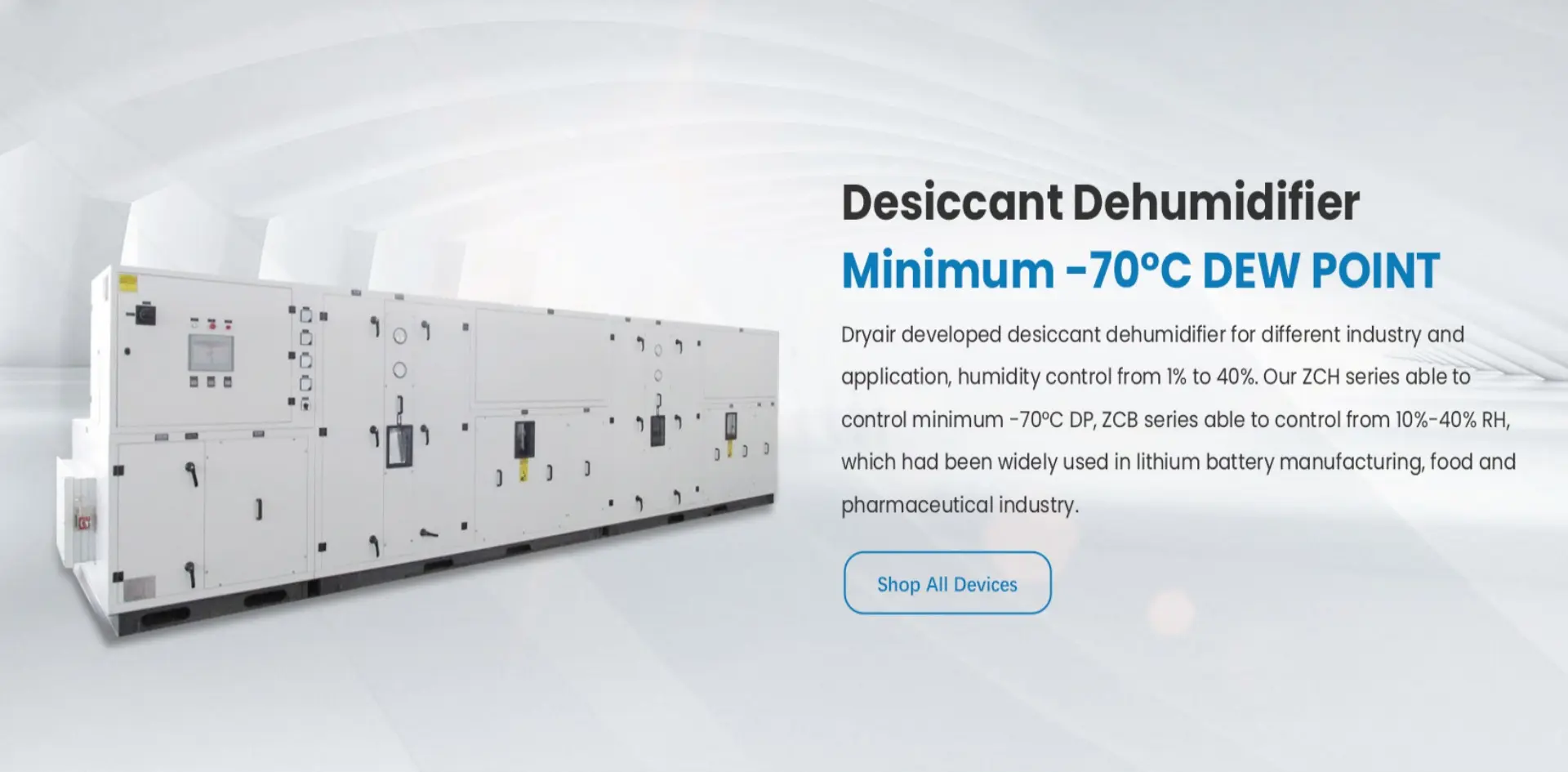
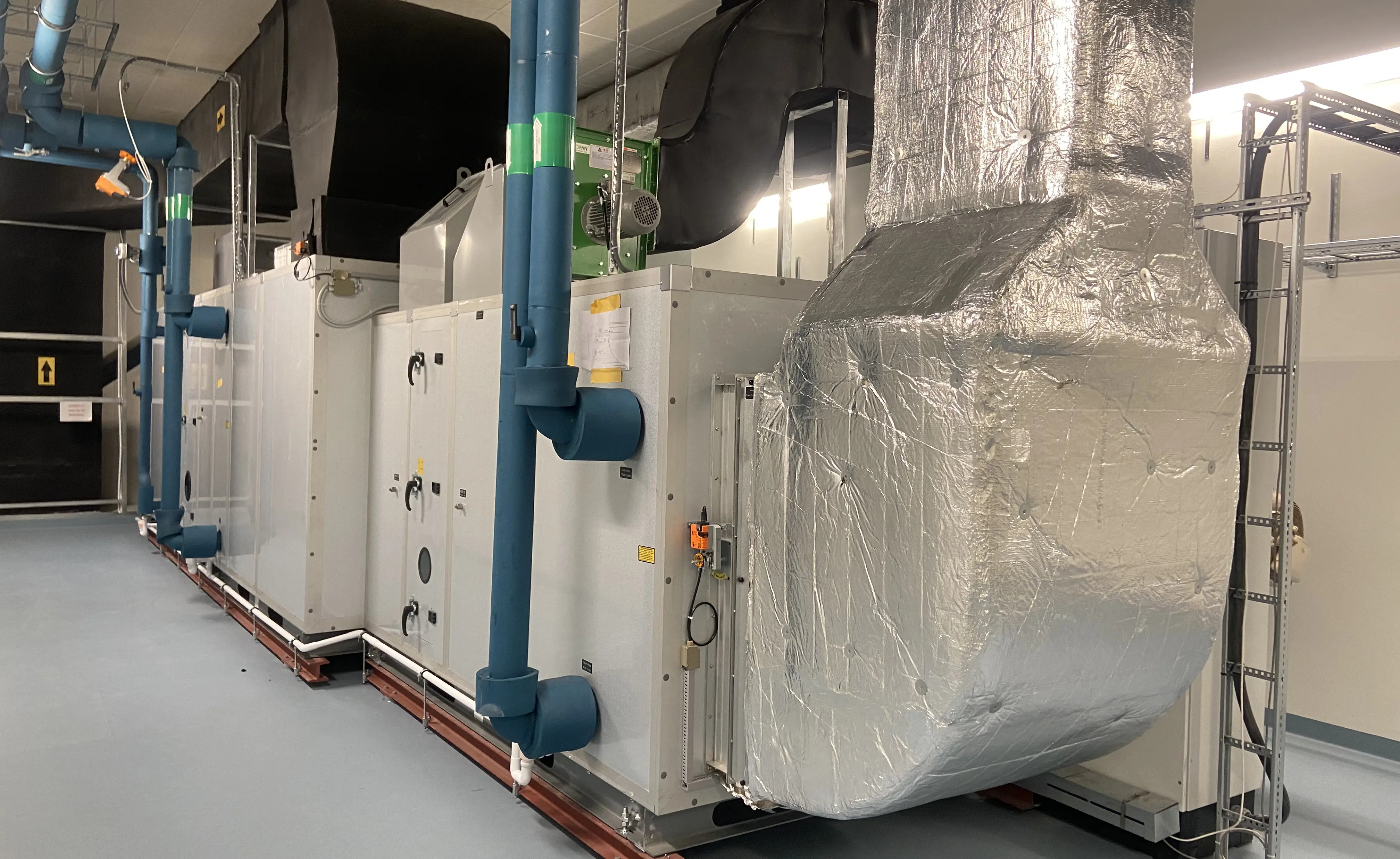
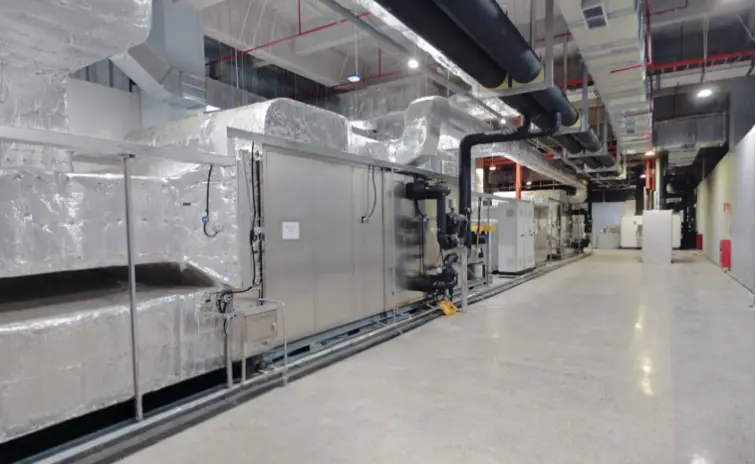
Desiccant Dehumidifier (Australia Engineered)

DHU series rotary desiccant systems delivering stable, ultra-low dew points where conventional mechanical chillers cannot reach. Engineered with thermal heat recovery for minimal operational expenditure across harsh mining and battery mineral facilities.

  • Minimum -70°C dew point supply air
  • Waste heat & reactivation integration
View Specifications
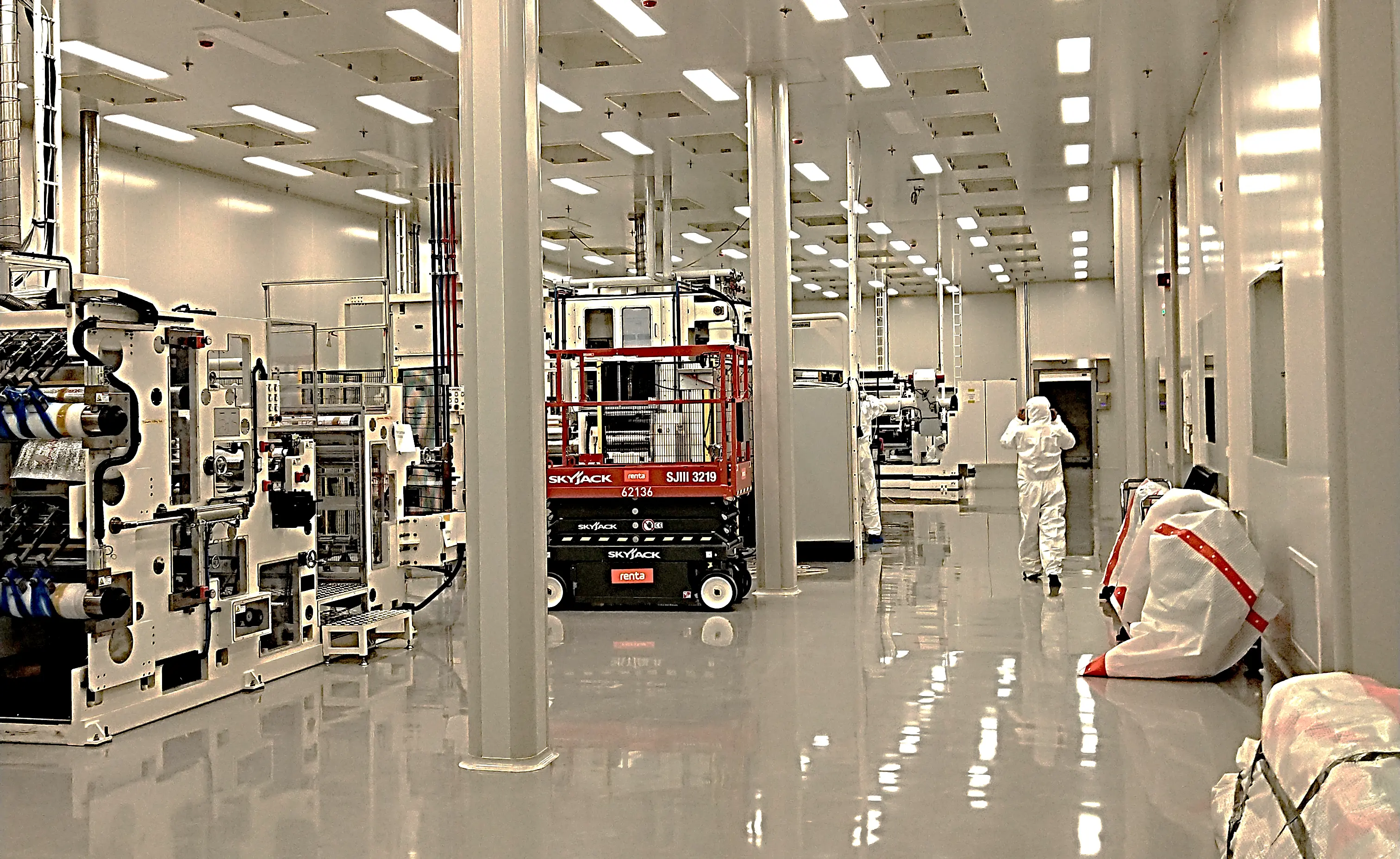
Turnkey lithium battery dry room system by DryAir Australia standard Turnkey EPC

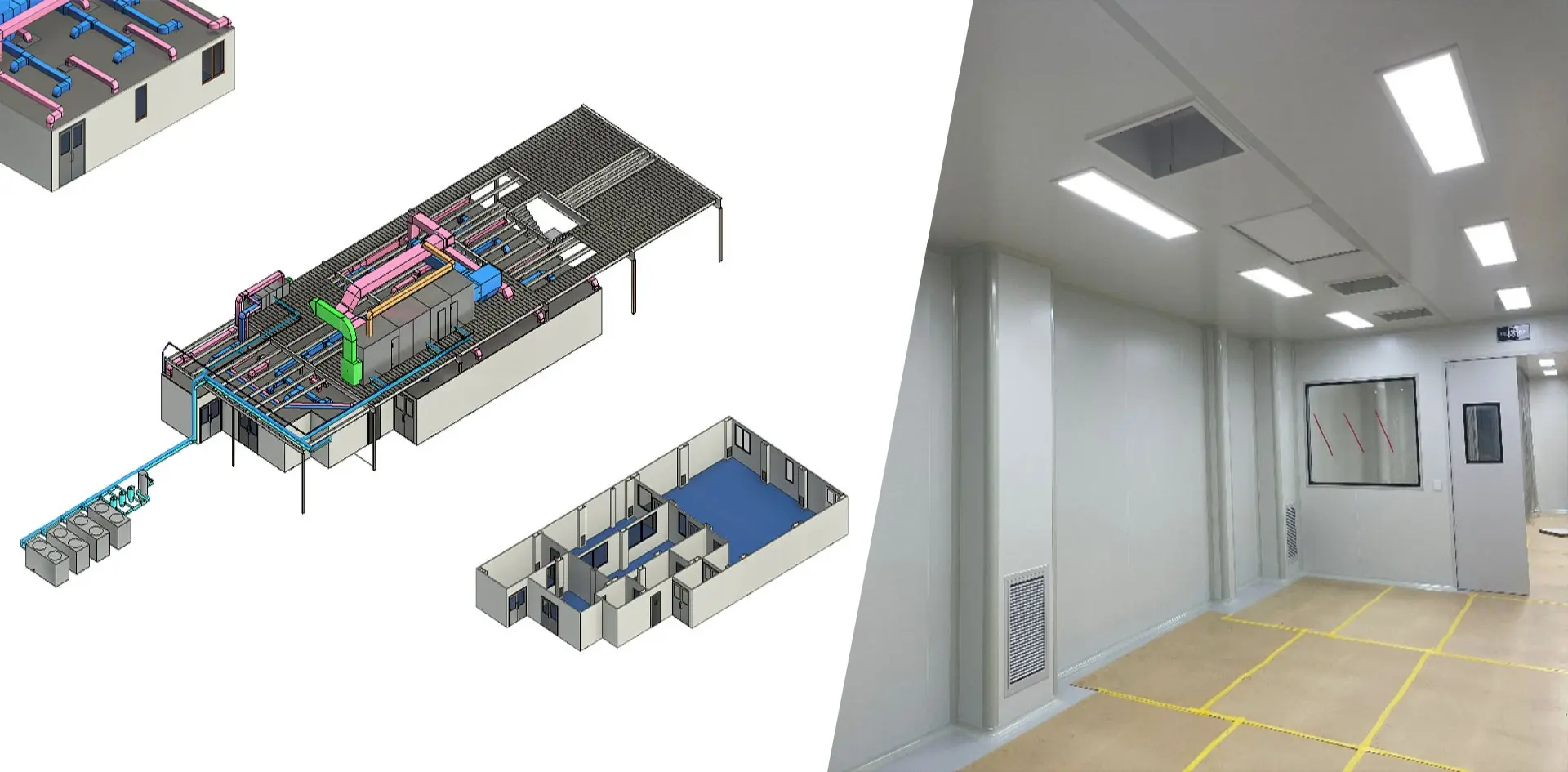
Turn-key Dry Room System (Australia Cleanroom)

Complete envelope air-handling infrastructure designed for lithium cathode production, battery gigafactories, and pharmaceutical clean spaces. Comprehensive engineering from structural panelling to multi-stage refrigeration and SAT sign-off.

  • Single-source EPC turnkey design
  • Validated with Tesla, CATL & Northvolt
Explore Dry Rooms
DryAir ZJRH series NMP recovery system Recovery ≥99%

NMP Recovery System (Australia Mining & Battery)

High-efficiency solvent condensation capturing N-Methyl-2-pyrrolidone from electrode coating processes. Drastically slashes purchasing overhead and satisfies strict environmental protection authority (EPA) emissions thresholds.

  • Closed-loop recovery efficiency ≥99%
  • Automated VOC concentration control
Learn More
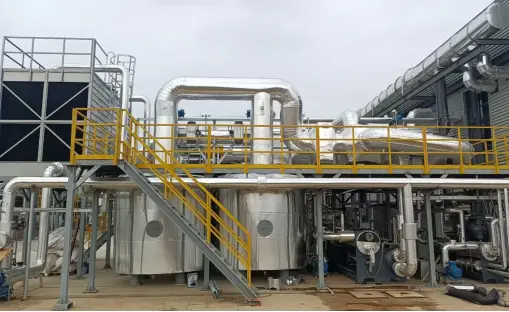
DryAir JEN series VOC abatement system Cooling + RTO

VOC Abatement System (Australia Compliance)

Dual-stage cryogenic condensation coupled with Regenerative Thermal Oxidation (RTO). Eliminates hazardous organic pollutants and fugitive vapors from chemical plants, industrial paint lines, and solvent extraction operations.

  • Multi-stage deep-cooling condensation
  • Full compliance with Australian NPI guidelines
Learn More
Technical Whitepaper • Market Dynamics

Engineering Refrigerative Dehumidification for the Australian Continent

An in-depth thermodynamic analysis of mechanical moisture removal across Australia's extreme climate zones, National Construction Code (NCC Section J) efficiency regulations, and critical industrial corridors.

The Australian Industrial Landscape & Climate Volatility

The Australian industrial sector faces one of the most demanding environmental operating spectrums in the world. Ranging from the humid tropical climates of Northern Queensland and the Northern Territory (where wet-bulb design temperatures frequently exceed 28°C) to the arid, high-dust mining regions of the Pilbara and Western Australia goldfields, commercial and industrial enterprises cannot rely on off-the-shelf climate control units.

Refrigerative dehumidifiers operate by lowering the process airstream temperature below its dew point via direct expansion (DX) evaporator coils, condensing gaseous water vapor into liquid water, and then reheating the air through a condenser coil before discharging. In high-humidity coastal hubs like Brisbane, Sydney, and Newcastle, ambient latent moisture loads account for more than 60% of total HVAC thermal stress in cold-chain logistics facilities, grain storage silos, and pharmaceutical storage depots.

Furthermore, Australia's tightening National Construction Code (NCC 2022 Section J) mandates rigorous energy efficiency metrics for industrial and commercial buildings. Facilities are compelled to cut baseline electrical consumption while managing aggressive humidity spikes that threaten microbial contamination, steel packaging oxidation, structural sweating, and dry-product clumping.

Global Decarbonization & Refrigerative HVAC Synergies

Globally, industrial climate control has shifted from simple psychrometric conditioning to an integrated energy-recovery science. With the phase-down of high-GWP hydrofluorocarbons (HFCs) under the Kigali Amendment and Australia’s Ozone Protection and Synthetic Greenhouse Gas Management Act, modern refrigerative dehumidifiers must balance low Global Warming Potential (GWP) refrigerants (such as R32, R454B, and R1234ze) with enhanced thermodynamic coefficients of performance (COP).

Hangzhou DryAir delivers refrigerative dehumidifiers that act as both standalone moisture extractors and pre-cooling stages for downstream desiccant wheel arrays. By pulling bulk ambient moisture out of incoming air via refrigerative condensation down to a 4°C to 10°C dew point, the specific enthalpy load imposed on downstream desiccant rotors is slashed by 45% to 65%. This hybrid approach represents the pinnacle of modern industrial efficiency, maximizing moisture removal per kilowatt-hour of consumed energy.

Whether for critical lithium battery mineral processing in Kwinana, pharmaceutical packaging in Melbourne, or large-scale grain handling in South Australia, engineered mechanical dehumidification provides an indispensable foundation for non-stop, 24/7 reliability.

-70°C
Minimum Dew Point Control
≥99%
NMP Solvent Recovery
200+
Units Fabricated Monthly
30%+
Industrial Market Share
Regional Deployments

Localized Australian Application Scenarios

Customized thermodynamic engineering aligned with Australian industrial sectors, coastal proximity, ambient variations, and strict hygienic requirements.

Mining & Critical Minerals (WA Pilbara & Goldfields)

High ambient temperatures coupled with massive dust loads require heavy-duty casing, Blygold or Heresite coil coatings to resist chemical attack, and pressurized refrigerative dehumidifiers. Essential for protecting sensitive electrical switchrooms, switchgear containers, and lithium refining infrastructure from condensation-induced flashover and catastrophic downtime.

Cold-Chain Logistics & Food Hubs (NSW & VIC)

Preventing ice buildup on blast freezer coils, ceiling frost in high-bay distribution centers, and carton softening in loading docks across Sydney and Melbourne. DryAir refrigerative systems eliminate fogging and slip hazards, while preventing rapid bacterial growth on food packaging in accordance with HACCP requirements.

Pharmaceutical & Biotechnology (Melbourne & Adelaide)

Precise humidity management for cleanroom suites, gelatin capsule formation, tablet pressing, and sterile blister packaging. Incorporating stainless-steel drain pans, hygienic interior linings, and modulating Copeland scroll compressors to maintain stable RH (40–45%) without thermal hunting.

Viticulture & Wine Storage (Barossa & Hunter Valley)

Maintaining accurate barrel cellar humidity to stop excessive wine evaporation while suppressing mold and fungal outbreaks on oak staves. Refrigerative systems prevent cellar ceiling condensation without generating hot discharge air that disrupts sensitive ambient maturation temperatures.

Grain, Seed & Sugar Silos (Queensland & SA)

Controlling moisture transfer inside bulk storage facilities to stop sweating, mold spore germination, and mycotoxin formation. DryAir systems preserve dry-bulb and dew-point parameters to safeguard millions of dollars in agricultural commodity yield during sub-tropical wet seasons.

Marine & Coastal Industrial Storage (Ports across Australia)

Marine corrosion category C5-M represents a constant threat across Brisbane, Fremantle, Darwin, and Port Hedland. DryAir utilizes double-skin polyurethane insulated panels (50mm), 316 stainless-steel fasteners, and marine-grade epoxy coated coils to prevent atmospheric corrosion in port-side warehouses.

Hangzhou DryAir Value Proposition

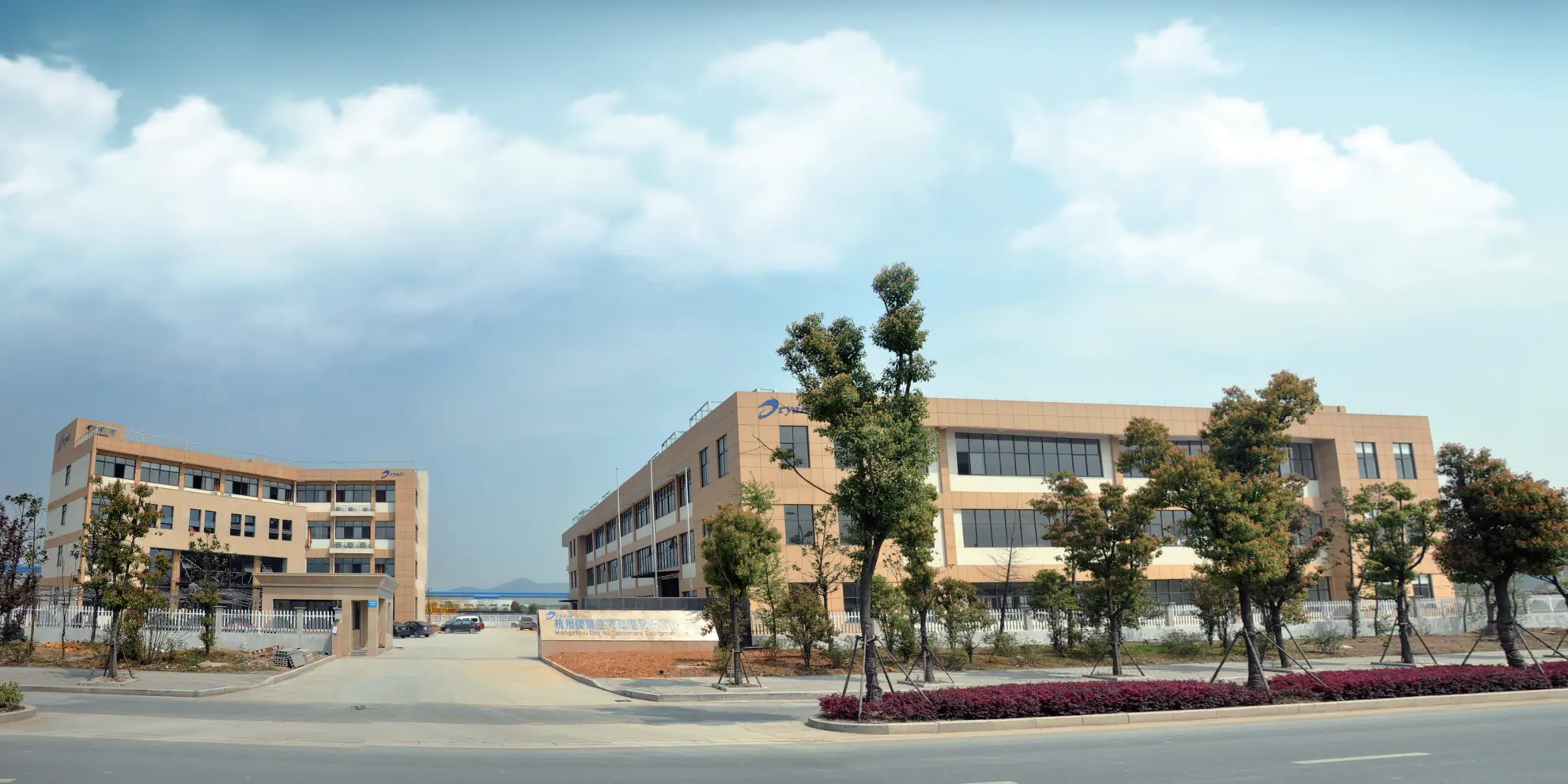
China Precision Manufacturing Meets Australian Engineering Standards

How Hangzhou DryAir’s vertically integrated engineering campus delivers superior thermodynamic efficiency, rapid factory lead times, and substantial capital expenditure savings for Australian enterprise clients.

Integrated Supply Chain Speed

From automated CNC sheet-metal punching, laser welding, in-house coil brazing to electronic panel wiring, DryAir controls every link in production. Our 200+ unit per month fabrication capacity slashes delivery lead times to Australia by 40% compared to typical European and US manufacturers.

Rigorous Military & Gigafactory Testing

Operating under both ISO 9001 and the stringent GJB National Military Standard, every refrigerative unit undergoes 100% factory acceptance testing (FAT) inside our calibrated thermodynamic enthalpy test chamber before dispatch to Australian ports.

AS/NZS Electrical & Mechanical Alignment

Our units can be configured with AS/NZS 3000 electrical compliance, 415V/50Hz 3-phase wiring, IP55/IP65 electrical cubicles, RCD protection, and non-ozone-depleting refrigerants compliant with Australian import licencing schemes.

Delivery Execution

Our 5-Stage Turnkey Project Delivery Workflow

STAGE 01

Psychrometric Audit

Analyzing latent loads, room infiltration, ambient climatic extremes, and specific humidity requirements.

STAGE 02

Bespoke Design

Refrigeration circuit selection, scroll/screw compressor staging, coil bypass dampers, and CAD integration.

STAGE 03

Precision Build

In-house fabrication, anti-corrosive coating application, pressure testing, and multi-hour FAT runtime.

STAGE 04

Logistics & Site SAT

Direct export to Brisbane, Sydney, Melbourne or Fremantle, followed by on-site supervision and commissioning.

STAGE 05

Lifecycle Support

Optional 2-year international warranty, remote IoT telemetry support, and direct air-freight spare parts supply.

Technical Comparison & Specification

Engineering Decision Matrix: Technology Comparison

Selecting the optimal moisture removal mechanism requires an uncompromising review of psychrometric targets, thermal COP, energy penalties, and structural footprint.

Evaluation Parameter Refrigerative Dehumidifier Rotary Desiccant Dehumidifier Hybrid DX Pre-Cooled Desiccant
Typical Dew Point Range +3°C to +15°C DP -20°C down to -70°C DP -40°C down to -70°C DP (Optimized)
Target Humidity Region 40% to 90% RH 0.5% to 40% RH 0.5% to 30% RH (High Latent Load)
Energy Efficiency (COP) High (2.8 – 4.2 COP) Moderate (Thermal Regen Required) Optimal Overall Facility COP
Reactivation Heat Demand None (Direct Condensation) Electric, Steam or Gas Reactivation Downsized Thermal Regeneration Load
Ideal Australian Applications Cold storage docks, warehouses, wine cellars, mining switchrooms, seed silos Lithium battery dry rooms, military ordnance storage, gelatin drying Gigafactories, battery slurry coating, tropical pharma manufacturing
CAPEX / OPEX Profile Low CAPEX / Lowest OPEX per kg water Moderate-High CAPEX / Moderate OPEX Engineered CAPEX / Lowest Lifetime TCO

Future Trends Shaping the Australian Dehumidification Market

1. Full-Inverter Variable Speed Drives (VFD): Fixed-speed reciprocating compressors are rapidly being replaced by brushless DC inverter scroll and screw compressors. DryAir units adjust refrigerant mass flow to mirror real-time latent loads, preventing cyclic on-off thermal shock, extending mechanical life, and providing seamless compliance with Australia's Demand Response Enabling Device (DRED) infrastructure.

2. Low-GWP Refrigerant Transitions: With Australia's progressive phase-down of R410A and R134a, DryAir delivers custom systems charged with R32, R454B, and next-generation HFOs. These low-toxicity, low-GWP refrigerants drastically reduce greenhouse footprint while enhancing evaporator heat transfer coefficients.

3. Advanced Predictive Cloud IoT Telemetry: DryAir dehumidification plants feature Siemens or Schneider PLCs paired with cellular 4G/5G remote gateways. Plant managers in Perth, Sydney, or regional Queensland monitor real-time suction/discharge pressures, superheat, subcooling, compressor run-hours, and filter pressure differentials, predicting maintenance requirements prior to process disruption.

Consult with a DryAir Technical Application Engineer

Provide your space volume, air turnover, infiltration rate, and target relative humidity or dew point. Receive an engineered psychrometric load profile within 24 hours.

Send Inquiry Now
Technical & Procurement FAQ

Frequently Asked Questions for Australian Industrial Buyers

Detailed engineering, compliance, and international shipping answers for HVAC consultants, EPC contractors, and procurement managers.

How does a refrigerative dehumidifier differ from a rotary desiccant dehumidifier, and how do I choose?
Refrigerative dehumidifiers extract moisture by mechanically chilling air below its dew point via direct expansion (DX) evaporator coils, condensing moisture into liquid runoff. They excel at ambient temperatures between 15°C and 40°C where target relative humidity is between 40% and 60% (dew points above 4°C), delivering high energy efficiency (COP 3.0+). When target conditions require deep drying below 0°C dew point (down to -70°C for lithium battery dry rooms), evaporator coils freeze up, making mechanical condensation ineffective. In those scenarios, rotary desiccant dehumidifiers using silica gel or molecular sieve wheels are necessary. In many high-capacity facilities, DryAir combines both: a refrigerative dehumidifier acts as a pre-cooling stage to extract bulk moisture, followed by a desiccant rotor for deep dew-point depression.
Can DryAir refrigerative dehumidifiers comply with Australian electrical (AS/NZS 3000) and NCC standards?
Yes. DryAir custom-engineers electrical sub-assemblies for the Australian and New Zealand markets. Our control cabinets can be configured for 415V/50Hz 3-phase power distribution, featuring Schneider or ABB switchgear, separate isolation switches, RCD safety protection, IP55 or IP65 enclosure ratings, and compliant halogen-free wiring harnesses certified to AS/NZS 3000 wiring standards. Furthermore, our units meet thermal and fan efficiency thresholds set under Section J of the Australian National Construction Code (NCC 2022).
What coil and casing protection is available for harsh Australian coastal and Pilbara mining environments?
For severe corrosive categories (ISO 12944 C4 and C5-M marine/industrial atmospheres common in Australian ports and coastal mineral refineries), DryAir provides specialized protection options: Blygold PoluAl XT coil treatments, electro-fin e-coat, or Heresite coatings capable of withstanding 5,000+ hours of ASTM B117 salt spray exposure. Structural casings are fabricated using double-skin panels with 50mm non-combustible PU or rockwool insulation, corrosion-resistant galvanneal or 304/316 stainless-steel inner liners, and powder-coated architectural finishes to resist extreme UV and chemical airborne particulates.
What is the typical manufacturing and sea-freight lead time to Australian major ports?
Standard modular refrigerative units feature an engineering and fabrication lead time of 4 to 6 weeks at our Hangzhou facility. Customized industrial configurations (e.g., ATEX/IECEx explosion-proof ratings, custom dimensions, or stainless-steel construction) require 6 to 9 weeks. Ocean transit from Ningbo or Shanghai port to Sydney, Melbourne, Brisbane, or Fremantle typically ranges between 14 and 22 days. Expedited air freight is available for urgent modular units, sub-assemblies, or replacement spare parts.
How does Hangzhou DryAir provide commissioning and post-sales technical support in Australia?
Overseas clients benefit from our comprehensive lifecycle support model. DryAir offers remote PLC telemetry troubleshooting via secure cloud gateways, direct engineer-to-engineer video support, and optional on-site commissioning by our field engineers. Clients can select an optional 2-year overseas warranty package that guarantees rapid dispatch of critical electrical and refrigeration components. See our Global Service program for specific SLAs and maintenance agreements.
What recovery rate can a DryAir NMP recovery system reach on battery electrode coating lines?
DryAir NMP recovery systems are engineered to achieve an industry-leading closed-loop recovery rate of ≥99% on lithium-ion electrode coating and drying lines. By deploying deep cryogenic condensing loops followed by specialized molecular adsorption, fugitive solvent vapors are recovered into reusable NMP raw material, drastically reducing ongoing manufacturing overhead and securing complete compliance with Australian state-level EPA emission mandates.
Complete Equipment Portfolio

Engineered Systems Portfolio for Australian & International Projects

Explore DryAir's complete manufacturing spectrum of climate control, solvent recovery, and environmental mitigation machinery, factory-built to international industrial certifications.

Industrial Refrigerative Dehumidifier by DryAir High Efficiency

Industrial Refrigerative Dehumidifier (Australia Heavy-Duty)

Cost-effective mechanical moisture removal for warehouses, cold chain distribution, and seed storage. Features modulating scroll compressors and heat recovery reheating coils.

View Product Specs
Rotary Desiccant Dehumidifier Unit DP Down to -70°C

Rotary Desiccant Dehumidifier (Australia Cleanroom)

High-precision desiccant rotor systems engineered for battery processing, military ammunition storage, and effervescent tablet encapsulation requiring ultra-low absolute humidity.

View Product Specs
Turnkey Dry Room Enclosure for Lithium Cells Full EPC Design

Turn-key Dry Room System (Australia Gigafactory)

Integrated architectural panel enclosures, air distribution ducts, filtration cascades, and deep dehumidification built for lithium battery gigafactories and research centers.

View Product Specs
ZJRH Series NMP Solvent Recovery System Recovery ≥99%

NMP Solvent Recovery System (Australia Battery Recycling)

Designed to recycle NMP solvent vapor from cathode coater drying exhaust, cutting solvent procurement expenditure and meeting strict environmental airborne release regulations.

View Product Specs
VOC Abatement and Thermal Oxidation System Deep Cooling + RTO

VOC Abatement System (Australia Environmental Compliance)

Deep refrigeration condensation paired with regenerative thermal oxidizer (RTO) engineering, delivering zero-nuisance VOC exhaust from petrochemical and paint workshops.

View Product Specs
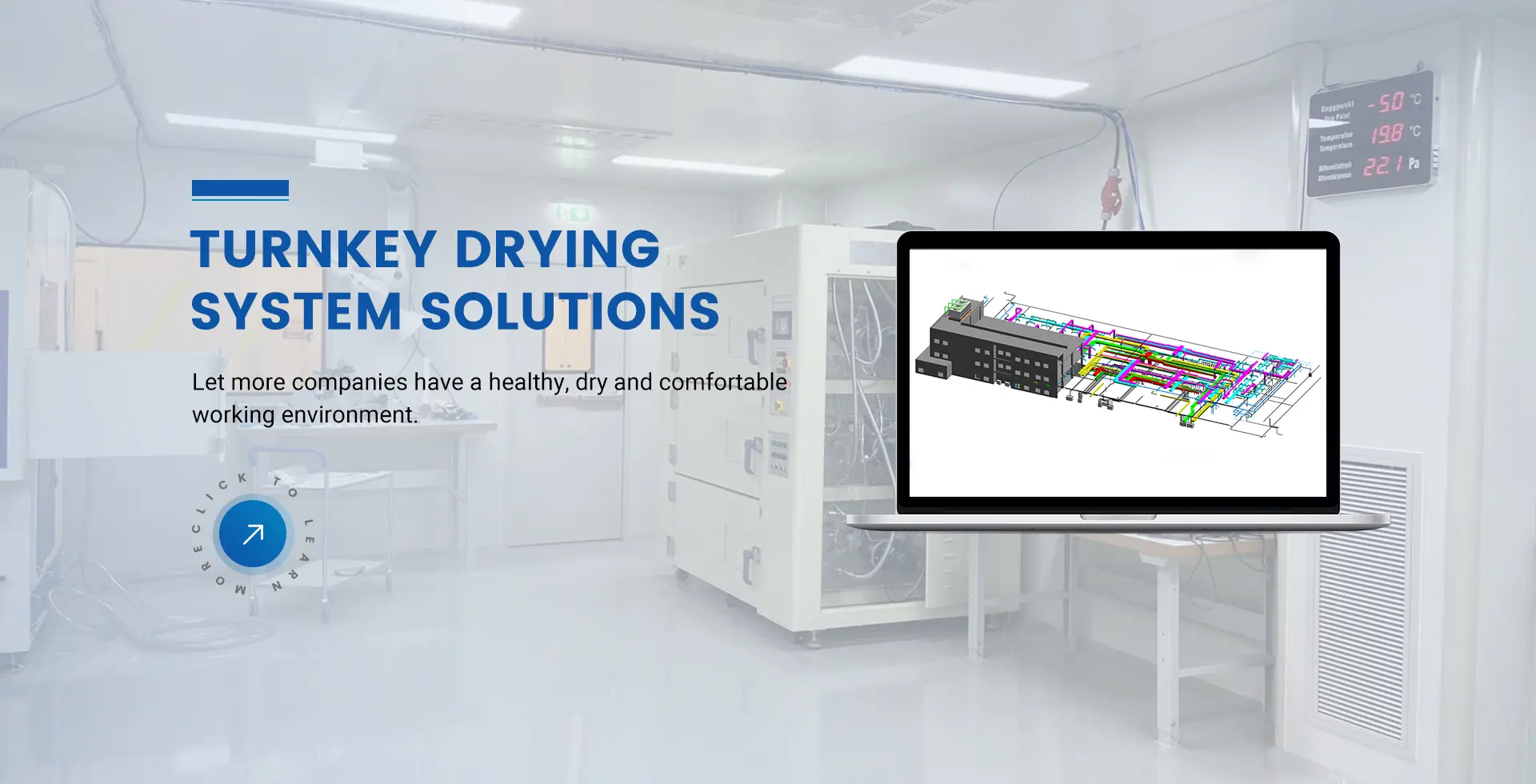
Turnkey Industrial Solutions Tailored HVAC

Complete Process Climate Engineering (Australia Projects)

Tailored psychrometric packages matching complex plant layouts, hazardous area classifications, and strict energy efficiency codes across Australasia.

View Product Specs
DryAir Global Engineering and After-Sales Service Turnkey EPC

Global Engineering & Commissioning (Australia Field Support)

From pre-feasibility CFD psychrometric modeling to on-site testing, SAT verification, and long-term preventive service contracts for overseas processing sites.

View Product Specs
DryAir Industrial Catalog & Technical Documentation Comprehensive Data

Comprehensive Engineering Documentation (Australia RFQ Pack)

Access detailed airflow diagrams, refrigeration schematics, power load schedules, and psychrometric calculation tools for your next industrial tender specification.

View Product Specs

Ready to Specify Your Australian Climate Control System?

Get in touch with Hangzhou DryAir Treatment Co., Ltd. today. Our international sales and HVAC engineering teams provide complete technical quotations, CAD drawings, and load evaluations.

Send Inquiry Now