The Russian Commercial & Industrial Climate Reality
Industrial processing throughout the Russian Federation confronts unique microclimatic challenges. While extreme Siberian winters produce air with exceptionally low absolute moisture content, the intake air presents severe thermal differentials that cause standard refrigeration dehumidifiers to freeze, fail, or induce catastrophic thermal stress on structural ductwork.
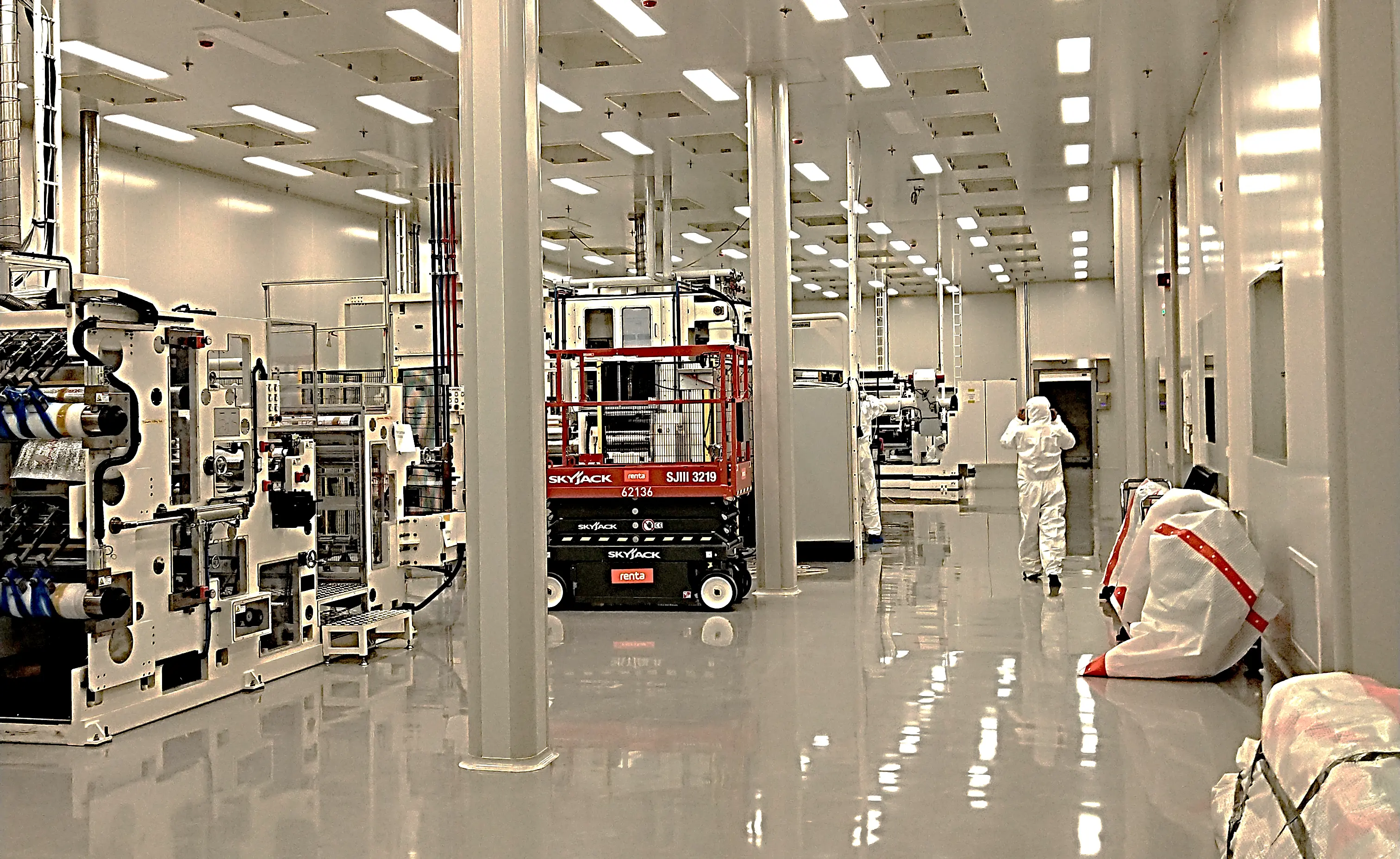
Conversely, the Russian European territory (including Moscow, St. Petersburg, and the Volga economic region) experiences intense humid continental summers where relative humidity spikes beyond 80%. When combined with high-load industrial plants—such as pharmaceutical tablet production, fertilizer synthesis, defense ammunition preservation, and expanding lithium battery production hubs—uncontrolled humidity creates agglomeration, chemical decomposition, and accelerated metal oxidation.
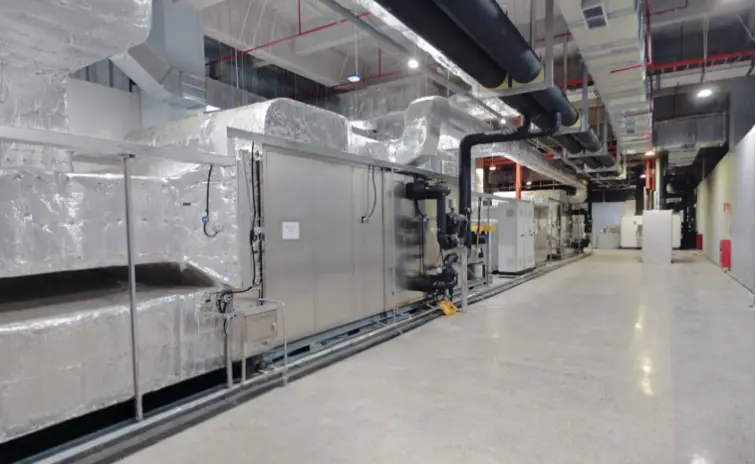
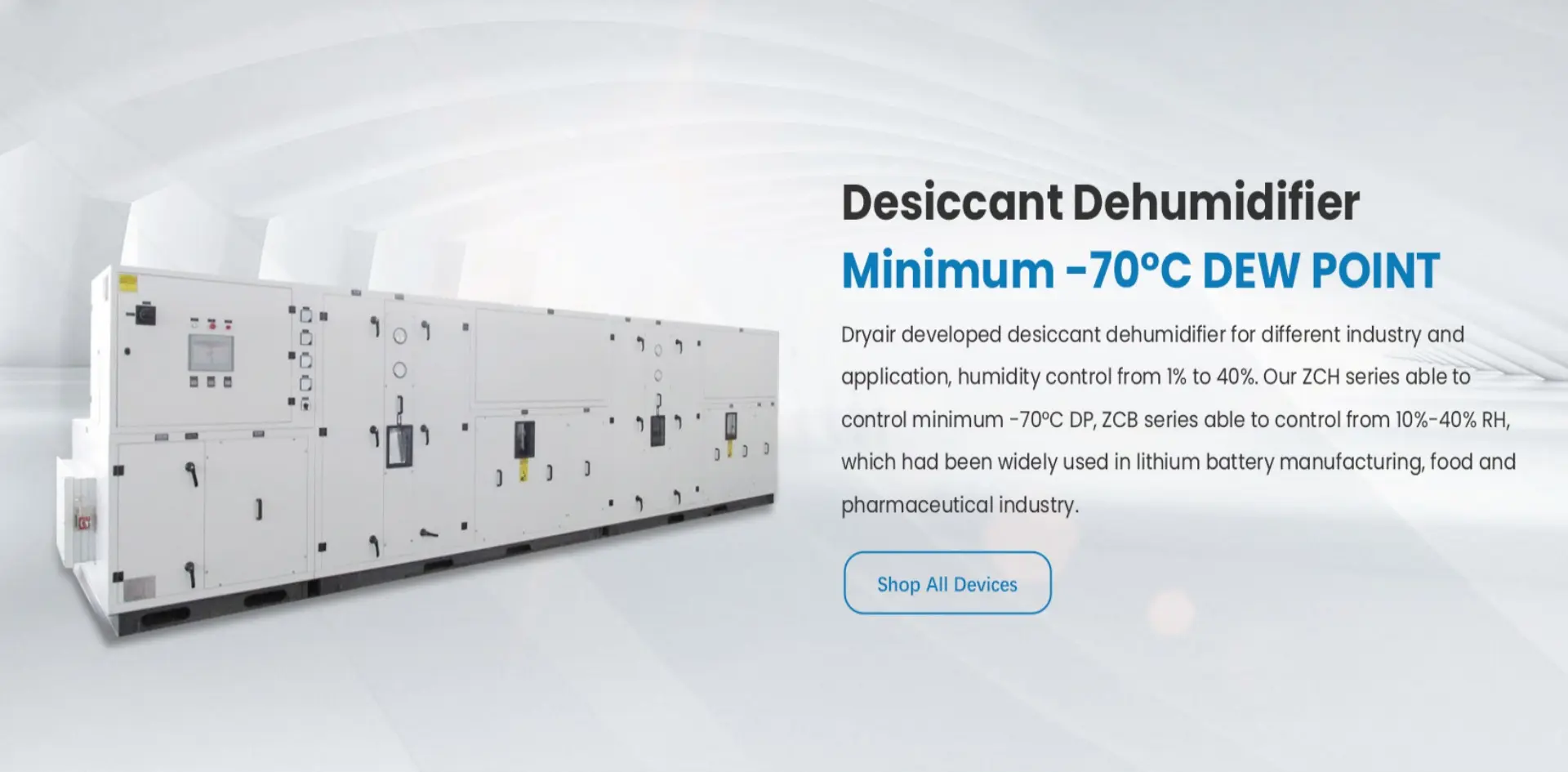
The EAC Operational Standard: Systems supplied to Russian facilities require robust freeze-protection pre-heating coils, explosion-proof components (where applicable for gas processing), and seamless dual-stage desiccant rotor heat recovery that operates economically using natural gas, high-pressure steam, or direct electrical regeneration.
Global Macro Trends & Supply Chain Demands
Across the globe, the rapid acceleration of electric mobility, grid-scale energy storage, and biotech cleanroom manufacturing has fundamentally redefined industrial humidity standards. Atmospheric moisture is no longer treated merely as a comfort metric, but as an active chemical contaminant.
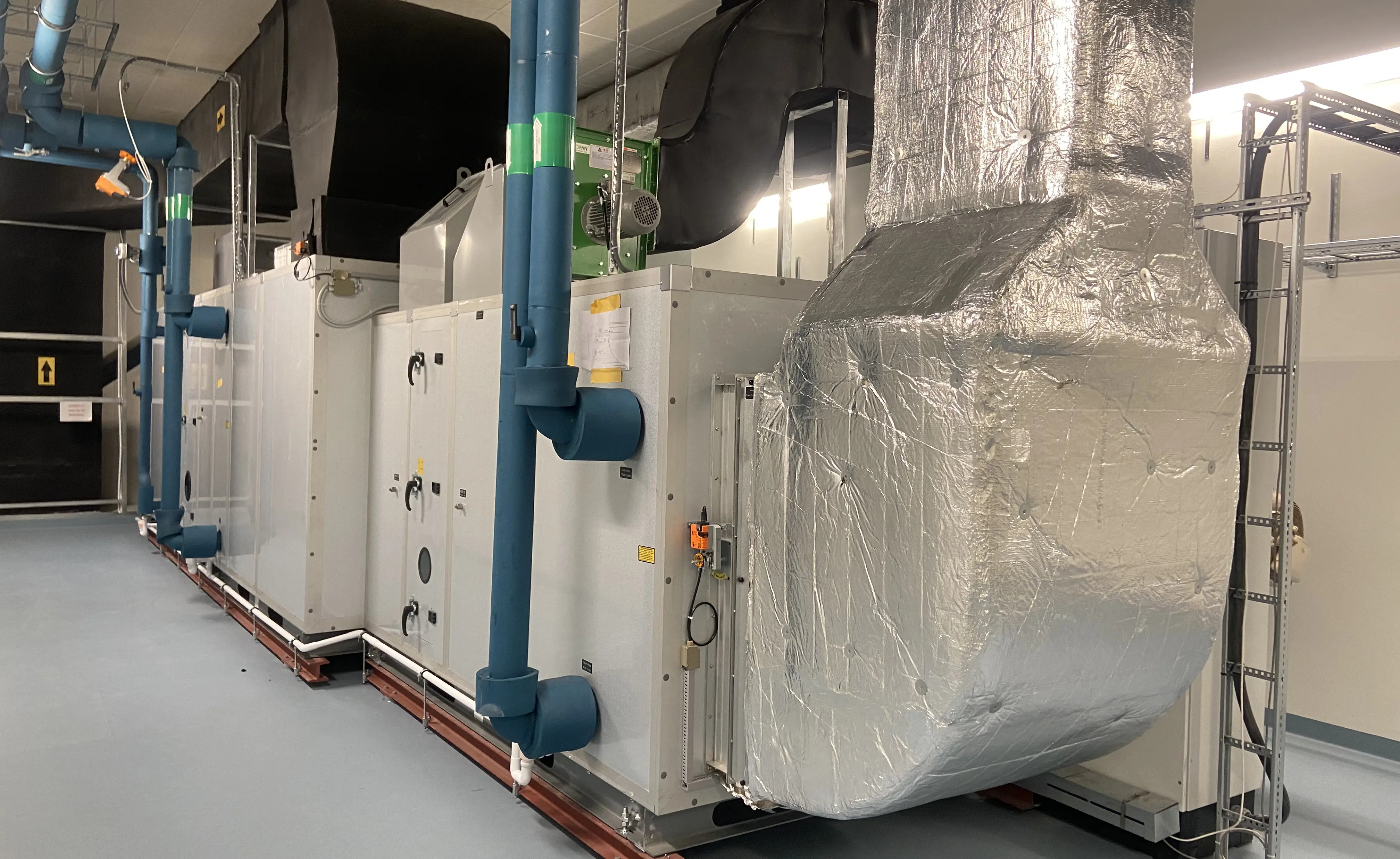
In lithium-ion and solid-state battery synthesis, moisture ambient levels exceeding 1% Relative Humidity trigger exothermic reactions with lithium hexafluorophosphate (LiPF6), liberating hydrofluoric acid (HF), destroying active cathode material, and degrading cell lifecycle safety. As worldwide manufacturing shifts toward higher-nickel chemistries and next-generation solid-state cells, moisture targets have permanently tightened from -40°C down to a baseline of -70°C dew point.
Global procurement teams now seek capital-efficient machinery suppliers capable of demonstrating validated lower Total Cost of Ownership (TCO) through waste-heat regeneration integration, intelligent air-leakage control, and rapid multi-gigawatt delivery capability.

 -70°C Dew Point