

San Francisco Desiccant Dehumidifier
DHU series rotary desiccant dehumidifiers engineered for ultra-low dew point control in Bay Area lithium cell dry rooms and R&D labs.
Explore DetailsAdvanced thermal management configurations optimized for Northern California’s biotechnology, cleanroom, and energy storage operations.
DHU series rotary desiccant dehumidifiers engineered for ultra-low dew point control in Bay Area lithium cell dry rooms and R&D labs.
Explore Details
Integrated envelope enclosures, precision environmental monitoring, and air delivery certified to North American UL/ASME standards.
Explore Details
ZJRH series capturing N-Methyl-2-pyrrolidone from roll-to-roll electrode coater exhaust, complying with Bay Area Air Quality Management standards.
Explore Details
JEN series cryogenic condensation paired with regenerative thermal oxidizers to minimize volatile organic carbon compounds and exhaust hazmats.
Explore DetailsEvaluating psychrometric physics, microclimates, and regulatory pressures governing industrial dehumidification across Northern California.
San Francisco and the Peninsula experience persistent summer advection fog (the marine layer), resulting in sustained relative humidity (RH) above 85% with low ambient dry-bulb temperatures (12°C–18°C). This low-temperature, high-RH envelope causes conventional commercial HVAC economizers to fail, necessitating advanced refrigeration-based condensation dehumidifiers configured with variable-speed compressor sub-cooling.
Operating in San Francisco requires strict adherence to Title 24 Building Energy Efficiency Standards and localized electrification mandates. Our refrigerative dehumidifiers incorporate EC backward-curved centrifugal fans, tandem scroll compressors with inverter drives, and low-GWP refrigerants (such as R-454B and R-513A), achieving superior Integrated Energy Factors (IEF) exceeding 2.8 L/kWh.
From South San Francisco biotech incubators to East Bay battery pilots and Silicon Valley semiconductor fabs, uncontrolled moisture leads to powder agglomeration in tableting, wafer oxidation, and compromised lithium battery cell integrity. Refrigerative systems provide the essential thermal pre-treatment phase, shedding bulk moisture prior to deep desiccant adsorption.
Analyzing global supply chain logistics, thermodynamic energy expenditure, and hybrid environmental systems architecture.
Globally, industrial facilities squander up to 40% of their thermal OPEX by demanding desiccant wheels handle atmospheric moisture loads. Hangzhou DryAir's engineering matrix implements refrigerative dehumidifiers for initial high-efficiency dew point knockdown down to 6°C–10°C DP, allowing solid desiccant rotors to push levels down to -70°C dew point with minimal thermal regeneration energy.
Exporting to the United States requires total component compliance. Our production lines fabricate systems featuring UL 508A certified industrial control panels, ASME Section VIII stamped pressure vessels for refrigeration receivers, and AHRI-rated coils, enabling rapid local permitting across the San Francisco Department of Building Inspection (DBI).
Modern global infrastructure cannot tolerate catastrophic downtime. Hangzhou DryAir units incorporate intelligent Modbus/BACnet multi-sensor arrays measuring continuous suction pressure, superheat, condenser approach temperatures, and real-time coefficient of performance (COP), streaming edge metrics to automated facility BMS engines.
Deployment profiles for high-tech manufacturing, bio-pharma logistics, and precision storage.
Sterile fill-finish suites and freeze-drying logistics in biotech facilities require positive air pressure and strict 20% to 35% RH conditions. Our stainless-steel refrigeration units maintain zero droplet carryover via engineered chevron-blade droplet eliminators, preventing fungal microbial vectors in regulated clean spaces.
With top clean-tech venture firms backing solid-state and silicon-anode battery developers across Berkeley and Fremont, our pre-cooling refrigerative modules work ahead of deep desiccant beds to ensure dry rooms maintain a steady -50°C to -70°C dew point, preventing hydrofluoric acid (HF) off-gassing during pouch-cell assembly.
At the Port of Oakland and adjacent logistics hubs, high-salinity marine air creates aggressive galvanic and atmospheric corrosion risks for stored precision electronics and military hardware. DryAir units deliver continuous conditioned air below 40% RH, neutralizing rust and fungal degradation in unconditioned warehouse space.
Engineering rigor, environmental lifecycle stewardship, and factory-direct technical governance.
Hangzhou DryAir is actively transitioning units destined for the North American market to ultra-low GWP refrigerants such as R-454B and carbon dioxide (CO2 transcritical cycles), fully complying with California Air Resources Board (CARB) prohibitions and EPA AIM Act phase-downs while boosting seasonal energy performance.
Modern DryAir systems feature embedded firmware that continuously models local Bay Area psychrometric barometric shifts. Modulating hot gas bypass valves and variable fan curves respond to ambient humidity variations automatically, avoiding coil frosting without cycling the compressor offline.
All units deployed to Northern California are supported by our multi-tier SLA: on-site commissioning by factory-trained HVAC engineers, 24/7 remote cloud telemetry access, factory-calibrated sensors, and an optional 2-year extended comprehensive parts and labor warranty.
Direct technical answers addressing system integration, energy efficiency standards, and regional environmental regulations.
Comprehensive environmental control, solvent recovery, and process air solutions.
High-capacity rotary desiccant dehumidifiers achieving dew points down to -70°C for mission-critical processes.
View Product
Turnkey insulated modular dry rooms engineered for lithium cell assembly, solid electrolyte packaging, and labs.
View Product
Closed-loop condenser solvent capture systems delivering recovery yields exceeding 99% for battery coating.
View Product
Deep-cooling condensation coupled with Regenerative Thermal Oxidation (RTO) for chemical emission abatement.
View Product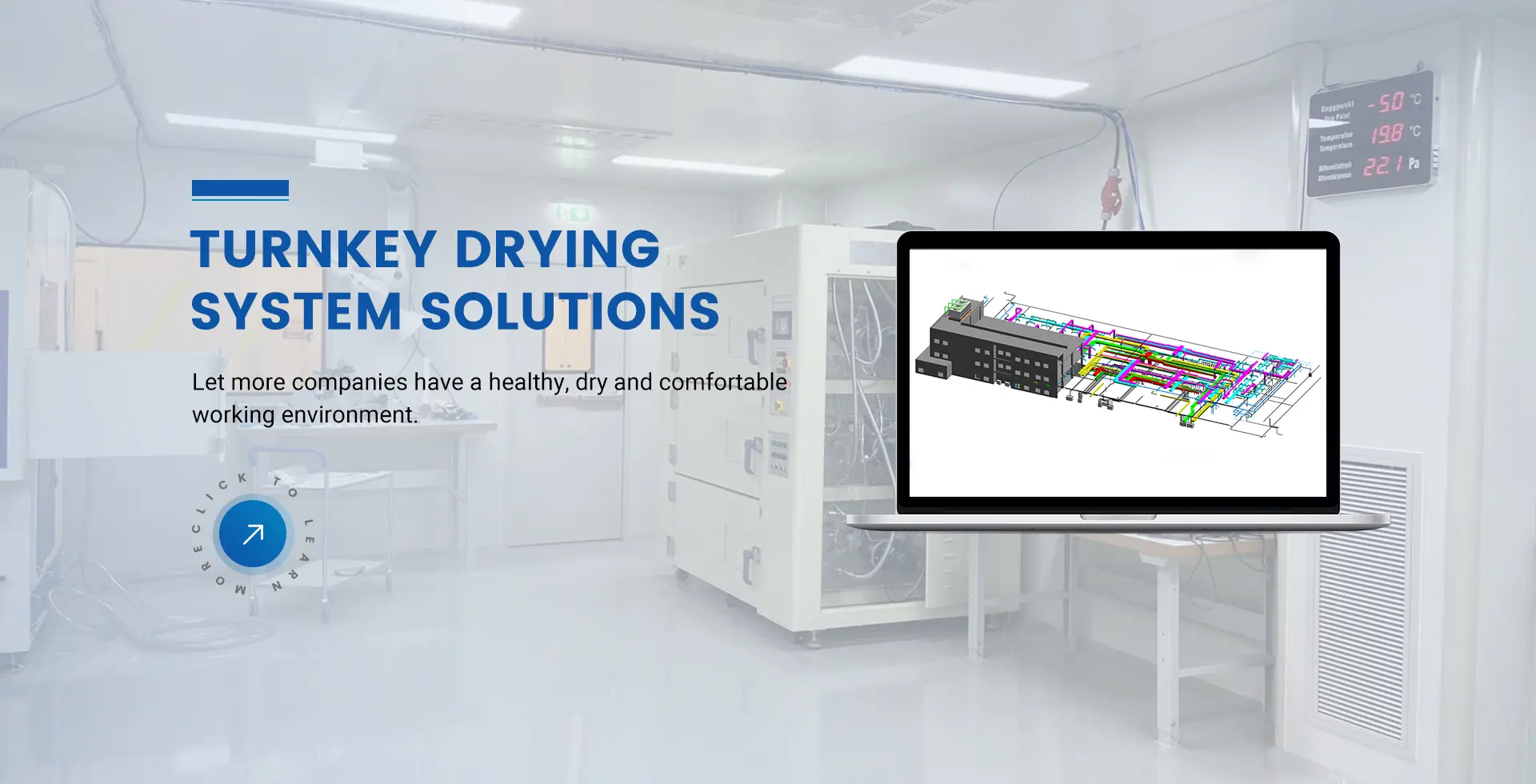
Direct-expansion refrigeration units removing bulk water vapor across logistics warehouses and biotech pre-cooling zones.
View Product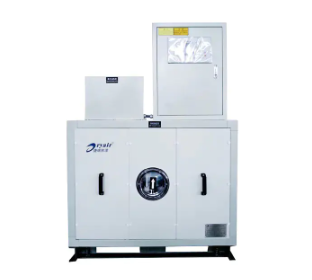
Sanitary construction with double-wall panels, zero moisture bypass, and integrated HEPA filtration stages.
View Product
Heavy-duty corrosion-resistant environmental preservation units engineered to protect avionics and sensitive equipment.
View Product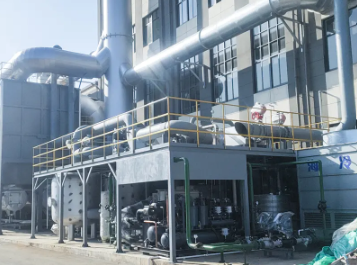
Cryogenic refrigeration recovery systems capturing hydrocarbon emissions at marine terminals and storage sites.
View Product