Direct OEM Manufacturer • China to Brazil Turnkey EPC
NMP Recovery System Factory & Engineering From China for Brazil
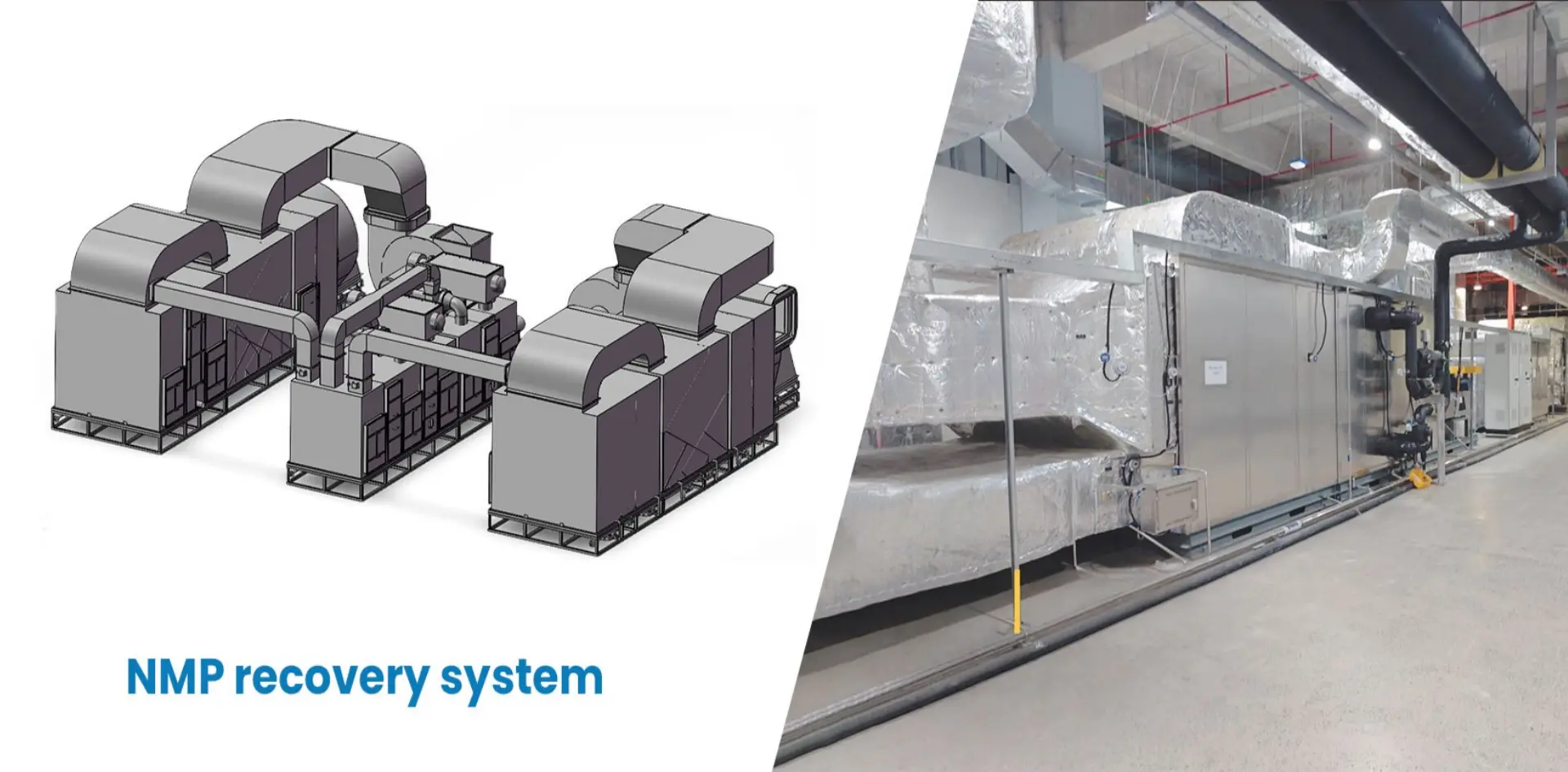
High-efficiency closed-loop condensation, VOC deep-abatement, and fractional distillation systems engineered for gigafactories, battery recycling hubs, and advanced chemical plants across Latin America.
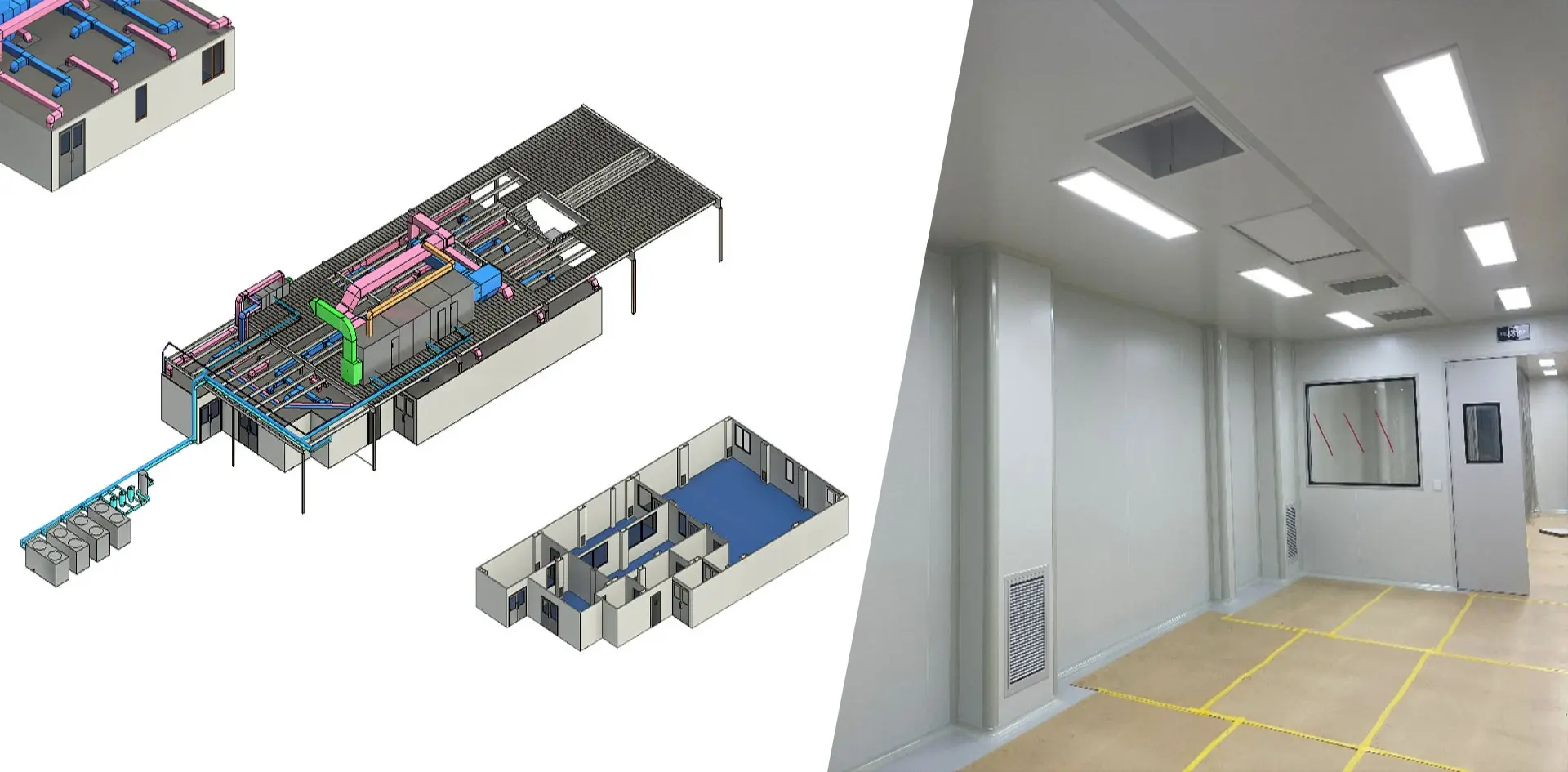
Comprehensive environmental enclosure, desiccant air treatment, and validation for cell assembly, pouch cell sealing, and battery R&D centers in Latin America.
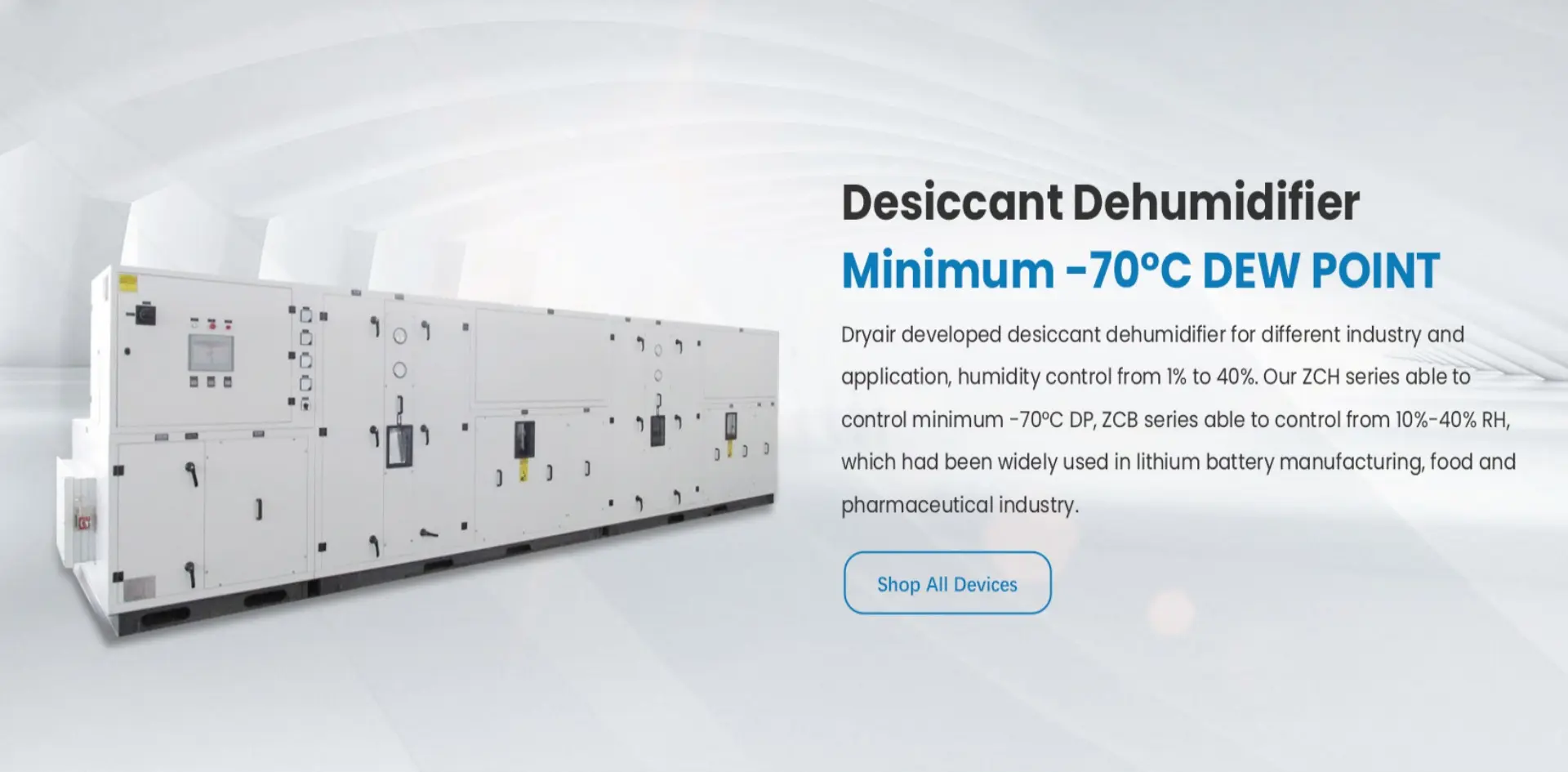
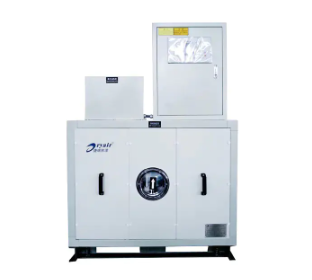
DHU rotary units built to handle high latent moisture loads typical of Brazilian coastal zones, delivering stable dry air for electrode and chemical handling.
Advanced deep-cooling condensation combined with regenerative thermal oxidizers (RTO) to neutralize process exhaust and ensure IBAMA/CONAMA air compliance.
The Green Energy Transformation of Brazil: Solving the High-Solvent Industrial Dilemma
The Latin American manufacturing paradigm is witnessing an unprecedented transition. Brazil, driven by its world-class renewable power matrix (surpassing 85% clean electricity from hydroelectric, wind, and solar sources), is accelerating its positioning as the primary electro-mobility, clean tech, and advanced industrial manufacturing hub south of the equator.
From the industrial revitalizations occurring in Bahia (notably at the Camaçari industrial complex) to the raw lithium extraction and processing corridor in Minas Gerais’ “Lithium Valley” along the Jequitinhonha basin, automotive OEMs, chemical synthesizers, and battery cell developers are investing aggressively. However, producing lithium-ion batteries, specialized polymers, and coated magnet wire relies fundamentally on organic solvent carriers—predominantly N-Methyl-2-pyrrolidone (NMP, C5H9NO).
NMP is the premier solvent used for dispersing polyvinylidene fluoride (PVDF) binders and active cathode chemistries (such as Lithium Iron Phosphate - LFP, and Nickel Manganese Cobalt - NMC). However, NMP poses severe occupational health risks (reproductive toxicity, teratogenicity) and represents an expensive, dollar-denominated imported chemical commodity for Brazilian enterprises. Raw chemical maritime logistics through ports like Santos, Paranaguá, and Salvador introduce lead-time vulnerabilities and foreign currency volatility.
Implementing an advanced closed-loop NMP recovery system from China provides Brazilian plant directors with the exact engineering bridge required: slash solvent purchasing overhead by upwards of 95%, achieve self-sustaining cathode production economics, and guarantee airtight compliance with the federal environmental mandates enforced by IBAMA and CONAMA.
Key Drivers for Brazilian Chemical & Battery Plants
Mitigation of Foreign Exchange Exposure
With virgin NMP pricing fluctuating significantly on global spot markets, capturing and re-distilling up to 99% of solvent inside the production facility insulates operational OPEX against Brazilian Real (BRL) currency volatility.
Tropical Climate Humidity Compensation
Ambient conditions in Brazil frequently hit relative humidity (RH) above 80% with ambient temperatures exceeding 35°C. Our dual-rotor desiccant and pre-cooling systems handle heavy latent heat without risking moisture cross-contamination in cathode slurries.
Strict NR-12 & CONAMA 491 Environmental Rigor
Integrated gas scrubbers and deep chillers maintain tail-gas NMP concentrations below 5 mg/Nm³, easily outperforming Brazilian regulatory ceilings and protecting plant technicians under NR-15 occupational standards.
Thermodynamic Rigor & Equipment Design
Multi-Stage NMP Recovery Thermodynamics & Rectification Process
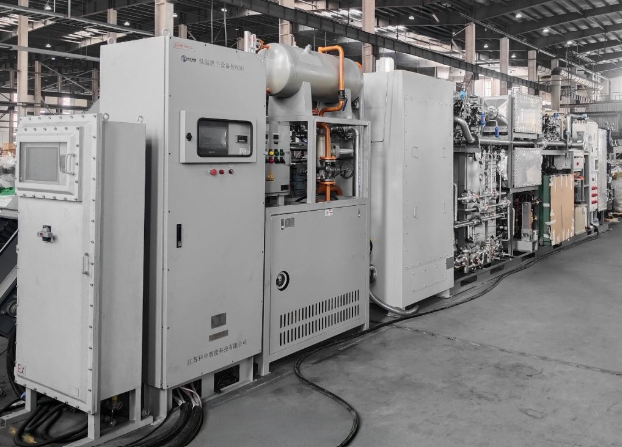
Hangzhou DryAir engineers closed-loop architectures that marry multi-tier gas cooling with continuous vacuum rectification, transforming toxic volatile exhaust into ultra-pure, reusable electronic-grade solvent.
Electrode coating ovens generate high-velocity exhaust air saturated with vaporized NMP at temperatures between 90°C and 140°C. Direct cooling would waste immense thermal energy. Our system utilizes an air-to-air plate heat exchanger fabricated from 316L stainless steel, transferring sensible heat from the hot incoming exhaust to the clean, returning supply air.
Following primary recuperation, the gas stream enters primary cooling (utilizing 18°C to 22°C cooling tower water) and secondary deep chilling (employing 7°C to 10°C chilled glycol). The gas temperature drops below the dew point of NMP (boiling point 202°C, but possessing significant vapor pressure at elevated temperatures), driving spontaneous phase condensation. Over 85% to 92% of the gaseous NMP liquefies in this dual condensation block and collects in internal stainless receivers.
Phase 2: Zeolite Adsorption Rotor Polishing
Tail gas emerging from the cooling stages still carries residual NMP vapor (typically 200–500 ppm), which exceeds Brazilian environmental thresholds. To achieve true closed-loop integrity or clean atmospheric discharge, the gas passes through an inorganic honeycomb zeolite concentration rotor.
The hydrophobic zeolite adsorbent specifically traps polar NMP molecules while repelling water vapor. When rotated into the desorption sector, a small volume of high-temperature air (180°C–200°C) strips the captured NMP at high concentration, returning it straight into the primary condenser loop. The resulting clean process air exhibits an NMP concentration below 5 mg/Nm³.
Thermodynamic Mass Balance in Battery Coater Exhaust
In a standard 10 GWh battery gigafactory cathode line operating in Brazil, air volume and solvent throughput demand robust engineering tolerances:
Crude liquid collected from condensation contains water absorbed from air humidity. Our skid-mounted vacuum distillation units boil the mixture under negative pressure (reducing boiling temperature to prevent thermal decomposition of NMP). Low-boiling water flashes out of the column top, while electronic-grade NMP liquid is drawn from the bottom reboiler, directly certified for new cathode slurry preparation.
Brazilian Regulatory Alignment
Compliance Safeguards, NR Standards & Local EPC Execution
Importing complex chemical machinery into Brazil requires rigorous navigation of Brazilian labor safety norms, electrical standards, and customs frameworks. Hangzhou DryAir ensures complete compliance out of the crate.
NR-10 & NR-12 Safety Engineering
Every electrical control cabinet is assembled to satisfy Brazilian NR-10 (Electrical Safety) and NR-12 (Machinery Safety) standards. Featuring Siemens or Schneider dual-channel safety relays, Category 4 emergency-stop interlocks, optical beam curtains on maintenance access points, and complete bilingual Portuguese-English schematics.
NR-13 Pressure Vessel Certification
Distillation reboilers, vacuum separators, and chilled liquid accumulators conform strictly to NR-13 mandates. Pressure equipment is fabricated with authenticated mill test certificates (MTR), radiographic weld inspection dossiers, and dual calibrated safety relief valves pre-approved for Brazilian technical audits.
Ex-Tarifário Duty Optimization
We provide comprehensive engineering documentation and technical catalogs to assist Brazilian buyers in obtaining Ex-Tarifário tax incentives. This Brazilian federal mechanism reduces import duty on high-technology capital goods (BK) from typical double-digit rates down to 0% or 2%, dramatically decreasing landed project Capex.
Application Engineering
Industrial Application Profiles Across Brazilian Hubs
Beyond automotive gigafactories, Hangzhou DryAir's solvent condensation and atmospheric control systems are integrated across diverse Brazilian chemical sectors.
Target Sector / Geography
Specific Process Phase
Contaminant / Moisture Challenge
DryAir Integrated Architecture
Operational ROI Profile
Lithium EV Gigafactories Camaçari (BA) / São Paulo
Cathode slurry drying (LFP/NMC) on continuous roll coaters
NMP volatile vapor loads ≤4.0 g/Nm³ in high ambient humidity
Multi-Stage Condenser + Zeolite Rotor
Recovers ≥99% of solvent; breaks even within 11–14 operational months.
Engineering Differentiation: DryAir Closed-Loop vs. Conventional Scrubbers
Traditional industrial approaches to NMP exhaust in Latin America relied primarily on single-pass wet water scrubbing columns. While water scrubbers appear to have lower initial equipment costs, they introduce disastrous downstream operational bottlenecks: massive wastewater discharge containing toxic chemical effluent, severe biological hazard disposal charges, and zero solvent reclamation.
Hangzhou DryAir's integrated thermodynamic approach changes the equation. By utilizing closed-loop latent heat recuperation coupled with vacuum fractional rectification, we eliminate wastewater output entirely while generating battery-grade solvent right at the factory perimeter.
DryAir Closed-Loop System:
Reclaims ≥99% of solvent at ≥99.9% purity. Zero industrial effluent discharged to municipal waterways. Meets IBAMA <5 mg/Nm³ limits.
Conventional Water Scrubber:
0% direct solvent recovery. Creates thousands of tons of NMP-contaminated wastewater requiring hazardous waste hauling or complex bio-treatment.
Energy Re-circulation:
Recovers up to 70% of coater thermal exhaust energy back into the oven supply air, slashing plant gas and electricity utility draw.
As battery chemistry shifts toward solid-state designs, high-nickel cathodes, and dry-electrode technologies, our R&D team continuously upgrades our recovery platforms.
Era 1 • 2025-2027
MVR Distillation Integration
Deployment of Mechanical Vapor Recompression (MVR) within fractional recovery skids, compressing water vapor to heat the distillation reboiler and reducing steam consumption by over 60%.
Era 2 • 2027-2029
Ultra-Low Dew Point Synergy
Coupling NMP recovery loops directly with -70°C dew point dry rooms via dual-function desiccants, eliminating latent moisture penetration during continuous high-speed roll transfers.
Era 3 • 2029-2032
Next-Gen Solvent Adaptability
Multi-solvent sorption systems capable of extracting fluorinated solvents, ionic liquids, and novel green ester formulations used in advanced lithium-sulfur and sodium-ion pouch cells.
Era 4 • 2032-2035
Autonomous AI SCADA Optimization
Cloud-linked predictive condensation algorithms adjusting chilled water valves and desorption cycle intervals based on real-time Brazilian ambient barometric pressure and humidity spikes.
Technical & Procurement FAQ
Frequently Asked Questions: Importing from China to Brazil
Clear, engineering-driven answers regarding maritime delivery, Brazilian customs classification, local commissioning, and chemical recovery metrics.
What is the typical shipping lead time and logistics route from Hangzhou to Brazilian ports?
Equipment fabricated at our Hangzhou manufacturing base is containerized (using heavy-duty 40ft FR flat racks for large blower and column skids, and standard 40ft HQ for control panels and rotors) and trucked to the Port of Ningbo or Shanghai. Maritime ocean transit to principal Brazilian ports—such as Santos (São Paulo), Paranaguá (Paraná), or Salvador (Bahia)—typically ranges from 35 to 45 calendar days. Complete seaworthy vapor-barrier packing (vacuum-sealed aluminum foil plus nitrogen purging) guarantees zero salt-air corrosion during equatorial maritime passage.
How does Hangzhou DryAir manage on-site installation and commissioning across Brazil?
We deliver complete turnkey EPC support. A dedicated project deployment team comprising bilingual commissioning engineers, HVAC specialists, and SCADA programmers arrives on-site at your Brazilian facility to oversee rigging, mechanical alignment, ductwork tie-ins, electrical hookups, and instrumentation calibration. Furthermore, overseas customers can engage our comprehensive two-year extended on-site service agreement, backed by 24/7 remote diagnostic telemetry linked directly to our central engineering office.
Can the recovered NMP solvent be reintroduced directly into battery cathode slurry without degrading cell performance?
Yes. When paired with our vacuum fractional rectification distillation skids, the recovered NMP achieves a chemical purity ≥99.9% with water content suppressed below 100 ppm (0.01%), metal ion contaminants <10 ppb, and neutral pH. This exceeds the stringent purity specifications demanded by top-tier cell manufacturers (such as CATL, BYD, and Tesla) and ensures zero loss of cathode slurry viscosity control, electrode adhesion, or electrochemical capacity over battery cycling.
How does the system maintain safe operation given that NMP is flammable at high temperatures?
While NMP has a relatively high flashpoint (95°C closed cup), safety is paramount. Our installations incorporate continuous real-time infrared or flame-ionization detector (FID) Lower Explosive Limit (LEL) monitors positioned at oven exhaust points. The system regulates airflow dilution dampers automatically to keep solvent vapor concentrations below 25% of the LEL at all times. In the unlikely event of an thermal excursion, automated nitrogen inerting (N2) snuffing systems and explosion-relief rupture discs certified to NFPA 68/69 and Brazilian ABNT standards actuate immediately.
What certifications are supplied to satisfy Brazilian municipal and federal inspectors?
Hangzhou DryAir holds ISO 9001 and GJB national military standard quality certifications. For Brazilian projects, all hardware is delivered with full CE, ASME (for pressure equipment), and optional UL/CSA declarations. Control systems are certified under NR-10 and NR-12 with technical ART (Anotação de Responsabilidade Técnica) documentation signed off by licensed local Brazilian engineering partners to guarantee smooth licensing through local fire departments (Corpo de Bombeiros) and environmental agencies (IBAMA, CETESB, INEA).
Explore our full spectrum of specialized low-dew-point systems, solvent purification skids, and environmental abatement technologies ready for export to Brazil.
Solvent Rectification
ZJRH Continuous NMP Distillation Skid
Automated vacuum rectification column system designed to process condensed crude NMP into >99.9% electronic battery grade.
Accelerate Your Brazilian Battery & Chemical Project
Connect directly with Hangzhou DryAir’s senior process engineering directors. We provide customized enthalpy calculations, NMP recovery mass-balance simulations, and compliant Brazilian equipment configurations within 24 hours.

 Reclamation ≥99%