Industrial Humidity Engineering • Serving Sweden & Global Giants
Professional Desiccant Dehumidifier Factory & In the World serving Sweden
Delivering turn-key ultra-low dew point air treatment systems down to -70°C DP. Certified to European CE, UL, CSA, ASME, and EAC standards for advanced Swedish gigafactories, cleanrooms, and bio-pharma engineering.
Precision thermodynamic solutions engineered for high operational uptime in extreme Nordic sub-zero winters and humid coastal summers.
-70°C Dew Point
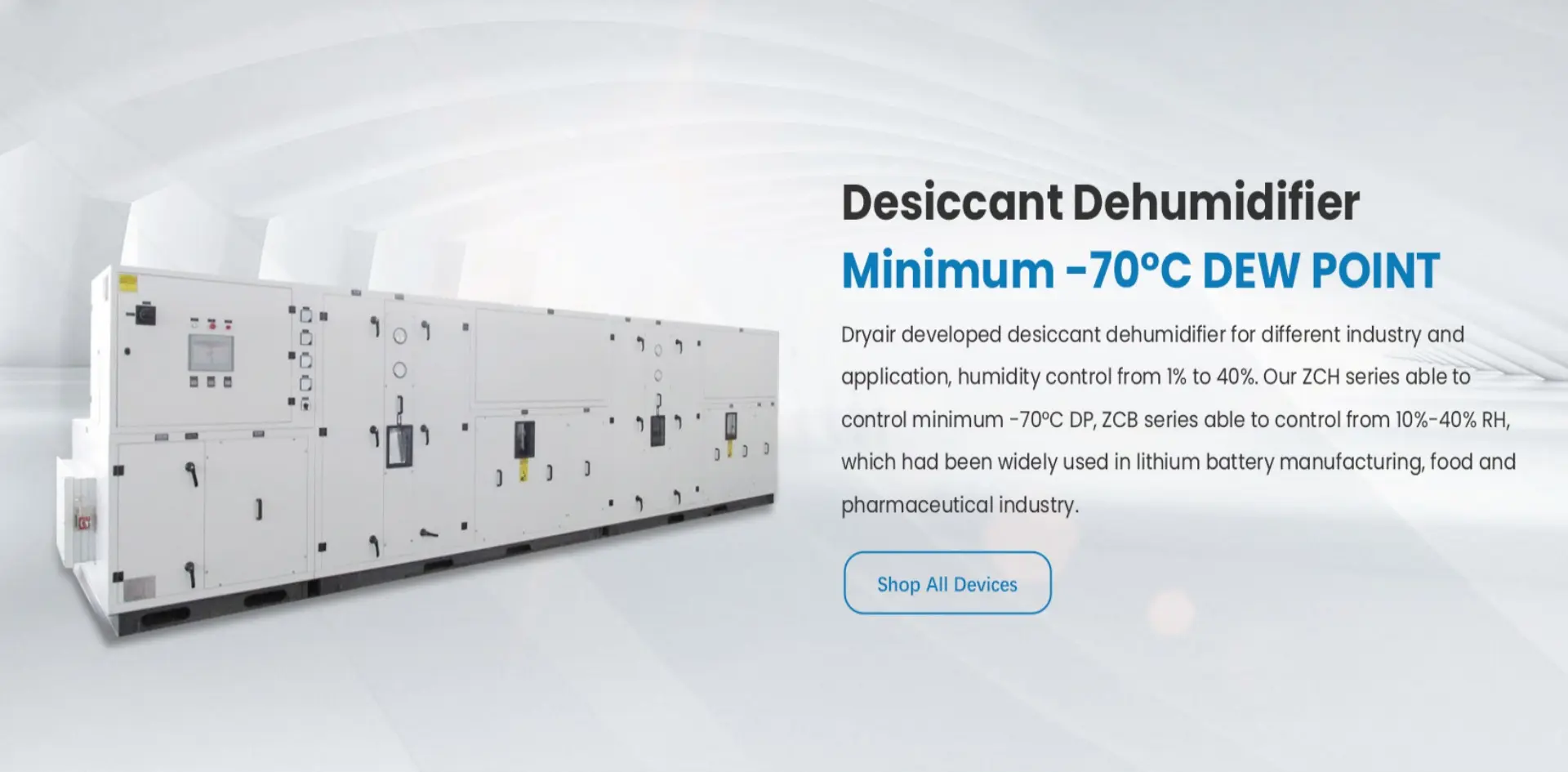
Sweden-Spec Desiccant Dehumidifier
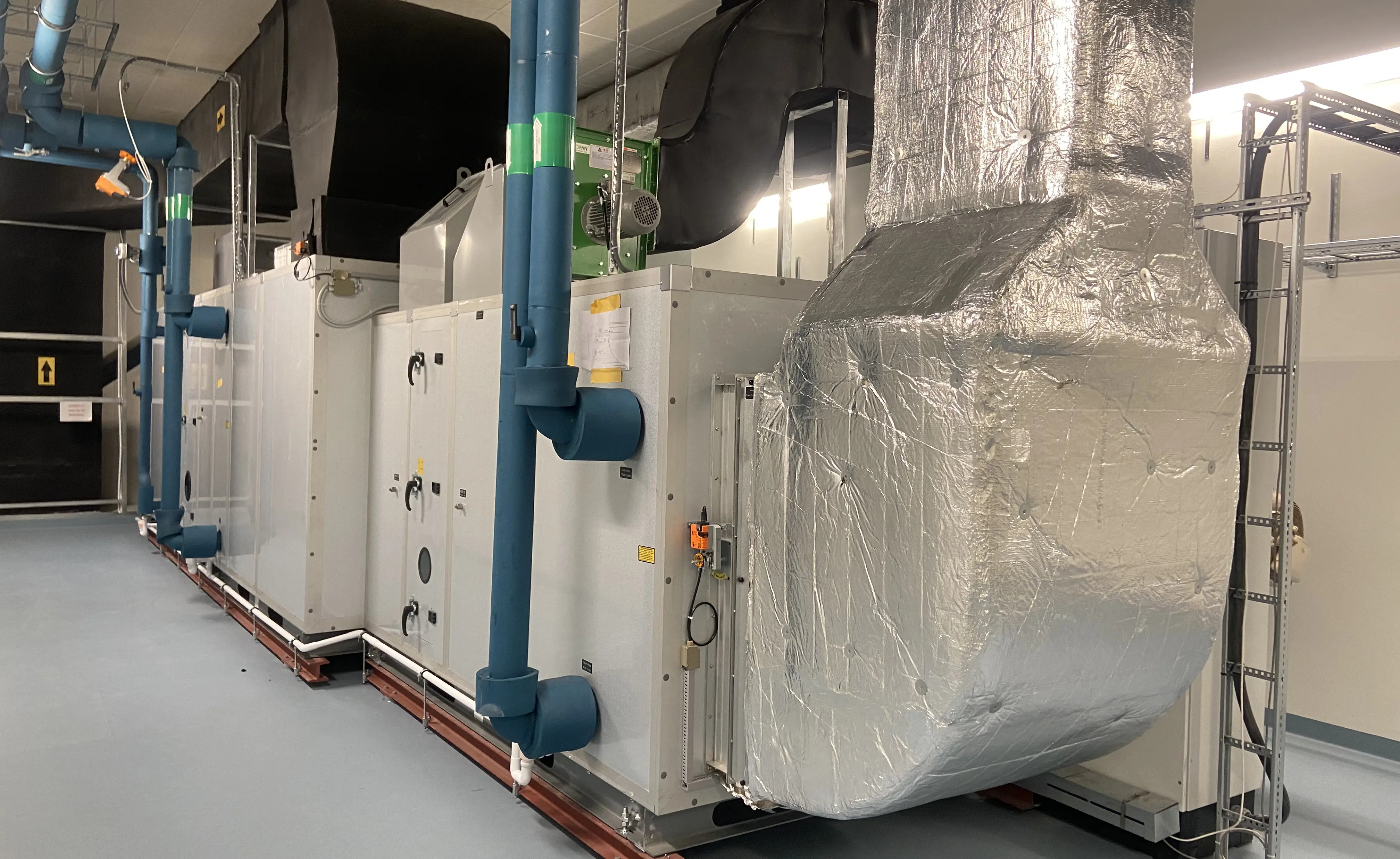
DHU series rotary desiccant units providing ultra-stable low-dew-point environments for Scandinavian battery gigafactories, defence electronics, and GMP pharmaceutical cleanrooms.
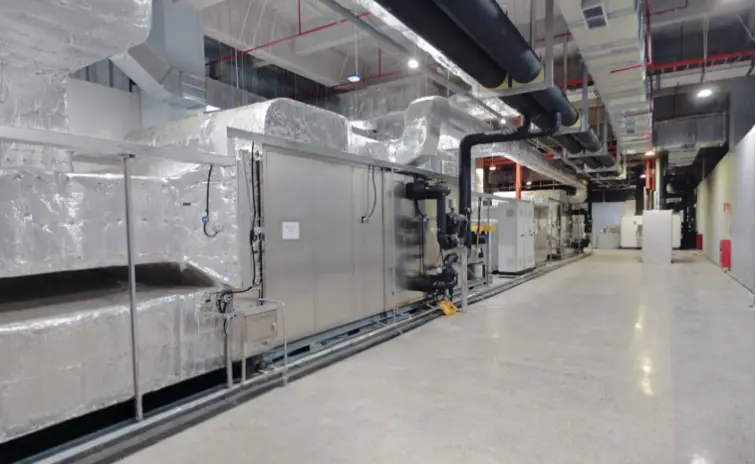
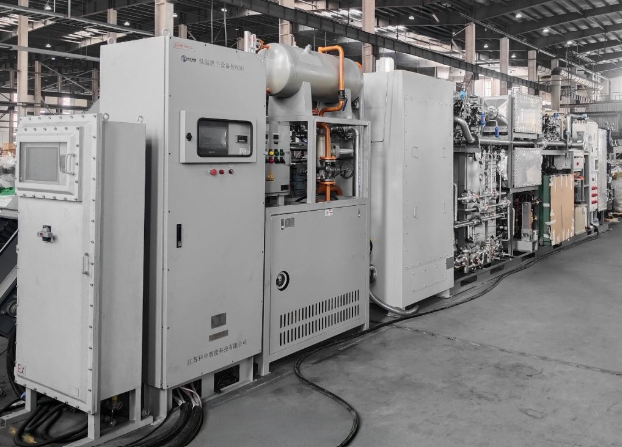
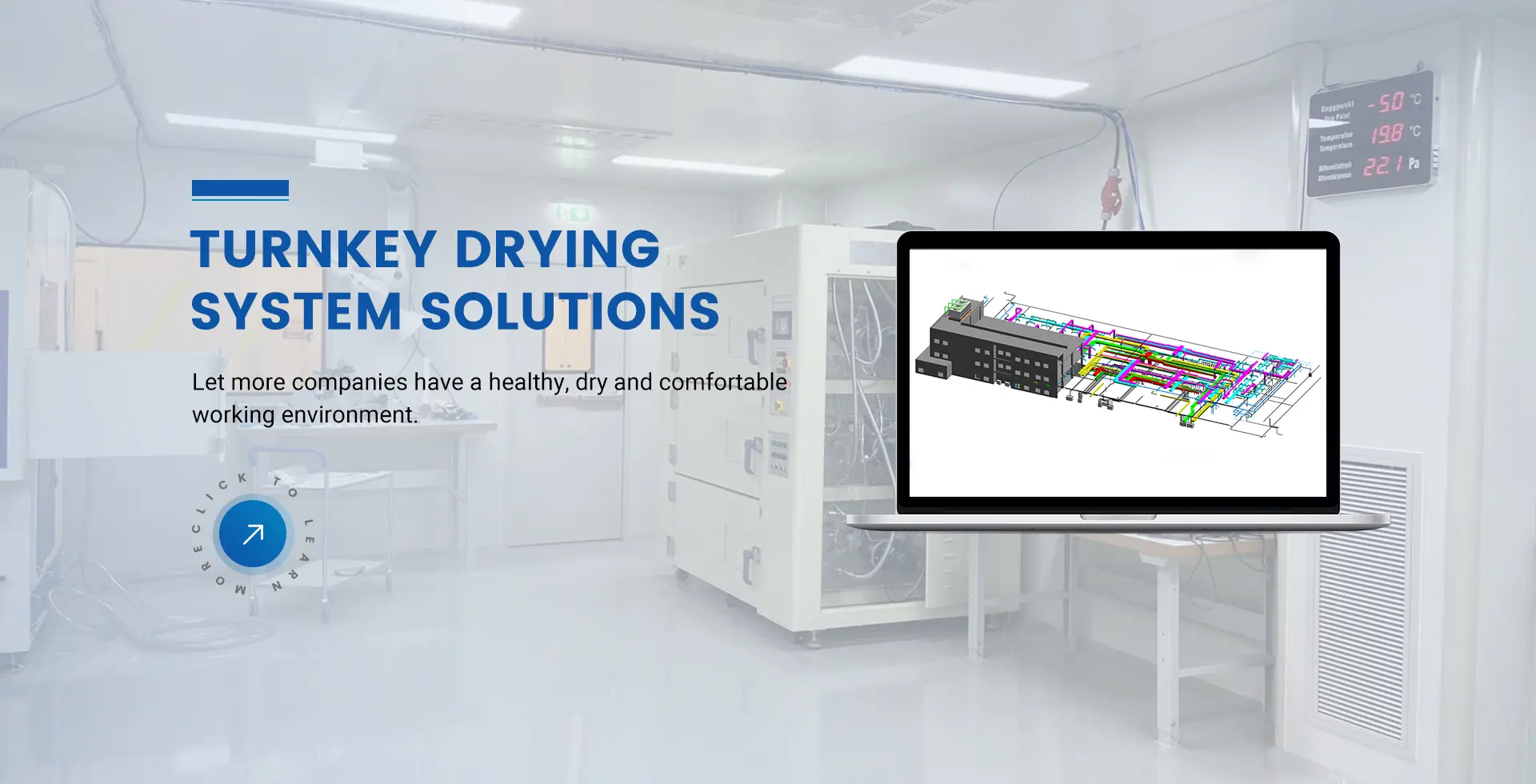
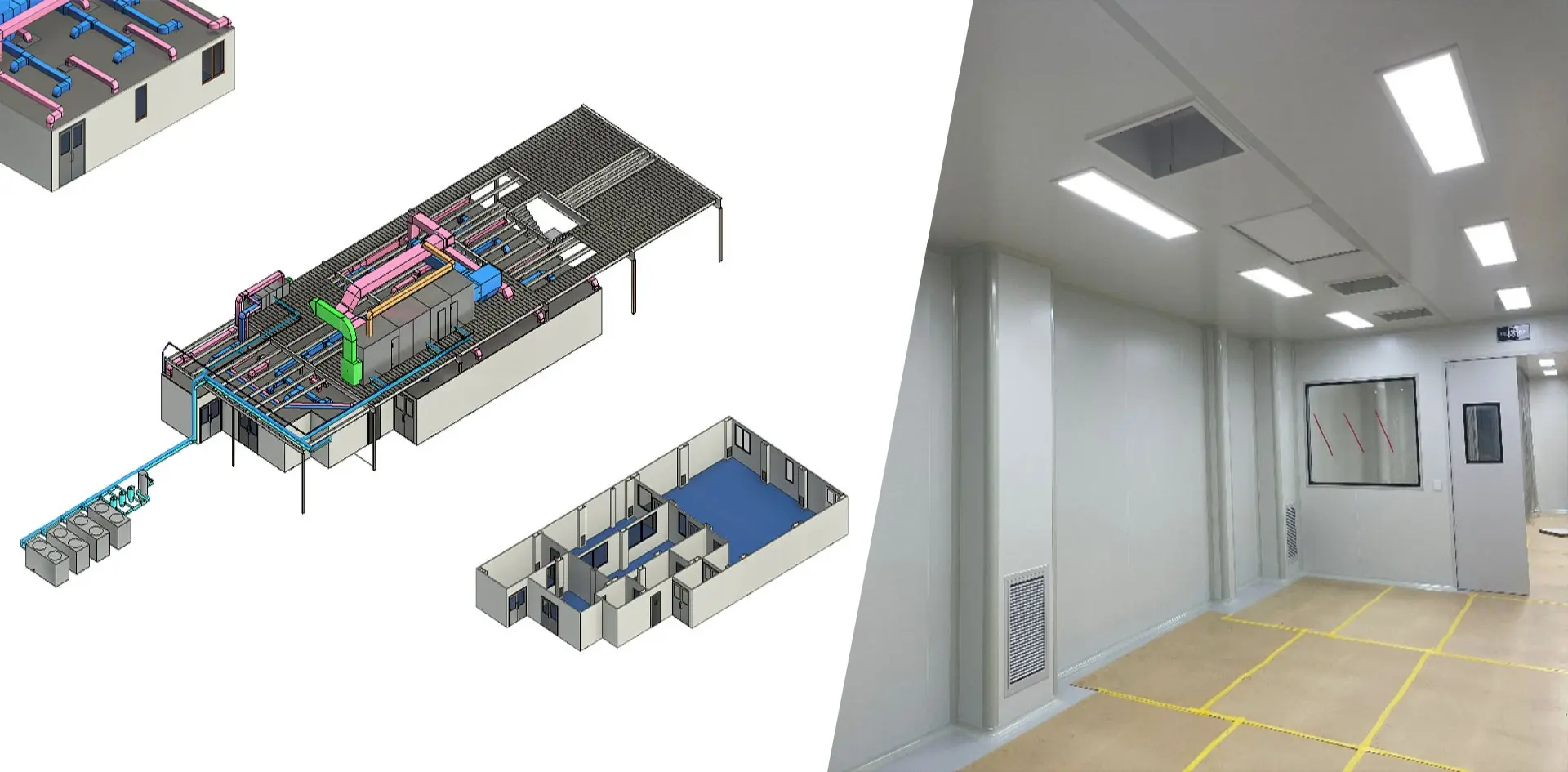
Complete hermetic enclosure, ultra-tight airtight doors, high-efficiency mechanical plant, and SCADA-integrated control delivering turn-key validation down to -70°C DP.
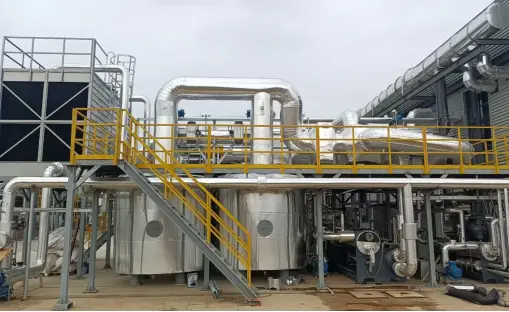
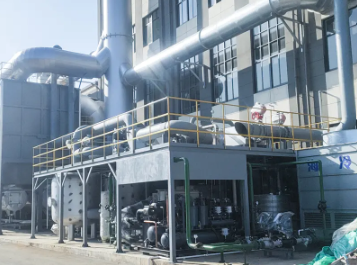
Deep-cooling chillers integrated with Regenerative Thermal Oxidizers (RTO) to eliminate noxious industrial emissions under stringent Swedish Naturvårdsverket guidelines.
Industrial Humidity Control in Sweden: Commercial & Macro Realities
Navigating the intersection of fossil-free clean energy goals, high-latitude climate dynamics, and the massive expansion of gigafactories across the Kingdom of Sweden.
1. The Swedish Green Industrial Revolution & Ultra-Dry Room Dependencies
Sweden has emerged as Europe’s vanguard for green reindustrialization. Driven by abundant, fossil-free hydroelectric and wind power across Norrland (Västerbotten and Norrbotten), the nation has attracted monumental capital investments in lithium-ion battery cell manufacturing, green steel production, advanced biopharmaceuticals, and sustainable electronics. However, high-density manufacturing in sub-Arctic and coastal climates introduces significant thermodynamic challenges that conventional HVAC equipment cannot resolve.
In modern lithium-ion and solid-state cell manufacturing, relative humidity must be driven down to trace moisture levels. Contact between airborne water molecules and lithium hexafluorophosphate (LiPF6) in electrolyte formulations triggers the immediate formation of corrosive and highly toxic Hydrofluoric Acid (HF). This degradation mechanism leads to micro-cracking in the cathode active materials, accelerated self-discharge, cell swelling, and catastrophic thermal runaway. Maintaining a continuous supply air dew point of -40°C to -70°C DP (moisture content below 0.01 g/kg dry air) inside large-envelope cleanrooms is non-negotiable for Swedish cell gigafactories.
2. The Thermodynamic Paradox of the Scandinavian Climate
Designers of industrial cleanrooms in Gothenburg, Stockholm, Malmö, and Skellefteå often confront what HVAC engineers term the “Nordic Psychrometric Paradox.” While Swedish winters feature outdoor ambient air with very low absolute humidity (often dropping below 1.5 g/kg), the outdoor temperature frequently lingers between -10°C and -30°C. Conversely, summer marine fronts crossing the North Sea and the Baltic Sea drive ambient relative humidity levels above 85% at moderate dry-bulb temperatures (18°C to 26°C).
Standard condensing or refrigerative cooling systems completely fail under winter conditions due to rapid evaporator icing, while in summer they cannot achieve the deep moisture depression required for hygroscopic powder synthesis or dry room environments. Rotary desiccant dehumidification, utilizing high-grade synthesized silica gel or metal silicate honeycomb rotors, operates on chemical sorption rather than condensation. By continuously regenerating the desiccant media via a heated counter-flow air stream, our systems maintain uninterrupted dew-point stability year-round, irrespective of external atmospheric swings.
Zero-Freeze Sorption: Chemical adsorption without condensing surface limits, ensuring non-stop operations down to -30°C external ambient.
District Heating Integration: Seamless coupling of rotor reactivation heaters with Swedish low-carbon district heating grids (fjärrvärme).
Sub-Zero Heat Recovery: Air-to-air plate exchangers recapture up to 78% of thermal energy from regeneration exhaust streams.
Ultra-Low Airtight Enclosures: Envelope structural assemblies engineered to surpass EN 1886 Class L1 airtightness criteria.
Macro Engineering Framework
Global Industry Solutions: Dew Point Selection & Psychrometric Matrix
Eliminating specification discrepancies between factory equipment suppliers, structural cleanroom engineers, and commissioning authorities.
Swedish Regulatory Compliance & Field Support Ecosystem
Meeting statutory safety mandates of Arbetsmiljöverket, Boverket building codes, and European Union machinery legislation.
CE & EU Machinery Directives
Every DryAir installation intended for Swedish operations carries full CE conformity under the Machinery Directive 2006/42/EC, Low Voltage Directive 2014/35/EU, and EMC Directive 2014/30/EU. Control cabinets are populated with Schneider or Siemens components complying with EN 60204-1 safety standards.
ATEX / Ex-Proof Safety
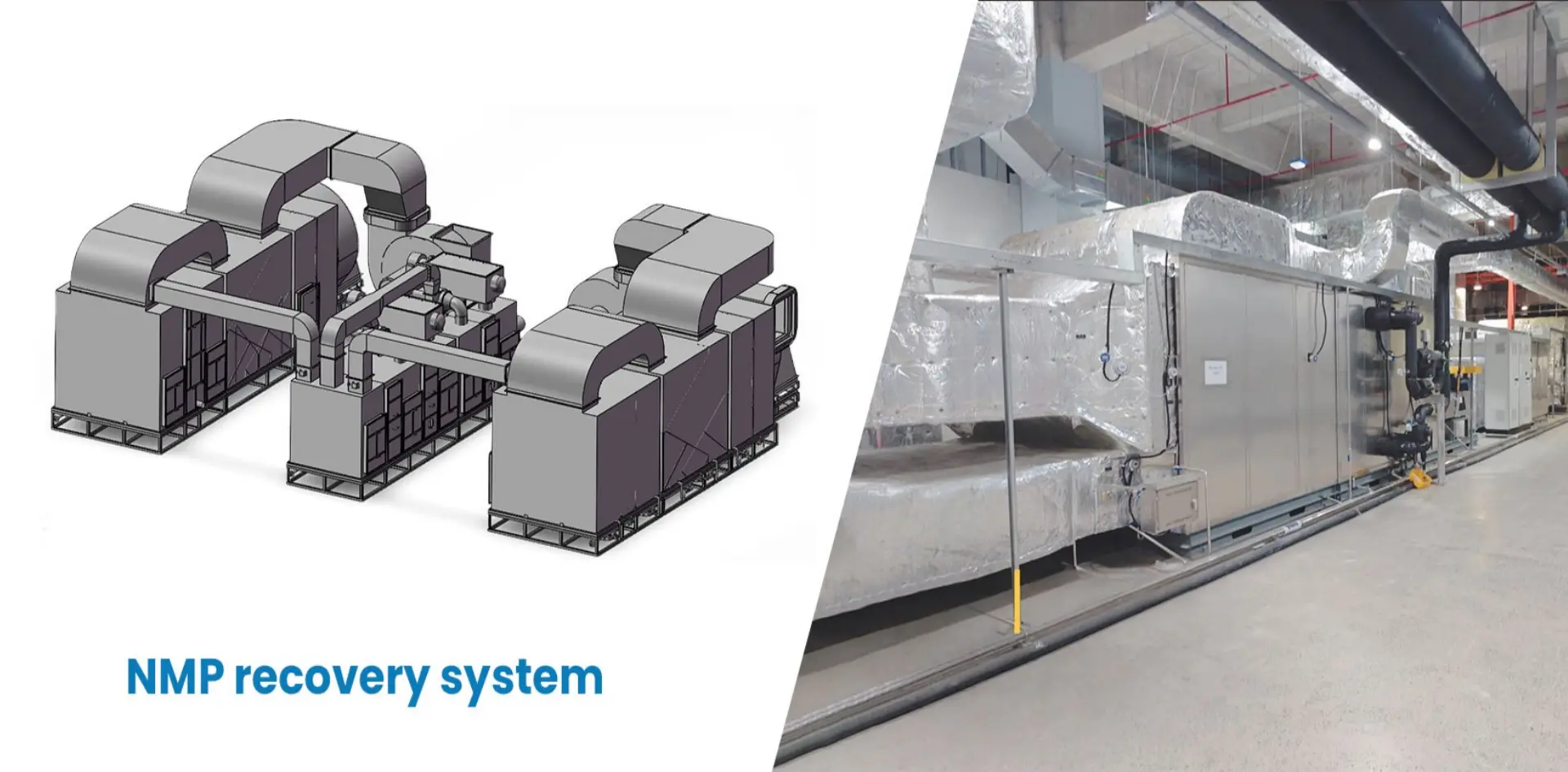
Electrode coating areas, solvent handling lines, and chemical processing zones require rigorous explosion prevention. Our desiccant dehumidifiers and NMP recovery skids are engineered to ATEX 2014/34/EU (Zone 1 and Zone 2 options) with pressurized explosion-proof motors, intrinsic barriers, and non-sparking fans.
Arbetsmiljöverket Hygiene Codes
Working inside ultra-dry microclimates can impose physiological stress on technicians. Our turnkey dry room engineering incorporates advanced air distribution manifolds, low-noise acoustic casing (<68 dB(A)), continuous VOC monitoring, and precise makeup oxygen replenishing to satisfy Swedish Work Environment Authority laws.
Engineering Authority
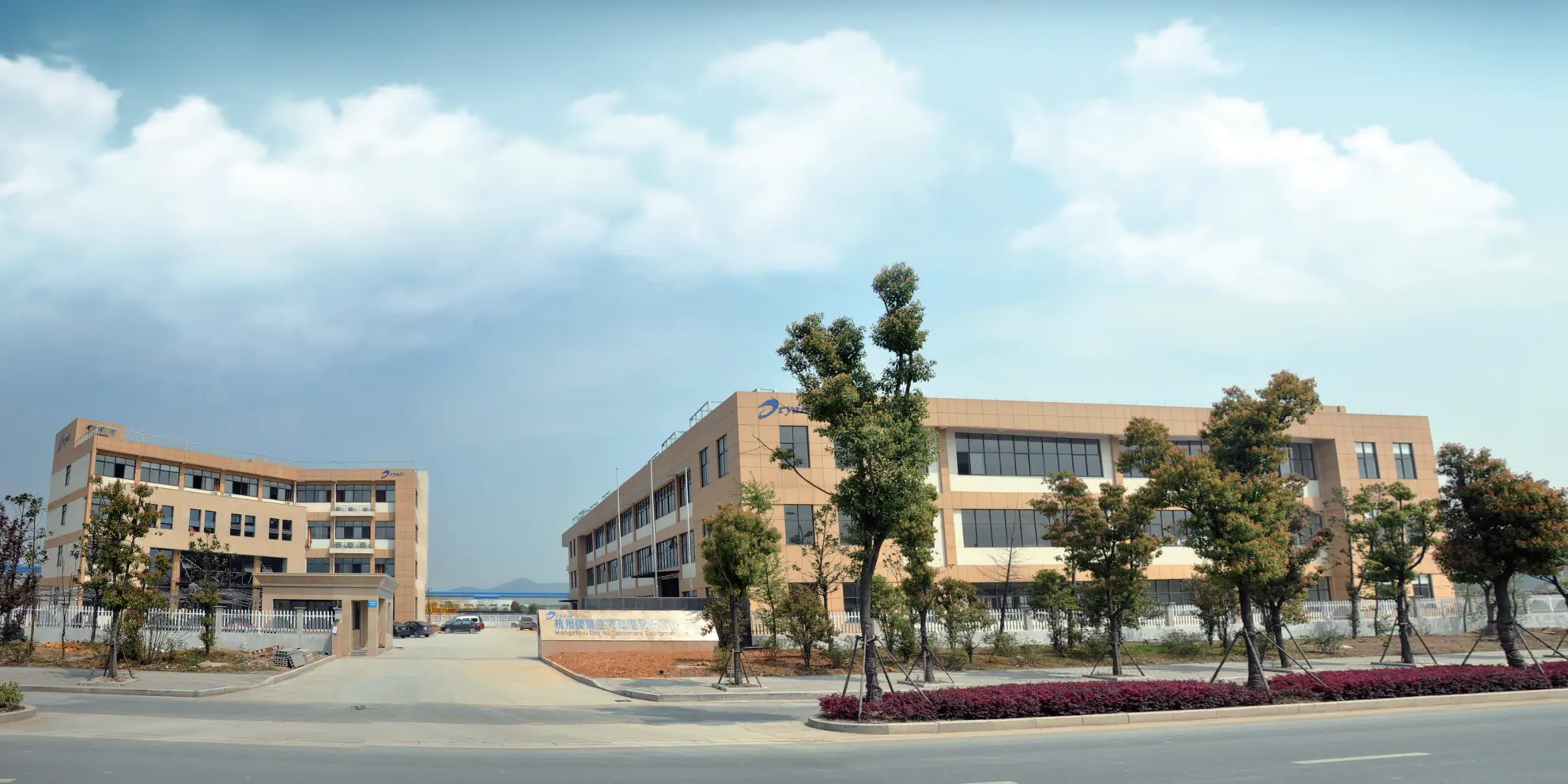
Factory Verification Before Nordic Shipment
We recognize the rigorous standards required by Swedish procurement departments. Every rotary desiccant dehumidifier and turnkey battery unit undergoes strict multi-point factory acceptance testing (FAT) inside our standardized performance testing hall before maritime dispatch.
Our facility runs calibrated psychrometric test loops measuring dynamic dew point suppression, acoustic ratings, air volume velocity, structural casing deflection, and thermal bridge coefficient according to EN 1886 class specifications. Real-time FAT video audits are coordinated with client engineering representatives in Gothenburg or Stockholm prior to sign-off.
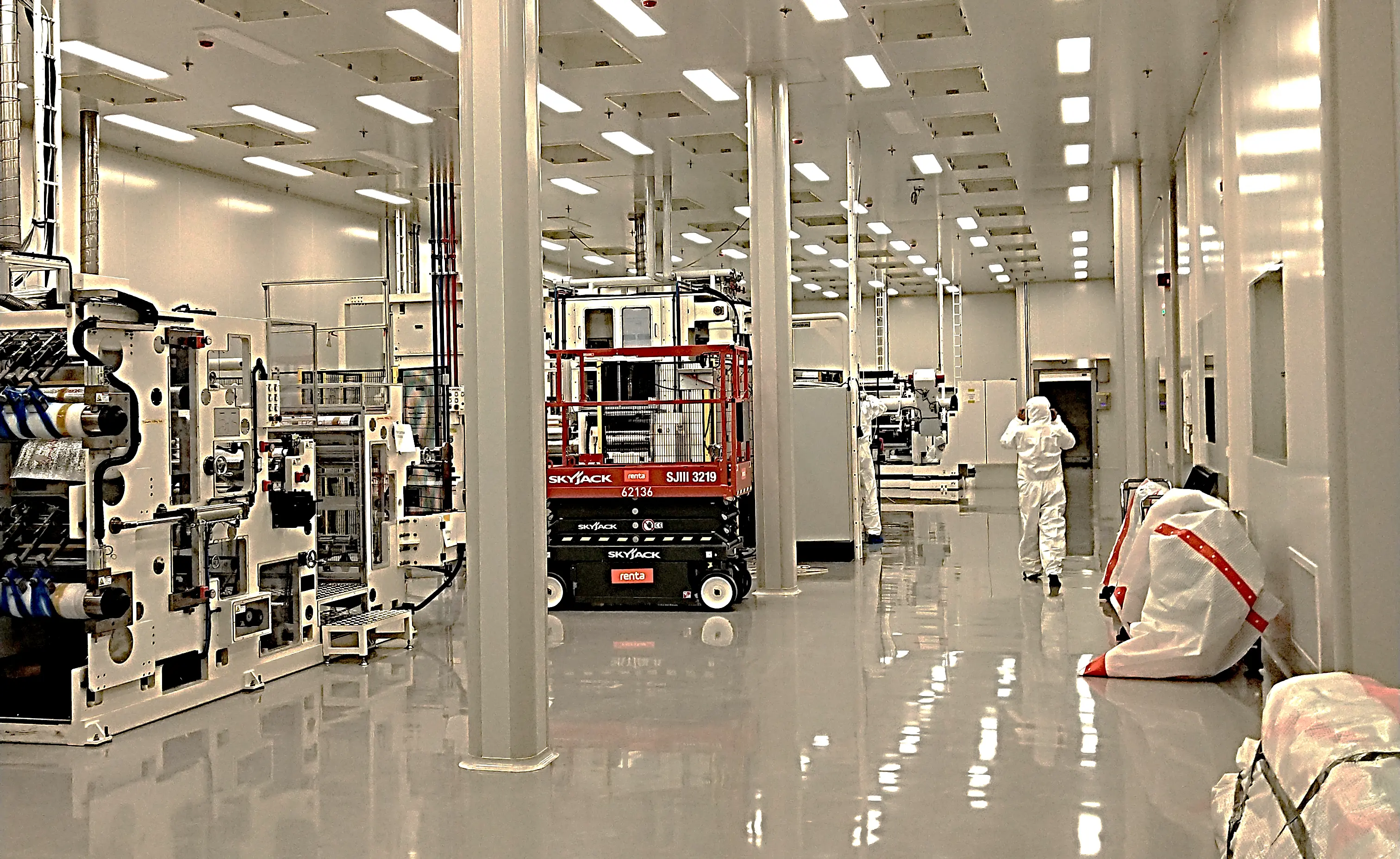
Deploying multi-rotor DHU complexes processing over 120,000 m³/h of process air to maintain giant 20,000 m² cell production halls at an unwavering -50°C DP. Systems utilize heat recovery wheels to leverage low-cost clean hydro power while feeding thermal return into plant district networks.
Controlling relative humidity to strict tolerances (20% ± 2% RH at 21°C) for sterile injectables, effervescent tableting, and active pharmaceutical ingredient (API) crystallization. Stainless steel 316L double-wall hygienic casings ensure total wash-down compliance with European GMP Annex 1.
3. West Coast Marine & Defence (Gothenburg & Karlskrona)
Engineered under national defense GJB guidelines to combat saline marine air corrosion. Protecting naval vessels during drydock overhauls, aerospace avionics assembly hangers, and subterranean munitions depots where humidity must never exceed 35% RH to avoid surface oxidation.
Traditional silica gel rotors require reactivation air temperatures upwards of 130°C to 140°C, usually powered by heavy electric resistance heating or direct gas burners. DryAir’s next-generation metal-organic framework (MOF) and advanced zeolite-polymer composite rotors lower regeneration requirements to between 65°C and 85°C.
This breakthrough enables direct coupling with industrial waste heat streams, heat pump condensing circuits, and Sweden’s extensive district heating networks (fjärrvärme). By displacing electric reactivation heaters, industrial operators achieve up to a 42% reduction in operational energy expenditure (OPEX), critical for maintaining cost leadership under high European energy tariffs.
2. AI Psychrometric Predictive Modeling & Edge Control
Traditional HVAC controllers react sluggishly after humidity sensors detect an upward drift inside cleanroom zones. DryAir systems now feature proprietary neural-predictive algorithms connected to external Nordic meteorological forecasts and production line state monitors.
When atmospheric fronts move inland across the Swedish coastline or when shift changes introduce sudden human moisture pulses, the AI edge system dynamically pre-modulates rotor rotational speed, face-and-bypass dampers, and reactivation heater firing rates. The result is a rock-solid, flatline dew point curve with zero hunting and eliminated over-drying waste.
Technical Publications
Engineering Whitepapers & Field Case Studies
Peer-reviewed thermodynamic data from multi-gigawatt installations and high-containment chemical recovery lines.
VOC Recovery
How Does an Oil Gas Condensation Recovery System Work
Oil gas condensation recovery systems assist fuel handling terminals and petrochemical facilities in capturing heavy hydrocarbon vapors during ship loading and tank transfer, suppressing emissions before release.
Maintaining Stable NMP Recovery in Continuous Operation
Explore operational strategies to sustain ≥99% recovery efficiency on gigafactory electrode coating lines, mitigating solvent loss while maintaining exhaust stack VOC concentrations within EU limits.
Preventing Moisture Contamination in Drug Manufacturing
Examine the chemical degradation risks of hygroscopic active powders, sticking problems in high-speed rotary tablet presses, and how desiccant dehumidifiers guarantee stability under GMP conditions.
Frequently Asked Questions for Swedish & Global Projects
Detailed answers regarding thermodynamic capabilities, mechanical installation in Sweden, import compliance, and warranties.
1. What is the lowest verified dew point a DryAir desiccant dehumidifier can supply?
DryAir rotary desiccant dehumidification systems achieve supply air dew points down to a certified minimum of -70°C DP (measured at atmospheric pressure, equivalent to less than 0.002 g of moisture per kilogram of dry air). This performance is achieved using dual-rotor cascade configurations with intermediate chillers, engineered specifically for advanced lithium-metal cell chemistry, electrolyte filling dry rooms, and semiconductor fabrication cleanrooms.
2. Do you execute complete turnkey dry room EPC projects inside Sweden?
Yes. DryAir provides complete turnkey dry room EPC delivery covering initial CFD airflow modeling, psychrometric load analysis, panel enclosure manufacturing, mechanical dehumidification skid assembly, on-site erection in Sweden, electrical cabling, SCADA integration, and final SAT (Site Acceptance Testing) dew point validation. We have successfully completed turnkey installations for global battery makers including Tesla, Northvolt, and TTI.
3. Which certifications do DryAir systems hold for European Union & Swedish import?
DryAir systems exported to Sweden and the European Union are fully certified under the CE marking framework, including the Machinery Directive 2006/42/EC, Low Voltage Directive 2014/35/EU, and Electromagnetic Compatibility Directive 2014/30/EU. Where flammable solvents are present (such as electrode coating lines), units are delivered with ATEX 2014/34/EU compliance. Additionally, for global deployments, we hold UL, CSA, ASME, EAC, and ISO 9001 certifications alongside national GJB military standards.
4. Can the dehumidifier regeneration system integrate with Swedish district heating grids?
Yes. In Sweden, where district heating networks (fjärrvärme) provide abundant, fossil-free hot water at temperatures between 75°C and 115°C, DryAir can equip desiccant units with specialized hydronic pre-reactivation heat exchangers. This hybrid design allows low-grade municipal or industrial hot water to provide up to 70% of the required desiccant regeneration heat, dramatically reducing electricity consumption and operating expenses.
5. What solvent recovery efficiency can DryAir ZJRH NMP systems achieve?
DryAir ZJRH series N-Methyl-2-pyrrolidone (NMP) recovery systems achieve a verified solvent recovery rate of ≥99% from electrode coater exhaust streams. Utilizing an advanced deep-cooling condensation cycle paired with specialized VOC rotor concentration, our systems ensure that exhaust emissions vented to the atmosphere remain well below Swedish Naturvårdsverket and EU Industrial Emissions Directive thresholds (<20 mg/Nm³).
6. What after-sales and emergency maintenance support is provided in Sweden?
For European and Swedish clients, DryAir provides 24/7 remote cloud telemetry diagnostics, dispatching factory-trained commissioning engineers directly to sites across Sweden for installation and emergency maintenance. Furthermore, overseas customers can select an optional comprehensive two-year service agreement including scheduled preventive visits, critical spare part provisioning, and sensor recalibration. Visit our Global Service Hub for contract terms.
Complete Equipment Range
Featured Industrial Systems Serving Sweden & Global Markets
Explore our complete range of certified environmental conditioning, solvent recovery, and moisture control machinery.
-70°C DP Spec
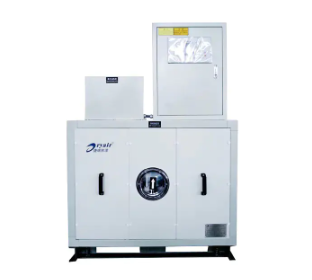
Rotary Desiccant Dehumidifier (DHU)
Heavy-duty industrial rotary desiccant dehumidifier engineered for precise sub-zero dew-point regulation across battery plants and manufacturing halls.
Launch Your Swedish Industrial Dehumidification Tender
Whether specifying a 100 m² pilot cleanroom or a 100,000 m³/h gigafactory dry room module, DryAir application engineers provide full psychrometric load balances within 24 hours.