Enterprise Grade Climate Engineering

Professional Refrigerative Dehumidifier Solutions Provider & in China in New Zealand

High-efficiency mechanical condensation systems and advanced dew-point control engineered for New Zealand primary industries, dairy drying, wine cellaring, and precision manufacturing.

Send Inquiry Now
Direct Engineering Portfolio

High-Capacity Industrial Climate Systems

Pre-engineered and customizable dehumidification architectures built to withstand challenging marine and subtropical moisture loads.

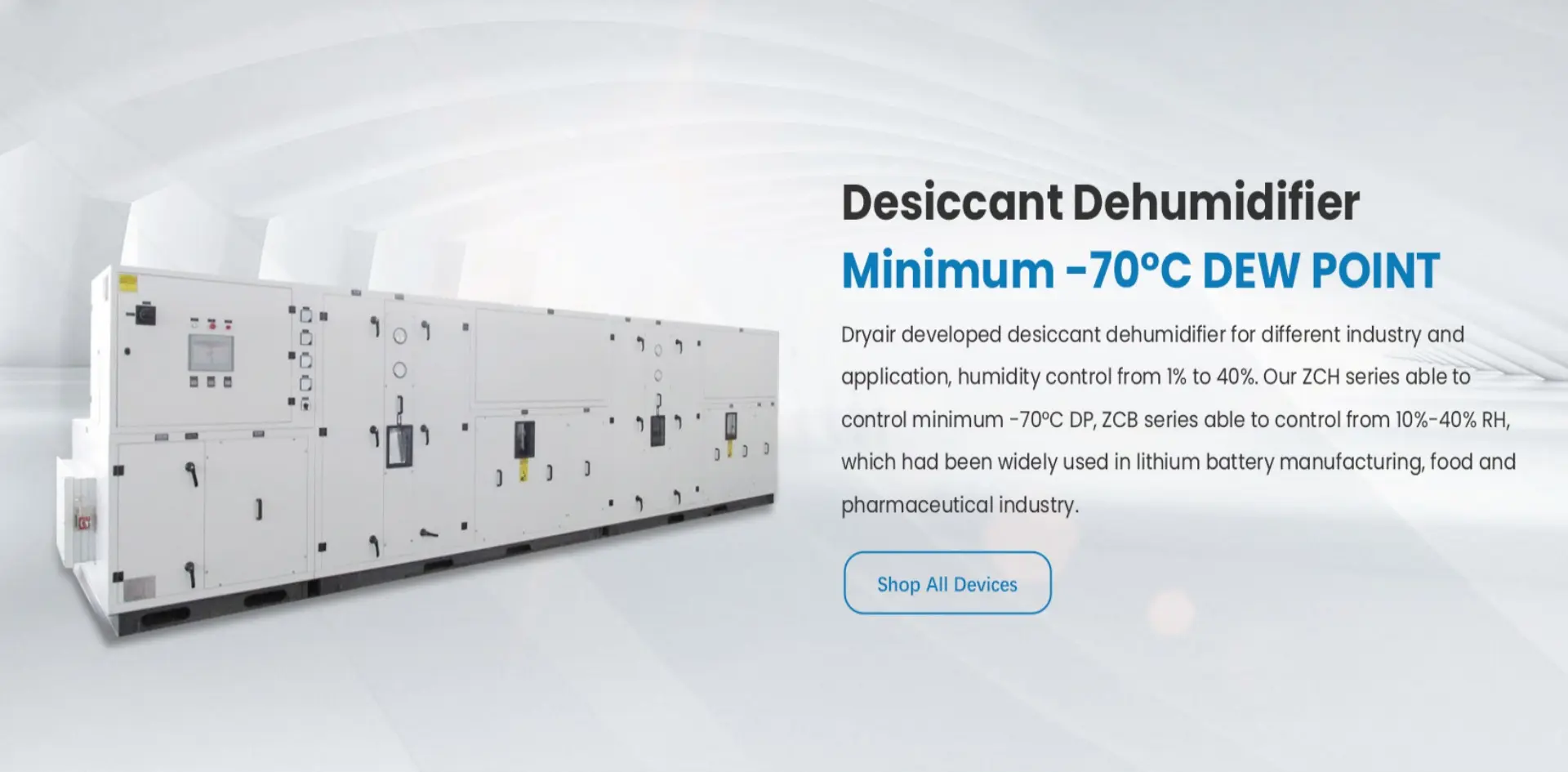
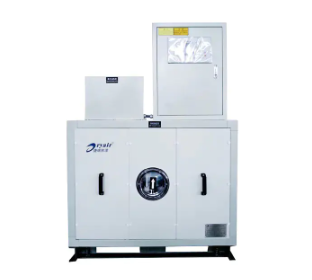
New Zealand Industrial Rotary Desiccant Dehumidifier

Industrial Desiccant Dehumidifier (NZ Series)

Engineered for extreme dew point depression down to -70°C, integrating deep sensible pre-cooling for ultra-dry lithium battery production and pharmaceutical encapsulation.

  • Dew point depression to -70°C
  • Synthesized silica gel rotor
View Specifications
Turnkey Dry Room Architecture Auckland

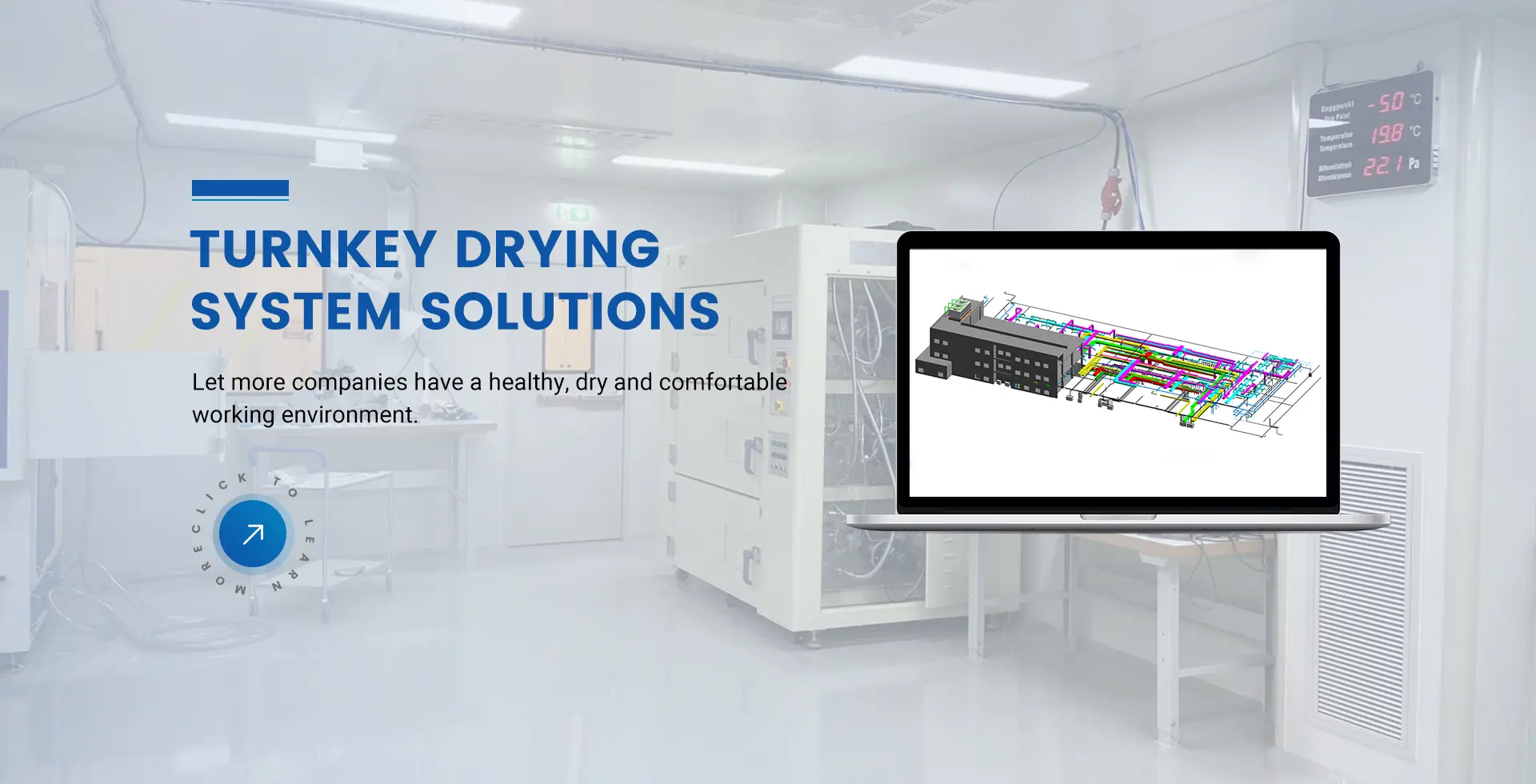
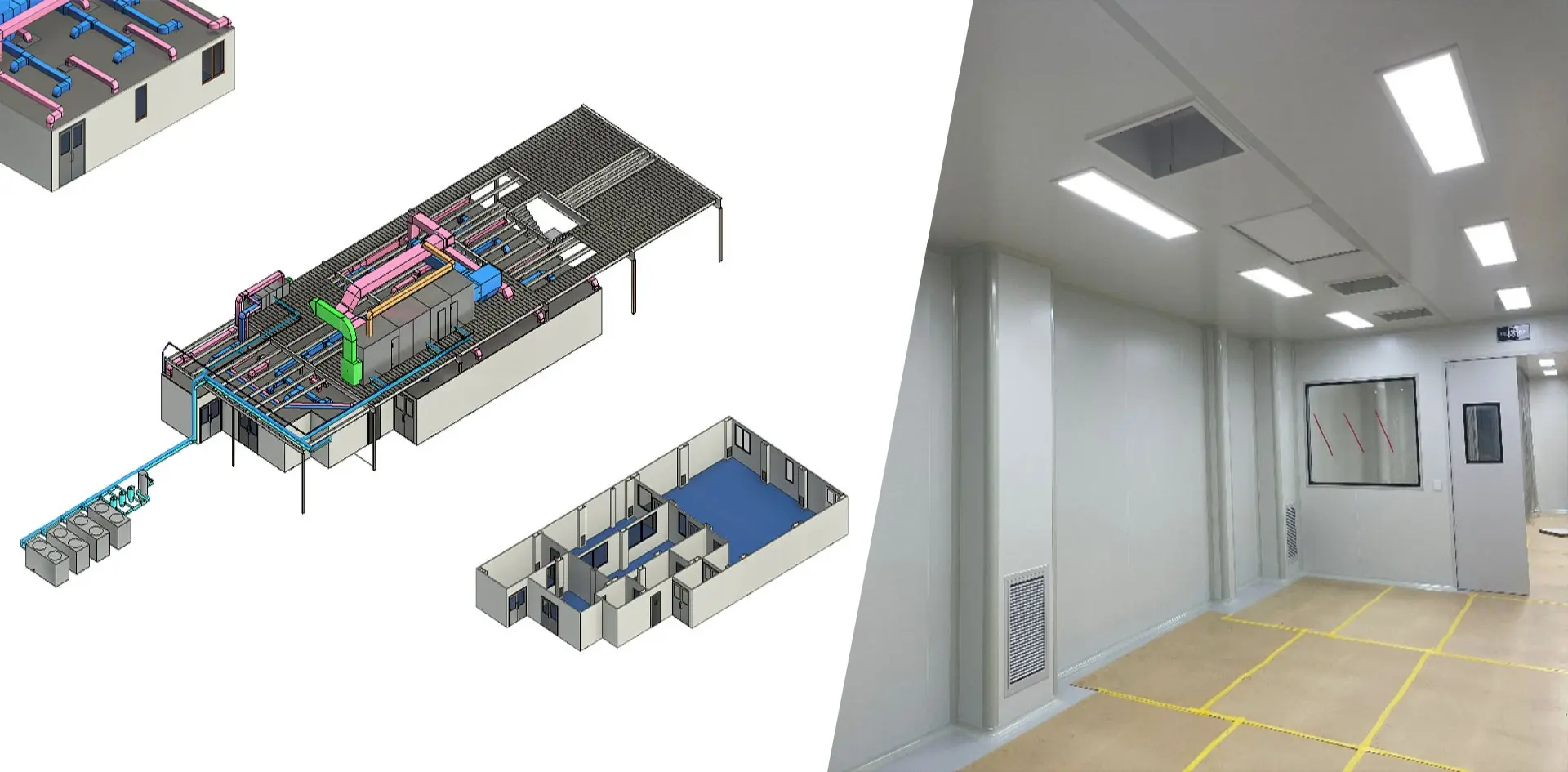
Turn-Key Dry Room Engineering System

Integrated climate shell, low-leak envelope design, and multi-stage refrigerative pre-treatment built to international cleanroom and GMP manufacturing metrics.

  • Complete EPC validation workflow
  • Hermetic insulated joint system
Explore Dry Rooms
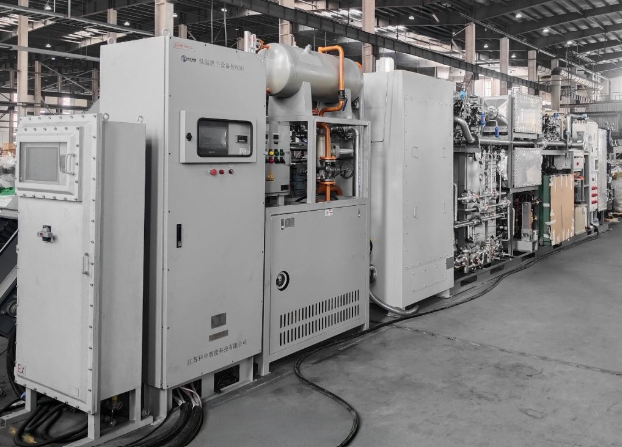
NMP Recovery System New Zealand

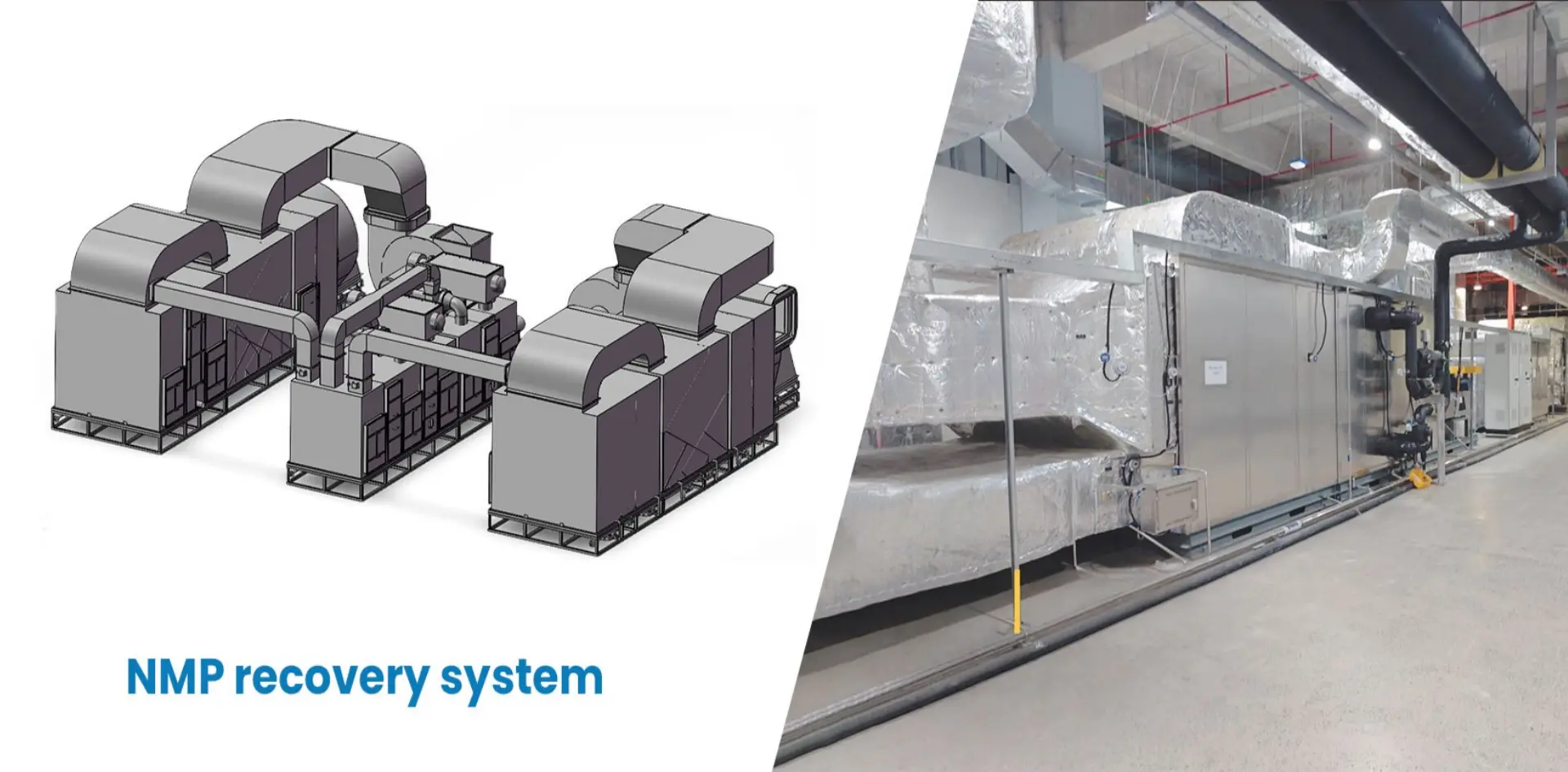
ZJRH Closed-Loop NMP Solvent Recovery

Sub-cooling condensation recovery array designed to extract VOCs and N-Methyl-2-pyrrolidone vapors with over 99% operational recovery efficiency.

  • ≥99% Solvent capture efficiency
  • Dual condensation heat ex-stage
Learn More
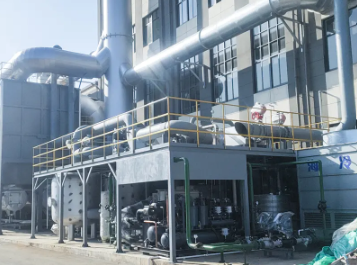
Industrial VOC Abatement System

JEN Industrial VOC Abatement System

Synergistic cryogenic deep-cooling condensation combined with regenerative thermal oxidation (RTO) for chemical, coating, and timber processing plants.

  • Thermal efficiency up to 95%
  • AS/NZS compliance readiness
Learn More
Strategic Regional Analysis

Moisture Dynamics Across New Zealand’s Industrial Landscape

New Zealand's unique geography—defined by maritime boundary layers, high ambient relative humidity (often exceeding 80–90% in regions like Auckland, Waikato, and the Bay of Plenty), and strict bio-security compliance—creates intensive latent load demands across essential processing hubs.

Dairy Powder & Spray Drying Towers

In dairy processing capitals like Canterbury and Southland, seasonal ambient moisture swings distort spray drying yields and provoke hygroscopic agglomeration. Our refrigerative pre-coolers strip mass latent loads from intake air before reaching primary heat exchangers, ensuring standard moisture ratios and eliminating seasonal throughput drop.

Horticultural & Wine Cellar Conservation

Marlborough’s winemaking industry and Hawke's Bay fruit preservation depots depend on non-fluctuating thermal and relative humidity envelopes. Uncontrolled vapor pressure leads to barrel evaporation, label mildew, and premature enzymatic breakdown. Hangzhou DryAir delivers refrigeration cycles tuned precisely above freezing points to avoid surface desiccation.

Timber Processing & Cold Storage Logistics

Sub-zero logistics facilities across Tauranga Port and Christchurch encounter severe frost accumulation on evaporators, causing expensive defrost cycles and slick flooring. Mechanical refrigerative dehumidifiers pre-treat air at loading docks to condense high-humidity maritime drafts before entering deep-freeze chambers.

Thermodynamic Engineering

Mechanical Condensation & Multi-Stage Dehumidification Roadmaps

Evaluating refrigeration-based moisture removal against desiccant chemistry: optimizing psychrometric transition zones to cut kilowatt consumption per kilogram of water extracted.

Psychrometric Optimization for Maritime Climates

Refrigerative dehumidifiers operate on basic Carnot thermodynamic principles: warm, moist process air passes across an evaporator coil chilled below its dew point temperature. Water vapor condenses into liquid runoff, and the chilled, saturated air is reheated by passing over the condenser coil before supply.

  • High sensible heat ratio (SHR) balancing for stable process conditions
  • Modulating hot gas bypass systems allowing stable function down to 5°C
  • EC centrifugal blowers delivering variable static pressure management

Hybrid Refrigerative-Desiccant Synergy

Where processing targets demand dew points beneath 5°C (such as lithium battery assembly or effervescent pharmaceutical processing), mechanical refrigeration faces mechanical frost barriers. Here, Hangzhou DryAir utilizes refrigerative DX pre-cooling coils as the upstream stage, extracting 70-80% of ambient moisture before the air hits our desiccant rotors.

  • Reduces desiccant thermal regeneration loads by up to 45%
  • Extends rotor chemical lifetime by reducing vapor shock
  • Integrated Siemens PLC with touch-panel telemetry protocols
-70°C
Min Dew Point Control
≥99%
NMP Solvent Recovery
30%+
China Market Leadership
200+
Units Fabricated Monthly
Smart Manufacturing

China Industry 4.0 Infrastructure & Supply Chain Resilience

Operating from Qingshan Industrial Park in Hangzhou, DryAir leverages automated sheet-metal fabrication, robotic seam-welding, and comprehensive thermodynamic test stations to provide international markets with verifiable engineering excellence.

Tier-1 Global Track Record

Validated by global tier-one enterprises including Tesla, Northvolt, CATL, BYD, and TTI. Our systems sustain non-stop operational availability inside gigawatt battery lines where unpredicted downtime carries astronomical operational costs.

Military GJB & ISO 9001 Systems

Certified under both civil ISO 9001 systems and the rigorous GJB national defense framework. Every unit undergoes aerodynamic wind-tunnel benchmarking, refrigerant pressure integrity verification, and helium mass-spectrometer leak audits prior to dispatch.

High Availability Component Integration

Equipped with globally serviceable industrial components: Copeland or Bitzer scroll/screw compressors, Danfoss expansion valves, Schneider electrical controls, and low-GWP refrigerants (R410A, R134a, R513A) aligning with New Zealand's Climate Change Response Act.

Compliance Protocols

Engineering Compliance for Australia & New Zealand Directives

Importing industrial thermal equipment into New Zealand demands meticulous alignment with local health, electrical, seismic, and environmental standards.

AS/NZS 3000 (Wiring Rules)

Control consoles, motor starters, and VFD modules are systematically assembled following AS/NZS 3000 electrical standards. Complete IP55-rated enclosures, segregated extra-low voltage control paths, and verified short-circuit ratings guarantee seamless sign-off by registered New Zealand electrical inspectors.

Seismic Anchorage (NZS 4219)

Given New Zealand’s high seismic activity, our structural frames incorporate reinforced base skids engineered according to NZS 4219 specifications. Structural calculations and dynamic load anchors accommodate peak horizontal accelerations encountered across Wellington, Christchurch, and Bay of Plenty facilities.

F-Gas & GWP Compliance

Hangzhou DryAir supports low-GWP refrigerant options compatible with the New Zealand Synthetic Greenhouse Gas (SGG) levy framework. Pressure equipment structures comply with AS/NZS 1200 / ASME pressure vessel fabrication tolerances, paired with burst protection valves and accessible service manifolds.

Procurement Operations

Turnkey Delivery Matrix: From Engineering Spec to Site Sign-Off

A rigorous five-stage execution architecture engineered to eliminate scope creep and mitigate project lead-time volatility for Oceanic procurement directors.

01. Psychrometric Audit

Detailed enthalpy calculations analyzing ambient historical meteorological records, building envelope U-values, internal occupant moisture loads, and required dry-bulb tolerances.

02. System Configuration

Selection of coil surface areas, compressor stage redundancy (N+1 designs), heat-pipe energy recovery modules, and custom airflow duct configurations tailored to factory layouts.

03. Factory Verification

Comprehensive FAT (Factory Acceptance Testing) run inside Hangzhou DryAir's climatic testing cells, evaluating rated kW draw, condensate extraction rates, and full acoustic profiles.

04. Commissioning & SLA

On-site or remote engineering commissioning, telemetry sensor calibration, local contractor hand-off, and enrollment in an optional two-year overseas preventive maintenance SLA.

Procurement Knowledge Base

Frequently Asked Technical & Operational Questions

Direct technical answers addressing the operational queries posed by plant engineers, mechanical consultants, and global sourcing specialists.

What is the lowest dew point a DryAir desiccant dehumidifier can achieve?
DryAir rotary desiccant dehumidifiers can control supply air down to a minimum of -70°C dew point, suitable for lithium battery cell assembly, electrolyte filling and other ultra-dry processes.
Do you supply complete turnkey dry rooms for battery factories outside China?
Yes. DryAir delivers turnkey dry room projects covering pre-sales consulting, system design, manufacturing, installation, commissioning and after-sales maintenance, and has served overseas customers such as Tesla, Northvolt and TTI.
Which certifications do DryAir systems hold for export markets?
Depending on the model and destination market, DryAir products can be supplied with CE, UL, CSA, ASME and EAC certification. The company operates an ISO 9001 quality management system and the GJB national military standard system.
What recovery rate can a DryAir NMP recovery system reach?
DryAir NMP recovery systems are designed to reach a solvent recovery rate above 99% on lithium-ion electrode coating and drying lines, reducing solvent purchasing cost and emissions.
What after-sales support is available for international buyers?
Overseas customers can choose an optional two-year service agreement in addition to remote technical support, spare parts supply and on-site commissioning by DryAir engineers.
How does refrigerative dehumidification differ from desiccant technology in New Zealand's climate?
Refrigerative dehumidifiers are optimal for relative humidity control targets between 40% and 60% at ambient temperatures above 10°C, extracting water vapor through physical condensation. Desiccant rotors rely on chemical adsorption to extract moisture at sub-zero dew points (-20°C to -70°C). Combining refrigerative pre-coolers with desiccant systems yields the lowest total lifecycle power consumption for demanding commercial environments.
Enterprise Product Catalog

Standard & Custom Dehumidification Architectures

Comprehensive solutions engineered to deliver stable environmental parameters across specialized industrial operations.

Commercial Refrigerative Dehumidifier NZ

Commercial Refrigerative Dehumidifier Unit

Condensation dehumidification engineered for commercial storage, archiving, and warehouse pre-cooling across New Zealand ports.

Learn More
Rotary Desiccant Dehumidifier Unit

DHU Precision Rotary Desiccant Dehumidifier

Deep low-dew-point environmental control tailored for seed banks, defense warehouses, and clean packaging zones.

View Specifications
Lithium Battery Dry Room Enclosure

Modular Battery Dry Room Enclosures

Engineered cleanroom enclosures maintaining airtight performance and continuous -40°C to -60°C dew point integrity.

Explore Dry Rooms
Coating Line Solvent Recovery

Continuous Electrode Coater Solvent Recovery

Closed-circuit condensation condensing high-concentration NMP gas streams into reusable solvent while cutting exhaust emissions.

Learn More
Regenerative Thermal Oxidizer RTO

Cryogenic Condensation & RTO Abatement

Dual-stage exhaust purification engineered to destroy hazardous airborne hydrocarbons and ensure strict air-discharge compliance.

Learn More
Petrochemical Oil Gas Condensation Unit

Vapor Recovery Condensation Unit

Deep-refrigeration condensation machinery handling petrochemical handling, marine vessel bunkering, and fuel loading terminals.

Learn More
Industrial Food Dehumidification Skid

Pharmaceutical & Dairy Hygiene Skid

Sanitary washdown dehumidifier skid with stainless steel coil options built to meet stringent MPI New Zealand food safety standards.

View Specifications
Cleanroom Dehumidifier Dry Air

Precision Electronics Cleanroom Dehumidifier

Micro-climate regulation platform delivering steady relative humidity and temperature stability across semiconductor and sensor assembly lines.

Explore Dry Rooms

Ready to Engineer Your Moisture Control Solution?

Connect with our senior HVAC engineers to receive psychrometric load calculations and factory quotation packages within 24 hours.

Send Inquiry Now