
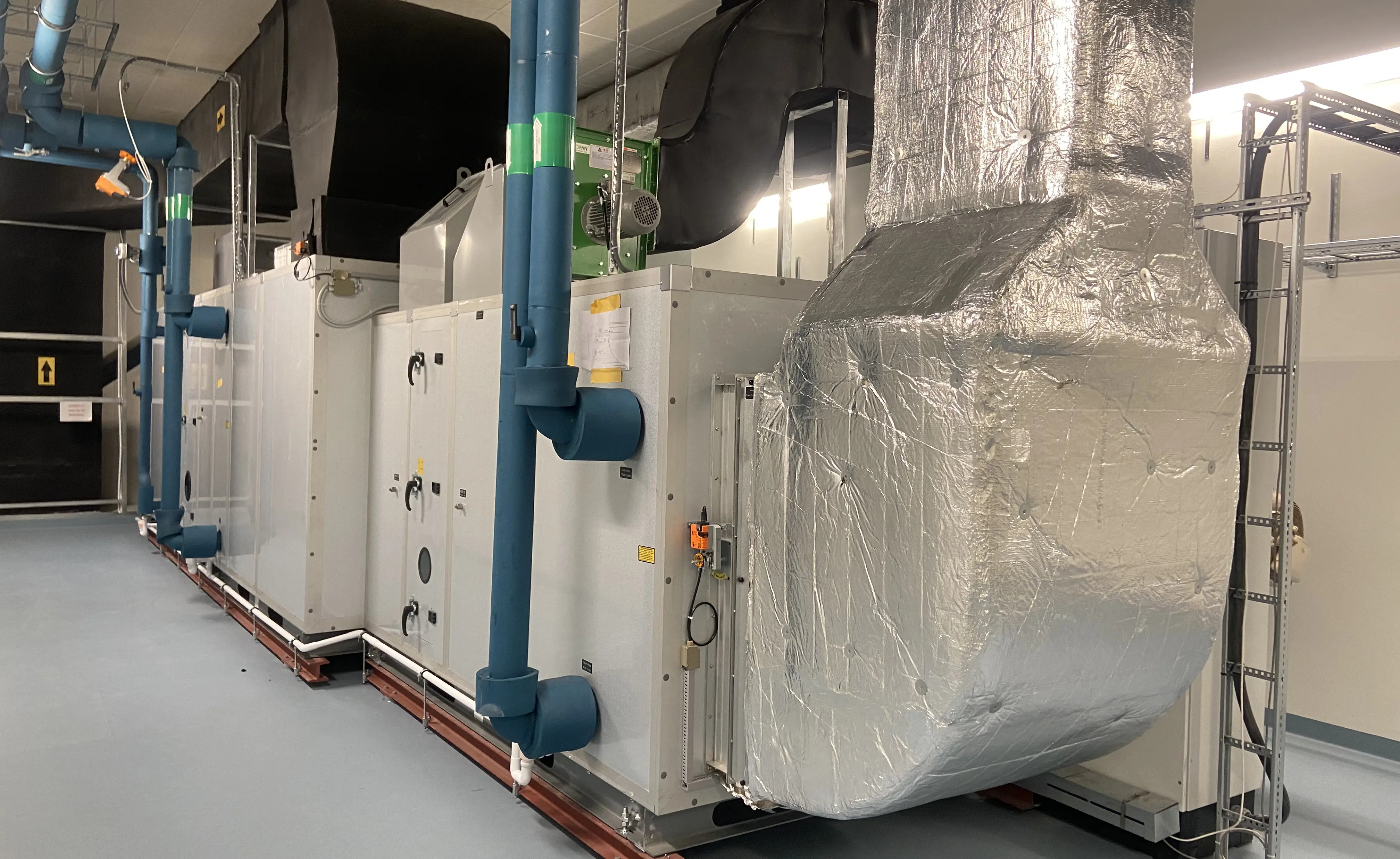
Desiccant Dehumidifier (Boston Spec)
DHU rotary desiccant series engineered for ultra-deep dew point suppression where refrigeration systems meet psychrometric thermodynamic limits.
View SpecificationsPioneering ultra-efficient thermodynamic dehumidification systems and low dew point solutions for Greater Boston's biopharma corridors, advanced manufacturing clusters, and worldwide mission-critical industrial facilities.
Engineered to deliver high latent removal capacity and process-critical dew points across aerospace, pharmaceutical cleanrooms, and automated high-output manufacturing lines.
DHU rotary desiccant series engineered for ultra-deep dew point suppression where refrigeration systems meet psychrometric thermodynamic limits.
View Specifications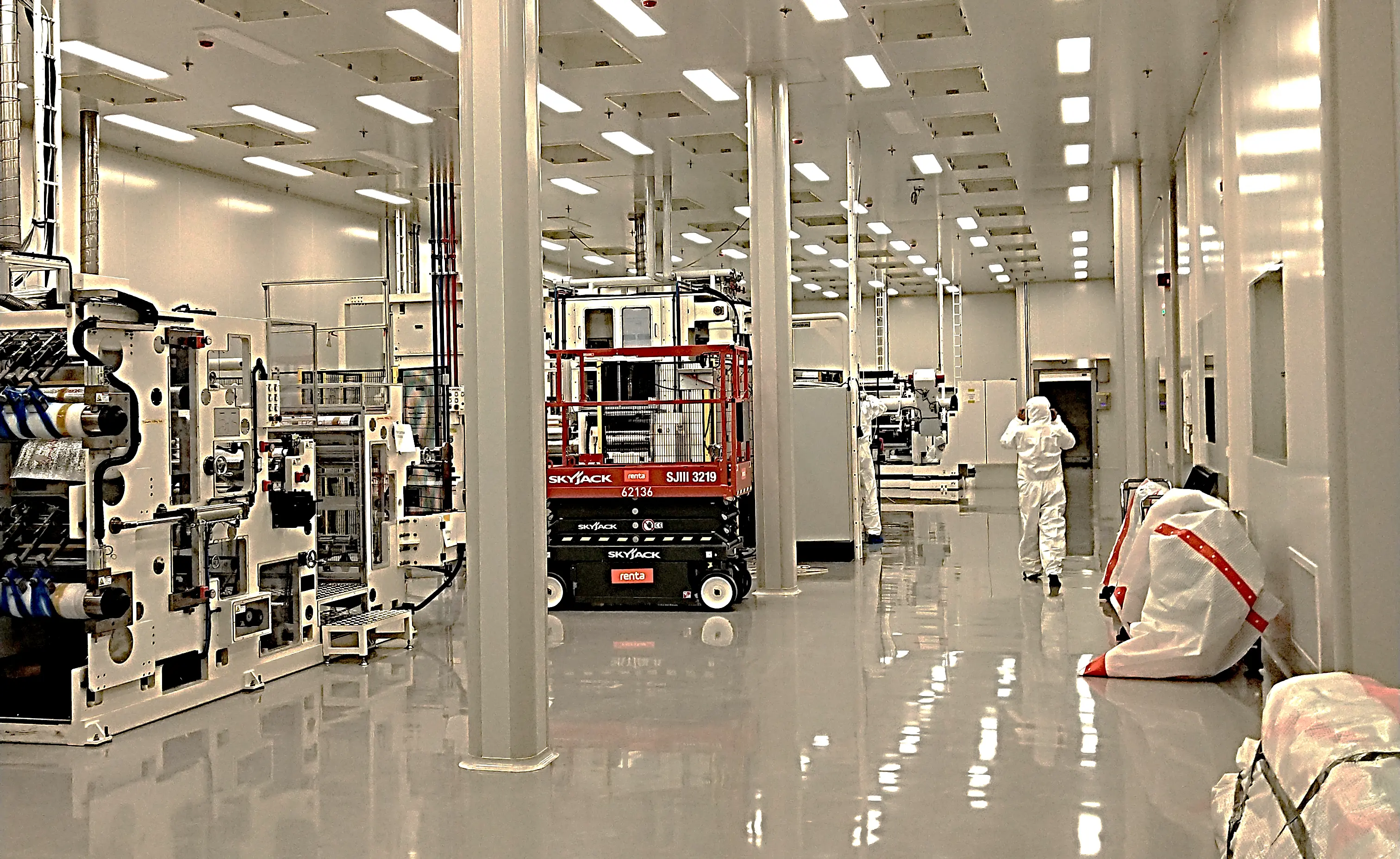
All-in-one modular cleanroom enclosures, sealed thermal partitions, HVAC loops, and automated validation for Massachusetts energy and cell labs.
Explore Dry Rooms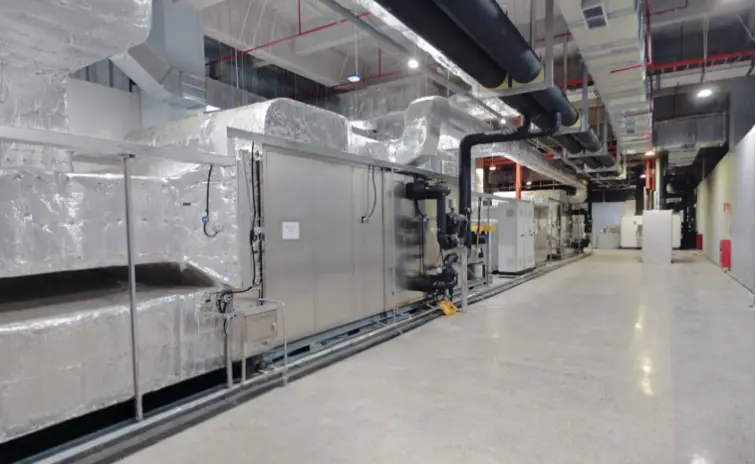
High-efficiency solvent condenser skids designed for lithium battery electrode coating processes, minimizing VOC slip and industrial stack overhead.
Learn More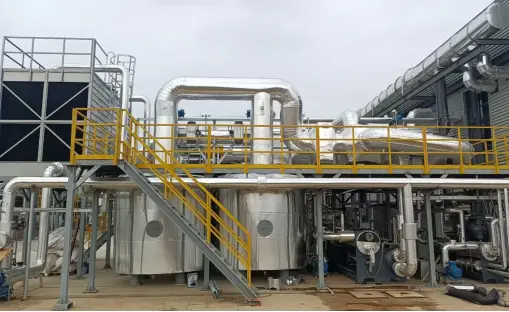
Combines multi-stage cryogenic condensation loops with regenerative thermal oxidizers (RTO) for comprehensive hydrocarbon emission compliance.
Learn MoreFrom the Route 128 tech corridor and Cambridge life science clusters to global semiconductor foundries, humidity control dictates batch yields, chemical stability, and operational uptime.
Boston experiences extreme seasonal psychrometric swings: freezing winters with subterranean specific humidity alternating with sweltering, moisture-laden coastal Atlantic summers (exceeding 110 grains/lb). Local biotechnology, pharmaceutical freeze-drying, and precision optics facilities in Waltham and Cambridge require high-performance refrigerative dehumidifiers as robust pre-cooling stages to stabilize intake enthalpy prior to cleanroom induction.
Tier-1 international enterprises (e.g., Northvolt, Tesla, CATL) require refrigerative dehumidifiers that eliminate microbial water films, manage heavy latent internal loads from personnel, and operate seamlessly at partial-load efficiencies. Modern procurement insists on non-ozone-depleting HFO refrigerants, variable-speed inverter screw compressors, and UL/ASME-certified electrical and pressure-vessel skids.
Operating pure desiccant wheels for gross latent load reduction is thermodynamically cost-prohibitive. Global engineering mandates pairing our refrigerative dehumidifier units upstream of rotary desiccant rotors. By condensing out moisture to a 4°C to 10°C dew point mechanically, the system cuts desiccant regeneration thermal loads by upwards of 42%, lowering total plant carbon footprints.
A breakdown of mechanical condensation systems versus desiccant cycles across mission-critical moisture removal operations.
A refrigerative dehumidifier removes moisture through phase-change condensation. Incoming process air passes over an engineered evaporator coil, chilling below its dew point. Water vapor condenses out into a drainage pan, removing moisture in mass volume without active chemical adsorbents.
The conditioned air is subsequently routed through the hot condenser coil, where heat of compression reheats the dry stream to neutral room temperature, achieving relative humidity levels of 40%–60% RH with exceptional thermodynamic coefficient of performance (COP).
| Operational Metric | Refrigerative System | Desiccant Wheel System |
|---|---|---|
| Primary Dew Point Band | 4°C to 12°C DP (40–60% RH) | -20°C to -70°C DP (<1% RH) |
| Capital Expenditure (CAPEX) | Low to Moderate | High (Engineered Wheels/Heaters) |
| Thermal Regeneration Heat | None Required (Internal DX) | High (Steam / Electric / Gas) |
| Ideal Boston Use-Case | Pharma warehouses, pre-cooling skids | Lithium battery dry rooms, freeze drying |
| Refrigerant Standard | R410A / R134a / R513A Eco-blend | N/A (Chilled water precool optional) |
Bridging Chinese manufacturing excellence with North American compliance standards, complete field commissioning, and predictive life-cycle support.
Every industrial unit destined for Boston or U.S. ports complies with UL 1995/UL 60335-2-40 electrical standards, ASME section VIII pressure vessel codes, and Massachusetts Stretch Energy Code standards, ensuring smooth municipal sign-offs and AHJ validations.
Hangzhou DryAir supports Boston-based enterprises through localized engineering partners and dispatch teams. We provide factory-acceptance testing (FAT), site-acceptance testing (SAT), balancing, and a comprehensive 2-year international lifecycle service warranty.
Our R&D incorporates microchannel evaporator coils that reduce refrigerant charges by 35%, IoT edge gateways with Modbus/BACnet telemetry for real-time COP monitoring, and ultra-low GWP refrigerant compatibility ahead of regional EPA mandates.
Clear answers regarding refrigerative dehumidification, system integration, dew point thresholds, and transatlantic delivery logistics.
Explore complete turnkey solutions and skid-mounted environmental machinery deployed across global gigafactories and advanced Boston biotechnology research institutions.
Cost-effective thermodynamic moisture condensation systems for warehousing, pharma staging, and desiccant pre-cooling stages.
Learn More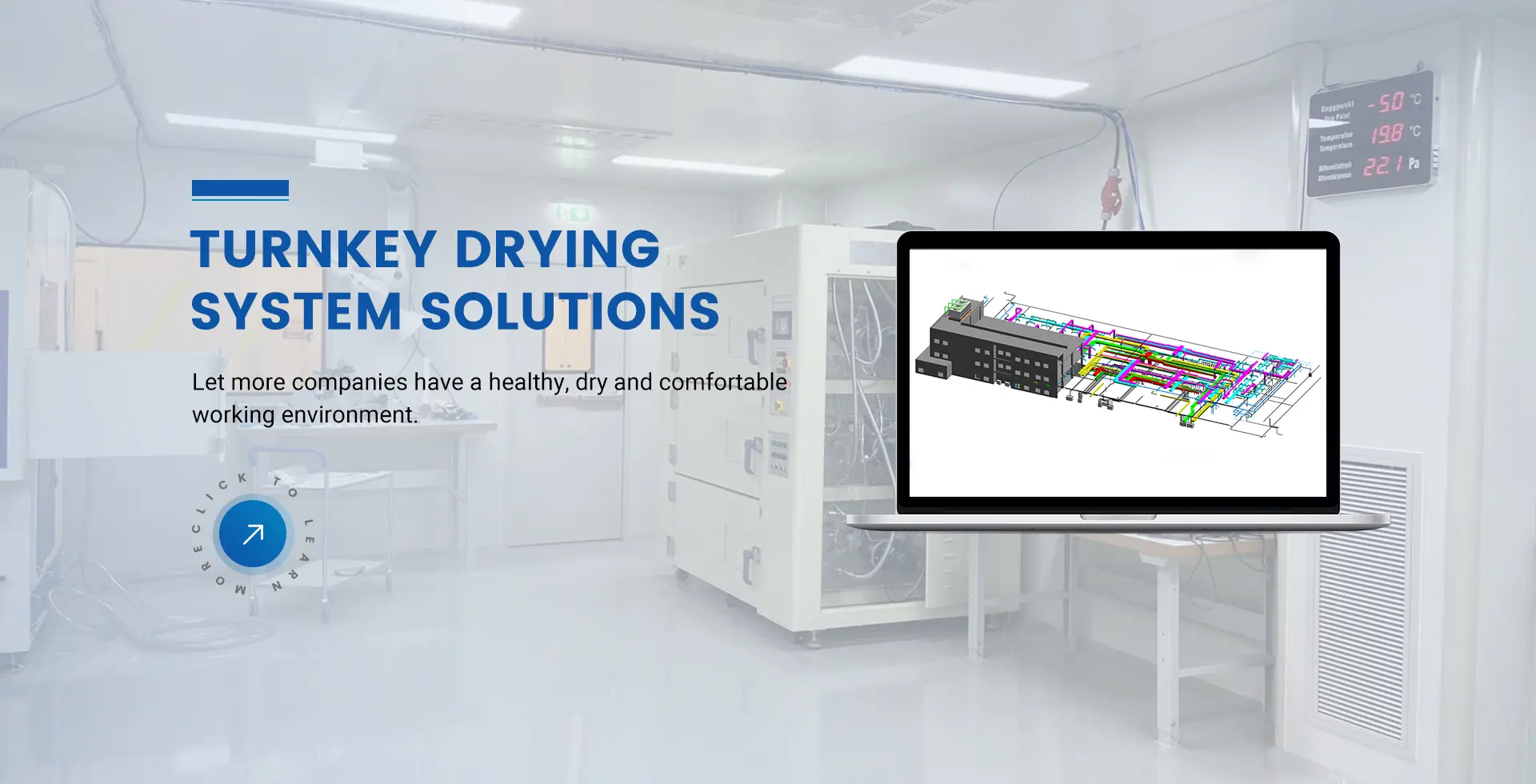
High-efficiency honeycomb rotor modules controlling moisture vapor down to -70°C dew point for moisture-sensitive chemical lines.
View Specifications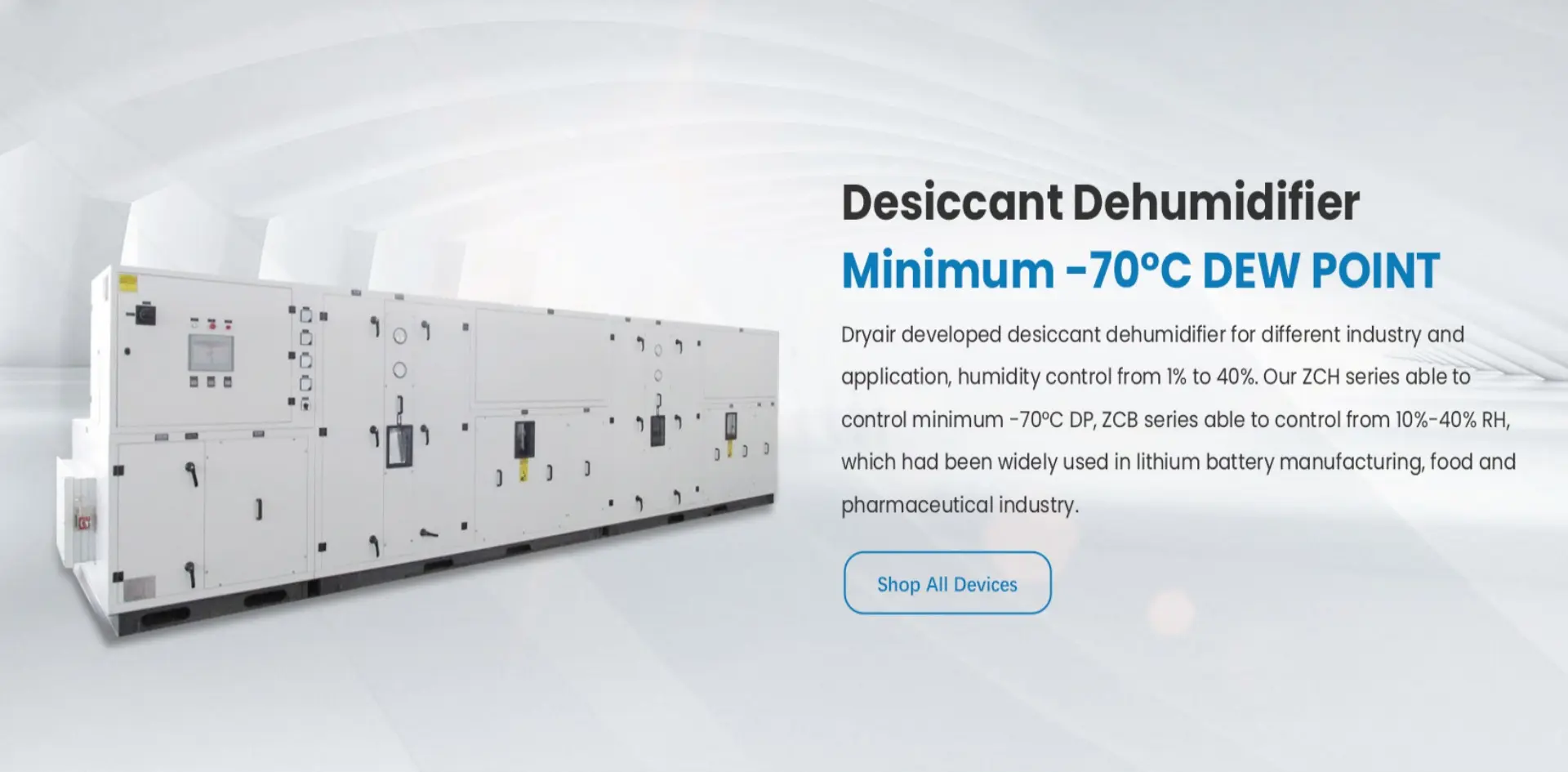
Integrated wall envelopes, low-leakage air distribution ducting, refrigeration plants, and automated validation under a single source contract.
View Dry Rooms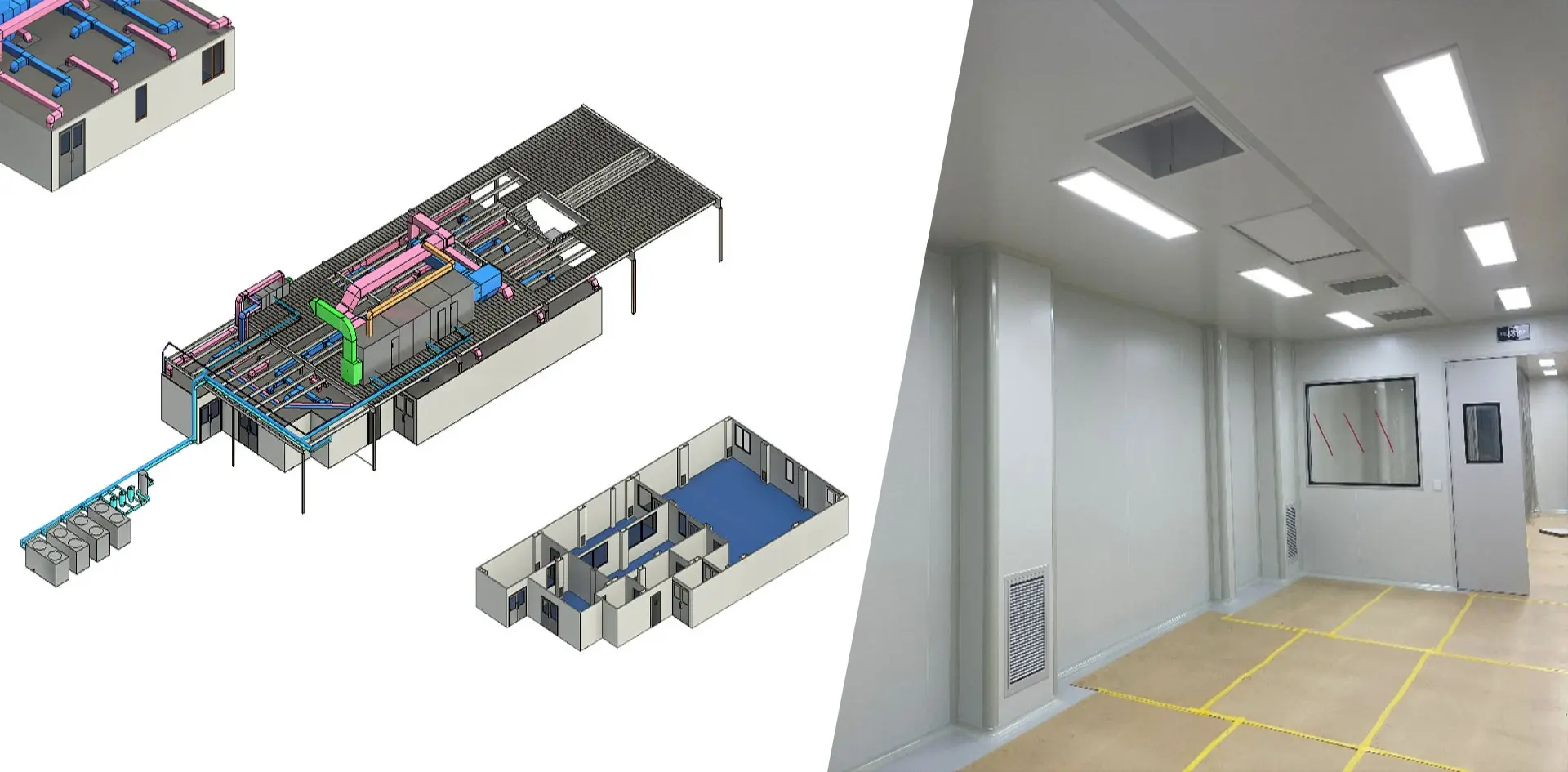
Engineered solvent condensation systems for battery electrode lines, driving solvent reclamation and minimal factory VOC emission slip.
View NMP Recovery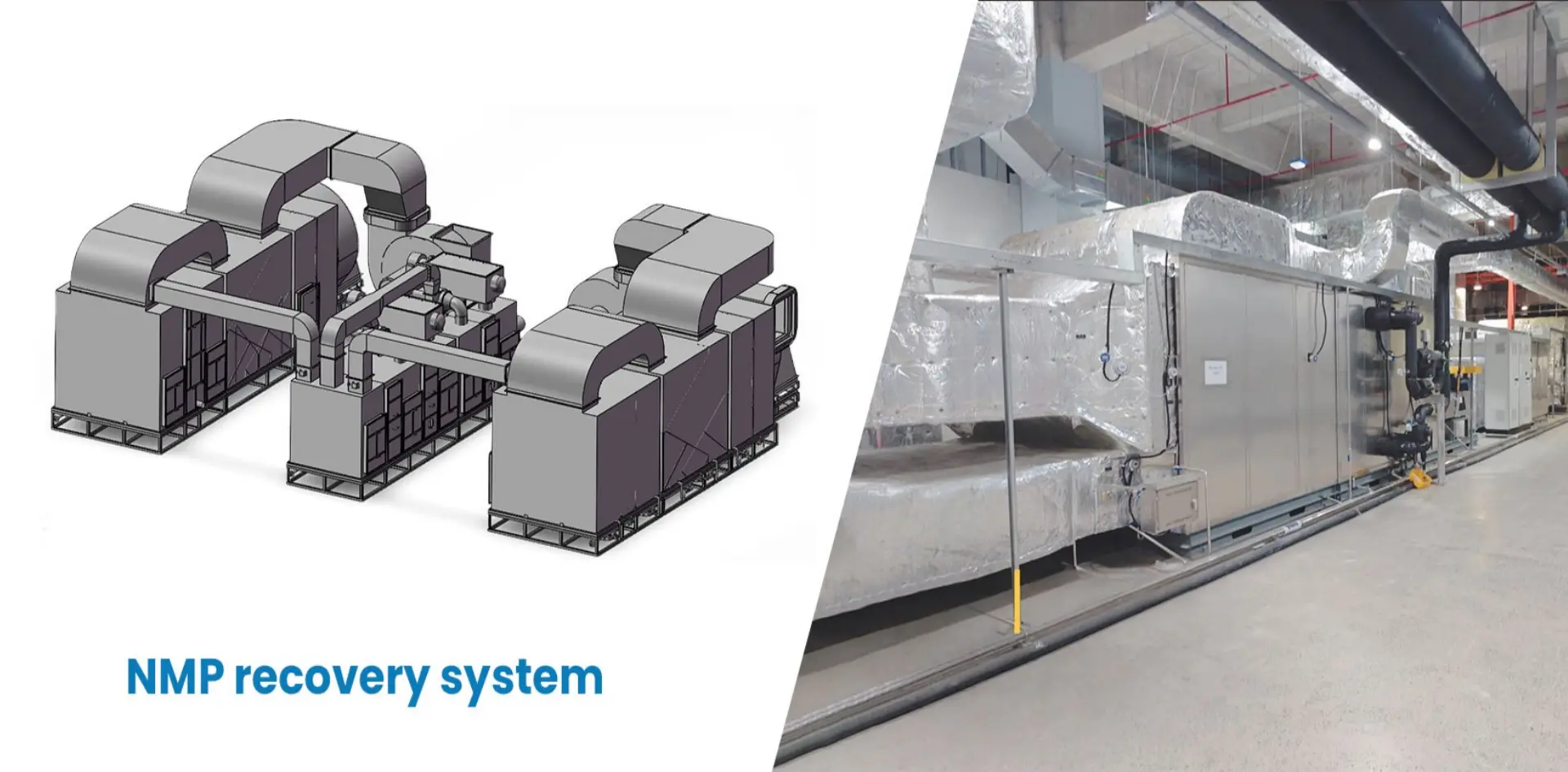
Industrial thermal oxidizer systems integrated with regenerative chillers for complete industrial solvent emissions compliance.
View VOC Systems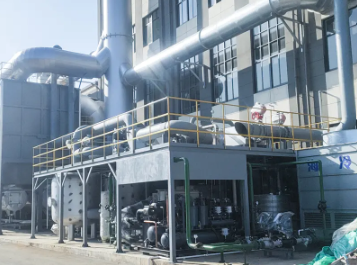
Cryogenic and multi-stage refrigerative condensation units targeting volatile fuel vapors during terminal storage and transfer operations.
Download Technical Data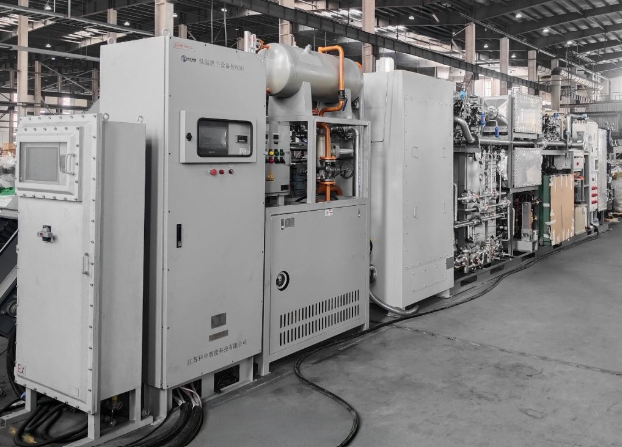
Recirculating gas cooling and solvent condensation architectures designed for 24/7 continuous lithium cell manufacturing uptime.
Read Engineering Data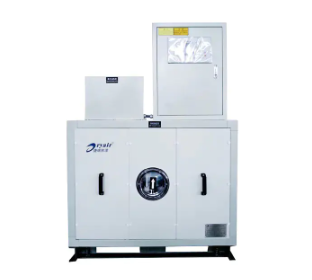
Clean-in-place sanitary air handlers maintaining tight psychrometric bands across tablet compression, gelatin encapsulation, and packaging.
Explore GMP SkidsSpeak directly with our registered HVAC engineers for detailed psychrometric equipment sizing, Boston code compliance, and commercial project quotations.
Send Inquiry Now