
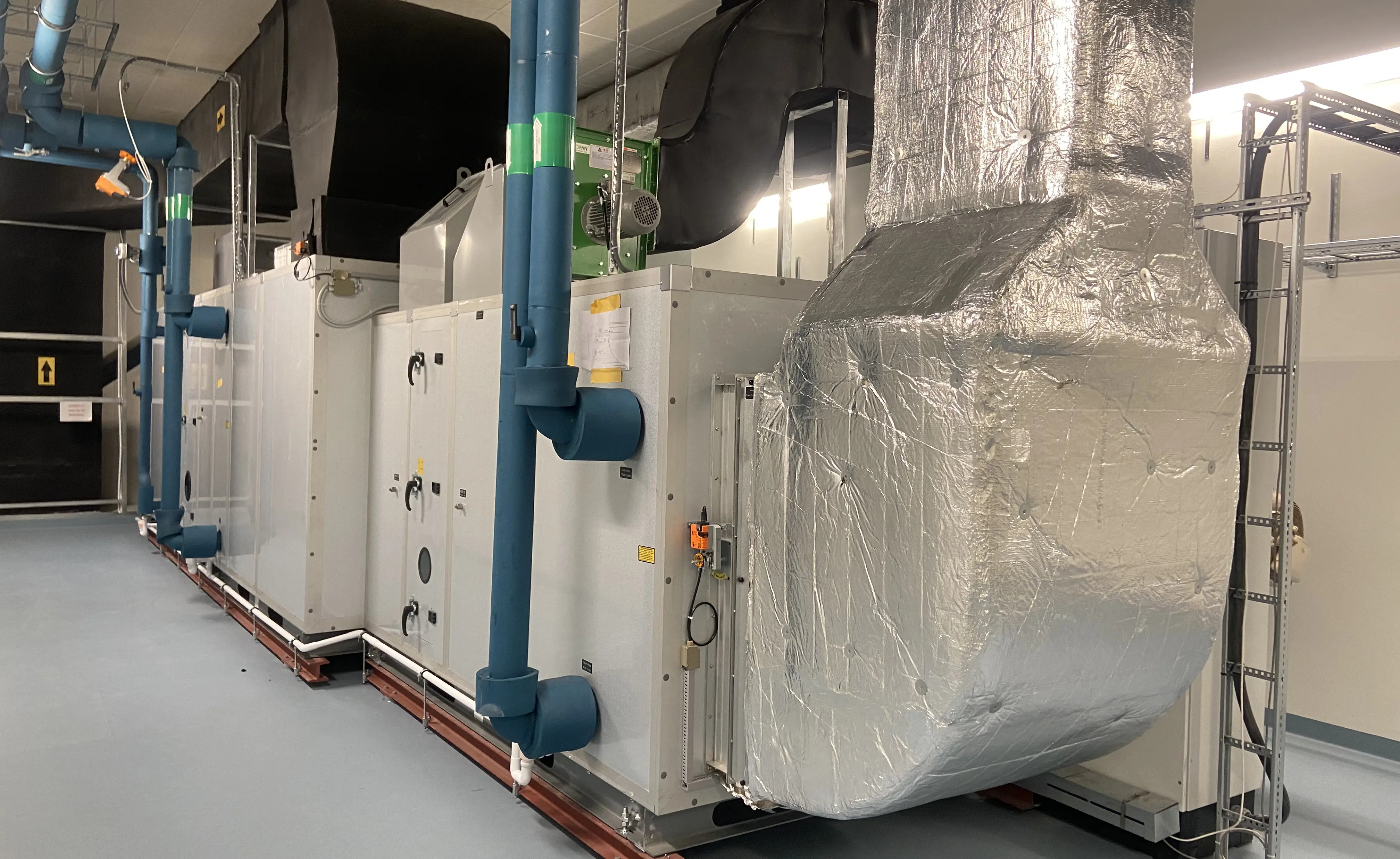
 DP -70°C
Desiccant Dehumidifier
DHU series rotary desiccant dehumidifiers provide ultra-stable low-dew-point atmospheric conditions where mechanical refrigeration reaches thermodynamic saturation.
Engineered moisture extraction systems tailored for Portuguese regional facilities, spanning Porto, Aveiro, Lisbon, and Setúbal industrial hubs.
DP -70°C
DHU series rotary desiccant dehumidifiers provide ultra-stable low-dew-point atmospheric conditions where mechanical refrigeration reaches thermodynamic saturation.
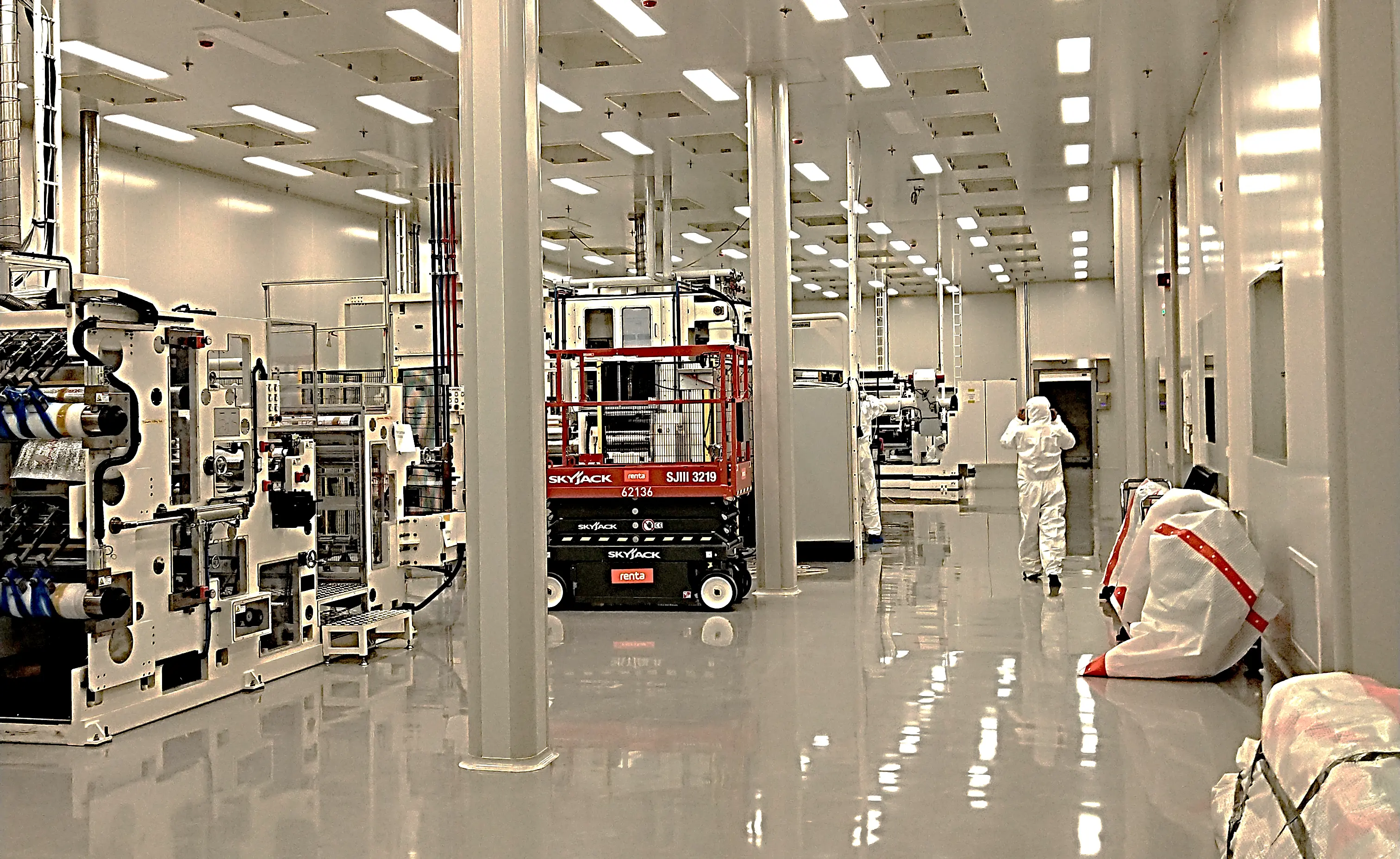 Turnkey EPC
Integrated envelope airtight containment, dedicated continuous dehumidification, psychrometric validation, and automated BMS controls engineered to CE standard.
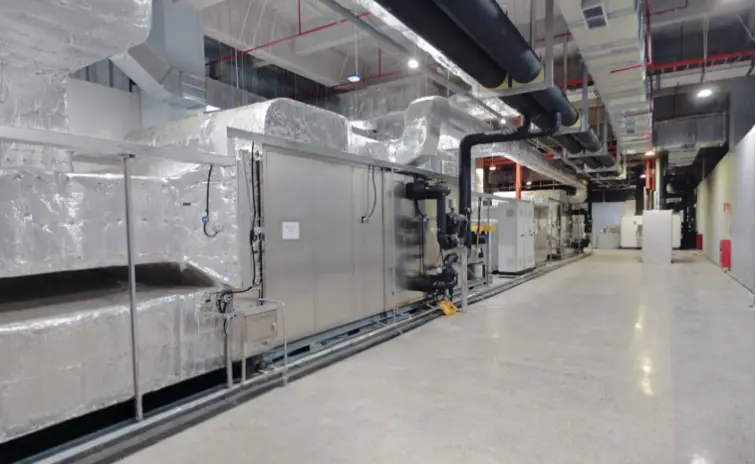 Recovery ≥99%
Captures volatile N-Methyl-2-pyrrolidone solvent from industrial coating exhausts with thermodynamic condensational recovery exceeding 99%.
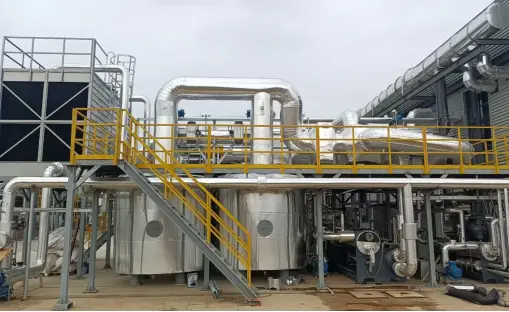 Cooling + RTO
Cryogenic deep-cooling condensation combined with Regenerative Thermal Oxidation (RTO) for extreme volatile pollutant abatement across processing lines.
Addressing Atlantic humidity challenges, Portuguese industrial transformation, and stringent European energy mandates.
Coastal and estuarine manufacturing zones in Aveiro, Leixões, and Setúbal experience constant salt-laden, moist oceanic air. In unconditioned warehouses, this leads directly to galvanic corrosion of structural ironwork, surface condensation on metallic stamping parts, and compromised packaging integrity.
Utilizing high-capacity refrigerative dehumidifiers acts as a critical thermodynamic barrier, condensing moist intake bulk air before it reaches hygroscopic raw inventories or corrosive thresholds.
Portugal operates under rigorous European Union regulatory frameworks, notably the revised EU F-Gas Regulation (EU 2024/573) and stringent national energy conservation incentives under the Plano Nacional de Energia e Clima (PNEC 2030).
Industrial refrigeration plants must balance high latent heat removal coefficients against power tariffs. Modern Chinese-engineered direct-expansion units employ low-GWP refrigerants (R454C, R513A, R32) and Variable Speed Inverter Compressors to optimize coefficient of performance (COP > 4.2).
Beyond modern lithium processing, Portugal's heritage manufacturing—such as world-leading cork processing (Amorim clusters), pulp and paper packaging, ceramics, and port wine barrel aging facilities—relies upon narrow vapor pressure deficits.
Excess humidity causes fungal development in cork cells and mold blooms in maturation cellars. Controlled refrigerative moisture extraction stabilizes moisture content between 50% and 60% RH without thermal shocking.
How Hangzhou DryAir bridges industrial-scale Chinese component supply chains with Western European engineering compliance.
Hangzhou DryAir holds over 30% market share in China's ultra-low dew point and industrial drying space. The exact thermodynamic architecture supplying gigawatt-scale production lines for CATL, BYD, EVE Energy, and Tesla is leveraged for standard industrial refrigerative dehumidifiers destined for export to Portugal.
This pedigree ensures heavy-duty 24/7 continuous duty cycles, oversized hydrophilic aluminum fin heat exchangers, and fault-tolerant hermetic scroll compressors capable of enduring relentless load variations.
Procuring industrial refrigeration equipment within the European domestic market often involves high margins through cascading distribution layers. Hangzhou DryAir integrates in-house sheet metal laser cutting, robotic welding, heat exchanger fin-stamping, and custom electrical cabinet assembly under ISO 9001 and GJB national aerospace/military quality control protocols.
Portuguese procurers capture a 25%–40% CAPEX savings while receiving direct engineering access to customize duct connections, PLC logic (Siemens/Schneider options), and specific anti-corrosion epoxy coatings for marine coastal environments.
Entering the Portuguese and broader Iberian market requires strict conformity to EU directives. Every unit exported by Hangzhou DryAir incorporates:
• Direct compliance with Machinery Directive 2006/42/EC and Low Voltage Directive 2014/35/EU.
• Pressure Equipment Directive (PED 2014/68/EU) certified refrigeration circuits with hydrostatic pressure testing.
• Complete technical construction files (TCF) and Declaration of Conformity issued directly from our accredited factory testing centers.
Selecting the optimal moisture removal modality based on target relative humidity, process temperatures, and energy budgets.
| Evaluation Parameter | Industrial Refrigerative Dehumidifier | Rotary Desiccant Dehumidifier (DHU Series) | Hybrid Integrated Configuration |
|---|---|---|---|
| Thermodynamic Operating Principle | Condensational phase change via mechanical refrigeration cycle below ambient dew point | Chemical sorption of moisture vapor via rotating silica-gel / molecular sieve matrix | Refrigerative pre-cooling & bulk moisture condensing + desiccant deep adsorption polishing |
| Operating Temperature Range | 10°C to 38°C (Optimal > 15°C; defrost required below 12°C) | -20°C to 50°C (Unrestricted by cold conditions) | 5°C to 45°C |
| Dew Point Achievability | Down to 3°C to 5°C Dew Point (~40% to 50% RH at ambient) | Extreme depression: down to -40°C to -70°C Dew Point | Stable -20°C to -40°C Dew Point at lowest operational OPEX |
| Specific Energy Consumption | Low specific energy (0.8 – 1.4 kWh per kg of water removed) | Moderate to high (requires thermal regeneration heat: 1.5 – 3.0 kWh/kg) | Optimized: Condenser waste heat leveraged for pre-regeneration |
| Primary Portuguese Industry Applications | Logistics warehouses, cork processing, agricultural drying, packaging halls | Lithium battery cell assembly, dry rooms, sterile pharma packaging | Large electronics manufacturing, high-throughput battery electrode lines |
Auditable manufacturing throughput and technical benchmarks supporting international deployments across Europe and worldwide.
Turnkey dehumidification configurations resolving concrete operational vulnerabilities across Portugal's primary industrial sectors.
The Challenge: Portuguese drug manufacturers compounding antibiotics, effervescent tablets, and gelatin capsules struggle during oceanic squalls where ambient RH spikes beyond 80%, causing hygroscopic API clumping and tablet press adherence.
The Solution: DryAir staged refrigerative pre-cooling dehumidifiers dropping incoming fresh air dew points to 8°C, paired with sanitary downstream desiccant rotors supplying cleanrooms under GMP Class C/D at a permanent 20% ± 2% RH.
The Challenge: Machined cast-iron engine blocks, unpainted galvanized stamping components, and precision wire harnesses awaiting maritime export from Setúbal undergo micro-condensation cycles when daytime solar gain drops to cool night dew points.
The Solution: Central ducted refrigerative dehumidifier arrays maintaining the warehouse vapor pressure below the dew point of the metallic storage racks, eliminating flash-rusting without corrosive chemical desiccants.
The Challenge: The natural cellular structure of Portuguese cork bark demands steady equilibrium moisture content during boiling, stabilization, and punching. Unchecked airborne humidity induces TCA (trichloroanisole) mould spores, ruining premium vintages.
The Solution: Refrigerative dehumidification with integrated washable stainless steel coils and anti-microbial air filtration, maintaining 55% RH consistently year-round to safeguard international cork exports.
A transparent, risk-mitigated supply pipeline from our Hangzhou factory floor directly to Portuguese industrial facilities.
Hangzhou DryAir’s industrial base in Zhejiang offers expedited logistical access to both Ningbo-Zhoushan and Shanghai deepwater ports. Containerized shipments (20GP, 40HQ, or Open Top for modular skid units) transit direct trade lanes to Portuguese container terminals at Port of Sines (Terminal XXI) and Port of Leixões (Porto) within 28 to 35 maritime days.
We provide full documentation for smooth clearance: HS Code classification (8479.89 for specialized industrial dehumidification equipment), commercial invoices, Bill of Lading, CE Declarations of Conformity, and certified factory test run reports, allowing your freight forwarder to rapidly navigate clearance and VAT reverse-charge mechanisms in Portugal.
All units deployed to Portugal include our standardized 12 to 24-month comprehensive warranty. International buyers benefit from direct video diagnostics with our senior HVAC engineers, expedited DHL courier dispatch of core spare parts (Danfoss expansion valves, Carel controllers, fans), and optional on-site commissioning by factory technicians.
Comprehensive engineering clarity addressing equipment sizing, EU compliance, and cross-border maintenance.
Explore our complete export spectrum including specialized rotary desiccant systems, solvent recovery units, and technical field whitepapers.
Silica Rotor
High-efficiency desiccant wheel rotor systems with dual-energy heat recovery for industrial drying across Portugal.
Full EPC
End-to-end design, cleanroom insulated wall panelling, air handling units, and BMS humidity sensors.
Solvent Recovery
Industrial condensing recovery protecting factory air quality and returning purified solvent to production lines.
Clean Air
Engineered thermal oxidizers meeting EU ambient air quality standards and industrial emission limits.
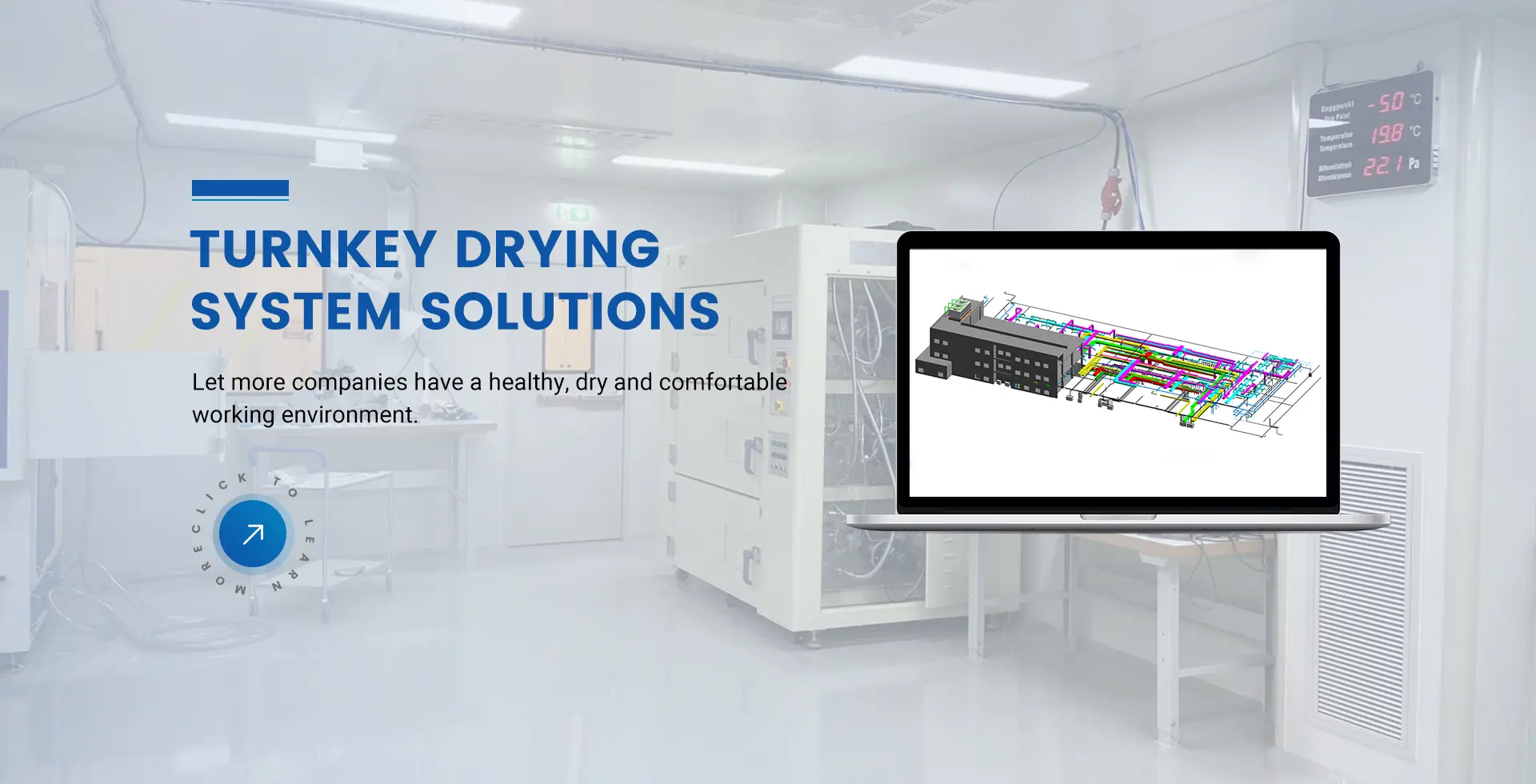 Direct Expansion
Industrial direct-expansion dehumidifiers delivering reliable bulk moisture control for storage facilities.
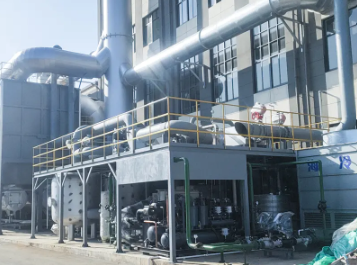 Technical Guide
Engineering breakdown of deep cryogenic condensation cycles capturing volatile hydrocarbons at storage terminals.
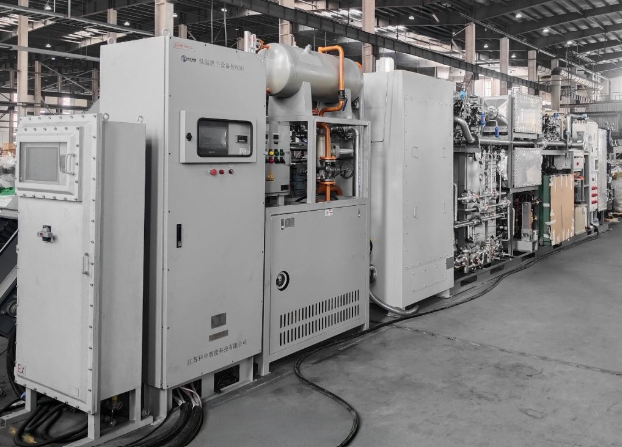 Operations
Practical steps to stabilize condensation efficiency, prevent duct clogging, and sustain 24/7 chemical recovery.
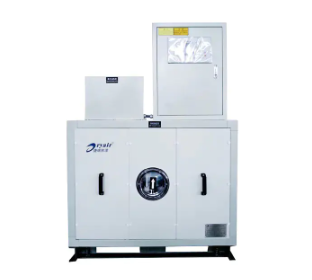 Quality Control
Analysis of relative humidity thresholds across blending, tablet compression, packaging, and cold-storage compliance.
Whether calculating psychrometric loads for an Aveiro port warehouse, sizing a Lisbon pharmaceutical cleanroom, or tendering a Sines gigafactory dry room—our HVAC engineering team prepares custom psychrometric profiles and pricing within 24 hours.