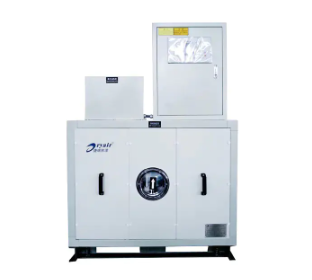
Hungary Industrial Desiccant Dehumidifier
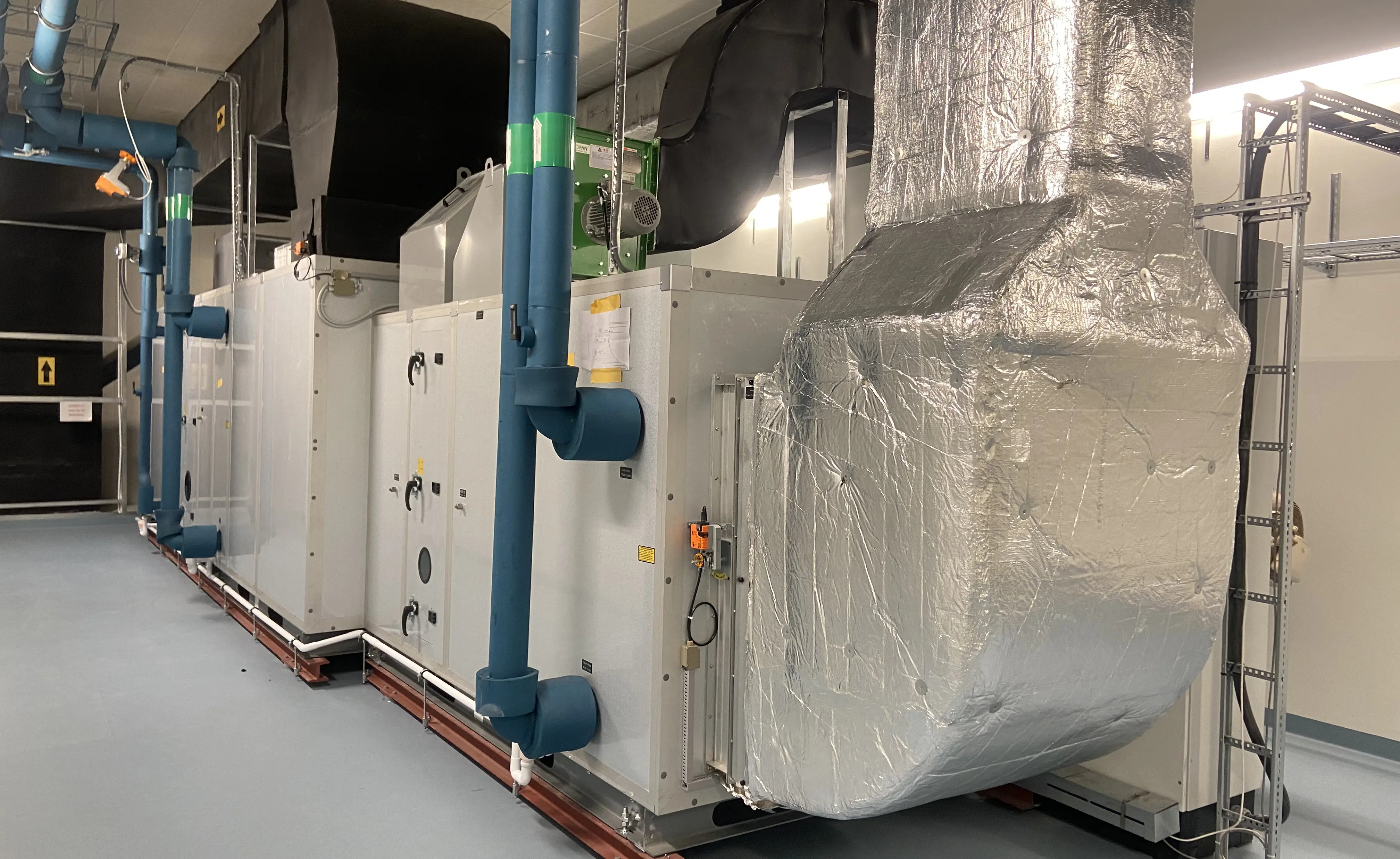
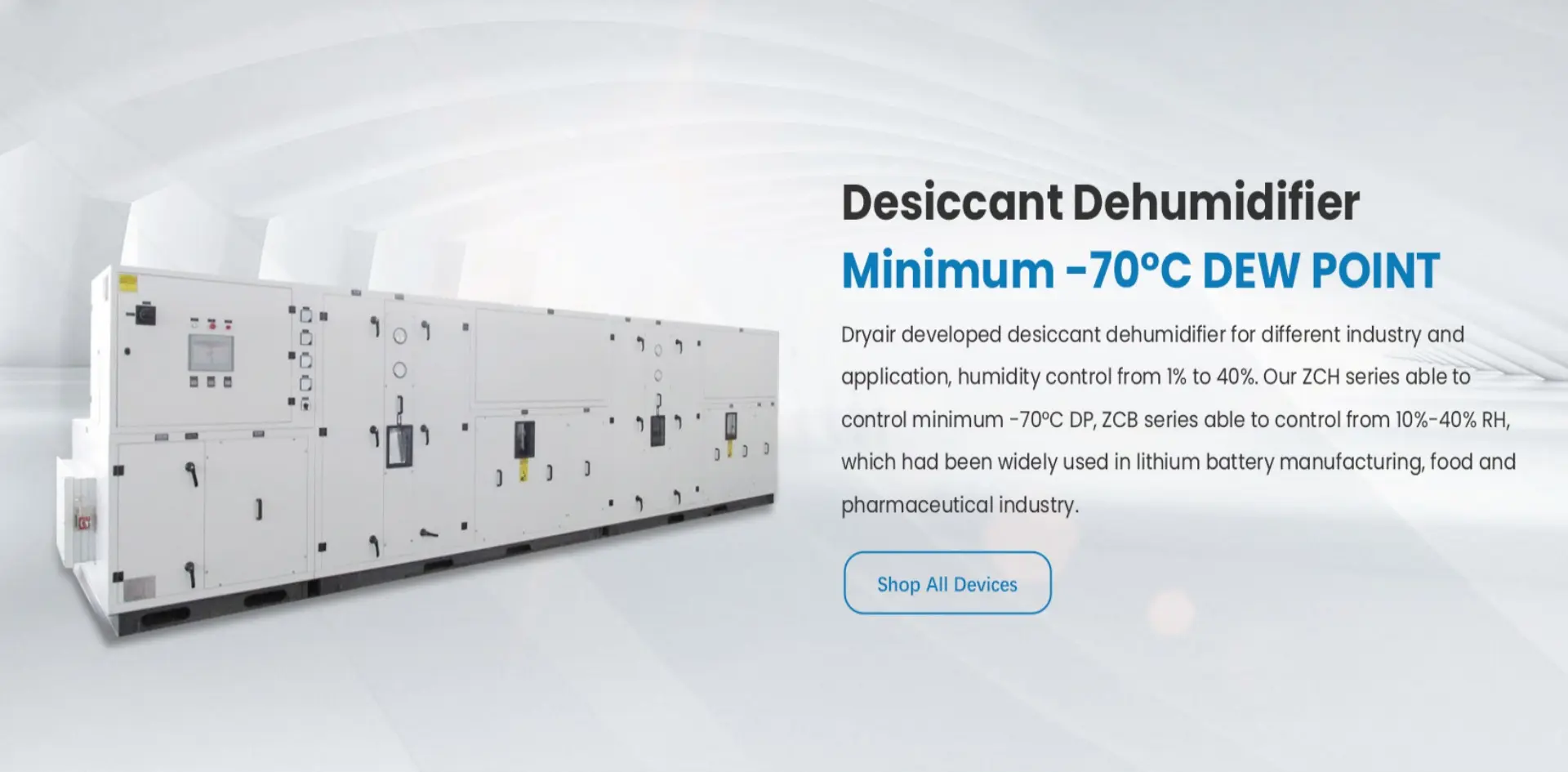
DHU series rotary systems paired with refrigerative pre-cooling stages to reach ultra-low dew points down to -70°C in demanding gigafactory dry conditions.
Engineered for mission-critical industrial manufacturing, low-temperature precooling, and high-recovery chemical processing in high-density production hubs.
DHU series rotary systems paired with refrigerative pre-cooling stages to reach ultra-low dew points down to -70°C in demanding gigafactory dry conditions.
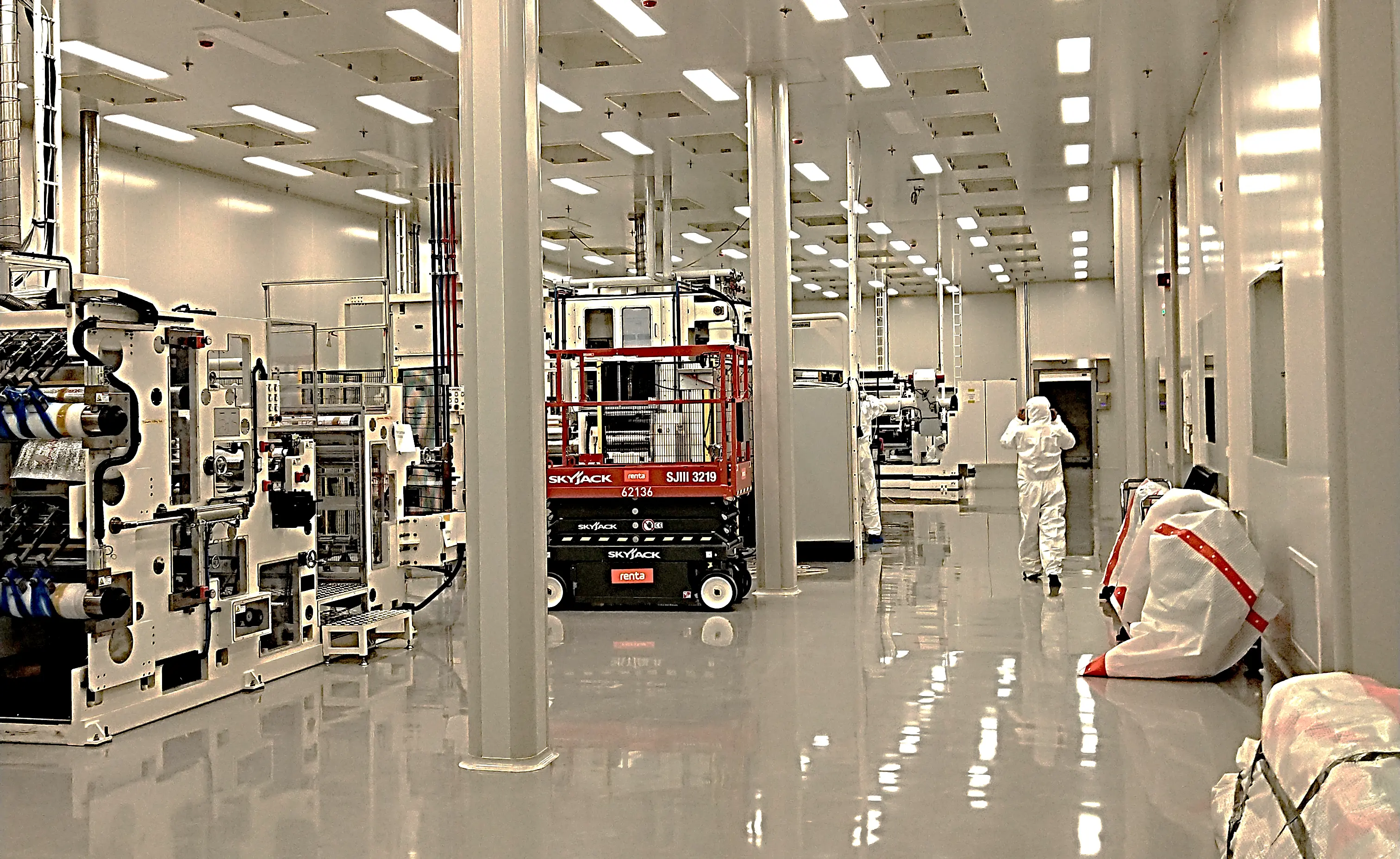
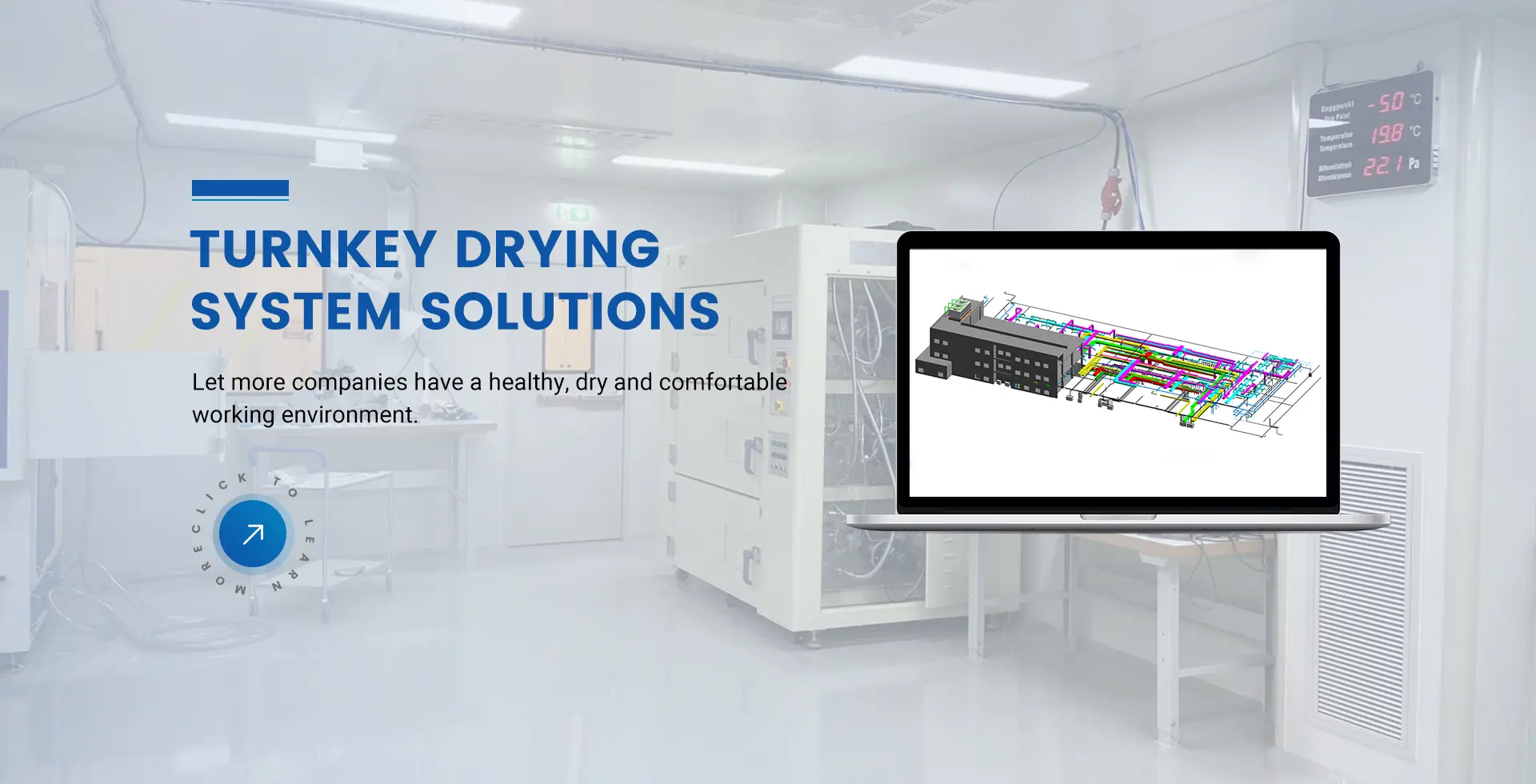
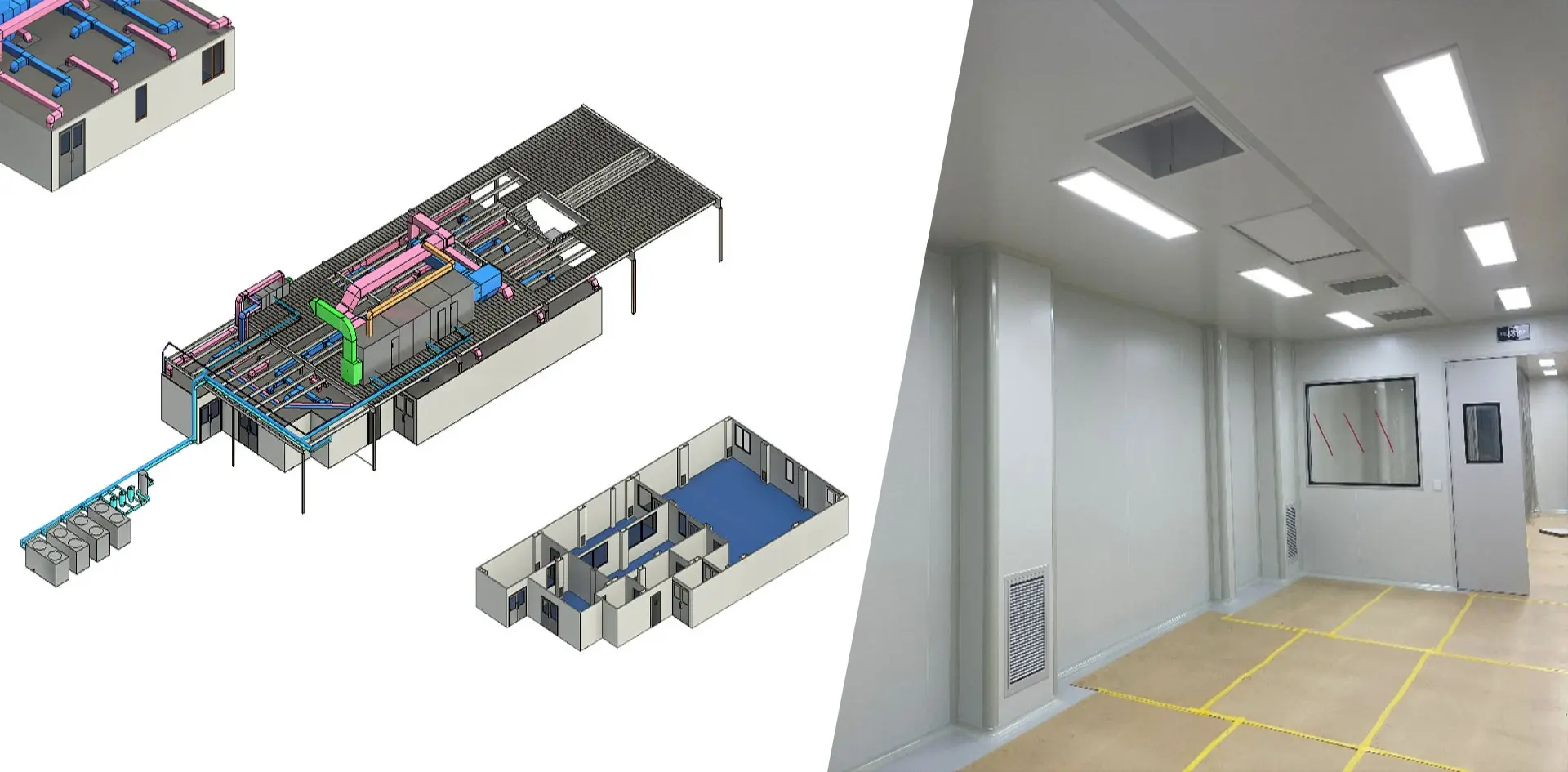
Complete cleanroom enclosure, specialized refrigeration loops, cascading air handlers, and smart PLC integration verified for lithium battery assembly.
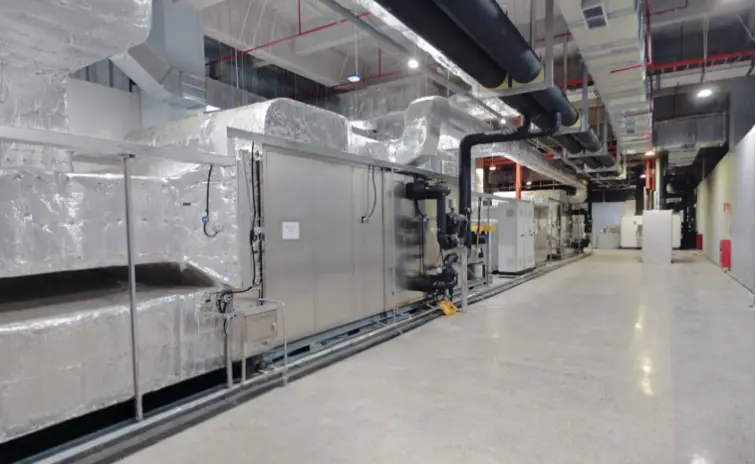
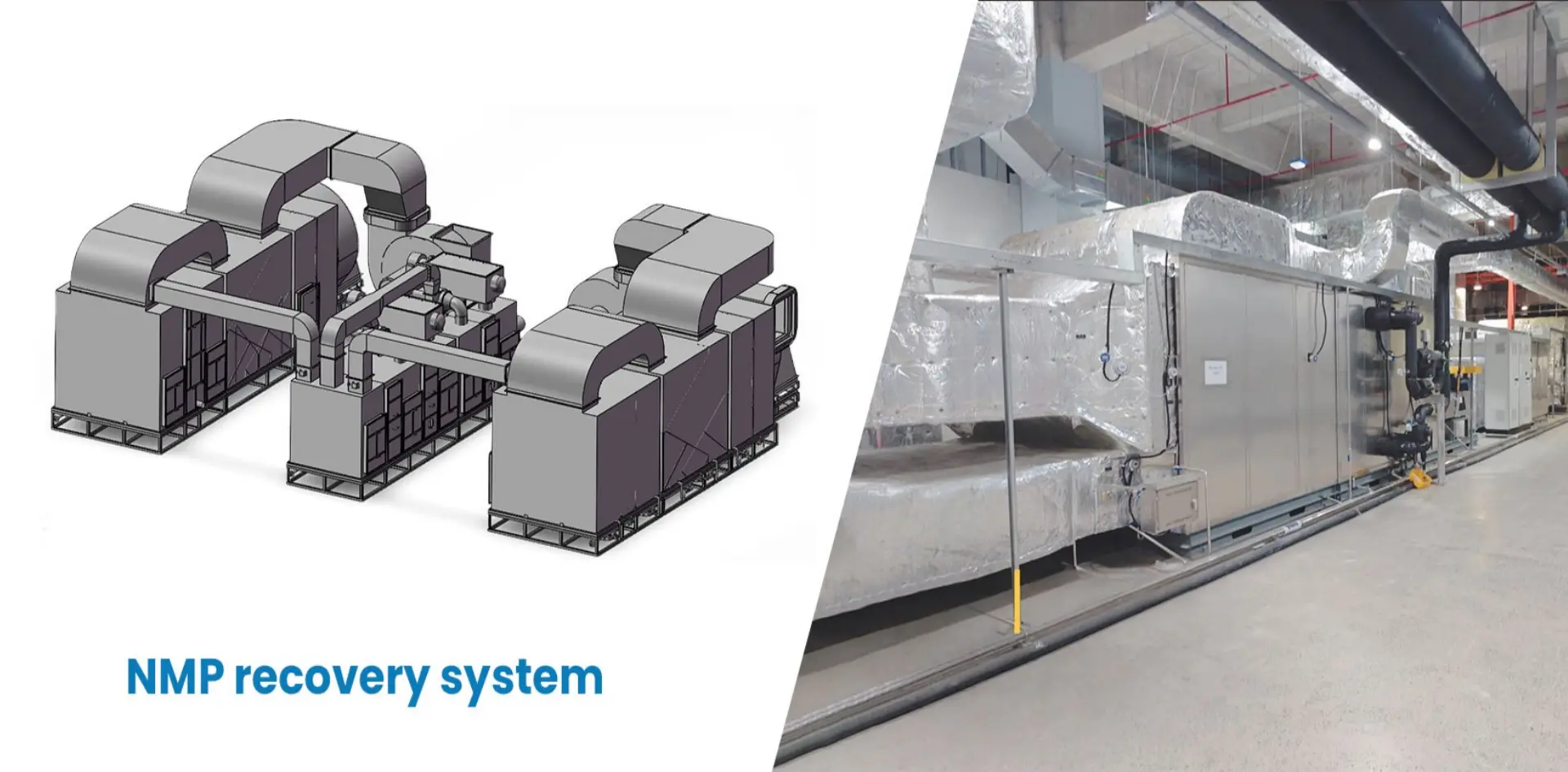
Advanced condensation chiller and absorption setup recycling N-Methyl-2-pyrrolidone solvent from coating exhaust, curbing emissions under strict EU mandates.
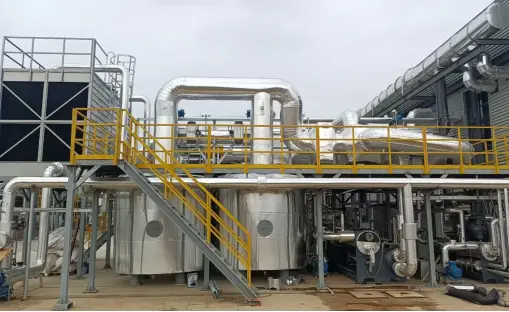
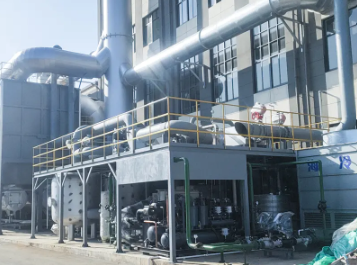
Integrated low-temperature condensation cooling matched with regenerative thermal oxidizers to neutralize hydrocarbon gases and hazardous emissions.
Examining how high-performance mechanical condensation units have transitioned from standard HVAC auxiliaries into mission-critical precooling infrastructure.
The thermodynamic imperative of moisture removal has undergone a structural transformation. Globally, the refrigerative dehumidifier remains the primary line of defense against latent moisture loads. By cooling moist air below its dew point via direct expansion (DX) or chilled-water evaporator coils, refrigerative systems mechanically condense vapor into liquid water, consuming significantly less energy per kilogram of removed moisture than high-temperature thermal regeneration cycles above 10°C dew point. In the broader international theater, industrialized nations are mandating strict carbon compliance, moving away from high-GWP refrigerants toward HFO blends (such as R1234ze, R454C) and optimizing coefficient of performance (COP) ratios.
In China, the engineering landscape for refrigerative dehumidifiers has advanced with tremendous speed. China manufactures over 70% of the world's commercial and industrial compression equipment. Bolstered by extensive vertical supply chain integration—from microchannel heat exchangers and variable-speed scroll/screw compressors to AI-driven electronic expansion valves (EEVs)—Chinese manufacturers lead in high-capacity, low-energy precooling architectures. These Chinese units serve as the mandatory upfront thermodynamic workhorses, capturing up to 85% of incoming moisture loads before processed air enters specialized desiccant wheel arrays.
The Hungarian Paradigm: Hungary has emerged as Europe’s epicenter for battery gigafactories and advanced automotive assemblies. Spurred by massive capital inflows from Tier-1 battery manufacturers (including CATL in Debrecen, EVE Energy, Sunwoda, and SK On in Komárom and Iváncsa), Hungary represents a concentrated microclimate of aggressive technical specifications. The regional continental climate—marked by hot, humid summer spikes with absolute humidity exceeding 14 g/kg—collides with cleanroom tolerances demanding dew points down to -40°C to -70°C. In this ecosystem, standalone desiccant wheels would face prohibitive operational energy costs if tasked with total latent load extraction. Hence, high-efficiency refrigerative dehumidifiers from leading Chinese manufacturers, designed to CE and European F-Gas standards, form the baseline precooling backbone across Hungary's industrial zones.

Custom-engineered thermal architectures tailored to localized moisture loads, European energy constraints, and stringent cleanroom production parameters.
Challenge: Mitigating extreme summer air intake loads (32°C DB, 75% RH) for large-volume cell assembly halls without overburdening downstream desiccant rotors.
Solution: Two-stage refrigerative condensation units with anti-corrosion hydrophilic fins chilling makeup air to 6°C dew point, condensing out over 70% of moisture before desiccant treatment.
Challenge: Stringent GMP requirements for moisture-sensitive active pharmaceutical ingredients (APIs) and effervescent tablet pressing where relative humidity must not exceed 20% RH.
Solution: Direct-expansion refrigerative dehumidification modules operating with hot gas reheat to supply neutrally tempered 21°C air at stable partial pressures.
Challenge: Preventing condensation corrosion on automotive powertrain subassemblies and high-density semiconductor inventory in expansive transit logistics centers.
Solution: Distributed ceiling-suspended commercial refrigerative dehumidifiers equipped with automated MODBUS sensors maintaining warehouse relative humidity below 45%.
A performance and operational comparison for engineering consultants, HVAC contractors, and plant procurement managers in Central Europe.
| Evaluation Parameter | Standalone Refrigerative Dehumidifier | Rotary Desiccant Dehumidifier | Integrated Hybrid System (DryAir Approach) |
|---|---|---|---|
| Target Dew Point Range | +3°C to +15°C DP | -20°C to -70°C DP | Down to -70°C DP Continuous |
| Primary Removal Mechanism | Vapor condensation on chilled evaporator fins | Solid silica gel or molecular sieve adsorption | Refrigerative condensation precooling + Desiccant polishing |
| Relative Energy Efficiency | Ultra-high at ambient temps >15°C (COP 2.8 - 4.2) | Requires thermal regeneration heat (120°C - 140°C) | Optimal: Cuts desiccant regeneration power by up to 50% |
| Capital Expenditure (CAPEX) | Low to Medium | Medium to High | Balanced lifecycle ROI (amortized within 14 months) |
| EU F-Gas / CE Compliance | Low-GWP eco-refrigerants, PED & CE marked | Direct CE & Machinery Directive adherence | Fully compliant with EU EcoDesign & F-Gas Regulations |
| Ideal Hungary Deployment | Automotive warehouses, plastic drying, pharma packing | NMC/LFP battery winding, dry storage labs | Large-scale gigafactory cell finishing & cleanrooms |
How Chinese manufacturing innovation and European regulatory dynamics are driving the next generation of refrigerative industrial environmental solutions.
Full transition across export equipment to low-GWP refrigerants (R454C, R32, R513A) paired with brushless DC inverter compressors for seamless part-load modulation.
Adoption of full-aluminum microchannel coils that reduce refrigerant charge by 40% while capturing compressor waste heat for reheat temperature stabilization.
Machine-learning sensor arrays predicting surface ice crystal formation on cooling coils, eliminating unnecessary defrost thermal shocks during 24/7 continuous operations.
Direct linking of refrigerative pre-cooling condenser heat loops with plant wastewater treatment and NMP recovery evaporators to approach zero-waste heat factories.
Authoritative technical clarifications on engineering tolerances, supply chain logistics, and cross-border certifications.
Complete certified equipment series designed for international battery plants, chemical manufacturers, and mission-critical cleanroom environments.
Direct expansion condensing units providing high COP bulk moisture reduction for European factories, warehouses, and process lines.
Silica gel and molecular sieve rotors providing tight air dryness down to -70°C for sensitive cathode mixing and cell filling rooms.
One-contract end-to-end design, envelope construction, low-dew-point HVAC, and validation compliant with EU standards.
High-efficiency solvent condensation infrastructure tailored to battery electrode drying lines, meeting environmental permit limits.
Cryogenic condensing coils coupled with regenerative thermal oxidation for complete destruction of volatile organic compounds.
Hygienic condensation and adsorption systems preventing product caking and contamination in pharmaceutical clean packaging suites.
Chilled vapor capture plants for petroleum depots, terminal loading bays, and chemical processing facilities across Central Europe.
Combines multi-stage refrigeration cooling, heat recovery wheels, and rotary desiccant sections inside a unified thermal-break casing.
Connect directly with our senior HVAC application engineers. We evaluate your plant layout, psychrometric parameters, and local compliance requirements to deliver complete thermodynamic optimization.