
Swiss Industrial Humidity Dynamics: Precision, Compliance & Efficiency
Switzerland’s industrial eco-system represents the world benchmark for precision, quality, and rigorous operational standards. Home to global pharmaceutical leaders in Basel, high-end watchmakers in La Chaux-de-Fonds, advanced microelectronics, and cutting-edge cleantech initiatives across Zurich and Geneva, the demand for stable indoor climate control is critical. Achieving consistent relative humidity (RH) and moisture-free environments under varying Alpine atmospheric conditions is vital to maintaining yield, preventing hygroscopic material degradation, and complying with stringent Swiss Federal Office for Energy (SFOE) energy mandates.
As a global leader in high-performance environmental conditioning systems, Hangzhou DryAir Treatment Co., Ltd. offers custom-engineered refrigerative and rotary desiccant dehumidification solutions precisely calibrated for Swiss operating parameters. From pre-cooling stages in lithium-battery dry rooms to moisture control in GMP-compliant pharmaceutical production, our engineering protocols align directly with European standard EN 378, VDI 6022 hygiene guidelines, and Swiss energy-efficiency benchmarks.
-70°C
Lowest Controllable Dew Point
≥99%
NMP Solvent Recovery Efficiency
30%+
Industrial Market Share
200+
Monthly Production Capacity
Flagship Industrial Dehumidification & Recovery Systems for Switzerland
The following four core systems represent our primary product architectures deployed across Swiss high-tech and manufacturing facilities.

Swiss-Spec Refrigerative Dehumidifier Unit
Engineered for warehouse moisture protection, workshop climate stabilization, and pre-cooling cycles ahead of deep-desiccant units. Designed for maximum seasonal COP and compliant with eco-design directive guidelines.

Industrial Desiccant Dehumidification System
Rotary silica gel and molecular sieve dehumidifiers providing continuous dew points down to -70°C. Ideal for Swiss battery research, dry room assembly, and hygroscopic processing.

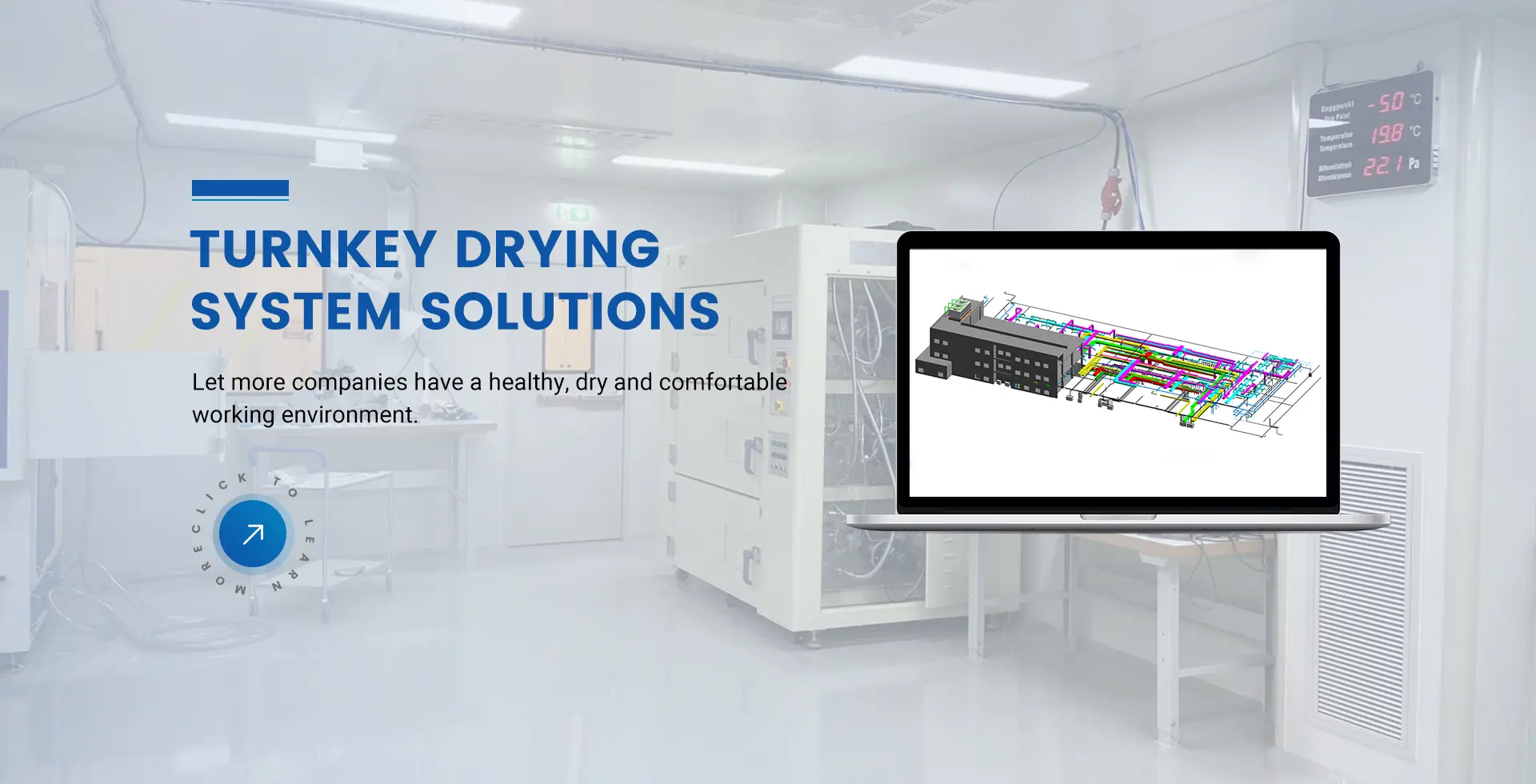
Swiss Turn-key Industrial Dry Room System
Complete cleanroom enclosure, HVAC integration, dehumidification plant, and automated monitoring controls designed under single-source engineering accountability for battery facilities.

Advanced NMP & Chemical Solvent Recovery Plant
Designed for electrode coating lines, capturing up to 99% of volatile N-Methyl-2-pyrrolidone solvent from air streams to comply with strict Swiss environmental protection standards.
Refrigerative vs. Desiccant Dehumidification in Swiss Climatic Zones
Choosing the correct thermodynamic moisture removal mechanism is vital to balancing capital expenditure (CAPEX) with operational electricity consumption (OPEX). In Switzerland, ambient conditions transition from cold, low-absolute-humidity winters to warm, humid alpine valley summers. Below is an engineering evaluation of how refrigerative systems compare with desiccant systems for Swiss applications.
Refrigerative Dehumidification
Operates by chilling process air below its dew point via direct expansion (DX) evaporator coils or chilled water systems, condensing water vapor into liquid. Highly efficient above 10°C dew point and 45% RH.
- Optimal energy efficiency at ambient temps (>15°C)
- Cost-effective for high moisture removal volume (kg/h)
- Essential pre-treating phase for low-dew-point systems
- Utilizes low-GWP refrigerants (R290, R513A)
Rotary Desiccant Systems
Employs a rotating honeycomb rotor impregnated with synthetic silica gel or molecular sieves to adsorb water vapor directly from the air without liquid condensation. Required for ultra-dry conditions.
- Achieves dew points down to -70°C independently of air temp
- Eliminates frosting and freeze-defrost performance penalties
- Integrates heat-recovery thermal regeneration units
- Critical for battery filling zones & dry room processes
Hybrid Swiss Configuration
Combines a primary refrigerative dehumidifier (pre-cooling phase) with a secondary rotary desiccant rotor. This hybrid approach yields the lowest energy consumption per kilogram of water removed.
- Reduces overall thermal regeneration energy demand by up to 40%
- Extends equipment lifecycle by leveling peak moisture loads
- Meets Swiss Federal Energy Efficiency Rating standards
- Provides redundancy across multi-stage HVAC plants
Technical Selection Matrix for Swiss Industrial Projects
| Application Sector | Typical Relative Humidity Target | Dew Point Requirement (°C) | Recommended System Architecture | Swiss Regulatory Benchmark |
|---|---|---|---|---|
| Lithium Cell Assembly & Electrolyte Zone | < 1% RH @ 20°C | -40°C to -70°C DP | Hybrid Desiccant Dry Room System | ISO 14644 Cleanroom / SFOE Net Zero |
| Swiss Pharma Cleanroom & Powders | 20% – 35% RH | -5°C to 5°C DP | Dehumidifier with Direct Expansion Coils | Swissmedic GMP Annex 1 / VDI 6022 |
| Swiss Watchmaking & Precision Machining | 40% – 50% RH | 7°C to 10°C DP | Commercial Refrigerative Dehumidifier | ISO Class 5-7 Clean Environment |
| Alpine Hydroelectric & Tunnel Substation | 45% – 55% RH | 8°C to 12°C DP | Industrial Refrigerative Condensation Unit | SBB Infrastructure Standards / SIA 382 |
| Fine Cheese Cellars (Gruyère/Emmental) | 85% – 92% RH (Controlled) | Variable Precision | Micro-modulating Dehumidifier + DX System | Swiss Food Safety Legislation (BLV) |
Tailored Dehumidification Solutions Across Swiss Cantons
Industrial facility requirements vary significantly across Swiss cantons due to elevation, localized ambient conditions, and regional industry specializations. DryAir’s environmental control platforms are customized for these distinct operational landscapes:
Pharmaceutical API & Capsule Protection
In Swiss pharmaceutical manufacturing, controlled atmospheric humidity prevents active pharmaceutical ingredients (APIs) from clumping, sticking, or hydrolyzing during tableting and effervescent powder blending. Our GMP-compliant refrigerative and desiccant units maintain micro-climates that guard against product loss and batch rejection.
Micro-Engineering & Horology Clean Spaces
High-end watch components and micro-optical systems require stable relative humidity during assembly to eliminate micro-condensation, microscopic oxidization, and debris adherence. DryAir’s low-vibration, inverter-driven refrigerative dehumidifiers deliver uniform airflow across cleanroom benches without generating electromagnetic noise.
Hydroelectric Plants & Tunnel Infrastructure
Switzerland’s vast subterranean networks, including mountain hydroelectric stations and rail tunnels (such as Gotthard), suffer from heavy moisture ingress caused by cold cavern walls contacting warmer moist air. DryAir high-capacity refrigerative condensation units prevent rust on turbines, protect switchgear, and preserve civil infrastructure.
Lithium Battery Gigafactories & R&D Labs
As Switzerland expands its position in battery technology research and green energy storage, maintaining dry rooms with dew points reaching -50°C to -70°C is non-negotiable. DryAir delivers end-to-end dry room enclosures with desiccant systems engineered to withstand intense continuous operation.
Dairy Processing & Cheese Aging Vaults
Controlled dehumidification plays a crucial role in the aging processes of famous Swiss cheeses. By regulating ambient humidity in subterranean cellars, our custom systems ensure optimal rind development while eliminating mold risks and maintaining structural batch integrity.
Museum Archival & Precious Metal Storage
Swiss vaults, private archives, and art storage facilities depend on absolute RH stability. Micro-fluctuations can destroy historical documents or oxidize precious metal coatings. DryAir units feature dual-sensor redundancy and IoT automated tracking for total peace of mind.
Need a Tailored Psychrometric Calculation for Your Swiss Facility?
Our HVAC engineering team will evaluate your room volume, ambient load, and target dew point within 24 hours.
Global Dehumidification Trends & Technical Roadmap (2025–2035)
Driven by strict global decarbonization targets, European F-Gas regulations, and the rapid expansion of clean manufacturing, the commercial and industrial dehumidification industry is undergoing structural technological evolution. DryAir is committed to remaining at the vanguard of innovation:
Transition to Eco-Friendly Natural Refrigerants
Phase-down policies for high-GWP hydrofluorocarbons (HFCs) are pushing adoption of natural refrigerants like R290 (Propane) and R744 (CO2). DryAir refrigerative systems incorporate ultra-low GWP circuits that satisfy all EU/Swiss environmental requirements.
AI-Driven Predictive & Modulating Controls
Smart sensors continuously track atmospheric enthalpy, room occupancy, and ambient humidity fluctuations. Algorithmic compressor modulation dynamically adjusts energy output, cutting operating costs by up to 35% compared to legacy fixed-speed units.
Waste Heat Recovery & Thermal Integration
Modern industrial plants require systemic heat integration. DryAir desiccant systems harvest waste condensation heat from refrigerative circuits to power rotor thermal regeneration, creating a closed-loop energy cycle that optimizes overall COP.
Modular Dry Room System Architecture
As gigafactory scale expands, rapid modular installation is critical. DryAir’s pre-commissioned skid-mounted dehumidifier modules reduce on-site Swiss commissioning timelines by up to 50%, guaranteeing faster time-to-market.
Complete Macro Environmental Control & VOC Abatement Systems
Hangzhou DryAir delivers multi-faceted environmental platforms designed to solve complex air quality, moisture control, and chemical emission challenges under one integrated engineering contract.
1. Rotary Desiccant Dehumidifiers (DHU Series)
Capable of managing airflow volumes from 1,000 to 100,000 m³/h. Built with high-strength silica gel rotors that allow water washing, guaranteeing long service life and maintaining constant deep moisture extraction for high-tech cleanrooms.
Learn More About DHU Series →2. Turnkey Lithium Battery Dry Rooms
From initial structural enclosure layout to final Dew Point validation down to -70°C, DryAir manages structural panelling, air distribution ducting, fire safety systems, and process humidity controls for global tier-one battery manufacturers.
Explore Turnkey Dry Rooms →3. VOC Abatement & RTO Systems
Combines deep-cooling condensation recovery with Regenerative Thermal Oxidizers (RTO) to process hazardous industrial volatile organic compounds, protecting outdoor air quality while reclaiming valuable processing solvents.
Discover VOC Abatement Systems →Swiss Procurement & Engineering FAQ
Direct technical responses to common questions raised by Swiss plant managers, consulting engineers, and procurement directors.
What is the energy efficiency profile of DryAir refrigerative dehumidifiers under Swiss electricity pricing?
Our units utilize variable-speed inverter compressors, EC fans, and dynamic defrost algorithms designed to maximize seasonal COP. Under Swiss industrial electricity rates (CHF/kWh), our energy-recovery heat exchanger options reduce annual operating expenses by up to 25% to 35% compared to conventional fixed-speed units.
Can DryAir systems comply with Swiss and European CE, UL, and ASME certifications?
Yes. All standard export units carry full CE mark compliance. For specialized pressure vessels or North American/EAEU project destinations managed by Swiss EPC contractors, we offer ASME, UL, CSA, and EAC certifications upon request, backed by ISO 9001 and GJB quality standards.
How does DryAir handle cold-temperature ambient frost formation in Alpine regions?
For refrigerative dehumidifiers deployed in cold Swiss unheated spaces or high-altitude sub-stations, we incorporate hot-gas bypass defrost circuits and intelligent micro-processor logic. This prevents evaporator icing without taking the unit offline for extended defrost cycles.
What solvent recovery rate can be guaranteed for Swiss chemical & battery production facilities?
DryAir NMP solvent recovery systems achieve a guaranteed recovery rate of ≥99% on continuous coating lines. This high efficiency dramatically lowers fresh solvent purchase requirements while keeping stack emissions compliant with strict Swiss air purity standards (Luftreinhalte-Verordnung - LRV).
What ongoing technical support and maintenance plans are available for Swiss installations?
We provide comprehensive lifecycle support including remote IoT diagnostic reporting, rapid dispatch of critical spare parts, custom service agreements, and on-site commissioning supervised by experienced DryAir HVAC engineers.
Complete Dehumidification & Environmental Systems Catalog for Switzerland
Explore our full range of certified industrial machinery designed for high-performance deployment across Switzerland and international markets.
Swiss Commercial Refrigerative Dehumidifier
Compact, durable condensation units engineered for Swiss commercial storage, archive rooms, and moisture-prone facilities.
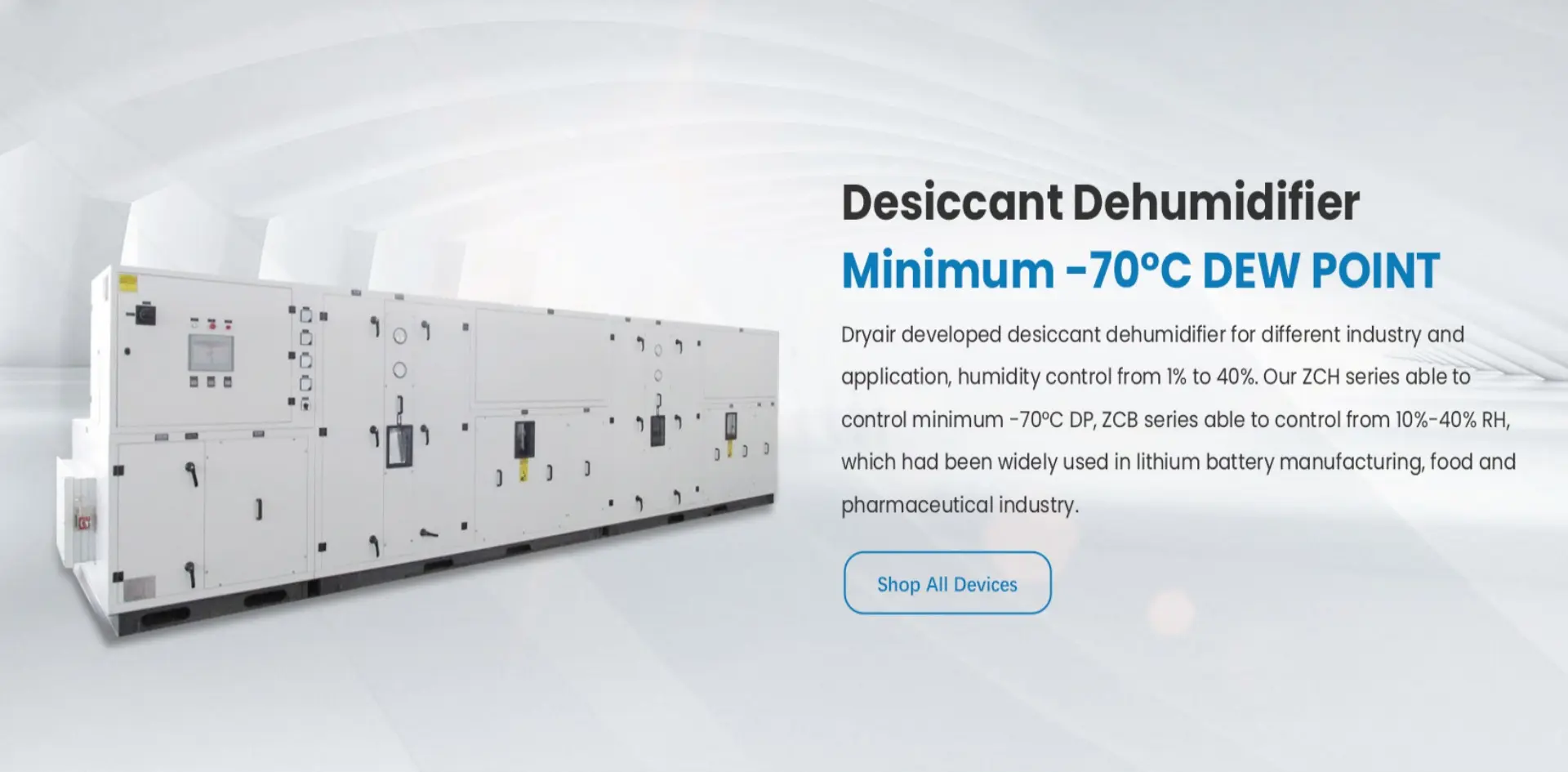
Low Dew Point Rotary Desiccant Unit
Ultra-low moisture removal systems delivering stable supply air down to -70°C dew point for cleanroom assembly lines.
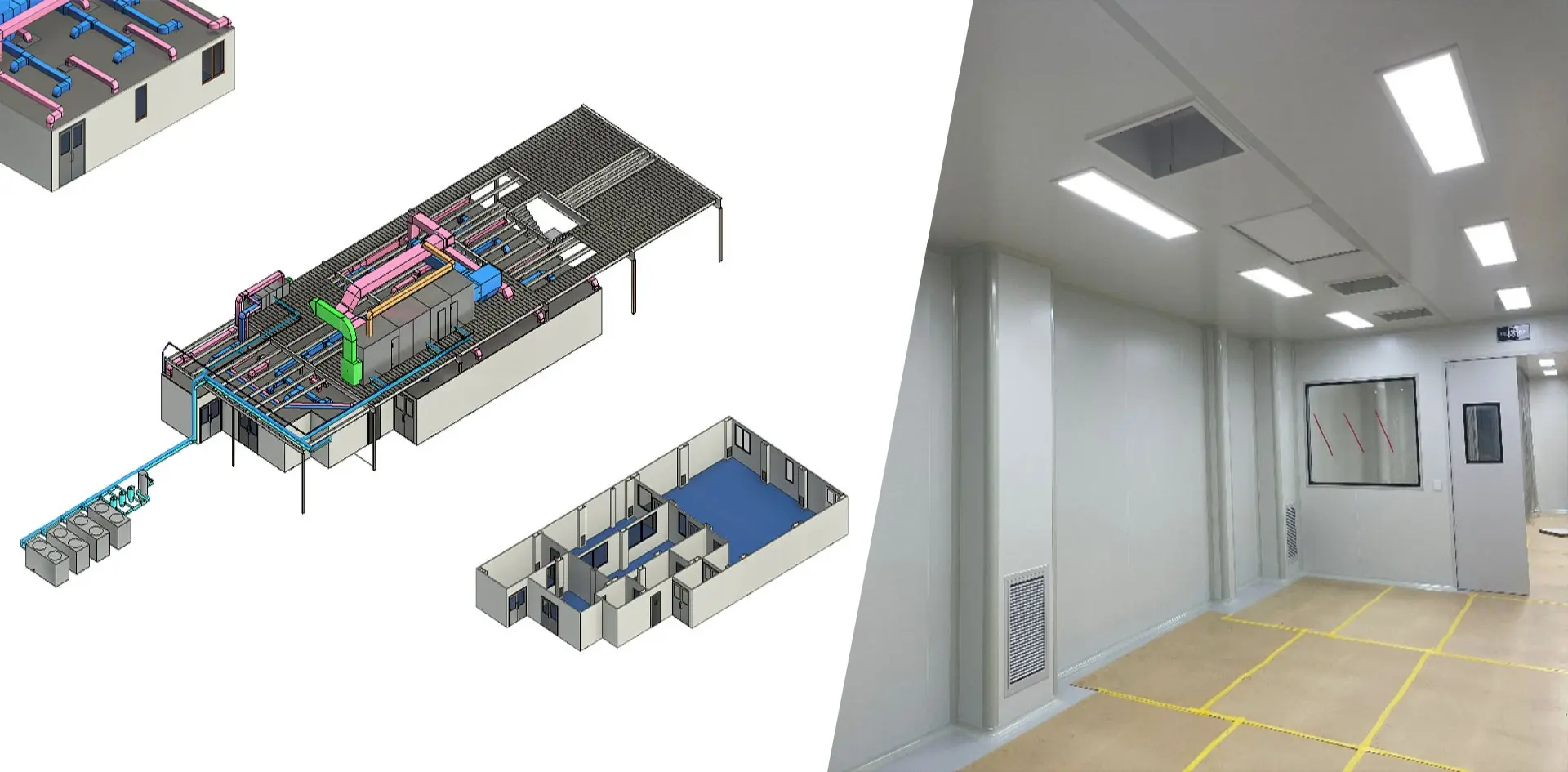
Swiss Modular Battery Dry Room Package
Complete insulated cleanroom enclosures paired with dual-rotor desiccant plants for high-capacity battery cell production.
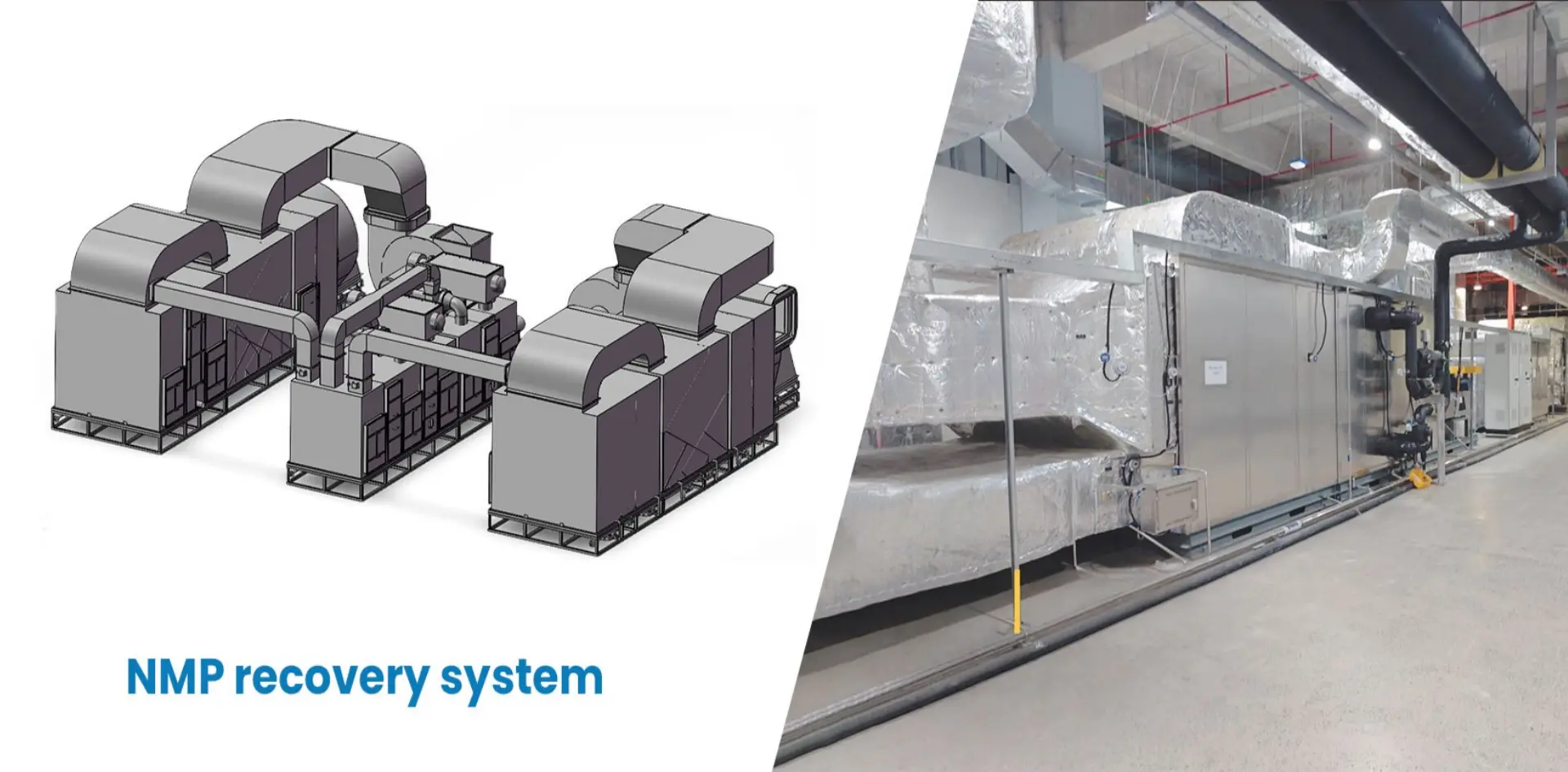
Industrial NMP Solvent Condensation Unit
High-efficiency thermal condensation plant capturing concentrated solvent vapors with recovery rates exceeding 99%.
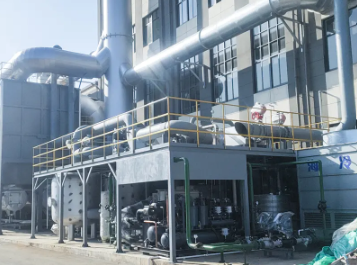
GMP Pharmaceutical HVAC Dehumidifier
Stainless steel air handlers certified under VDI 6022 for aseptic drug processing, tableting, and packaging suites.
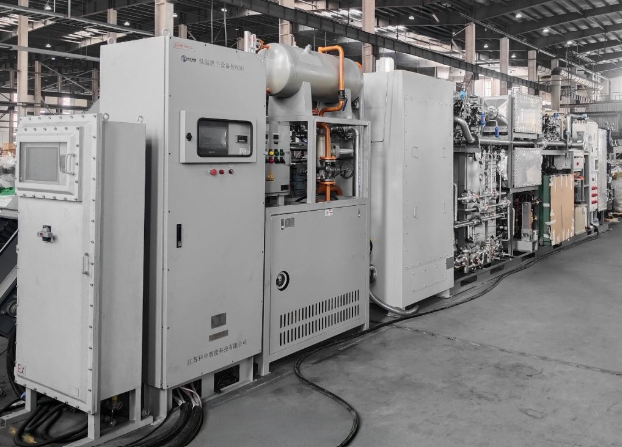
Industrial RTO VOC Abatement System
Regenerative Thermal Oxidizer technology engineered to neutralize high-volume VOC streams in chemical plants.
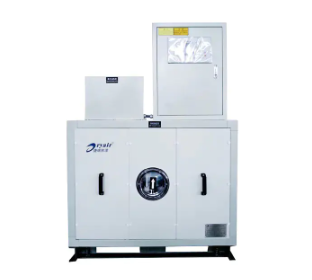
Subterranean Infrastructure Dehumidifier
Heavy-duty refrigerative dehumidifiers engineered to prevent wall sweating and corrosion in Swiss subterranean facilities.

High-Spec Defense Storage Dehumidifier
Precision environmental conditioning systems built under GJB standards to preserve sensitive electronics and avionics.
Partner with a Premier Refrigerative & Desiccant Dehumidifier Manufacturer
Whether you are retrofitting a Swiss pharmaceutical plant in Basel, setting up a micro-assembly space in Jura, or designing a gigafactory dry room, DryAir engineers deliver unmatched technical precision and information transparency.