
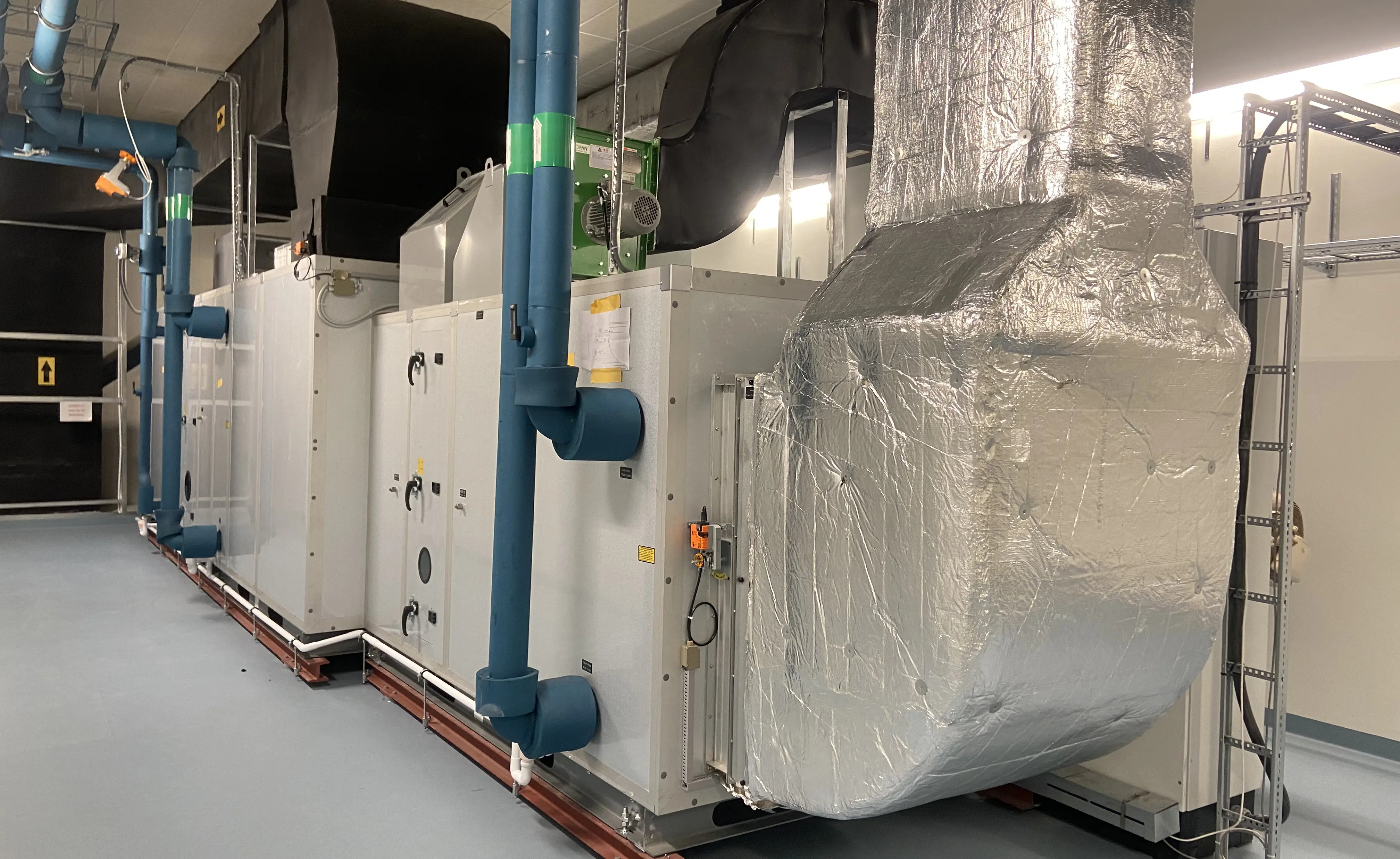
 DP -70°C
Finland Desiccant Dehumidifier
DHU rotary units engineered for sub-zero intake conditions, delivering continuous -70°C dew point control with heat-recovery reactivation.
View Specifications →Strategic Procurement Analysis, Thermal Psychrometrics, and Turnkey Clean Dry Room Integration for Finnish Gigafactories, Pharma, and Arctic Storage.
Validated rotary desiccant architectures and VOC recovery units delivering supply air down to -70°C dew point under sub-zero Nordic climatic parameters.
DP -70°C
DHU rotary units engineered for sub-zero intake conditions, delivering continuous -70°C dew point control with heat-recovery reactivation.
View Specifications →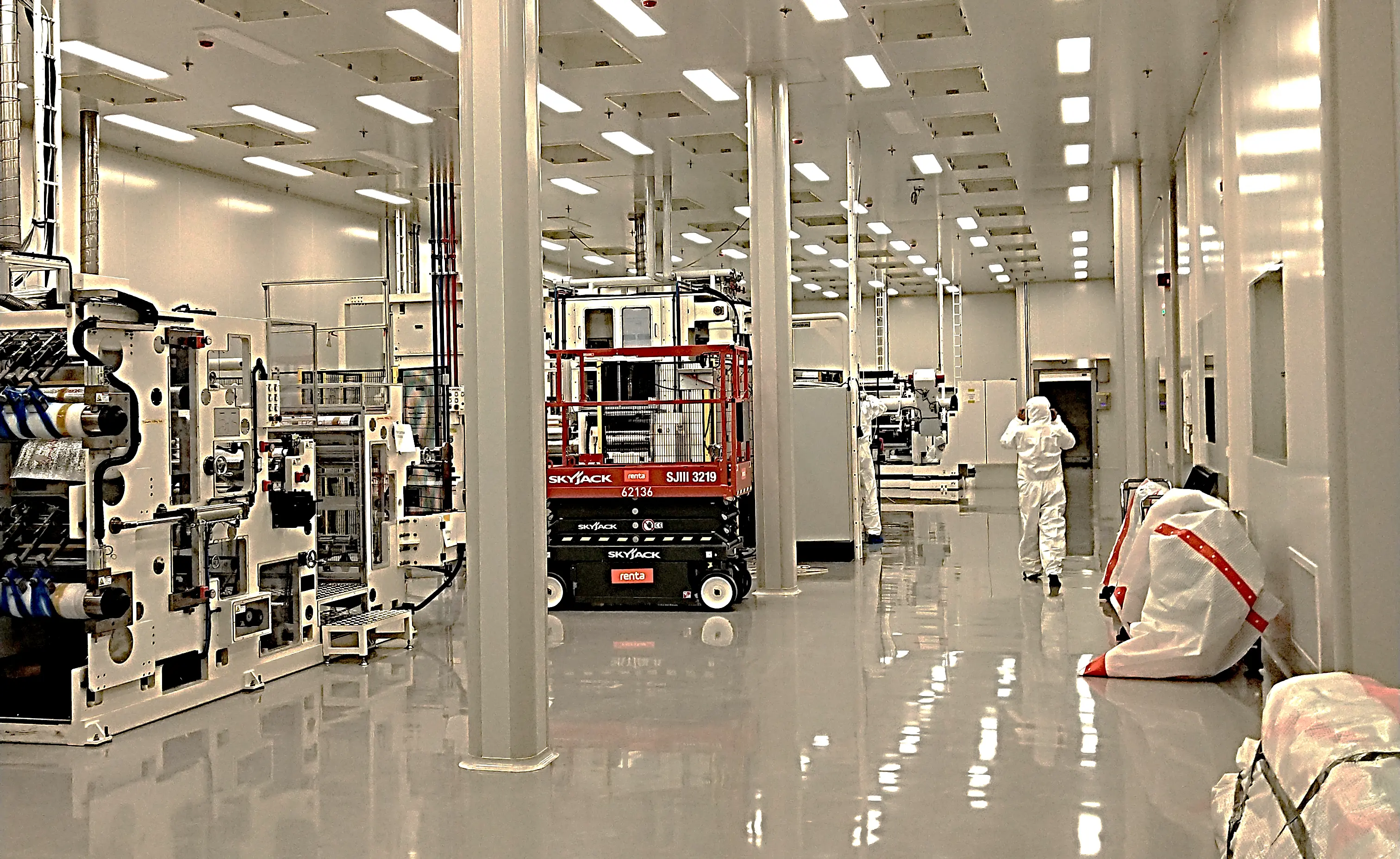 Turnkey EPC
Complete ultra-low humidity dry room enclosures for Nordic battery manufacturing clusters with airtight envelope engineering and ISO 14644 validation.
Explore Dry Rooms →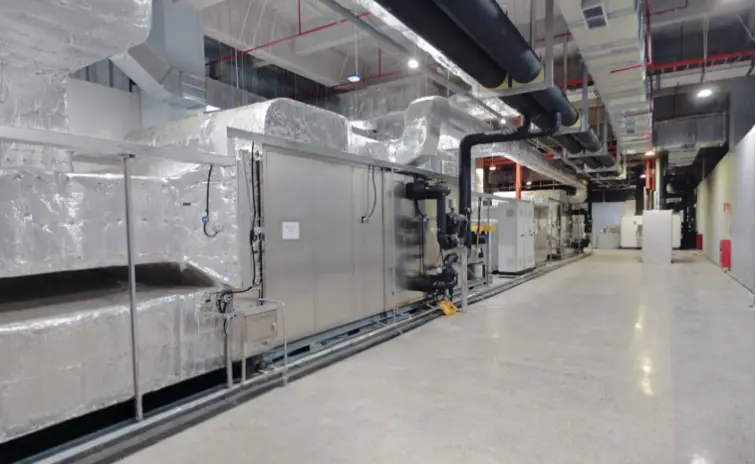 Recovery ≥99%
Closed-loop solvent recovery for Finnish gigafactory electrode coating lines, minimizing volatile solvent loss and meeting EU circular economy mandates.
Learn More →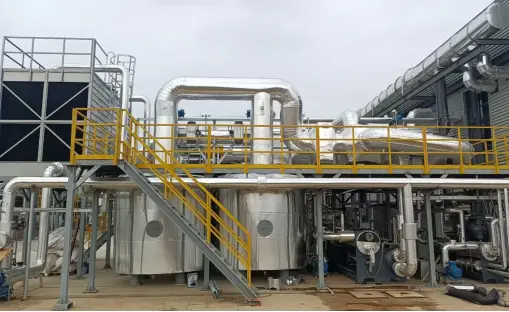 Cooling + RTO
High-efficiency cryogenic condensation combined with Regenerative Thermal Oxidation (RTO) for chemical, pulp, and specialized coating plants.
Learn More →How sub-arctic outdoor vapor pressure shifts, energy decarbonization targets, and the Baltic battery corridor transform moisture engineering in Finland.
Finland is developing a complete lithium-ion value chain—from mining and refining (Keliber, Terrafame) to cathode manufacturing and pack assembly. Lithium battery cells require supply air moisture levels below -40°C to -70°C dew point (DP) to prevent hydrolysis of lithium hexafluorophosphate (LiPF6) into hydrofluoric acid (HF). Standard commercial HVAC systems fail completely under these extreme moisture constraints.
Finland exhibits drastic seasonal vapor enthalpy fluctuations. During winter, ambient temperatures drop to -30°C with absolute humidity falling below 0.3 g/kg, requiring precise humidification/dehumidification balance. Conversely, humid summer coastal air (Helsinki, Turku, Vaasa) overwhelms cooling coils, necessitating desiccant rotors using non-condensing solid silica gel or molecular sieves to ensure uninterrupted plant output.
Finland’s biotechnical, pharmaceutical, and high-tech manufacturing sectors require GMP-certified air treatment. In applications such as gelatin capsule molding, effervescent tableting, and active pharmaceutical ingredient (API) packaging, desiccant dehumidifiers mitigate clumping, microbial growth, and batch rejection, ensuring compliant operational margins year-round.
Request a psychrometric simulation, energy recovery audit, and equipment layout consultation from DryAir's HVAC engineering team.
Comparative assessment of global leaders and premier Chinese manufacturing powerhouses based on dew point performance, engineering flexibility, and Scandinavian integration capability.
| Rank / Brand | Origin | Flagship Capabilities | Lowest Dew Point | Finland Market Fit & Advantages |
|---|---|---|---|---|
| 1. Hangzhou DryAir | China | Turnkey gigafactory dry rooms, molecular rotor DHU systems, NMP solvent recovery ≥99% | -70°C DP | Direct turnkey delivery, CE/UL certified, proven Tier-1 references (Tesla, Northvolt, CATL), 35-45% cost efficiency. |
| 2. Munters | Sweden | Pioneering rotor technology, Green PowerPurge, global HVAC installations | -70°C DP | Dominant Nordic regional presence, extensive local distributor network, premium pricing matrix. |
| 3. Bry-Air | India / USA | EcoDry desiccant systems, chemical filters, compact industrial rotors | -65°C DP | Strong pharmaceutical presence across European sub-contractors, standard equipment footprints. |
| 4. Seibu Giken DST | Sweden / Japan | SSCR silica gel rotors, Consorb/Recusorb energy recycling units | -60°C DP | Deep Scandinavian roots, widespread marine and cold-storage installation base across the Baltic coast. |
| 5. TICA Thermal | China | Industrial AHU integration, ORC low-temp waste heat power generation | -50°C DP | Strong institutional HVAC background, expanding European distribution corridors. |
| 6. Condair Group | Switzerland | Integrated commercial humidification and desiccant drying packages | -40°C DP | Widespread architectural and HVAC specification presence across Finnish building service firms. |
| 7. Cotes | Denmark | Specialized wind turbine dehumidification, battery dry room configurations | -60°C DP | Regional proximity to Finland, optimized offshore corrosion control systems. |
| 8. Parkers Hannifin (Sporlan) | USA | Industrial moisture control, compressed air desiccant dryers | -40°C DP | Heavy industrial and mobile machinery hydraulic/air moisture protection across Nordic mining operations. |
| 9. DehuTech AB | Sweden | Adsorption dehumidifiers, desiccant air treatment for cold bridges | -50°C DP | Proximity across the Gulf of Bothnia, standard warehouse and municipal waterworks dehumidification. |
| 10. Guangdong Head-Power | China | Marine desiccant dehumidifiers, explosion-proof custom air handlers | -45°C DP | High modularity for custom industrial shipyards and containerized chemical storage projects. |
Accelerated prototyping, vertically integrated manufacturing, and proven gigafactory-scale reliability reduce project commissioning lead times by up to 50%.
European OEMs often require 36 to 48 weeks for customized low-dew-point AHUs. DryAir’s vertically integrated CNC sheet metal fabrication, rotor casing assembly, and internal coil manufacturing shorten delivery cycles to 12–16 weeks without compromising CE, UL, or ASME compliance.
With over 1,500,000 m² of dry room space delivered globally for CATL, BYD, EVE Energy, Tesla, and Northvolt, DryAir designs out common field failure modes: casing air leakage (conforming to EN 1886 Class L1), thermal bridging (TB1), and reactivation heat waste.
High power costs in the Nordics make energy efficiency paramount. DryAir systems integrate heat pump condensation heat recovery, waste heat flue gas reactivation, and internal purge recirculation, lowering annual electrical consumption by up to 32% compared to standard systems.
From Helsinki bio-clusters to Oulu semiconductor cleanrooms and coastal shipbuilding facilities.
Operating in regions like Kokkola and Harjavalta, Finnish energy materials plants require tightly controlled dry air across electrolyte mixing, winding, and cell sealing. DryAir turnkey packages guarantee stable -50°C to -70°C dew point air with continuous laser-calibrated dew point monitoring.
Freezing tunnels and cold chain facilities across central and northern Finland suffer from ice formation on evaporator coils, slippery floors, and sensor fogging. Low-dew-point desiccant air curtains eradicate frost deposition at dock doors and cold store portals.
Shipbuilding docks (Meyer Turku, Rauma) require surface preparation and tank sandblasting according to ISO 8502-4. DryAir mobile desiccant dehumidifiers prevent flash rusting on sandblasted steel surfaces during prolonged winter recoating phases.
Original manufacturing links and technical datasheets for specialized industrial moisture removal, clean dry rooms, and VOC management.
 -70°C Dew Point
DHU series rotary desiccant dehumidifier with dual-rotor cascade for ultra-low humidity processing.
View Product →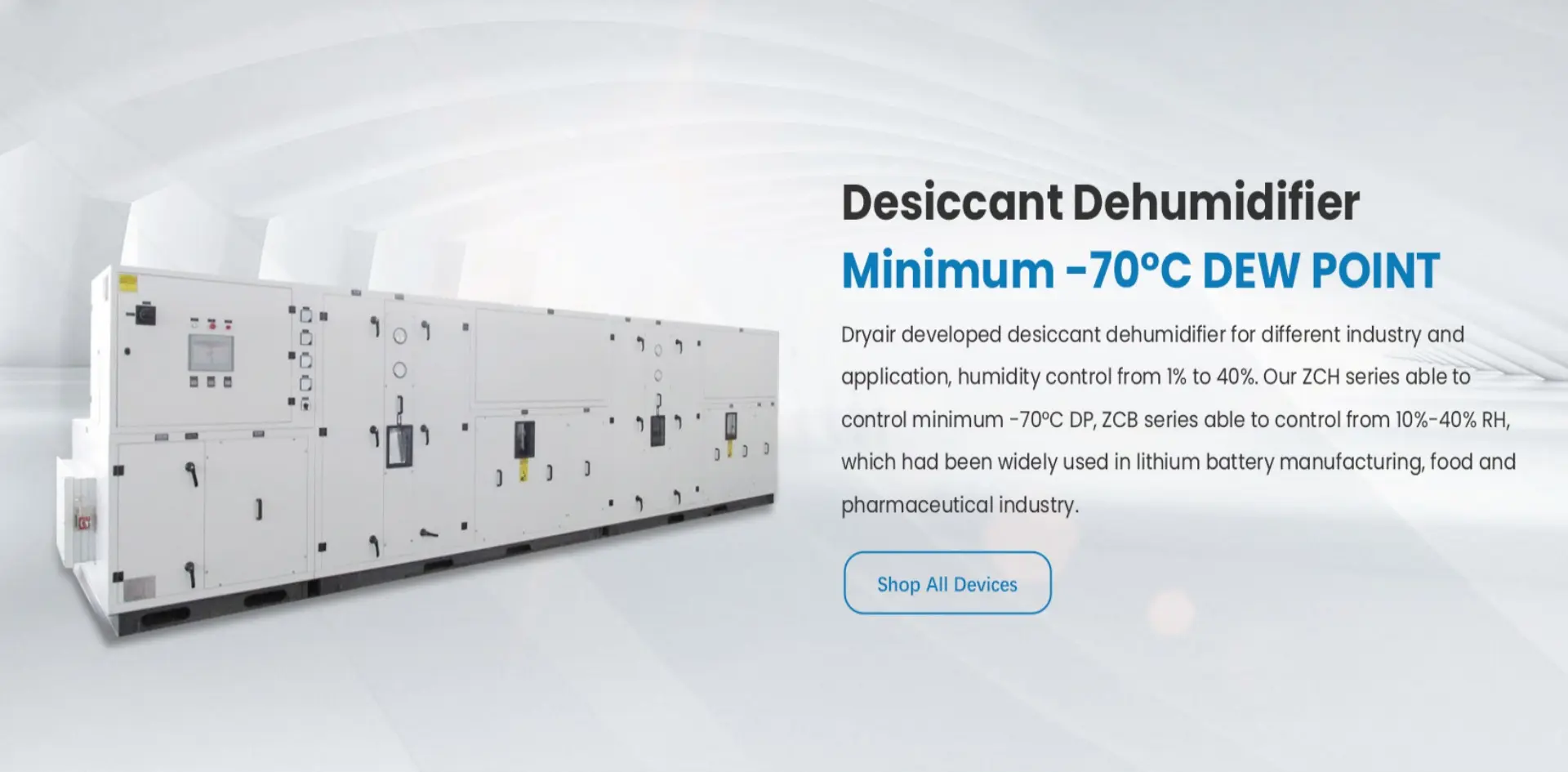 Complete EPC
Modular insulated cleanroom panels with integrated air handling, filtration, and safety systems.
View Product →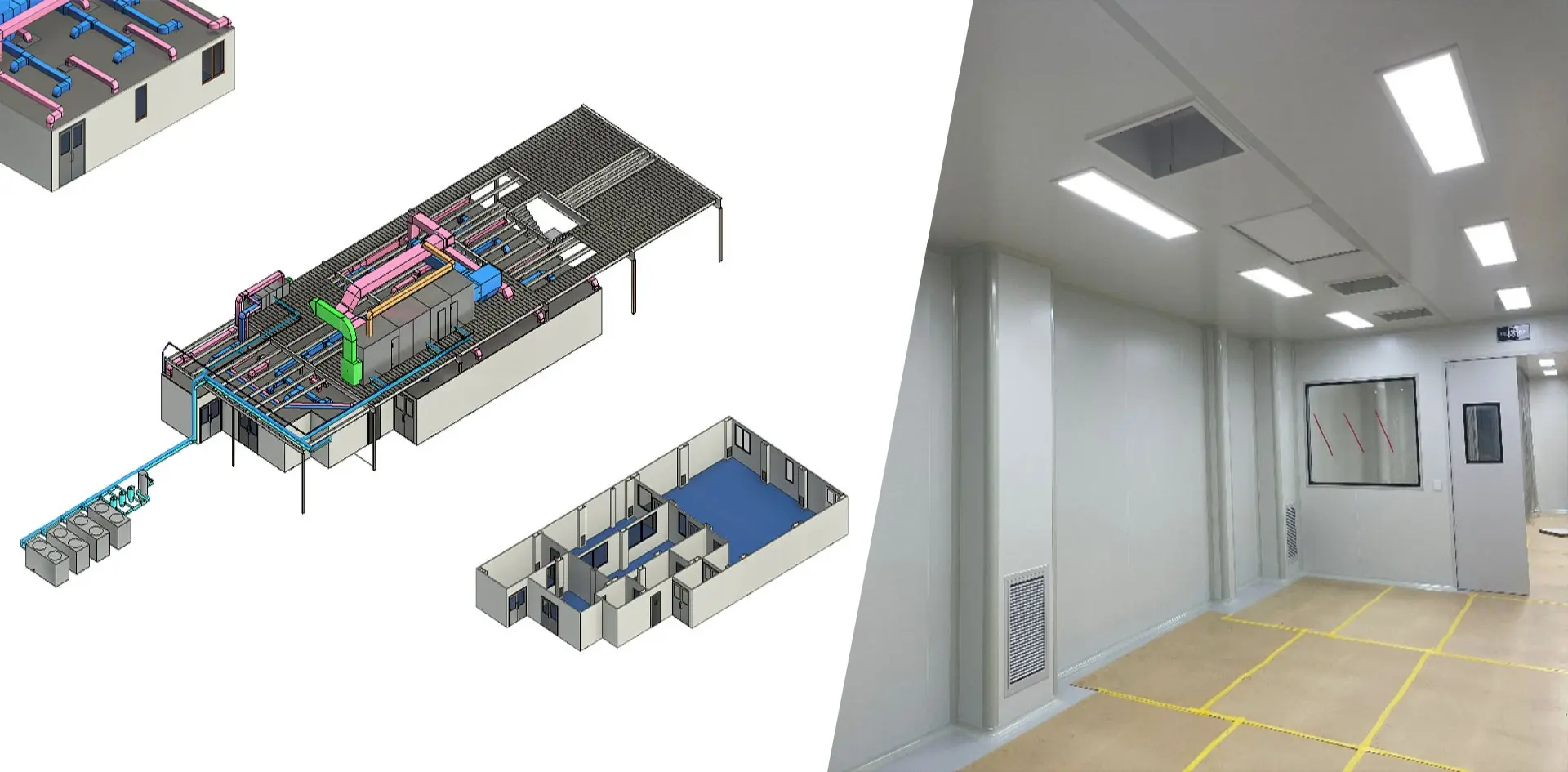 Efficiency ≥99%
Closed-loop recovery plants designed for electrode coaters, reducing atmospheric VOC emissions.
View Product →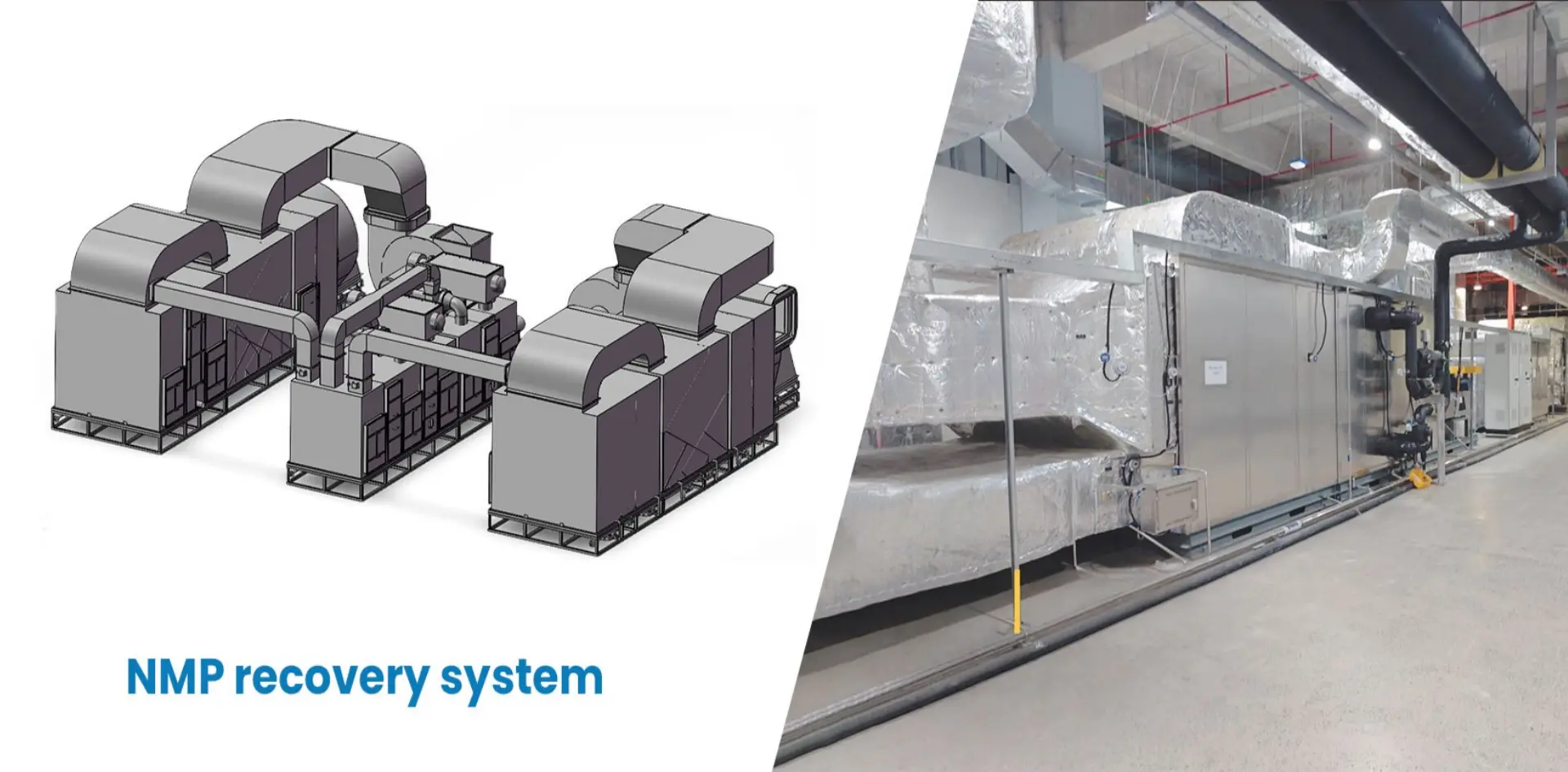 RTO + Zeolite
Deep-cooling condensation combined with regenerative thermal oxidizers for solvent abatement.
View Product →High-performance mechanical cooling dehumidifiers for pre-cooling and commercial moisture loads.
View Product →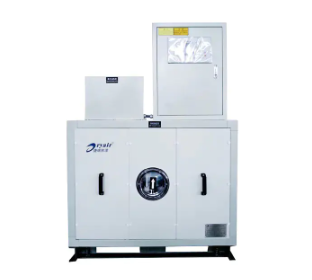 GMP Class A/B
Hygienic dehumidification systems meeting stringent cleanroom standards for pharmaceutical packaging.
View Product →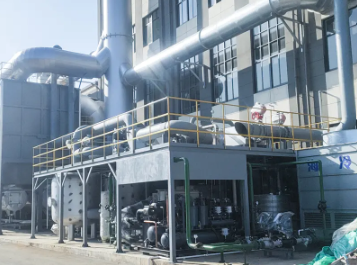 Safety ATEX
Cryogenic oil vapor and volatile gas condensation units tailored for fuel terminals and marine bunkering.
View Product → Custom Built
Turnkey clean dry rooms integrating PLC controls, emergency exhaust, and heat-integrated regeneration.
View Product →Technical checklists and sustainability benchmarks required by multinational engineering consultancies and EPC firms.
Desiccant reactivation accounts for over 70% of a dehumidifier’s operational energy. Global procurement guidelines mandate heat integration: using industrial process waste steam, high-temperature heat pumps, or CO2-neutral electricity sources to regenerate the silica gel or molecular sieve rotor wheel.
High Nordic installation labor costs encourage containerized or skid-mounted modular plants. Units built and rigorously tested at the factory before shipping reduce onsite commissioning time, structural piping adjustments, and validation uncertainties.
Modern desiccant installations leverage IoT analytics to monitor pressure drop across the rotor matrix, drive belt slippage, reactivation temperature differentials, and absolute humidity anomalies in real time, preventing sudden micro-climatic drifts.
Crucial data points on low dew point engineering, import compliance, and after-sales support in Northern Europe.