Jakarta Industrial EV Battery & Chemical Sourcing Whitepaper

Top 10 Factories of NMP Recovery System Manufacturer in China for Jakarta Market

An authoritative engineering dossier on closed-loop N-Methyl-2-pyrrolidone solvent recovery (≥99%), deep condensation thermodynamics, and VOC emission abatement engineered for Greater Jakarta’s tropical gigafactory corridors.

High-Yield NMP Recovery & Humidity Systems for Jakarta Projects

Pre-engineered environmental and solvent management machinery tailored for the high ambient moisture loads of West Java, Karawang New Industry City (KNIC), and Cikarang Industrial Corridors.

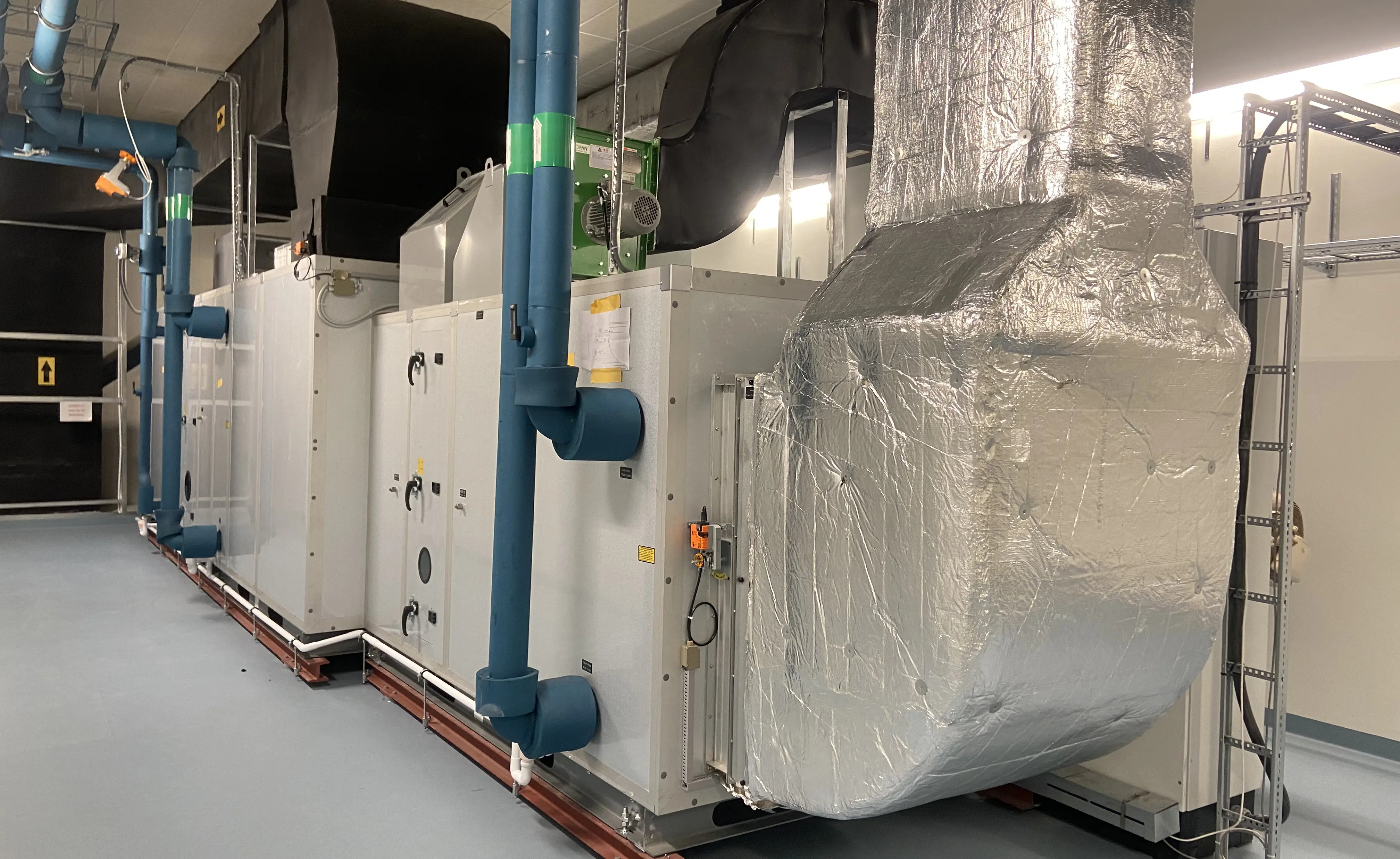
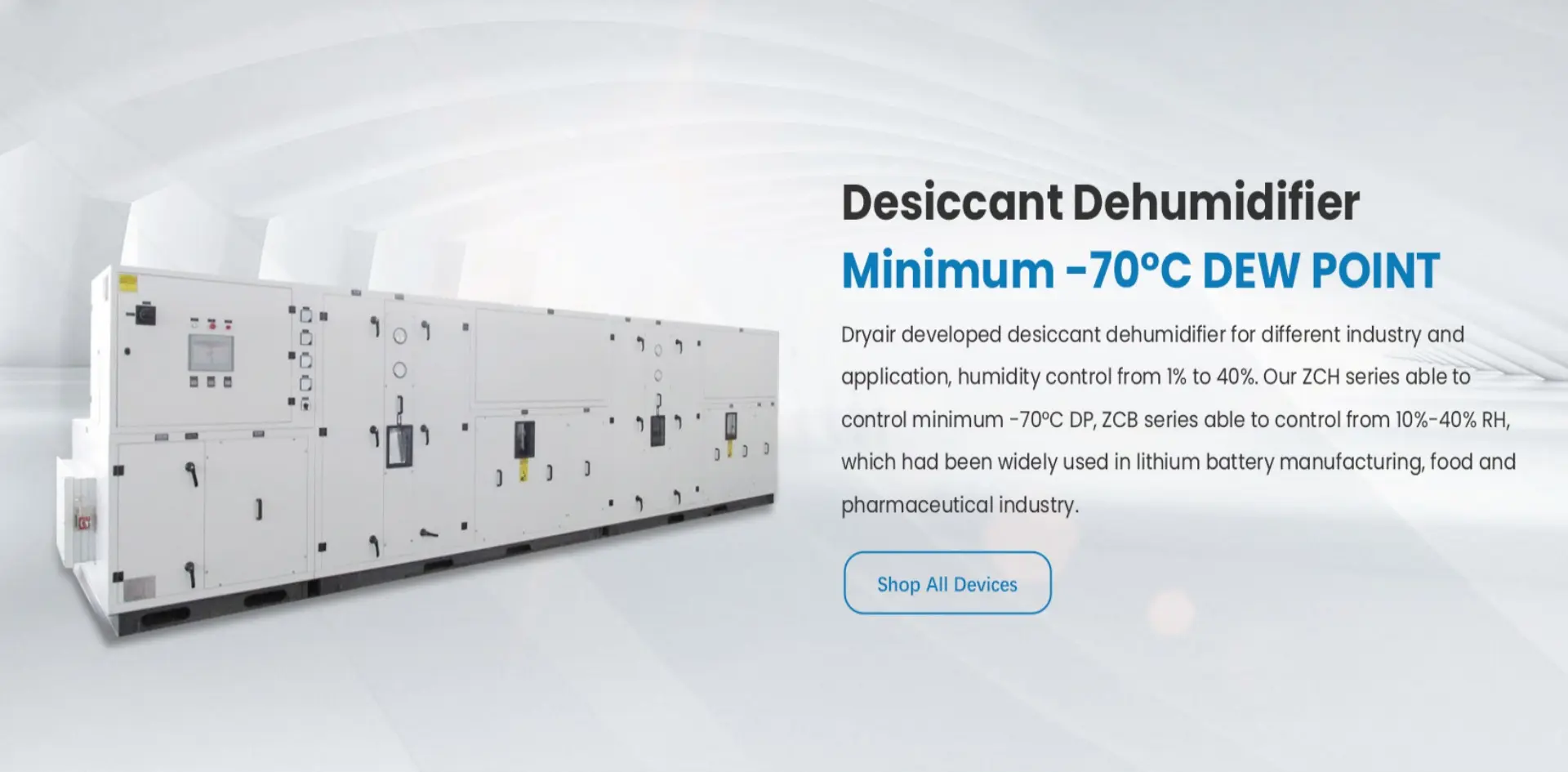
Jakarta Industrial Desiccant Dehumidifier Unit DHU Series DP -70°C Control

Jakarta Industrial Desiccant Dehumidifier

Engineered for lithium cell electrolyte and assembly zones in Jakarta, mitigating ambient tropical latent heat via multi-stage silica gel/molecular sieve rotors.

View Specifications
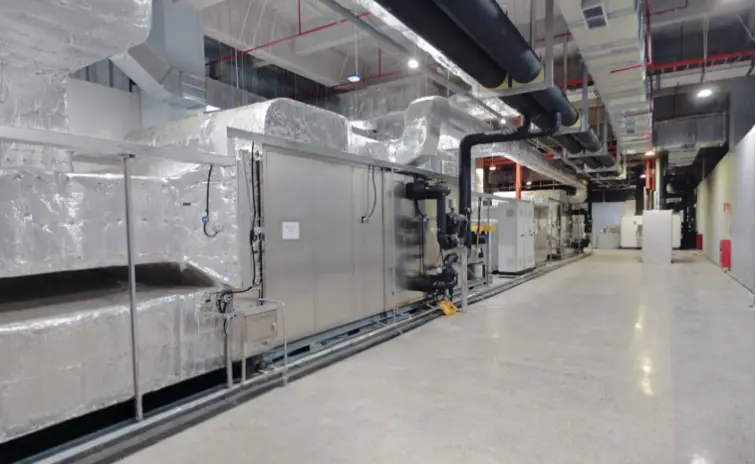
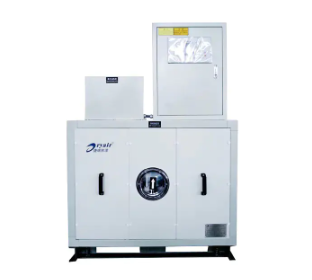
ZJRH High Efficiency NMP Recovery System Jakarta Gigafactory ≥99% Solvent Yield

ZJRH Series NMP Solvent Recovery System

Captures gaseous N-Methyl-2-pyrrolidone from roll-to-roll cathode coater drying exhaust, transforming hazardous vapor into reusable raw chemical assets.

Explore NMP Hardware
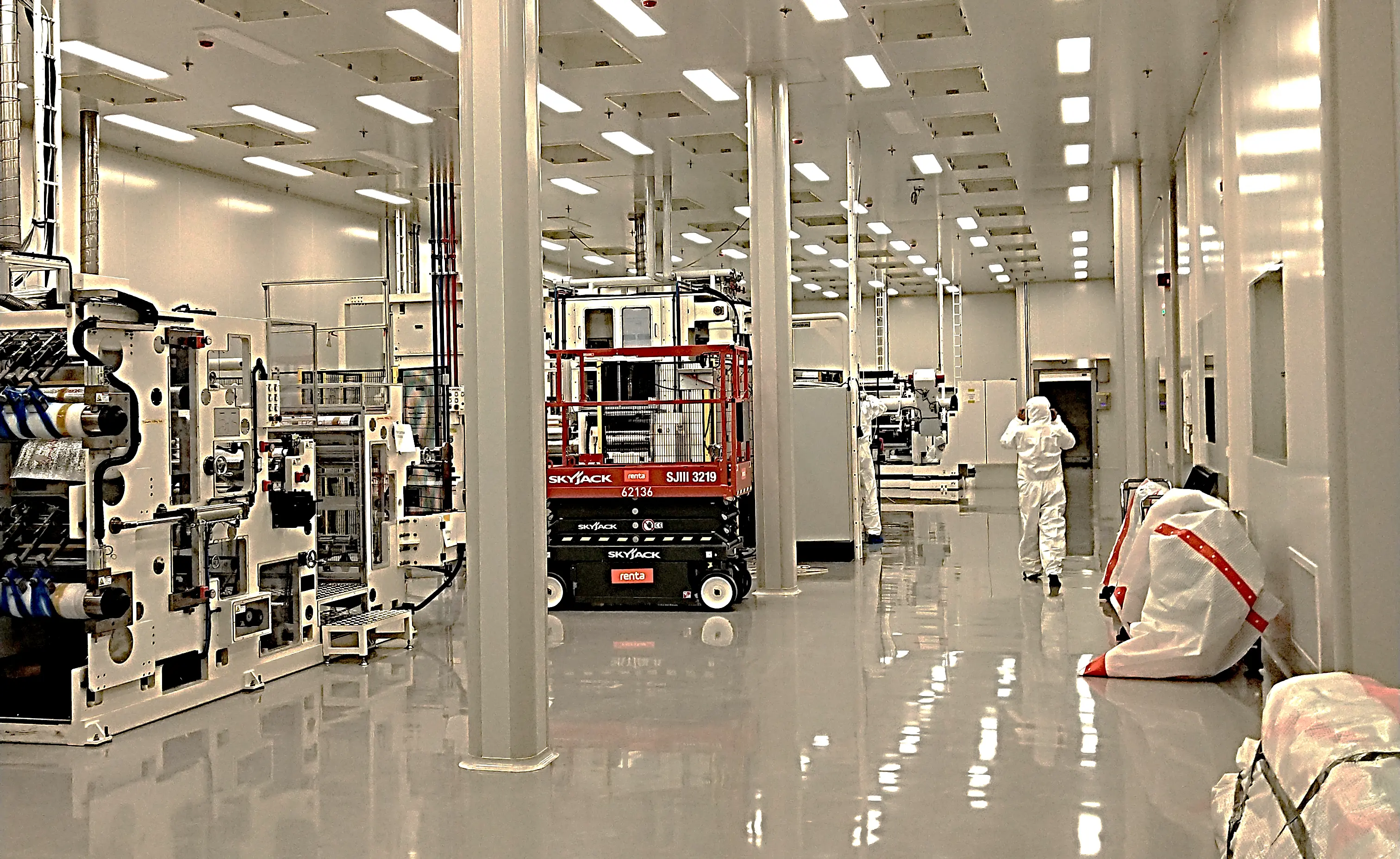
Turnkey Dry Room Engineering Jakarta Battery Plant Full EPC Cleanroom

Turnkey Clean Dry Room for Jakarta Plants

End-to-end envelope, HVAC, and low-dew-point mechanical integration designed for battery manufacturing under stringent ISO 14644 cleanroom criteria.

Explore Dry Rooms
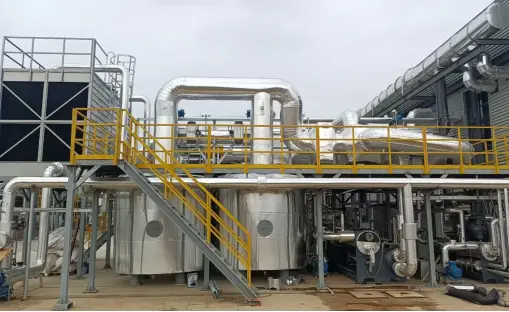
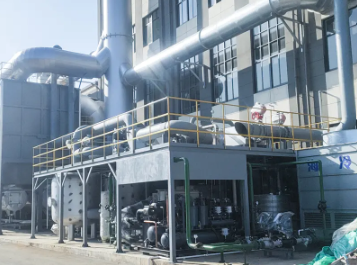
JEN VOC Abatement and Deep Condensation System RTO + Condensation

VOC Abatement & Thermal RTO Plant

Combines multi-stage chilling condensation and regenerative thermal oxidation to eradicate tail-gas hydrocarbons, satisfying Indonesian KLHK environmental baselines.

Inspect VOC Solution

The Jakarta Metropolitan & West Java Battery Landscape: The Sourcing Impetus

The Republic of Indonesia is undergoing an unprecedented structural transition from a raw mineral exporter into the epicenter of the ASEAN Electric Vehicle (EV) and energy storage ecosystem. Driven by presidential decrees promoting domestic battery cell sovereignty and heavy foreign direct investment (FDI) across the Jakarta-Bandung economic corridor, industrial nodes such as Karawang New Industry City (KNIC), Greenland International Industrial Center (GIIC) at Cikarang, and Suryacipta City of Industry are actively commissioning multi-gigawatt-hour (GWh) battery cell and precursor facilities.

In the lithium-ion battery cathode manufacturing line, N-Methyl-2-pyrrolidone (NMP, C₅H₉NO) serves as the primary organic solvent utilized to dissolve polyvinylidene fluoride (PVDF) binders and create a homogenous slurry with cathode active materials (such as high-nickel NMC 811 or lithium iron phosphate, LFP). During the high-temperature drying phase on continuous roll-to-roll coating machines, enormous volumes of vaporized NMP are carried out in hot exhaust streams.

The Jakarta Tropical Environmental Dilemma: High Latent Heat & High Dew Point

Jakarta presents a uniquely demanding ambient environment: mean daytime ambient temperatures hover between 30°C to 35°C, paired with relative humidity consistently spanning 75% to 92%. In thermal engineering terms, this elevated ambient dew point (+26°C to +28°C) severely impacts standard condensation systems. Without specialized pre-cooling, closed-loop thermal pinch integration, and airtight rotor concentration, typical industrial recovery systems suffer from excessive refrigeration energy penalties, coil icing, and water vapor contamination inside recovered solvent tanks.

For plant directors, environmental health and safety (EHS) officers, and procurement directors in the Greater Jakarta region, establishing direct manufacturing alliances with top-tier Chinese original equipment manufacturers (OEMs) of NMP recovery plants is an operational imperative. China produces over 80% of global lithium battery manufacturing infrastructure, housing the design intellectual property (IP), pressure vessel fabrication certifications (ASME Section VIII, CE PED), and operational mastery needed to guarantee recovery yields exceeding 99% under aggressive tropical conditions.

≥99%
NMP Solvent Recovery Rate
<5 ppm
Exhaust Stack VOC Concentration
-70°C
Controllable Supply Dew Point
200+
Units Factory Output / Month

Global Enterprise Sourcing Criteria for High-Capacity NMP Recovery Plants

Procuring an industrial-scale NMP recovery plant involves significant balance-of-plant (BOP) capital expenditure and direct integration with cleanroom production schedules. When global EPC contractors and battery tier-1 manufacturers conduct technical audits of Chinese manufacturing partners for Jakarta projects, engineering proposals are vetted across five non-negotiable vectors:

Thermodynamic Efficiency & Pinch Integration

Evaluating sensible heat exchanger matrices between hot coater exhaust and cold chilled-water condensation stages. High-grade stainless steel heat exchangers must achieve heat recovery rates >70%, slashing both boiler steam and chiller electric loads.

ATEX & IECEx Explosion Compliance

NMP has an auto-ignition temperature of 245°C and an explosive vapor limit (LEL 1.3% to UEL 9.5% by volume). Systems must feature intrinsically safe instrumentation, nitrogen-blanketed distillation sumps, explosion relief panels, and dual NDIR gas analyzers.

Concentration & Vacuum Distillation Purity

Recovered crude NMP liquid typically retains 15% to 30% absorbed water. Tier-1 systems incorporate on-site continuous multi-column vacuum rectification, delivering high-purity battery-grade solvent (water content <100 ppm, purity ≥99.8%) ready for cathode slurry repulping.

Pressure Vessel & Metallurgy Certifications

Mandatory compliance with ASME Section VIII Div. 1 or European CE-PED modules. Complete fabrication in austenitic stainless steel (AISI 304 or 316L) to prevent galvanic corrosion and solvent catalytic cracking under prolonged thermal cyclic stress.

Macro Industrial Solutions: Closed-Loop Condensation vs. Rotor Concentration

In modern electrode coating lines producing automotive-grade prismatic or cylindrical pouch cells, exhaust air volume from a single high-speed coater typically ranges between 15,000 to 50,000 Nm³/h, loaded with 1,000 to 4,500 mg/Nm³ of gaseous NMP. Chinese engineering leaders deploy two foundational process flow configurations depending on factory site parameters in Indonesia:

Process Parameter Two-Stage Deep Condensation + Heat Recovery Zeolite Rotor Concentration + RTO/Condenser Hybrid Closed-Loop Coater Recycling System
Primary Mechanism Sensible heat exchange + multi-stage chilled water condensation coils (7°C & -5°C glycol). Continuous hydrophobic zeolite wheel adsorption with hot air desorption cycle. Re-circulated dry hot air loop returning directly into the coating drying ovens.
Target Exhaust Concentration High concentration streams (>2,000 mg/Nm³). Low concentration, high air volume exhaust (<1,200 mg/Nm³). Directly matched to closed coater oven internal exhaust circuits.
Solvent Recovery Rate 98.5% – 99.2% 95.0% – 98.0% ≥99.5%
OPEX Energy Profile Driven by chiller refrigeration load; minimized by exhaust-air pre-cooling regenerators. Driven by desorbing air heaters and rotor motor drive power. Lowest thermal energy consumption due to direct sensible heat preservation.
Suitability for Jakarta Climate Excellent if paired with insulated condensate isolation to avoid ambient moisture bypass. High stability; unaffected by ambient humidity due to hydrophobic zeolite pores. Requires precision dew point control (-40°C to -60°C) on fresh makeup air inputs.

Under the closed-loop recovery paradigm engineered by Hangzhou DryAir, hot waste air exiting the coating drying zones passes through a specialized plate-type air-to-air heat exchanger, relinquishing up to 65% of its sensible thermal energy to the incoming clean process air. The cooled solvent gas is then channeled through cold-water cooling coils (12°C/7°C) and deep-chilling glycol coils (-5°C), forcing NMP vapor past its saturation pressure point to condense rapidly into liquid droplets. Condensed crude NMP is gravity-drained into intermediate storage vessels, while residual gaseous traces pass through a polishing zeolite rotor, ensuring tail emissions stay well below 5 mg/Nm³, fully compliant with Indonesian KLHK and European Union industrial emissions directives.

Stage 01
Site Psychrometrics
Evaluating coater exhaust CFM, solvent load, and Jakarta ambient wet-bulb temps.
Stage 02
Thermal Simulation
Custom modeling of multi-pass heat recovery and condensation enthalpy points.
Stage 03
Robotic Fabrication
Precision SS304/SS316L welding, leak testing, and ASME pressure verification.
Stage 04
Export Logistics
Modular containerized shipping directly into Tanjung Priok Port, Jakarta.
Stage 05
Commissioning
On-site startup, dew point validation, and integration with Indonesian SCADA networks.

Top 10 Factories of NMP Recovery System Manufacturer in China for Jakarta

Procurement teams seeking verified Chinese manufacturers with proven operational references in the gigawatt battery supply chain evaluate suppliers across annual capacity, global certifications, thermal engineering patents, and overseas project execution track records. Below are the verified top-tier industrial manufacturers serving the Indonesian and international battery markets:

Manufacturer & Base Core Technological Specialization Certification Standards Global & Regional Project References Key Strategic Advantage for Jakarta
1. Hangzhou DryAir Treatment Co., Ltd.
Zhejiang, China (Est. 2010)
Turnkey low-dew-point (-70°C) dry rooms, integrated NMP solvent recovery (≥99%), and combined VOC condensation systems. CE · UL · CSA · ASME · EAC · ISO9001 · GJB Tesla, Northvolt, CATL, BYD, ATL, EVE Energy, Farasis, SVOLT, TTI. Controls over 30% of China’s advanced lithium battery dehumidification/solvent market; delivers complete turnkey EPC contracts with optional 2-year overseas service.
2. Wuxi Dongheng New Energy Tech
Jiangsu, China
High-speed coater NMP gas extraction and multi-stage tubular condensation modules. ISO9001, CE, ATEX Domestic Tier-1 cell makers, European gigafactory pilots. Compact heat exchanger footprints engineered for retrofit lines in limited brownfield industrial sheds.
3. Shenzhen Haoneng Technology
Guangdong, China
Integrated roll coater lines with proprietary on-board NMP vapor containment enclosures. ISO9001, CE BYD, Guoxuan High-Tech, Sunwoda. Deep synergy between roll coating slot-die machinery and localized solvent exhaust ducting.
4. Guangzhou Sinpran Environmental
Guangdong, China
Zeolite rotor adsorption wheels paired with cryogenic NMP liquid condensation units. ISO14001, ISO9001, CE CALB, LG Energy Solution supplier base. Specialized in polishing ultra-low concentration tail gas exhausts to sub-2 ppm standards.
5. Jiangsu Green Intelligent Equipment
Jiangsu, China
Multi-column continuous vacuum distillation skids for raw NMP water extraction. ASME Section VIII, CE-PED Chemical recycling plants across East China. Provides on-site distillation columns capable of refining crude recovered liquid back to 99.9% purity.
6. Changzhou Yiteng Environmental Tech
Jiangsu, China
Thermal energy recovery loops, air-to-air heat exchangers for hazardous organic vapor loops. ISO9001, Explosion-proof CNEx SVOLT, Honeycomb Energy supply chains. Specialized plate welding preventing cross-contamination between raw solvent exhaust and intake air.
7. Shanghai Kelai Mechatronics
Shanghai, China
Automated robotic solvent dispensing and closed recovery manifold lines. CE, UL, ISO9001 Automotive electronics and specialized cylindrical battery makers. Precision SCADA automated valve manifolds with safety interlocks and remote cloud diagnostics.
8. Hangzhou Xinjing Environmental Engineering
Zhejiang, China
Industrial VOC tail-gas incinerators, RTO thermal oxidation integrated with solvent strippers. ISO14001, CE Petrochemical plants, coating converters in Southeast Asia. Capable of handling complex co-solvent exhausts (NMP mixed with ethanol and acetone vapors).
9. Dongguan Blue Pure Environmental
Guangdong, China
Small-to-medium pilot scale NMP recovery skids for R&D laboratories and pouch prototyping. CE, ISO9001 Academic battery research centers, Southeast Asian electronics plants. Skid-mounted plug-and-play architecture with rapid installation lead times.
10. Jiangsu Tianhua Chemical Machinery
Jiangsu, China
Heavy-gauge chemical distillation columns, falling film evaporators, and condenser arrays. ASME "U" Stamp, SQL, CE Sinopec, CATL chemical supply affiliates. Heavy metallurgical fabrication expertise in specialized anti-corrosion hastelloy and 316L titanium alloys.

Technical Roadmap & Future Outlook: Solvent Management (2025–2035)

The manufacturing landscape for energy storage devices is evolving rapidly toward higher energy density, lower processing cost per kilowatt-hour, and absolute carbon footprint neutrality. As gigafactories expand throughout Indonesia, three revolutionary engineering developments are reshaping the architecture of NMP recovery systems:

1. Mechanical Vapor Recompression (MVR)

Traditional vacuum rectification relies heavily on plant steam boilers. Next-generation NMP distillation columns incorporate centrifugal MVR compressors that compress secondary vapor, raising its enthalpy to serve as the heating medium for the evaporator, cutting steam utility consumption by up to 60%.

2. AI-Driven Dynamic Enthalpy Modulation

Integrating industrial Internet of Things (IIoT) sensors directly into the coating enclosure allows neural-network PLC algorithms to predict solvent release rates based on web speed and slurry weight, dynamically adjusting glycol chilling rates to prevent excess overcooling.

3. Transition to Semi-Solid / Dry Electrode Co-Existence

While dry electrode processes are emerging for specific chemistries, high-nickel ternary automotive cells will rely predominantly on wet NMP slurry coating through 2035. Future plants are being engineered with modular capacity flexibility to handle lower solvent densities without loss of aerodynamic efficiency.

4. Zero Liquid Discharge (ZLD) Recycling

Integrating waste heat from the battery dry room desiccant regenerators directly into the solvent purification skid creates a unified thermodynamic loop, converting dirty process water and solvent sludges into crystal-dry solid waste and pure deionized water.

Localized Support & Compliance Safeguards for Jakarta Capital Market

Deploying heavy industrial machinery into Indonesia requires navigation of stringent domestic environmental standards, import tariffs, and on-site engineering execution capabilities. Sourcing from experienced manufacturers like Hangzhou DryAir ensures complete alignment with local operational realities:

Indonesian KLHK Compliance

Fully satisfies Peraturan Menteri Lingkungan Hidup dan Kehutanan concerning stationary emission standards (Baku Mutu Emisi Sumber Tidak Bergerak), ensuring total volatile organic compounds (TVOCs) and odor thresholds remain strictly within legal limits.

Seismic & Wind Load Engineering

Java Island is located along the Pacific Ring of Fire. Distillation towers, ducting bridges, and heavy condensing skids are structurally engineered to withstand regional seismic acceleration criteria under Indonesian SNI 1726 building codes.

Tanjung Priok Logistics & Customs

Systems are pre-assembled into standardized modular skid frames engineered for 40-foot high-cube containers and open-top flat racks, facilitating expedited customs clearance and direct flatbed transit to West Java industrial parks.

Bilingual Commissioning Teams

Deployment of Hangzhou DryAir field service engineers equipped for long-term on-site commissioning, operator training in English and Indonesian, and supported by an optional 2-year overseas technical maintenance agreement.

Frequently Asked Technical Questions: NMP Recovery Procurement

Authoritative answers addressing design margins, solvent chemistry, energy payback, and operational stability in tropical climates.

How does Jakarta's high ambient humidity impact the purity of recovered liquid NMP?
N-Methyl-2-pyrrolidone is extremely hygroscopic and forms a strong hydrogen-bonded azeotropic-like mixture with ambient water vapor. In unoptimized recovery systems operating in high-humidity zones like Greater Jakarta, outside air leakage into negative-pressure coater ductwork introduces substantial moisture. Hangzhou DryAir systems incorporate specialized airtight sealing flanges, desiccant-purged air balance locks, and closed-circuit nitrogen blankets, ensuring that crude condensed solvent retains less than 15% moisture, drastically reducing the thermal duty of the final vacuum distillation column.
What is the typical return on investment (ROI) timeline for an industrial NMP recovery system?
Given that pure virgin NMP chemical pricing typically fluctuates between $2,500 to $4,500 USD per metric ton, an automotive-scale 10 GWh battery gigafactory consumes thousands of tons annually. By capturing and purifying solvent with a certified yield exceeding 99%, the recovery hardware pays for itself within 9 to 14 months of continuous production, converting a major hazardous waste liability into an operational cost reduction.
Can DryAir NMP recovery equipment integrate with existing coater lines from Japanese, Korean, or European OEMs?
Yes. Hangzhou DryAir engineers custom-match the aerodynamic resistance, static pressure differentials, and thermal duct profiles to any roll-to-roll continuous coater or simultaneous double-side coating machinery, including systems manufactured by Toray, Hirano, PNT, CIS, or Chinese tier-1 suppliers.
What explosion protection protocols are installed to mitigate ignition hazards?
Our systems comply strictly with ATEX Zone 1/Zone 2 hazardous area classifications. All motors, fans, and sensors are certified explosion-proof (Ex d IIB T4 / IECEx). Systems feature multi-point optical NDIR gas sensors calibrated to trigger inert nitrogen dilution if NMP vapor concentrations reach 25% of the Lower Explosive Limit (LEL), accompanied by spring-loaded rupture discs and automatic water-mist deluge isolation valves.
What is the guaranteed dew point performance in battery dry rooms integrated with NMP systems?
Hangzhou DryAir specializes in ultra-low dew point control, stably maintaining supply air dew point down to -70°C in cell assembly, winding, and electrolyte filling zones. This eliminates dangerous moisture interactions with lithium salts (such as LiPF₆) which otherwise produce corrosive hydrofluoric acid (HF).

Advanced Environmental Engineering Portfolio for Jakarta Projects

Explore our comprehensive industrial portfolio, spanning deep-dew-point desiccant dehumidifiers, VOC thermal oxidizers, and turnkey gigafactory dry room installations.

DryAir Rotary Desiccant Dehumidifier Unit for Jakarta Plants DP -70°C Spec

Industrial Desiccant Dehumidifier

Engineered for lithium cell assembly, pharmaceutical tablet rooms, and high-precision electronic manufacturing across West Java.

View Specifications
Turnkey Battery Dry Room Construction Jakarta Indonesia Turnkey EPC

Jakarta Turnkey Battery Dry Room

Complete humidity-controlled enclosures, airtight modular sandwich paneling, and balanced low-dew-point HVAC air handling.

Explore Dry Rooms
ZJRH Series NMP Solvent Recovery Plant Jakarta ≥99% Yield

NMP Solvent Recovery System

High-efficiency solvent condensation and concentration for battery electrode coater exhaust with comprehensive VOC control.

Learn More
JEN VOC Abatement and RTO Incineration Unit Jakarta Cooling + RTO

VOC Abatement & Destruction System

Deep-cooling condensation paired with regenerative thermal oxidizers to treat complex chemical exhausts and recover solvent vapors.

Learn More
Energy Saver

Jakarta Refrigerative Dehumidifier

High-efficiency moisture extraction for raw chemical storage warehouses and pre-cooling stages ahead of ultra-dry rooms.

Learn More
Lithium Battery Plant Environmental System Jakarta Gigafactory Grade

Cell Assembly Low-DP Atmosphere

Integrated environmental containment maintaining steady Dew Point below -50°C for winding, stacking, and pouch sealing.

Inspect Cleanrooms
Oil Gas and Solvent Vapor Recovery Jakarta Oil & Gas Spec

Vapor Condensation & Stripping Unit

Condensation recovery arrays engineered to prevent volatile hydrocarbon venting during chemical decanting and solvent transfers.

View Vapor Systems
Pharmaceutical Cleanroom Dehumidification System Jakarta GMP Certified

Pharma Cleanroom Humidity Control

Precision desiccant rotors maintaining tight relative humidity standards across hygroscopic drug formulation and packaging zones.

Explore Pharma Units

Connect Directly with Our Lead Industrial Engineering Team

Planning a battery gigafactory phase, electrode coater retrofit, or solvent recovery installation in Greater Jakarta, Karawang, or Cikarang? Receive psychrometric simulations, equipment sizing calculations, and commercial proposals within 24 hours.